
Caper (Capparis spinosa, )
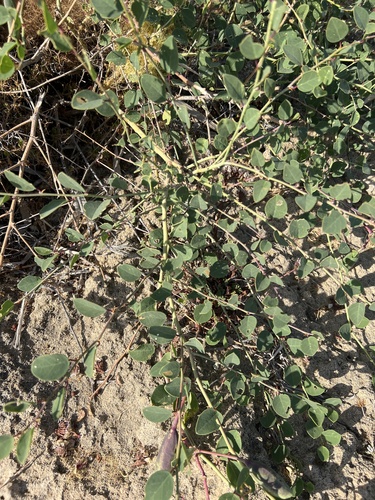
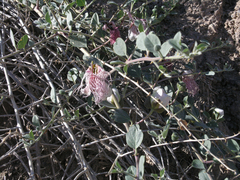
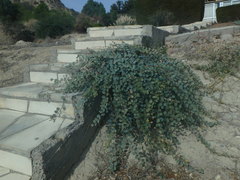
Caper (Capparis spinosa) is a scrambling subshrub in the Capparaceae family, native from the Mediterranean region to the Near East and Himalayas. It grows in sunny crevices of old walls and dry rocks. Its unopened flower buds are hand-picked and pickled to make culinary capers.
Read moreCaper, Caper bush, Common caper and Flinders rose
Place in full sun, with intense direct light all day long.
Full sun required; does not grow in shade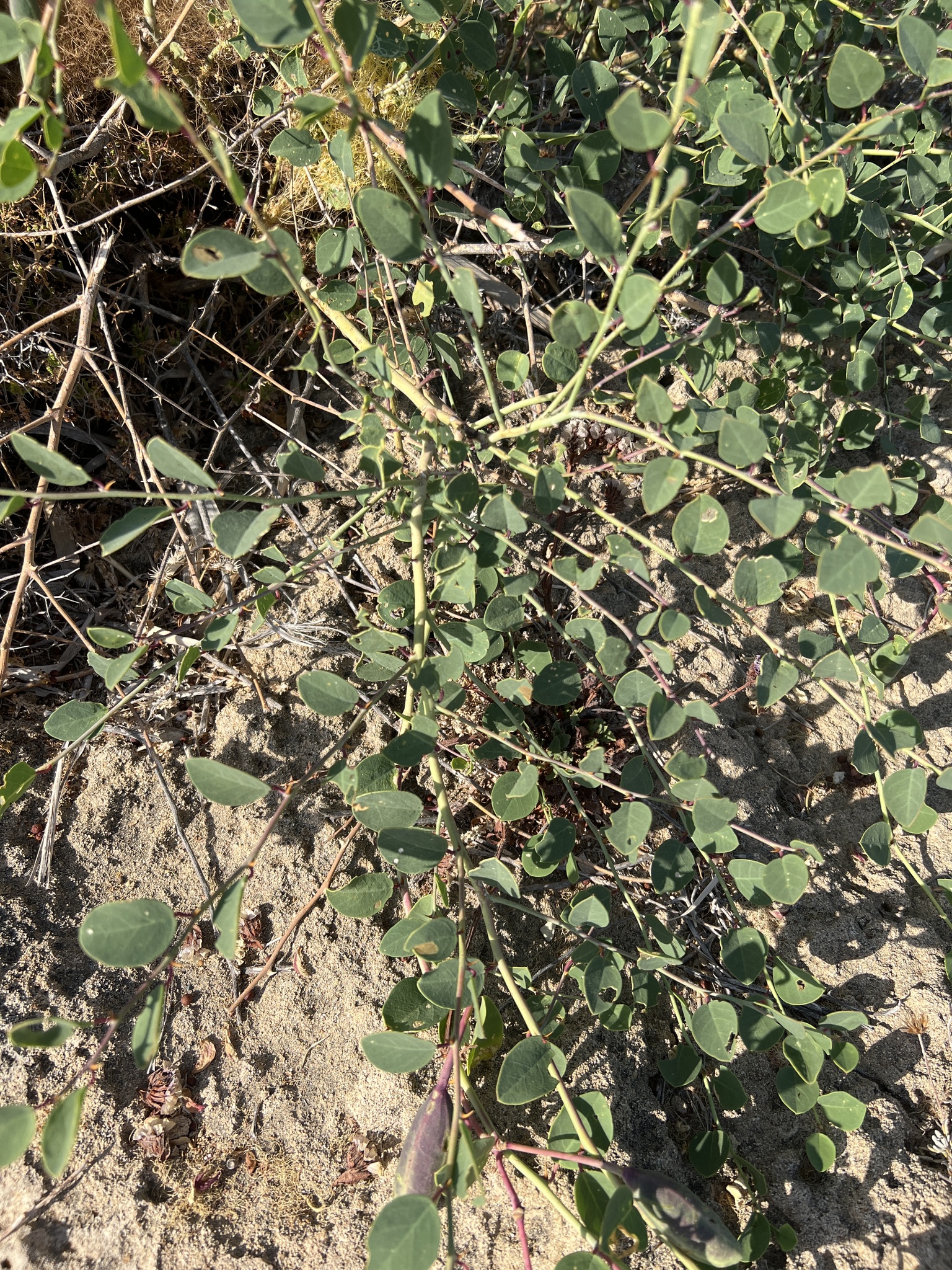
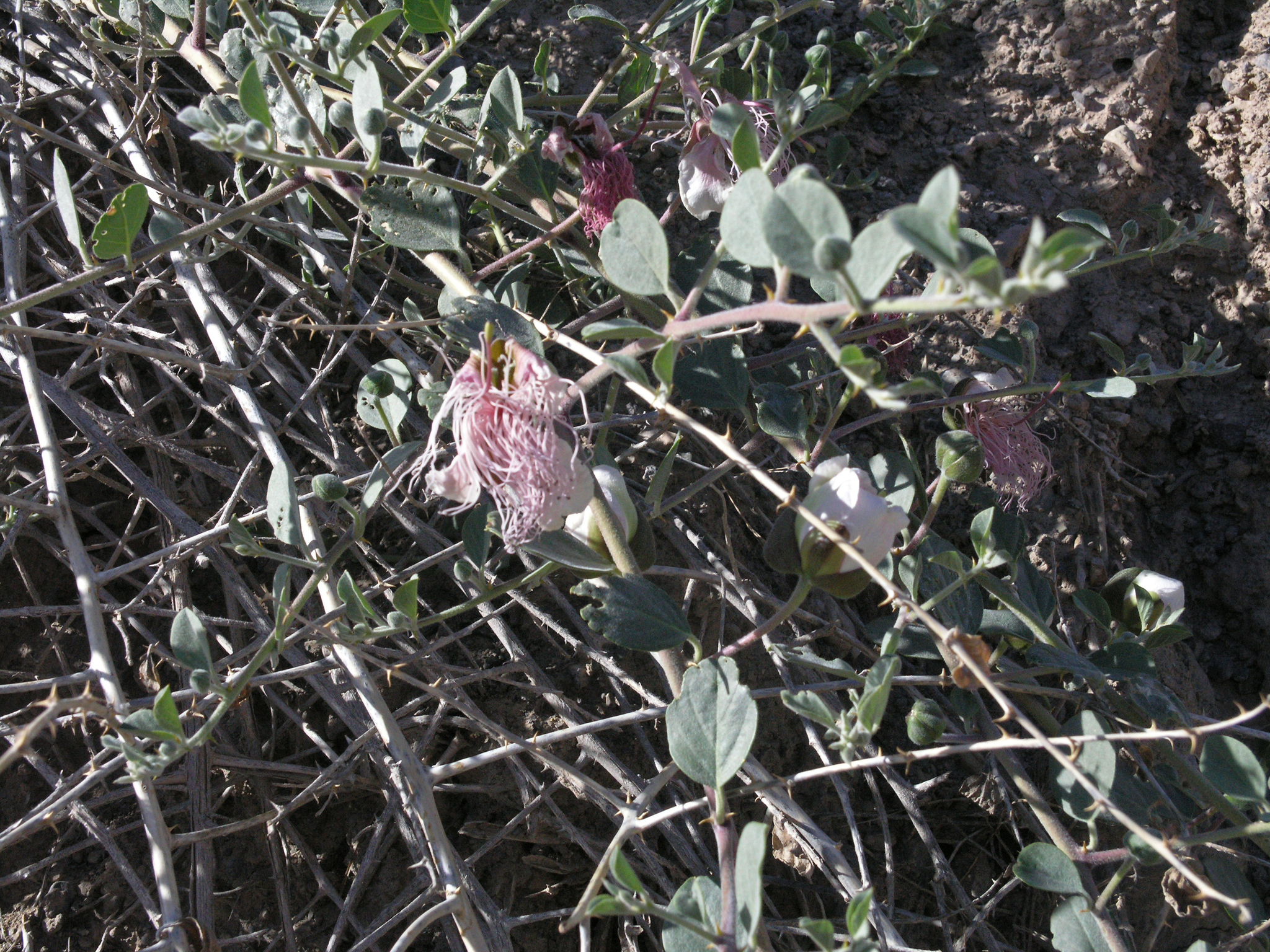
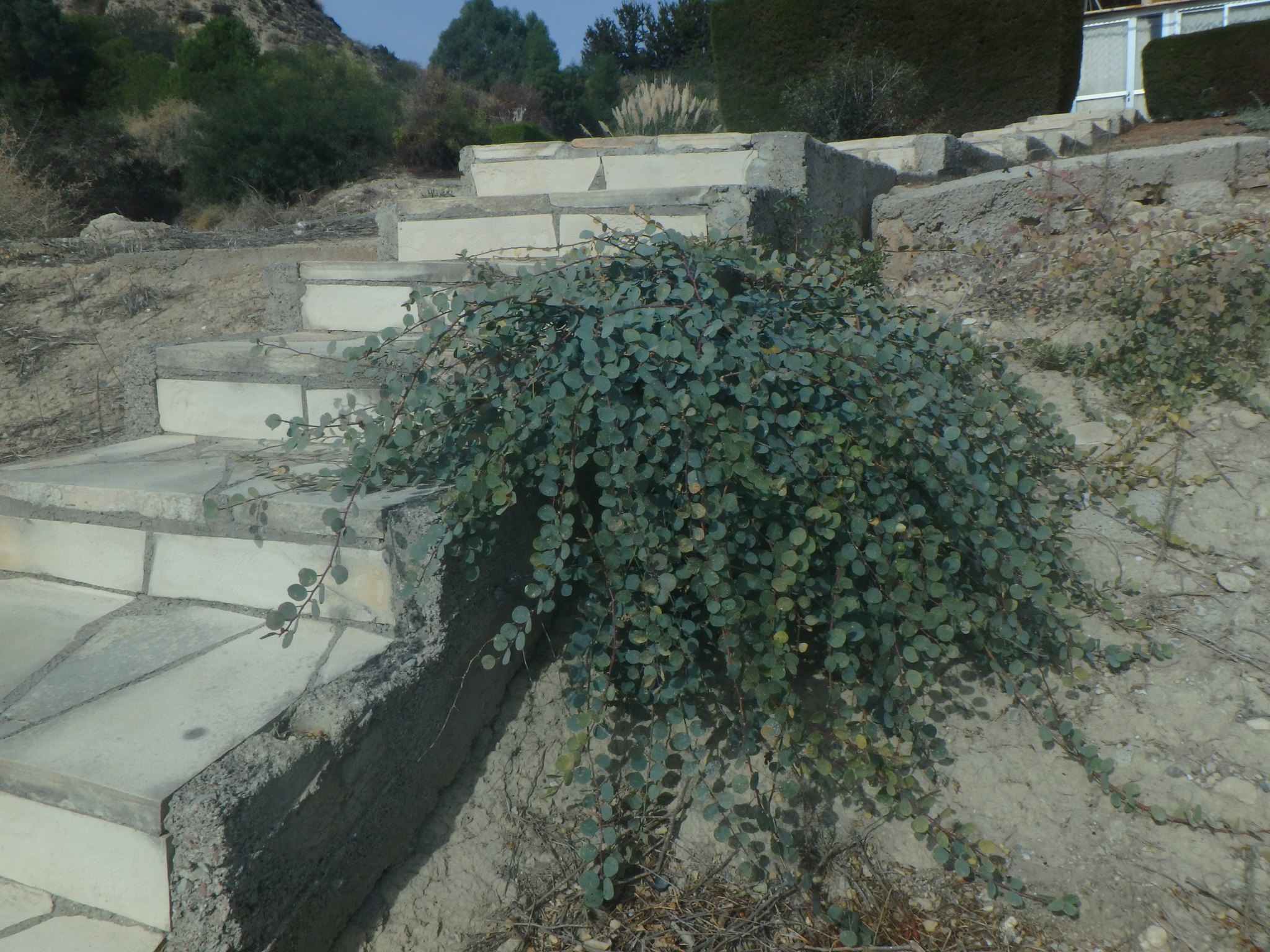
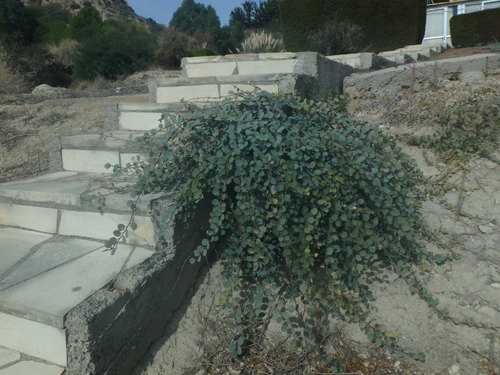
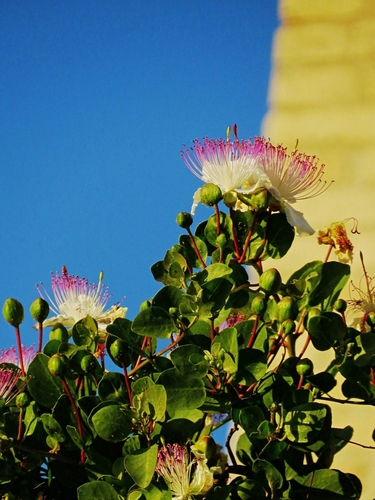
© photo
Kathryn Cooper · cc0
Oleg Kosterin · cc0
Daniel Cahen · cc-by
(c) Daniel Cahen, some rights reserved (CC BY) · cc-by
(c) Gianni Del Bufalo bygdb, some rights reserved (CC BY) · cc-by
Global distribution
The native range of caper extends from the Canary Islands and Morocco to the Black Sea, Iran and the Himalayas, where it grows on rocks up to 3,600 m. Native populations also occur in northern Australia, associated with the name Flinders rose. Beyond this broad range, it is mainly cultivated or locally naturalized, for example in California.
- Native8
- Introduced1
- France
- Italy
- Spain
- Greece
- Morocco
- Iran
- India
- Australia
- United States
Hexagons: regions where the plant occurs. Green dots: native range.1
Identity
Caper (Capparis spinosa L., 1753), also called caper bush, common caper or Flinders rose, is a scrambling subshrub in the genus Capparis, family Capparaceae, found wild around the Mediterranean. Its trailing or creeping stems extend 1–3 m (3–10 ft) from cracks in walls or rocks, sometimes with no visible soil at their base. Plants of the World Online and the International Plant Names Index confirm the accepted name and authority. 1 2
The word caper traces back to Greek kapparis. Names in several languages also evoke nasturtiums or the German Kapuzinerkresse, with associations to a hood. This linguistic overlap accompanies a real culinary confusion: pickled nasturtium buds (Tropaeolum majus) often substitute inexpensively for true capers. 7
Cultivation and wild harvesting date back to antiquity. Dioscorides mentioned capers as a commodity traded by the Greeks, and Pliny the Elder discussed them in Rome. Their probable origin lies in dry areas of western or central Asia. 6
Recognition
Scrambling stems trail or creep rather than forming an upright tree. The shrub usually reaches 50 cm to 1 m (20 in to 3 ft) tall, with a much broader spread of 1–3 m (3–10 ft) when it hangs freely from a wall or bank. 3 4
Rounded to oval leaves are thick, gray-green and borne on short stalks. In the common wild form, two curved spines sit at the base of each leaf. These explain the epithet spinosa and distinguish it by touch from the nursery-sold spineless selection var. inermis. 3 8
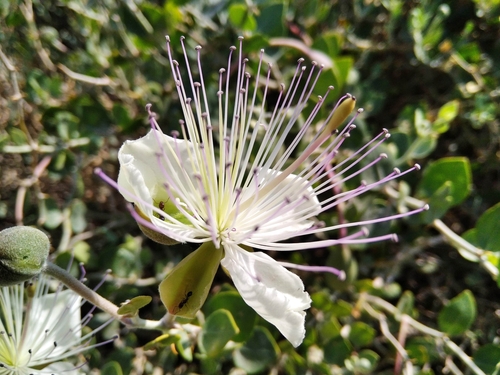
Large, solitary flowers are white to pinkish, 5–7 cm (2–3 in) across, with four petals and a cluster of violet stamens projecting far beyond the corolla. Each flower lasts only a day, but the clump flowers over a long warm season, from May to September in Mediterranean Northern Hemisphere conditions. 4 5
Useful taxonomy
Linnaeus published the accepted name Capparis spinosa L. in Species Plantarum in 1753. Recognized members of the complex include subsp. spinosa, subsp. parviflora from the eastern Mediterranean to western India, and var. herbacea from Crimea and Turkey to Mongolia. 1 2
Several historical names for spineless rock-dwelling forms explain nursery labels still encountered:
- Capparis spinosa var. inermis Knoche (historical botanical name)
- Capparis rupestris Sm.
- Capparis spinosa var. rupestris (Sm.) Viv.
- Capparis spinosa var. aegyptia (Lam.) Boiss.
For either spiny or spineless plants, Capparis spinosa provides the accepted botanical reference used in nurseries and floras. 1
Habitat and range
From the Canary Islands and Morocco, the native range reaches the Black Sea, Iran and the Himalayas, where plants grow on rocky faces up to 3,600 m (11,800 ft). Separate native populations also occur in northern Australia, associated with the local name Flinders rose. 5 4
French populations grow spontaneously on old walls, rocks and sunny slopes in Provence, Corsica, Languedoc, Roussillon and Gironde. A narrow crack can provide a foothold without visible soil, provided drainage remains excellent. 7 8
Beyond its broad native range, this species is chiefly cultivated for flower buds or locally naturalized, as in California. Commercial cultivation is concentrated in Spain and Italy, with additional production in Greece, North Africa and Cyprus. 6
Life cycle and reproduction
Summer flowers supply nectar in Mediterranean heat, attracting bees and nocturnal pollinators when few other plants bloom on dry rocks. After flowering, the fruit forms an oblong, fleshy capsule known as a caperberry. At maturity it opens, exposing reddish pulp filled with small seeds. 6 5
Propagation uses scarified seed, which germinates slowly and irregularly, or semi-ripe cuttings taken in summer and rooted in a cold frame. Cuttings treated with rooting hormone can achieve a success rate close to 70%. 5 6
A deep taproot develops before much top growth, accounting for slow progress in the first two years. Full flower-bud production usually begins at 3–4 years, after which a planting can remain productive for 20–30 years. 6
Uses and risks
Culinary capers are unopened buds picked early in the morning, wilted and preserved in vinegar or salt. Size grades range from small nonpareilles to larger communes. Their sharp flavor comes from sulfur compounds released through enzymatic hydrolysis during wilting, a chemical mechanism also found in mustard. 6 3
No toxicity is documented in cats, dogs or humans for this widely eaten Mediterranean plant; horse status remains unrecorded for lack of specific data. Traditional uses include root-bark tincture for digestive complaints, but these practices do not replace medical advice. 5
Winter moisture presents a major cultivation risk: persistently wet soil can cause root rot more readily than moderately cold, dry conditions down to about -8 °C (18 °F). 4 3
Varieties, look-alikes and related plants
The spineless var. inermis sold by nurseries is a horticultural selection rather than a separate species and is easier to handle than spiny wild plants. Check the complete binomial before buying, since regional varieties can carry similar names. 3 1
Pickled nasturtium buds (Tropaeolum majus) imitate capers in cooking despite belonging to an entirely different family. Their milder flavor and lack of the caper’s characteristic fibrous structure help distinguish them. In gardens, cold tolerance also separates the plants: established caper tolerates brief frosts to about -8 °C (18 °F) in USDA zones 8–10, while nasturtium is frost-sensitive and is grown as an annual where winters freeze. 7 4
Historical taxonomy creates further confusion: regional floras have treated spineless rock forms as Capparis rupestris or as a separate variety before broadly including them under Capparis spinosa. Linnaeus’s 1753 description remains a useful reference for nursery plants regardless of the variety name on the label. 1
Main sources
- Plants of the World Online / Kew, Capparis spinosa L.
- International Plant Names Index, Capparis spinosa L.
- Royal Horticultural Society, Capparis spinosa - common caper
- Missouri Botanical Garden Plant Finder, Capparis spinosa
- Plants For A Future, Capparis spinosa
- Purdue University New Crop Resource Online Program, Caper factsheet
- INPN, Capparis spinosa L. 1753, spiny caper
- Tela Botanica, digitised Flore de Coste, Capparis spinosa L. (BDTFX 12719)
Frequently asked questions
Are caper and nasturtium the same plant?
No. Caper (Capparis spinosa) belongs to Capparaceae, while nasturtium (Tropaeolum majus) belongs to Tropaeolaceae. Pickled nasturtium buds are simply an inexpensive substitute for true capers.
How are capers harvested?
Unopened flower buds are picked by hand early in the morning before they open. They are then wilted, pickled in vinegar or salt, and graded by size, from the smallest and most sought-after buds to the largest.
Is caper poisonous to cats and dogs?
No toxicity is documented in cats, dogs or humans. Horse status remains unrecorded because specific data are lacking.
Why is my caper plant not flowering?
Insufficient full sun is the most common cause. Excess nitrogen fertilizer or unpruned old stems can also reduce flowering, which occurs chiefly on new growth.
What is the difference between capers and caperberries?
Capers are unopened flower buds. Caperberries are ripe fruits, harvested with their stalks and pickled whole; they have a milder flavor and crunchy seeds.
Can caper survive frost?
Established plants tolerate brief frosts down to about -8 °C (18 °F), corresponding to USDA zones 8–10. Colder conditions require winter shelter or containers moved under cover.
What kind of spines does wild caper have?
Two stipules modified into curved spines occur at the base of each leaf in the wild form. Nurseries sometimes sell a spineless form, var. inermis, that avoids this difficulty.
Similar plants
If you are unsure about a plant’s toxicity, ask a botanist or veterinarian for advice.