
Winter savory (Satureja montana, )
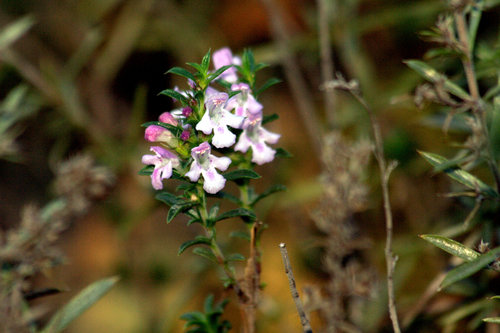
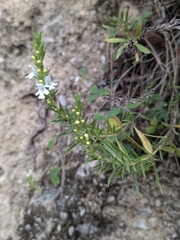
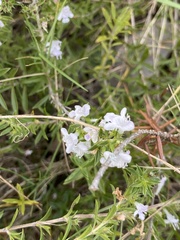
Winter savory (Satureja montana) is an aromatic subshrub in the Lamiaceae family, native to the Mediterranean region as far as Lebanon. Low and bushy with a woody base, it grows in full sun on dry limestone soils. Its persistent foliage and woody habit distinguish it from annual summer savory. It has been cultivated since antiquity as a seasoning and medicinal herb.
Read moreWinter savory, Mountain savory and Perennial savory


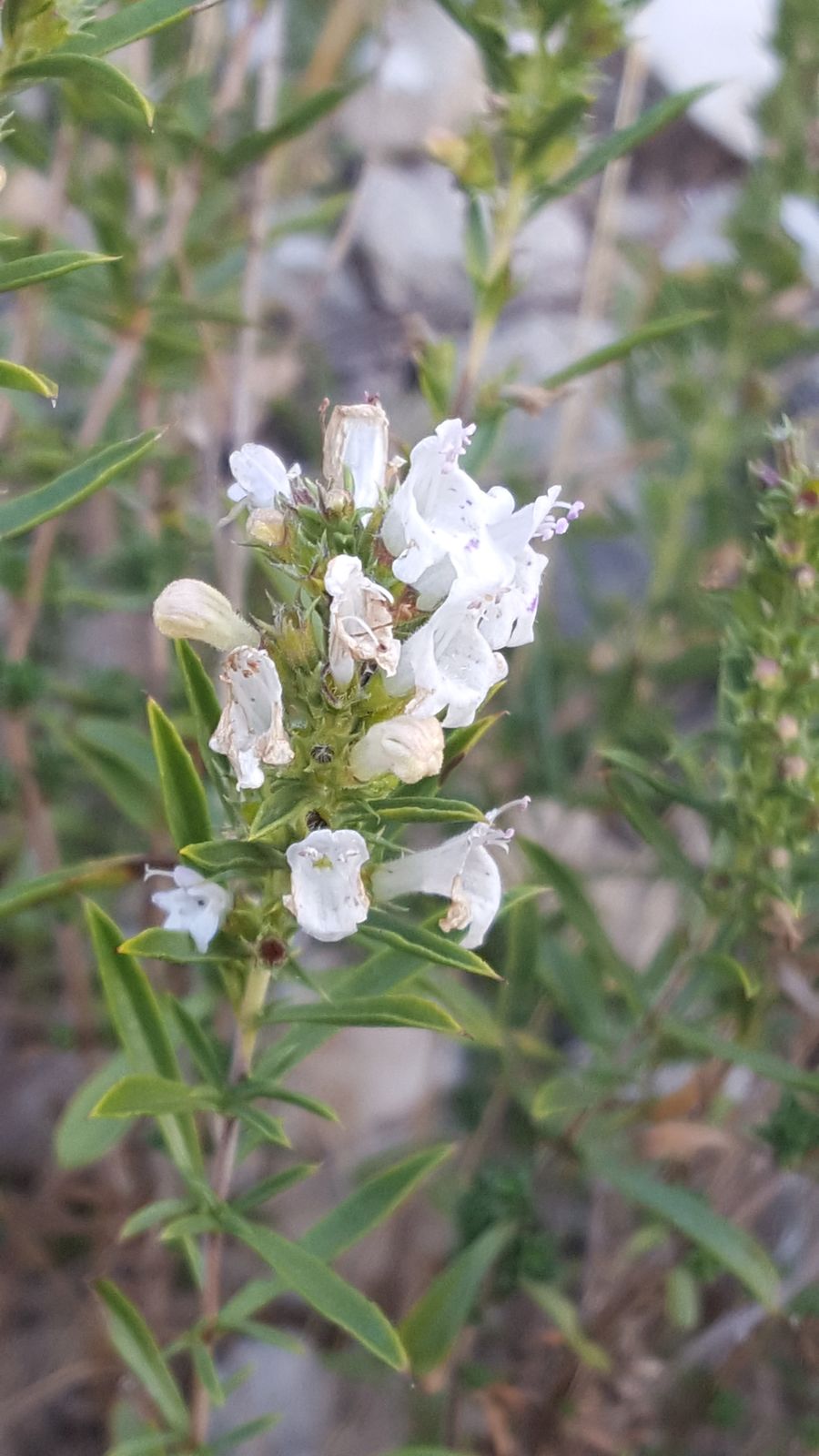
© photo
(c) Manuel Martín Vicente, some rights reserved (CC BY-NC-ND) · cc-by-nc-nd
Marios Thoma · cc-by
Thomas Dreux · cc-by
Taken Oct 11, 2009 by Tela Botanica − Jean-Pascal MILCENT (cc-by-sa)
Taken Jul 15, 2019 by fariap (cc-by-sa)
Taken Jul 12, 2021 by Manuëlle (cc-by-sa)
Taken Sep 23, 2014 by Tela Botanica − Marie PORTAS (cc-by-sa)
© copyright of the Board of Trustees of the Royal Botanic Gardens, Kew.


Global distribution
Satureja montana is native from south-central and southern Europe to Lebanon, with a strong Mediterranean center of distribution. Two accepted subspecies have smaller ranges: subsp. macedonica in northern Greece and subsp. variegata from northeastern Italy to the western Balkans. Outside its native range it is mainly cultivated as an herb for dry gardens.
- Native6
- France
- Italy
- Croatia
- Greece
- Spain
- Lebanon
Hexagons: regions where the plant occurs. Green dots: native range.1
Identity
Winter savory (Satureja montana L., 1753), also called perennial savory or mountain savory, is an aromatic subshrub in the genus Satureja, family Lamiaceae. Plants of the World Online and the International Plant Names Index confirm this accepted name and its author. 1 2
A woody base immediately separates Satureja montana from its cousin summer savory (Satureja hortensis), a more mildly scented annual that dies in fall. Winter savory is instead a perennial, cultivated since antiquity as a seasoning and medicinal plant. 5 7
Its mountain association reflects the species’ habitat in limestone scrub and on calcareous hillsides. The French vernacular names likewise refer to these mountain settings. 8
Recognition
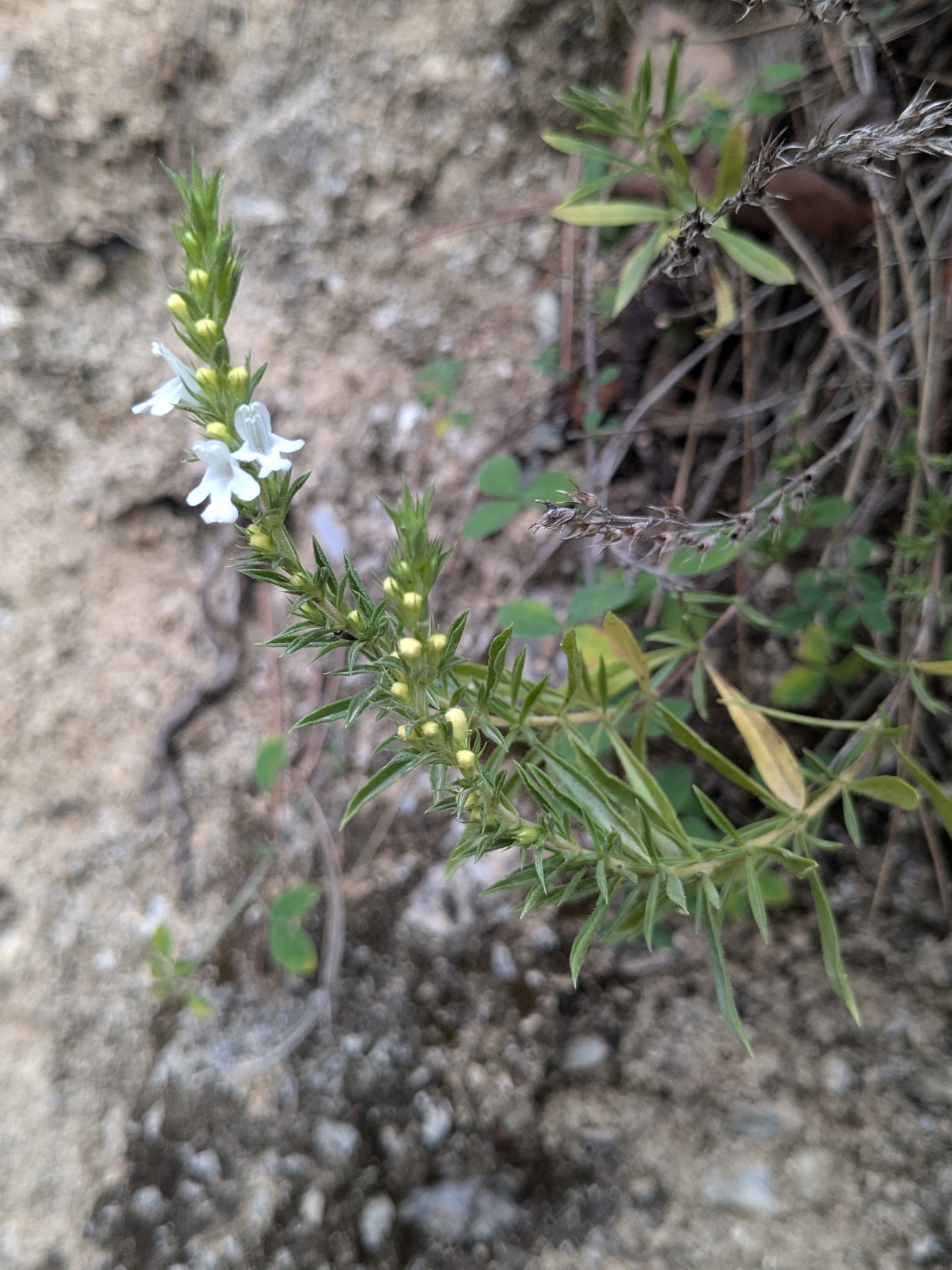
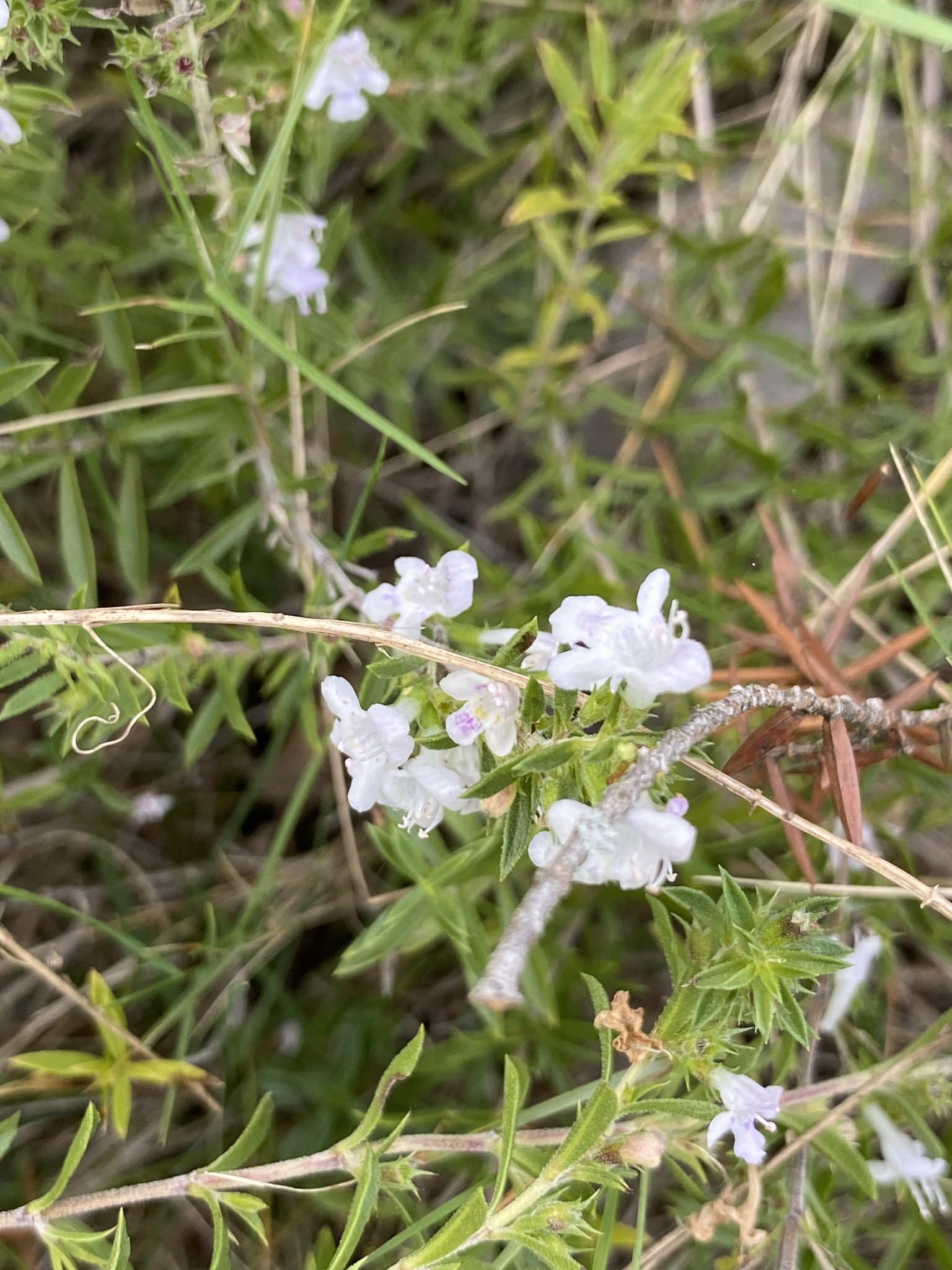
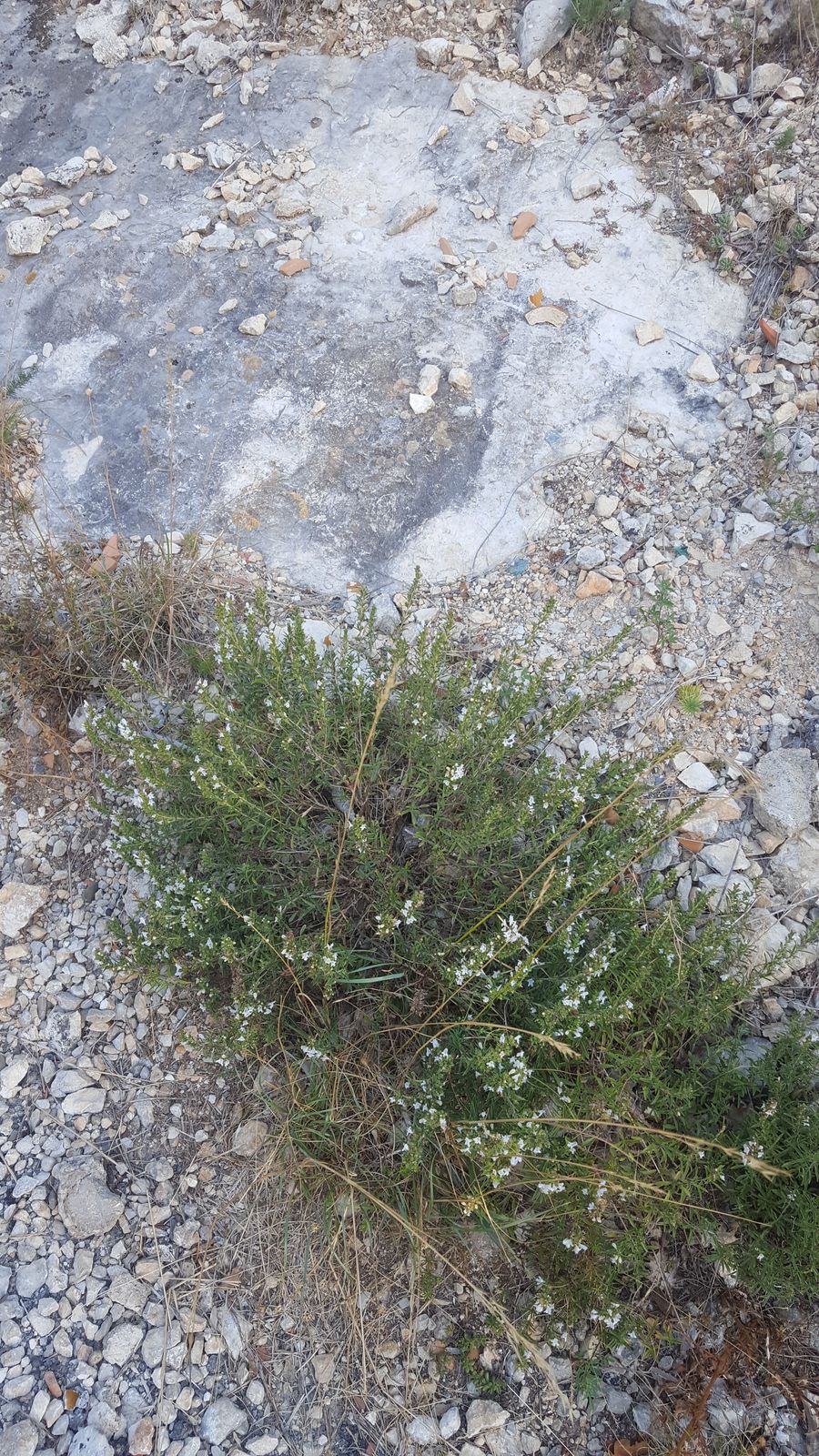
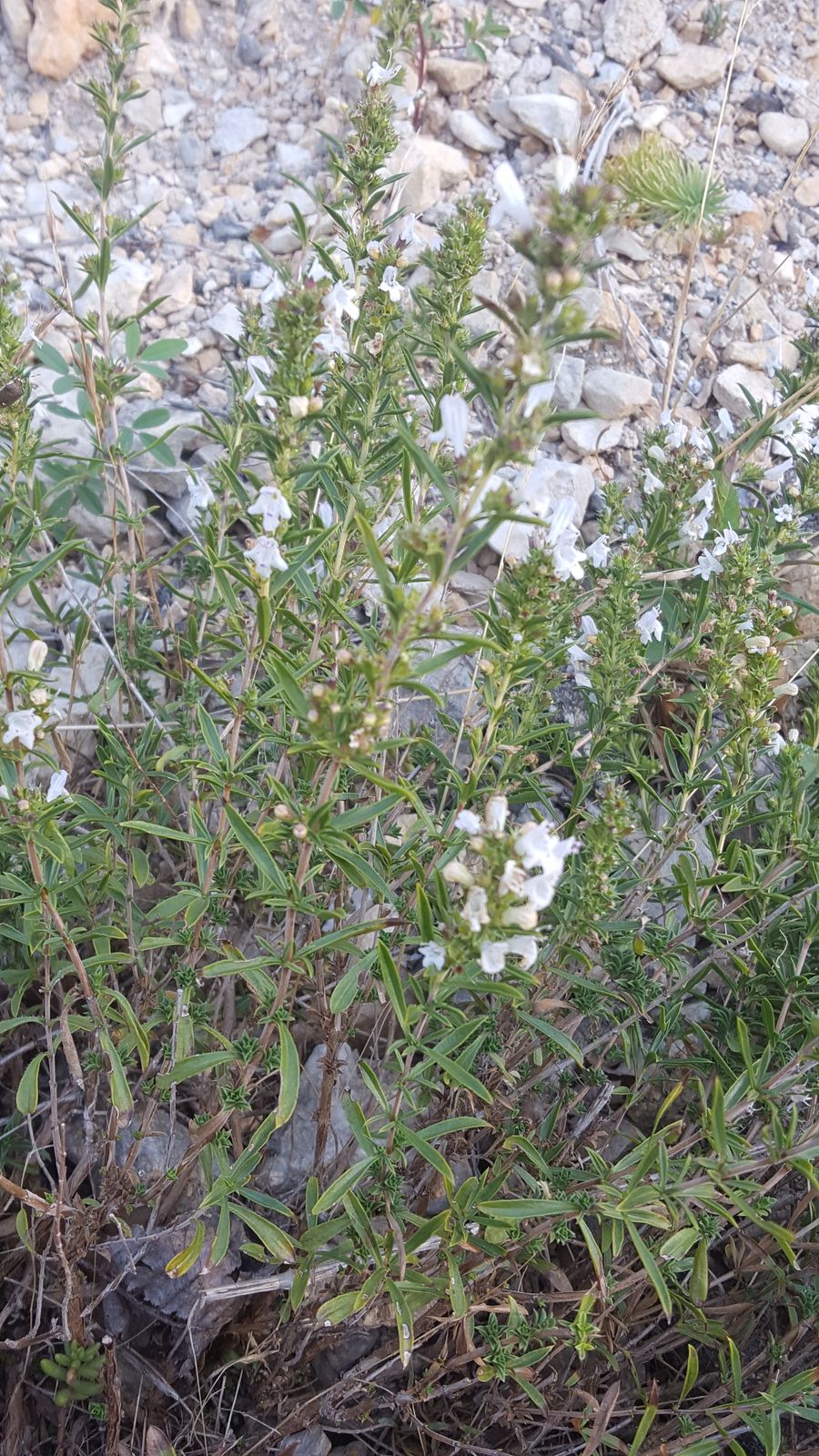
A low, dense clump reaches 15–50 cm (6–20 in) tall and 20–45 cm (8–18 in) across. Ascending or upright stems are woody at the base. The leathery leaves are narrow, linear-lanceolate and sharply pointed, with hair-fringed edges; their color ranges from dark green to gray-green depending on exposure. 3 8
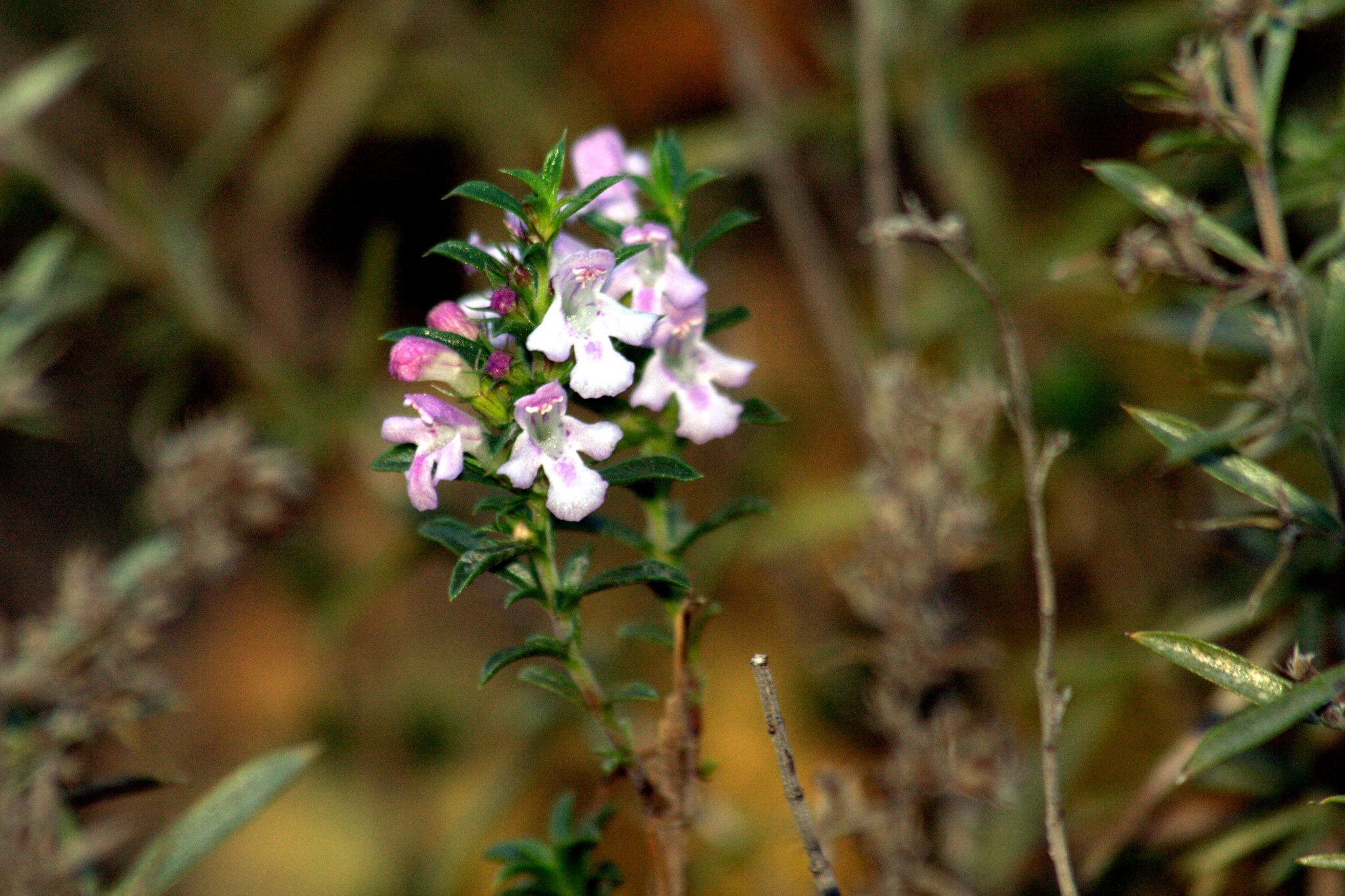
Small flowers open from summer into fall, with timing depending on climate. White, pale lavender or pinkish, they gather in terminal spikes or whorls and are noticeably smaller than those of summer savory. This size difference helps distinguish the two when grown side by side. 3 7
Crushing a leaf between the fingers releases a sharp, peppery scent, stronger than that of annual savory. Foliage remains evergreen or semi-evergreen in winter, whereas summer savory disappears completely at the first frost. 3
Useful taxonomy
In Species Plantarum in 1753, Linnaeus published the accepted name Satureja montana L. Three subspecies are currently recognized: subsp. montana, subsp. macedonica, restricted to northern Greece, and subsp. variegata, from northeastern Italy to the western Balkans. 1 2
Former placement in several different genera explains older labels in nurseries and herbaria:
- Clinopodium montanum (L.) Kuntze
- Micromeria montana (L.) Rchb.
- Saturiastrum montanum (L.) Fourr.
- Thymus montanus (L.) Dum.Cours., illegitimate name
These synonyms show how authors moved savories among Micromeria, Clinopodium, Thymus and Satureja. The accepted binomial, Satureja montana, provides a stable point of reference. 1
Habitat and range
South-central and southern Europe through Lebanon form the native range, centered strongly on the Mediterranean. In France, the species grows around the Mediterranean in base-loving limestone scrub at low and middle mountain elevations. 1 8
Old walls, rocky banks, dry slopes and sunny rockeries support Satureja montana, always on poor, calcareous or neutral soil with good drainage. Shade and standing moisture can be fatal: without direct sun, growth becomes weak and flowering sparse; in persistently wet ground, roots can rot within weeks. 3 7
Beyond its native range, winter savory is widely cultivated as an herb for dry gardens in temperate regions, including the United Kingdom and North America. It is rated hardy to USDA zone 5, depending on winter drainage. 7 6
Life cycle and reproduction
Summer blooms draw many bees to Mediterranean scrub where nectar sources become scarce in intense heat. After flowering, each flower produces the small, dry fruit typical of the Lamiaceae, splitting into several nutlets. 7 3
Propagation uses spring sowing, semi-ripe stem cuttings taken in summer or division of an established clump. Cuttings root in 2–4 weeks in a free-draining medium, but much more slowly in heavy, wet soil. 5 3
Full productivity lasts for around 2–3 years in a clump. After that, the base becomes woody and the center opens up, markedly reducing young shoot production. Regular division or cuttings prevent this loss of vigor. 5
Uses and risks
Peppery leaves with a flavor reminiscent of marjoram make this primarily a culinary herb. They season meat, beans, sauces and salads, and are ideally harvested just before flowering. Traditional medicine also attributes antiseptic, carminative and digestive properties to the plant. 5 7
No toxic constituent is documented for this species, which has no known risk when eaten as a culinary herb. Concentrated essential oil requires real caution: it must never be equated with fresh leaves, and its use is discouraged during pregnancy. 5
Growing problems center on drainage rather than parasites: no serious pest or disease is recorded. Soil that stays wet in winter causes more damage than moderate dry cold. 7 3
The familiar pairing with beans extends beyond the vegetable garden. Savory traditionally seasons slow-cooked legume dishes, where its peppery taste remains perceptible after lengthy cooking, unlike more delicate herbs such as parsley. 7 5
Varieties, look-alikes and related plants
Three horticultural forms are commonly sold as Satureja montana, without being separate species. 'Nana' is dwarf and compact, suited to pots; 'Purple Mountain', listed by the Royal Horticultural Society, offers a stronger flowering display. Subsp. illyrica often appears under the trade name purple winter savory. 4 1
Summer savory, Satureja hortensis, is the most frequent source of confusion. Unlike the woody perennial with persistent foliage described here, it is a more mildly scented herbaceous annual that disappears in fall. Both may be labeled simply “savory” in garden centers, making the full binomial worth checking before purchase. 7 5
Older catalogs and herbaria can create further confusion by placing winter savory under Micromeria or Thymus. Searching by the full binomial helps resolve this taxonomic history more reliably than relying on a genus name alone. 1
Main sources
- Plants of the World Online / Kew, Satureja montana L.
- International Plant Names Index, Satureja montana L.
- Royal Horticultural Society, Satureja montana
- Royal Horticultural Society, Satureja montana 'Purple Mountain'
- Plants For A Future, Satureja montana
- Missouri Botanical Garden Plant Finder, Satureja montana
- NC State Extension Gardener Plant Toolbox, Satureja montana
- INPN, Satureja montana L. 1753, winter savory
Frequently asked questions
How does winter savory differ from summer savory?
Satureja montana is a perennial with a woody base and persistent foliage, while summer savory, Satureja hortensis, is an annual killed by the first frost. Winter savory also has a stronger scent and narrower leaves.
Is winter savory toxic to cats and dogs?
No toxic constituent is documented for this widely used culinary herb. Concentrated essential oil still calls for caution and must never be treated as equivalent to the fresh leaf.
Why is my winter savory losing its aroma?
Overly rich soil or too much nitrogen fertilizer produces softer, less aromatic foliage. Reducing nutrients and growing it in poor, dry soil strengthens its aroma.
Does winter savory need pruning every year?
Light pruning in spring or after flowering keeps the clump compact. Without it, the base becomes woody and the center opens up within 2–3 years, reducing young shoot production.
What soil does Satureja montana need?
Poor, calcareous or neutral soil with excellent drainage is best. The plant is more vulnerable to standing winter moisture than to dry cold itself.
Can winter savory grow in shade?
It needs full sun to flower and develop its aroma. In shade, growth becomes weak and drawn out, with few flowers.
How long does a winter savory plant stay productive?
A clump remains productive for around 2–3 years before becoming woody and open at the center. Regular division or cuttings allow continuous renewal of the planting.
Similar plants
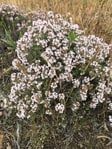

If you are unsure about a plant’s toxicity, ask a botanist or veterinarian for advice.