
Common duckweed (Lemna minor, )
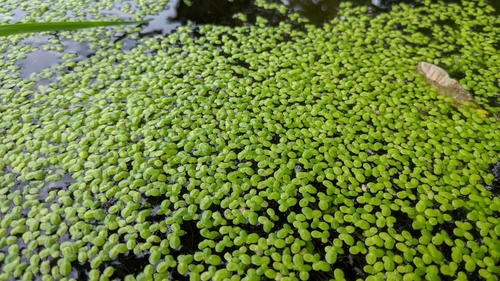
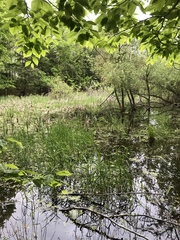
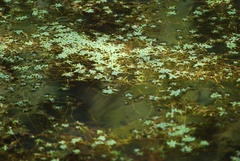
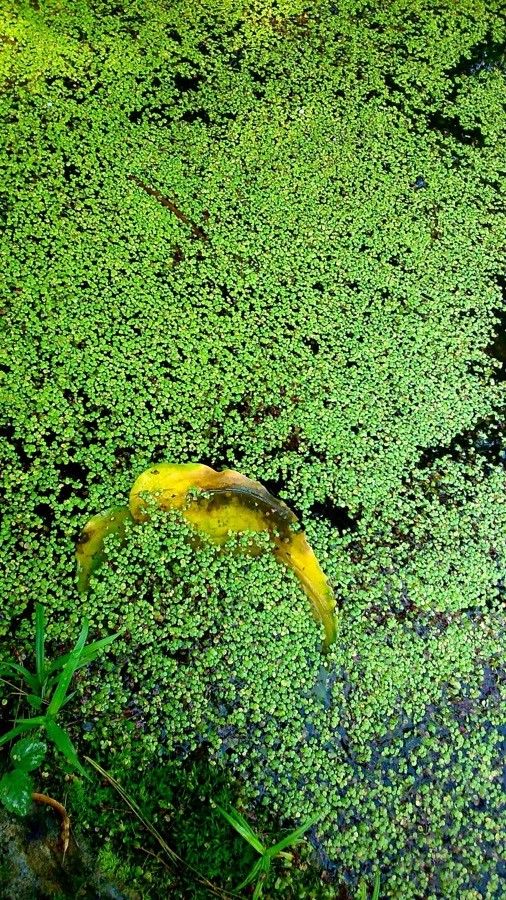
Common duckweed (Lemna minor) is a floating aquatic plant in the Araceae, native to ponds, ditches and still waters across Europe, Africa, Asia and North America. A tiny oval frond with a single root, it reproduces by budding and can double its biomass within days, eventually covering an entire pond.
Read moreCommon duckweed and Lesser duckweed
Allow a few hours of direct sun per day, preferably morning or evening.
Full sun to light partial shade
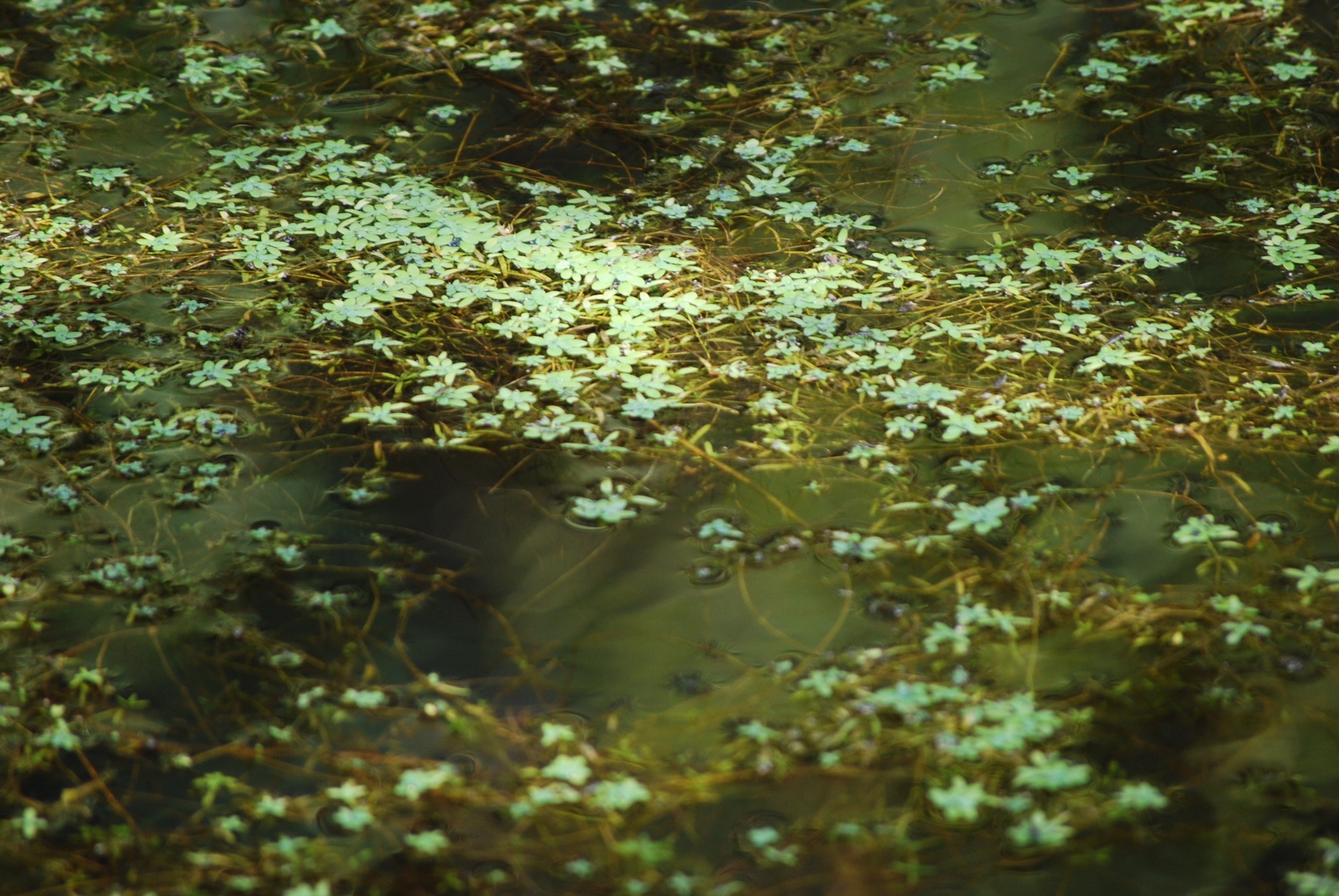


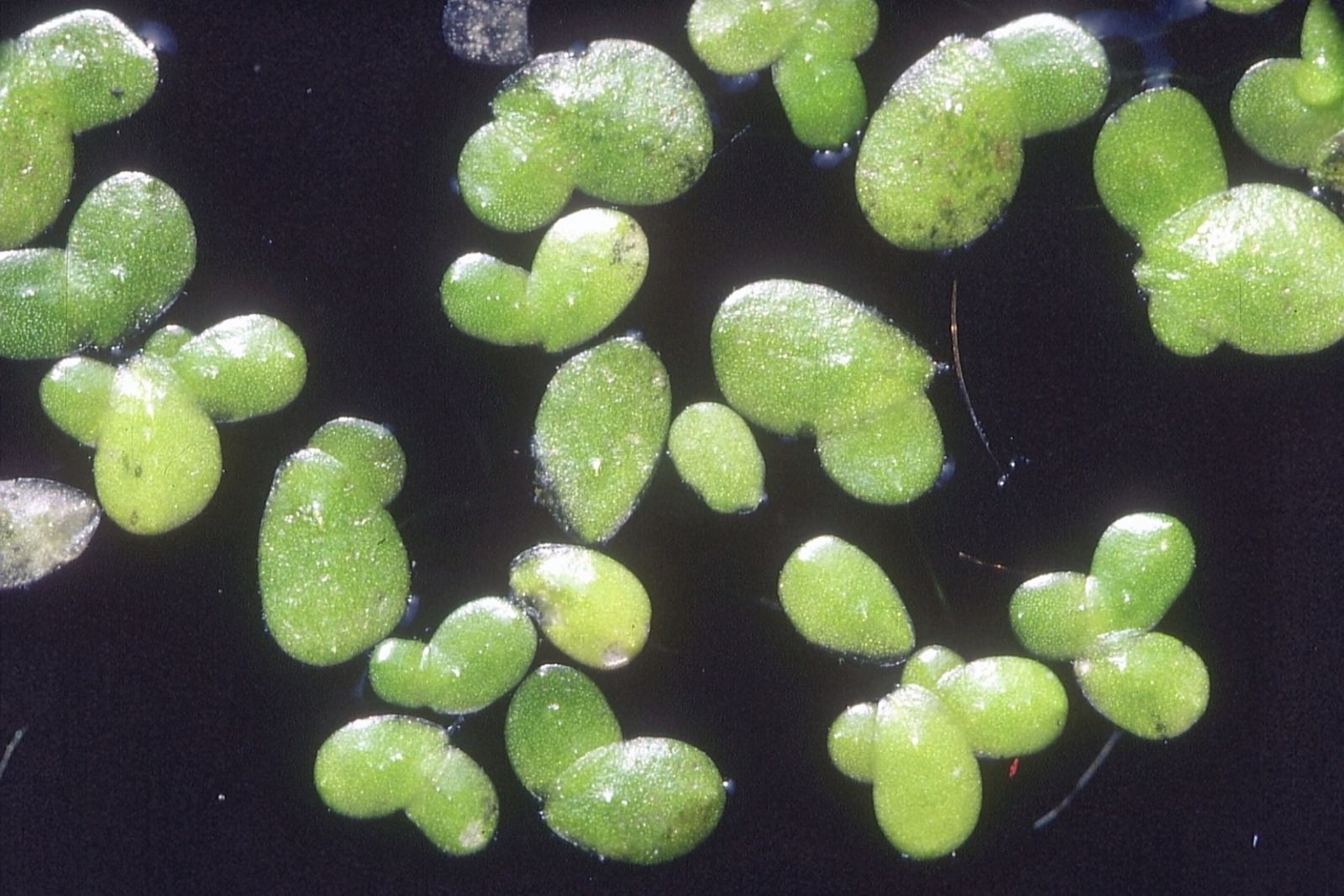
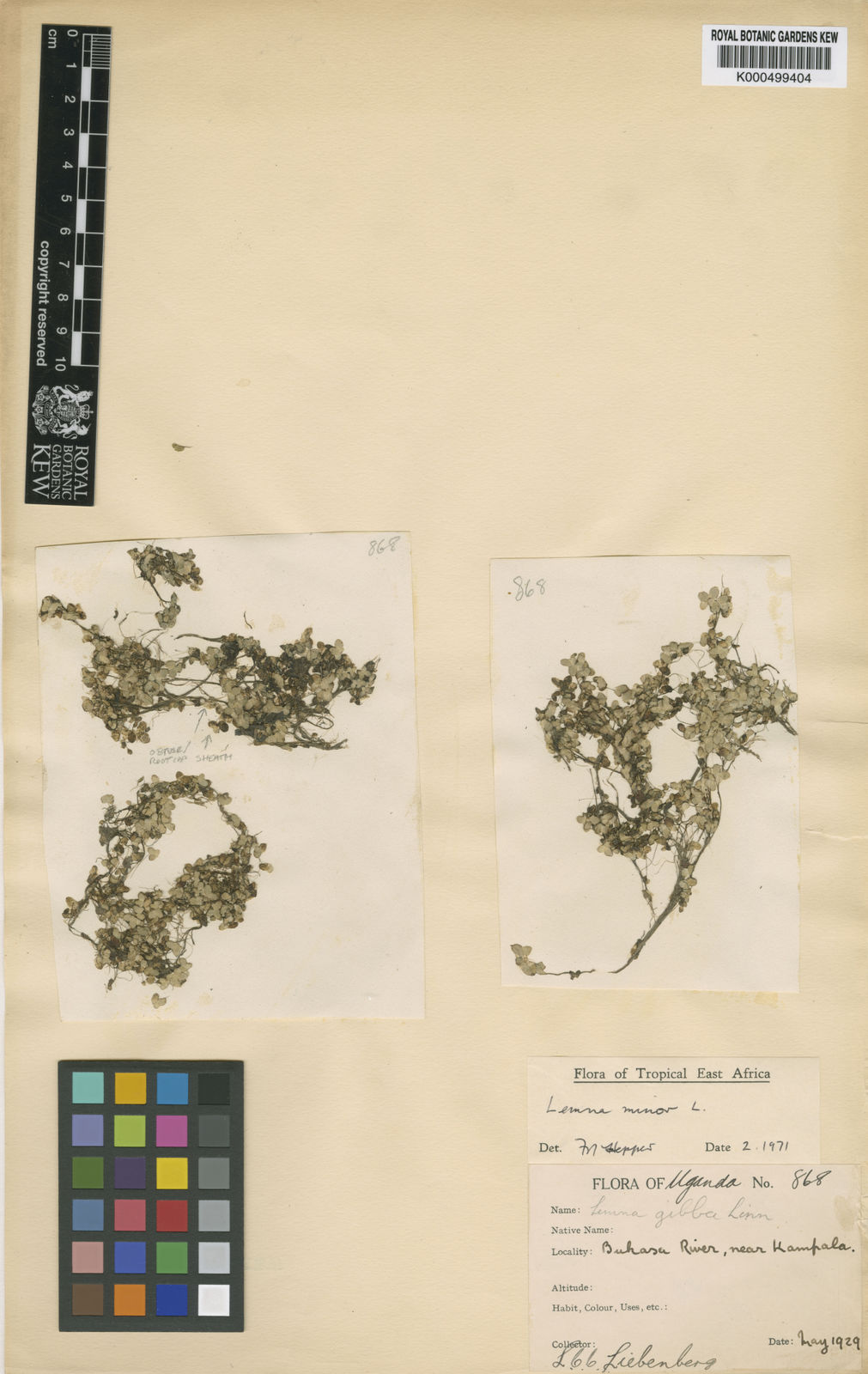
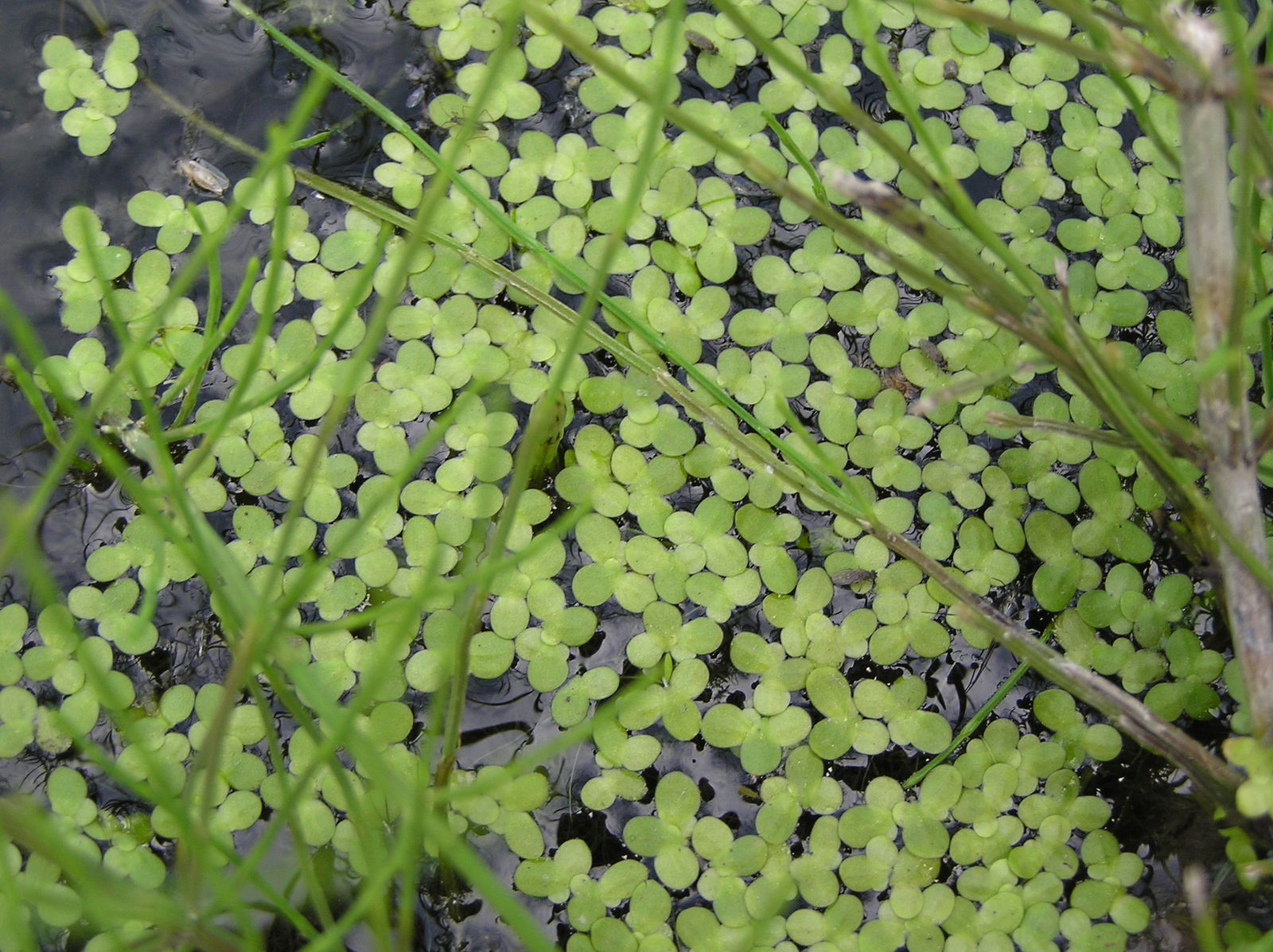
© photo
no rights reserved, uploaded by Philipp · cc0
Dustin Minialoff · cc0
Erin Springinotic · cc0
Taken Aug 15, 2010 by Photoflora - Benoit BOCK (©)
Taken Jan 1, 1970 by Photoflora - L'Abbé COSTE (©)
Taken Aug 31, 1853 by Tela Botanica − Herbier PONTARLIER-MARICHAL (cc-by-sa)
Taken Jul 22, 2022 by Fabrice Rubio (cc-by-sa)
© copyright of the Board of Trustees of the Royal Botanic Gardens, Kew.




Global distribution
Lemna minor has a subcosmopolitan range across Africa, Asia, Europe and North America, excluding arctic and alpine zones. It is native to mainland France, where it colonizes ponds and ditches. It has also naturalized in Australasia and South America outside its native range. This contrasts with the regulated invasive alien status in France of the introduced relative Lemna minuta.
- Native5
- Introduced2
- France
- Germany
- United Kingdom
- United States
- South Africa
- Australia
- Argentina
Hexagons: regions where the plant occurs. Green dots: native range.1
Identity
Common duckweed (Lemna minor L., 1753) is a floating aquatic plant in the Araceae subfamily Lemnoideae. 1 6 Long assigned to a separate family, Lemnaceae, duckweeds were placed within Araceae by the APG III phylogenetic classification in 2009. 6
Ancient Greek limne, meaning a pond or still water, gives Lemna its name and describes its habitat. The epithet minor means smaller, in contrast with a larger duckweed now placed in Spirodela. 6 The English name, also used alongside lesser duckweed, recalls ducks eating the plant and carrying it between ponds on their feet or plumage. 7
Recognition
Almost the entire plant consists of a single frond, a flattened structure serving as both stem and leaf. It measures 1–8 mm (0.04–0.3 in) long and 0.6–5 mm (0.02–0.2 in) wide, with a lighter green upper surface and darker underside. 6 Three to five faint veins cross it. One fine root, 1–2 cm (0.4–0.8 in) long, hangs beneath the frond and sometimes curves into a paddle shape at its tip. 6 2
One root per frond distinguishes Lemna minor from nearby genera: Spirodela has several, often with a purplish frond underside, while Wolffia has none. 11 Some Wolffia species are among the smallest known flowering plants, barely exceeding a tenth of a millimeter. 12
Rare flowers measure about 1 mm (0.04 in) across, lack petals and emerge directly from the frond margin. Sexual reproduction contributes very little to populations dominated by budding. 6
Useful taxonomy
Several closely similar duckweeds are difficult to distinguish with the naked eye. Lemna minuta, introduced from North America, has smaller fronds, 2–5 mm (0.08–0.2 in) long, and additional veins. In France it is classified as an invasive alien species, while Lemna minor is native. 6 4
Olive-green turions and persistent red coloration caused by anthocyanins distinguish Lemna turionifera in the cited account; these traits are absent from Lemna minor. 6 A reddish duckweed therefore points much more often to Lemna turionifera than to Lemna minor.
Habitat and range
Across Africa, Asia, Europe and North America, Lemna minor has a subcosmopolitan distribution, excluding arctic and alpine areas. 6 It is native to mainland France, where INPN records it in almost every department. 4 5
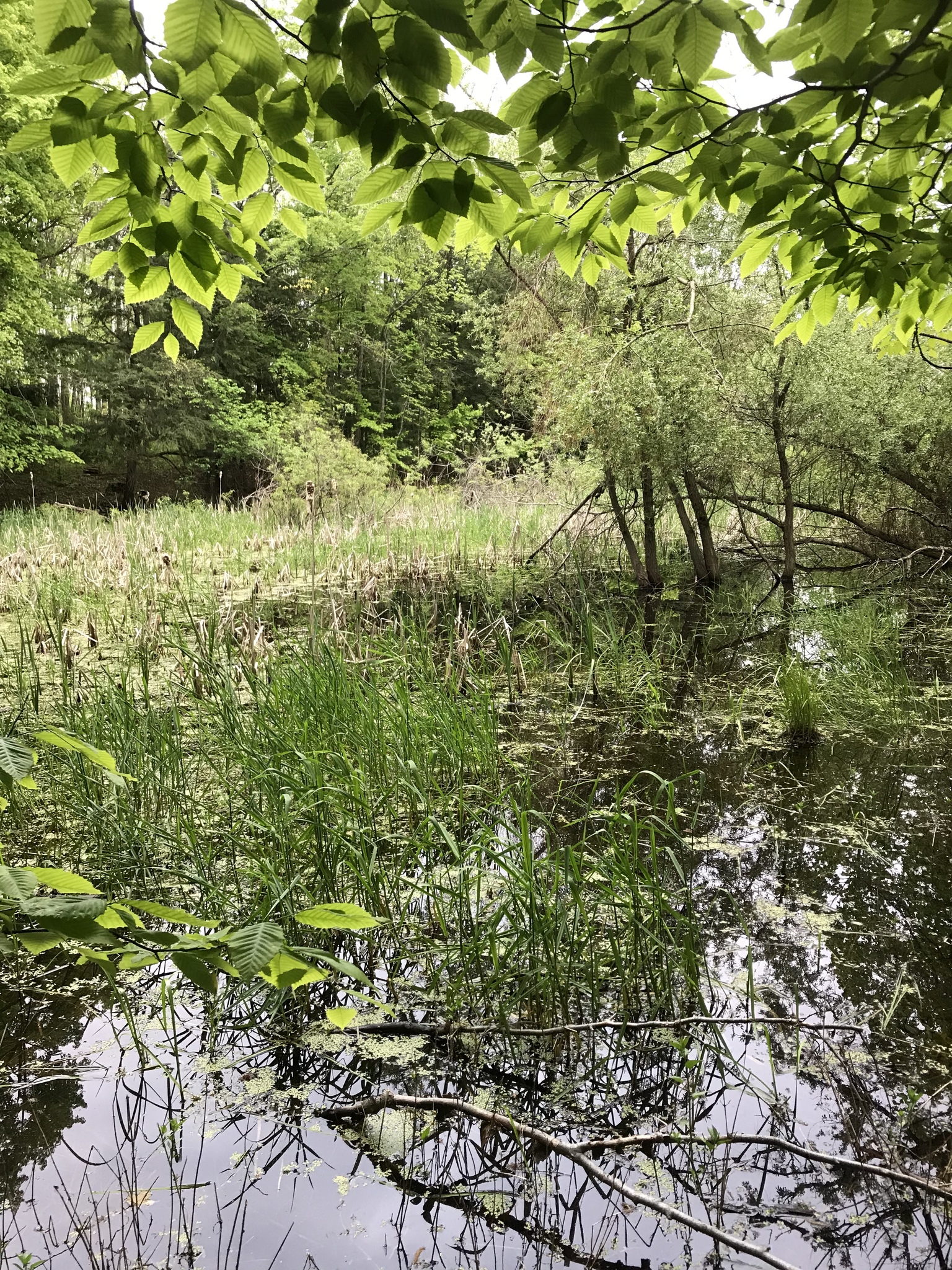
Nitrate-rich still or slow-moving water with abundant organic matter provides its habitat: ponds, ditches and backwaters. Optimal growth occurs around pH 6.5–7.5, with a temperature tolerance of 6–33 °C (43–91 °F). 7 Aquarium and pond trade has also helped it naturalize outside its native range in Australasia and South America. 7
Life cycle and reproduction
Vegetative budding greatly outweighs seed reproduction. Small fronds emerge from a marginal pocket in the mother frond, then detach as independent plants. Under favorable conditions, total biomass doubles in 3–15 days, allowing a mat to cover an entire pond within weeks. 6
Autumn cooling in temperate climates triggers turions, small starch-rich organs that sink to the bottom and overwinter protected from frost. They naturally return to the surface the following spring to rebuild the colony without seeds. 7 IUCN assessed the species as Least Concern in 2019, given its wide range and globally stable populations. 8
Uses and risks
Food and fodder are major uses of Lemna minor. Livestock have eaten it for centuries, and researchers study it as a supplement containing 20–40% protein for poultry and aquaculture. 7 In livestock wastewater treatment, it can remove more than 85% of dissolved nitrogen and phosphorus while producing usable biomass. 7
Efficient heavy-metal accumulation also makes the plant useful for phytoremediation: it can remove more than 70% of arsenic from contaminated water in two weeks. That same property rules out wild harvesting without checking water quality. 7 Its rapid, measurable laboratory growth underpins OECD Test 221, used internationally to assess chemical toxicity to aquatic plants. 10 Researchers have also genetically modified Lemna minor to produce a human monoclonal antibody with optimized glycans, demonstrating its potential as a biopharmaceutical platform. 9
Excessive mat density poses the main ecological risk. By blocking light and surface gas exchange, dense growth can cause oxygen depletion and fish deaths below. 2 The principal identified pest is the duckweed weevil (Tanysphyrus lemnae), whose larvae mine frond tissue.
Varieties, look-alikes and related plants
Horticultural selection has produced no recognized cultivar of Lemna minor, a plant with little ornamental appeal. Laboratories instead maintain specific clones, or accessions, selected for protein yield or sensitivity to pollutants.
Other Lemnoideae provide the main identification challenges:
- Spirodela polyrhiza has a larger frond, several roots and an often purplish underside;
- Wolffia spp. lack roots and include the smallest known flowering plants;
- Lemna minuta is smaller and introduced and invasive in France, where Lemna minor is native;
- Lemna turionifera has persistent red coloration and olive-green turions.
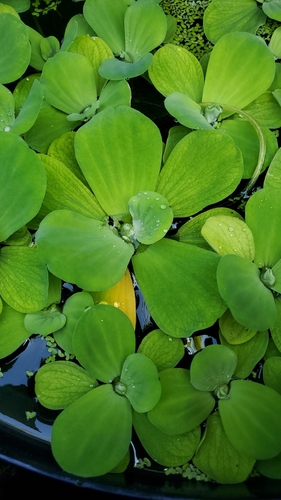
Outside that subfamily, water lettuce (Pistia stratiotes) is another possible source of confusion. Its clearly visible rosette is much larger than the tiny isolated frond of Lemna minor. 11
Main sources
- Plants of the World Online / Kew, Lemna minor L.
- NC State Extension Gardener Plant Toolbox, Lemna minor
- Plants For A Future, Lemna minor
- INPN / MNHN, Lemna minor L., 1753
- Tela Botanica, Lemna minor L.
- Wikipedia FR, Lemna minor
- Wikipedia EN, Lemna minor
- IUCN Red List assessment, Lemna minor
- Cox et al., 2006, Nature Biotechnology, glycan optimization of a human monoclonal antibody in Lemna minor
- OECD, Test No. 221, Lemna sp. Growth Inhibition Test
- PMC, comparative analysis of Spirodela polyrhiza, Lemna minor and Lemna aequinoctialis fronds and roots
- Wikipedia EN, Wolffia
Frequently asked questions
Is common duckweed toxic?
No. It is not classified as toxic to humans or animals and has long served as fodder for livestock and poultry.
Is common duckweed invasive in France?
No. Lemna minor is native to France. Confusion often concerns Lemna minuta, a relative introduced from North America and classified as an invasive alien species there.
How does common duckweed reproduce?
Almost entirely by vegetative budding from a marginal pocket in the frond. Biomass doubles in 3–15 days under favorable conditions. Flowering remains rare and minute.
How can I distinguish common duckweed from its relatives?
Lemna minor has one root per frond, compared with several in Spirodela and none in Wolffia. Lemna minuta is smaller, while Lemna turionifera has persistent red coloration.
Does common duckweed benefit the environment?
It provides protein-rich fodder, removes nitrogen and phosphorus from wastewater and has even been used to produce a human monoclonal antibody in the laboratory. An excessively dense mat can still threaten dissolved oxygen levels.
What happens to common duckweed in winter?
It forms starch-rich turions that sink in autumn and naturally return to the surface the following spring, without intervention.
Can people eat common duckweed?
It has historically been eaten, notably in Poland, but readily accumulates heavy metals and pharmaceutical residues from the water. Wild harvesting is therefore inadvisable without checking water quality.
Similar plants

If you are unsure about a plant’s toxicity, ask a botanist or veterinarian for advice.