
Stone pine (Pinus pinea, )
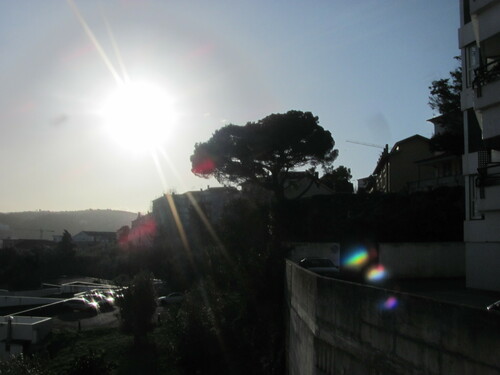
Stone pine (Pinus pinea) is a large conifer in the Pinaceae family, native to the Mediterranean basin. Its mature crown forms a broad, flat umbrella above an often twisted trunk, and its large edible seeds are known as pine nuts. Cultivated for millennia for both its seeds and its silhouette, it grows mainly on sandy, well-drained coastal ground.
Read moreStone pine, Italian stone pine and Umbrella pine



© photo
zebedeugalinha · cc-by
Eleftherios Katsillis · cc-by
Karim Haddad · cc-by
Taken Apr 12, 2011 by Tela Botanica − Daniel BARTHELEMY (cc-by-sa)
Taken Jul 13, 2021 by o1ken (cc-by-sa)
Taken Feb 13, 2020 by Renaud Brochiero (cc-by-sa)
Taken Jan 26, 2022 by Marie-Claude Darnajou (cc-by-sa)
Taken Oct 23, 2021 by Yusuf Karaman (cc-by-sa)
© copyright of the Board of Trustees of the Royal Botanic Gardens, Kew.




Global distribution
Pinus pinea occurs around the Mediterranean basin, probably originating in the Iberian Peninsula before ancient cultivation for pine nuts spread it to Italy, Greece, the Levant and North Africa. People later introduced it outside this range, notably to South Africa, California and Australia, where it has naturalized without becoming as invasive as some other Mediterranean pines.
- Native7
- Introduced4
- Spain
- Portugal
- Metropolitan France
- Italy
- Greece
- Turkey
- Lebanon
- Algeria
- South Africa
- United States
- Australia
Hexagons: regions where the plant occurs. Green dots: native range.1
Identity
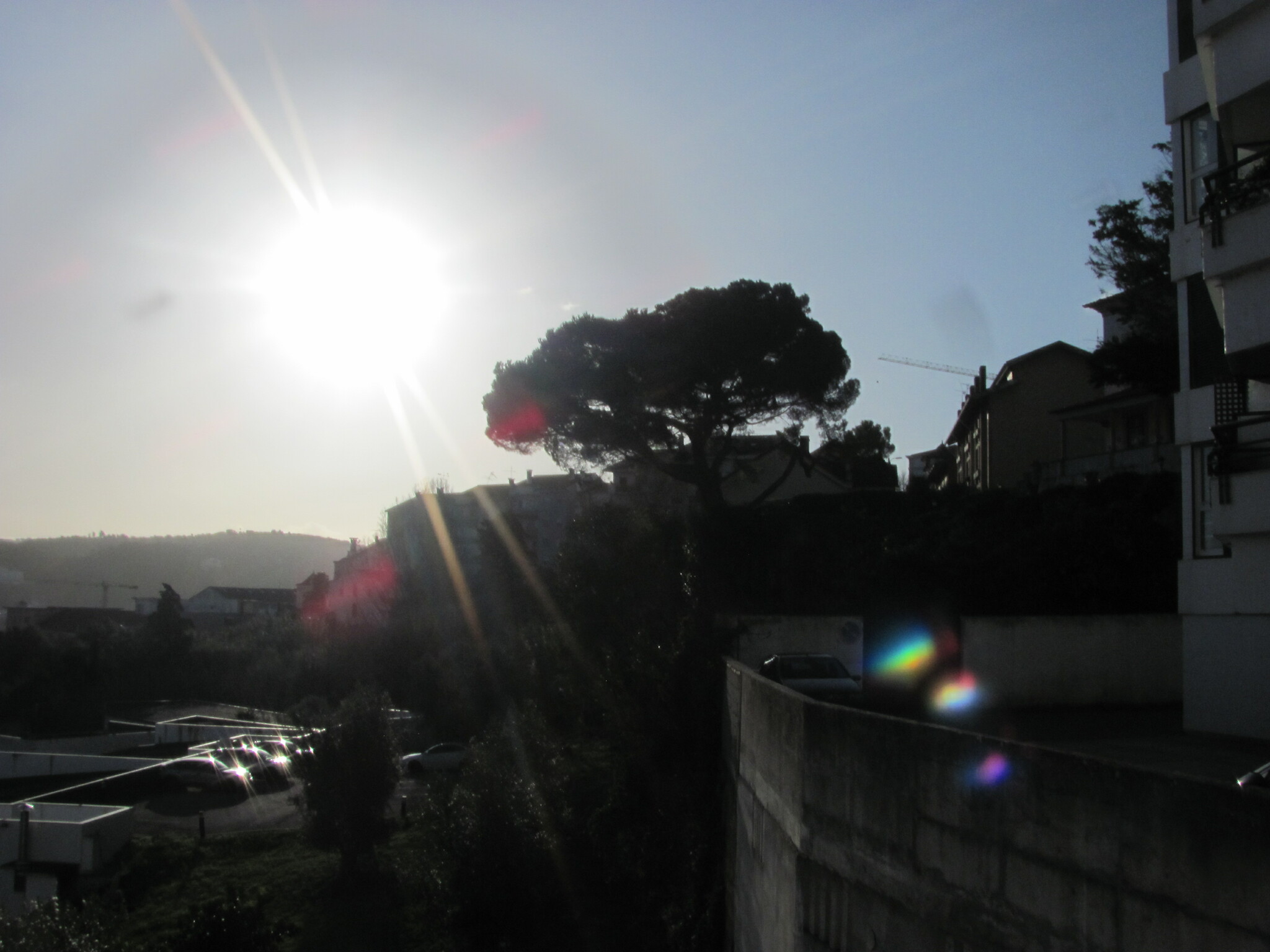
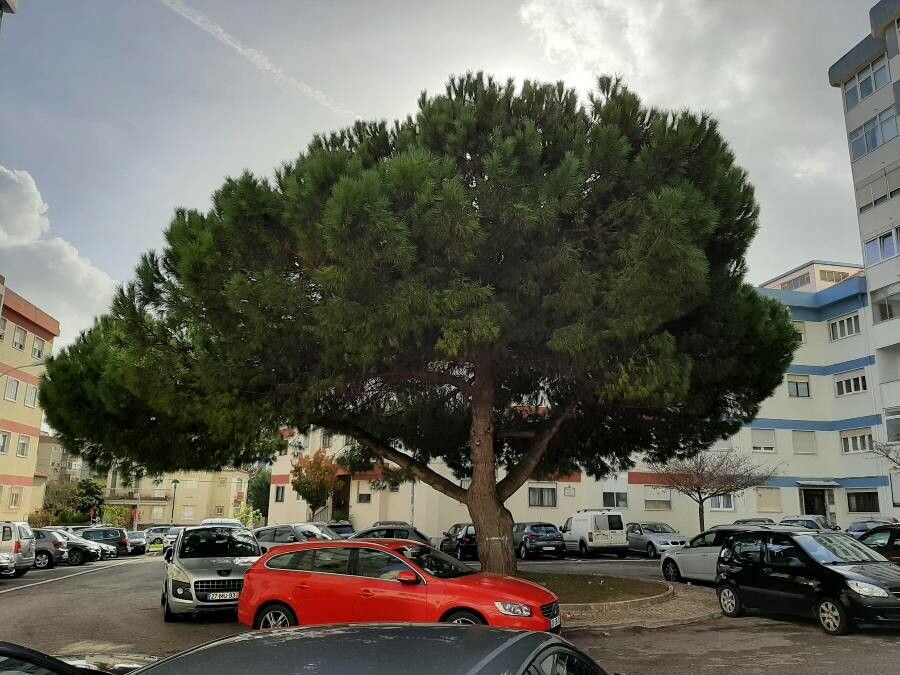
Stone pine (Pinus pinea L., 1753), also called Italian stone pine or umbrella pine, is a large conifer in the genus Pinus and the Pinaceae family, native to the Mediterranean basin. Mature trees reach 12–25 m (39–82 ft) and carry a broad, flattened dome of foliage on an often short, twisted trunk. This umbrella silhouette, rather than tree height, explains the descriptive umbrella pine name. 1 5
Edible seeds have shaped stone pine's history more than its timber. Cultivation for pine nuts goes back about 6,000 years, and demand for them helped spread the tree far beyond its native range. 4 3
Recognition
Young stone pines are rounded and bushy, with no clearly defined crown. The adult umbrella outline takes several decades to develop. Within Pinus, only the distantly related Mexican Pinus nelsonii shares this broad, flattened crown shape. 5 2
Paired needles on the shoots measure 10–20 cm (4–8 in). Grayish and waxy on young plants, the foliage becomes dark green and glossy with age, a useful feature when distinguishing a juvenile stone pine from another pine species. 3 5
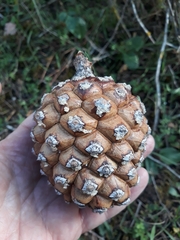
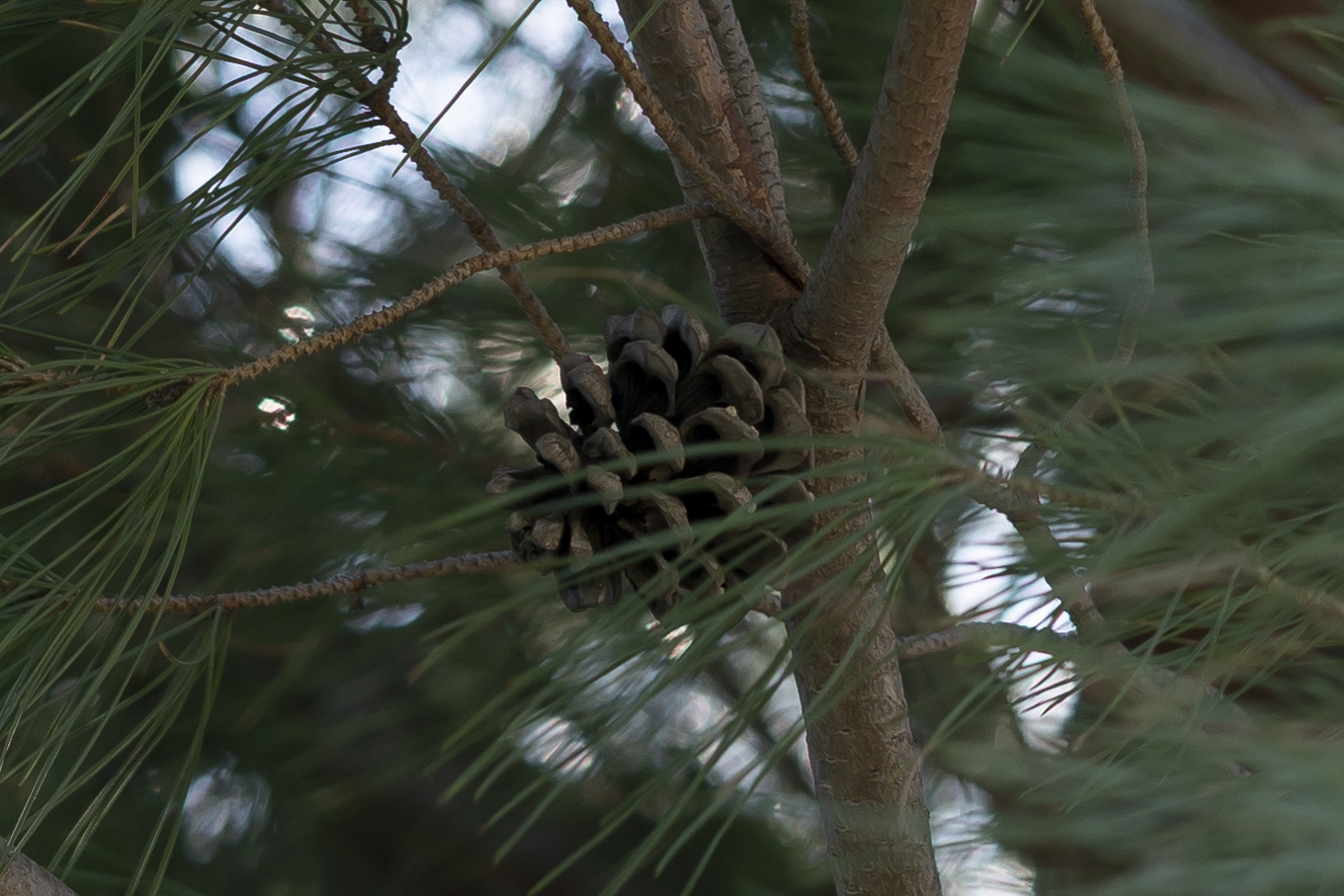
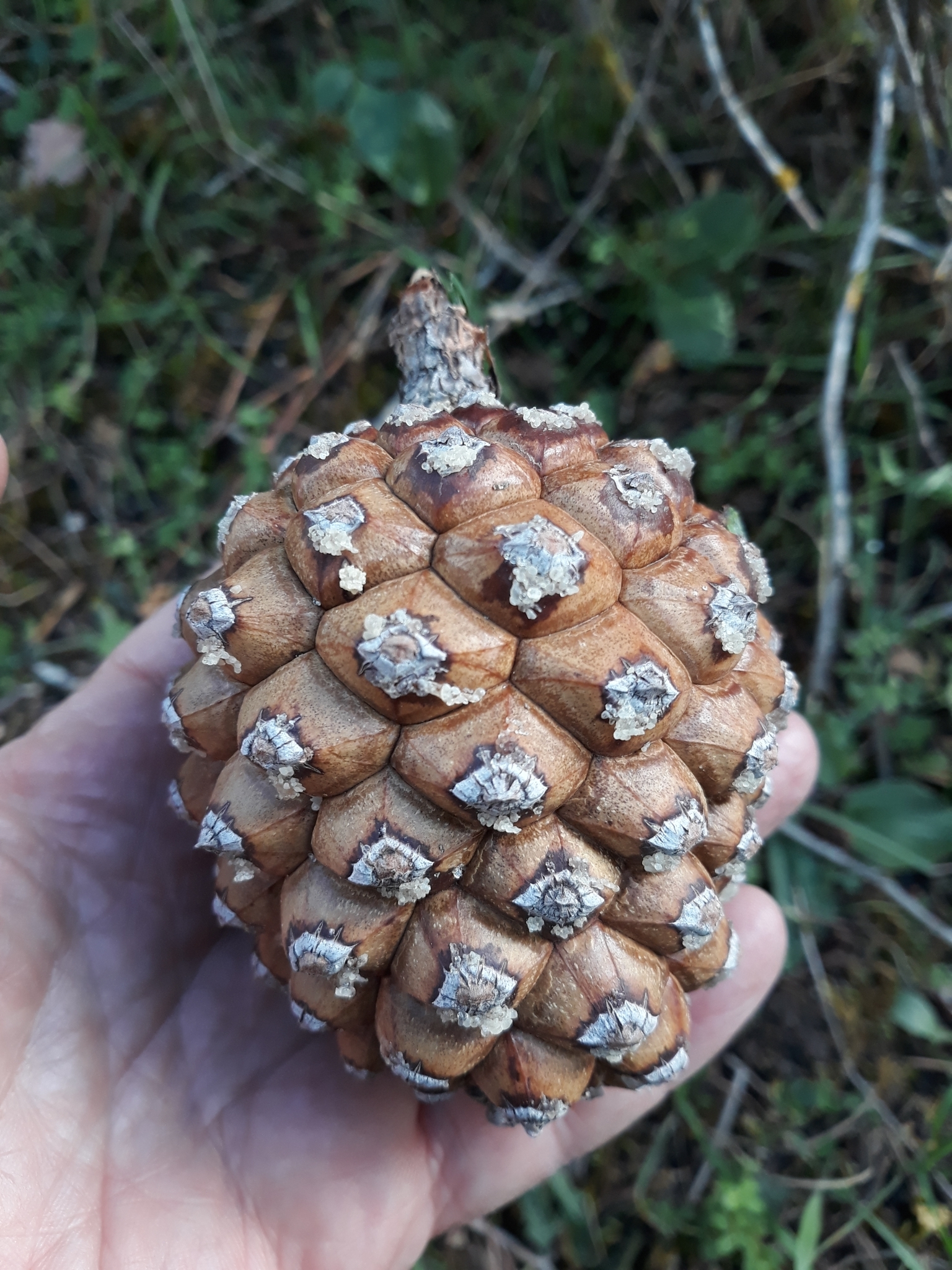
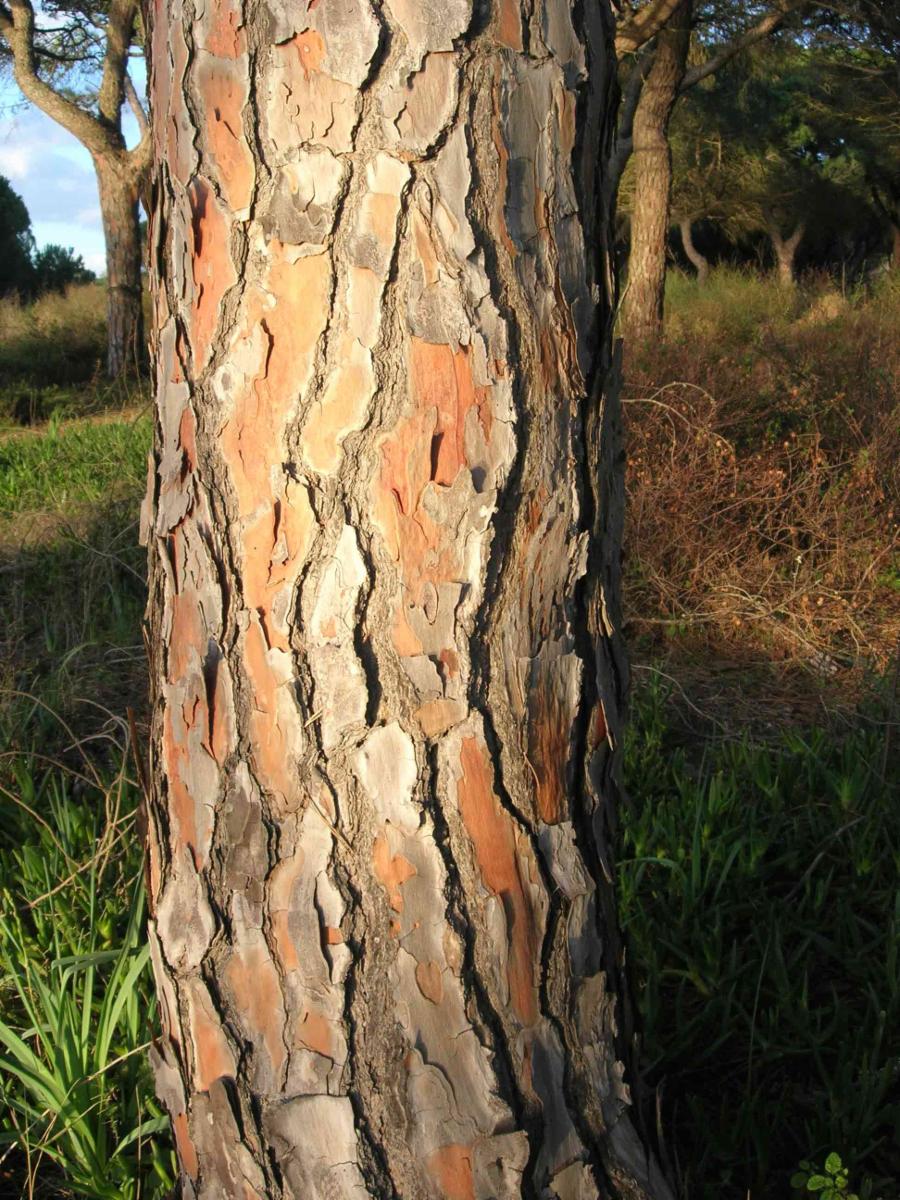
Symmetrical, egg-shaped cones reach 8–15 cm (3–6 in) long. They begin green, turning glossy brown after an unusually long maturation cycle. The thick bark forms reddish-brown to orange plates with darker margins. Mature trees commonly reach 12–25 m (39–82 ft), exceptionally more. 5 2
Useful taxonomy
Linnaeus described Pinus pinea in 1753. The species alone constitutes section Pinea, subsection Pineae, within Pinus. This isolated position reflects its heavy, poorly winged seeds, which differ from the small winged seeds of other Mediterranean hard pines. Two useful synonyms are:
- Apinus pinea Neck. ex Rydb., a historical alternative name;
- Pinus pinea var. maderiensis (Ten.) Carrière, a name associated with Madeira populations.
Across these older names, Pinus pinea remains the accepted scientific reference. The variety maderiensis, reported from Madeira, is now treated as a synonym of the typical species. 1 5
Habitat and range
An IUCN Red List assessment places stone pine in Least Concern, reflecting its wide distribution and long cultivation history. Its probable origin lies in the Iberian Peninsula. Pine nut gathering and cultivation spread it in ancient times to Italy, Greece, the Levant and North Africa. 9 5
Coastal dunes and sandy soils, dry slopes and open Mediterranean scrub provide its typical habitat. It grows in full sun on well-drained ground, tolerating drought and salt spray but struggling in heavy, waterlogged soils that deprive roots of air. 3 2
Planting outside the original range has led to naturalized populations in South Africa, California and Australia. Stone pine is rarely as invasive there as maritime pine or Aleppo pine. Its heavy seeds are poorly suited to wind dispersal and depend mainly on crows and their relatives and on rodents for transport. 5
Life cycle and reproduction
As a gymnosperm, stone pine produces cones rather than flowers, with separate male and female cones on the same tree. Male cones release light pollen in spring. Wind pollination, typical of conifers, carries that pollen to female cones. 10 5
Fertilized female cones require about three years to reach full maturity, the longest maturation period known among pines. A single tree therefore often carries cones of several ages. Mature cones release pine nuts: heavy, hard-shelled seeds with reduced wings that offer little help in wind dispersal. 5 4
Growing new trees usually starts with seed. Several weeks of cold stratification improve germination of stored seeds, which then sprout in 4–6 weeks in a well-drained growing medium. 4
Uses and risks
Oil-rich pine nuts are stone pine's principal product and have been eaten around the Mediterranean for about 6,000 years. Romans kept them as ordinary food supplies; examples have been found in Pompeii's kitchens. The species remains one of the world's main commercial sources of pine nuts. 4 3
For people and domestic animals, stone pine is not poisonous if ingested. Its main risk is contact irritation: resin and sawdust can irritate the skin of sensitive people. 3
Pine nut harvests have declined sharply in several Mediterranean regions since 2012, with falls exceeding 50% in some Spanish areas. The decline is associated with the spread of a North American bug, Leptoglossus occidentalis, which pierces developing cones to feed on seeds. Drought and heat episodes compound the stress. 8
Varieties, look-alikes and related plants
Few ornamental cultivars of stone pine are available compared with many familiar garden plants. The Madeiran variety maderiensis is now a synonym of the typical species. Fragilis is an agricultural selection with thinner pine nut shells for easier commercial processing; its precise horticultural status needs checking with the supplier. 1
Several pines can be mistaken for stone pine:
- Pinus pinaster, maritime pine, has longer needles and narrower cones;
- Pinus halepensis, Aleppo pine, has finer, paler needles;
- Pinus sylvestris, Scots pine, has orange upper bark and never forms an umbrella crown.
A flat umbrella-shaped crown, large rounded cones and large hard-shelled seeds offer the most reliable combination for confirming Pinus pinea. 5 2
Main sources
- Plants of the World Online / Kew, Pinus pinea L.
- Royal Horticultural Society, Pinus pinea - stone pine
- NC State Extension, Pinus pinea (Italian Stone Pine)
- Plants For A Future, Pinus pinea
- The Gymnosperm Database, Pinus pinea
- INPN / MNHN, Pinus pinea L., 1753 (cd_nom 113690)
- Tela Botanica, Pinus pinea L.
- iForest - Biogeosciences and Forestry, decline in pine nut and kernel yield in Pinus pinea in Spain
- IUCN Red List, Pinus pinea assessment
- Encyclopaedia Britannica, pine (Pinus)
Frequently asked questions
Is stone pine poisonous?
Stone pine is not poisonous if ingested by people or domestic animals. Its resin and sawdust can irritate the skin of sensitive people after repeated contact.
Why do stone pine cones take so long to ripen?
Pinus pinea cones take about three years from pollination to full maturity, the longest maturation period known among pines. This explains why one tree often carries cones of several ages.
What are stone pine nuts?
Pine nuts are stone pine’s edible seeds. Unlike most pine seeds, they lack an effective wing. Harvested and shelled since antiquity, they are a major food and commercial resource around the Mediterranean.
Why has pine nut production declined?
Since 2012, several Mediterranean regions have recorded a sharp decline in pine nut yields, exceeding 50% in some Spanish areas. The decline is associated with a spreading North American bug that pierces developing cones, combined with water and heat stress.
Which trees look like stone pine?
Maritime pine, with longer needles and narrower cones, and Aleppo pine, with finer, paler needles, are common sources of confusion. Stone pine’s umbrella crown and large rounded cones are its most reliable identifying features.
Can stone pine become invasive?
Rarely. Its heavy seeds are dispersed mainly by crows and their relatives and by rodents, rather than wind. This limits spontaneous colonization compared with other Mediterranean pines planted outside their native ranges.
Where does stone pine come from?
It probably originated in the Iberian Peninsula, but people spread it around the Mediterranean very early for its pine nuts. Its ancient native range is therefore difficult to separate from its historic cultivated range.
Similar plants

If you are unsure about a plant’s toxicity, ask a botanist or veterinarian for advice.