
Krauss's clubmoss (Selaginella kraussiana, )
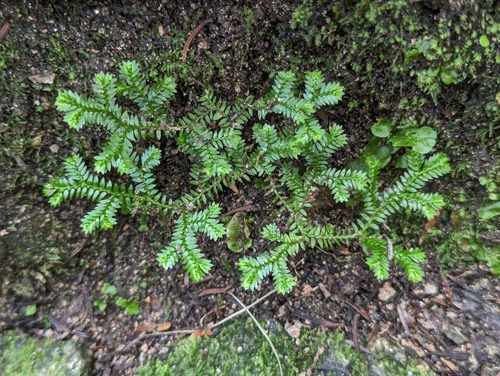
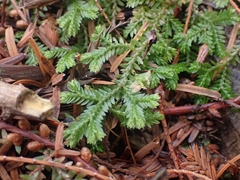
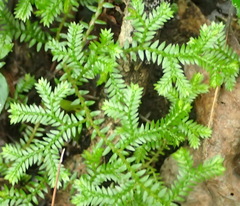
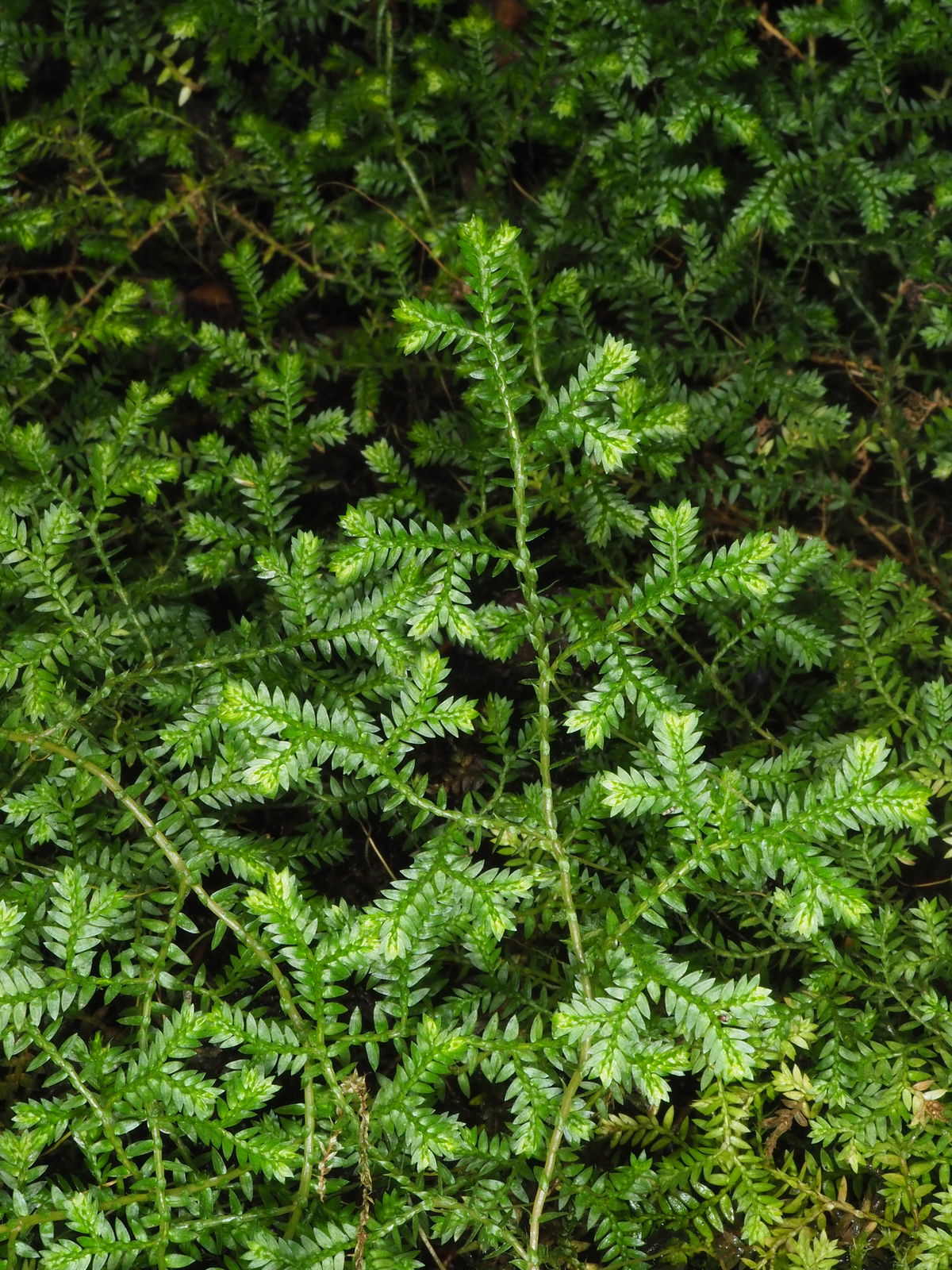
Krauss's clubmoss (Selaginella kraussiana (Kunze) A.Braun) is a small, mat-forming member of the Selaginellaceae family from sub-Saharan Africa and Macaronesia. This ancient lycophyte is neither a moss nor a fern: it produces spores instead of flowers. ASPCA lists it as non-toxic to cats, dogs and horses.
Read moreKrauss's clubmoss, Krauss' spikemoss, African clubmoss, Golden clubmoss, Spike moss and Spreading club moss
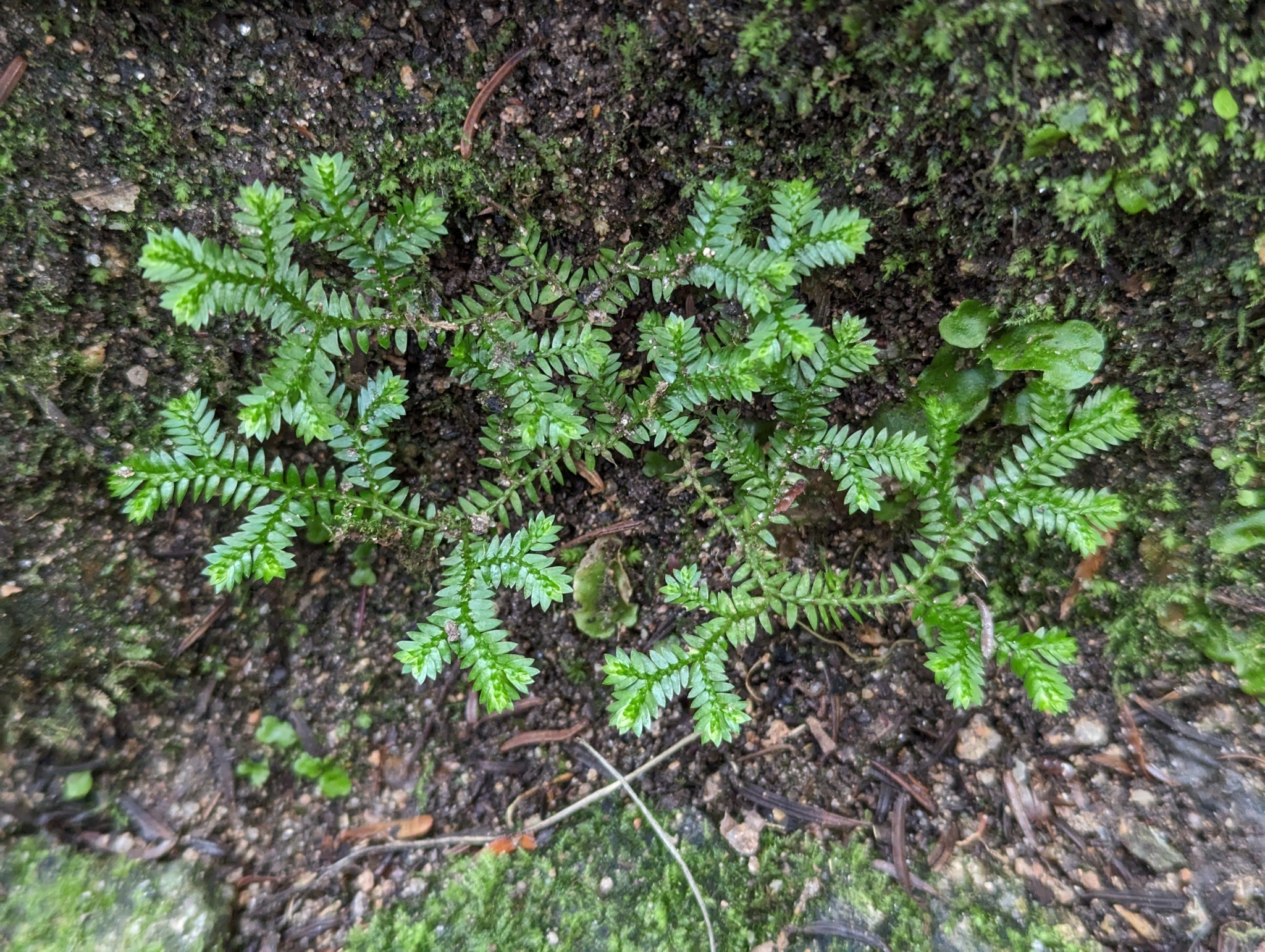
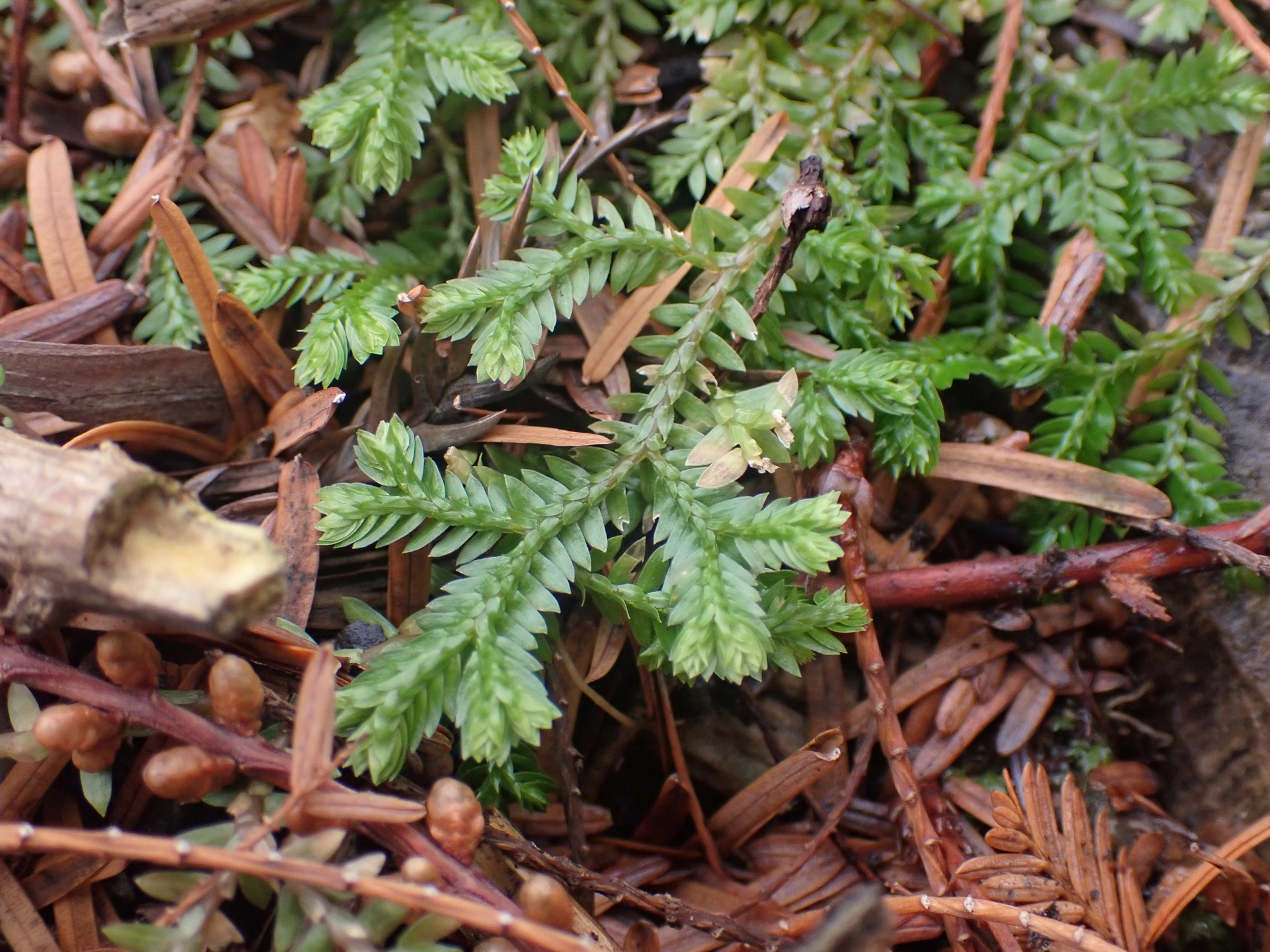
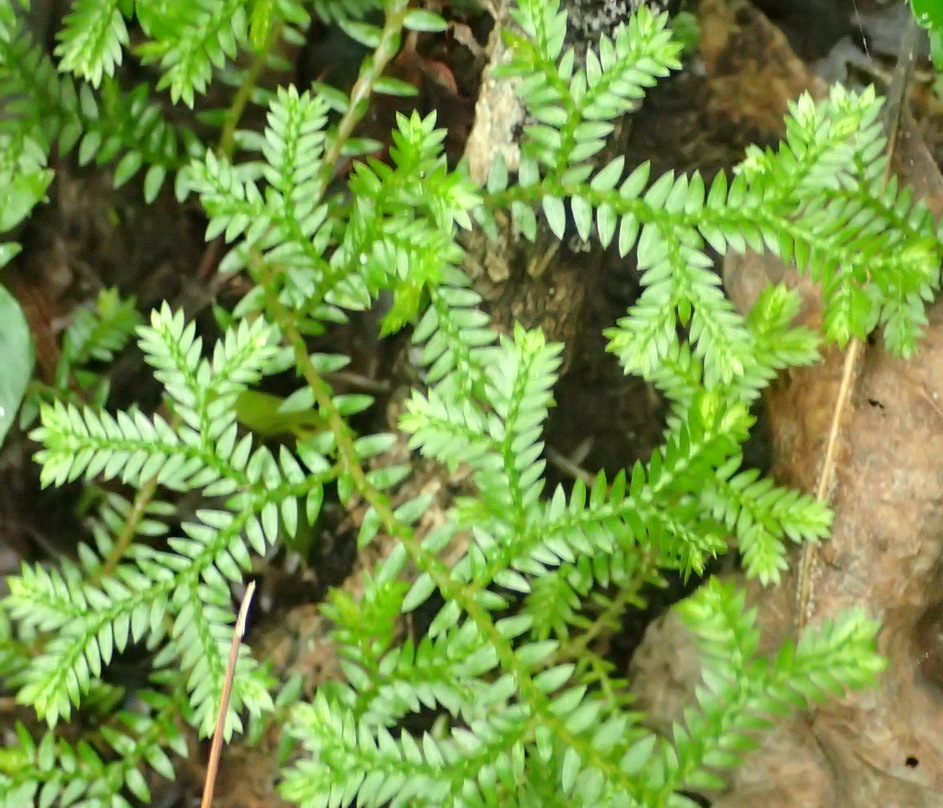
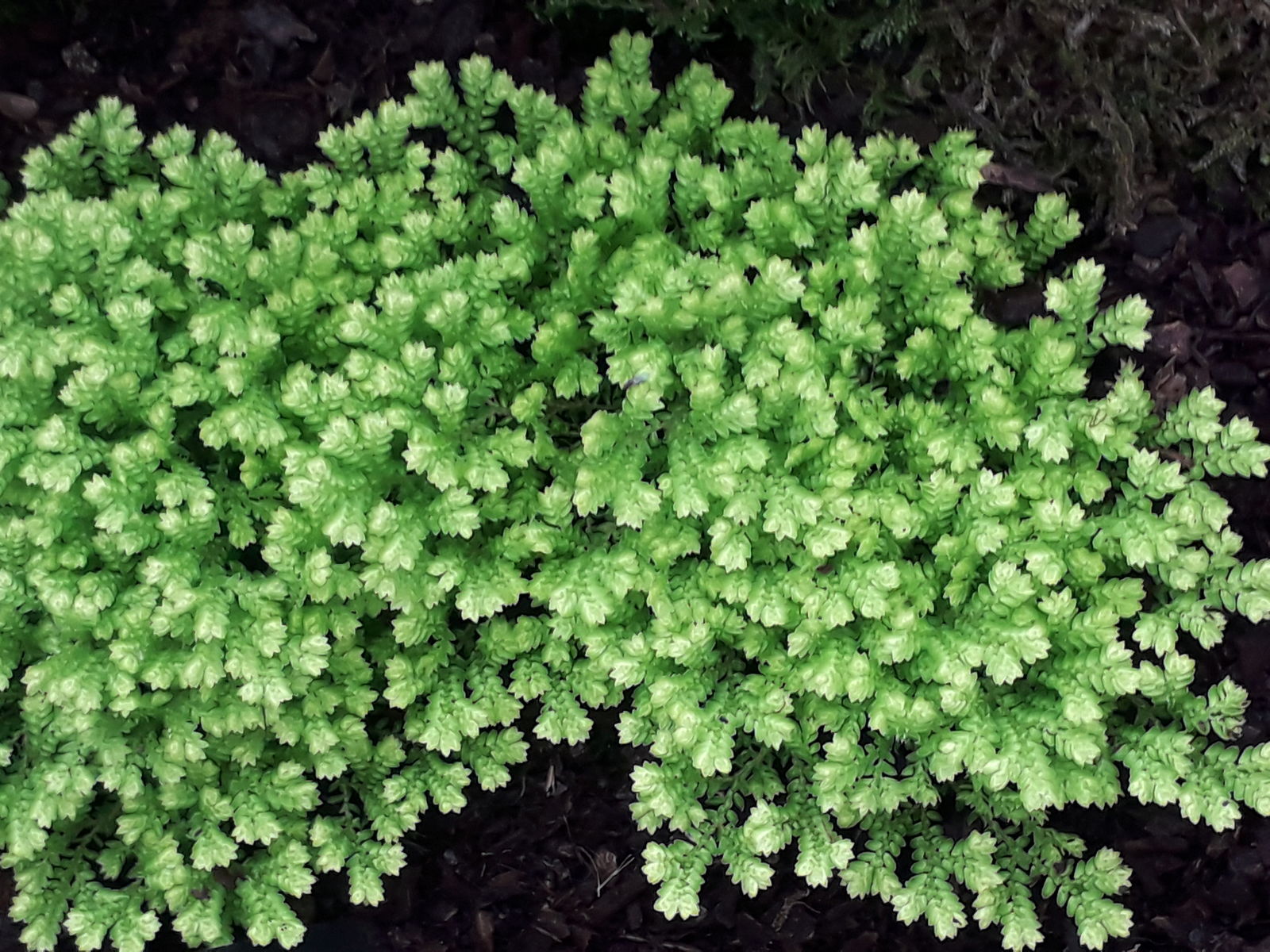
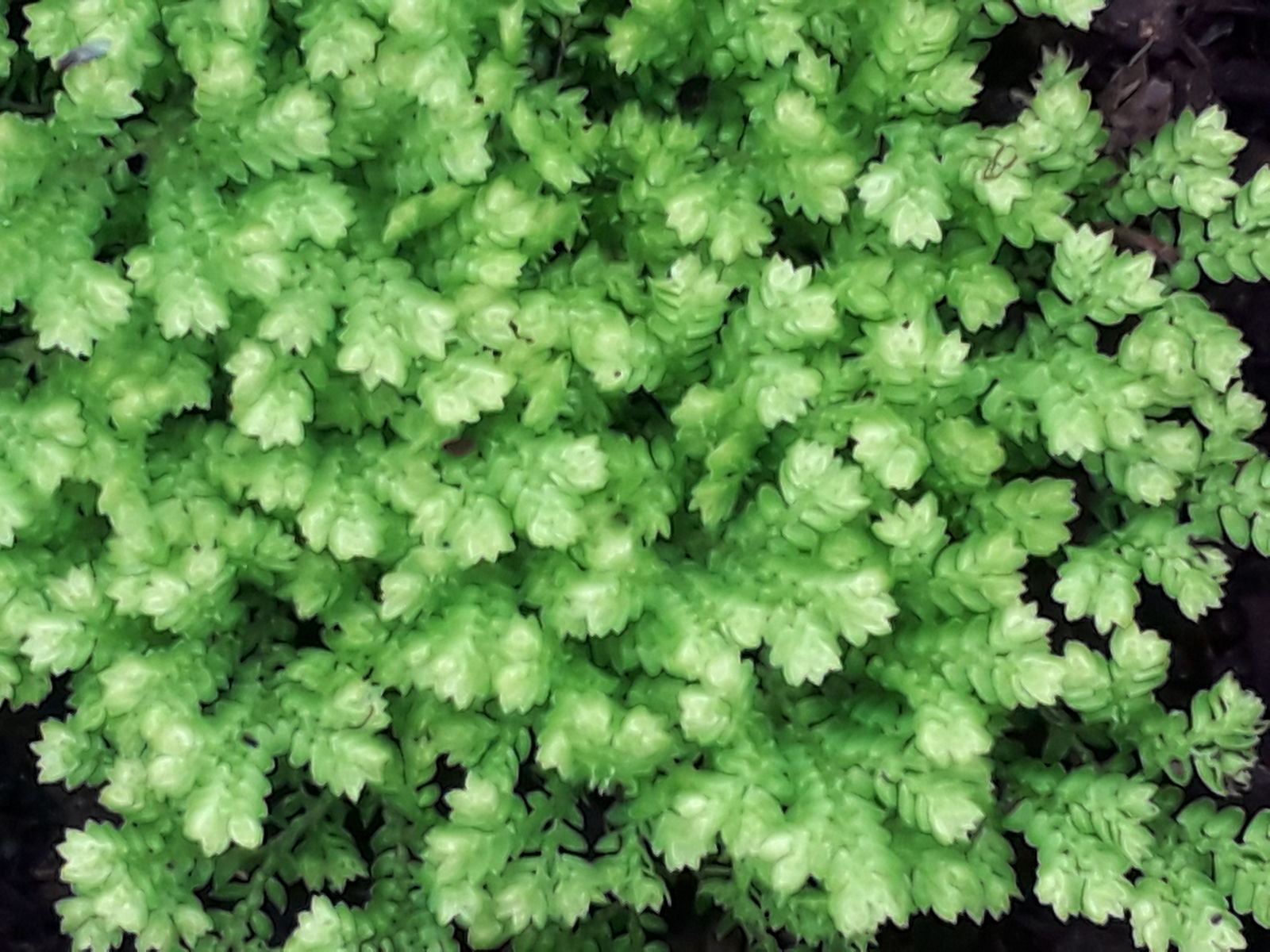
© photo
Elias · cc0
Deniz Wilson · cc0
Nicola van Berkel · cc-by
© copyright of the Board of Trustees of the Royal Botanic Gardens, Kew.


Global distribution
POWO places the native range in tropical and southern sub-Saharan Africa and Macaronesia, in humid, shaded habitats. Widely cultivated as ground cover and a terrarium plant, it has naturalized in several humid temperate regions outside this range; these introduced areas remain distinct from its native range.
- Native6
- Introduced3
- South Africa
- Kenya
- Ethiopia
- Cameroon
- Portugal (Azores, Madeira)
- Spain (Canary Islands)
- United Kingdom
- New Zealand
- United States
Hexagons: regions where the plant occurs. Green dots: native range.1
Identity
Krauss's clubmoss (Selaginella kraussiana (Kunze) A.Braun) is a small mat-forming plant in the Selaginellaceae family and the genus Selaginella. Alexander Braun established the accepted name in 1860, using an earlier name published by Kunze. That combination remains the reference name in taxonomic resources. 1 2
Despite moss-like names such as golden clubmoss, this is neither a moss nor a fern. It is a lycophyte, a vascular plant from a very ancient lineage distinct from mosses, ferns and flowering plants. In cultivation it is familiar as a terrarium plant or ground cover for shaded positions. 3 4
Members of Selaginella are often called spikemosses because of the tiny leaves packed along their stems. Also known as Krauss' spikemoss and African clubmoss, S. kraussiana stands out for its creeping habit and its ability to form a dense green carpet in shade. 6 5
Recognition
Fine, green, creeping stems branch repeatedly and spread close to the growing surface, knitting together into a continuous mat. The plant rarely exceeds 10–15 cm (4–6 in) in height, while its spread can be much greater. This low, branching habit is a useful first recognition feature. 3 4
The tiny leaves are microphylls, overlapping like scales along the stems. They create a delicate, finely toothed texture that can suggest moss or a young fern. Beneath the stems, characteristic whitish organs called rhizophores grow down toward the substrate and form roots at the nodes. 6 5
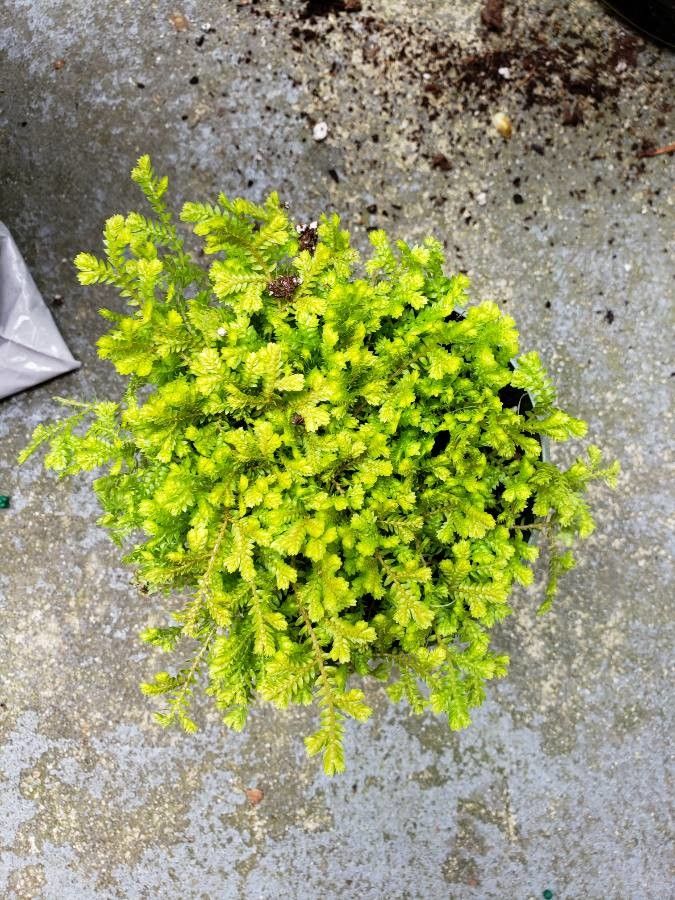
Small fertile spikes called strobili develop at the branch tips and must not be mistaken for flowers. These inconspicuous structures carry the reproductive organs. The horticultural form 'Aurea' has golden shoots, whereas ordinary plants retain bright green foliage. 3 1
Useful taxonomy
The botanical combination Selaginella kraussiana (Kunze) A.Braun identifies an accepted species in the Selaginellaceae family, order Selaginellales. POWO describes it as a creeping subshrub of the wet tropical biome, native to Africa and Macaronesia. Its scientific identity remains separate from the various color-based names used in cultivation. 1 2
Several older infraspecific names and horticultural labels occur around this species:
- Selaginella kraussiana var. aurea W.Bull, associated with golden selections;
- Selaginella kraussiana var. brownii (Stansf.) G.Nicholson, a compact terrarium form;
- Selaginella kraussiana var. variegata B.S.Williams, with variegated shoots;
- Selaginella kraussiana var. poulteri (H.Laurentius) A.Braun.
These names are now associated with the species as synonyms or refer to horticultural selections, rather than distinct botanical species. The accepted name Selaginella kraussiana provides a stable reference when comparing plants sold under different labels or reading older descriptions. 1 5
Habitat and range
Tropical and southern sub-Saharan Africa, together with Macaronesia including the Azores, Madeira and Canary Islands, form the native range recorded by POWO. The plant carpets shaded woodland floors, banks and mossy rocks in warm to mild, humid conditions, from partial to full shade. 1 6
Cultivation as ground cover and a terrarium plant has helped spread the species beyond its native range. It has naturalized in several humid temperate regions, including western Europe and New Zealand. These introduced populations should be distinguished from its African and Macaronesian origins; naturalization elsewhere does not establish an invasive status in metropolitan France. 4 5
Woodland life explains its cultivation needs. The mat is adapted to high humidity, canopy-filtered light and moist soil that never dries completely. In a container, this calls for a light organic medium and humid air. It cannot be treated like a sun-loving plant tolerant of a dry root zone. 3 7
Life cycle and reproduction
No flowers or seeds occur on Selaginella kraussiana, as in other lycophytes. The reproductive structures are spores, produced within small fertile spikes called strobili at the ends of branches. These are the structures to look for when examining a fertile plant, rather than expecting petals or fruit. 6 5
Like other spikemosses, it is heterosporous: a single plant produces two kinds of spores. Microspores lead to the male gametes, and megaspores to the female gametes. Fertilization requires water before a new leafy plant develops. This process needs constant moisture and is slow, which makes spore propagation uncommon at home. 6 7
For cultivated plants, division is the simplest propagation method. A well-rooted stem fragment placed on moist medium takes hold at its nodes through the rhizophores. Spores remain an option for a patient grower, but require closer humidity control and usually cannot match the speed of division. Keep the atmosphere humid until either kind of new plant is established. 3 5
Uses and risks
Ornamental use centers on terrariums, paludariums, shaded bowls and pots, ground cover in a cool frost-free greenhouse, or the front of a shaded bed in a mild climate. The consulted references do not establish a reliable food use. Neither an edible claim nor a medicinal use is supported here. 3 7
ASPCA lists spike moss, identified as Selaginella kraussiana, as non-toxic to cats, dogs and horses. This is useful for households with animals, but the distinction between non-toxic and edible still matters. Its pet-safety listing is not a reason to encourage an animal to eat the foliage. 8 5
The main household problem is usually cultivation rather than poisoning. Dry air or dry substrate quickly scorches the microphylls, while standing water can blacken shoots. Substantial ingestion or abnormal animal behavior still warrants veterinary advice, especially because other plants sold under similar names may have different safety profiles. 8 3
Varieties, look-alikes and related plants
Horticultural labels largely describe mat color and shape. 'Aurea' identifies golden shoots; 'Brownii' forms a compact rounded cushion favored for terrariums; 'Variegata' indicates variegated foliage. These are selections or horticultural labels, not separate species, and their names should be read in that context. 5 3
Common sources of confusion include:
- True mosses, which lack vascular tissues and rhizophores and share only the low carpeting appearance;
- Selaginella apoda, another creeping spikemoss grown in terrariums;
- Selaginella martensii, a more upright species often sold as a houseplant.
Branched stems clothed in overlapping microphylls, whitish rhizophores and terminal strobili provide the most reliable combination of features for recognizing Selaginella kraussiana. The overall moss-like appearance is less dependable than these structures when checking the identity of a small potted plant. 4 1
Main sources
- Plants of the World Online / Kew, Selaginella kraussiana (Kunze) A.Braun
- International Plant Names Index, Selaginella kraussiana (Kunze) A.Braun
- Royal Horticultural Society, Selaginella kraussiana - Krauss' spikemoss
- Missouri Botanical Garden, Selaginella kraussiana
- NC State Extension Gardener Plant Toolbox, Selaginella kraussiana
- Encyclopaedia Britannica, spreading club moss (Selaginella)
- Plants For A Future, Selaginella kraussiana
- ASPCA, Spike Moss (Selaginella kraussiana) toxicity entry
Frequently asked questions
Is Krauss's clubmoss toxic to cats?
ASPCA lists Selaginella kraussiana, under the name spike moss, as non-toxic to cats, dogs and horses. This does not make it food: monitor any substantial ingestion or unusual symptoms.
Is it a moss, a fern or something else?
Neither. Krauss's clubmoss is a lycophyte, an ancient lineage of vascular plants distinct from mosses and ferns. Its moss-like common names are misleading.
Does it produce flowers or seeds?
No. Like all lycophytes, it produces neither flowers nor seeds. Spores form in small strobili, and it can also propagate from stem fragments.
Why is my mat drying out?
Dry air and drying growing medium are the most common causes. The plant needs consistently high humidity; a terrarium or covered bowl helps reduce drying.
Where does Selaginella kraussiana come from?
POWO gives its native range as tropical and southern sub-Saharan Africa and Macaronesia. It has naturalized in several humid temperate regions outside that range.
How do I propagate it?
The easiest method is to divide a rooted stem fragment and place it on moist medium. Propagation from spores is possible but slow and requires constant humidity.
Similar plants
If you are unsure about a plant’s toxicity, ask a botanist or veterinarian for advice.