
Peace lily (Spathiphyllum wallisii, )


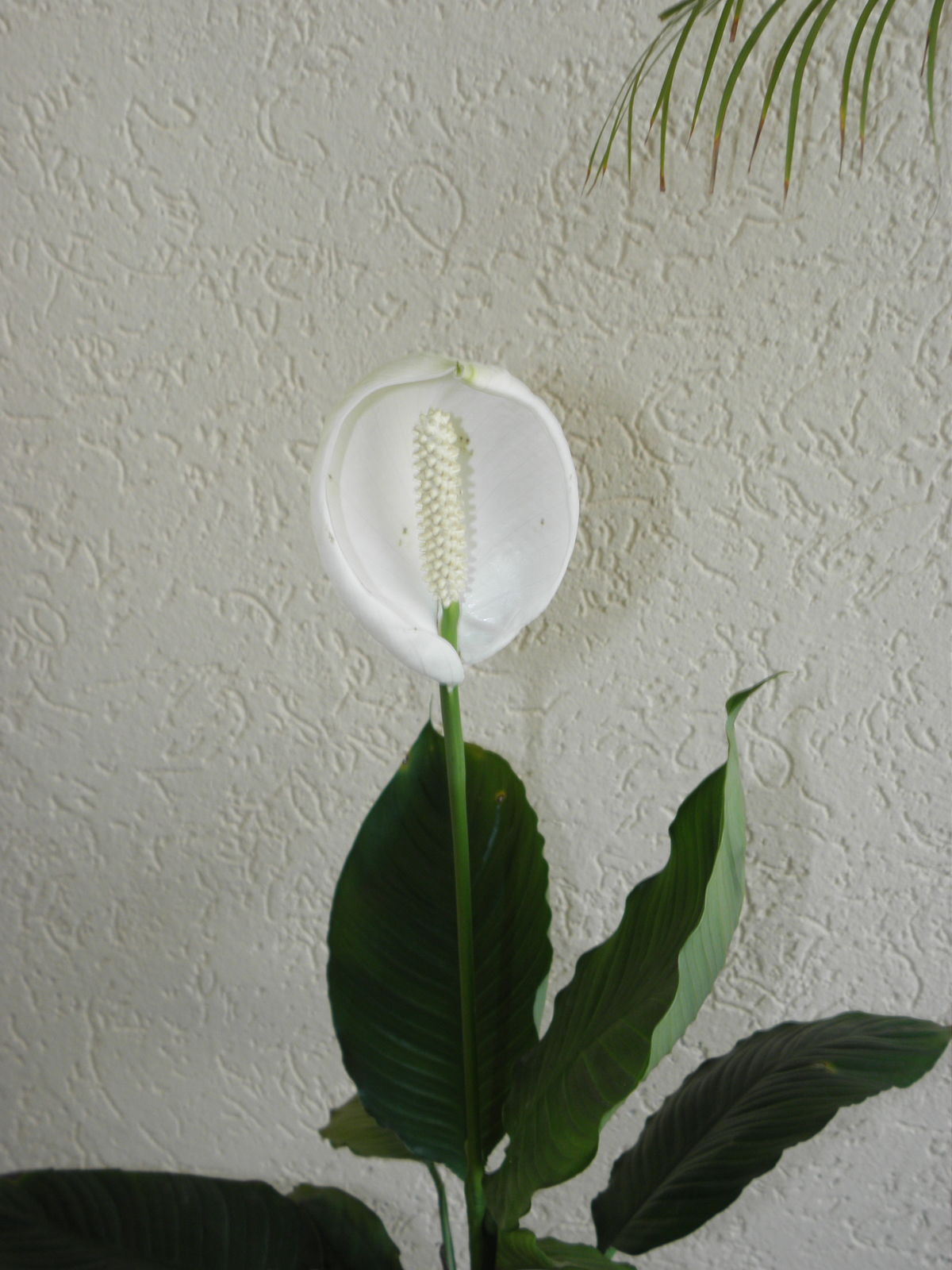
Peace lily (Spathiphyllum wallisii Regel, 1877) is a perennial aroid from the humid tropics of Colombia and Venezuela. This houseplant is recognized by its glossy basal leaves and a flower spike, or spadix, surrounded by a white spathe.
Read morePeace lily, Spathiphyllum, White sails and Spathe flower
Place in indirect light or in a shaded room.
Partial shade or indirect light


© photo
(c) ignputraa, some rights reserved (CC BY-NC), uploaded by ignputraa · cc-by-nc
Wikimedia Commons · CC BY-SA or Public Domain
Wikipedia · CC BY-SA
Taken Apr 15, 2020 by rocha lania (cc-by-sa)
Taken May 21, 2019 by C Mon (cc-by-sa)
Taken Dec 18, 2021 by marlon oliveira (cc-by-sa)
Taken Dec 7, 2020 by Jimenez Juan (cc-by-sa)
Taken Jan 14, 2021 by Дмитрий (cc-by-sa)
© copyright of the Board of Trustees of the Royal Botanic Gardens, Kew.


Global distribution
POWO/WCVP and Trefle give Colombia and Venezuela as the native range of Spathiphyllum wallisii. Broader ranges often refer to the genus Spathiphyllum, cultivars or introduced plants.
- Native2
- Introduced6
- Colombia
- Venezuela
- Bangladesh
- Comoros
- Cuba
- Dominican Republic
- Honduras
- Puerto Rico
Hexagons: regions where the plant occurs. Green dots: native range.1
Identity
Peace lily (Spathiphyllum wallisii Regel, 1877) is an accepted species in the genus Spathiphyllum, family Araceae. POWO/WCVP traces its name to an 1877 publication in Gartenflora and records Colombia and Venezuela as its native range. 1 6
Names such as white sails and spathe flower describe the familiar ornamental plant rather than a taxonomic rank. The word “lily” in peace lily is especially misleading: this plant does not belong to the true lily genus Lilium. Its inflorescence has the characteristic aroid arrangement of a spadix and spathe. 8 3
The epithet wallisii honors the plant collector Gustav Wallis. It does not indicate a geographic origin in a place called Wallis, a distinction that matters when interpreting translated common names. 8
Recognition
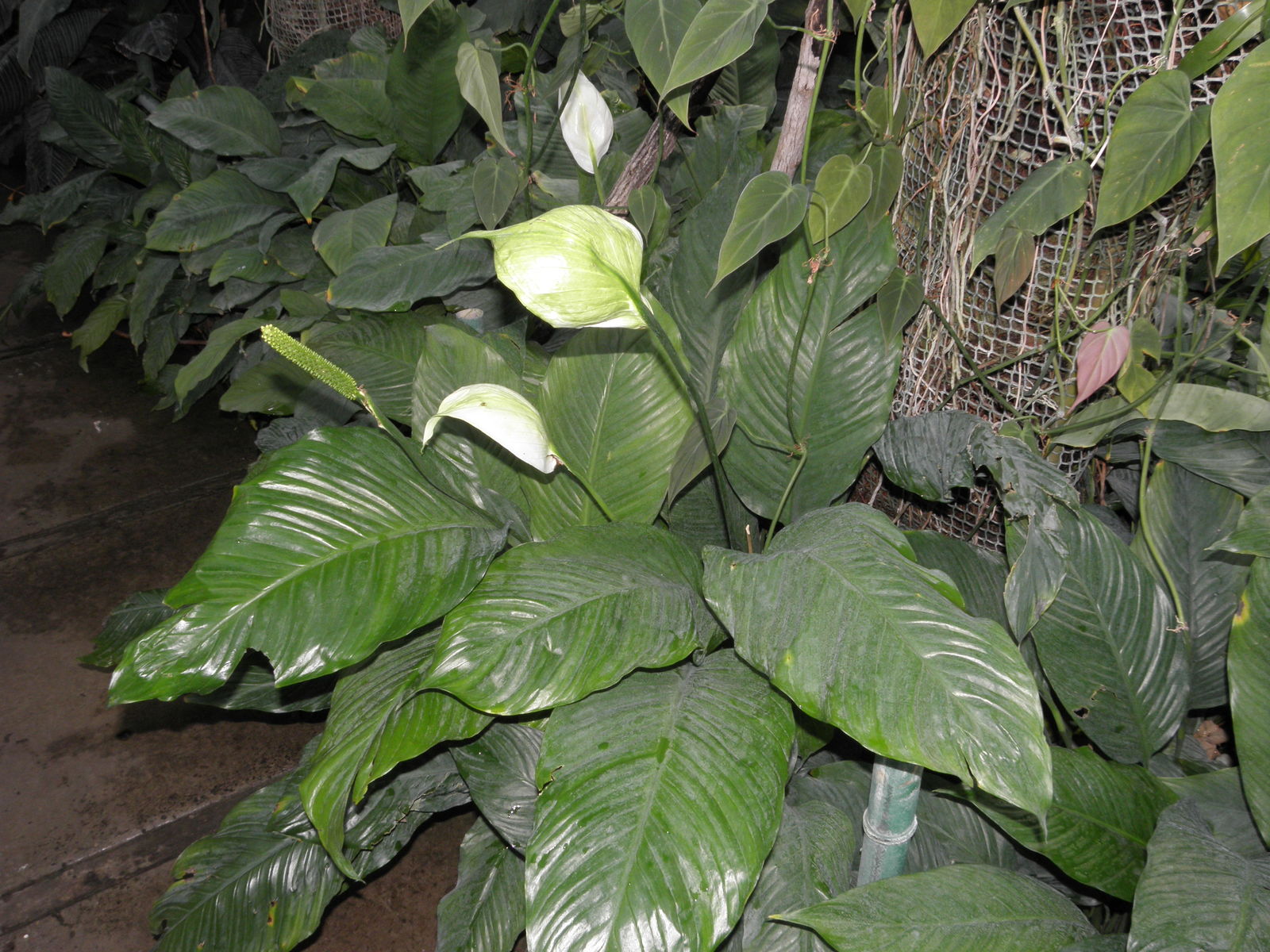
A basal clump gives peace lily its shape, with no obvious aerial stem. It is herbaceous and evergreen to semi-evergreen depending on conditions. Simple, glossy, dark green leaves range from ovate-lanceolate to elliptical, with a prominent midrib. Long petioles hold the leaves in graceful arches above the base. 3
What looks like a single white flower is actually an inflorescence. The central spadix carries the small individual flowers, while the large white structure surrounding it is a modified leaf called a spathe. In Spathiphyllum, the spathe may be white or greenish white and turn green as it ages. A green spathe therefore does not rule out S. wallisii. 2 3
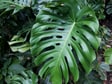
Identification depends on the combination of a basal clump, glossy and deeply veined leaves, an oval or lanceolate spathe above the foliage, and a cream to green spadix. The large divided leaves of monstera, waxy spathes of anthurium and funnel-shaped spathes of zantedeschia belong to other members of the Araceae family. 3
Taxonomy
The binomial Spathiphyllum wallisii Regel provides a consistent reference. POWO/WCVP and Trefle accept the species without listing associated synonyms in the records consulted. Commercial names are less precise, often mixing species, cultivars, cultivar groups and sometimes other Spathiphyllum species. 1 6
The genus Spathiphyllum includes more than S. wallisii. Horticultural accounts often discuss “peace lilies” as a group, then mention S. wallisii among the compact forms grown indoors. Dimensions, origins and performance reported for the whole genus cannot automatically be assigned to this species. 3 7
A plant sold as peace lily, “Mauna Loa” or “Sensation” may belong to a related group rather than the same botanical species. For purchase or comparison, the scientific name and cultivar name offer a more reliable guide than the common name alone. 3
Habitat
Colombia and Venezuela form the native range recognized by POWO/WCVP, which places Spathiphyllum wallisii in the humid tropical biome. Trefle records the same native range and several introduced territories, including Bangladesh, Comoros, Cuba, the Dominican Republic, Honduras, Puerto Rico and the Venezuelan Antilles. 1 6
Warm, humid understory conditions provide the ecological model used in cultivation: filtered light, partial shade, an organic growing medium and consistent moisture. Rather than an isolated white “flower,” peace lily is a clump of tropical foliage that occasionally raises spathes above its leaves. 3 2
Introduction to tropical regions does not establish a general invasive status. None of the references used provides a reliable invasive designation for metropolitan France. There, the species is treated as cultivated, with no published invasive alert in those references. This geographic assessment should not be extended to other countries. 1 7
Life cycle, uses and risks
Clump formation shapes the reproduction of this herbaceous perennial. Horticultural references chiefly recommend division, which retains a complete growing unit: an isolated leaf by itself does not contain the vegetative structure needed to produce a new plant. 2 3
Peace lily is grown mainly as an ornamental houseplant, in heated greenhouses or conservatories, or in shaded beds where frost is absent. The references support decorative and horticultural uses. Although POWO includes broad “food” and “medicine” categories, the available account does not specify plant parts or context sufficient to establish a particular edible or medicinal use. 1 2
Insoluble calcium oxalate crystals account for the toxicity risk. The ASPCA classifies peace lily (Spathiphyllum) as toxic to dogs and cats; the information consulted also indicates a risk to horses. Poison Control and NC State chiefly describe immediate irritation of the mouth and throat after chewing or swallowing plant tissue. 4 5 3
The nature of that risk matters: peace lily is an irritating aroid, whereas true lilies can cause severe kidney poisoning in cats. Do not eat peace lily, keep it away from cats, dogs, horses and children, and seek medical or veterinary advice after significant exposure. 4 5
Cultivars and look-alikes
'Chopin' is described as a dwarf cultivar in French and Italian accounts. NC State also mentions 'Domino', 'Gemini', 'Variegata', 'Sensation', 'Petite' and 'Mauna Loa'. These names circulate in a horticultural setting where pure species, hybrids and cultivar groups can easily become mixed together. 8 9 3
Variegation in 'Domino', 'Gemini' or 'Variegata' describes a foliage pattern rather than a taxonomic rank equivalent to a species. A plant without variegation is no less authentic: the ordinary form simply has green leaves. 3
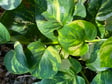
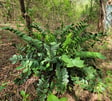
Other indoor aroids offer the most useful comparisons: Anthurium for its conspicuous spathe, Zantedeschia for its white funnel, and Aglaonema or Dieffenbachia for understory foliage. “Peace lily” also creates a verbal confusion with true lilies. Distinguishing them matters for safety because their toxic effects differ. 3 4
Main sources
- Plants of the World Online / Kew, Spathiphyllum wallisii Regel
- Royal Horticultural Society, Spathiphyllum wallisii
- NC State Extension Gardener Plant Toolbox, Spathiphyllum
- ASPCA, Peace Lily toxicity entry
- Poison Control, Are peace lilies poisonous?
- Trefle, species data, Spathiphyllum wallisii
- Perenual, horticultural traits, Spathiphyllum group and cultivars
- Reader file from Wikipedia FR, Spathiphyllum wallisii
- Reader file from Wikipedia IT, Spathiphyllum wallisii
Frequently asked questions
Is peace lily a true lily?
No. Peace lily is a common name; Spathiphyllum wallisii belongs to the Araceae family, not the genus Lilium.
Where does Spathiphyllum wallisii come from?
Taxonomic references give Colombia and Venezuela as its native range. Broader ranges often concern the genus or introduced plants.
Why does the white flower turn green?
The white part is a spathe, and several cultivation references describe it turning green with age.
Is peace lily poisonous?
Yes. Its tissues contain irritating insoluble calcium oxalates; cats, dogs, horses, children and adults should avoid ingesting it.
Which peace lily cultivars are commonly mentioned?
References mention Chopin, Domino, Gemini, Variegata, Sensation, Petite and Mauna Loa; their horticultural status needs to be checked individually.
Similar plants
If you are unsure about a plant’s toxicity, ask a botanist or veterinarian for advice.