
Golden pothos (Epipremnum aureum, )
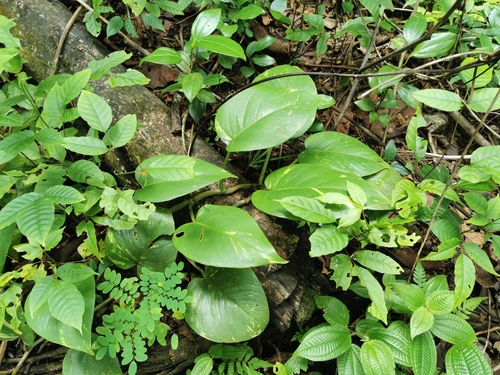
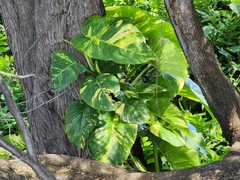

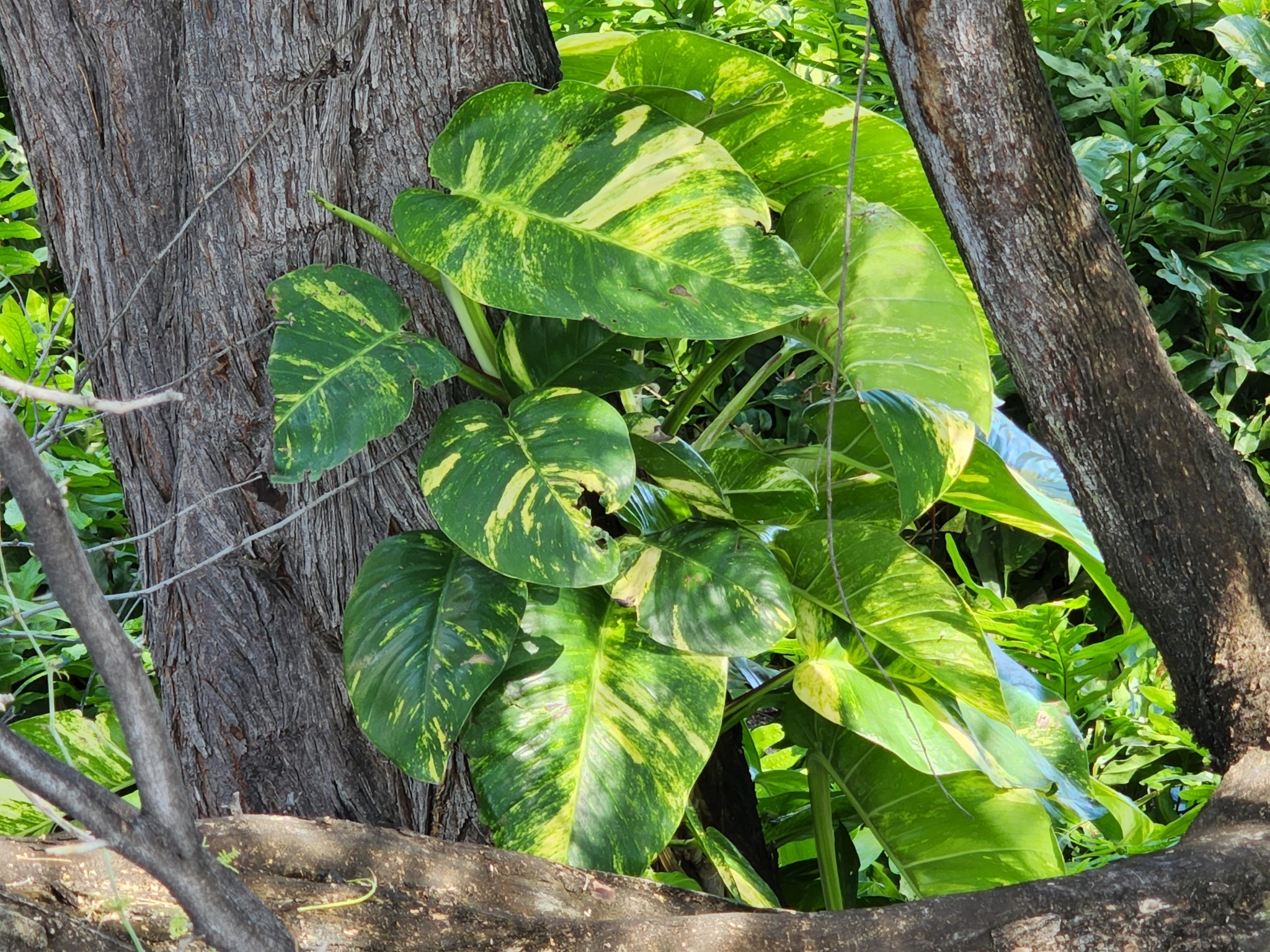
Golden pothos (Epipremnum aureum) is a tropical climber in Araceae, native to Moorea and recognized by Kew as Epipremnum aureum (Linden & André) G.S.Bunting, published in 1964. Heart-shaped, often variegated leaves distinguish this familiar houseplant, whose older Pothos and Scindapsus names explain much of its naming confusion.
Read moreGolden pothos, Pothos, Devil's ivy, Ivy arum, Money plant and Taro vine
Give plenty of ambient light without direct sun on the leaves.
Bright indirect light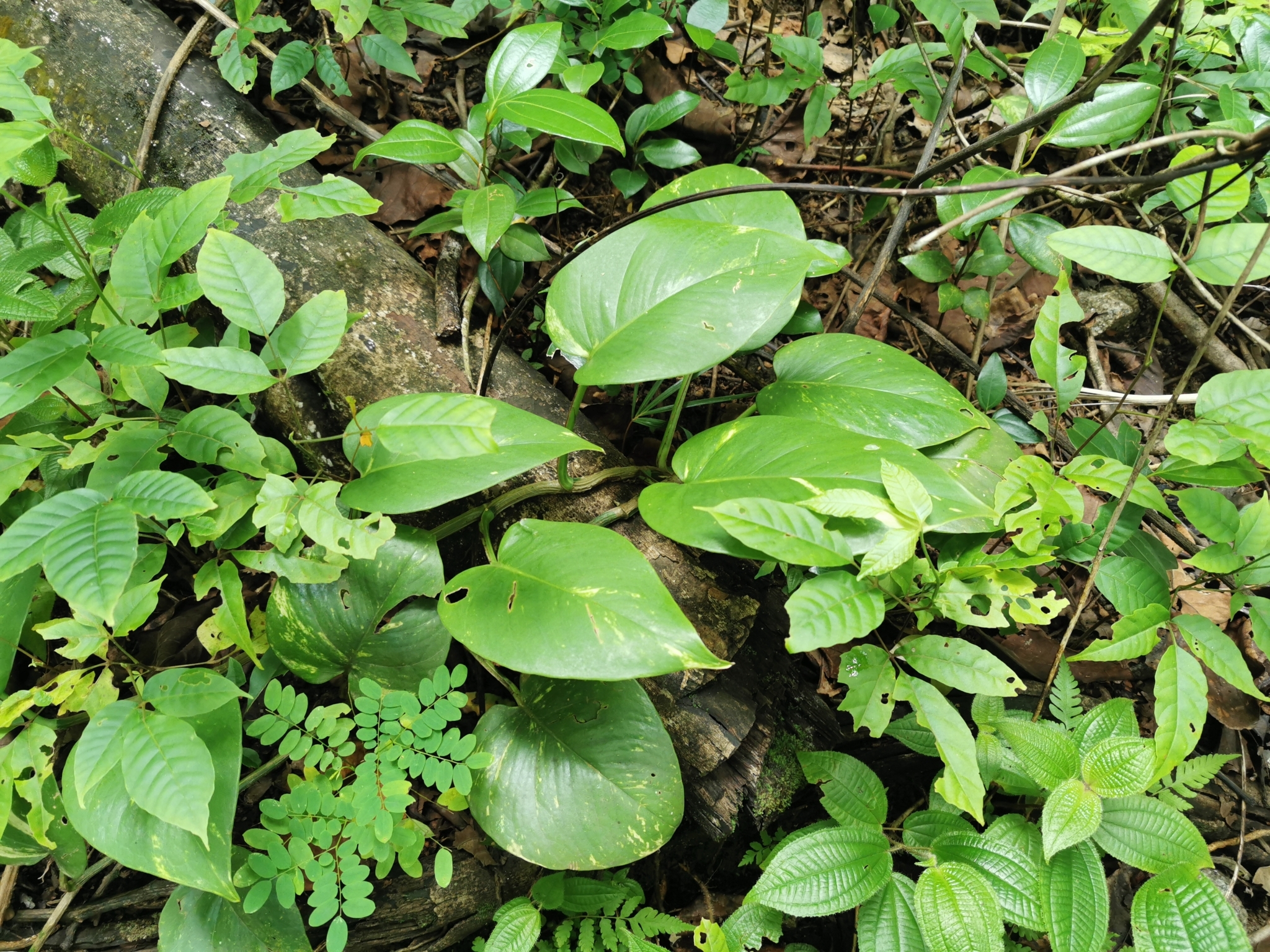
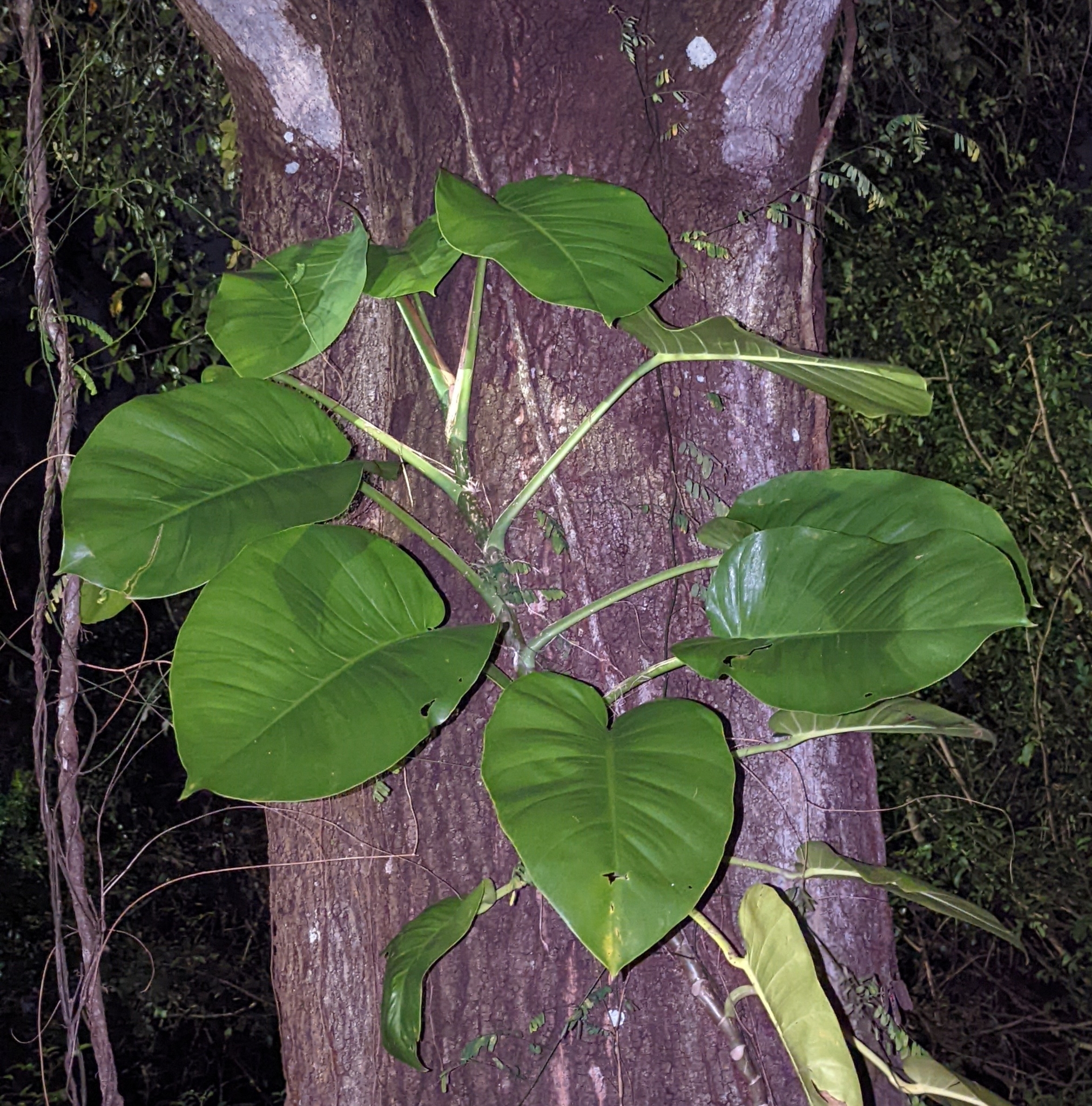


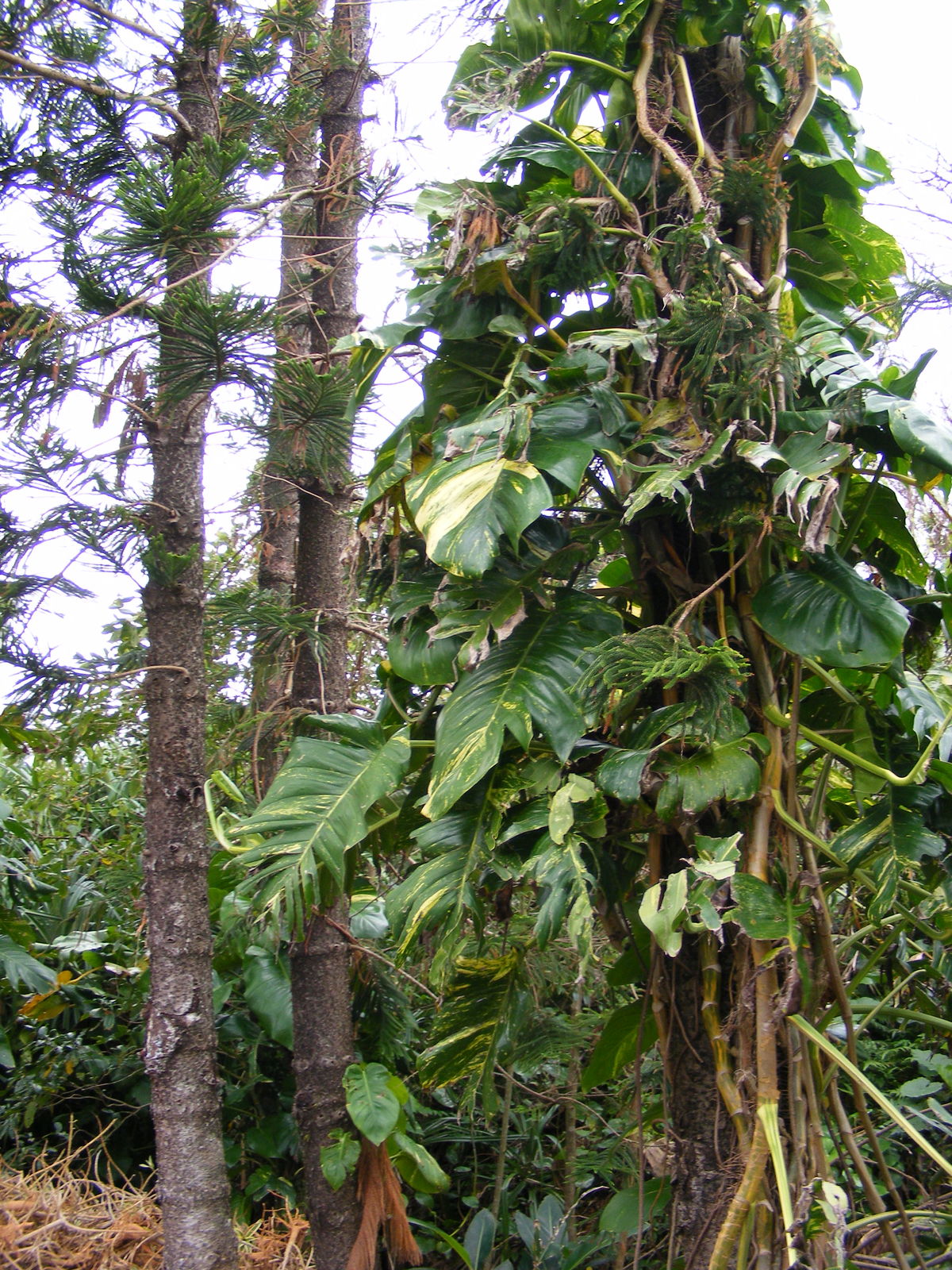
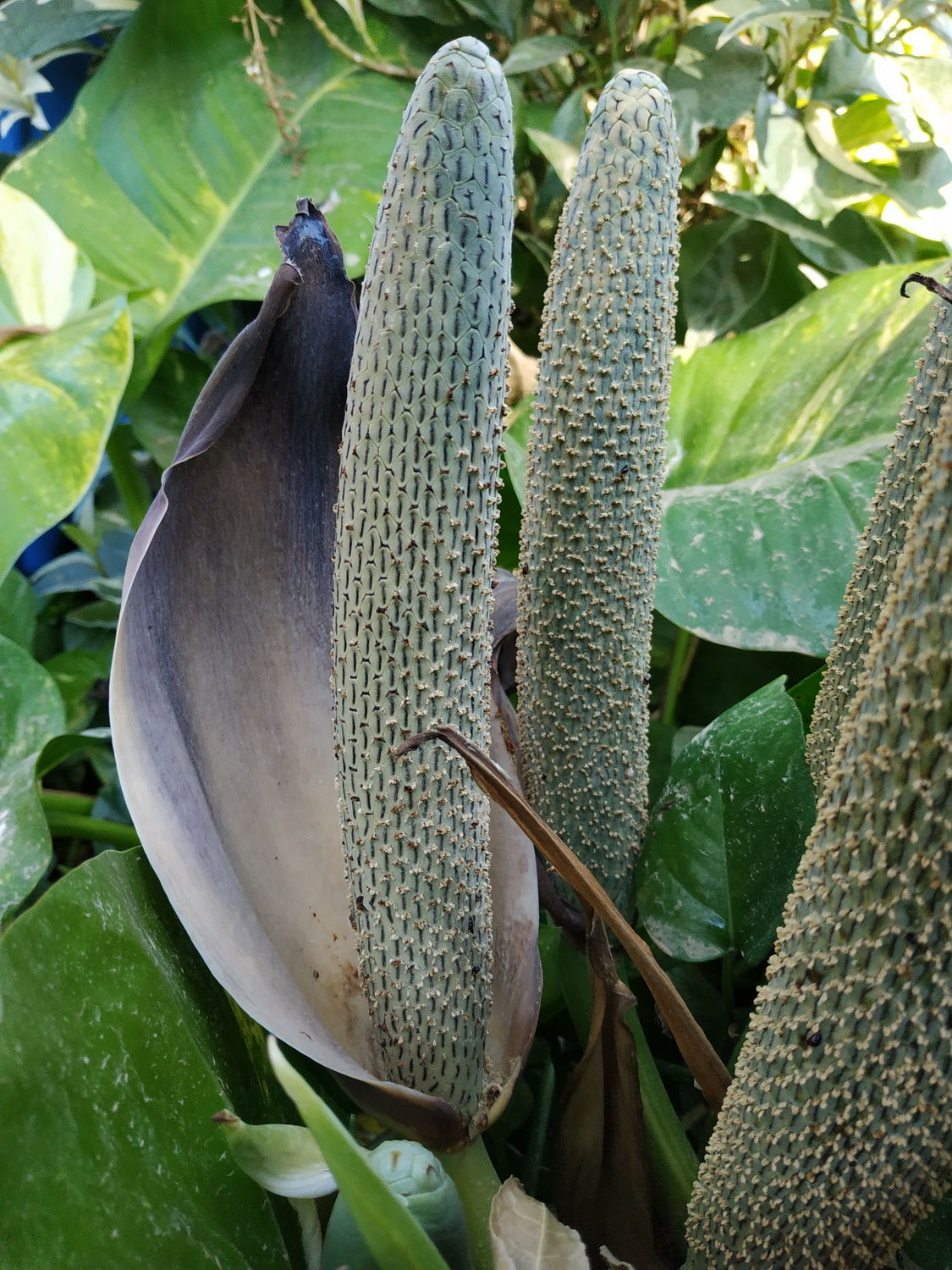
© photo
Bruno Senterre · cc0
Tyler Bishop · cc0
natalie · cc0
Taken Jun 20, 2022 by Trap Hers (cc-by-sa)
Taken Jan 3, 2022 by Villena Rojas Marcelo (cc-by-sa)
Taken Aug 31, 2022 by M. Hedayat (cc-by-sa)
Taken Jul 4, 2019 by Łącka Magdalena (cc-by-sa)
Taken Feb 12, 2021 by Cruz Leo (cc-by-sa)
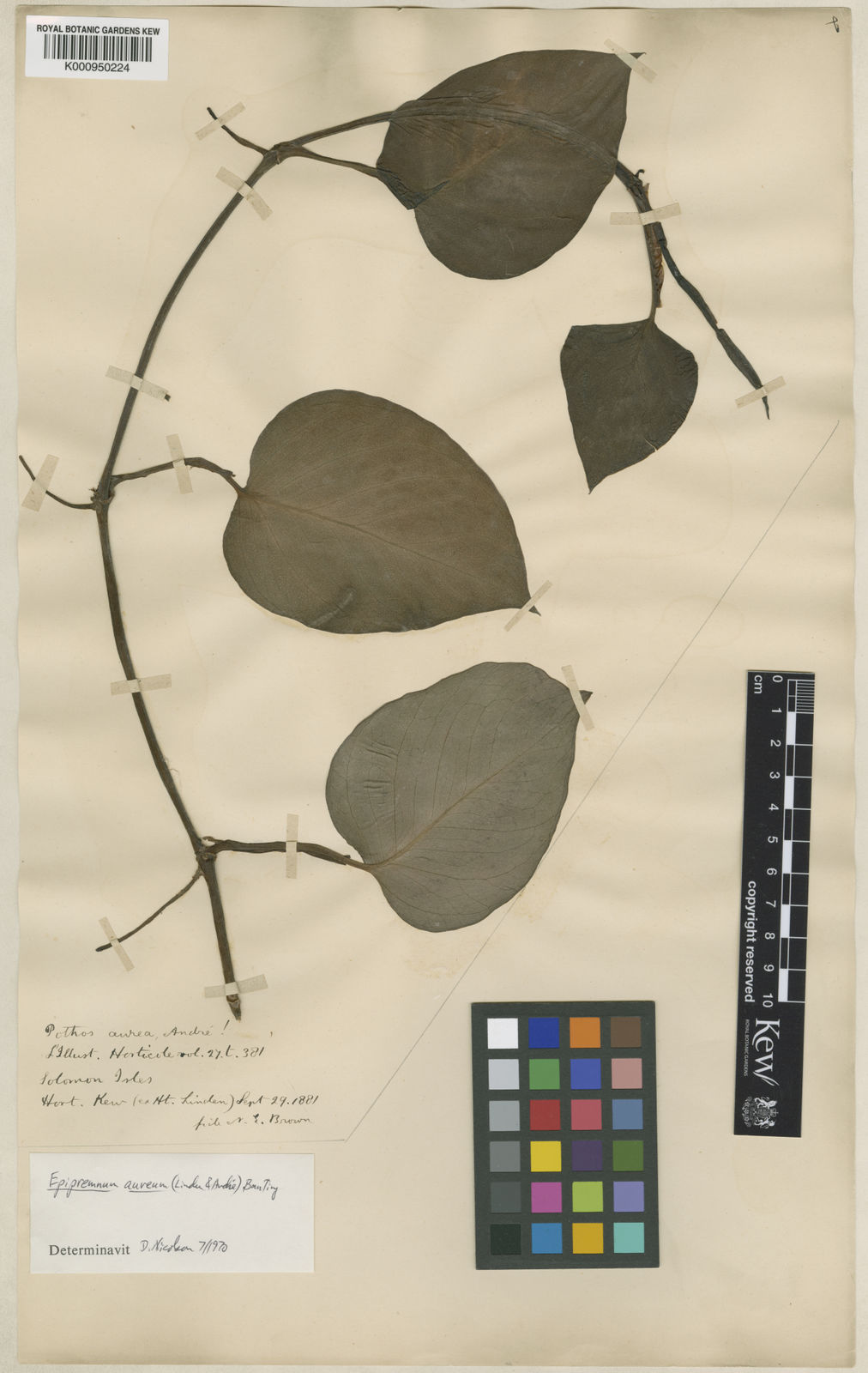
© copyright of the Board of Trustees of the Royal Botanic Gardens, Kew.




Global distribution
POWO places the native origin on Moorea in the Society Islands, while documenting much wider cultivation and naturalization in tropical regions. Native origin, cultivation and naturalization are distinct categories.
- Native1
- Introduced3
- French Polynesia
- United States
- Australia
- India
Hexagons: regions where the plant occurs. Green dots: native range.1
Identity
Golden pothos (Epipremnum aureum) is a climbing member of Araceae recognized under this botanical name by standard taxonomic references. Familiar nursery labels conceal a complicated naming history: the plant has long circulated under Pothos and Scindapsus, although Epipremnum aureum remains the reliable name for establishing its identity. 1 3
Separate a sales label from the botanical identity it is meant to describe. Pothos, devil's ivy, golden pothos and money plant often refer to this same species, whereas Neon, Marble Queen and N'Joy generally identify horticultural selections with particular foliage rather than distinct botanical species. 4 5
Recognition
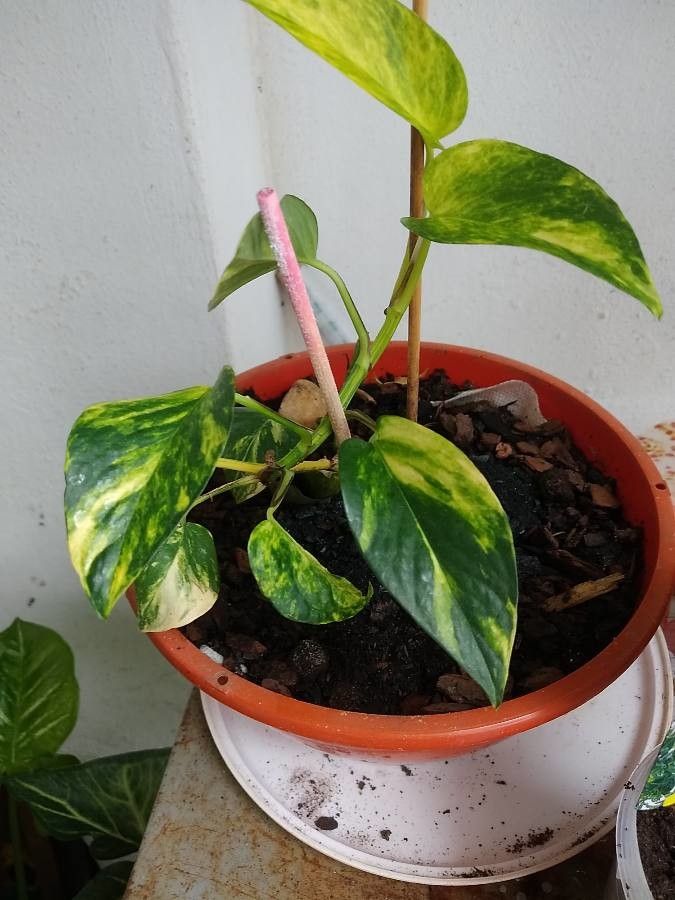
Flexible stems, rooting nodes and heart-shaped leaves help identify a young golden pothos. Yellow, cream or pale green markings commonly break up the green leaf surface. A hanging pot lets the stems trail downward; a support reveals the plant's climbing habit and makes its growth pattern easier to observe. 6 7
Mature tropical plants can develop much larger leaves, sometimes with divisions in the blade. This stage is unusual in an apartment. Small, undivided leaves therefore do not rule out golden pothos: they often reflect indoor conditions and growth without the kind of climbing support provided by a forest tree. 5 7
Useful taxonomy
Historical synonyms account for much of the confusion in cultivation. Names such as Pothos aureus, Scindapsus aureus and Rhaphidophora aurea help connect older accounts with the living plant. They are useful search terms, but should not displace the accepted name when identifying the species. 1 2
- Pothos aureus Linden & André, an older generic placement
- Scindapsus aureus (Linden & André) Engl., a historical synonym
- Rhaphidophora aurea (Linden & André) Birdsey, another historical combination
- Epipremnum mooreense Nadeaud, a name in the synonymy
Before buying, check the actual genus as well as the variegation. Epipremnum aureum is neither a philodendron nor Scindapsus pictus, even though all may be displayed together as foliage houseplants. Similar placement on a nursery shelf is not evidence that they share the same botanical identity. 1
Habitat and range
Moorea is the strict native origin recognized by POWO, while cultivation and naturalization extend much more widely through tropical regions. Keeping these categories separate matters: a familiar houseplant that grows outdoors across the world is not necessarily native to every place where it has become established. 1 6
Its forest-understory climbing habit explains the practical care it needs: bright filtered light, a vertical support, steady warmth and an airy growing medium. A pole serves more than a decorative purpose. It substitutes for the trunk that supports upward growth and allows the foliage to increase in size. 7 5
Life cycle and reproduction
Stem extension and leaf renewal dominate the visible indoor life cycle. Golden pothos produces successive nodes as it grows, usually remaining vegetative in cultivation. Flowering is exceptional outside tropical conditions and should not be treated as the necessary sign that an indoor plant is healthy or being grown successfully. 6 7
Successful propagation requires a node. A detached leaf can stay green for a while, but without a growing point it cannot regenerate a complete plant. When choosing a cutting, inspect the piece of stem as carefully as the leaf; an attractive blade alone is not enough. 7
Uses and risks
A sturdy foliage houseplant, golden pothos can fill a shelf, hanging basket or climbing support. Its practical value lies in tolerance and straightforward growth. Claims about cleaning indoor air require context and should not be turned into a general promise about what a single household plant will achieve. 5 7
The tissues contain insoluble calcium oxalates. Chewing them can irritate the mouth in cats, dogs, horses or children, causing drooling and vomiting and making swallowing painful. The ease of growing the plant does not remove this risk, particularly where trailing stems are within reach of pets. 8
Varieties, look-alikes and related plants
Neon, Marble Queen, N'Joy, Manjula and Global Green mainly describe differences in foliage color, size or the stability of variegation. For propagation, the decisive feature remains a healthy node. A striking leaf pattern does not make a cutting viable when the necessary stem tissue is missing. 7 6
The frequent look-alikes include:
- Philodendron hederaceum, similar heart-shaped leaves, but a different genus of Araceae
- Scindapsus pictus, silvery satin foliage, often sold under a similar name
- Epipremnum pinnatum, a related climber with more deeply divided adult leaves
Three checks resolve these look-alikes: the scientific name, the nodes of the climbing stem, and the texture and pattern of the leaves actually present. Reading a label and observing the plant together is more reliable than identifying it from a single patch of yellow or silver. 3
Identification checks
Judge golden pothos by stem growth rather than one isolated leaf. Healthy shoots have distinct nodes, short aerial roots and regular foliage. Very long internodes often suggest insufficient light. If leaves fade or yellow from the base, check for standing water, an oversized pot or a medium that stays compact and wet. 7
A few details prevent common mistakes:
- a viable cutting includes at least one node, rather than only a leaf stalk;
- white or yellow variegation needs more indirect light than an all-green form;
- a climbing support favors larger leaves than long, unsupported trailing stems;
- scorching exposure quickly damages the pale areas of a leaf.
Golden pothos is often described as indestructible, yet cold, excess water and chewing animals expose clear limits to that reputation. Like other Araceae containing insoluble oxalates, it can irritate the mouth and throat after chewing. In homes with cats, dogs or young children, trim accessible trailing stems and dispose of the cuttings out of reach. 8 6
Main sources
Frequently asked questions
Is golden pothos a philodendron?
No. It belongs to Epipremnum, although its habit and leaves resemble those of some philodendrons.
Why is my golden pothos turning green?
Variegation often decreases when the plant receives insufficient indirect light.
Is golden pothos toxic?
Yes. Its tissues contain calcium oxalates that irritate animals and children.
Similar plants

If you are unsure about a plant’s toxicity, ask a botanist or veterinarian for advice.