
Bog cranberry (Vaccinium oxycoccos, )
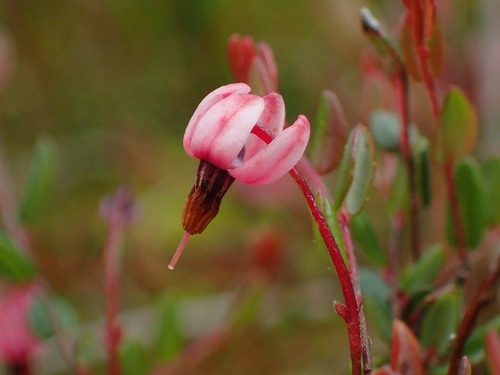
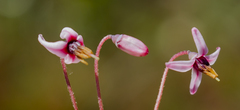
Bog cranberry (Vaccinium oxycoccos) is a creeping evergreen subshrub in the Ericaceae family, found in sphagnum bogs across the cold and temperate Northern Hemisphere. Its threadlike trailing stems, tiny leaves with blue-green undersides and small tart red berries distinguish it from the larger cultivated American cranberry that shares its common name.
Read moreBog cranberry, Small cranberry, Marshberry and Swamp cranberry
Allow a few hours of direct sun per day, preferably morning or evening.
Full sun preferred; partial shade tolerated but reduces fruiting
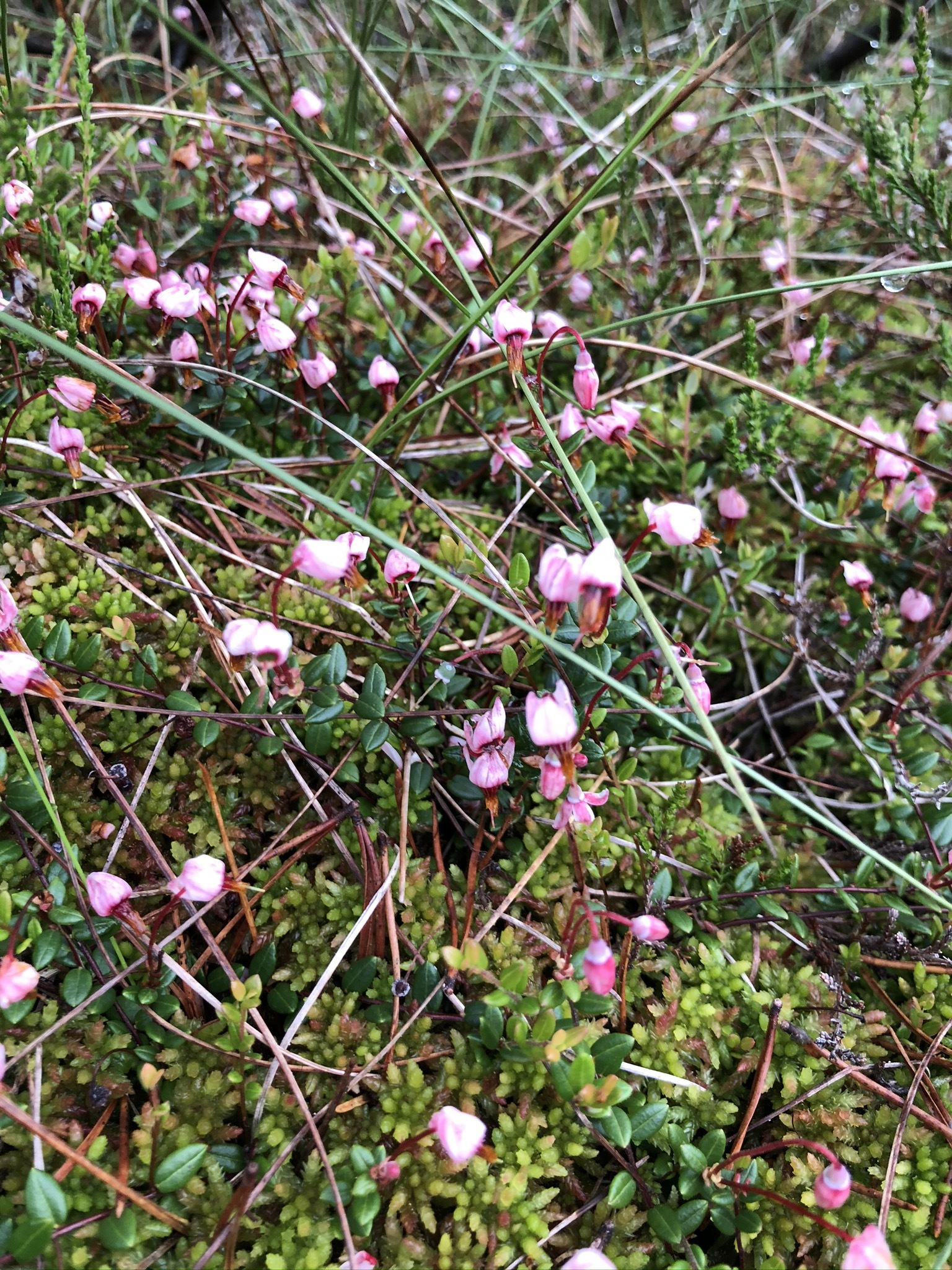



© photo
(c) Matthieu Gauvain, some rights reserved (CC BY-NC), uploaded by Matthieu Gauvain · cc-by-nc
Thomas Ebner · cc-by
aarongunnar · cc-by
Taken Aug 15, 2010 by Photoflora - Jean-Luc TASSET (©)
Taken Aug 15, 2014 by Photoflora - Jean-Luc TASSET (©)
Taken Jan 1, 1800 by Tela Botanica − Thierry Pernot (cc-by-sa)
Taken Jan 1, 1970 by Photoflora - L'Abbé COSTE (©)
Taken Jun 20, 2022 by Stasys Sedula (cc-by-sa)
© copyright of the Board of Trustees of the Royal Botanic Gardens, Kew.




Global distribution
The native range of Vaccinium oxycoccos covers subarctic and cool temperate regions of the Northern Hemisphere: northern and central Europe, Siberia and the Russian Far East, and North America as far as Greenland. In France it is restricted to acidic mountain bogs and a few lowland bogs, always on a living sphagnum carpet.
- Native9
- France
- United Kingdom
- Norway
- Germany
- Russia
- Poland
- Canada
- United States
- Japan
Hexagons: regions where the plant occurs. Green dots: native range.1
Identity
Bog cranberry (Vaccinium oxycoccos L., 1753), also called small cranberry, marshberry or swamp cranberry, is a creeping evergreen subshrub in the Ericaceae family. It creates a low, threadlike carpet on sphagnum bogs throughout the cold and temperate Northern Hemisphere, from France to Siberia and North America. 1 2
Crane imagery links the English name cranberry to the French canneberge, recorded as early as 1665, before cranberry cultivation expanded in Quebec. The French word adapts a Low German term meaning “crane berry”; it does not combine the French words for “cane” and “bank,” despite a persistent folk etymology. English cranberry shares the same Germanic root. 9 8
Recognition
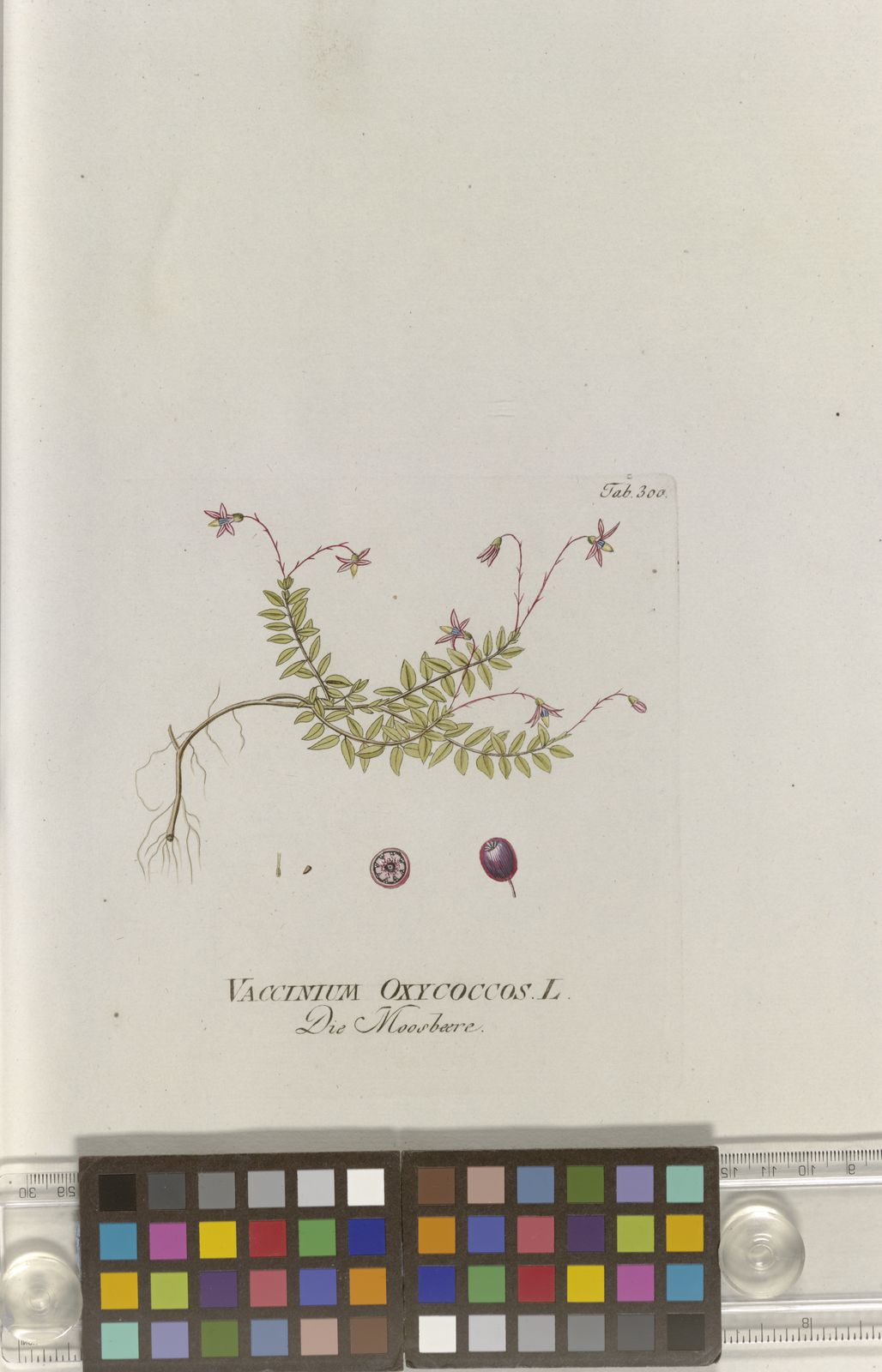
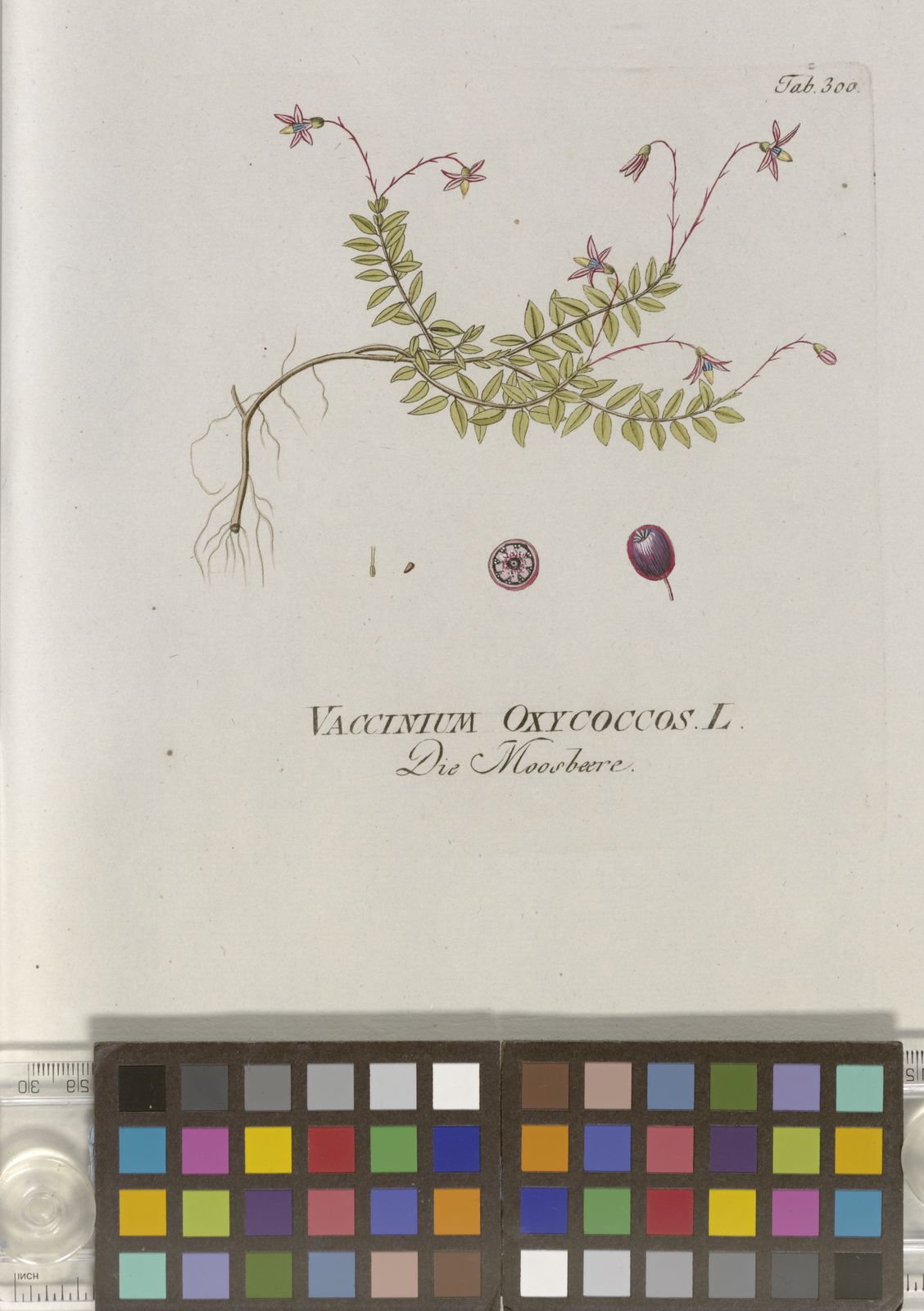
Trailing growth is the clearest starting point for recognizing Vaccinium oxycoccos: unlike common bilberry or lingonberry, it has no upright stems. Its threadlike reddish-brown shoots lie across the sphagnum surface and root at every node, holding the plant close to the moss. 4 3
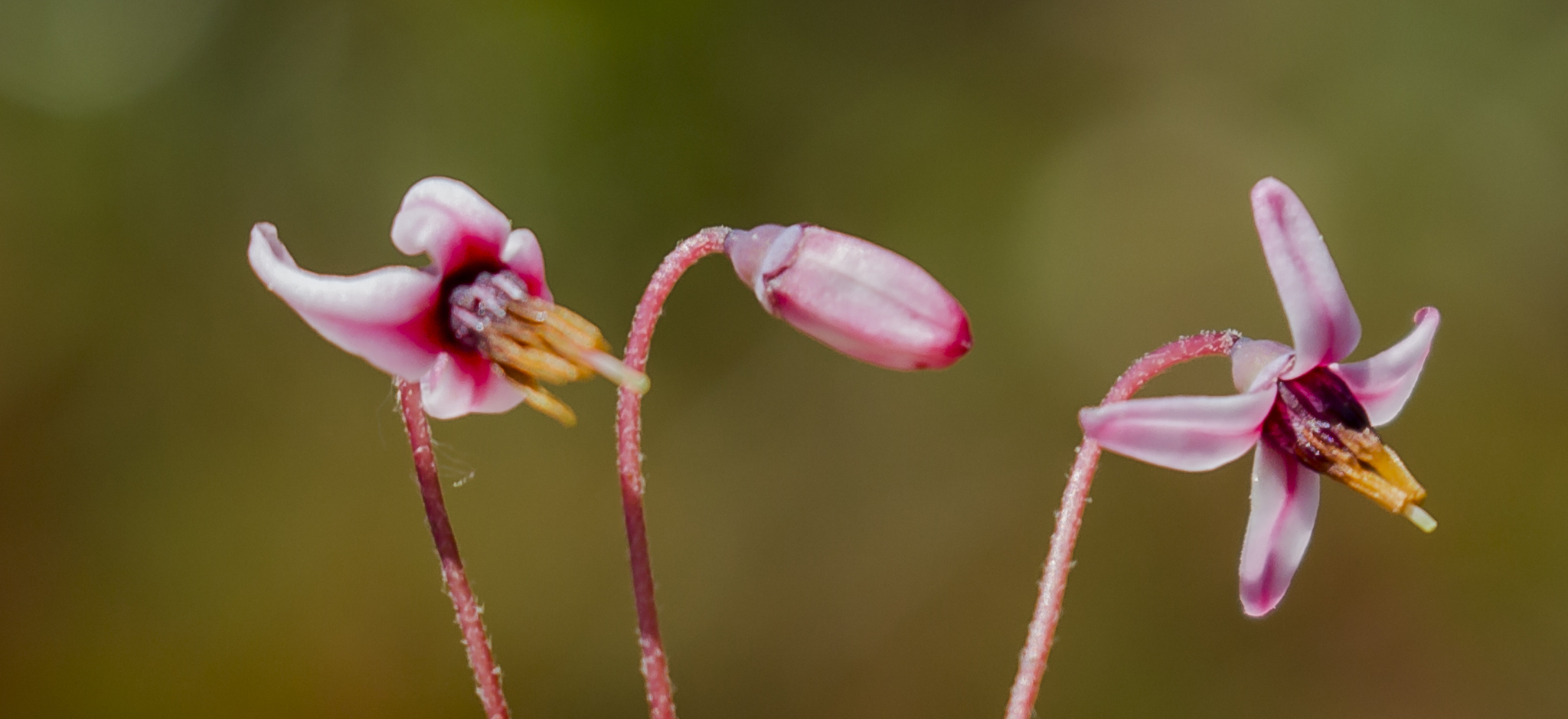
Tiny evergreen leaves are less than 1 cm (0.4 in) long. Their upper surface is dark green, while the underside is distinctly blue-green, a useful identification feature throughout the year. Each flower nods from a long, slender stalk, with four pink or white petals curved backward. Flowers occur in groups of one to four at the shoot tips. 4
Round red berries measure about 6–10 mm (0.24–0.4 in) across. Mottled while immature, they turn uniformly red as they ripen in late summer. The tart fruit is markedly smaller than that of the cultivated American cranberry, an important difference when comparing wild and commercial plants. 2 3
Useful taxonomy
For bog cranberry, Kew and POWO accept Vaccinium oxycoccos L. Older literature often uses Oxycoccus palustris Pers. or Oxycoccus quadripetalus Schinz & Thell.. Both derive from Oxycoccus, which most reference floras now treat as a subgenus of Vaccinium rather than a separate genus. 1
Particular care is needed with Vaccinium microcarpum (Turcz. ex Rupr.) Schmalh., a segregate with smaller flowers and fruit. POWO recognizes it as a distinct accepted species, while many regional floras treat it as a variety or subspecies of Vaccinium oxycoccos. The complete binomial and its accompanying authority provide the most reliable reference. 1
Habitat and range
Cool subarctic and temperate regions hold the native range of Vaccinium oxycoccos: northern and central Europe, Siberia and the Russian Far East, and North America as far as Greenland. Across this broad northern range, the species remains closely tied to bog conditions. 1 4
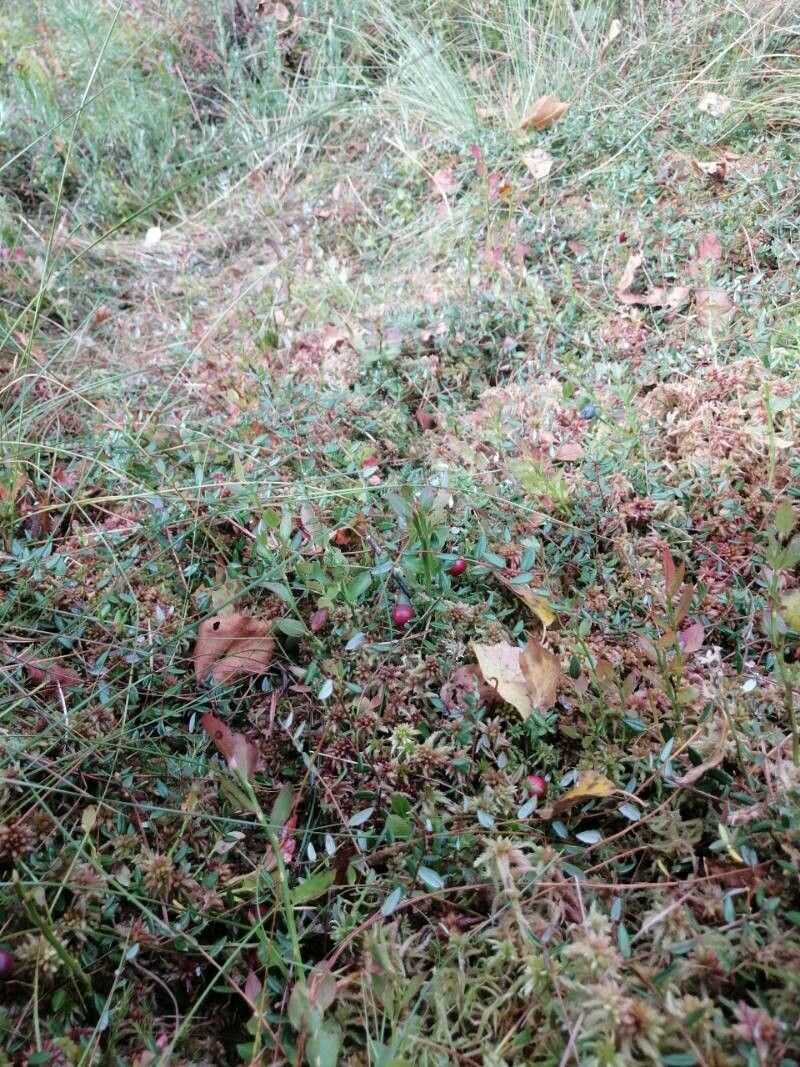
Within France, bog cranberry occupies acidic mountain bogs in the Jura, Vosges, Massif Central and Alps, together with a few rarer lowland bogs. Its growing surface is always living sphagnum; dry ground and limestone are outside its usual conditions. 5
British bogs once supported a small cranberry-picking industry involving women and children on the moors of northern England and southern Scotland. Large-scale bog drainage during the Napoleonic era sharply reduced populations. Despite such local losses from wetland drainage, NatureServe now ranks the species G5, globally secure. 4 6
Life cycle and reproduction
Summer blossoms are pollinated almost exclusively by bumblebees. Fruit then ripens slowly, turning uniformly red in fall. The flowering and ripening sequence follows the cool northern growing season rather than the harvest calendar of cultivated commercial cranberry fields. 4 2
Natural spread relies mainly on layering. Wherever a stem node touches sphagnum, it produces its own roots, extending the mat into a continuous colony without depending on germination. Once such a colony is established, reproduction from seed has a secondary role. 3
Ripe berries can remain on the plant for as long as 200 days, often preserved under snow until the following spring. Their persistence beyond the growing season provides winter food for several kinds of bog birds. 2
Uses and risks
Tart bog cranberry fruit is eaten raw or cooked, made into jam or used in herbal tea, continuing an old tradition in European and North American bog regions. Some British foragers consider it among the country’s best-tasting wild fruits. 3 4
Known toxicity is not listed for people, cats or dogs. For horses, the status remains undocumented, because published data are lacking. The plant therefore has no known risk comparable to that of some other ornamental members of the Ericaceae family; absence of horse data is still a separate uncertainty. 2
Commercial cranberry juice and dried fruit almost always come from Vaccinium macrocarpon, the North American species cultivated on a large scale. They generally do not come from Vaccinium oxycoccos, which remains chiefly a wild plant gathered from its bog habitat. 7
Varieties, look-alikes and related plants
Large-fruited Vaccinium macrocarpon is the main source of confusion with Vaccinium oxycoccos. The cultivated American cranberry has larger leaves and fruit that can exceed 20 mm (0.8 in), compared with 6–10 mm in the European species. Seventeenth-century German and Dutch settlers recognized the resemblance and applied the same common name to both. 7 8
Smaller-flowered Vaccinium microcarpum can also be difficult to separate in the field. Its flowers and fruit are smaller still, but reliable identification requires examination of the stamens and corolla rather than size alone. 1
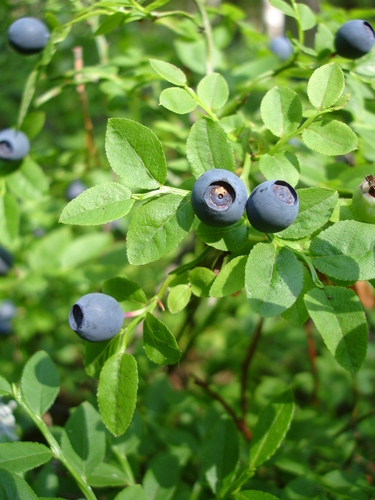
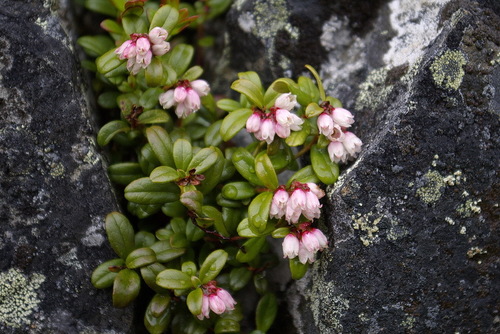
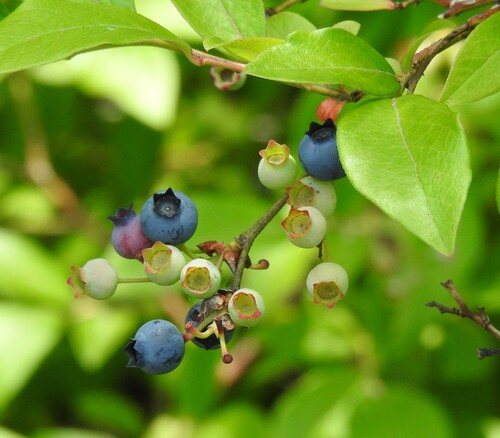
Contrasting habits help separate two other bog relatives. Vaccinium uliginosum, bog bilberry, grows low but upright, never as a creeping mat. Vaccinium vitis-idaea, lingonberry, retains much broader leathery leaves and bears fruit in compact clusters. Limestone soil above pH 6 quickly causes chlorosis in these three species, indicating conditions outside their native acidic bog habitat.
Main sources
- Plants of the World Online / Kew, Vaccinium oxycoccos L.
- Wikipedia EN, Vaccinium oxycoccos
- Plants For A Future, Vaccinium oxycoccos
- Trees and Shrubs Online, Vaccinium oxycoccos
- INPN MNHN, Vaccinium oxycoccos L., 1753
- NatureServe Explorer, Vaccinium oxycoccos
- Royal Horticultural Society, Vaccinium oxycoccos - cranberry
- Online Etymology Dictionary, cranberry
- Wiktionnaire, canneberge
Frequently asked questions
Is bog cranberry the species used in commercial cranberry juice and jam?
Usually not. Commercial juice and dried cranberries mainly come from Vaccinium macrocarpon, the cultivated American cranberry with much larger fruit. Vaccinium oxycoccos is the wild European and circumboreal species, with smaller fruit and much less cultivation.
Is bog cranberry poisonous?
No. Its tart fruit is edible and traditionally harvested from bogs. No known toxicity is listed for people, cats or dogs; its status in horses is simply undocumented.
Why does the word cranberry refer to a crane?
Seventeenth-century German and Dutch settlers compared the nodding flower, its stalk and its reflexed petals to a crane’s head, neck and bill. English cranberry and Low German kraanbere share this image, which also gave rise to the French canneberge.
Where does bog cranberry grow in France?
It occurs in the Jura, Vosges, Massif Central and Alps, and in a few rarer lowland bogs. It always grows on living sphagnum and permanently waterlogged acidic soil.
How can I distinguish Vaccinium oxycoccos from Vaccinium macrocarpon?
Vaccinium oxycoccos has tiny leaves, an entirely creeping habit and fruit 6–10 mm across. Vaccinium macrocarpon, grown commercially in North America, has larger leaves and fruit that can exceed 20 mm, supplying the varieties sold in supermarkets.
Can I grow bog cranberry in a garden?
It is possible in a container of permanently waterlogged peat, in a cool climate and full sun. Growth is very slow, and the plant is still mainly harvested wild in its native bogs.
Similar plants

If you are unsure about a plant’s toxicity, ask a botanist or veterinarian for advice.