
Grey alder (Alnus incana, )
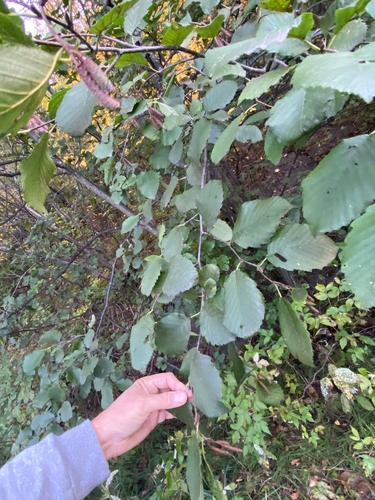
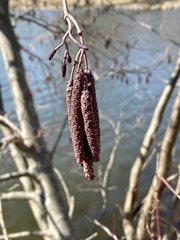
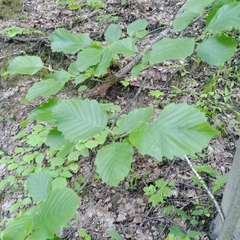
Grey alder (Alnus incana) is a deciduous tree in the Betulaceae family, native to Europe, the Caucasus, western Siberia and North America. It pioneers poor soils and newly disturbed ground, especially in mountains and cold continental climates where its lowland riverside relative, black alder, becomes less common.
Read moreGrey alder, Gray alder, Tag alder and Speckled alder


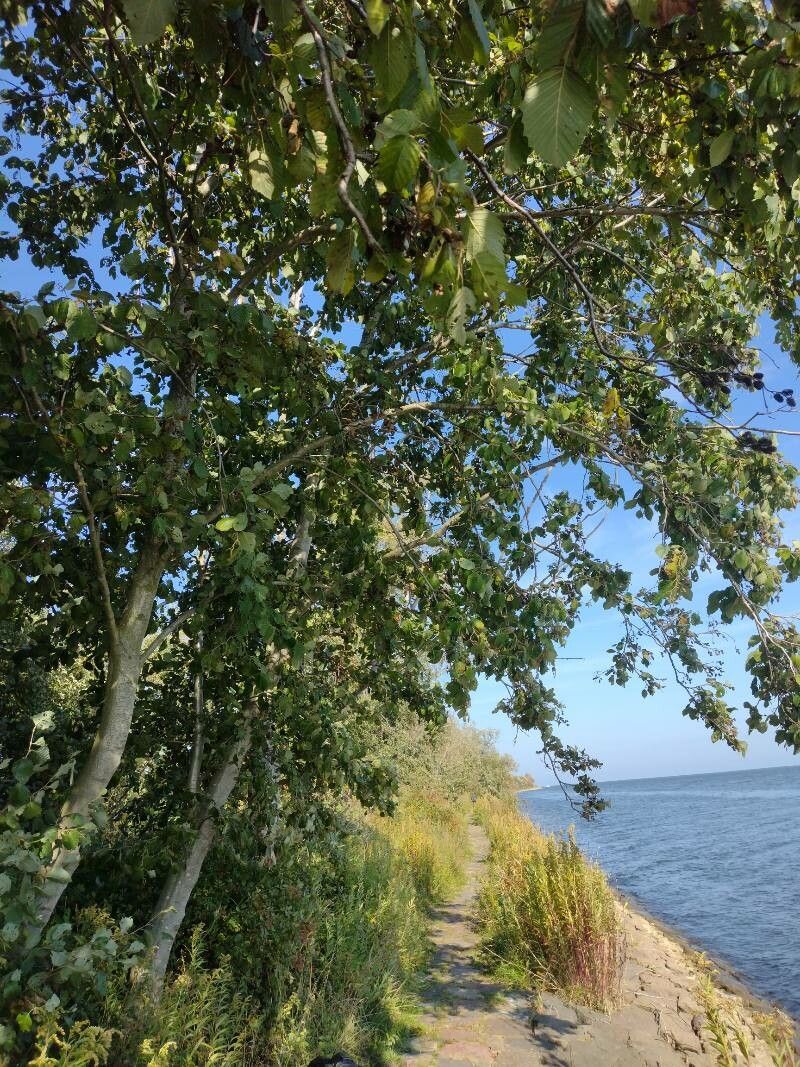
© photo
Denise Alano · cc0
Sandy Wolkenberg · cc-by
Михаил Языков · cc-by
Taken Dec 6, 2022 by Lisa (cc-by-sa)
Taken May 24, 2022 by Talvilahti Heidi (cc-by-sa)
Taken Jan 3, 2022 by Georg Jurceka (cc-by-sa)
Taken Jan 28, 2017 by Yoan MARTIN (cc-by-sa)
© copyright of the Board of Trustees of the Royal Botanic Gardens, Kew.




Global distribution
The native range of the typical subspecies of Alnus incana covers Europe, except its far west, the Caucasus, western Siberia and Türkiye. Two North American subspecies complete a circumboreal distribution. The species is also planted beyond its native range, including in the United Kingdom since the late 18th century.
- Native9
- Introduced1
- France
- Germany
- Austria
- Switzerland
- Poland
- Russia
- Türkiye
- Canada
- United States
- United Kingdom
Hexagons: regions where the plant occurs. Green dots: native range.1
Identity
Grey alder (Alnus incana (L.) Moench, 1794), also written gray alder and known as tag alder or speckled alder, is a deciduous tree in the Betulaceae family. Carl Linnaeus first described it as a birch; Conrad Moench transferred it to Alnus in 1794, the combination accepted by POWO. 1 6
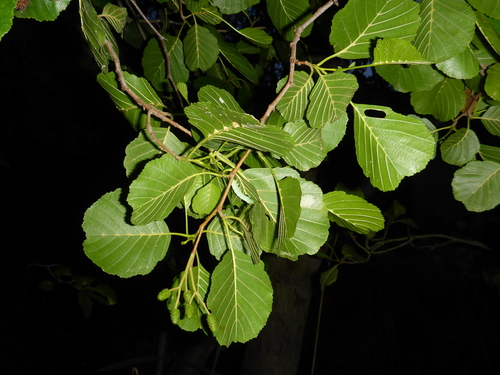
The epithet incana refers to the gray, felted undersides of the leaves, much paler than the dark, glossy foliage of black alder (Alnus glutinosa), its close relative on lowland riverbanks. That color difference can help identify a tree from a distance, before checking its buds or cones. 5 7
Recognition
A typical tree reaches 8–20 m (26–66 ft), with exceptional specimens approaching 25 m (82 ft). Some North American subspecies remain large shrubs, about 9–12 m (30–39 ft) tall. Smooth gray bark distinguishes it from older black alders, whose bark breaks into dark plates. 4 5
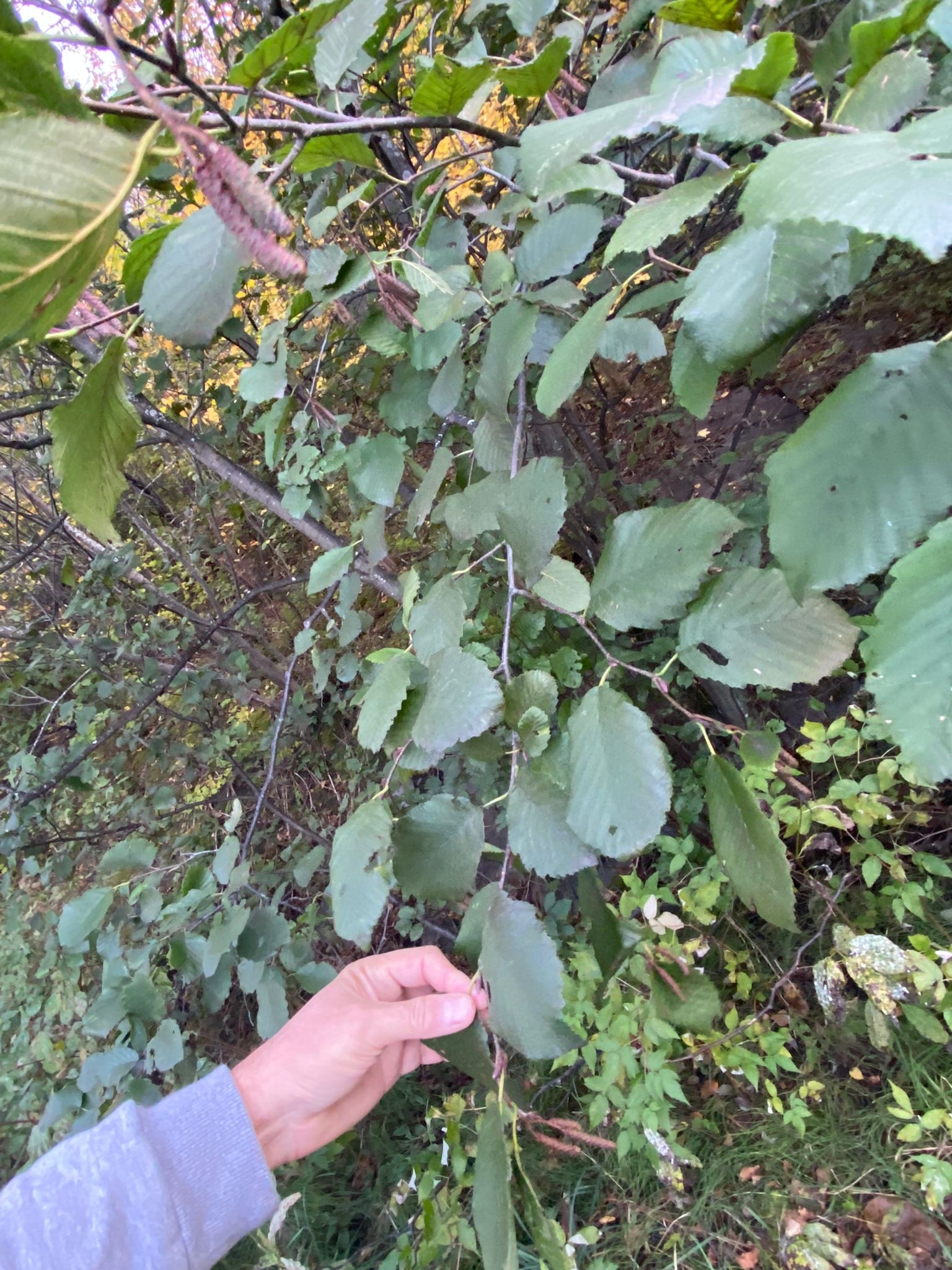
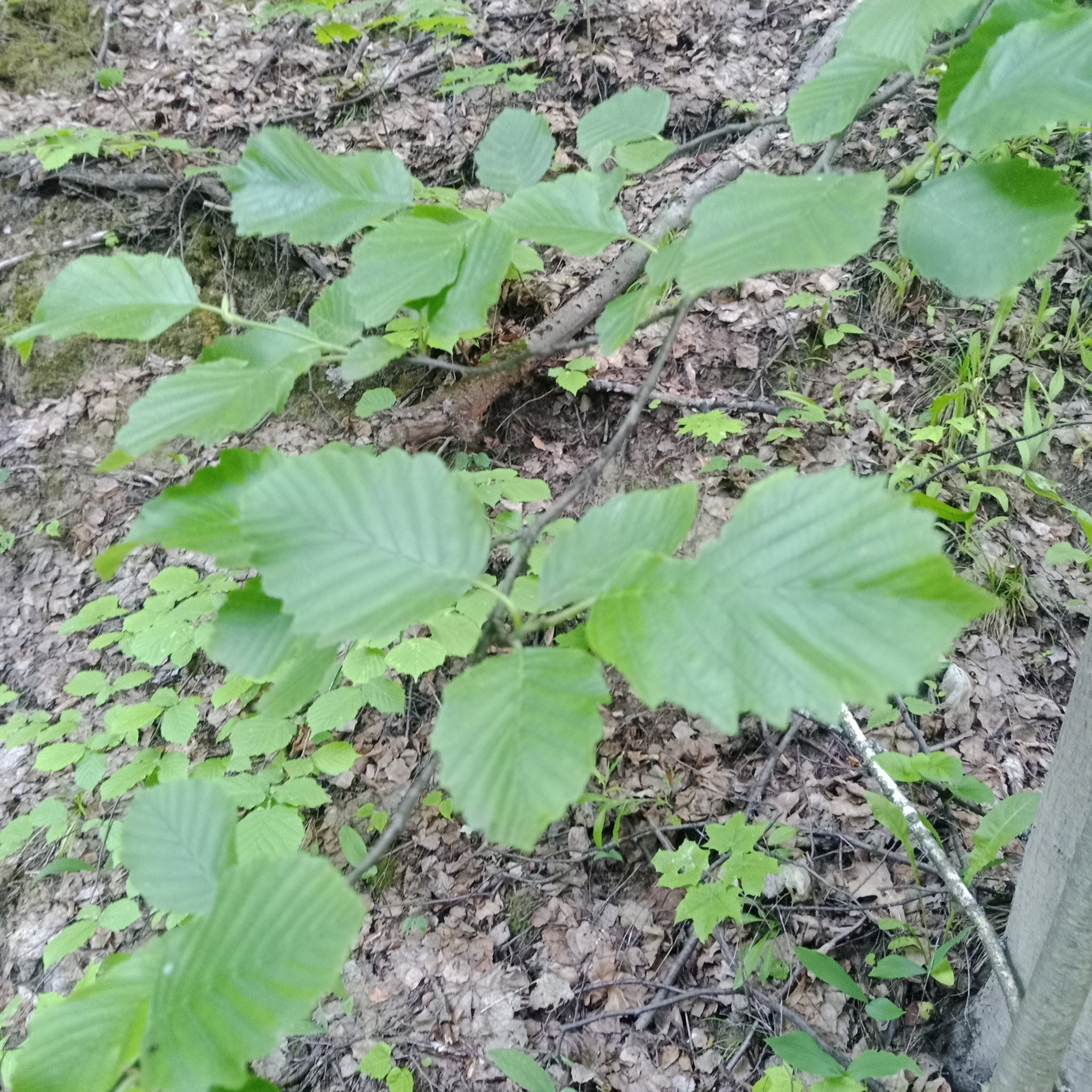
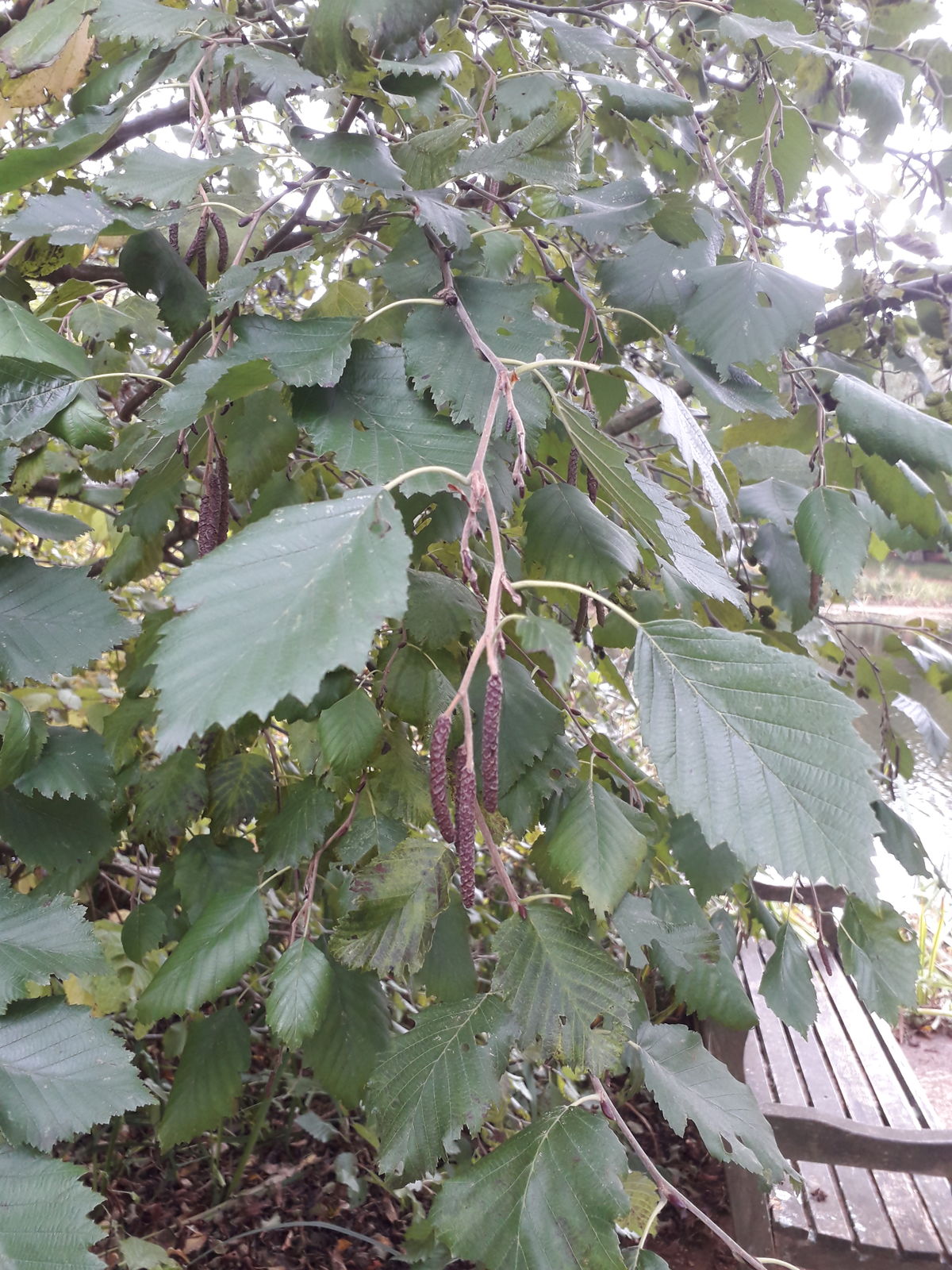
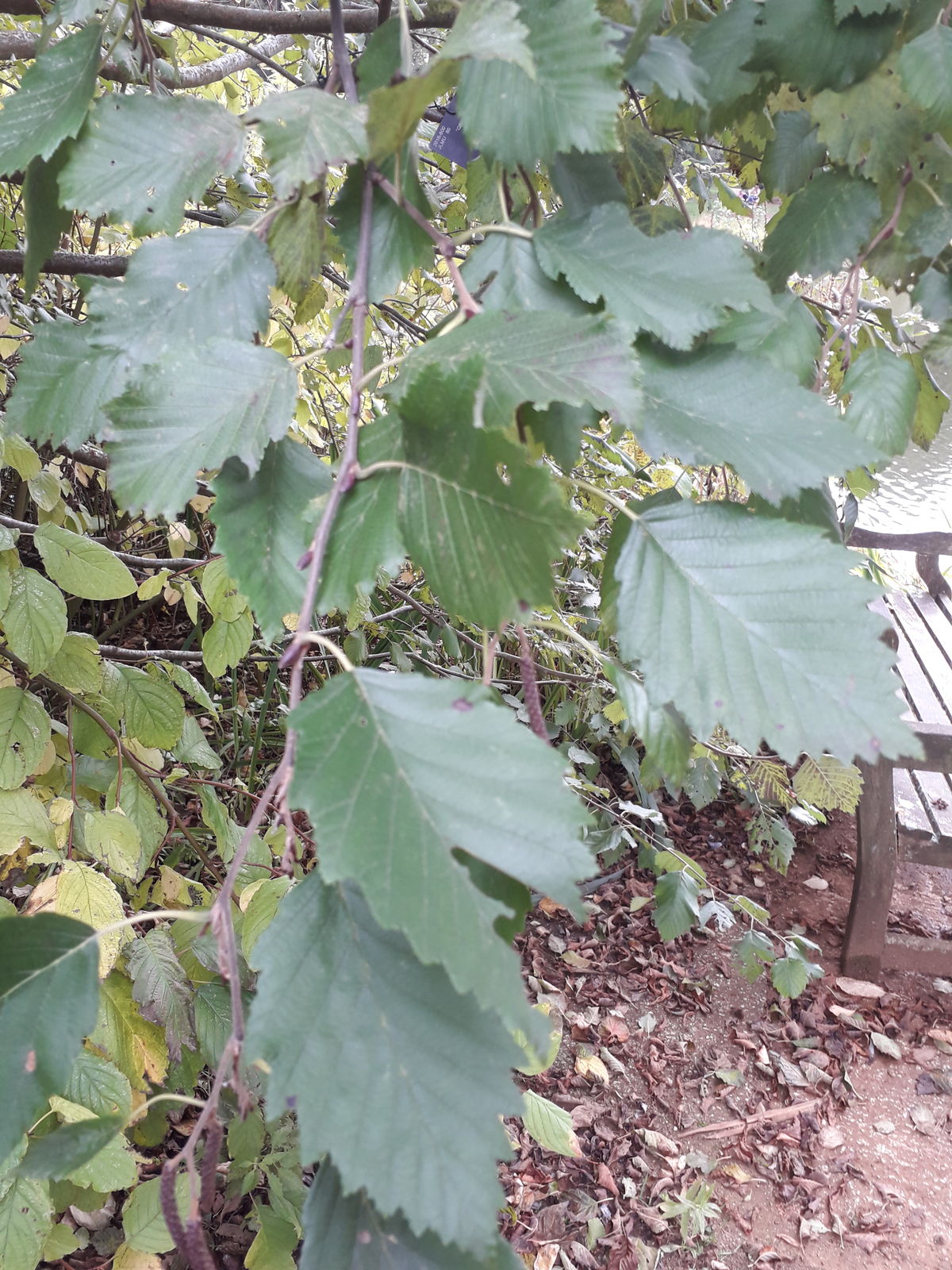
Touching the young growth gives a clearer distinction than bark color alone. Grey alder twigs and short-stalked buds are downy and never sticky; black alder buds are sticky and attached directly to the twig. The oval leaves measure 3–11 cm (1.2–4.3 in), with pointed tips, doubly toothed edges and the gray, felted undersides that give the species its name. 5 3
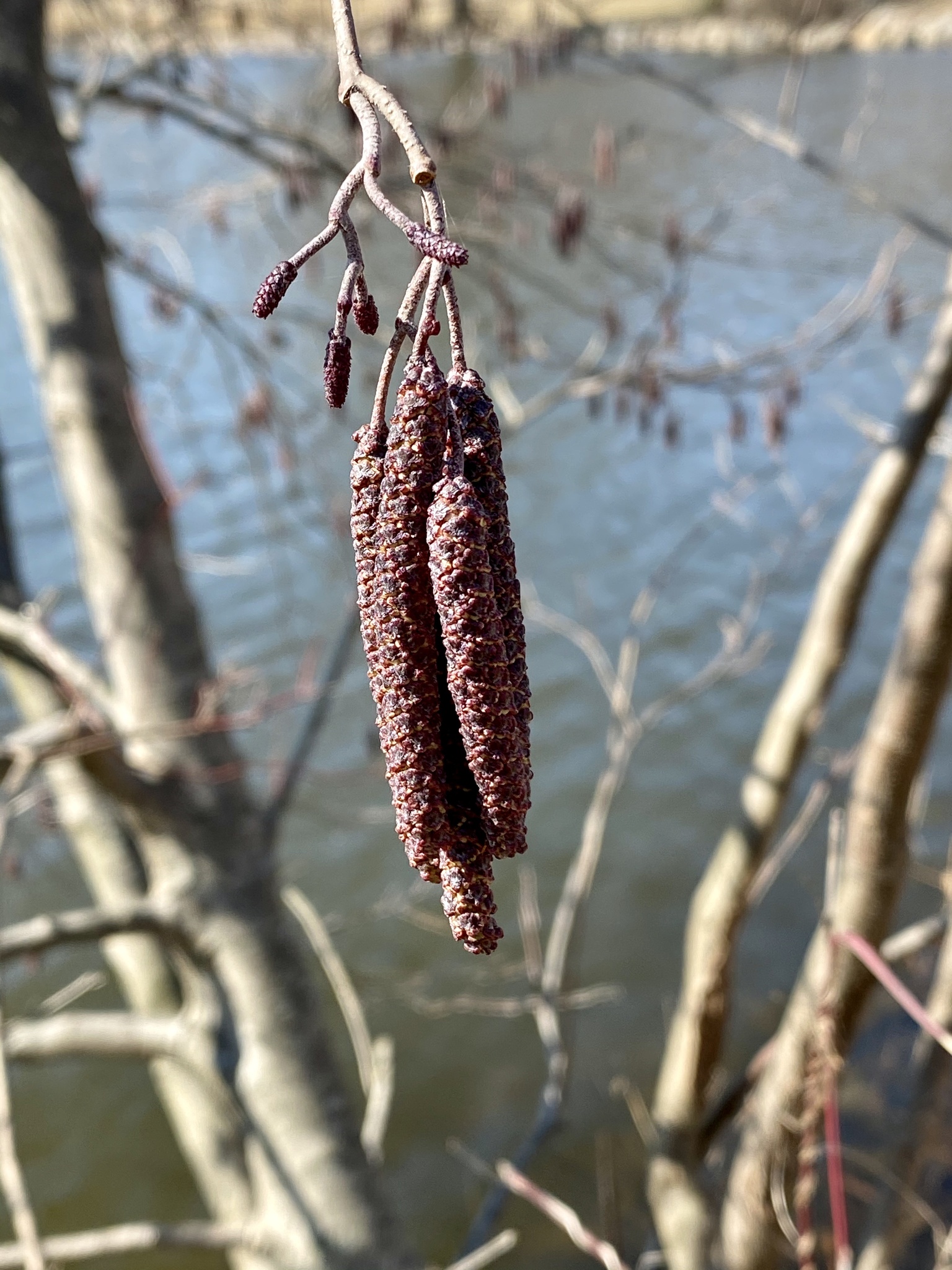
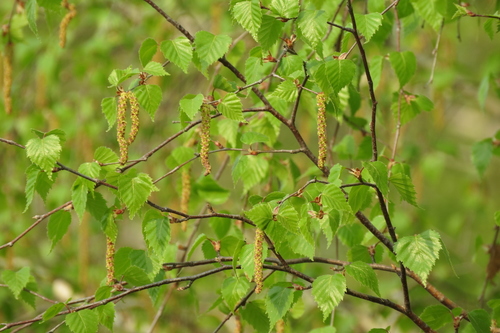
Before the leaves emerge in late winter, hanging male catkins appear, yellow-brown and 3–10 cm (1.2–3.9 in) long, in groups of two to four. They formed the previous autumn. Smaller, greenish female catkins become woody, egg-shaped cones 1–1.7 cm (0.4–0.7 in) long after fertilization. Their almost stalkless attachment is useful in winter, when black alder cones have much longer stalks. 3 5
Useful taxonomy
Four subspecies are recognized by POWO within Alnus incana. The typical subspecies, incana, occurs in Europe and western Siberia. Alnus incana subsp. kolaensis belongs to the Kola Peninsula and subarctic northeastern Europe and has translucent yellow bark. The North American subspecies are Alnus incana subsp. rugosa in the east and Alnus incana subsp. tenuifolia in western mountains, the latter with thin, papery leaves. 1 5
Together, these four subspecies give Grey alder a circumboreal distribution, with local forms around the temperate and subarctic Northern Hemisphere. A hybrid with green alder, Alnus alnobetula, is also reported where the two meet at altitude. The complete binomial, Alnus incana, remains the dependable reference when names cause confusion. 6
Habitat and range
Europe outside its far west, including the British Isles, together with the Caucasus, western Siberia and Türkiye, makes up the native range of the typical subspecies. In France it is chiefly a mountain tree of the Alps, Jura and Vosges, explaining the French name meaning mountain alder. 1 6
Freshly exposed streambanks, gravelly alluvium, moraines and scree provide pioneer habitat, often at elevation. Grey alder was introduced to the United Kingdom in 1780 and is widely planted there outside its native range. The IUCN lists the species as Least Concern, with no identified conservation threat. 5 4
Life cycle and reproduction
Late winter to early spring brings flowering before leaf emergence, with timing depending on local climate. Male catkins formed in autumn release wind-borne pollen to female catkins on the same tree or a neighbor. 3
Root nodules house the nitrogen-fixing bacterium Frankia alni, a symbiosis also found in black alder. It enables Grey alder to establish on nitrogen-poor soil, a decisive advantage on bare or recently disturbed ground. 7 4
Young trees grow rapidly, outpacing most other cold-climate pioneer trees. Horticultural propagation uses seed, sown in containers as soon as it is collected or in early spring, or hardwood cuttings taken in autumn after leaf fall. 4
Uses and risks
Light, soft wood splits easily and was traditionally made into clogs and turned bowls in mountain villages. It also supplies industrial paper pulp. Bark and fruit contain up to 20% tannins and were used to tan leather and dye wool, cotton and silk in brown and tawny shades. 4
Rapid growth, nitrogen fixation and tolerance of poor soil make Grey alder useful for reforestation and ground stabilization, including on moraines, industrial slopes and former farmland. In the Italian Apennines, the traditional practice of alnocoltura rotated alder with cereal crops to restore soil fertility. 4 5
No toxicity is documented in cats, dogs or humans. Evidence for horses remains uncertain because dedicated studies are lacking, and the genus does not appear on the ASPCA lists of toxic plants. 1
Varieties, look-alikes and related plants
Garden selections include 'Aurea', with golden foliage and orange young shoots throughout the year, awarded the Royal Horticultural Society's Award of Garden Merit; 'Pendula', with a graceful weeping habit; 'Laciniata', with leaves cut almost to the midrib; and 'Ramulis Coccineis', whose young twigs and buds are bright red and which comes true from seed. 5 2
Black alder (Alnus glutinosa) is the closest common look-alike. Compare pointed rather than rounded or notched leaf tips, downy stalked rather than sticky stalkless buds, and almost stalkless rather than clearly stalked cones. At higher elevations, green alder (Alnus alnobetula) adds another possible confusion: it is more shrubby and flowers later. 5 6
Main sources
- Plants of the World Online / Kew, Alnus incana (L.) Moench
- Royal Horticultural Society, Alnus incana - grey alder details
- Missouri Botanical Garden Plant Finder, Alnus incana
- Plants For A Future, Alnus incana database entry
- Trees and Shrubs Online / International Dendrology Society, Alnus incana
- INPN / MNHN, Alnus incana
- Forest Research, Grey alder (Alnus incana (L.) Moench)
- Wikipedia EN, Alnus incana
Frequently asked questions
Is Grey alder poisonous to dogs or cats?
Plants For A Future documents no toxicity to pets. Evidence for horses remains uncertain because dedicated studies are lacking, and Alnus does not appear on the ASPCA lists of toxic plants.
How can I tell Grey alder from black alder?
Grey alder has downy, stalked buds that are never sticky, unlike the sticky buds attached directly to black alder twigs. Grey alder cones are almost stalkless, whereas black alder cones have obvious stalks.
Why is Grey alder mainly a mountain tree in France?
Its European native range excludes the far west of the continent. In France, it is found mainly in the Alps, Jura and Vosges, explaining the local name meaning mountain alder.
What does Frankia alni do for the tree?
This nitrogen-fixing bacterium lives in root nodules and allows Grey alder to colonize nitrogen-poor soil, a major advantage on freshly disturbed ground and moraines.
Does Grey alder grow quickly?
Yes. Its juvenile growth is faster than that of most other cold-climate pioneer trees, making it a common choice for stabilizing loose ground within a few years.
When was Grey alder introduced to the United Kingdom?
It was introduced in 1780 and has since been widely planted beyond its native range, especially as ornamental cultivars such as 'Aurea' and 'Pendula'.
Are Grey alder and green alder the same species?
No. Alnus alnobetula, green alder, is more shrubby, flowers later and grows at higher elevations. A hybrid between the two is reported where their ranges meet.
Similar plants
If you are unsure about a plant’s toxicity, ask a botanist or veterinarian for advice.