
Asian taro (Alocasia odora, )
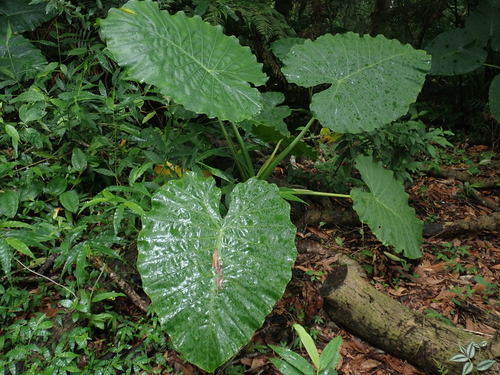
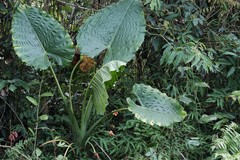
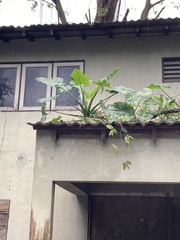
Asian taro (Alocasia odora) is a thick-stemmed perennial in the Araceae family, native to East and Southeast Asia, including southern China, Taiwan, Japan, Indochina and Assam. Its large semi-peltate leaves and strongly scented nighttime flowers distinguish it from other large Alocasia sold as elephant ears.
Read moreAsian taro, Night-scented lily and Giant upright elephant ear
Give plenty of ambient light without direct sun on the leaves.
Bright partial shade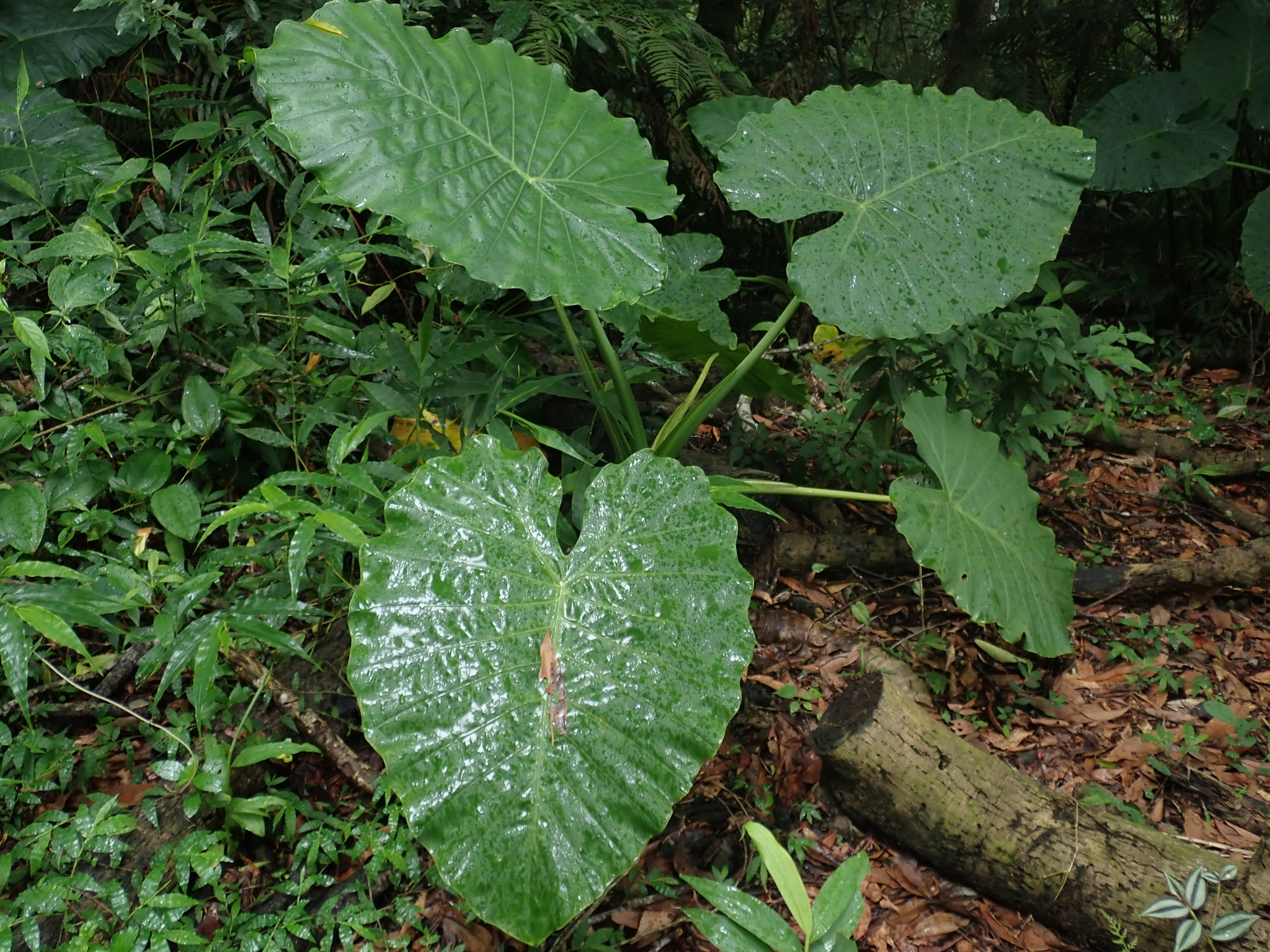
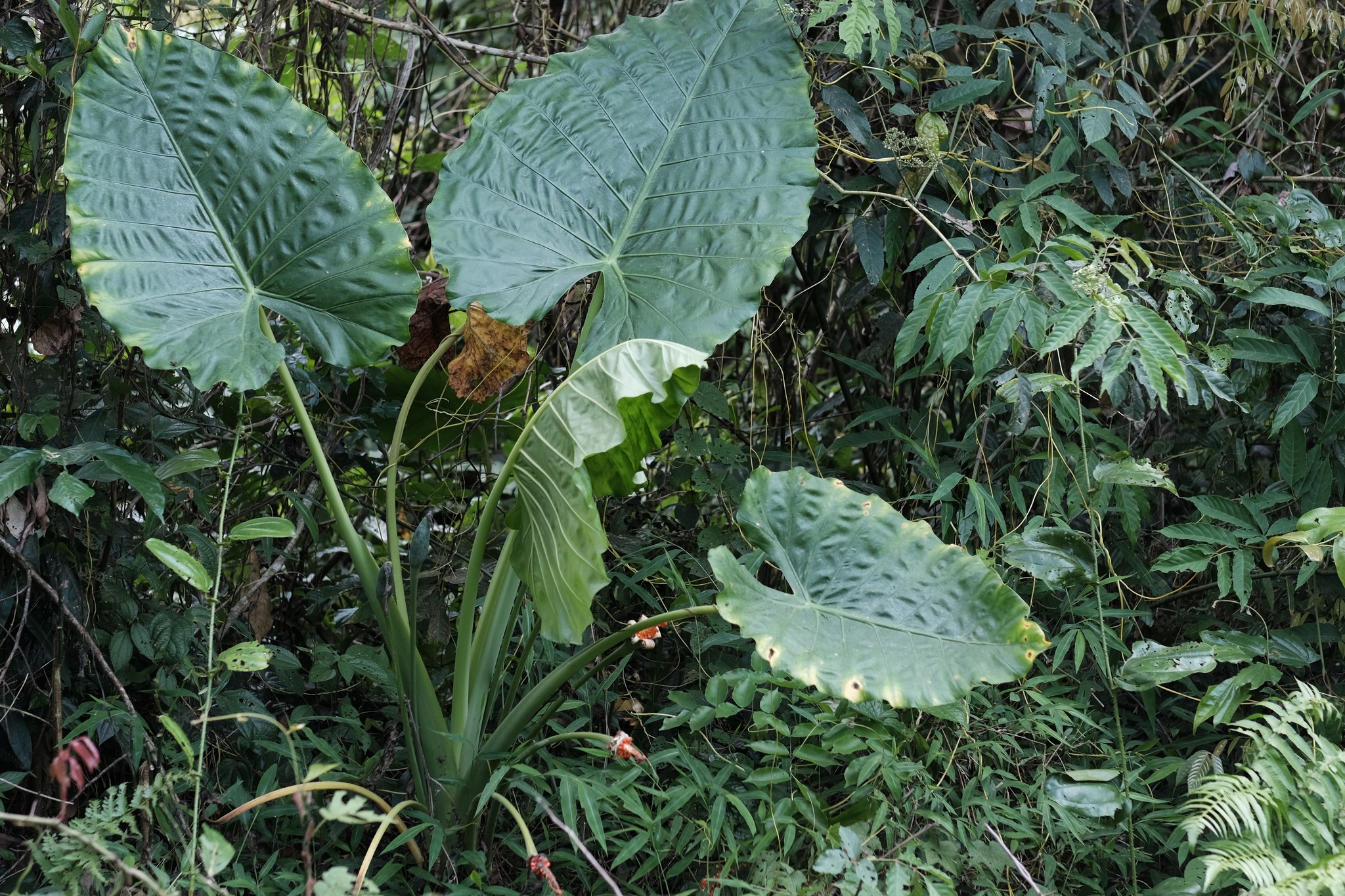
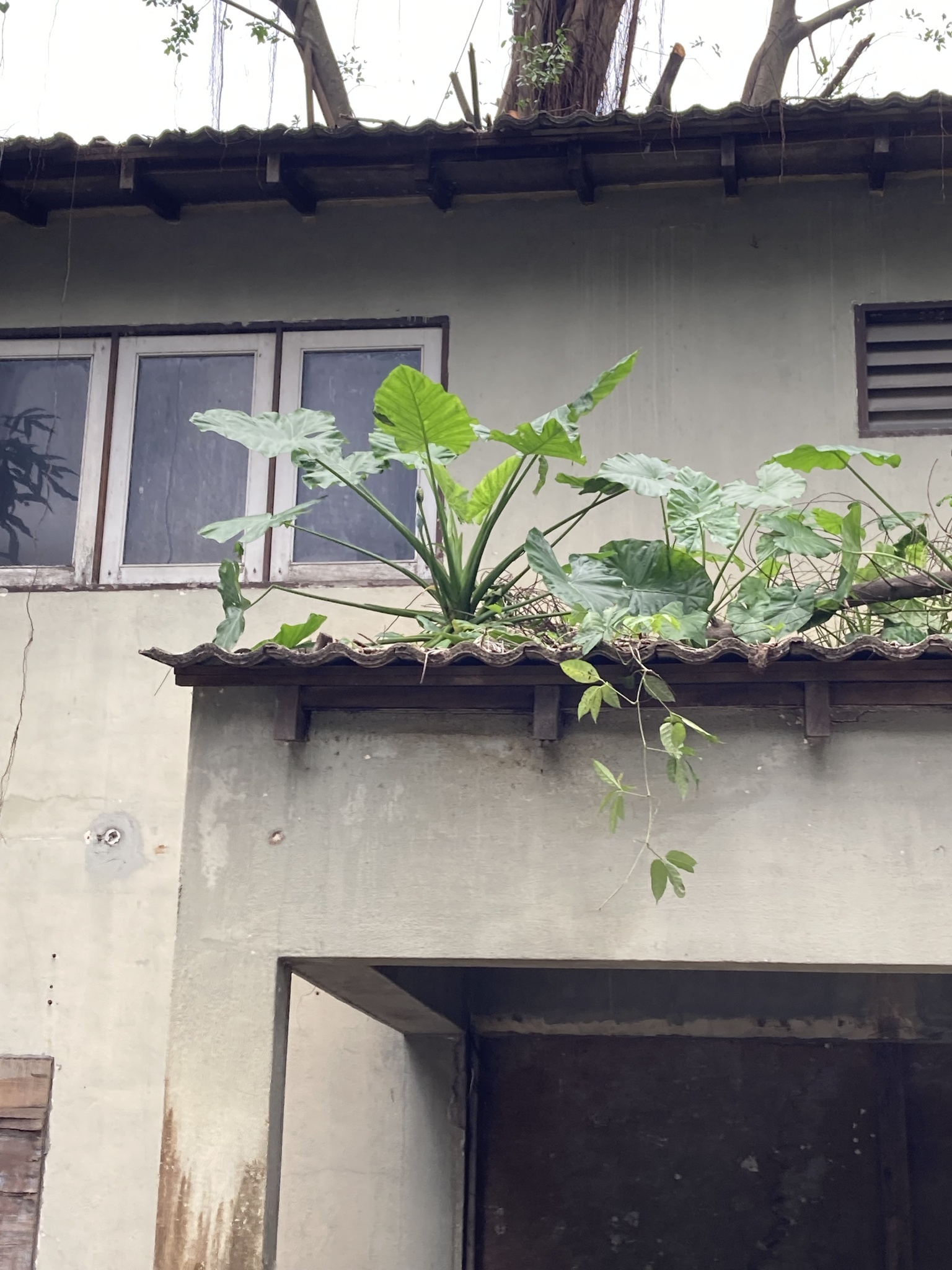


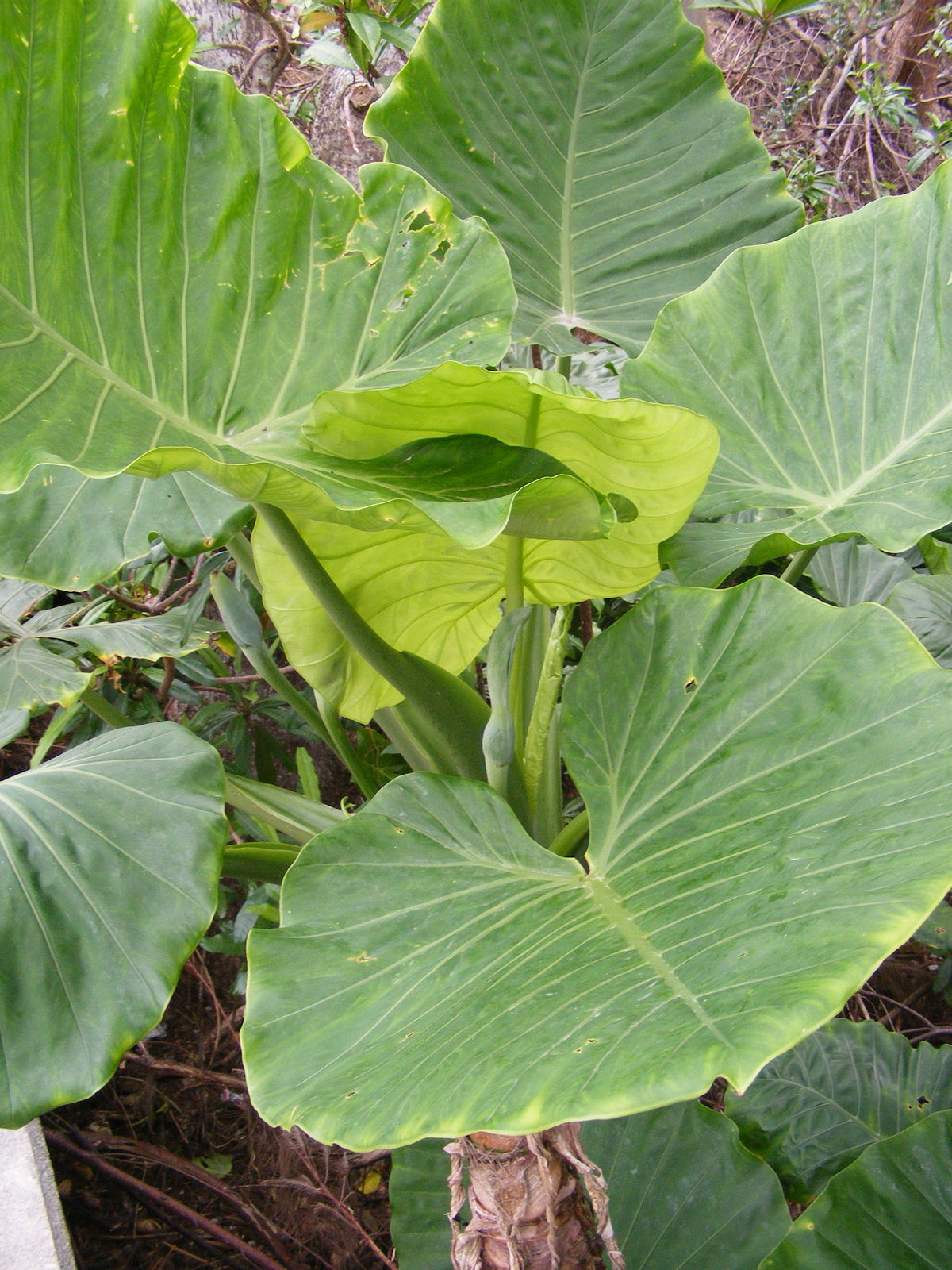

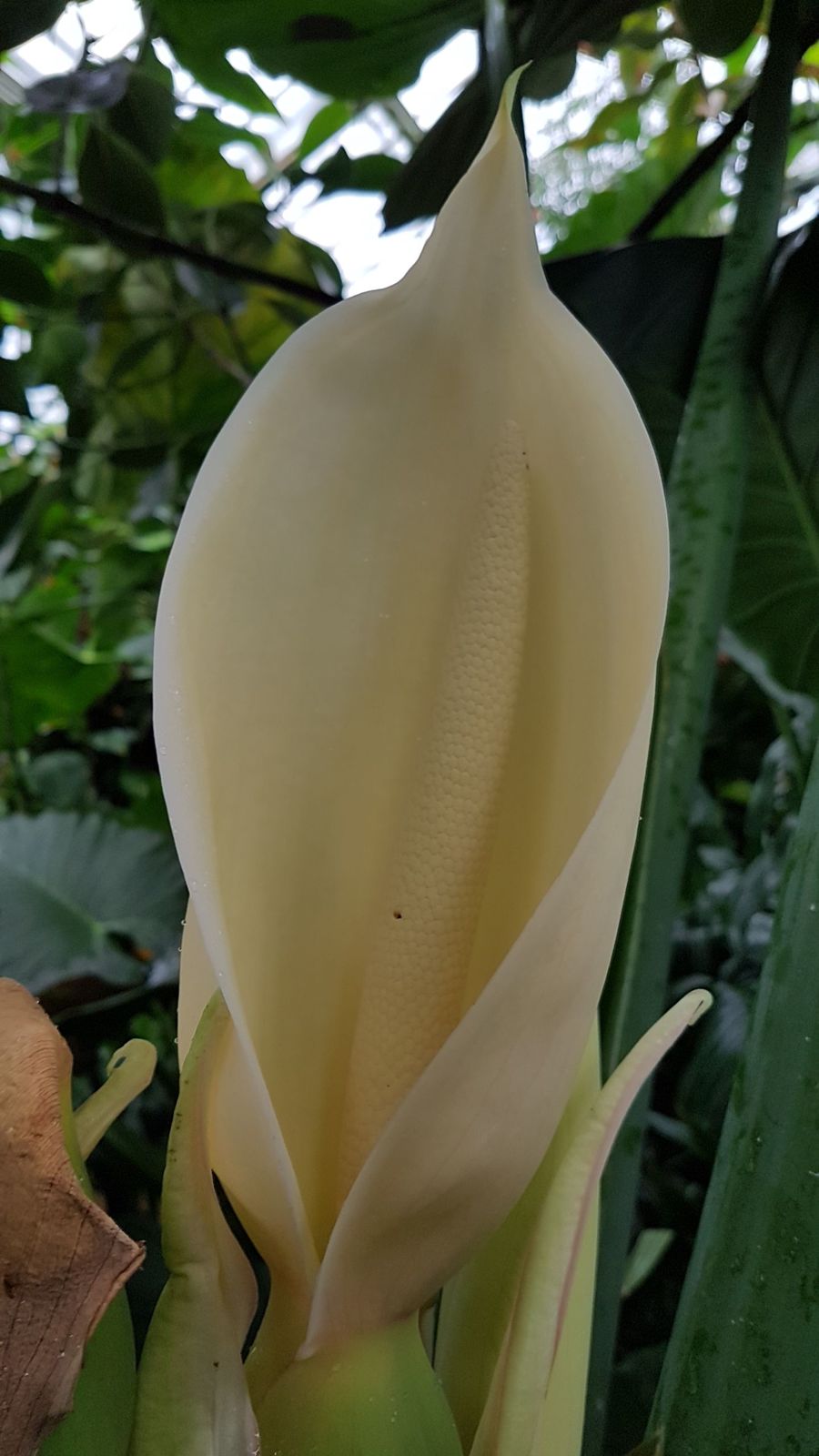
© photo
(c) Kuan-Chieh (Chuck) Hung, some rights reserved (CC BY-NC-SA), uploaded by Kuan-Chieh (Chuck) Hung · cc-by-nc-sa
Dominik Maximilián Ramík · cc-by
Caleb Catto · cc-by
Taken Aug 18, 2022 by Fabrice Rubio (cc-by-sa)
Taken Dec 17, 2021 by William Coville (cc-by-sa)
© copyright of the Board of Trustees of the Royal Botanic Gardens, Kew.


Global distribution
Alocasia odora is native to southern China, Taiwan, the Ryukyu Islands of Japan, Assam in India, Bangladesh and the Indochinese peninsula, including Myanmar and Vietnam. Grown for its foliage and scented flowers, it has spread in cultivation far beyond this range, reaching Florida and tropical regions worldwide.
- Native6
- Introduced1
- China
- Taiwan
- Japan (Ryukyu Islands)
- India (Assam)
- Vietnam
- Bangladesh
- United States (Florida)
Hexagons: regions where the plant occurs. Green dots: native range.1
Identity
Asian taro (Alocasia odora (G.Lodd.) Spach, 1846) is a thick-stemmed perennial in the genus Alocasia, family Araceae. POWO accepts this name, based on Arum odorum G.Lodd., published in 1820 and transferred to Alocasia by botanist Édouard Spach in 1846. 1 2
Sweet nighttime fragrance explains the epithet odora, Latin for fragrant, and the common name night-scented lily. Its inflorescence smells much stronger at night than during the day, distinguishing it from other large Alocasia sold as elephant ears, whose flowers have little or no scent. 5
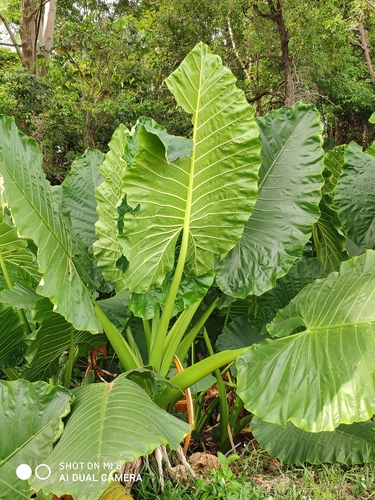
Given favorable conditions in a container or the ground, this giant upright elephant ear forms a substantial evergreen clump, commonly 1–2.5 m (3–8 ft) tall. Its size resembles Alocasia macrorrhizos, a species often confused with it in garden centers. 4 3
Recognition
Petiole attachment gives a more dependable distinction from Alocasia macrorrhizos than leaf size or color, both misleading on nursery plants. In A. odora, the leaf is semi-peltate: a strip of leaf tissue joins the two lobes of the heart-shaped base. In A. macrorrhizos, the sinus is wide open, with no connecting tissue between those lobes. 4
Mature leaves range from heart-and-arrow-shaped to broadly heart-shaped or oval. Their petioles can exceed 1.5 m (5 ft). Exceptionally, leaves reach 130 cm (51 in) long and 100 cm (39 in) wide on plants grown in the ground in their native tropical conditions; indoor container plants remain much smaller. Nine to twelve primary lateral veins run from each side of the midrib. 4
A green-based spathe with a whitish, membranous blade, 13–25 cm (5–10 in) long, accompanies a sturdy flower stalk of about 35 cm (14 in). This is a typical aroid inflorescence. The resulting fruit is a small, round berry about 1 cm (0.4 in) across, ripening scarlet. 4
Useful taxonomy
Two separate publications explain the extensive synonymy of Alocasia odora. Both used the basionym Arum odorum: George Loddiges published one in 1820, followed by William Roxburgh in 1832. POWO follows Loddiges, while Flora of China follows Roxburgh. The publications concern the same plant under different author citations. 1 4
Frequently encountered synonyms include these historical botanical combinations:
- Caladium odoratissimum K.Koch (historical synonym)
- Colocasia odora (G.Lodd.) Brongn. (historical combination)
- Alocasia tonkinensis Engl. (synonym)
- Alocasia subodorata Engl. & K.Krause (synonym)
- Alocasia commutata Schott (synonym)
Nursery labels add another complication with Alocasia gageana, long sold as a separate species before being assigned to a compact form of Alocasia odora. The accepted scientific name in POWO remains the most stable reference when trade labels vary. 1
Habitat and range
East and Southeast Asia hold the native range: southern China, including Fujian, Guangdong, Guangxi, Hainan and Yunnan, Taiwan, Japan's Ryukyu Islands, Assam in India, Bangladesh and the Indochinese peninsula as far as Myanmar and Vietnam. 4 3
Humid primary and secondary tropical or subtropical forests, bamboo thickets, river margins and marshes provide habitat up to 1,700 m (5,580 ft), including on limestone. 4 5
Beyond this native range, Alocasia odora is widely grown as an ornamental in warm climates. Florida records it as a nonnative plant in spontaneous populations; the cited state atlas does not classify it as invasive. 8
Life cycle and reproduction
Short stolons ending in tubers arise at the base of the usually upright to reclining stem. They naturally produce new shoots around the parent plant without human intervention. 4
The spadix follows the typical aroid arrangement: a basal female zone, a sterile zone, a whitish male zone and a conical terminal appendage occupying nearly one third of its total length. Alocasia odora is reported to warm its floral structure slightly at night, unlike many other large Alocasia. The warmth helps carry the scent farther and attract pollinators from a greater distance. 5
Growers mainly propagate it by dividing basal offsets or tubers produced by stolons; establishment is rapid in warm growing medium. Fresh seed can also be sown at about 24 °C (75 °F), although germination is slower and less reliable. 5
Uses and risks
Traditional practices in Southeast Asia and India use cooked rhizome for stomach complaints, abdominal pain, cholera and hernia, and external preparations for abscesses and insect or snake bites. Vietnamese tradition also uses the preparation for colds. These are reported traditional uses. 4 5
Raw tissues throughout the plant contain calcium oxalate raphides, needle-shaped crystals that strongly irritate mucous membranes. A clinical study of accidental ingestion reported tongue numbness and severe oral pain; one patient developed upper airway obstruction requiring intubation. The ASPCA lists Alocasia as toxic to cats, dogs and horses, with oral irritation, salivation and difficulty swallowing among the expected signs. 7 6
Indoors or in a heated conservatory, its main role is ornamental. It needs temperatures that stay above 15 °C (59 °F), a stricter requirement than Alocasia macrorrhizos. 3
Varieties, look-alikes and related plants
Compact California is still sold under the former trade name Alocasia gageana. Alongside the green form are white-variegated California Variegata and golden-yellow California Aurea Variegata. 1
Three other large aroids are frequent sources of confusion:
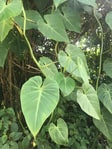
- Alocasia macrorrhizos, with a wide-open leaf sinus and flowers with little or no scent;
- Colocasia esculenta, true edible taro, with drooping leaves and a more central, peltate petiole attachment;
- Xanthosoma sagittifolium, another large food-producing aroid sold under the shared name elephant ear.
When these plants share an elephant-ear label, a semi-peltate petiole attachment and nighttime fragrance are the two most dependable clues for confirming Alocasia odora.
Main sources
- Plants of the World Online / Kew, Alocasia odora (G.Lodd.) Spach
- GBIF Backbone Taxonomy, Alocasia odora
- Royal Horticultural Society, Alocasia odora
- Flora of China (efloras.org), Alocasia odora
- Useful Tropical Plants Database, Alocasia odora
- ASPCA, Alocasia toxicity entry
- Moon, Lee & Chun, 2011, Human & Experimental Toxicology, toxicities of raw Alocasia odora
- Atlas of Florida Plants, Alocasia odora
Frequently asked questions
Why is Asian taro also called night-scented lily?
The Latin epithet odora means fragrant and describes the sweet scent of the inflorescence, especially strong at night. This distinguishes the species from other large Alocasia sold as elephant ears.
How can I tell Asian taro from Alocasia macrorrhizos?
Check the petiole attachment. In Alocasia odora, a strip of leaf tissue connects the two sides of the heart-shaped base, making the leaf semi-peltate. In Alocasia macrorrhizos, the sinus stays wide open, with no tissue between the two lobes.
Is Asian taro toxic to cats and dogs?
Yes. The ASPCA lists Alocasia as toxic to cats, dogs and horses because calcium oxalate raphides in all fresh parts cause oral irritation and salivation.
Can you eat Asian taro?
Some Asian culinary and medicinal traditions use the rhizome after prolonged cooking intended to remove its irritant effects. Raw plant tissue is strongly irritating and can cause tongue numbness. These traditional uses do not make it safe to eat raw or to prepare without specialist knowledge.
Can Asian taro grow outdoors in a temperate climate?
Only during frost-free warm weather. It does not tolerate sustained temperatures below 15 °C (59 °F), a stricter requirement than Alocasia macrorrhizos. Bring it indoors or into a heated conservatory as temperatures fall in autumn.
What is Alocasia gageana?
It is an old trade name for a compact form of Alocasia odora, now assigned to the cultivar California. The accepted scientific name remains Alocasia odora.
Why is my Asian taro not flowering?
Indoor flowering is occasional and requires an established adult plant in warm, bright conditions. A young plant without flowers does not necessarily have a cultivation problem.
Similar plants



If you are unsure about a plant’s toxicity, ask a botanist or veterinarian for advice.