
Java water-dropwort (Oenanthe javanica, )
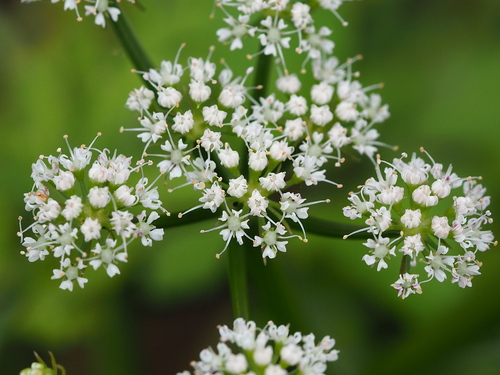
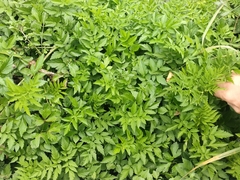
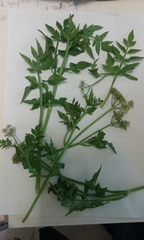
Java water-dropwort (Oenanthe javanica) is a herbaceous perennial in the Apiaceae, native to temperate and tropical Asia and extending to Queensland, Australia. It grows in waterlogged soil or shallow water in rice paddies, ditches and pond margins. Cultivated for its aromatic young shoots, it is known as minari in Korea and seri in Japan, where it features in traditional cooking.
Read moreJava water-dropwort, Water celery, Chinese celery, Water dropwort, Japanese parsley, Minari and Seri
Allow a few hours of direct sun per day, preferably morning or evening.
Full sun to light partial shade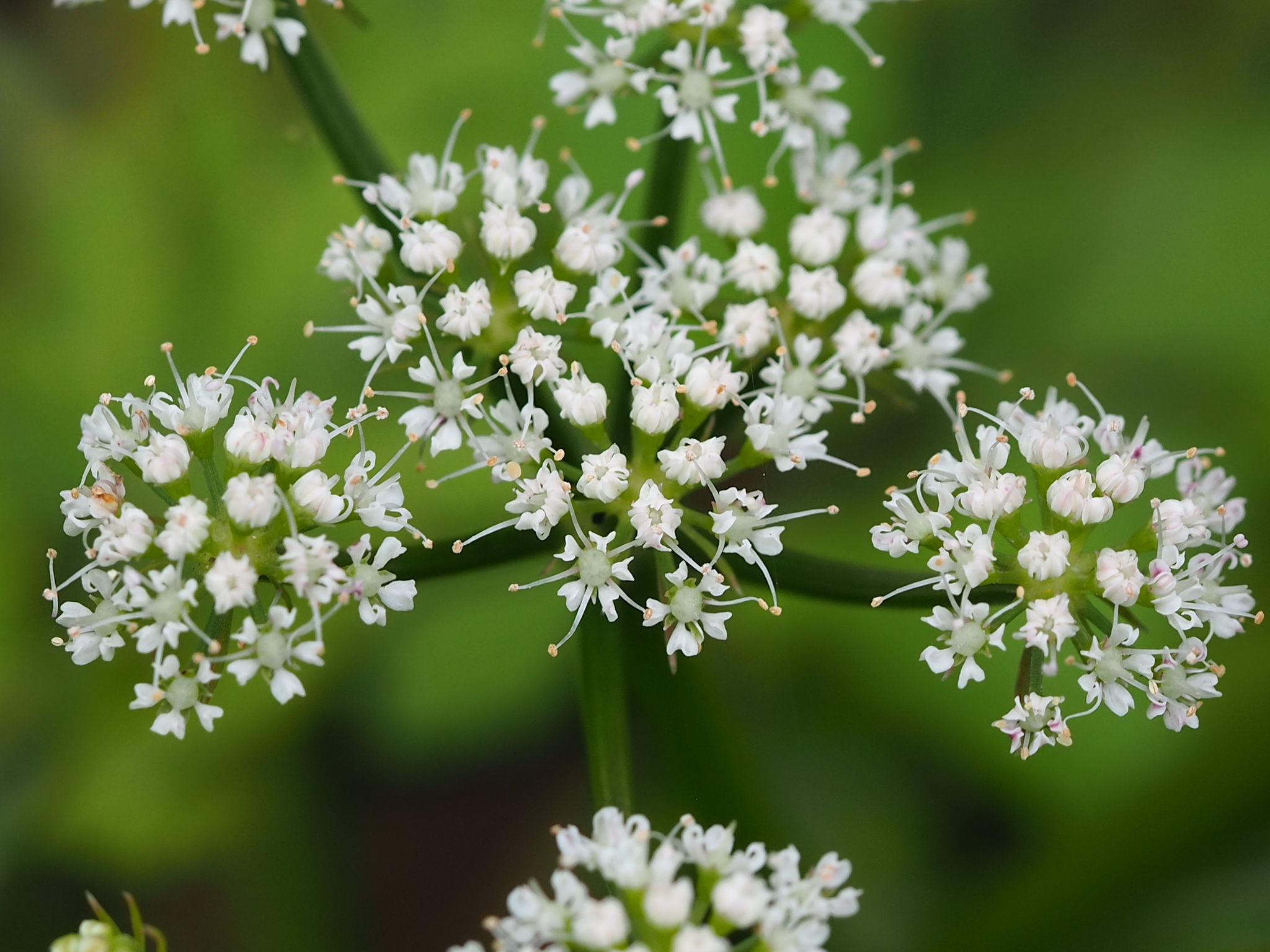
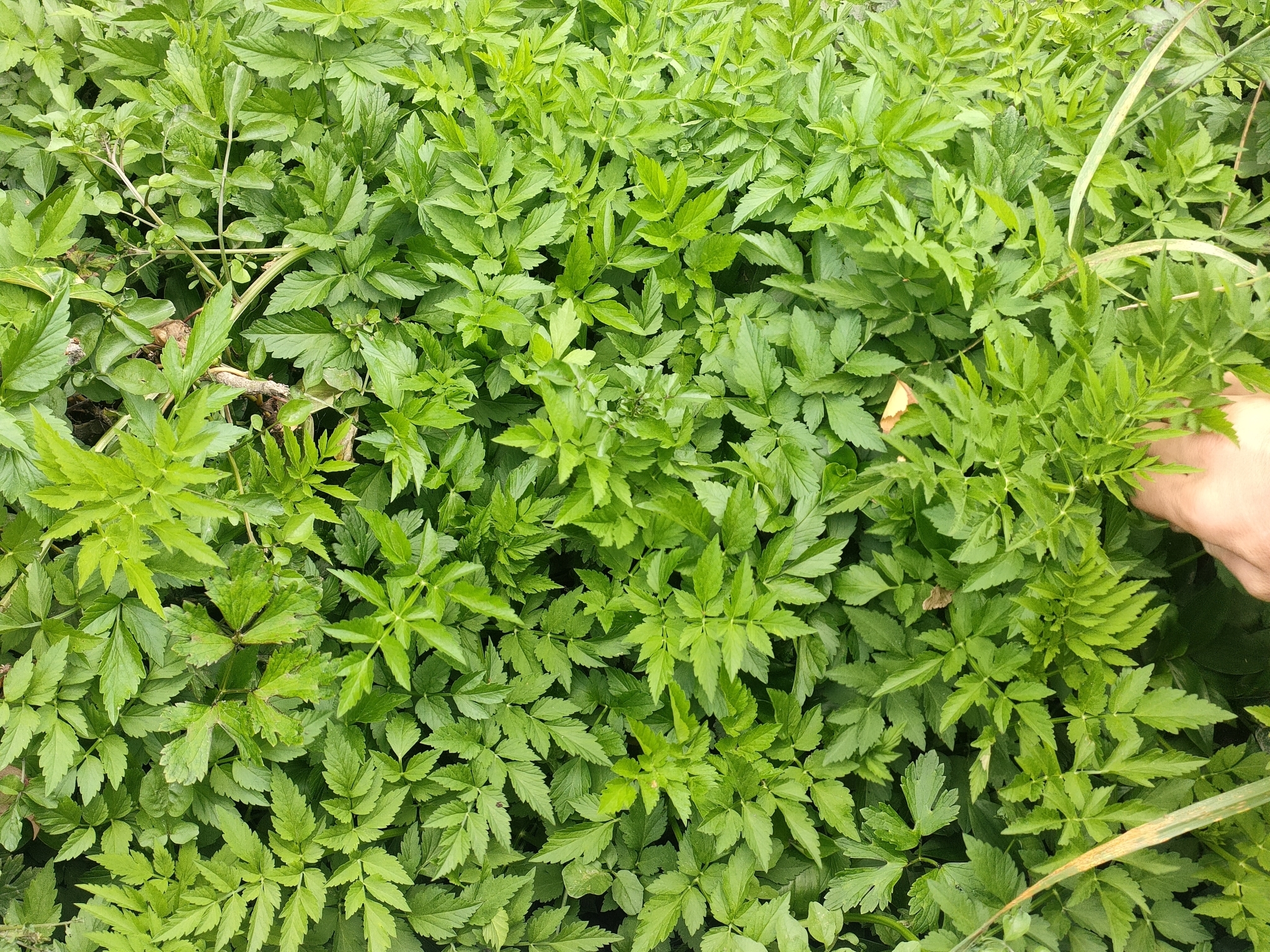
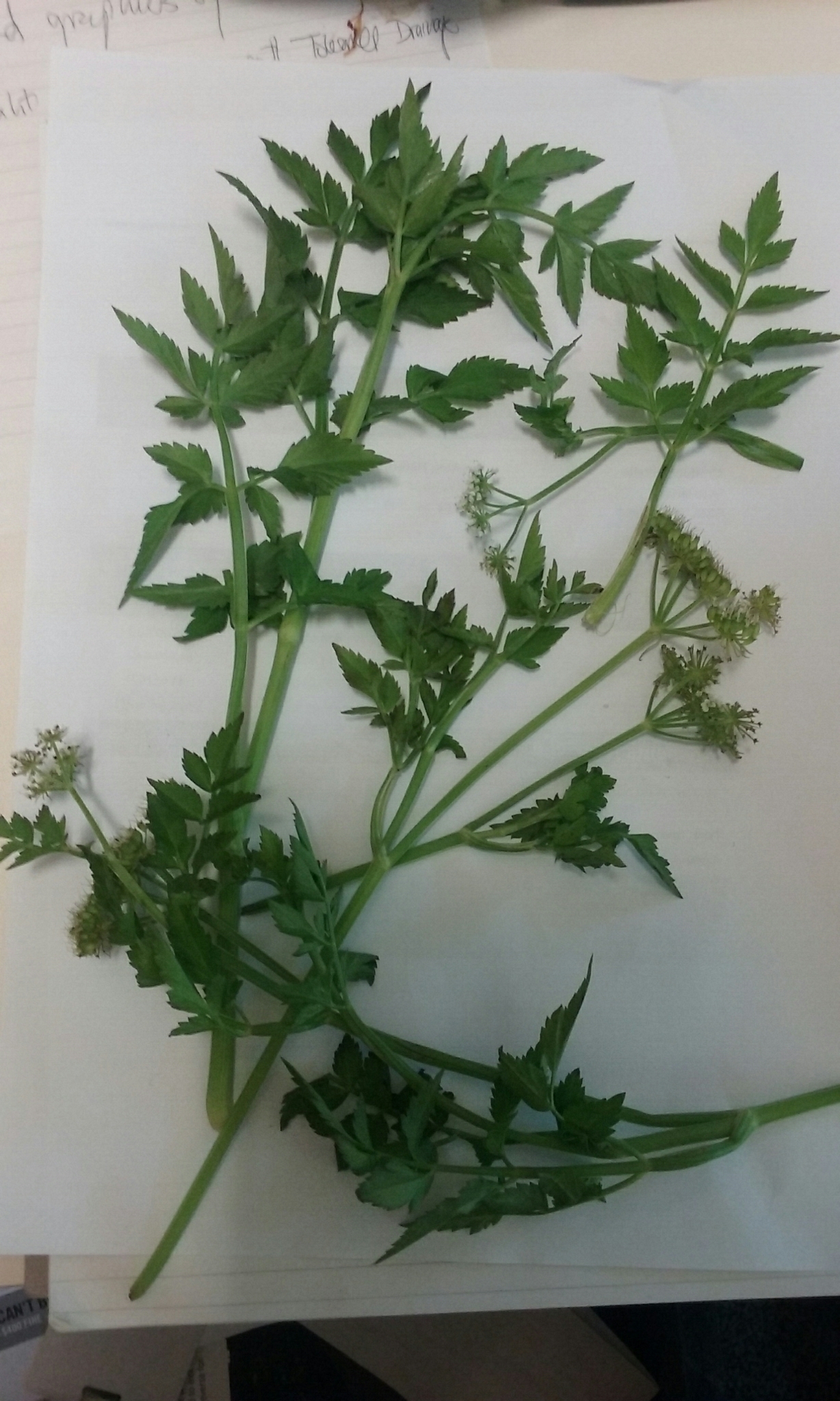

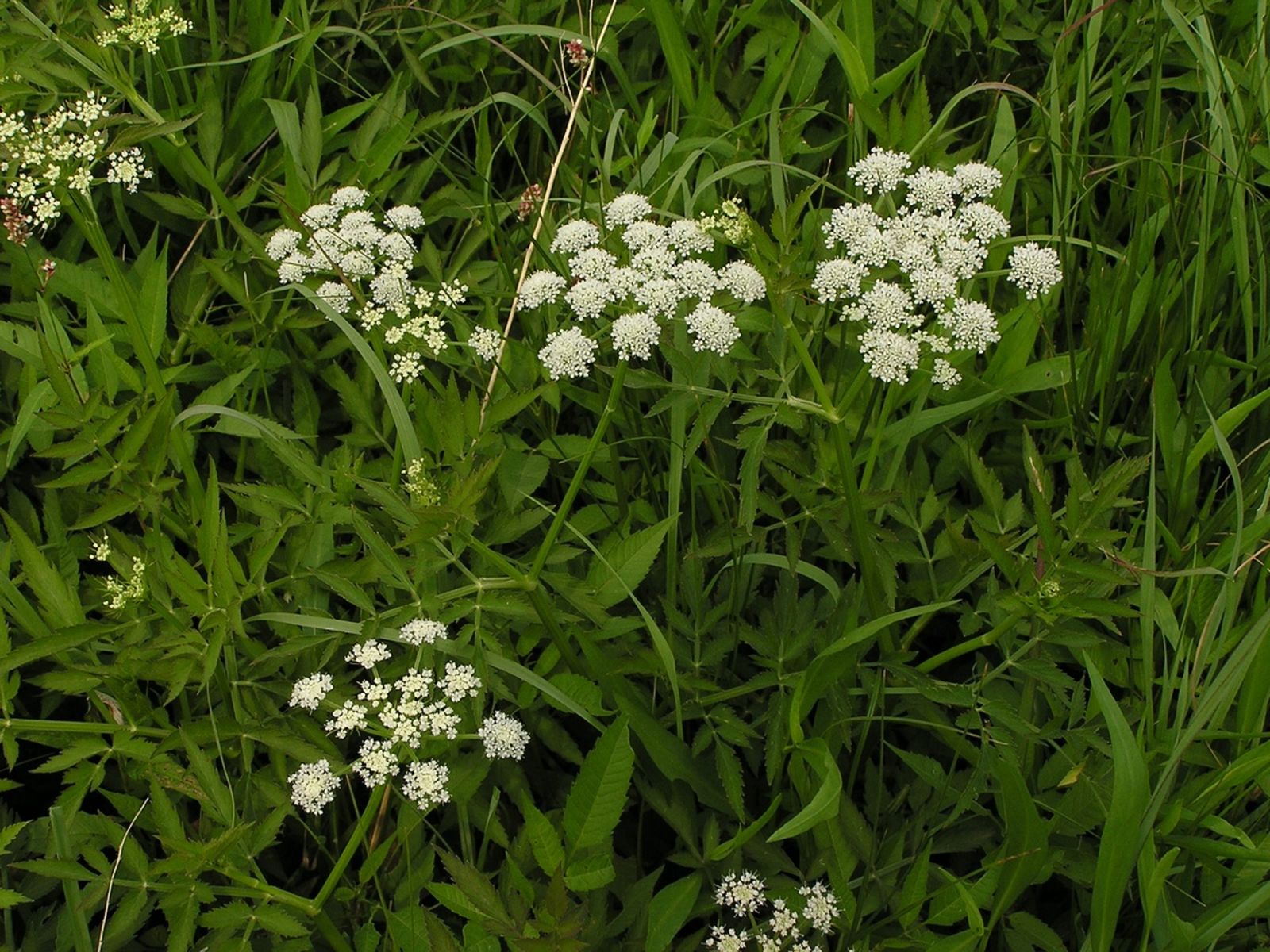


© photo
no rights reserved, uploaded by 葉子 · cc0
Tom Ferguson · cc0
Colin Meurk · cc-by
Taken Nov 22, 2004 by Royal Botanic Garden Edinburgh - Anthony G. Miller (cc-by-nc)
© copyright of the Board of Trustees of the Royal Botanic Gardens, Kew.




Global distribution
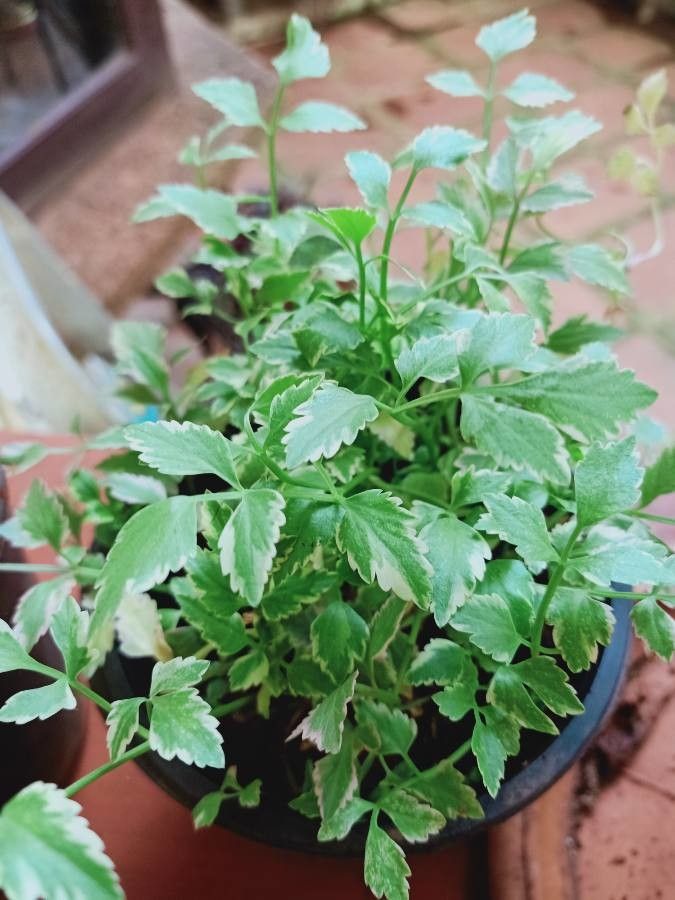
The native range of Oenanthe javanica covers temperate and tropical Asia, from southeastern Siberia through India, China, Japan, Korea and Southeast Asia to Queensland, Australia. Introduced elsewhere as a vegetable and ornamental, it has naturalized in several central U.S. states, where it is regulated as an invasive wetland weed.
- Native7
- Invasive1
- China
- Japan
- South Korea
- India
- Indonesia
- Australia
- Russia
- United States
Hexagons: regions where the plant occurs. Green dots: native range.1
Identity
Java water-dropwort (Oenanthe javanica (Blume) DC., 1830) is a herbaceous perennial 20–80 cm (8–31 in) tall, with hollow, grooved stems, native to rice paddies and ditches in temperate Asia. Also known as water celery, Chinese celery and Japanese parsley, it belongs to Oenanthe in the Apiaceae family. Carl Ludwig von Blume described it as Sium javanicum in 1826; Augustin Pyramus de Candolle transferred it to Oenanthe in 1830, the name still used today. 1 8
Greek oinos, meaning wine, and anthos, meaning flower, form the genus name, referring to the wine-like scent of some species. Javanica refers to Java, where the type plant was collected in 1826. Its actual range extends far beyond Indonesia, reaching southeastern Siberia. 6 5
Recognition
Hollow, grooved stems, often purple-tinged at the base, provide the first useful field clue. In waterlogged soil they form a clump 20–80 cm (8–31 in) tall. Once- or twice-pinnate leaves have glossy, toothed leaflets and release a parsley or carrot scent when crushed. 3 4
Tiny white flowers, only 0.2–0.4 cm (0.08–0.16 in) across, gather into flat umbels 3–6 cm (1.2–2.4 in) wide, borne in the axils of the upper stems. This flower arrangement is typical of the Apiaceae. Flowering runs from June to September in the Northern Hemisphere, depending on climate. 4 3
Creeping runners root at each node and often produce a dense carpet in one season. This spreading root system, together with hollow, water-filled stems, distinguishes Java water-dropwort from ordinary garden celery grown in dry soil. Without its active spread by runners, it would remain an isolated clump like other border-grown members of the umbel family. 3
Useful taxonomy
The accepted name is Oenanthe javanica (Blume) DC., published in 1830 from the original name Sium javanicum Blume, 1826. Two subspecies are recognized: the typical Oenanthe javanica subsp. javanica, widespread throughout the native range, and Oenanthe javanica subsp. rosthornii (Diels) F.T.Pu, restricted to southern China, Thailand and Taiwan. 1
Several historical names still encountered in horticultural literature refer to this same taxon:
- Oenanthe javanica var. japonica (Miq.) Honda
- Oenanthe javanica subsp. stolonifera (Wall. ex DC.) Murata
- Oenanthe javanica f. rosea Hayashi
These synonyms must be distinguished from Oenanthe linearis Wall. ex DC., a related but separate species of the Himalayas and continental Asia. 1
Habitat and range
From southeastern Siberia, the native range extends through temperate and tropical Asia to Queensland, Australia. India, China, Japan, Korea and Southeast Asia all fall within that range. Its occurrence in Java accounts for the epithet, rather than defining the limits of its distribution. 1 6
Waterlogged places with shallow water suit the plant: rice paddies, ditches, pond and stream margins, marshes and wet meadows. Growth stops if the growing medium stays dry. By contrast, immersion under a few centimeters of water, roughly an inch, does not trouble it. 4 3
Vegetable and ornamental cultivation has carried it beyond Asia. It has naturalized in several central U.S. states, where its ability to invade wetlands has led to its listing as a regulated weed. That regional designation describes its introduced behavior there rather than a change to its native status in Asia. 3
Life cycle and reproduction
Summer umbels offer abundant pollen to bees, hoverflies and small beetles. After fertilization, each flower produces a small schizocarp, a dry fruit that splits into two one-seeded sections, or mericarps, when ripe. 4
Garden propagation mainly uses clump division or stem cuttings containing a node. These root directly in water or waterlogged soil in 1–3 weeks. Seed propagation is possible, but establishment is much slower than from a cutting. In Sendai, Miyagi Prefecture, Japan, a cultivated selection is harvested in winter for roots reaching 30 cm (12 in) long, developed under deep immersion. 4
Uses and risks
Food is its principal use. Young shoots, stems and leaves are eaten raw or cooked, with a flavor recalling parsley and carrot. In Korea, minari formerly featured in fermented preparations before cabbage became widespread in kimchi. In Japan, seri is one of the seven spring herbs eaten in nanakusa-gayu on January 7. These names connect the same plant to different culinary traditions. 5 7
Available toxicological studies do not show food toxicity specific to Oenanthe javanica at normal amounts, with no direct symptoms reported at ordinary culinary exposure. Animal trials found adverse effects only at doses far above usual consumption. The main danger is misidentification, particularly with extremely poisonous Oenanthe crocata and with Cicuta virosa. Wild gathering remains inadvisable without certain identification. An aromatic leaf alone cannot resolve that identification problem. 7 5
Varieties, look-alikes and related plants
Green, white and pink variegated foliage makes Flamingo the main ornamental cultivar offered for garden ponds and banks. It is less cold hardy than the typical species, tolerating cold only to about −17 °C (1 °F), compared with USDA zones 5–11 for wild plants. Its variegation explains its ornamental appeal, while its cold tolerance needs to be distinguished from that of the typical form. 2 4
Several plants share its habitat or general appearance:
- Apium graveolens, ordinary celery, prefers moist soil that is not permanently waterlogged.
- Petroselinum crispum, parsley, shares the scent but grows in dry garden soil.
- Extremely poisonous Oenanthe crocata and Cicuta virosa resemble Oenanthe javanica before flowering.
For an inexperienced forager, these similarities make confusion easy in the wild, particularly without the parsley or carrot scent of crushed Java water-dropwort leaves. Nevertheless, the full scientific identity remains more reliable than general appearance or leaf scent alone. That distinction matters most when the identification will determine whether a plant is used as food. 7
Main sources
- Plants of the World Online / Kew, Oenanthe javanica (Blume) DC.
- Royal Horticultural Society, Oenanthe javanica Flamingo
- Missouri Botanical Garden, PlantFinder Oenanthe javanica
- Plants For A Future, Oenanthe javanica — Internet Archive, 2026-04-11
- Encyclopaedia Britannica, Minari plant
- INPN / MNHN–OFB, Oenanthe javanica (Blume) DC., CD_NOM 611072: original species notice, archived 3 December 2024
- PubMed Central, review of Oenanthe javanica as traditional medicinal plant
- Wikidata, Oenanthe javanica (Q905974)
Frequently asked questions
Is Java water-dropwort poisonous?
Not in the usual sense. Available toxicological studies do not show food toxicity specific to Oenanthe javanica at normal amounts. The main danger is confusion with highly poisonous relatives, particularly Oenanthe crocata.
Can you eat Java water-dropwort?
Yes, food is its main use. Young shoots, stems and leaves are eaten raw or cooked in Asia, with a parsley-and-carrot flavor. Some Japanese selections are grown specifically for their roots.
What is minari?
Minari is the Korean name for Oenanthe javanica, grown in flooded rice paddies and eaten as a namul vegetable. The plant became internationally familiar through the film Minari, released in 2020.
How can I distinguish Oenanthe javanica from poisonous relatives?
The parsley or carrot scent of crushed leaves is a useful clue, but cannot establish identity alone. Without certain botanical identification, wild gathering of a similar plant is inadvisable because it may be confused with Oenanthe crocata or Cicuta virosa.
How do I grow Oenanthe javanica in a garden?
Use a pond margin, a pond basket submerged under a few centimeters (roughly an inch) of water, or a vegetable bed kept constantly wet, in full sun to light partial shade.
Is Flamingo edible like the typical species?
The variegated foliage of Flamingo is not documented as toxic, but it is grown for ornament rather than harvest. It is also less cold hardy than the typical species.
Where does Oenanthe javanica come from?
Its native range spans temperate and tropical Asia, from southeastern Siberia through China, Japan, Korea, India and Southeast Asia to Queensland, Australia.
Similar plants
If you are unsure about a plant’s toxicity, ask a botanist or veterinarian for advice.