
Radiator plant (Peperomia, )
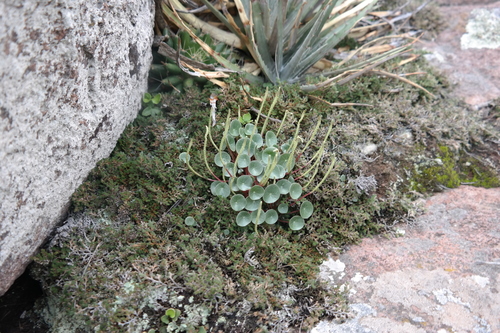
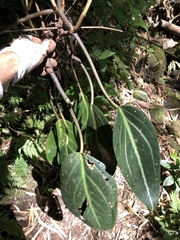
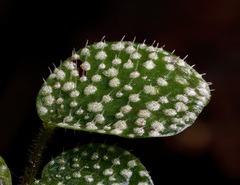
Peperomia is one of the two largest genera in the Piperaceae family, with more than a thousand tropical species. These compact, semi-succulent plants are often epiphytes and are also called radiator plants. Their varied foliage and slender, rat-tail flower spikes distinguish a group of accessible houseplants that tolerate moderate light and are non-toxic to cats and dogs.
Read moreRadiator plant and Zwergpfeffer


© photo
Leonardo O. Alvarado Cárdenas · cc-by
Skjold Søndergaard · cc-by
Alan Rockefeller · cc-by-sa
© copyright of the Board of Trustees of the Royal Botanic Gardens, Kew.
Global distribution
Peperomia is widespread across tropical and subtropical regions, with greatest diversity in tropical America and additional species in Africa and Asia. Ranges vary considerably among species. Widely grown as houseplants, peperomias occur in cultivation far beyond their native ranges; cultivated regions must be distinguished from natural occurrence.
- Native6
- Mexico
- Brazil
- Colombia
- Costa Rica
- Peru
- Indonesia
Hexagons: regions where the plant occurs. Green dots: native range.1
Identity
Peperomia (Peperomia Ruiz & Pav.) is a genus of flowering plants in Piperaceae, described in 1794 by botanists Ruiz and Pavón. With more than a thousand species, it is one of the family's two giant genera alongside Piper, closely related to the pepper plant. 1 5
As houseplants in Europe, peperomias are mainly small, semi-succulent plants sold as radiator plants. Compact, easy to grow, and tolerant of moderate light, they offer strikingly varied foliage, from the smooth green leaves of Peperomia obtusifolia to the silvery blades of Peperomia argyreia. 2 4
Recognition
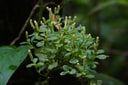
Compact, low growth provides an initial clue: the familiar peperomias rarely exceed 30 cm (12 in) tall and form dense clumps or tight rosettes. Their leaves are usually fleshy and semi-succulent, but texture and color vary greatly between species. 3 4
Leaf diversity is a defining feature of the genus. Peperomia obtusifolia has smooth, rounded green leaves; Peperomia caperata has deeply wrinkled emerald blades; Peperomia argyreia, watermelon peperomia, has silver stripes resembling watermelon rind; and Peperomia rotundifolia carries tiny round leaves on trailing stems. 2 3
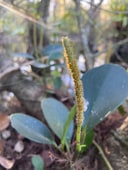
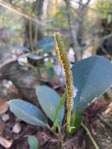
Slender, upright spikes, green or whitish and shaped like a rat's tail, are typical of Piperaceae. These dense inflorescences carry tiny flowers without petals; they are inconspicuous but show the genus's relationship to the pepper family. 5 1
Useful taxonomy
Ruiz and Pavón established Peperomia in 1794. It was long placed in a separate family, Peperomiaceae, but is now included in Piperaceae, with the former family name treated as a synonym. 1 5
Estimates reveal the exceptional size of this genus: more than a thousand to roughly 1,500–1,700 species. This makes it one of the largest flowering-plant genera and explains both the abundance of names and the difficulty of defining species precisely. 1 7
For cultivated plants, scientific species names such as Peperomia obtusifolia, Peperomia caperata, and Peperomia argyreia provide stable references, whereas trade names often mix species, cultivars, and hybrids. Peperomia comes from the Greek peperi, pepper, and homoios, similar, recalling its relationship to Piper. 7 5
Habitat and range
Tropical and subtropical regions across the world support Peperomia, with the greatest diversity in tropical America and additional species in Africa and Asia. Precise ranges differ considerably between species, so this broad tropical pattern should not be generalized further. 1 5
Epiphytic growth is common: many peperomias cling to trunks and branches in humid forests, sometimes growing on decaying stumps or on the shaded forest floor. This way of life explains their modest root systems and preference for light, airy, freely draining substrates. 4 3
Houseplant cultivation has carried ornamental species far beyond their native ranges, including to France, the United States, and Japan. These cultivated occurrences are distinct from the tropical areas where wild peperomias grow. 2 1
Life cycle and reproduction
One or more narrow green or whitish spikes rise above the foliage when the plants flower. These rat-tail inflorescences carry tiny, petal-free flowers; on established plants they appear mainly in spring and summer and remain a minor feature indoors. 3 5
Easy propagation is a major strength in cultivation. A stem cut just below a node readily roots in water or moist potting mix. Many species also grow from leaf cuttings: a healthy leaf with its petiole, placed on a light mix, can produce a new plant. 4 2
Warmth and bright indirect light help the first roots develop within three to six weeks. Small root systems then allow young plants to remain in modest pots for a long time, provided the mix does not become waterlogged. 3 4
Uses and risks
Peperomia is primarily grown for ornament, as small foliage houseplants or, in tropical climates, as ground cover and epiphytes in shaded understory. Varied foliage, compact growth, and tolerance of moderate light make these plants common in offices and homes. 2 3
Pet safety is a notable advantage: the ASPCA lists peperomias as non-toxic to cats and dogs. No particular symptoms are expected after contact or ingestion, making the genus among the safer choices for homes with pets or young children. Even so, discourage animals from habitually chewing the leaves. 6 4
Varieties, look-alikes and related plants
Plant sellers often group species, cultivars, and hybrids under the single name peperomia. Well-identified species remain reliable choices: rounded-leaved Peperomia obtusifolia, deeply wrinkled Peperomia caperata, silver-striped Peperomia argyreia, and trailing, small-leaved Peperomia rotundifolia. 2 3
Likely identification mix-ups include these plants:
- Peperomia obtusifolia, the most widespread species, often sold simply as peperomia;
- Peperomia caperata, which can resemble other plants with puckered foliage;
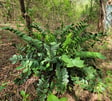
- other small fleshy houseplants, including some Pilea with a similar habit.
To recognize a peperomia, combine compact growth, fleshy leaves, and the narrow rat-tail flower spikes typical of Piperaceae. Within the genus, the exact species name is a better guide than the general trade label. 1 5
Main sources
- Plants of the World Online / Kew, Peperomia Ruiz & Pav.
- Royal Horticultural Society, Peperomia search results
- Missouri Botanical Garden, Peperomia
- North Carolina Extension Gardener Plant Toolbox, Peperomia
- Encyclopaedia Britannica, Peperomia
- ASPCA, Peperomia non-toxic plant entry
- International Plant Names Index, Peperomia Ruiz & Pav.
Frequently asked questions
Is Peperomia toxic to cats and dogs?
No. The ASPCA lists Peperomia as non-toxic to cats and dogs. It is among the safer houseplant genera for homes with pets.
How many species are in the genus Peperomia?
The genus contains more than a thousand species, with estimates ranging from 1,500 to 1,700 depending on the source. Alongside Piper, it is one of the two giant genera in the Piperaceae family.
Why is Peperomia called radiator plant?
The English name radiator plant is thought to come from an old habit of placing these compact plants near a radiator, in the warmth and light of a window where they thrived.
Is Peperomia a succulent?
It is semi-succulent: its thick leaves and stems store water. Unlike full-sun succulents, however, it is a humid-understory plant that dislikes harsh sunlight.
How do you propagate Peperomia from cuttings?
Propagation is straightforward. Take a stem with a node, or a leaf with its petiole, and place it in water or moist potting mix. In warm conditions, roots appear in three to six weeks.
How much light does Peperomia need?
Bright indirect light produces the densest foliage. The genus tolerates partial shade with looser growth, while direct sun can bleach its fleshy leaves.
What plants look like Peperomia?
Confusion mainly involves other small, fleshy houseplants, including some Pilea, as well as Peperomia species themselves, whose foliage varies widely.
Species in this genus
Similar plants


If you are unsure about a plant’s toxicity, ask a botanist or veterinarian for advice.