
Purple heart (Tradescantia pallida, )

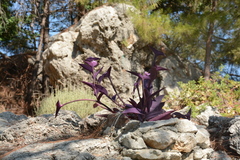
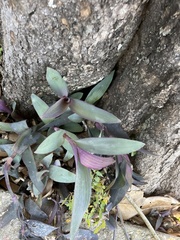
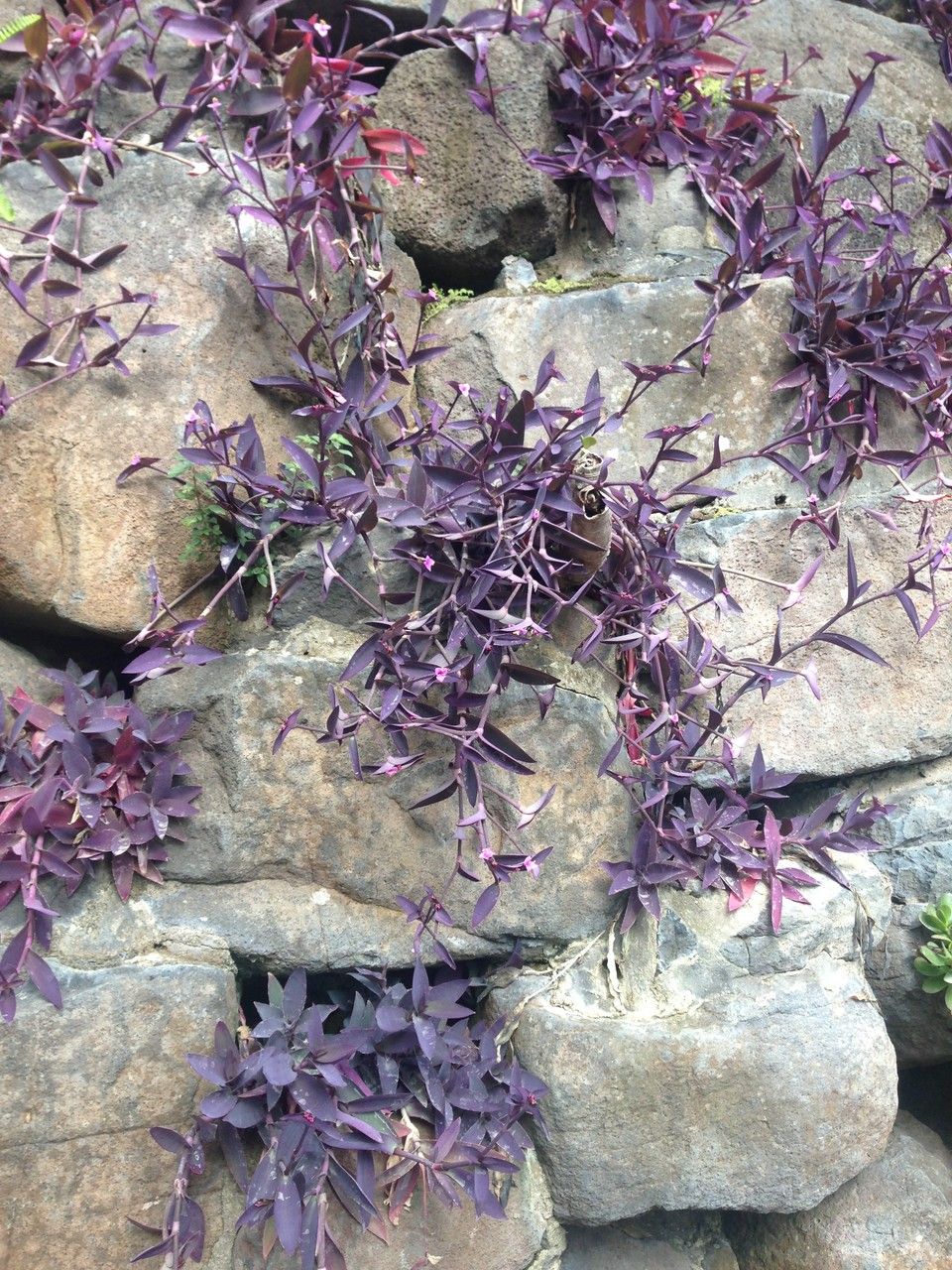
Purple heart (Tradescantia pallida), also called purple queen, is an herbaceous perennial in the Commelinaceae, native to the northeastern Gulf coast of Mexico. Its fleshy, brittle stems bear pointed purple leaves. Almost all plants sold belong to the cultivar 'Purpurea', whose color intensifies in direct sunlight.
Read morePurple heart and Purple queen
Allow a few hours of direct sun per day, preferably morning or evening.
Full sun to light partial shade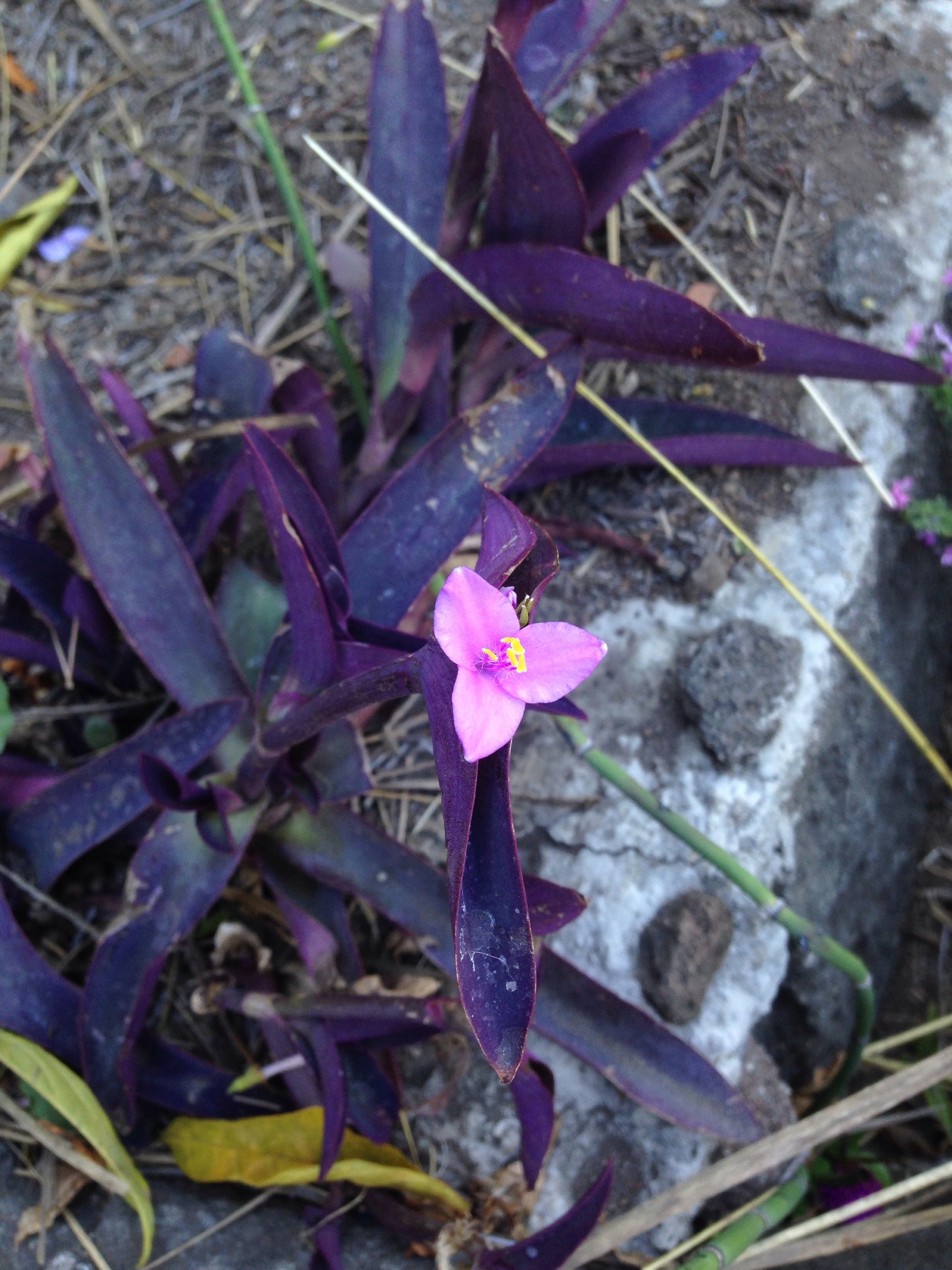
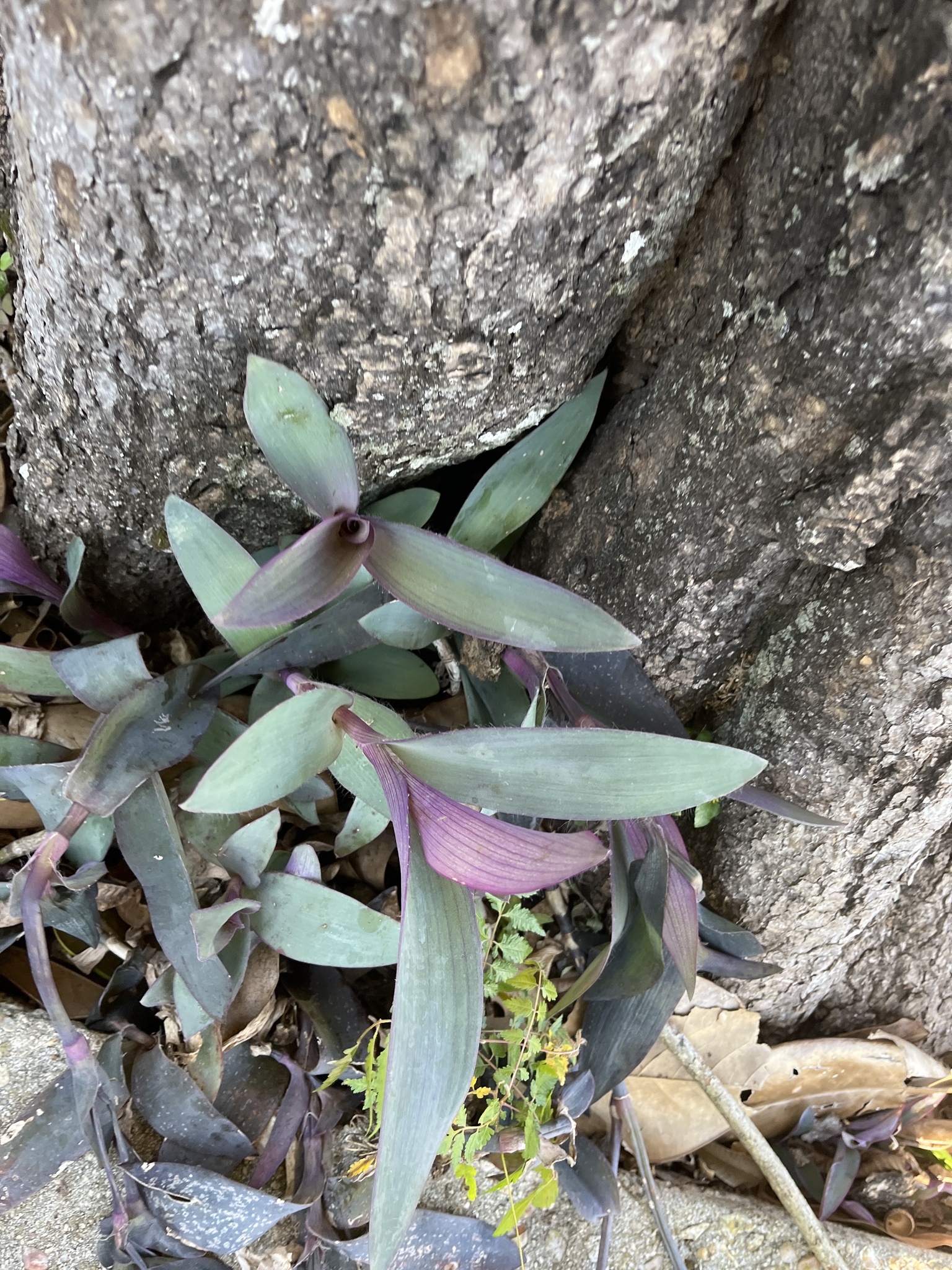


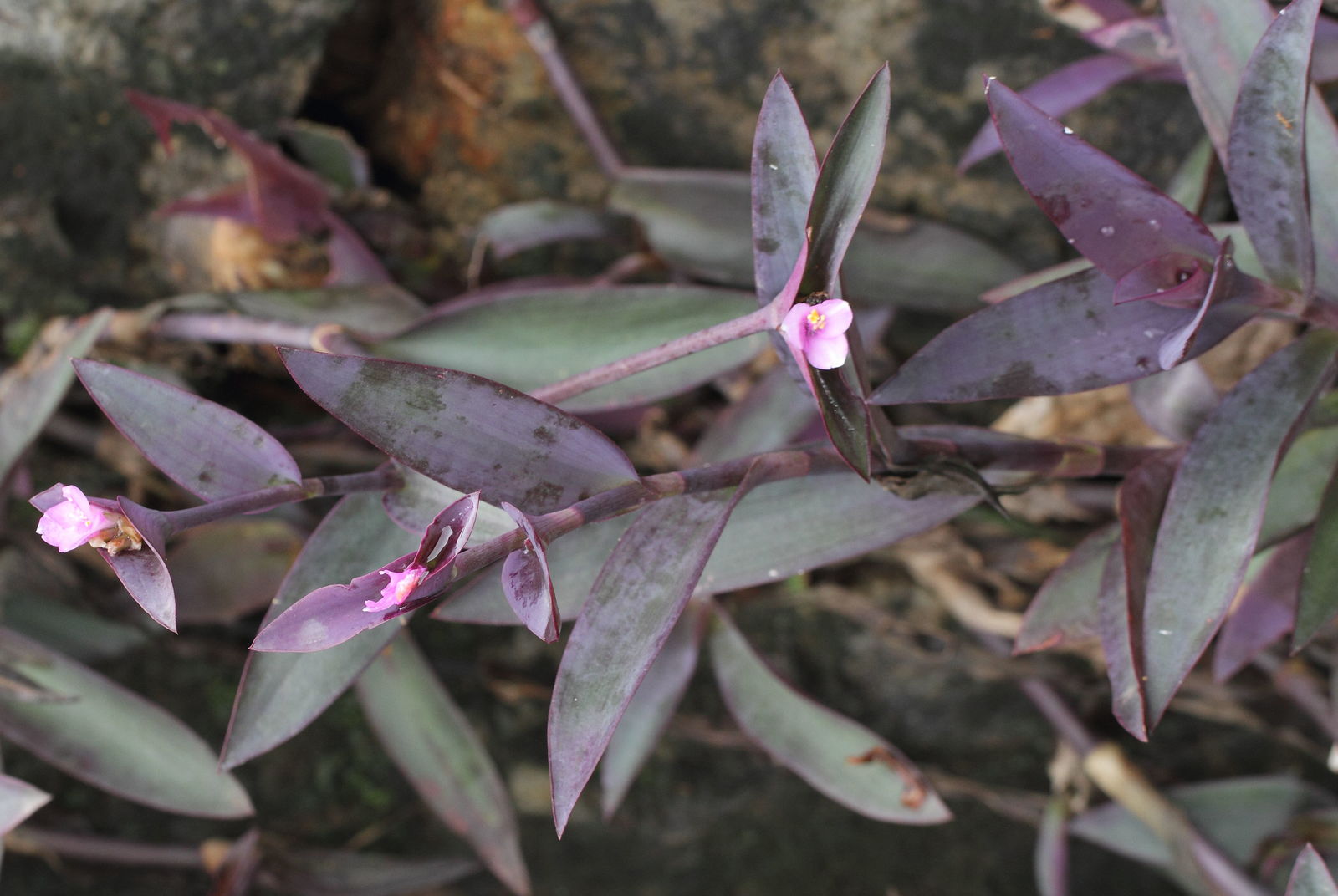
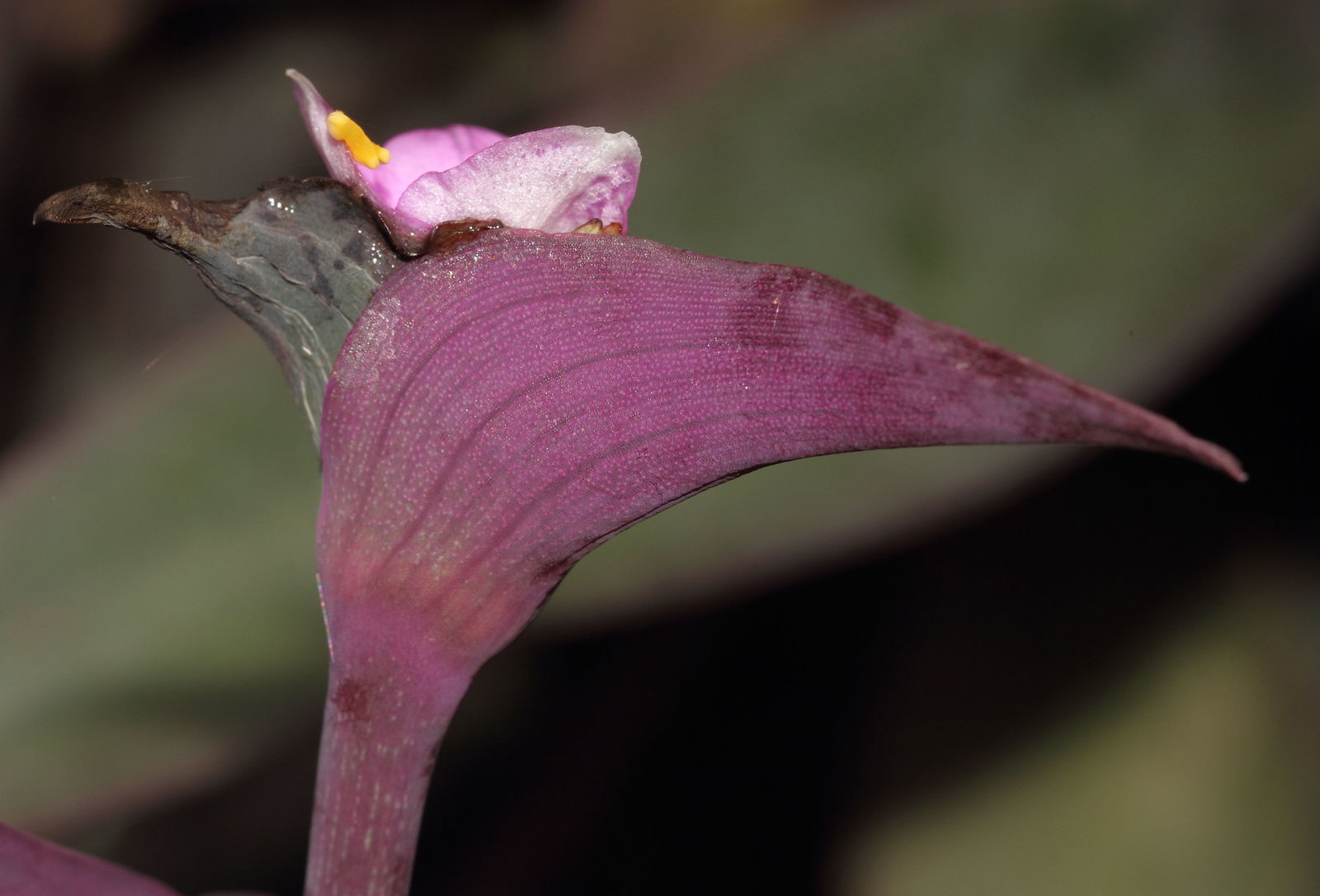
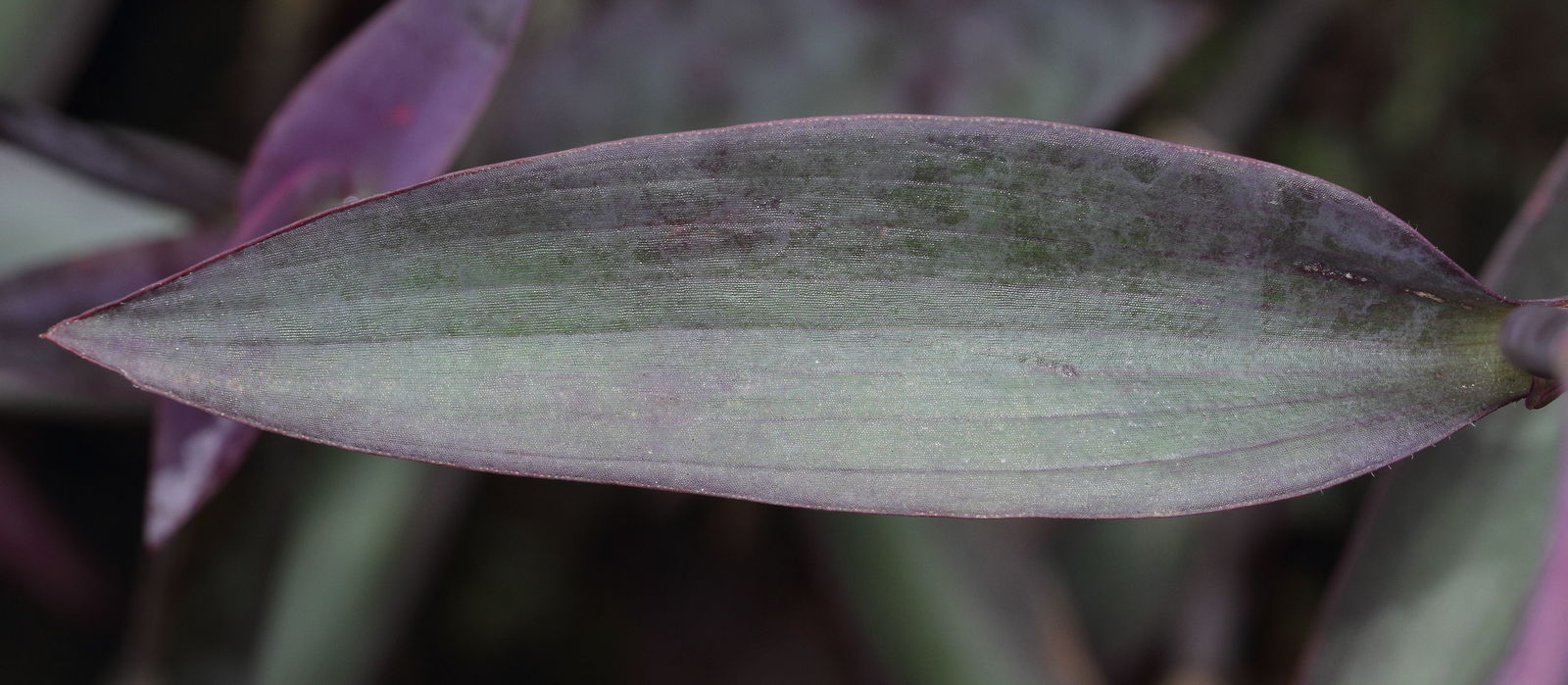
© photo
Matt Schultz · cc0
Fethullah ÖZTÜRK · cc-by
Elliot Greiner · cc-by
Taken Sep 26, 2020 by aei Dan (cc-by-sa)
Taken Jan 10, 2021 by Morsch Liane (cc-by-sa)
Taken Sep 21, 2022 by M. Hedayat (cc-by-sa)
Taken Dec 1, 2022 by Fabrice Rubio (cc-by-sa)
Taken Dec 17, 2020 by Dominique Blanc (cc-by-sa)
© copyright of the Board of Trustees of the Royal Botanic Gardens, Kew.




Global distribution
Tradescantia pallida is native only to the northeastern Gulf coast of Mexico, from Tamaulipas to Yucatán. Widely grown for its foliage, it has spread to most warm regions worldwide. Unlike its close relative Tradescantia fluminensis, it is not listed as invasive by the official agencies surveyed for this account.
- Native1
- Introduced1
- Mexico
- United States (Florida, Texas)
Hexagons: regions where the plant occurs. Green dots: native range.1
Identity
Purple heart (Tradescantia pallida (Rose) D.R.Hunt, 1975), also called purple queen, is an herbaceous perennial in the Commelinaceae. Joseph Nelson Rose first described it as Setcreasea pallida in 1911. David R. Hunt transferred it to Tradescantia in 1975, creating the name accepted today. 1 7
Nurseries almost always sell this plant as the cultivar 'Purpurea'. Purple heart and purple queen refer to the same clone, with no separate botanical status; both names suit its fleshy stems and deep purple foliage. In a pot, it seldom grows taller than 30 cm (12 in), but stems cascade 60–90 cm (2–3 ft) from a hanging basket. 2 4
Recognition
Fleshy, brittle purple stems are a useful first clue to Tradescantia pallida. They creep or trail and readily root wherever a node touches moist growing medium, making cuttings easy to establish. The pointed, lance-shaped leaves measure 10–18 cm (4–7 in) long. Their bases sheath the stem in a hairy collar, a feature shared with other Commelinaceae. 3 2
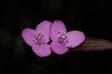
Color distinguishes trailing tradescantias more reliably than leaf shape alone. In shade, purple heart turns olive green; direct sunlight restores its deep purple color. Flowers cluster at the stem tips, with three pink to mauve petals around bright yellow stamens. Each measures 2–3 cm (0.8–1.2 in) across and opens for just one day. 4 5
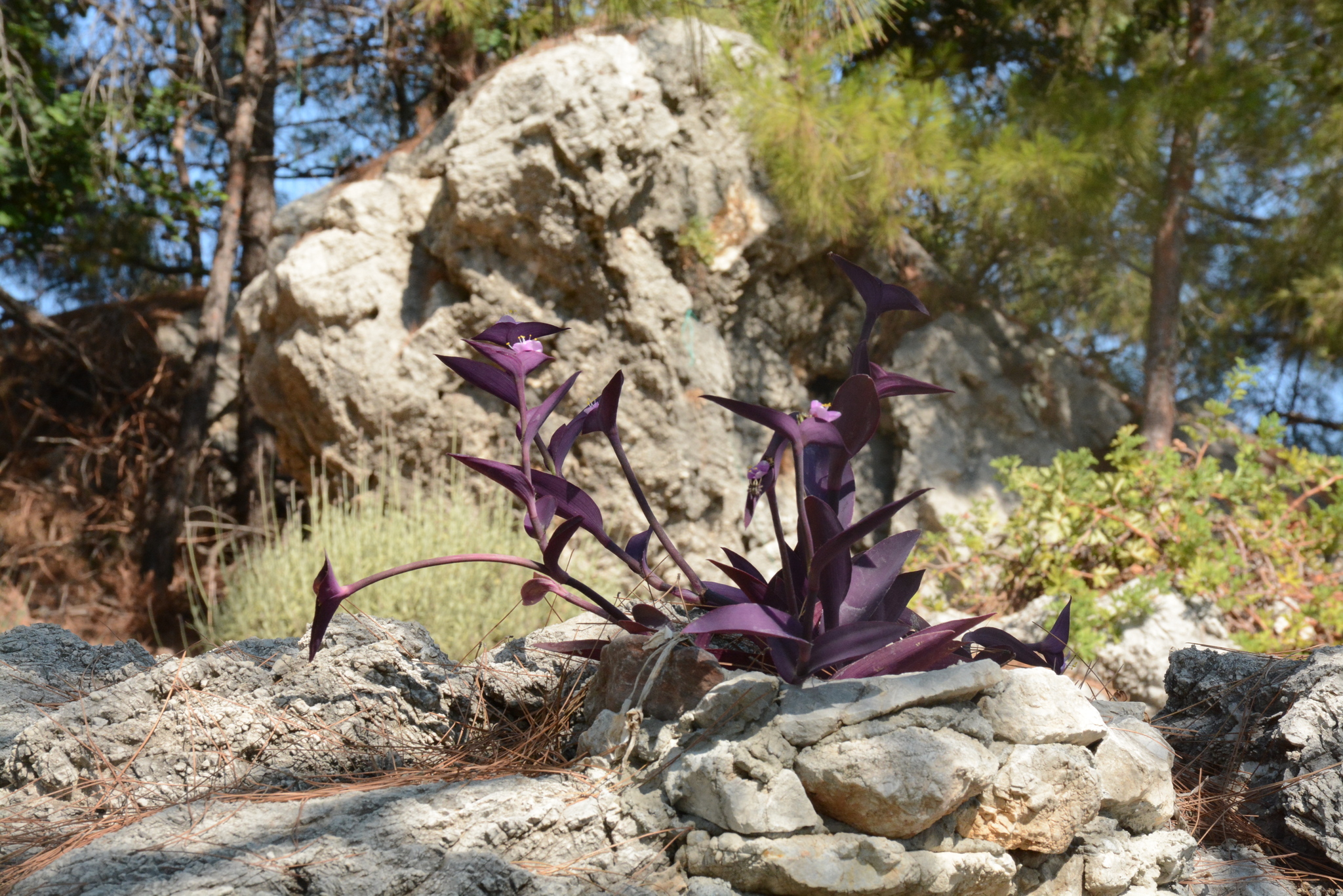
Low, spreading growth is characteristic of purple heart. It rarely exceeds 30 cm (12 in) in height, while trailing stems extend 60–90 cm (2–3 ft) from a suspended planter. 3 2
Useful taxonomy
Its botanical name took decades to settle. Botanist Edward Palmer collected the type specimen near Ciudad Victoria, Tamaulipas, in 1907; Hunt established the currently accepted combination in 1975. Useful older names include:
- Setcreasea pallida Rose, the basionym, published in 1911
- Setcreasea purpurea Boom, still common in horticultural trade
- Tradescantia pallida var. purpurea D.R.Hunt
Use Tradescantia pallida (Rose) D.R.Hunt as the accepted scientific reference. Purple Heart, Purple Queen and Purpurea refer to the same widely grown cultivar, without a separate botanical rank. 1 7
Habitat and range
Dry, rocky sites along the northeastern Gulf coast of Mexico, from Tamaulipas to Yucatán, form the species' native range. The climate there is tropical with a seasonal dry period. 1 3
Foliage cultivation has carried purple heart far beyond that range. In the United States, Australia and South Africa, it grows as groundcover or in containers. Unlike its close relative Tradescantia fluminensis, known for invasive behavior in Australia and New Zealand, T. pallida is not listed as invasive by the official agencies surveyed for this account. It remains a vigorous garden plant that can spread through a bed if left uncontained. 5
Frost changes how purple heart is grown. In metropolitan France, it is kept in pots brought indoors or grown as a summer annual; no naturalization is reported there. Foliage cannot withstand temperatures below 0 °C (32 °F), although the crown often resprouts if roots survive. The Royal Horticultural Society rates it H3, describing tolerance of brief light frosts in mild coastal parts of the United Kingdom, rather than a full continental winter. Elsewhere, outdoor survival depends on comparable local conditions. 3 2
Life cycle and reproduction
Pink to mauve flowers appear from midsummer into fall. A single bloom lasts only a day, but successive buds keep the plant flowering for several weeks. 4 3
Propagation depends almost entirely on stem cuttings. Any stem section carrying a node can root in one to two weeks in water or a freely draining growing medium. Seed propagation is rare and scarcely used in horticulture. 3 5
Uses and risks
Gardeners grow purple heart almost entirely for ornament: as groundcover in mild climates, in containers or in hanging baskets. Pairing its foliage with golden or variegated leaves produces a strong color contrast. 4 2
Pollen gives Tradescantia pallida an unexpected scientific role as an indicator of air pollution. The Trad-MCN test counts micronuclei formed in pollen mother cells after prolonged exposure to ambient air. Plants placed beside busy roads show more abnormalities than control plants, supporting air-quality monitoring in several Brazilian cities. 8
Calcium oxalate crystals in the sap can cause skin irritation in some people and animals. The ASPCA lists tradescantias in the historically named “wandering jew” group as toxic to cats, dogs and horses. Ingestion chiefly causes mild mouth and digestive irritation; serious effects are uncommon. 6 5
Reported indoor pests include scale insects, aphids, spider mites and thrips. Slugs and snails can damage young outdoor shoots. These problems are not specific to purple heart and affect many potted Commelinaceae. 2 5
Varieties, look-alikes and related plants
'Purpurea' is so dominant in cultivation that the distinction between the botanical species and cultivar has become blurred. Purple Heart and Purple Queen labels refer to the same plant, sometimes chosen for pinker or more purple tones under different growing conditions. 2
Several relatives can be mistaken for purple heart:
- Tradescantia zebrina, with silver-and-green stripes and purple mainly on the leaf undersides;
- Tradescantia fluminensis, entirely green and much more invasive in the wild;
- Tradescantia sillamontana, recognizable by its whitish, woolly foliage.
Uniform purple coloration on both leaf surfaces, combined with brittle, ground-creeping stems, remains the main combination of clues for identifying Tradescantia pallida among its close relatives. 5 4
Main sources
- Plants of the World Online / Kew, Tradescantia pallida (Rose) D.R.Hunt
- Royal Horticultural Society, Tradescantia pallida 'Purpurea'
- University of Wisconsin Extension, Purple Heart, Tradescantia pallida
- Missouri Botanical Garden, Tradescantia pallida 'Purpurea'
- NC State Extension, Tradescantia pallida
- ASPCA, Wandering Jew (Tradescantia) toxicity entry
- International Plant Names Index, Tradescantia pallida (Rose) D.R.Hunt
- Environmental Monitoring and Assessment, Trad-MCN air pollution biomonitoring with Tradescantia pallida
Frequently asked questions
Is purple heart toxic?
Its sap contains calcium oxalate crystals and irritates skin on contact. The ASPCA lists tradescantias in the historically named wandering jew group as toxic to cats, dogs and horses; ingestion mainly causes mild mouth and digestive irritation.
Why is my purple heart turning green?
Insufficient direct light causes purple foliage to turn olive green. Full sun or a position by a very bright window restores the purple shade within a few weeks.
How do you propagate purple heart?
Take a stem section with at least one node, from anywhere on the plant, and place it in water or a freely draining medium. Roots appear in one to two weeks, making propagation easy.
Is Tradescantia pallida invasive?
Unlike Tradescantia fluminensis, known as invasive in Australia and New Zealand, Tradescantia pallida is not listed as invasive by the official agencies surveyed for this account. It is nevertheless vigorous and can spread through a garden bed if not contained.
Which plants look like purple heart?
Common look-alikes include Tradescantia zebrina, with silver-and-green stripes, and Tradescantia sillamontana, with whitish, woolly leaves. Uniform purple foliage remains the most reliable clue.
What is the difference between Purple Heart and Purple Queen?
Both names refer to the same Tradescantia pallida cultivar, 'Purpurea'. They are competing trade labels rather than distinct botanical varieties, although some growers reserve Purple Queen for plants with pinker tones.
What light produces the strongest purple color?
Full sun produces the deepest purple foliage. In partial shade the plant still grows but becomes noticeably greener, a useful compromise in very hot climates where midday sun can scorch leaves.
Similar plants
If you are unsure about a plant’s toxicity, ask a botanist or veterinarian for advice.