
Moses-in-the-cradle (Tradescantia spathacea, )
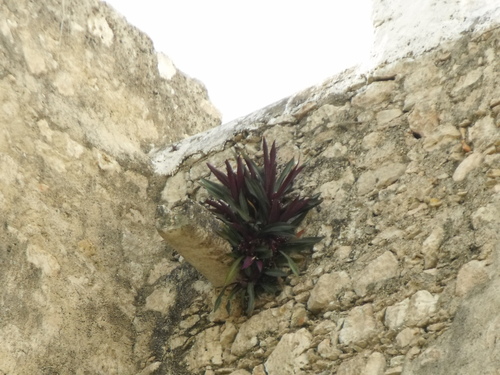
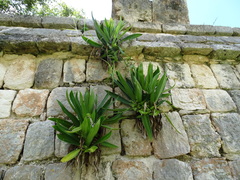

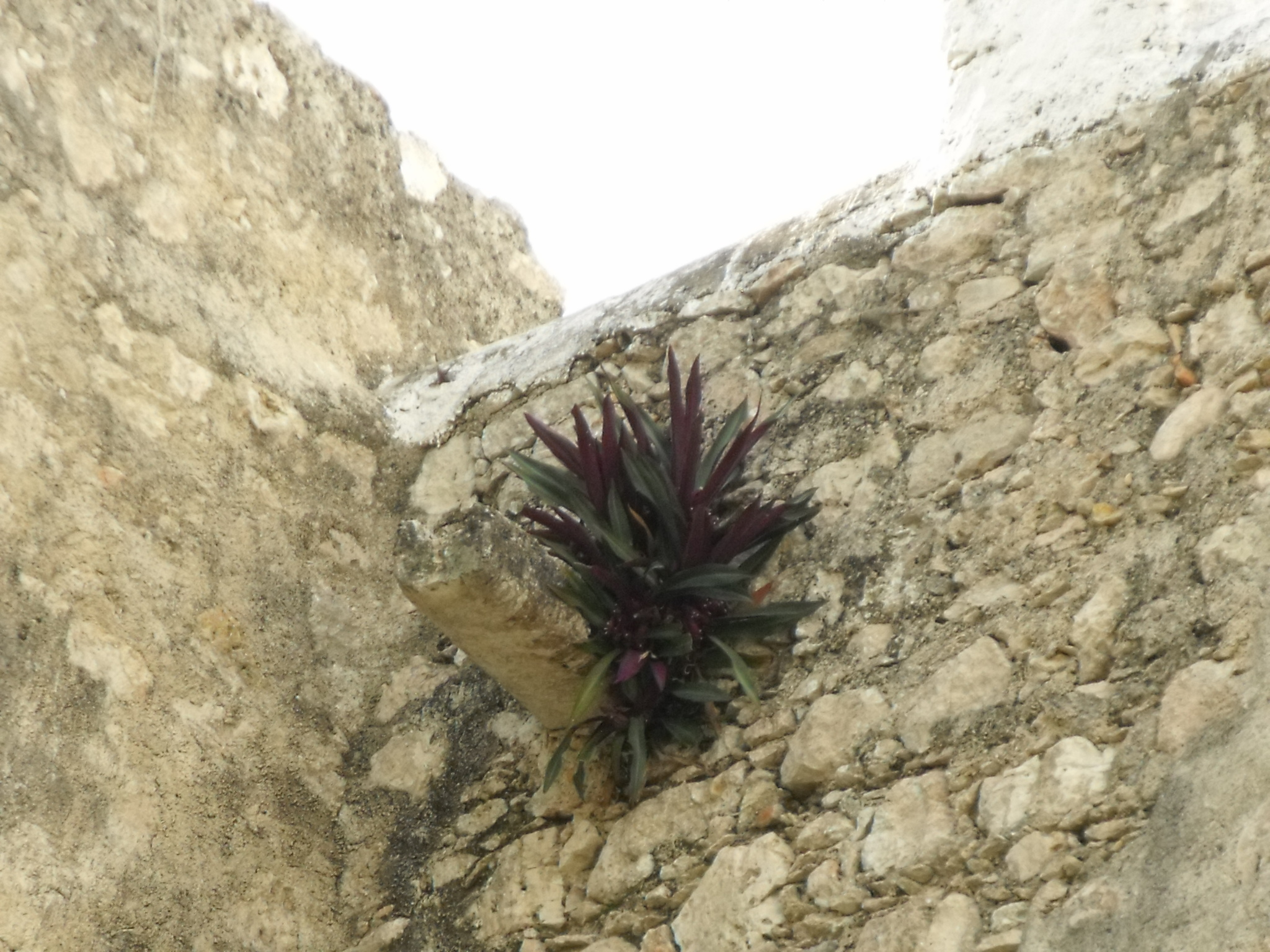
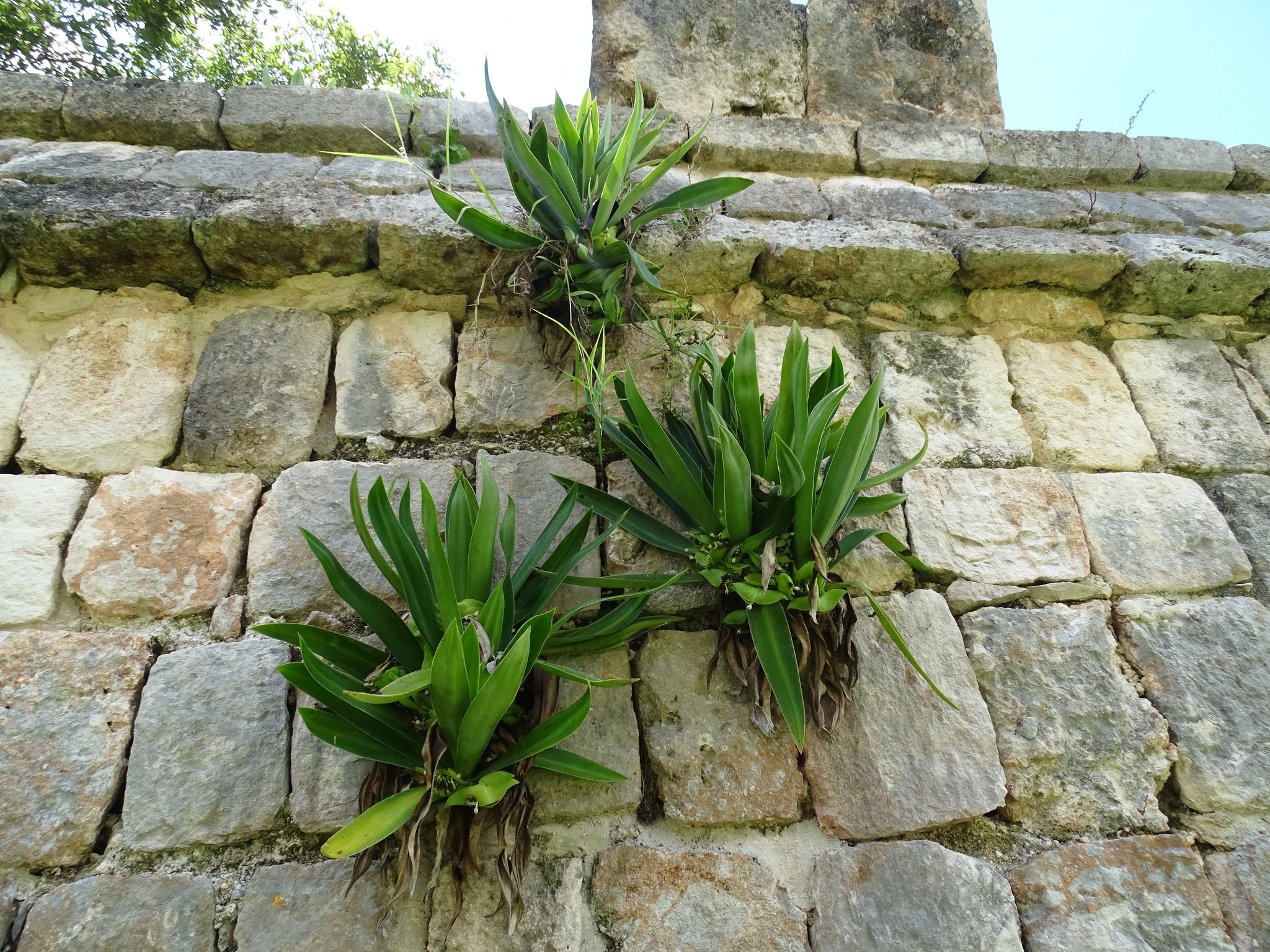
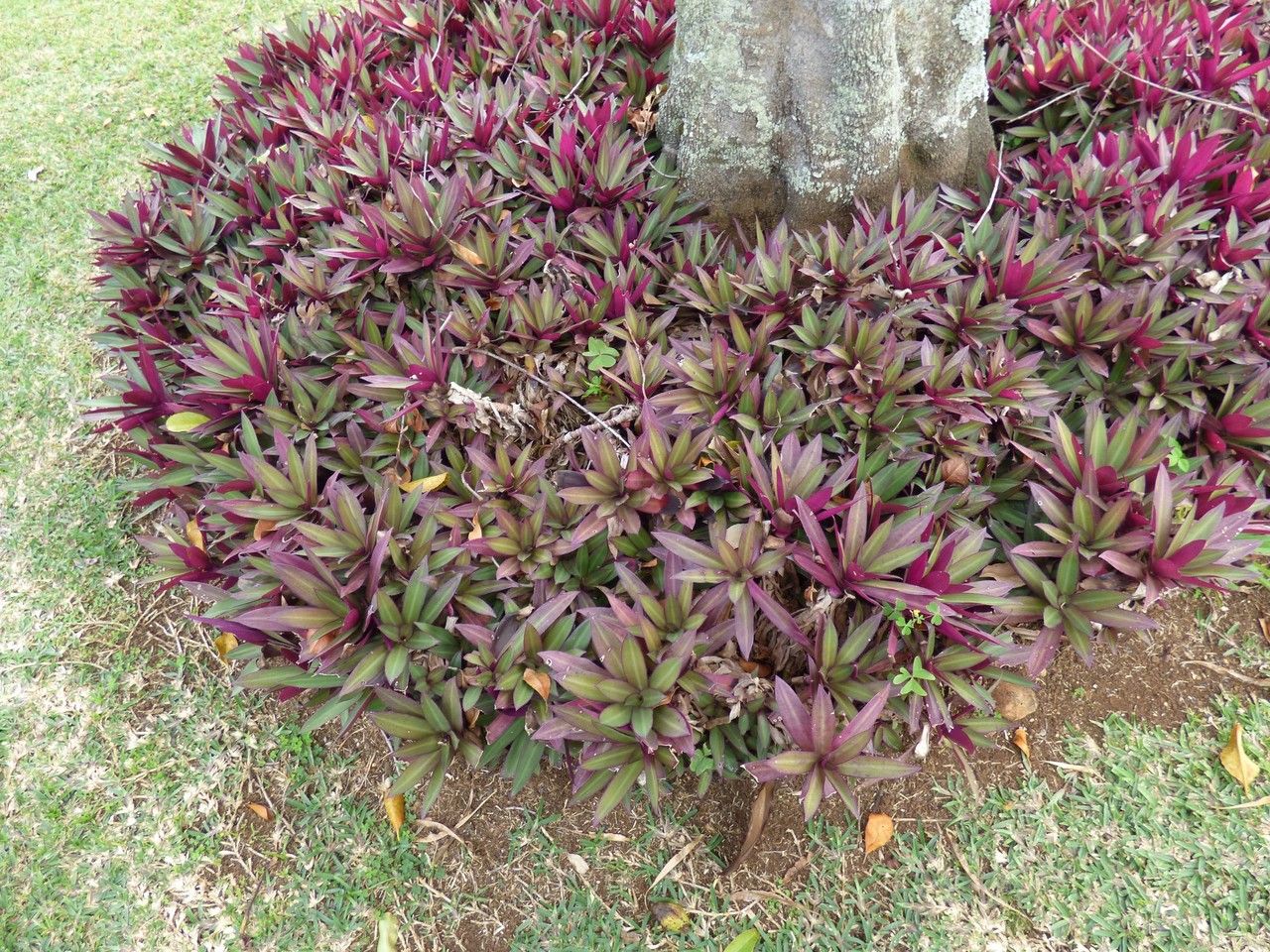
Moses-in-the-cradle (Tradescantia spathacea) is a rosette-forming perennial in the Commelinaceae, native to southern Mexico, Belize and Guatemala. Its thick, sword-shaped leaves are green above and purple below. Small white flowers emerge from purple, boat-shaped bracts within the compact clump.
Read moreMoses-in-the-cradle, Oyster plant and Boat lily


© photo
Tereka Lasso · cc-by-sa
Alexis López Hernández · cc-by
Norman Salazar Arguedas · CC BY-NC
Taken Jul 20, 2022 by Emilio Nieto (cc-by-sa)
Taken May 29, 2021 by dan hewison (cc-by-sa)
Taken Aug 23, 2020 by Marco Dansereau (cc-by-sa)
Taken Feb 8, 2020 by Espinoza-Zevallos Marco Elías (cc-by-sa)
Taken Nov 17, 2022 by Noland Aull (cc-by-sa)
© copyright of the Board of Trustees of the Royal Botanic Gardens, Kew.




Global distribution
Tradescantia spathacea is native to southern Mexico (Chiapas, Tabasco and the Yucatán Peninsula), Belize and Guatemala. Widely cultivated as an ornamental, it has naturalized across many tropical and subtropical regions, sometimes becoming locally invasive. These introduced populations remain distinct from its native range.
- Native3
- Introduced1
- Invasive2
- Mexico
- Belize
- Guatemala
- Guadeloupe
- United States (Florida, Texas, Hawaii)
- Réunion
Hexagons: regions where the plant occurs. Green dots: native range.1
Identity
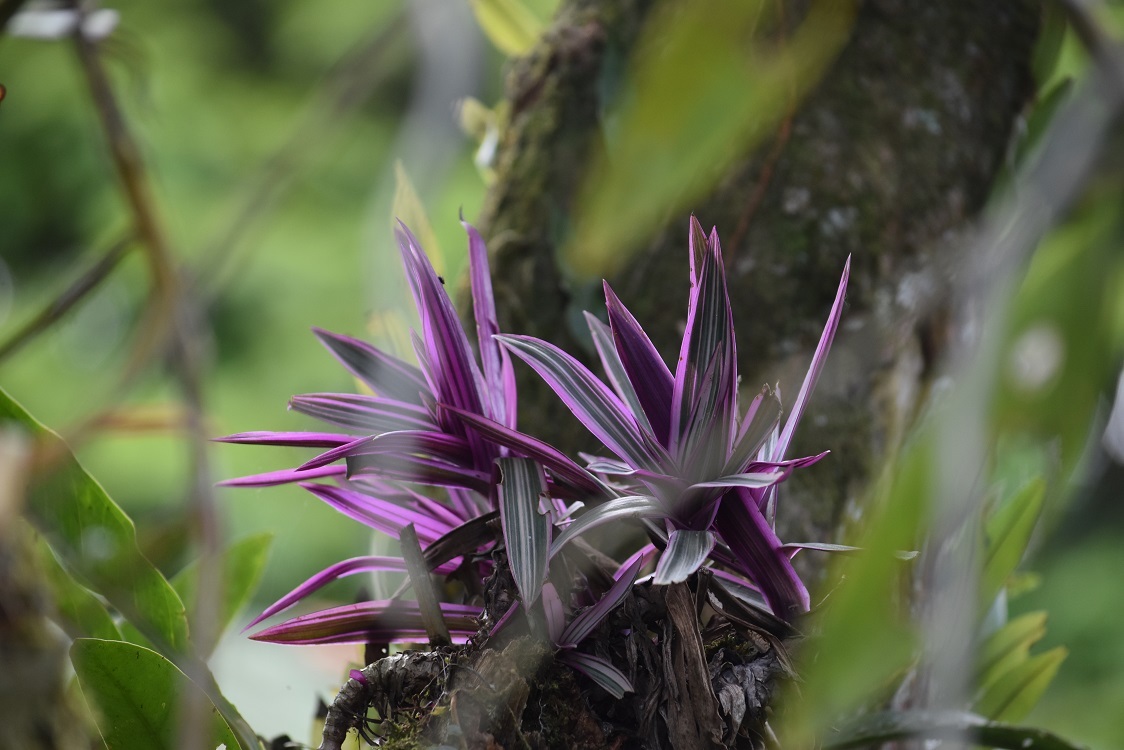
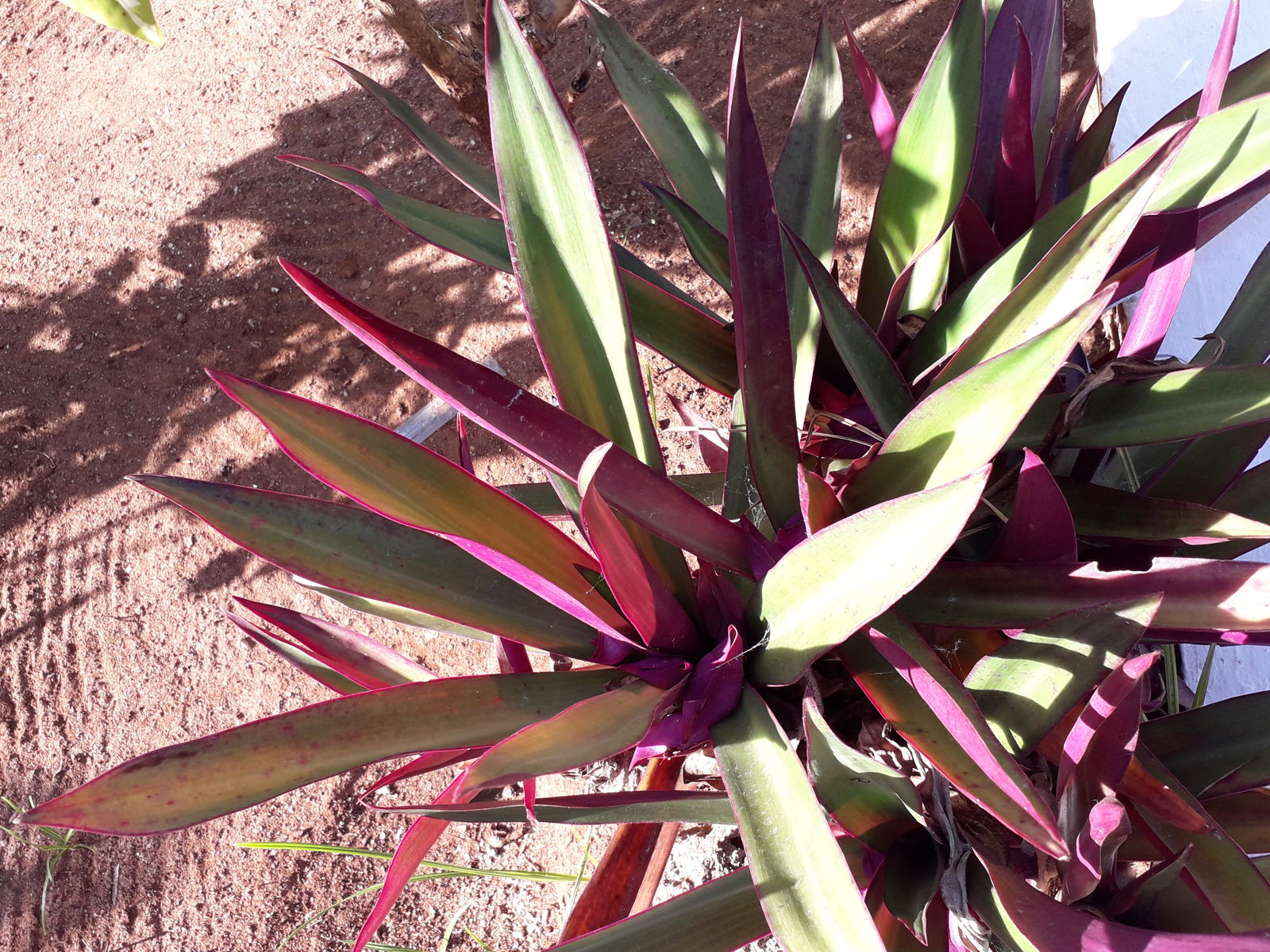
Moses-in-the-cradle (Tradescantia spathacea Sw., 1788), also called Oyster plant or Boat lily, forms a fleshy rosette 15–50 cm (6–20 in) tall. Green upper leaf surfaces contrast with distinctly purple undersides, making it recognizable throughout the year without flowers. This herbaceous perennial belongs to the Commelinaceae. Its former name, Rhoeo discolor, explains why Rhoeo remains familiar in horticultural writing. 1 2
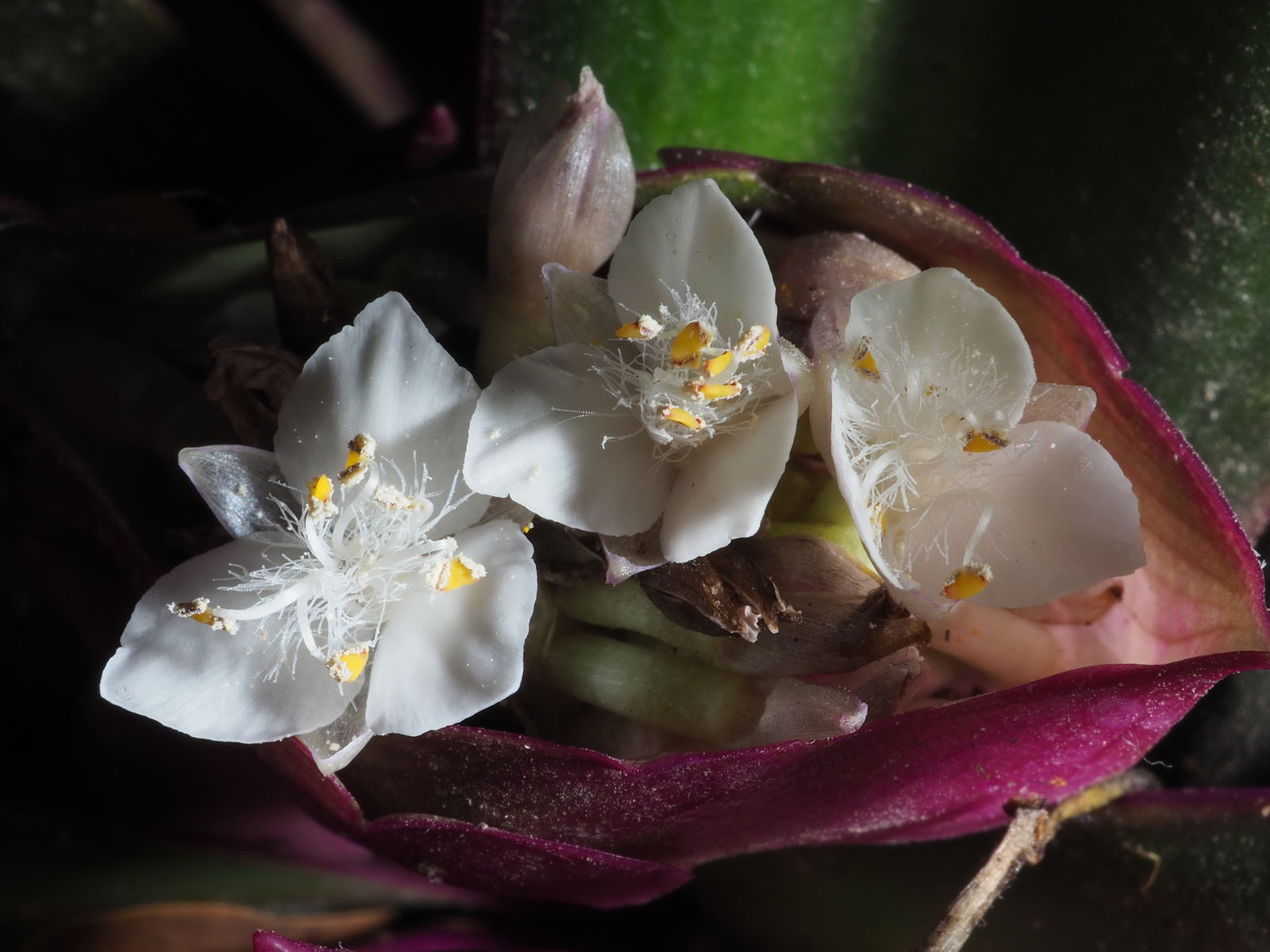
Boat-shaped purple bracts cradle the small white flowers, giving Moses-in-the-cradle its descriptive English name. In the French Caribbean, the plant is also known as gros curage, a Creole name associated with its traditional use in decoctions for sore throats. 6 8
Recognition
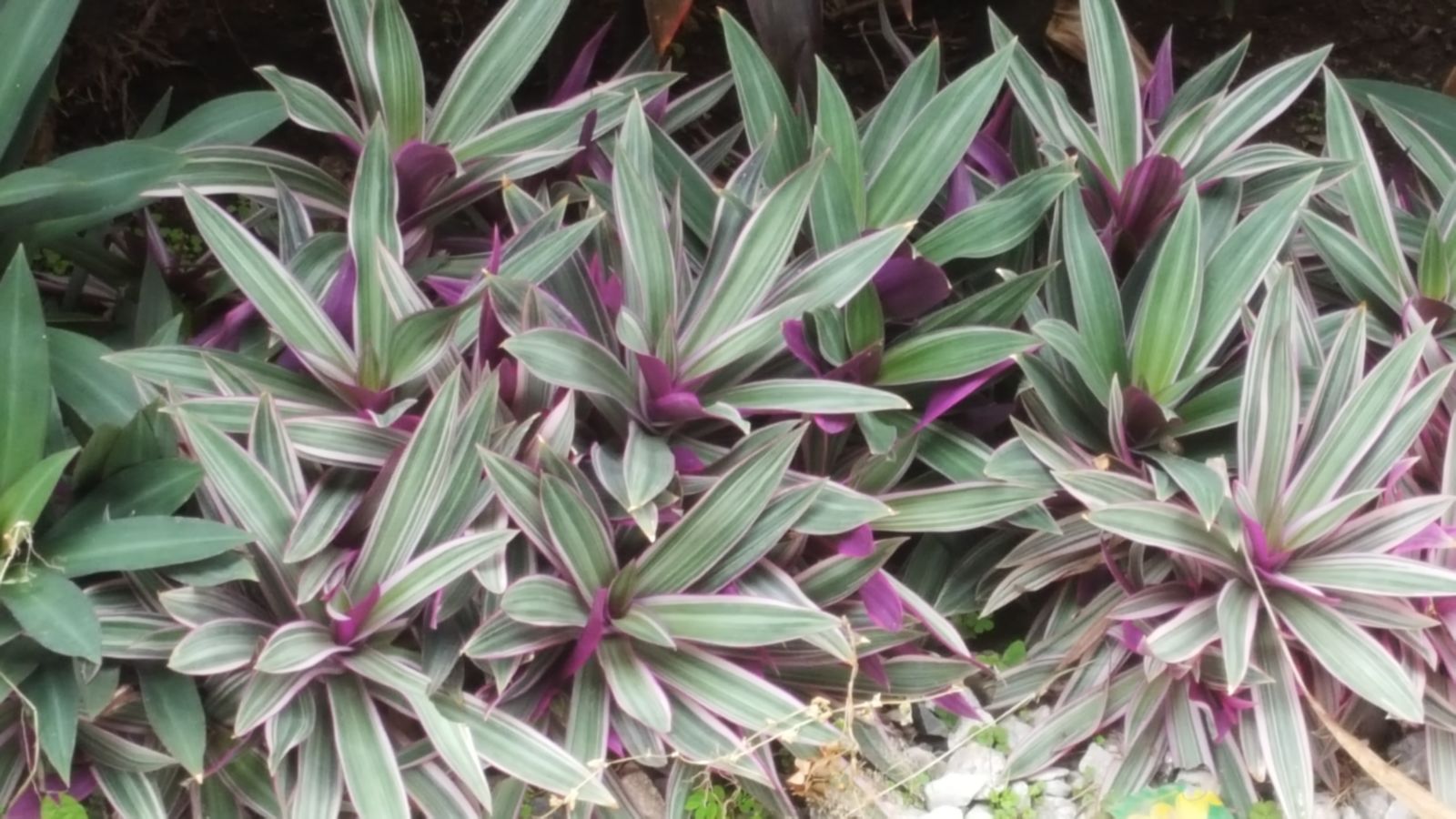
A compact, fleshy rosette sets Tradescantia spathacea apart from creeping or trailing relatives. Young plants have no conspicuous aboveground stem. Mature clumps remain low, rarely exceeding 50 cm (20 in) in height, so the overall shape is a useful identification feature even when leaf colors vary. 4 5
Sword-shaped leaves typically measure 20–40 cm (8–16 in) long and 3–6 cm (1.2–2.4 in) wide. Their glossy, almost metallic green upper surface contrasts with purple undersides colored by anthocyanin pigments. This two-sided contrast is visible without flowers; Tradescantia zebrina is instead recognized by its conspicuous silvery leaf stripes. 6 2
Small white flowers have three petals and grow in clusters in the leaf axils, enclosed by folded purple, boat-shaped bracts. Flowering can occur almost year-round in favorable tropical conditions. In temperate cultivation, it is concentrated between spring and fall, rather than being tied to one fixed calendar month. 4 6
Useful taxonomy
Swedish botanist Olof Swartz described the species in 1788. It was long called Rhoeo discolor, in a genus now incorporated into Tradescantia. Older horticultural references contain several scientific synonyms:
- Rhoeo discolor (L'Hér.) Hance, historical synonym
- Rhoeo spathacea (Sw.) Stearn
- Rhoeo spathacea f. variegata (Hook.) Stehlé
- Rhoeo spathacea f. concolor (Baker) Stehlé
- Tradescantia discolor L'Hér.
- Tradescantia versicolor Salisb.
The accepted scientific name, Tradescantia spathacea, provides a stable reference. Horticultural labels such as Sitara and Vittata identify selections sold in cultivation, rather than separate species or botanical varieties. The synonym Rhoeo discolor still appears in use, including in professional French-language catalogs. 1 2
Habitat and range
Southern Mexico, including Chiapas, Tabasco and the Yucatán Peninsula, together with Belize and Guatemala, makes up the native range. There, Tradescantia spathacea grows in open woodland and rocky coastal habitats. Its thick, water-storing leaves help explain its tolerance of drought once an established root system is in place. 1 4
Ornamental cultivation has carried the species far beyond Central America. Documented introductions include Florida, Texas, Hawaii, Louisiana and coastal Southern California. In Florida, it has been listed as a Category II invasive exotic: increasing in abundance without the extent of plant-community change associated with Category I. This is a regional classification, not a universal legal status. 6 5
Introduced populations also occur in French overseas territories. On Réunion, dense carpets of rosettes can hinder regeneration of surrounding low-growing plants, and removal requires extracting the entire rhizome. These established populations belong to the introduced range and should not be confused with the species’ Central American origin. 8
Life cycle and reproduction
Morning opening and closure before the end of the day characterize the small white flowers, as in many Commelinaceae. Sheltered inside their boat-shaped bracts, they may appear almost year-round in tropical conditions. In temperate climates, flowering is mainly a spring-to-fall feature, depending on light and warmth. 4 6
Vegetative spread is the dominant means of multiplication. The rhizome continually produces basal offsets that root and build a dense clump within one growing season. This process explains both vigorous growth in a container and the ability to colonize suitable ground after introduction; seeds play a smaller role in that rapid spread. 8 5
For home propagation, divide an offset that already has roots. This reduces establishment failures compared with a stem cutting containing a node, which first needs to develop roots over roughly 2–3 weeks. Seed growing is possible, but its slower, less predictable progress makes it a method for patient growers. 5 2
Uses and risks
In warm tropical and subtropical landscapes, the plant serves as edging or ground cover; in temperate climates, it is mainly a potted houseplant. French Caribbean traditions also use gros curage leaves in decoctions for sore throats and bronchial complaints. This describes a folk use within the local pharmacopoeia, rather than establishing a treatment recommendation. 8 6
Traditional use does not remove the need for caution. The plant produces irritating sap, listed by the RHS as a skin allergen. Contact may cause dermatitis; swallowing plant material can irritate the mouth and throat and sometimes cause mild digestive upset, particularly in cats, dogs and young children. 2 5
Varieties, look-alikes and related plants
Cultivar labels describe forms of the same species. Vittata has lengthwise yellow stripes on green leaves. Sitara, also sold as Tricolor, is a compact Bantam Group selection with narrow pink-striped leaves and the RHS Award of Garden Merit. Concolor denotes greener foliage, while Variegata covers cream-white variegation that is more delicate than the wild type. 3 1
Two relatives account for most mistaken identifications, but their overall growth differs:
- Tradescantia zebrina, with creeping or trailing stems and silver-striped leaves;
- Tradescantia pallida, upright and entirely purple, without a low rosette.
Look for a compact rosette without a conspicuous aboveground stem, together with the absence of creeping or trailing growth. These features help distinguish the two relatives even when the specimen is a variegated form of Tradescantia spathacea sold under an unfamiliar trade name. 4 5
Main sources
- Plants of the World Online / Kew, Tradescantia spathacea Sw.
- Royal Horticultural Society, Tradescantia spathacea - oyster plant
- Royal Horticultural Society, Tradescantia spathacea 'Vittata'
- Missouri Botanical Garden, Tradescantia spathacea
- NC State Extension, Tradescantia spathacea
- Wikipedia (EN), Tradescantia spathacea
- Au Jardin Info, Rhoeo - Tradescantia spathacea, planting and cultivation
- Plantes et Intérieurs, Gros curage - Tradescantia spathacea, uses and precautions
Frequently asked questions
Is Moses-in-the-cradle toxic?
Its sap irritates skin and mucous membranes, and contact dermatitis has been reported in animals and people. Swallowing it may cause mouth irritation and mild digestive upset. Keep it away from young children and pets, and wear gloves when pruning.
Why is it called Moses-in-the-cradle?
The name describes the purple, boat-shaped bracts enclosing small white flowers like a cradle. It recalls the biblical story of Moses placed in a floating basket.
Are Rhoeo and Tradescantia spathacea the same plant?
Yes. The species was long known as Rhoeo discolor, in a genus now included in Tradescantia. Rhoeo remains familiar in horticulture, but the accepted scientific name is Tradescantia spathacea.
How do you propagate Moses-in-the-cradle?
Dividing rooted basal offsets is the easiest and fastest method. Stem cuttings with a node also work. Seed propagation is possible but slower and less common at home.
What plants look like Tradescantia spathacea?
Tradescantia zebrina and Tradescantia pallida are the main sources of confusion, but their stems creep or trail. The compact rosette of Moses-in-the-cradle, without a conspicuous aboveground stem, is the best distinguishing feature.
Is Moses-in-the-cradle invasive?
In mainland France it is kept as a houseplant and is not considered a naturalization risk. In several tropical regions, including Florida and Réunion, its dense carpets of rosettes make it locally invasive. Its behavior depends on the climate.
Why are the purple undersides of the leaves fading?
Insufficient light can weaken the purple color beneath the leaves. Move the plant toward a bright window with some gentle morning sun to restore the contrast between the green upper surface and purple underside.
Similar plants

If you are unsure about a plant’s toxicity, ask a botanist or veterinarian for advice.