
Snowy mespilus (Amelanchier ovalis, )
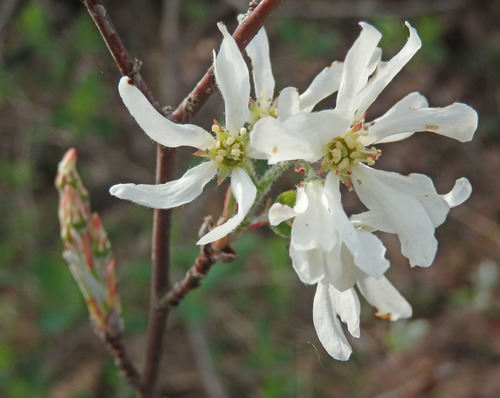
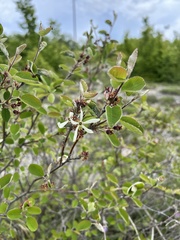
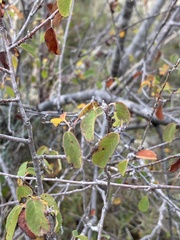
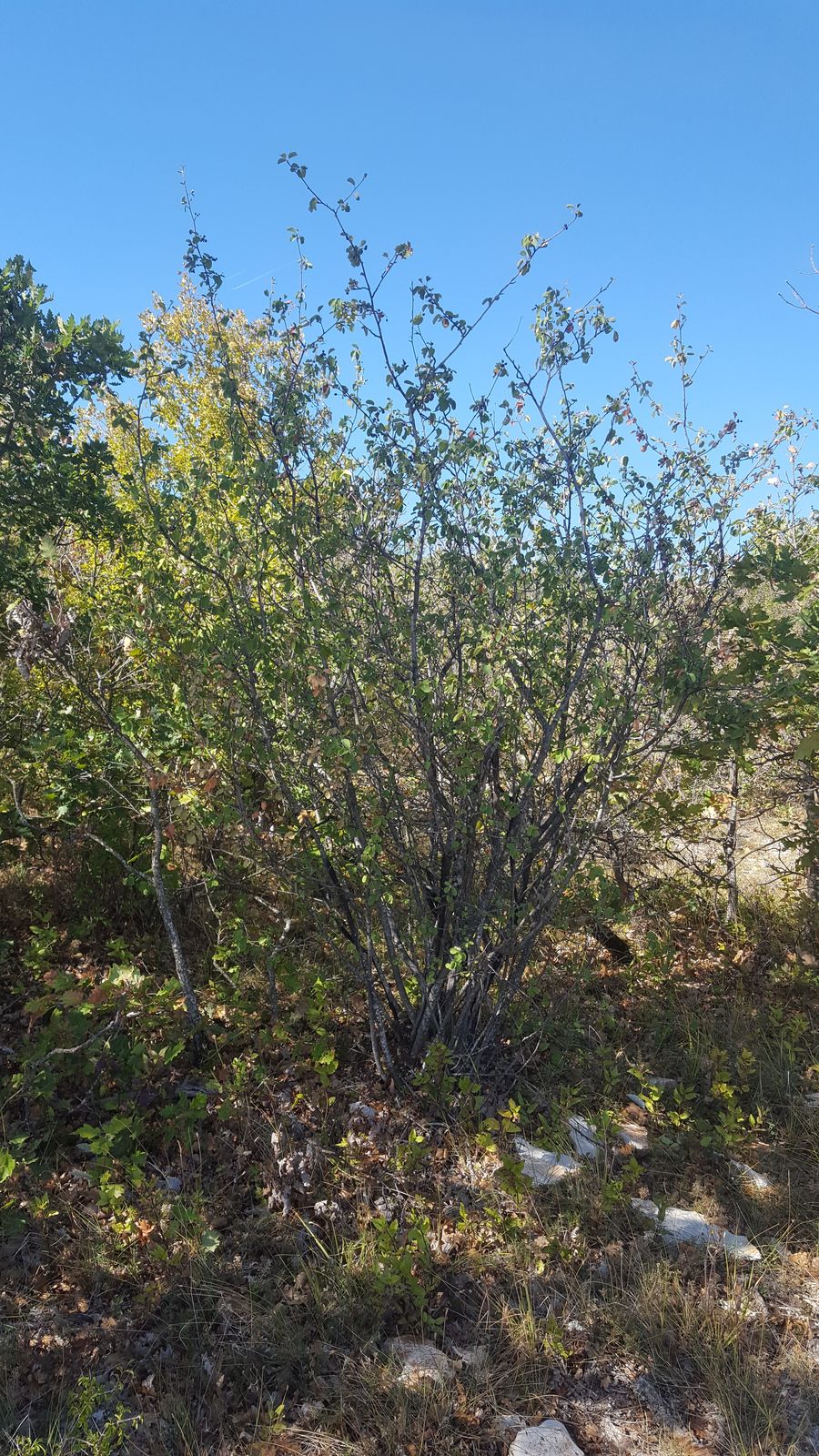
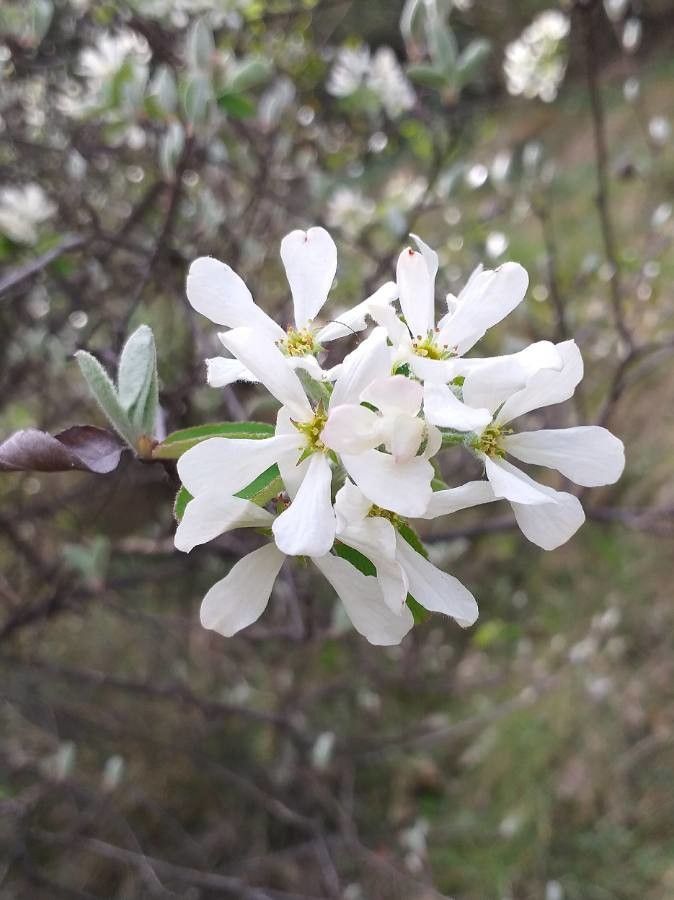
Snowy mespilus (Amelanchier ovalis) is a deciduous Rosaceae shrub of rocky slopes and open woodland. Downy young leaves accompany white flowers with narrow petals; the small fruits become blue-black in summer.
Read moreSnowy mespilus and European snowy mespilus
Mespilus amelanchier, Amelanchier rotundifolia, Amelanchier vulgaris and Aronia rotundifolia
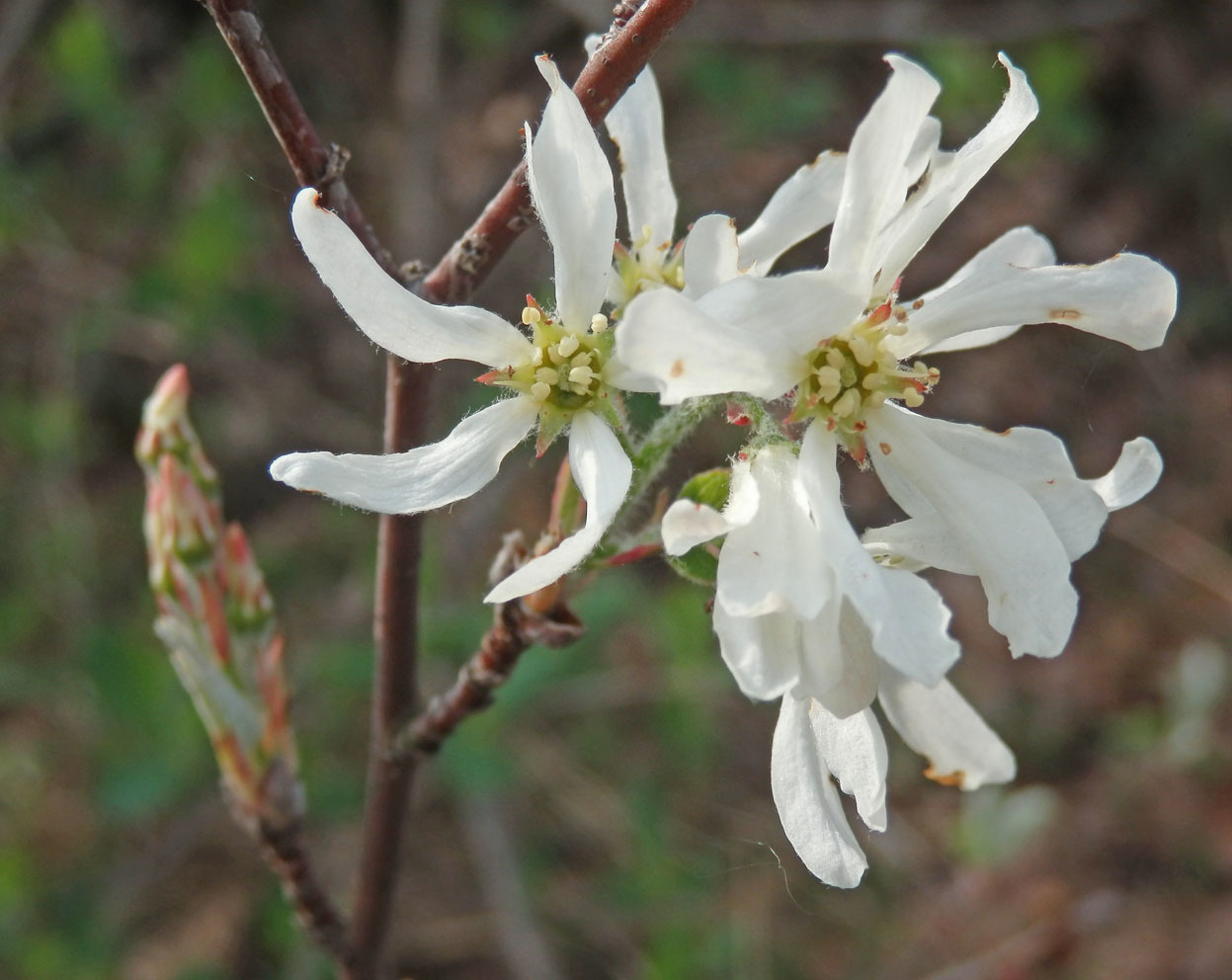
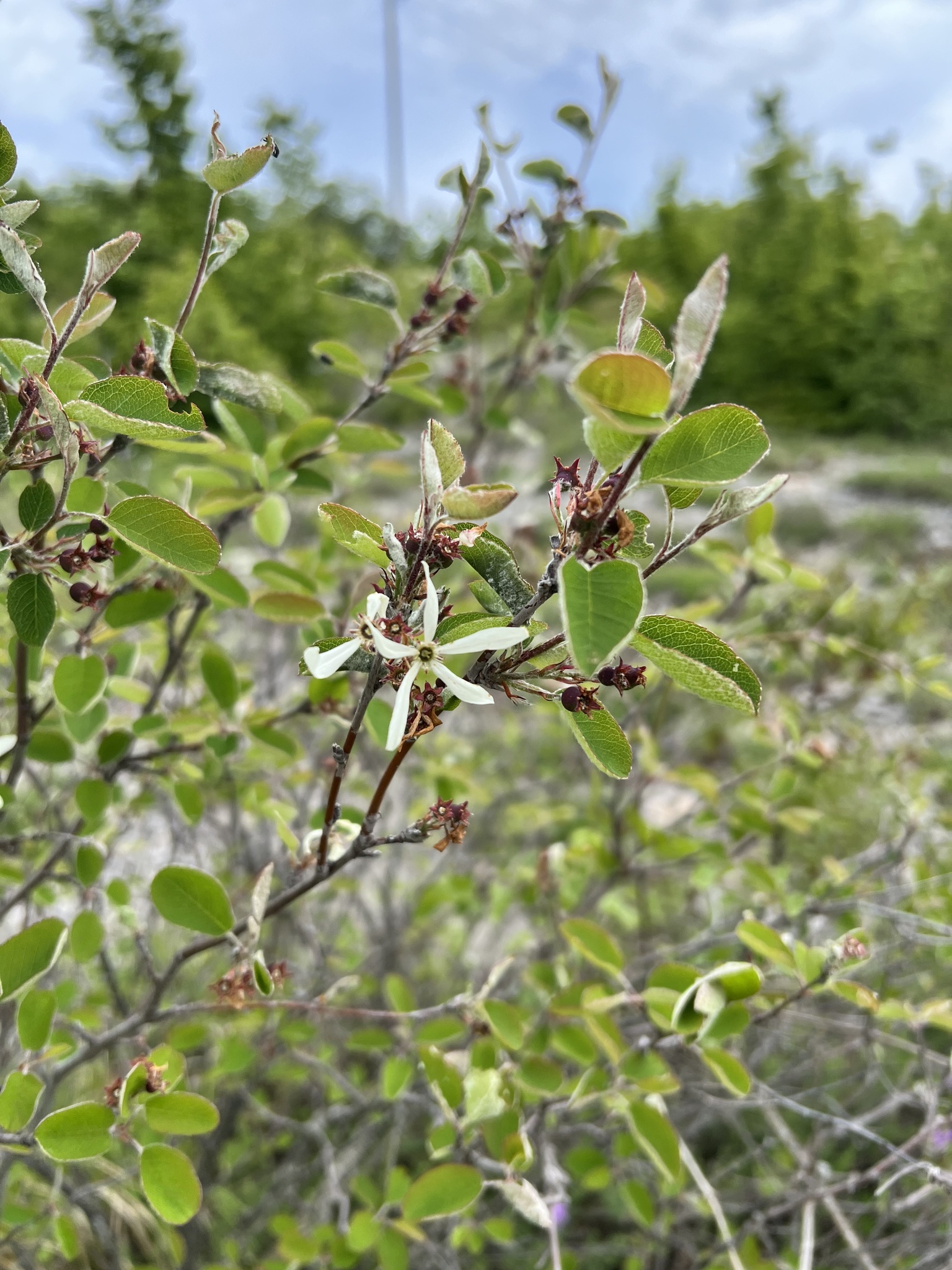
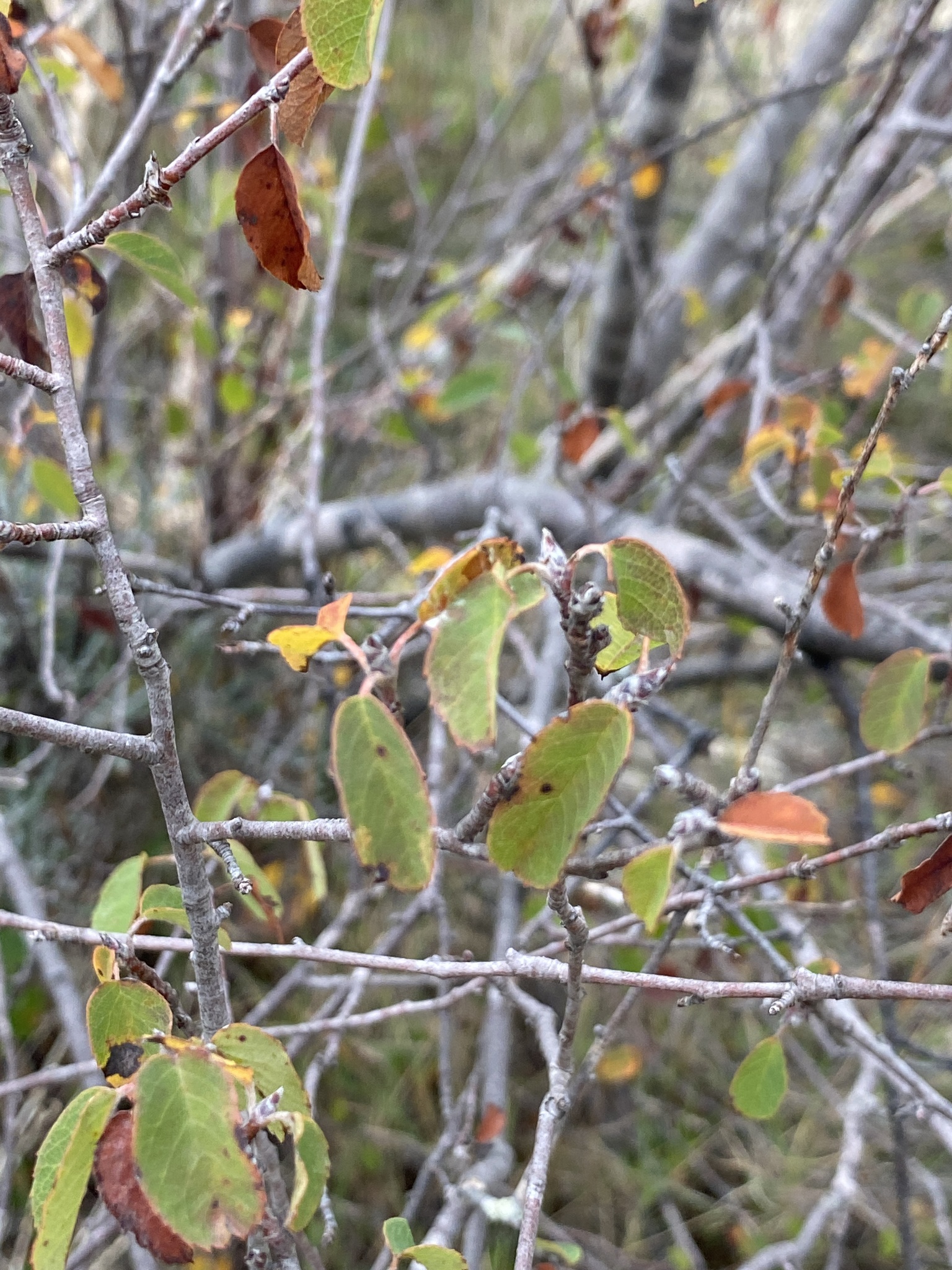


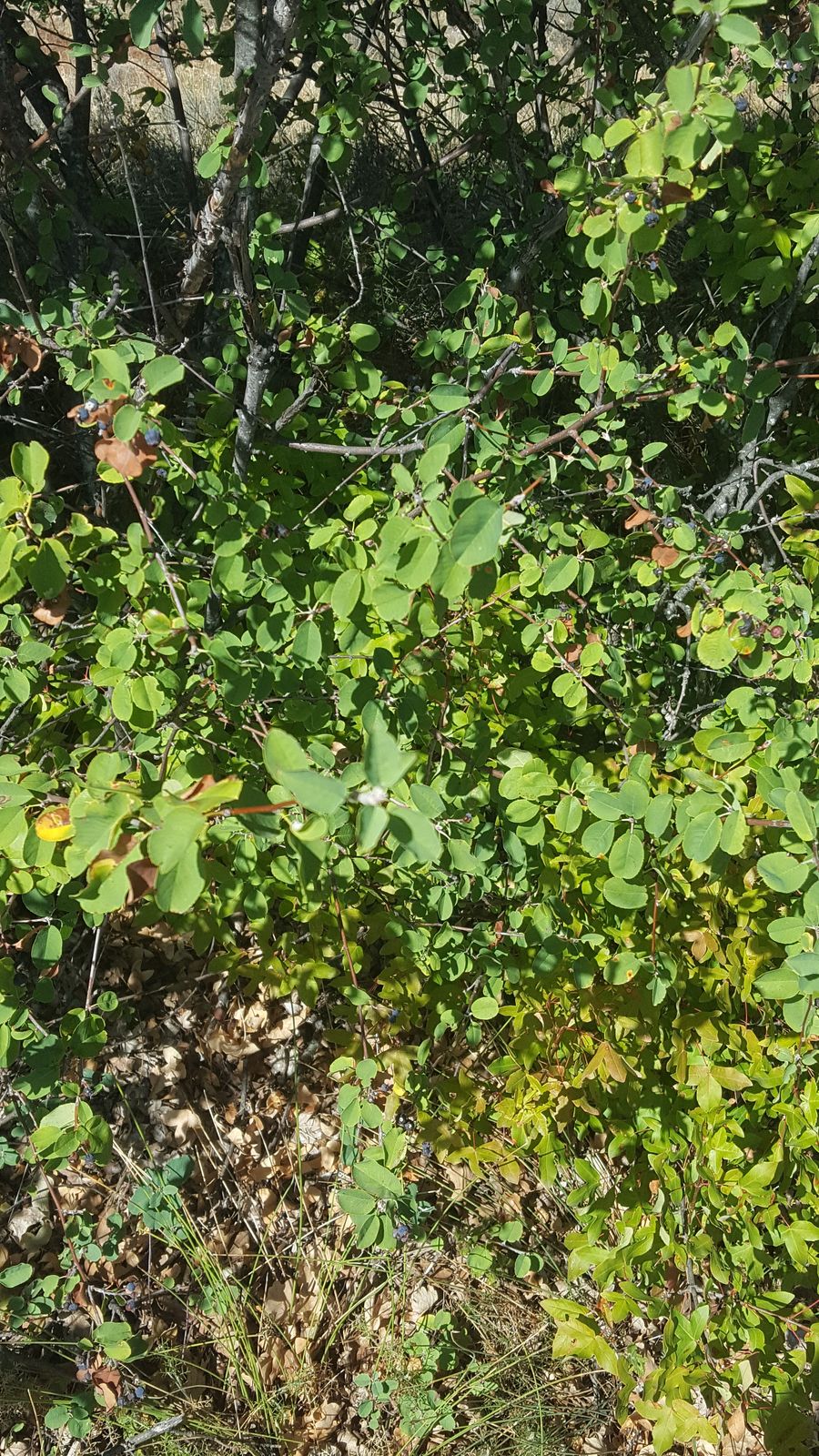
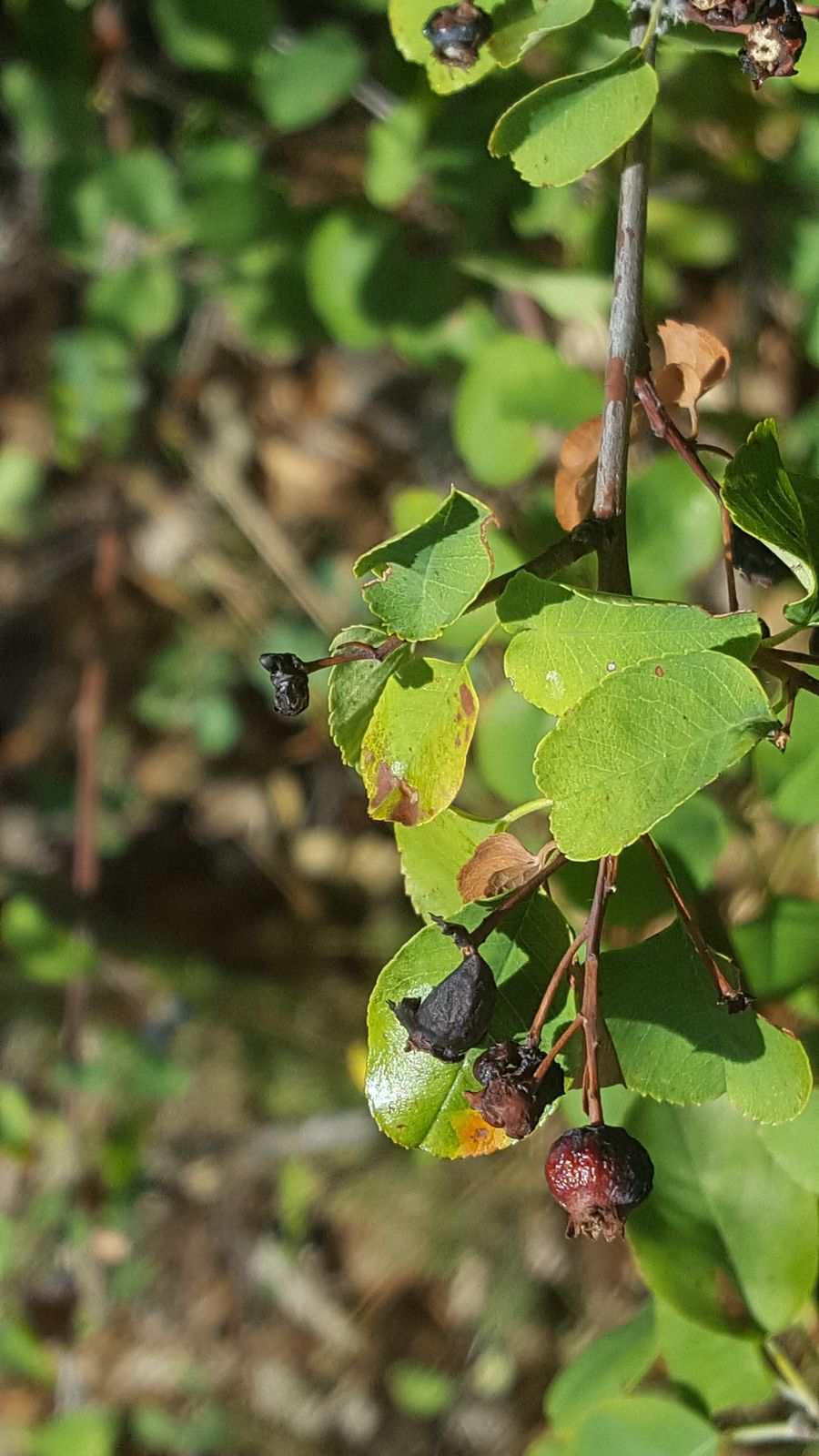
© photo
(c) lorenzodotti, some rights reserved (CC BY-NC), uploaded by lorenzodotti · cc-by-nc
Mirko Ubović · cc0
Thomas Dreux · cc-by
Taken Feb 18, 2017 by Yoan MARTIN (cc-by-sa)
Taken Mar 29, 2020 by Johanna Frommberger (cc-by-sa)
Taken Apr 6, 2014 by Tela Botanica − Michel GAU (cc-by-sa)
Taken Jun 7, 2022 by Nuno Bastos (cc-by-sa)
© copyright of the Board of Trustees of the Royal Botanic Gardens, Kew.




Global distribution
Native from Europe to the Caucasus and northwestern Africa; introduced in Norway and the Czechia–Slovakia area.
- Native3
- Introduced1
- France
- Switzerland
- Morocco
- Norway
Hexagons: regions where the plant occurs. Green dots: native range.1
Identity
Snowy mespilus (Amelanchier ovalis Medik., 1793) is a deciduous Rosaceae shrub, usually 1–3 m (3.3–10 ft) tall and without thorns. White flowers appear in spring, followed by small dark fruits. The lack of thorns helps separate it from several shrubs sharing the same scrub habitats. 3 8 4 1
Its round, fleshy, sweet fruits resemble blueberries and become blue-black when ripe. Confusion with a blueberry is possible: also check the plant's habit, leaves and persistent calyx at the fruit's tip. French names meaning common or oval-leaved amelanchier refer to this same shrub, rather than distinct cultivars. 8 5 3 9
Recognition
The undersides of young leaves carry flocculent hairs that disappear with age. Oval leaves are about 2–4 cm (0.8–1.6 in) long, with finely toothed margins. An almost hairless mature leaf and a whitish young one can therefore belong to the same plant. Examine several leaves at different stages rather than one detached example. 3
Flowers have five long, narrow white petals measuring 1.5–2 cm (0.6–0.8 in). The felted calyx remains on the fruit. Ripe fruits measure 5–10 mm (0.2–0.4 in) and have a waxy bloom over their blue-black surface. Narrow spring petals followed by dark, calyx-crowned fruit offer stronger evidence than fruit color alone. 35
Useful taxonomy
The name Amelanchier ovalis Medik. was published in 1793, on page 79 of the work abbreviated Gesch. Bot. Medik. denotes the botanist Medikus. It replaced Mespilus amelanchier L., published in 1753. Author abbreviations matter: the same name with a different author may represent another taxonomic usage. 2
Synonyms include Mespilus amelanchier L., Amelanchier rotundifolia Dum.Cours. and Amelanchier vulgaris Moench. Nursery labels and older floras may still use them. Current classification accepts three subspecies: the typical subspecies, embergeri and integrifolia. Botanical ranks of this kind are distinct from garden selections. 1
Habitat and range
Rocky ground and well-lit slopes characterize this shrub's habitat. It grows in stony woodland, often on limestone, and in warm scrub. Mountain populations range from foothill to subalpine levels, so its small size should not imply a strictly Mediterranean distribution. In France it occurs chiefly in the south, is rare in the north and absent from the west, and also grows in Corsica. 4 3 8
The French national Red List classes the species as Least Concern. It is nevertheless protected in Lorraine, Limousin, Île-de-France and Dordogne, where destroying, cutting, picking or removing all or part of wild plants is prohibited. These are French regional protections. 9
Its native range covers Europe east to the Caucasus and northwestern Africa. France, Switzerland and Morocco are among its native territories. Norway and the geographical area recorded as Czechia–Slovakia are introduced territories. A planted garden shrub should be distinguished from a spontaneous native population. 1
In gardens, prioritize well-drained soil and a bright position. Cultivars grow in sun or partial shade. The species tolerates drier conditions and less acidic soil than many other amelanchiers, but that tolerance does not remove the need to water a newly planted shrub. 6
Life cycle and reproduction
Flowering occurs mainly in April and May in its European range. White flowers open in upright clusters and fruits ripen in summer. Insect pollination and fruit consumption by animals contribute to reproduction: flowers provide a spring resource, followed by fruit carrying seeds away from the parent shrub. 3 4 8 6
Horticultural propagation depends on the aim. Seed suits species populations; a cultivar needs vegetative propagation to retain its characters. Semi-ripe cuttings are recommended for Helvetia, while layering and removal of suckers in winter are suggested for Edelweiss. A suckering shrub can produce several stems without having seeded again. 67
Snowy mespilus grows in spring, bears fruit in summer and rests in winter. During establishment, adjust watering to rainfall and soil depth. A container plant dries out faster than a shrub well rooted in open ground. 4
Uses and risks
Ripe fruit is edible; other organs should not be treated as food. The fruits are eaten fresh or cooked, including in jam. Their flavor is sometimes considered mild, so a hedge's value extends beyond its harvest. Where wild plants are protected, gather only from planted shrubs. 4 8 9
Apart from its fruit, the plant is considered slightly poisonous. Edible fruits do not establish that leaves and shoots are harmless. Precautions chiefly concern vegetative parts; no safe dose for a cat, dog or horse can be inferred from human food use. 5
Horticultural varieties
Helvetia suits a smaller space than Edelweiss. The former reaches about 1–1.5 m (3.3–5 ft) with a compact, upright habit. The latter can reach 2.5–4 m (8–13 ft) and produces suckers. Choosing by mature dimensions avoids relying on repeated pruning to contain an oversized shrub. 67
Both cultivars have woolly young leaves and white spring flowers; their fruits turn from red to blue-black. Orange or red autumn foliage alone cannot identify the cultivar. Keeping the original label is more reliable than reconstructing a name from fall color. 67
Main sources
Nomenclatural references establish the accepted name, while floras describe identification characters. Horticultural accounts distinguish cultivar dimensions; the veterinary reference explains caution outside the edible fruit.
- Kew, Plants of the World Online: Amelanchier ovalis
- International Plant Names Index: Amelanchier ovalis
- Info Flora: Amelanchier ovalis
- Plants For A Future: Amelanchier ovalis
- University of Zurich, poisonous plants: Amelanchier ovalis
- Royal Horticultural Society: Amelanchier ovalis Helvetia
- Royal Horticultural Society: Amelanchier ovalis Edelweiss
- Tela Botanica, eFlore and Coste description: Amelanchier ovalis
- INPN, TAXREF: Amelanchier ovalis
Frequently asked questions
How can snowy mespilus be recognized?
It is a thornless shrub with oval young leaves, downy beneath, and white flowers with five long, narrow petals.
Is snowy mespilus fruit edible?
Ripe fruit is eaten fresh or cooked. This does not make the leaves or other vegetative parts edible.
Which snowy mespilus suits a small garden?
Helvetia reaches about 1–1.5 m (3.3–5 ft), while Edelweiss can reach 2.5–4 m (8–13 ft).
If you are unsure about a plant’s toxicity, ask a botanist or veterinarian for advice.