
Pyramidal orchid (Anacamptis pyramidalis, )
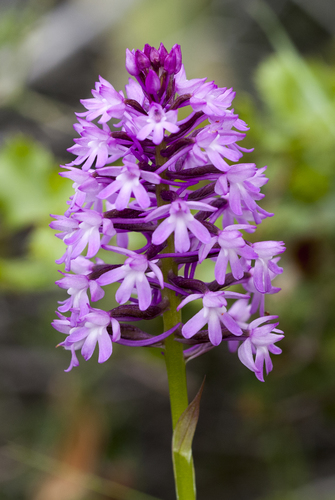
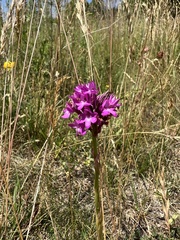
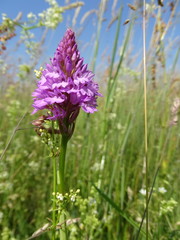
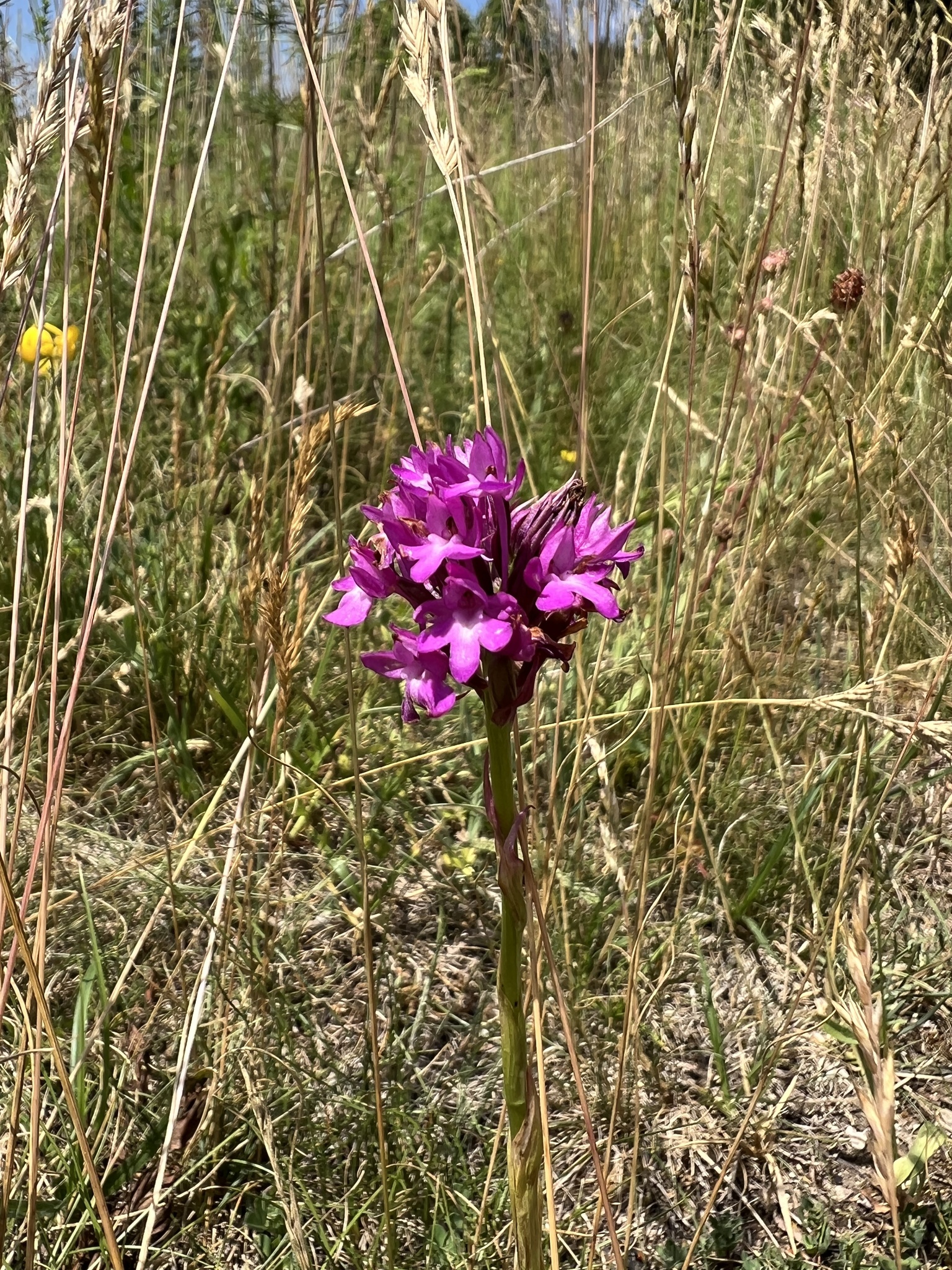
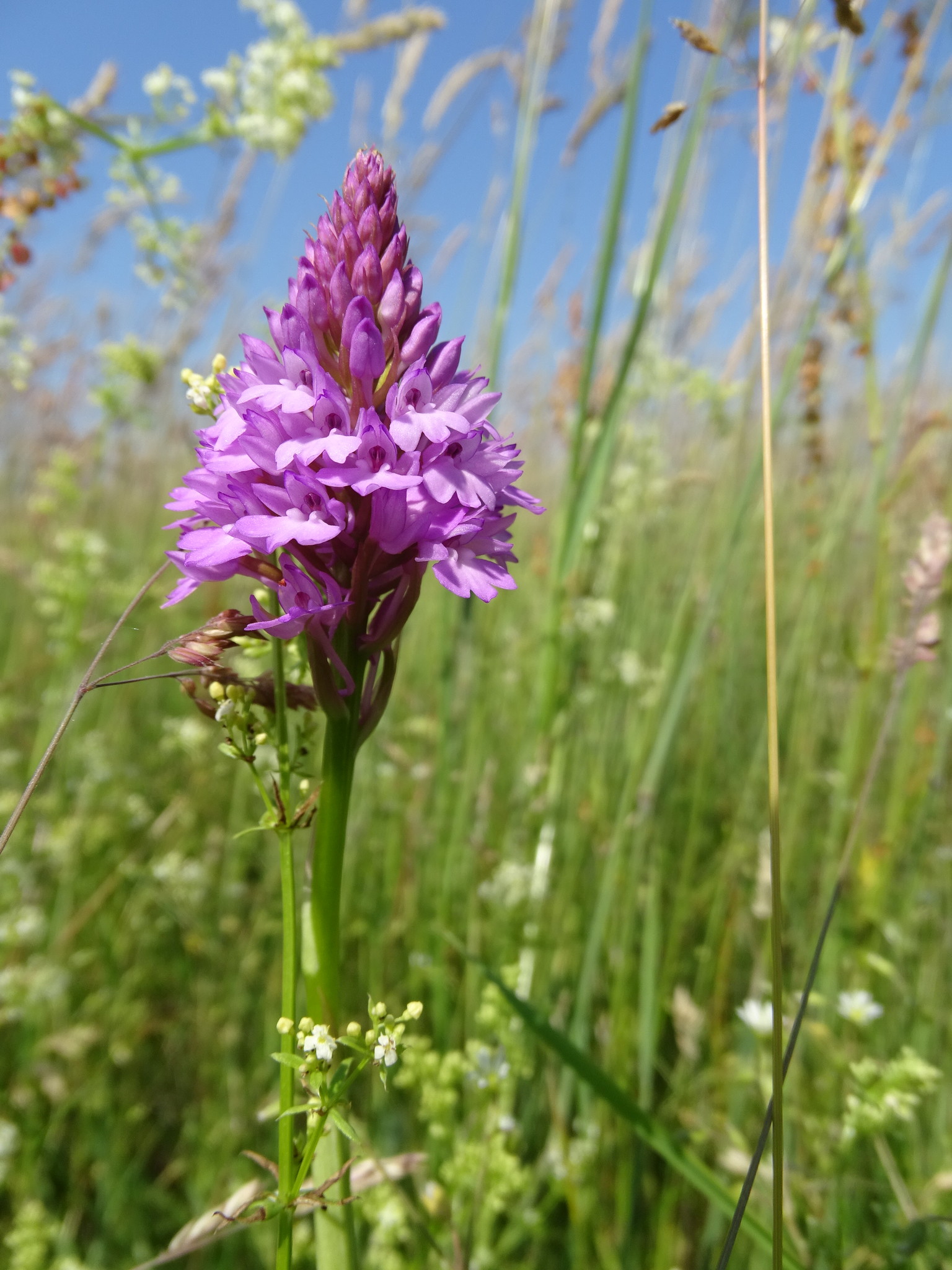
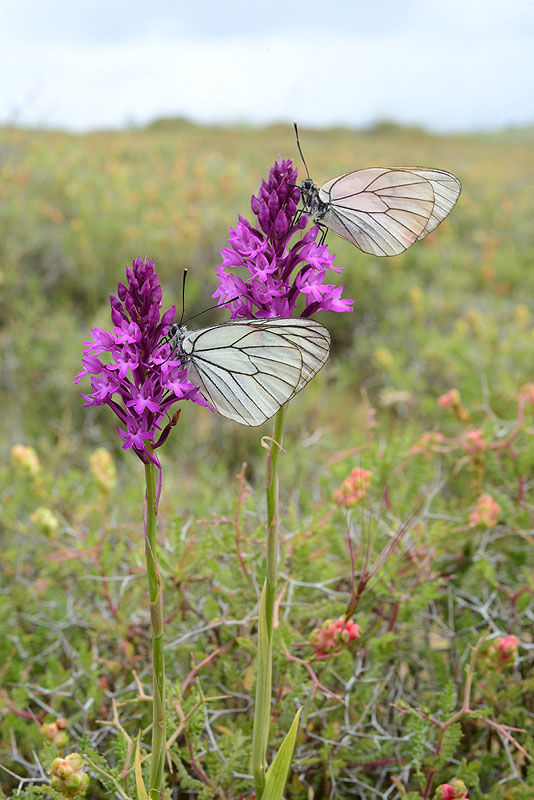
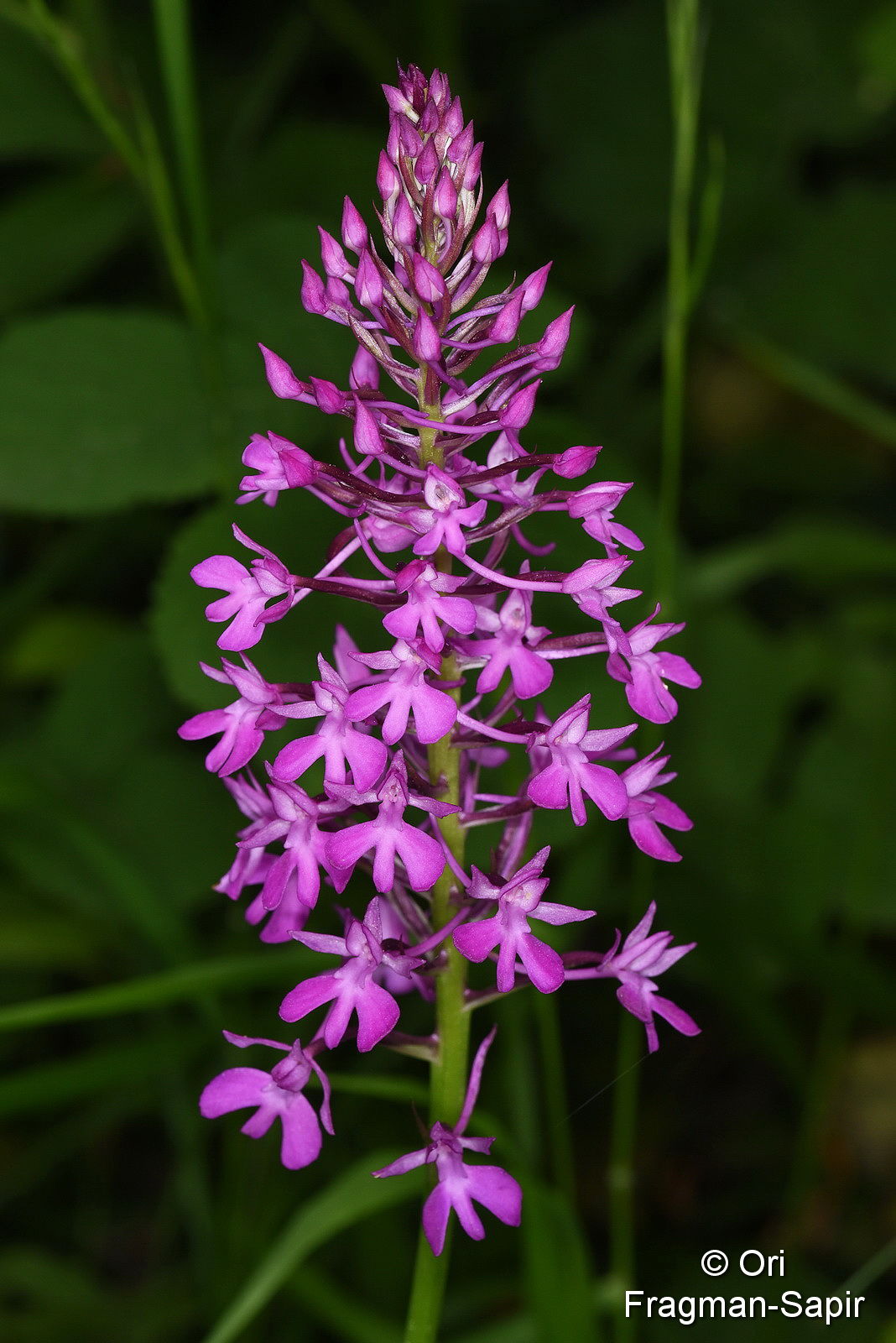
Pyramidal orchid (Anacamptis pyramidalis) is a terrestrial perennial in the Orchidaceae. Its dense pink flower spike is conical early in bloom. Two small ridges on each flower guide the proboscis of visiting butterflies and moths.
Read morePyramidal orchid and Common pyramidal orchid
Orchis pyramidalis and Aceras pyramidale
Allow a few hours of direct sun per day, preferably morning or evening.
Full sun in open ground; partial shade is tolerated.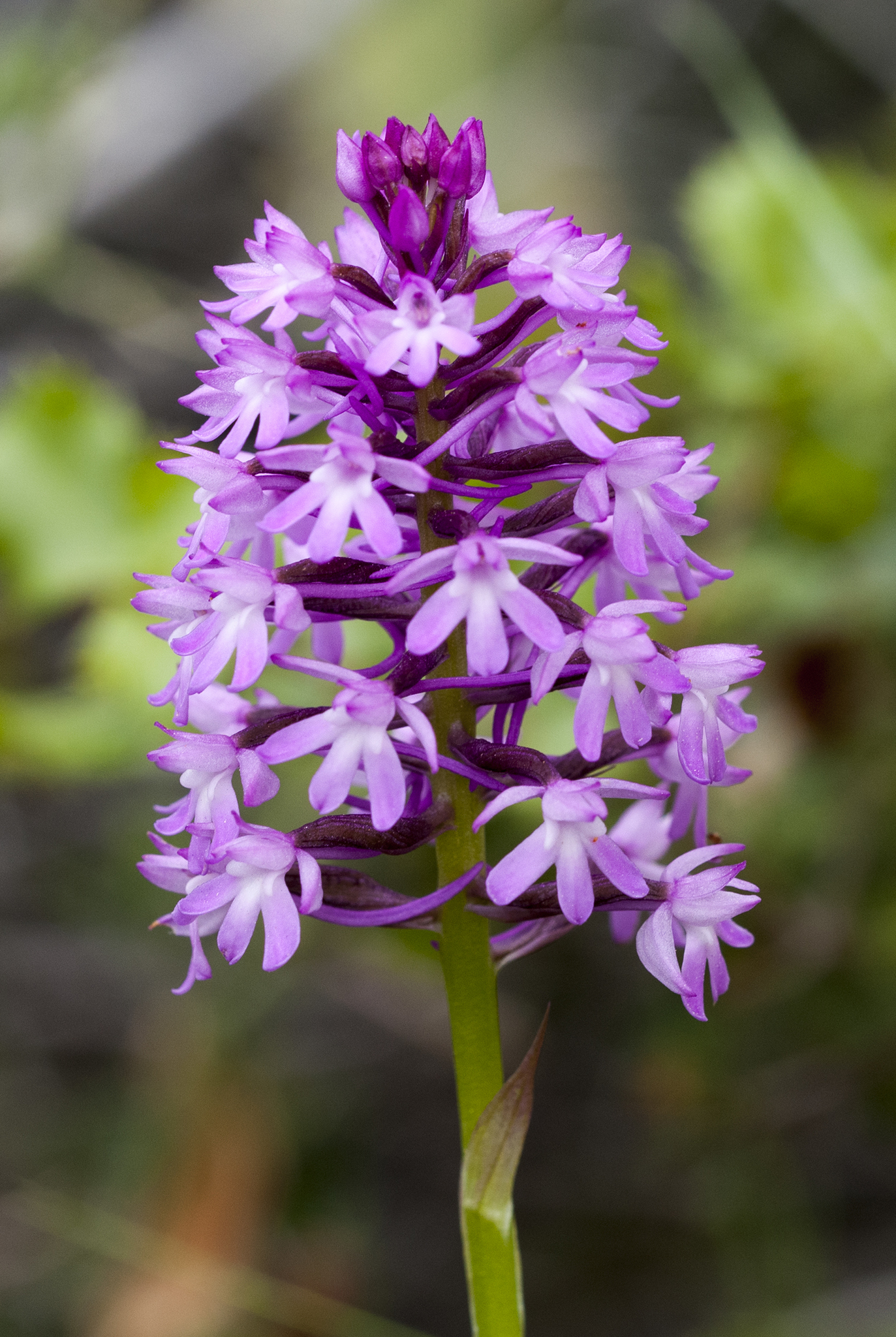


© photo
(c) Zeynel Cebeci, some rights reserved (CC BY-SA) · cc-by-sa
Mirko Ubović · cc0
Grzegorz Grzejszczak · cc-by-sa
Taken Jan 5, 2021 by Erich🦅 Ju (cc-by-sa)
Taken May 14, 2021 by francois tissot (cc-by-sa)
Taken May 15, 2014 by Photoflora - Benoit BOCK (©)
Taken Jun 3, 2018 by huy HO (cc-by-sa)
Taken Jun 3, 2020 by Alain Bigou (cc-by-sa)
© copyright of the Board of Trustees of the Royal Botanic Gardens, Kew.




Global distribution
Native to Europe and the Mediterranean region east to northern Iran.
- Native3
- France
- North Africa
- Northern Iran
Hexagons: regions where the plant occurs. Green dots: native range.1
Identity
Pyramidal orchid (Anacamptis pyramidalis (L.) Rich., 1817) is a terrestrial perennial orchid. Its pink flower spike forms a pyramid early in flowering, then lengthens and becomes rounder. A plant near the end of flowering can therefore have an oval spike while retaining the species' other characters. 846
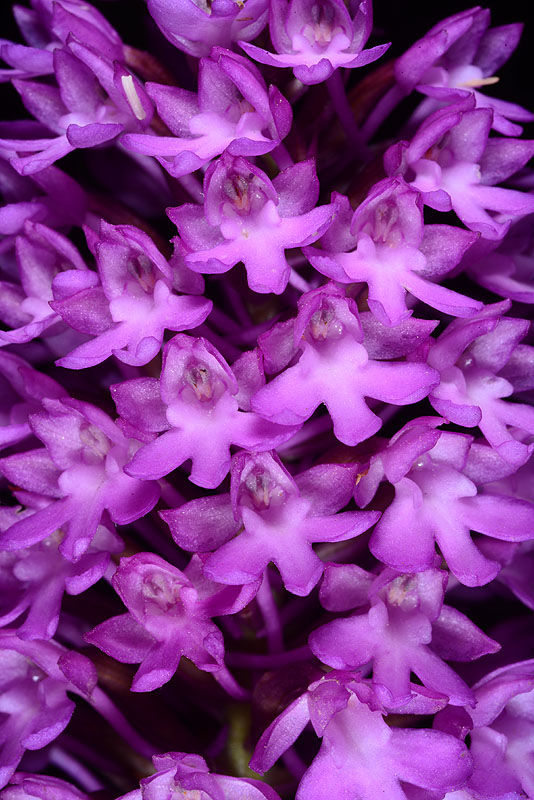
A member of the Orchidaceae, it passes part of its life cycle through tuberous underground organs. Its slender outline and narrow leaves differ from the large tropical orchids grown indoors. Flowers are numerous and closely packed, yet each retains the asymmetric orchid structure: the lower petal forms a lip, or labellum. 3
Recognition
Plants usually stand 20–60 cm (8–24 in) tall. Basal leaves are lance-shaped; higher leaves clasp the stem and have reduced blades. The dense spike commonly measures 4–8 cm (1.6–3.1 in). Flower color ranges from pink to purple, with occasional white individuals, so color alone cannot confirm identification. 46
The lip has three lobes and two projecting ridges at its base. A slender spur points down and curves backward, measuring about 10–14 mm (0.4–0.55 in). Checking the lip, ridges and young spike together gives a firmer identification than a general impression of pink flowers. Front and side photographs preserve these features without picking a stem. 46
Useful taxonomy
The accepted name is Anacamptis pyramidalis. Orchis pyramidalis L. represents Linnaeus's original description in 1753. Richard transferred it to the present genus in 1817, in De Orchideis Europaeis Annotationes, page 33. Parentheses around L. record that change of genus. 216
The synonym Aceras pyramidale (L.) Rchb.f. also appears in older treatments. The everyday word orchid does not place a plant in the botanical genus Orchis. Matching the complete name and author between an old flora and a recent observation avoids counting the same species twice. Three botanical varieties are also recognized within the species. 1
Habitat and range
Native populations extend across Europe and the Mediterranean region to northern Iran. The range includes mainland France, Corsica, North Africa and several Mediterranean islands. A wide range does not mean every meadow supports it: populations follow suitable habitats and can remain widely spaced. 1
In France's Centre region, the species is protected: destroying, picking, uprooting or removing wild plants is prohibited. It is Least Concern on the French national and European Red Lists, but Near Threatened in Corsica. Like other orchids, it also appears in Annex B of the European regulation implementing the Washington Convention, which regulates trade. These geographical and legal scopes should remain explicit. 8
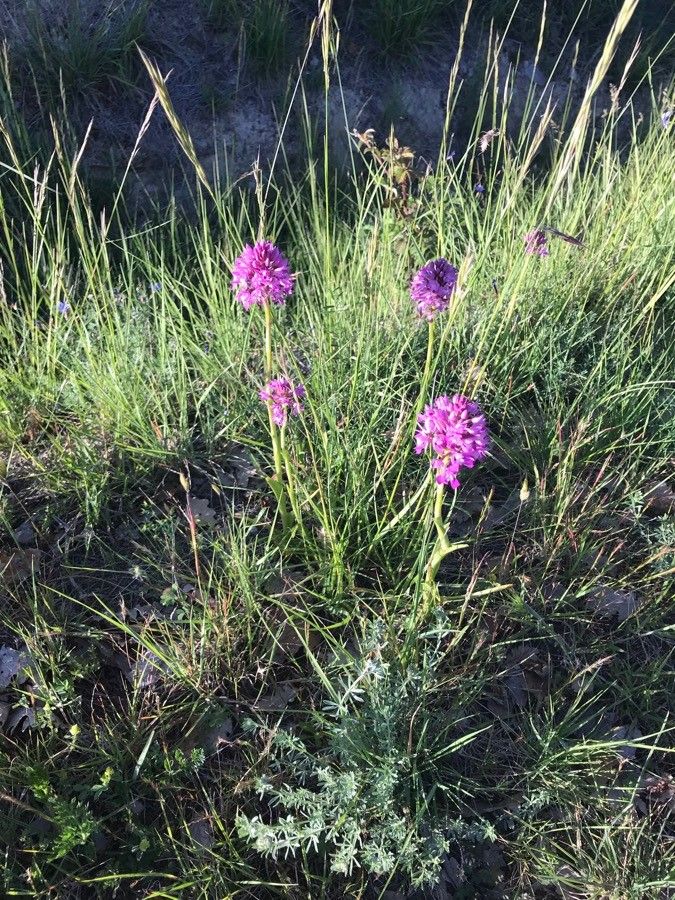
Calcareous grassland and slopes, open woodland and nutrient-poor meadows are characteristic places to observe it. Sunny sites with open vegetation are a useful starting point; stabilized dunes also support it. Drainage matters more than frequent watering. A wet, waterlogged meadow does not reproduce calcareous grassland conditions. The species occurs from sea level to about 1,900 m (6,230 ft). 346
Life cycle and reproduction
In France, flowering runs from May to July, earlier around the Mediterranean and later in mountains. The spike begins conical and lengthens as flowers open. Several visits to the same site reveal the changing outlines without assuming that every stem flowers simultaneously. 36
Flowers produce no nectar. Butterflies and moths nevertheless insert their proboscis into the spur, guided by the two ridges on the lip. Germination and early development depend on a particular mycorrhizal fungus. Sowing in ordinary potting soil is therefore unlike sowing a garden annual; cultivated germination uses laboratory media. Taking a wild tuber is no solution: uprooting wild plants is prohibited in France's Centre region. 68
Uses and risks
Preserving an orchid in grassland begins with respecting its habitat. For a garden, choosing a nursery-propagated plant, sometimes available commercially, avoids removing a wild clump. Container plants can suffer from winter cold, overheating and drying out. 6 Horticultural guidance recommends well-drained, neutral to alkaline soil; partial shade is possible. Slugs and snails can damage plants, and regular pruning is unnecessary. 5
In the eastern Mediterranean, tubers are collected with those of other orchids to make salep, a starch-based drink. That regional use does not justify collecting plants in France. 68
Species-specific toxicity remains undocumented. Absence from a general list does not demonstrate safety because such lists do not include every species. Eating plant material can cause digestive upset in dogs or cats. Pyramidal orchid therefore cannot be considered safe for these animals and is unsuitable for home food gathering. 7
Varieties, look-alikes and related plants
Other pink orchids with long spurs may look similar. Fragrant orchid (Gymnadenia conopsea) is a known confusion. The pyramidal orchid's two basal lip ridges offer a concrete distinction; its scent is described as fox-like rather than sweet. An oval spike remains compatible with the species. Examining an individual flower in a photograph can resolve uncertainty when the overall spike is ambiguous. 6
The varieties dunensis and urvilleana are botanical taxa, not garden cultivars. The former is recorded from the Netherlands to northwestern France and the Channel Islands; the latter is associated with Malta. A white individual is not automatically a commercial variety or a different species. Flower structure and geographical context take precedence over color. 9106
Main sources
The accepted name is Anacamptis pyramidalis (L.) Rich., published in 1817; Orchis pyramidalis and Aceras pyramidale refer to this species. 21
- POWO, Anacamptis pyramidalis
- IPNI, Anacamptis pyramidalis
- Tela Botanica, pyramidal orchid
- Info Flora, pyramidal orchid
- RHS, Anacamptis pyramidalis
- Fay et al., Curtis’s Botanical Magazine, 2024
- ASPCA, scope of the toxic-plant list
- INPN, TAXREF, Anacamptis pyramidalis
- POWO, Anacamptis pyramidalis var. dunensis
- POWO, Anacamptis pyramidalis var. urvilleana
Frequently asked questions
Does the flower spike stay pyramidal throughout flowering?
No. It becomes more oval or elongated as the flowers open.
Do the flowers produce nectar?
No. Butterflies and moths visit without receiving a nectar reward.
Can a wild pyramidal orchid be moved from a meadow?
No. Uprooting and removing wild plants is prohibited in France’s Centre region. The plant also depends on soil fungi wherever it grows. Choose nursery-propagated plants for a garden.
If you are unsure about a plant’s toxicity, ask a botanist or veterinarian for advice.