
Blue aphyllanthes (Aphyllanthes monspeliensis, )
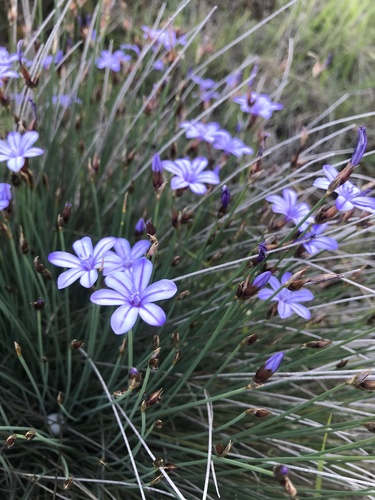
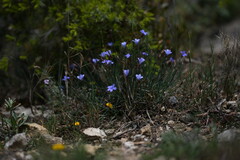
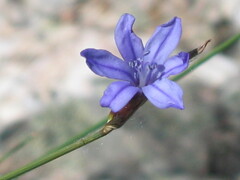
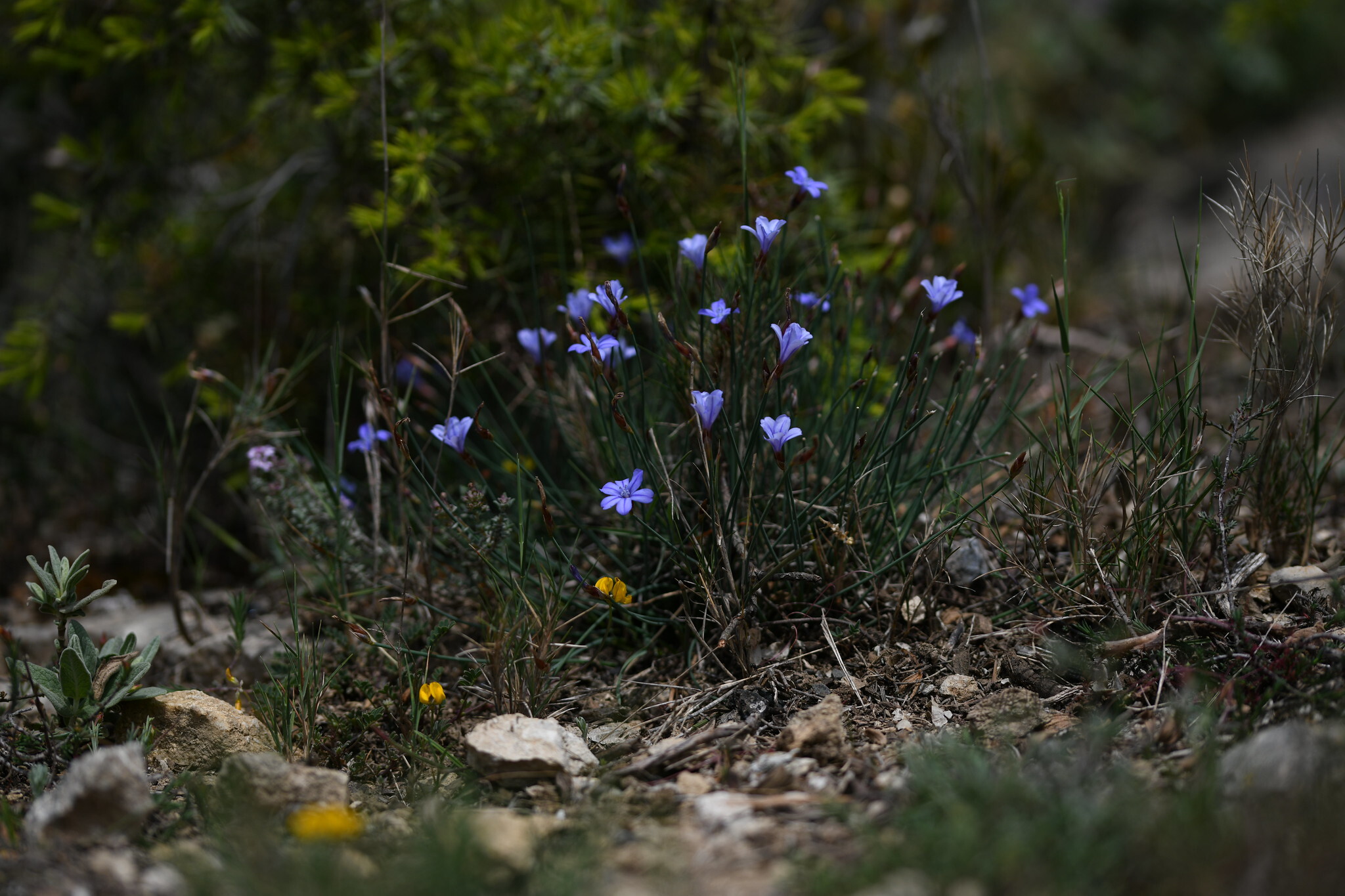
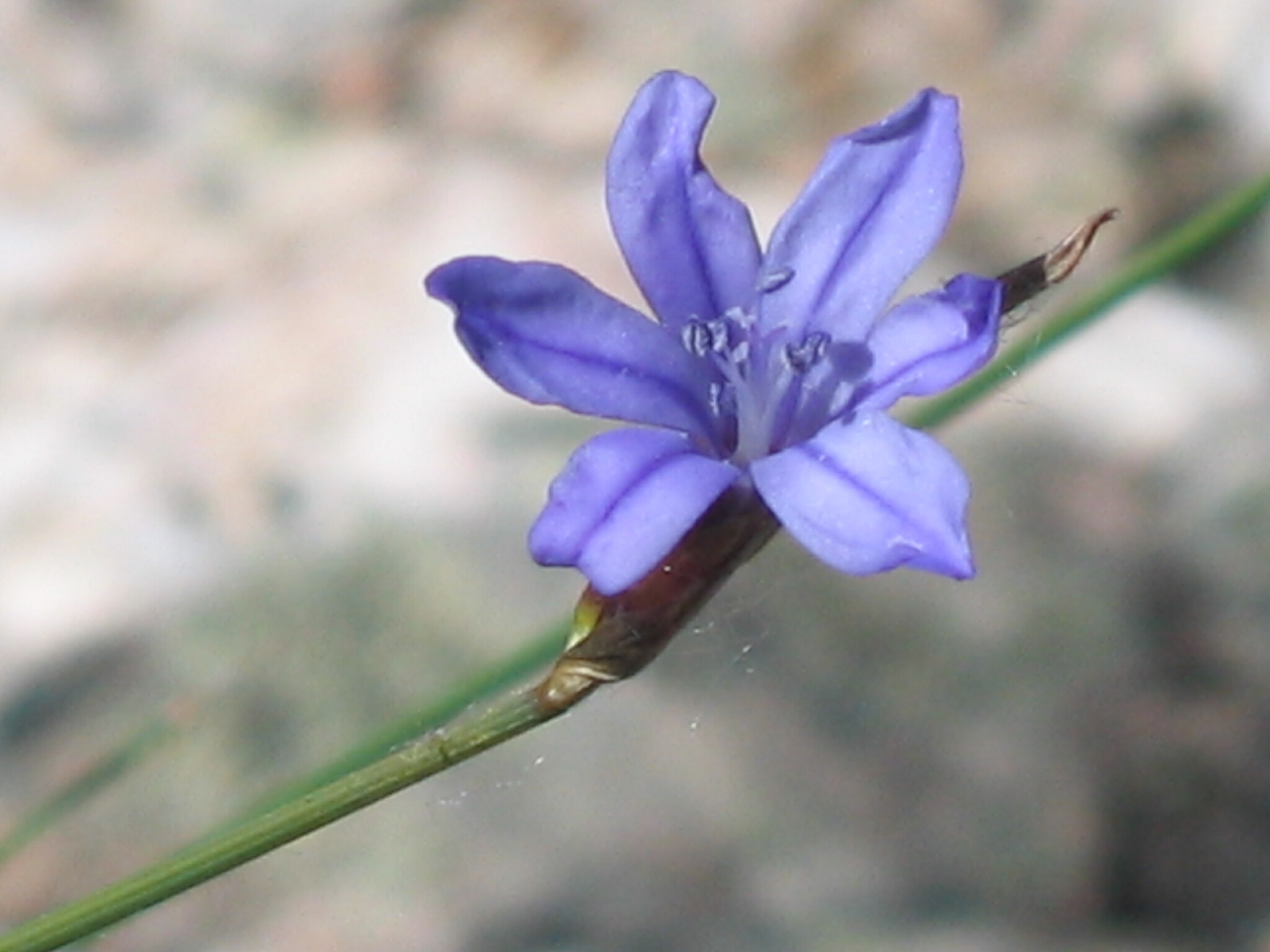
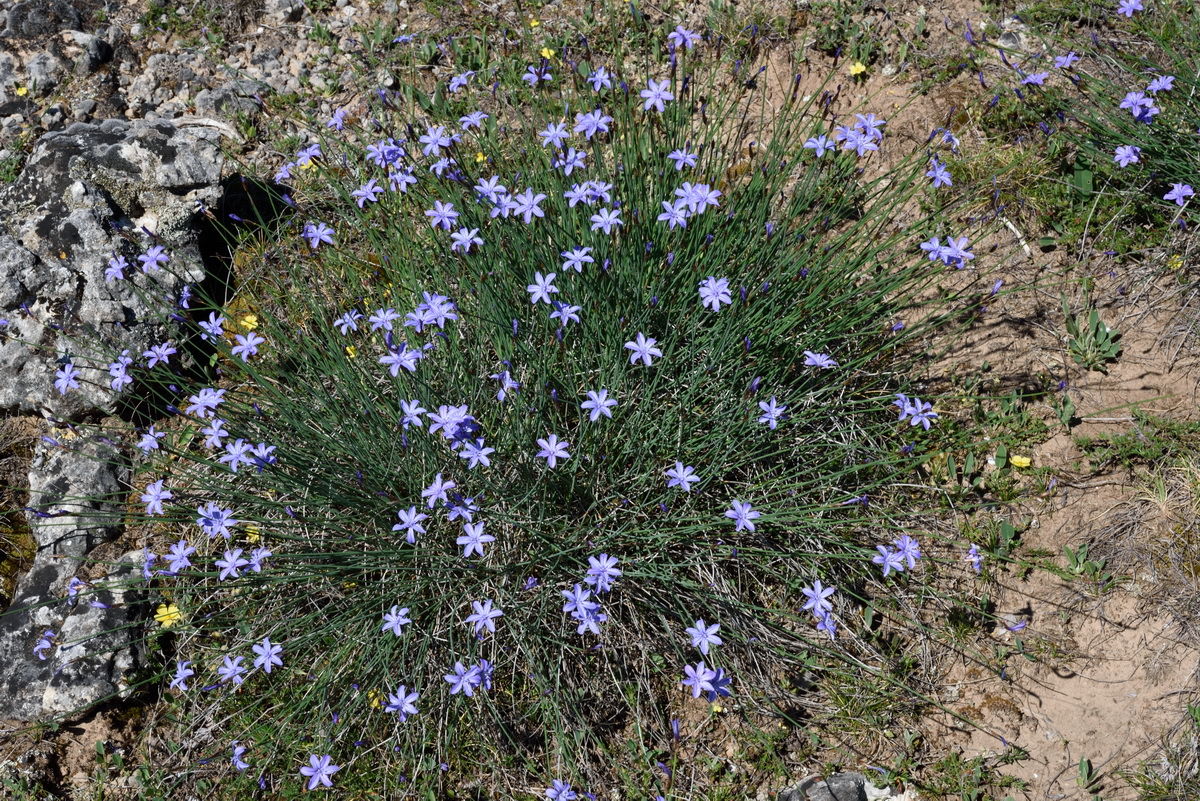
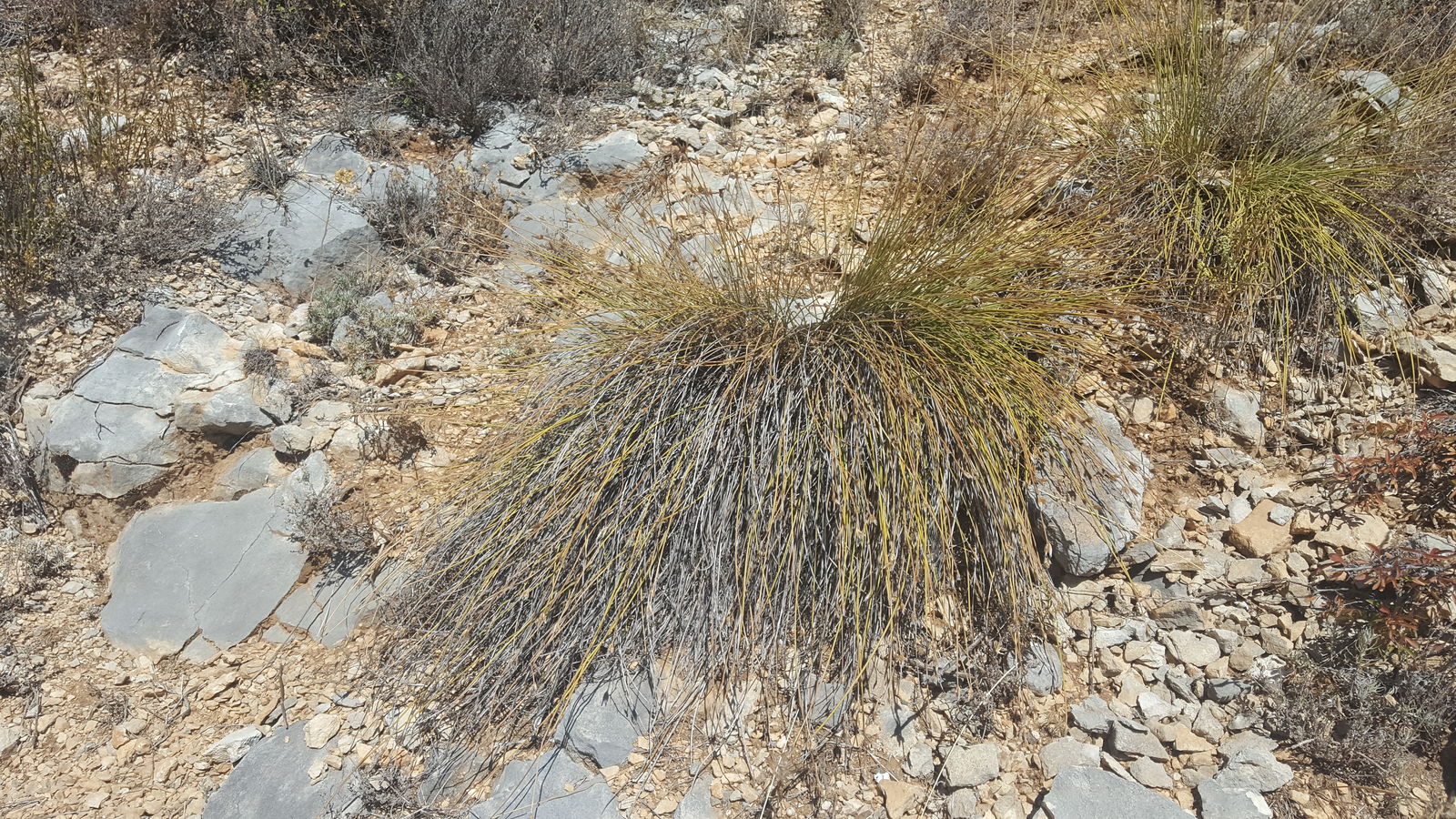
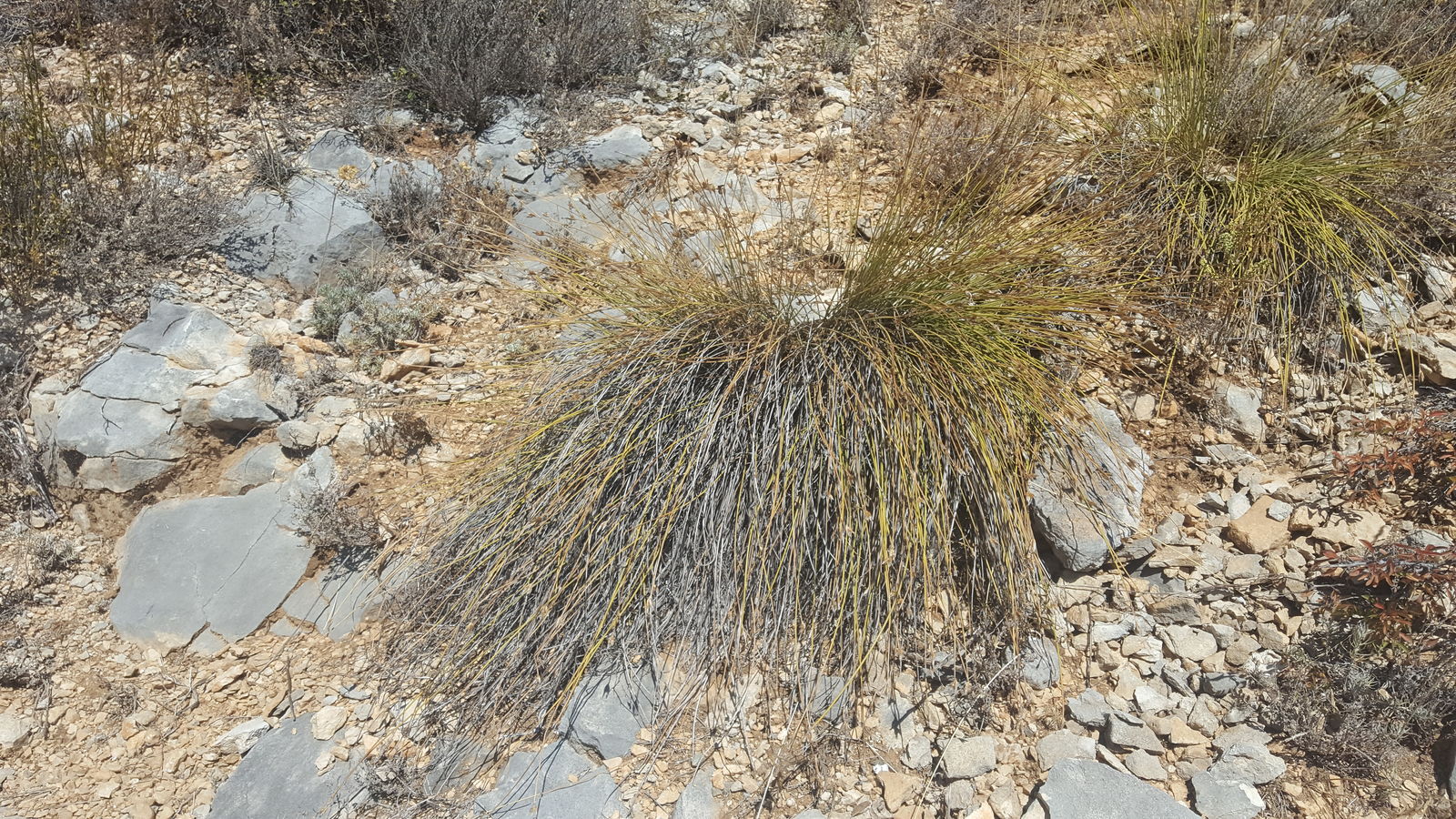
Blue aphyllanthes (Aphyllanthes monspeliensis) is a Mediterranean perennial in the Asparagaceae. Slender, rush-like stems carry blue flowers in local spring. Leaves are reduced to basal sheaths, and the green stems perform photosynthesis.
Read moreBlue aphyllanthes
Aphyllanthes cantabrica, Aphyllanthes juncea and Aphyllanthes monspeliensis f. albiflora
Allow a few hours of direct sun per day, preferably morning or evening.
Full sun, as in its open garrigue habitat.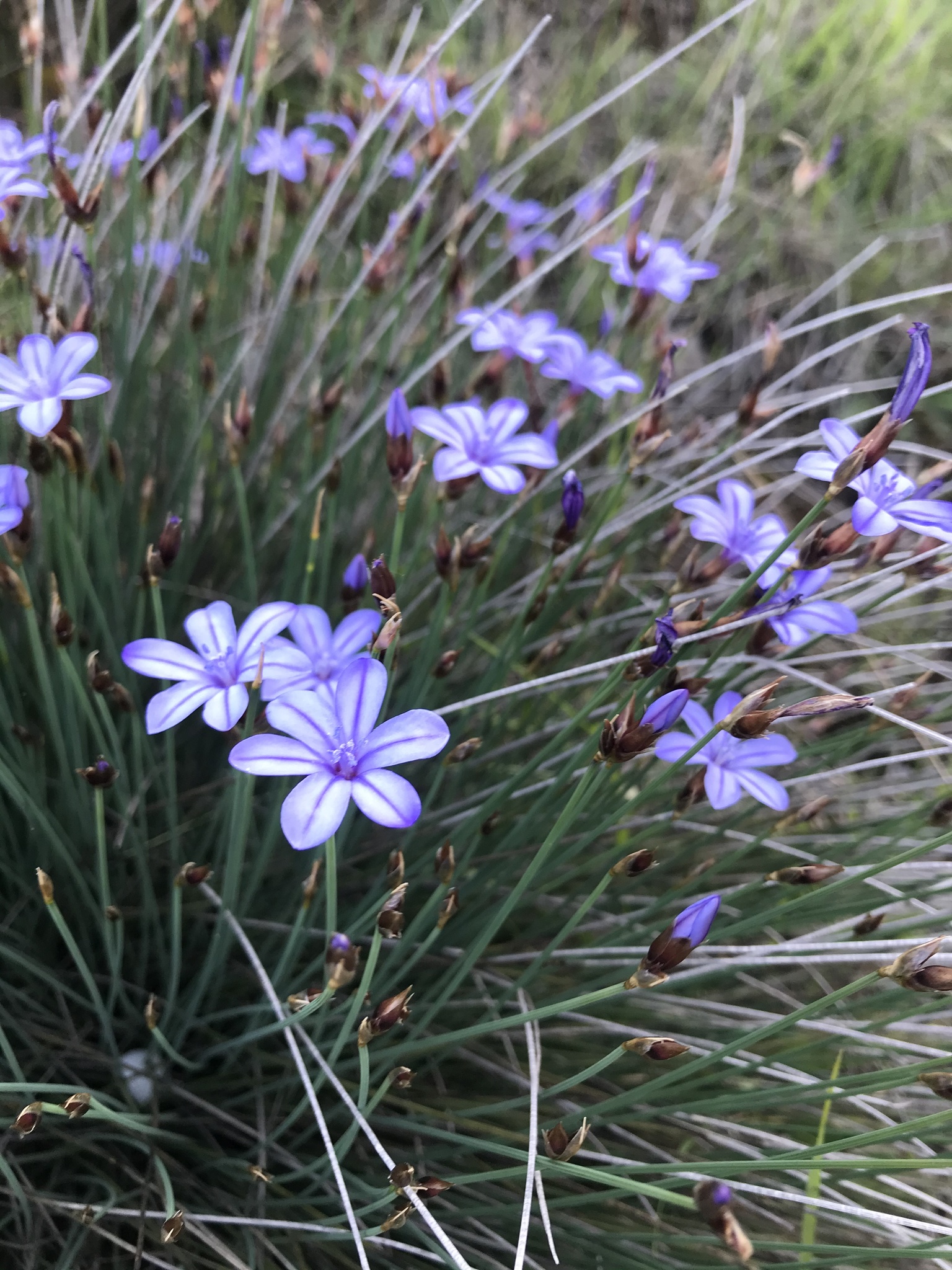


© photo
(c) cabengo, some rights reserved (CC BY-NC) · cc-by-nc
Flavien Saboureau · cc-by
zebedeugalinha · cc-by
Taken May 13, 2019 by natalia scrobota (cc-by-sa)
Taken May 17, 2021 by Mathias GWL (cc-by-sa)
Taken May 29, 2022 by Fabrice Bourriquet (cc-by-sa)
Taken May 28, 2022 by manuseitz (cc-by-sa)
Taken May 23, 2021 by Carlos Junior (cc-by-sa)
© copyright of the Board of Trustees of the Royal Botanic Gardens, Kew.


Global distribution
Native to the western and central Mediterranean, in southern Europe and North Africa.
Identity
Blue aphyllanthes (Aphyllanthes monspeliensis L., 1753) resembles a tuft of rushes topped with blue flowers. The decisive detail is at its base: leaves are reduced to sheaths, while the aerial stems remain green. This perennial still has organs capable of capturing light; its stems perform photosynthesis. 43
French names include œillet bleu de Montpellier, jonciole and bragalou. The reference to a blue pink describes appearance, not a relationship with garden pinks. The species belongs to Asparagaceae, also recognized in current horticultural nomenclature, and retains its accepted Linnaean name. Keep the full binomial when retrieving an observation or ordering a plant, avoiding the ambiguities of local names. 861
Recognition
Slender, stiff, ridged stems form tight tufts. Plants commonly measure 10–25 cm (4–10 in) tall but can reach about 50 cm (20 in). This variation prevents height from serving as the sole criterion: a low tuft and a taller one may belong to the same species. 34
Terminal flowers occur singly or in groups of one to three, surrounded by overlapping dry scales. Their six colored segments spread above a closely gathered, tube-like base. Each segment has a dark blue vein. Flowers are normally blue to violet-blue, rarely white; examine other characters before excluding a pale-flowered plant. 354
Useful taxonomy
Aphyllanthes monspeliensis L. was published in Species Plantarum, page 294, in 1753. The author abbreviation refers to Linnaeus. This dates the modern name, but the plant already appeared in 1571 in a work on plants around Montpellier, under Aphyllanthos, meaning leafless flower. The scientific name is a more stable documentary reference than variable translations of vernacular names. 24
Aphyllanthes juncea Salisb. and Aphyllanthes cantabrica Bubani are synonyms. Older works use Liliaceae, whereas current classification places this one-species genus in its own subfamily of Asparagaceae. Different family names do not necessarily indicate descriptions of two distinct species. Comparing the binomial and its author helps follow the plant between references. 154
Habitat and range
Dry, sunny places are characteristic, notably garrigue and stony limestone ground. The species grows in open pine woodland and shrub communities with rosemary and thyme. Its rush-like appearance should therefore not suggest planting it in permanently saturated ground. 5
The native range covers the western and central Mediterranean. French sites are concentrated in dry southern habitats, extending northward to Ain, Rhône, Aveyron, Gers and the Pyrenees. Occurrence in France does not mean an even distribution nationwide. Consult a local map and choose open habitats when planning field observation rather than generalizing from a single department. 13
Although not nationally threatened in France, the species is Endangered in Aquitaine. It is protected there and in Haute-Garonne and Gers, where picking, uprooting and selling wild plants are prohibited. Garden plants should therefore come from cultivation, never wild collection. These regional protections concern France. 8
Life cycle and reproduction
Flowering runs from April to July in France. Flowering stems emerge from a perennial rootstock, so a tuft survives beyond one flowering season. Blue flowers make it much more conspicuous than vegetative stems alone. Searching in the local spring helps recognition without guaranteeing identical flowering every year. 3
Below ground, rhizomes form a lasting network. Flowers produce three-chambered capsules, each chamber containing one seed, which open at maturity. Examining fruit helps confirm a late-season identification: the plant is more than its flower color. Dry scales around the terminal organs also remain visible after flowering. 43
Uses and risks
Its tufted habit and blue flowers suit dry-ground garden compositions. A waxy cuticle on the stems limits water loss. This adaptation explains their firm appearance and the plant's ability to occupy arid habitats, but does not justify leaving a newly planted specimen without water or observation. 4
Food and medicinal uses are reported, without established safety for the parts consumed or quantities involved. Toxicological status remains unknown for people and domestic animals. General toxic-plant lists do not cover every species: absence of a specific entry cannot establish safety. A familiar outline or historical consumption does not replace toxicological evidence. 57
Varieties, look-alikes and related plants
A white-flowered form is not automatically a cultivar. A botanical form name for white flowers appears among the species' synonyms. Such a name describes variation within the species, without proving that a nursery selection was created. Blue remains the usual color, and other features should guide identification of unusual plants. 13
The most practical confusion is with the habit of rushes. Look at flowers and basal sheaths rather than inferring ecology from resemblance. A flowering aphyllanthes has large, colored terminal segments and normally occupies dry, rocky ground. Its observed garrigue habitat gives better guidance for garden siting than its threadlike stems alone. 5
Main sources
The accepted name is Aphyllanthes monspeliensis L., published in 1753. Green stems take the place of foliage, and the species is protected in parts of southwestern France.
- Plants of the World Online, Aphyllanthes monspeliensis
- IPNI, Aphyllanthes monspeliensis
- Tela Botanica, blue aphyllanthes
- University of Oxford, Plants 400: Aphyllanthes monspeliensis
- University of the Balearic Islands, Herbari Virtual
- RHS, Aphyllanthes monspeliensis
- ASPCA, limitations of the toxic-plant list
- INPN, TAXREF : Aphyllanthes monspeliensis
Frequently asked questions
Is blue aphyllanthes a rush?
No. Its stems resemble rushes, but its blue flowers and placement in the Asparagaceae distinguish it.
Why does it appear leafless?
Leaves are reduced to basal sheaths. The green stems perform photosynthesis and carry the flowers.
When does blue aphyllanthes flower?
Flowering runs from April to July in France, with dates varying by locality and year.
If you are unsure about a plant’s toxicity, ask a botanist or veterinarian for advice.