
Indian shot (Canna indica, )
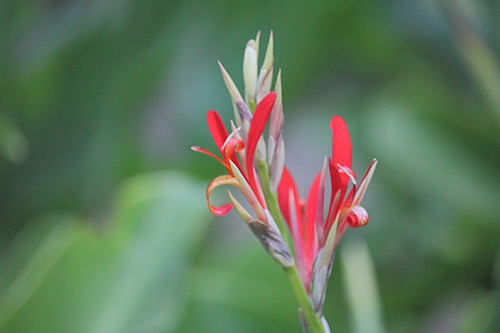
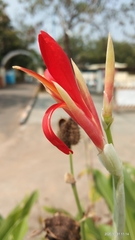
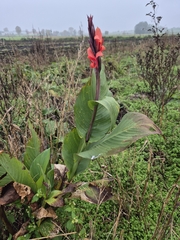
Indian shot (Canna indica) is a rhizomatous perennial in the Cannaceae family, native to the Americas. Its broad foliage and red, orange or yellow flowers create a tropical effect, while its frost-sensitive rhizomes need winter protection in cold climates.
Read moreIndian shot, Edible canna, Canna and Achira

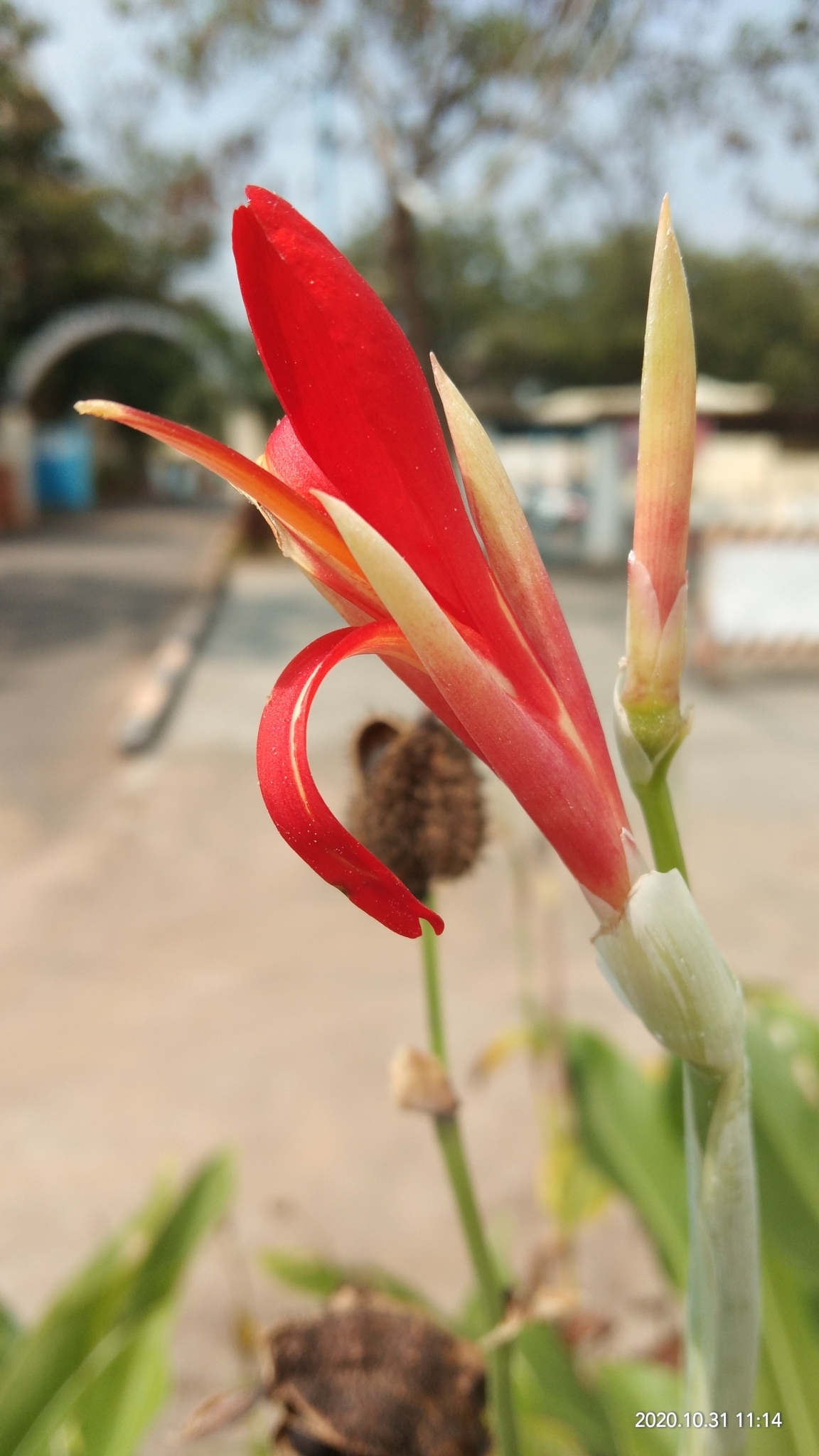



© photo
(c) orlandomontes, some rights reserved (CC BY-NC), uploaded by orlandomontes · cc-by-nc
Swarochi Tathagath · cc-by
Christoph Moning · cc-by
Taken Mar 9, 2013 by Daniel Barthelemy (cc-by-nc)
Taken Nov 18, 2020 by Tyrone Edmunds (cc-by-sa)
Taken Jun 20, 2022 by شهاب الدين جابر (cc-by-sa)
Taken Aug 20, 2019 by Ilona Sychevska (cc-by-sa)
Taken Oct 19, 2019 by Marta Naharro i Via (cc-by-sa)
© copyright of the Board of Trustees of the Royal Botanic Gardens, Kew.


Identity
Indian shot (Canna indica L., 1753) is an accepted species in the Cannaceae family. POWO, WFO, IPNI and Wikidata establish its botanical identity, placing the genus Canna in the order Zingiberales. The species appears in the Floralens selection of red flowers, where the name refers to this species rather than the entire genus. 2 3 1
Garden labels often use the broad name canna, while edible canna and achira also refer to this plant. Many cannas sold in nurseries are hybrids or cultivars with purple or variegated foliage and particularly large flowers. The botanical species Canna indica should be distinguished from that horticultural complex. 5 6
For a border built around red flowers, the distinction matters: a photograph or cultivar may show spectacular color, but the underlying growing requirements remain a rhizome, warmth, regular water, full sun and protection from frost. 7
Recognition
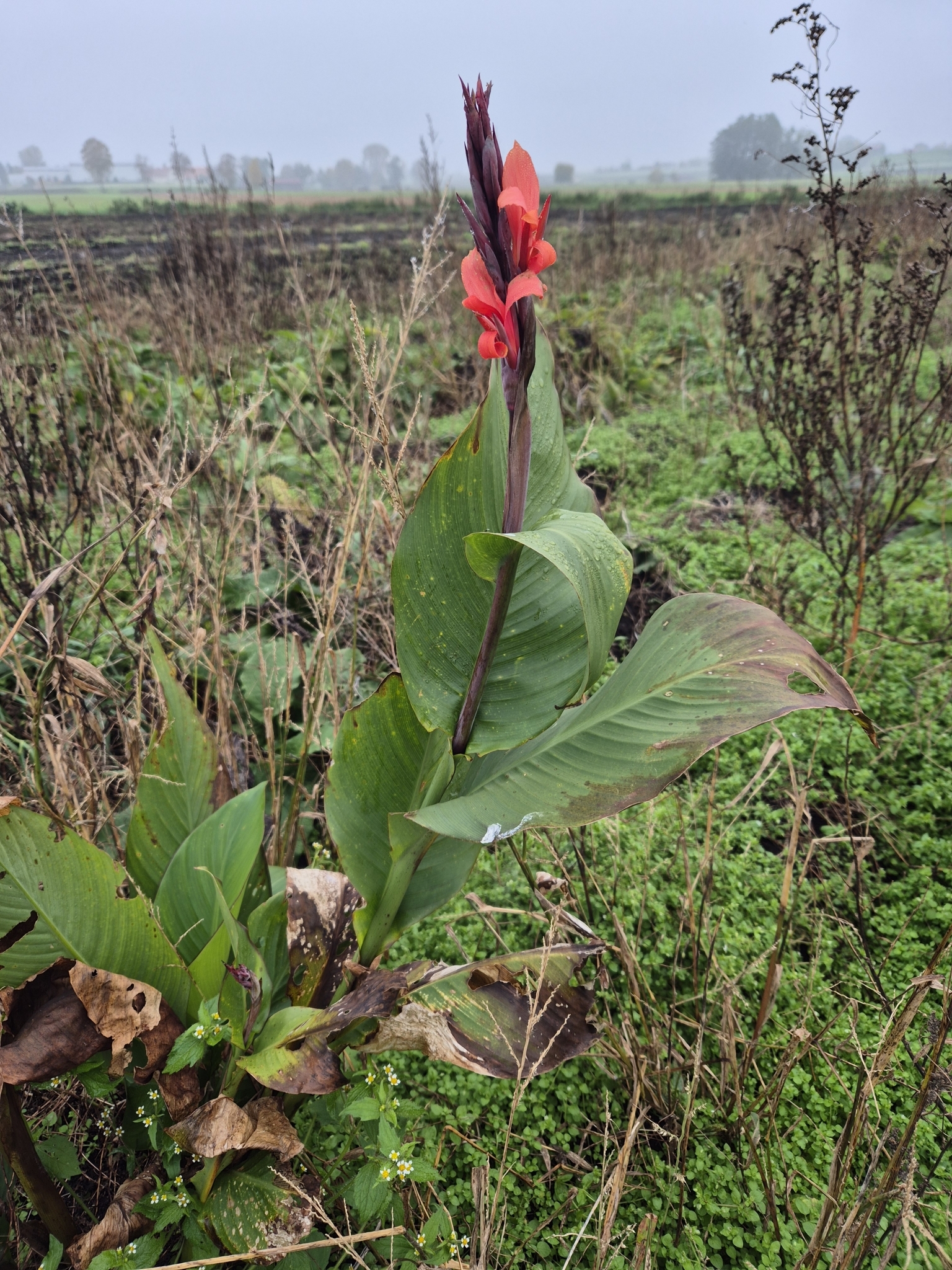
Broad, sheathing leaves give Indian shot the tropical appearance of a small banana plant, although it is unrelated to bananas at the genus level. Its stems stand upright, the wide leaves are green or sometimes purple depending on the form, and flowers rise above them on tall stalks. 5 8
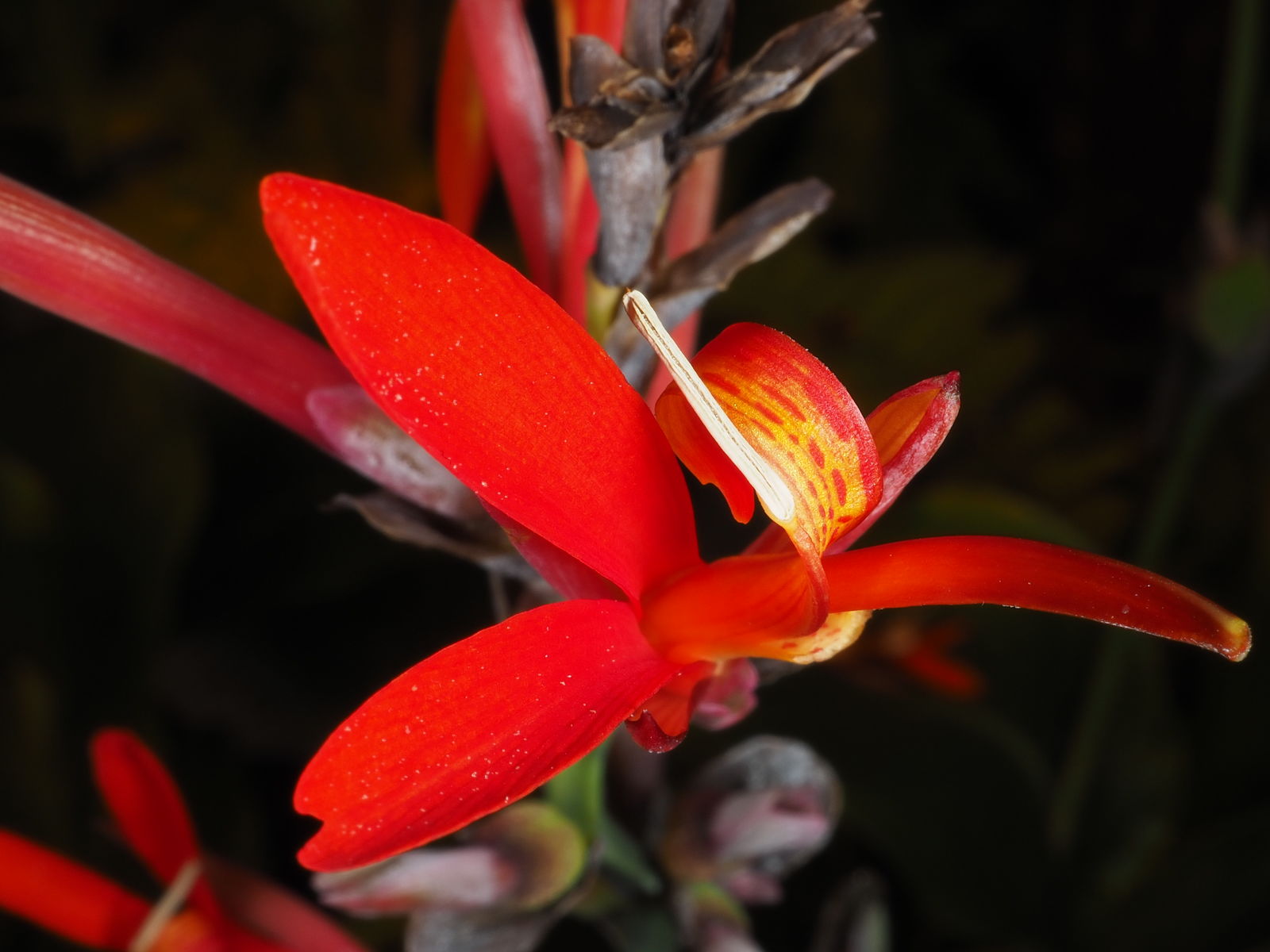
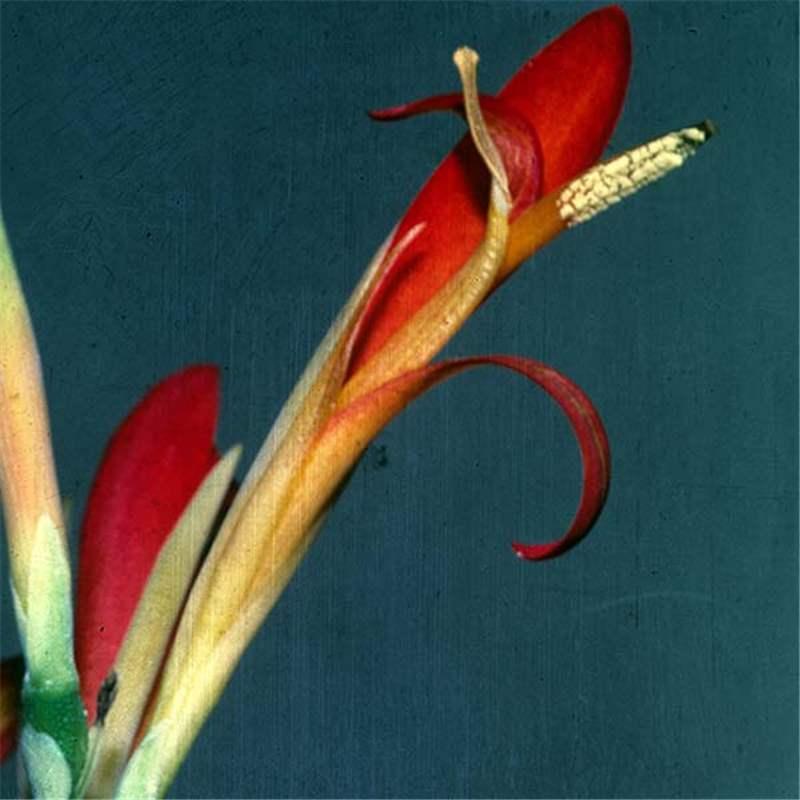
Red, orange or yellow flowers have the asymmetric structure characteristic of Zingiberales. The exceptionally hard seeds explain the English name Indian shot. In a planted border, the foliage contributes as much to the display as the blooms. 5
Rhizomes determine both spring recovery and winter survival. Shoots killed by frost can regrow if the underground rhizome remains alive; a rhizome rotted by cold, waterlogged conditions cannot recover. This storage organ is therefore central to cultivation. 7 8
Flowers help distinguish cannas from bananas and colocasias. Their conspicuous blooms sit at the top of the stems, whereas many other tropical-looking plants are grown chiefly for foliage. Indian shot adds both a substantial leafy backdrop and a strong floral accent to red planting schemes. 5
Summer cultivation
Warmth, light and nutrients support vigorous summer growth. Plant Indian shot after the soil warms, in full sun and rich soil that retains moisture without becoming waterlogged. Large containers need more regular watering than plants growing in the ground. 7 8
Moist conditions suit cannas better than Mediterranean plants such as lavender and rosemary. They combine well with dahlias, red sages, colocasias and soft grasses in lush borders. Dry, impoverished soil instead produces smaller leaves and fewer flowers. 7
Strong winds can tear the broad leaves. This damage does not necessarily threaten survival, but it reduces the ornamental effect. A warm position with some shelter produces more attractive foliage and straighter flower stalks. 8
Feeding should support growth while the soil remains well aerated. Mature organic matter at planting, followed by regular attention to container plants, is often sufficient. Pale, small or slow-growing leaves more often signal insufficient warmth, nutrients or water than a need for pruning. 7
Overwintering and propagation
Cold-temperate winters blacken the foliage at the first frosts. The top growth can then be cut back and the rhizomes lifted, allowed to dry on the surface and stored frost-free. In mild climates with well-drained soil, a mulched clump may remain outdoors, though winter conditions and moisture strongly affect the risk. 7
Dividing rhizomes is the main propagation method. Each section needs buds or visible growing points. Raising plants from seed is possible but produces variable, slower-growing plants, making it better suited to collections than to quickly filling a border. 5 7
Expansion also needs attention in warm regions. Cannas can naturalize in many tropical and subtropical areas. The French record does not mark Canna indica as invasive in metropolitan France, but rhizomes and discarded clumps should still be handled carefully; that record does not establish its status elsewhere. 6 2
Uses and safety
Rhizomes of achira provide starch in some regions, but this established food use differs from growing an ornamental nursery canna. Avoid improvising culinary uses with garden-center plants, especially when their identity or treatment history is uncertain. 5
Common horticultural references do not place canna among highly toxic plants for cats, dogs or horses. Chewing rhizomes, seeds or leaves may nevertheless cause digestive discomfort. Keep discarded pieces from division out of reach of animals. 8
Ornamental planting is the principal use here: Indian shot gives red borders structure, adds a tropical backdrop and extends the summer display into the first cool weather. Sensible placement and reliable identification guide its use as a garden plant. 7
Very hard seeds may attract children’s attention. Do not offer them as beads or toys, particularly if the plant has been treated. After fruiting, removing spent flower stalks keeps the clump tidy and limits unwanted seedlings. 5
Role in the blog
Within the Floralens red-flower selection, Indian shot supplies a bold summer red quite different from a spring anemone or poppy. Its species profile explains the warmth, water and space behind that display. 9 5
The species profile at /encyclopedia/canna-indica retains that precise identification while explaining that garden cannas may be related cultivars or hybrids. A species-level reference helps readers distinguish the named plant from the broader nursery group. 2 7
Main sources
- Wikidata, Canna indica
- Plants of the World Online / Kew, Canna indica
- World Flora Online, Canna indica
- International Plant Names Index, Canna indica
- Wikipedia EN, Canna indica
- Wikipedia EN, Canna
- Royal Horticultural Society, how to grow canna
- NC State Extension, Canna indica
- Floralens, selection of red flowers
If you are unsure about a plant’s toxicity, ask a botanist or veterinarian for advice.