
Montpellier cistus (Cistus monspeliensis, )
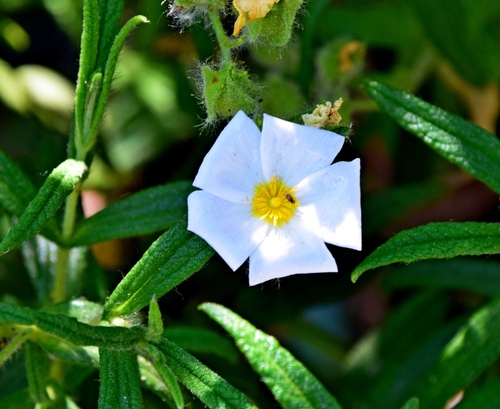
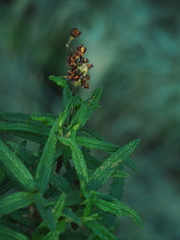
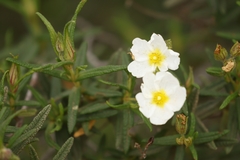
Montpellier cistus (Cistus monspeliensis) is an evergreen Mediterranean Cistaceae shrub with narrow, rough, sticky leaves. Small white flowers open successively in late spring.
Read moreMontpellier cistus
Stephanocarpus monspeliensis, Cistus affinis and Cistus collinus
Place in full sun, with intense direct light all day long.
Full sun in a warm, sheltered position.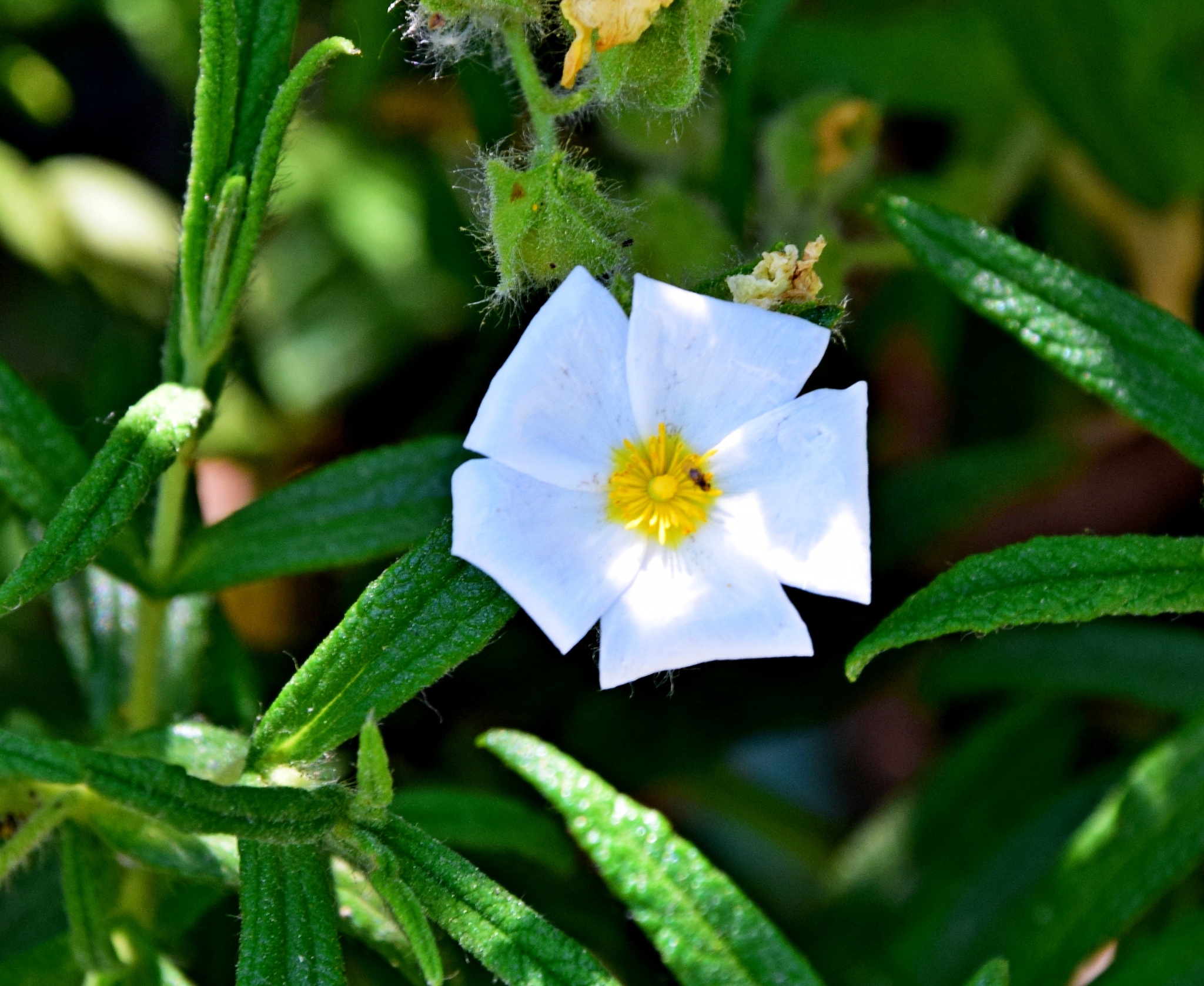


© photo
(c) Krzysztof Golik, some rights reserved (CC BY-SA) · cc-by-sa
Andra Waagmeester · cc0
Philip Precey · cc0
Taken May 22, 2014 by Tela Botanica − Michel GAU (cc-by-sa)
Taken Apr 13, 2013 by Tela Botanica − Daniel Barthelemy (cc-by-sa)
Taken Feb 20, 2013 by Tela Botanica − Yoan MARTIN (cc-by-sa)
Taken Aug 22, 2020 by maire sofia (cc-by-sa)
Taken May 1, 2018 by Francesc Riudavets (cc-by-sa)




Global distribution
Native to Macaronesia and the Mediterranean region; introduced in California.
- Native2
- Introduced1
- Mediterranean France
- Corsica
- California
Hexagons: regions where the plant occurs. Green dots: native range.1
Identity
Montpellier cistus (Cistus monspeliensis L., 1753) combines narrow, sticky leaves with small white flowers. This evergreen shrub belongs to Cistaceae, order Malvales. Its name evokes Montpellier, but its native range extends far beyond that area, covering Macaronesia and much of the Mediterranean. 13
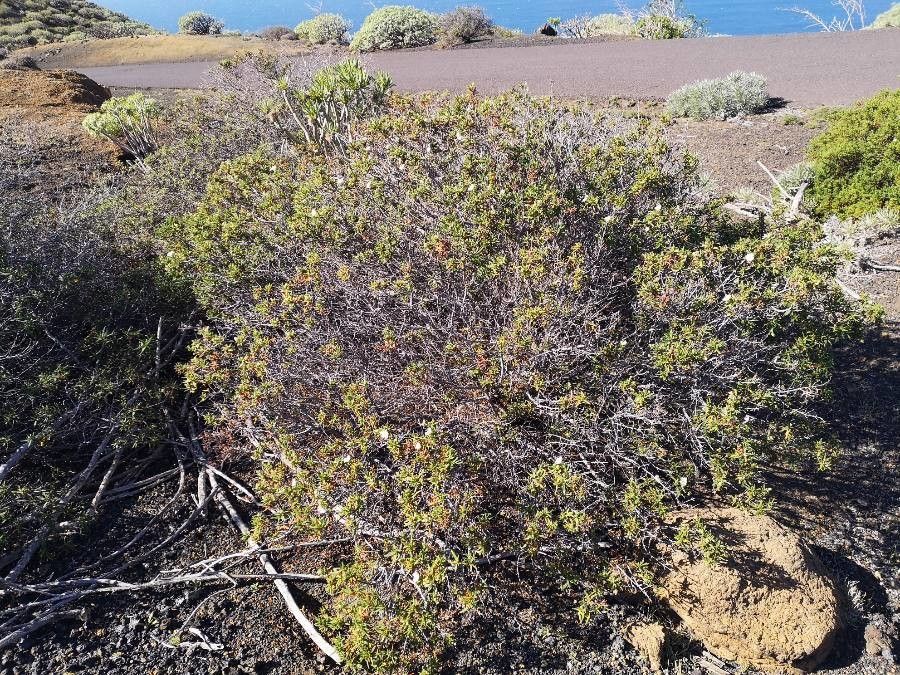
The plant retains a bushy habit. Garden dimensions are 50–100 cm (20–39 in) high by 100–150 cm (39–59 in) wide. Width deserves as much attention as height: a compact young plant can gradually occupy much of a small border. These horticultural values do not describe every wild individual. 4
Recognition
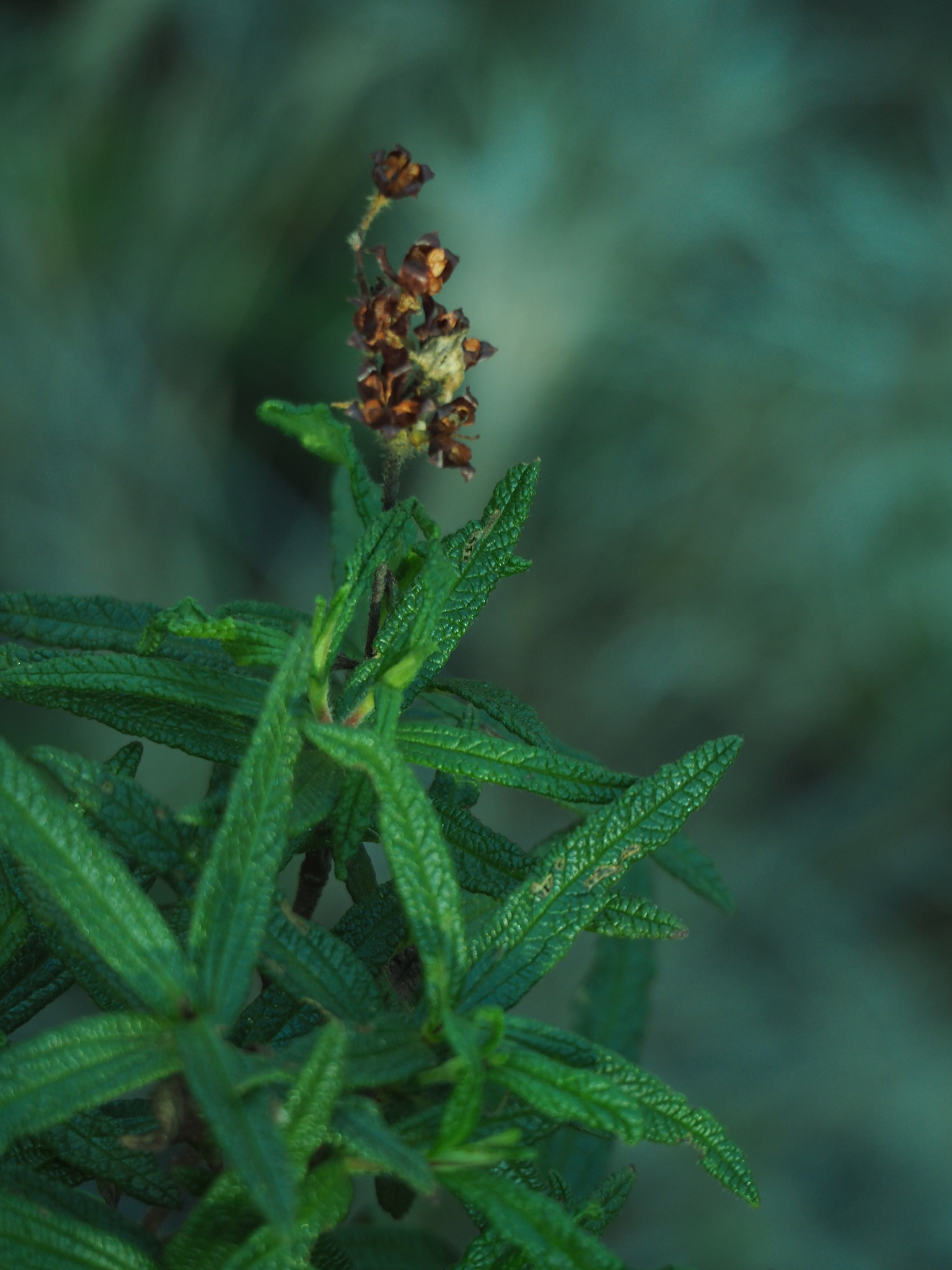
Stalkless, three-veined leaves are useful outside flowering. They are linear to lance-shaped, rough and net-veined, with rolled margins. Shoots, flower stalks and calyces are hairy and sticky. Dark-green foliage distinguishes this cistus from the general image of silvery Mediterranean shrubs. 34
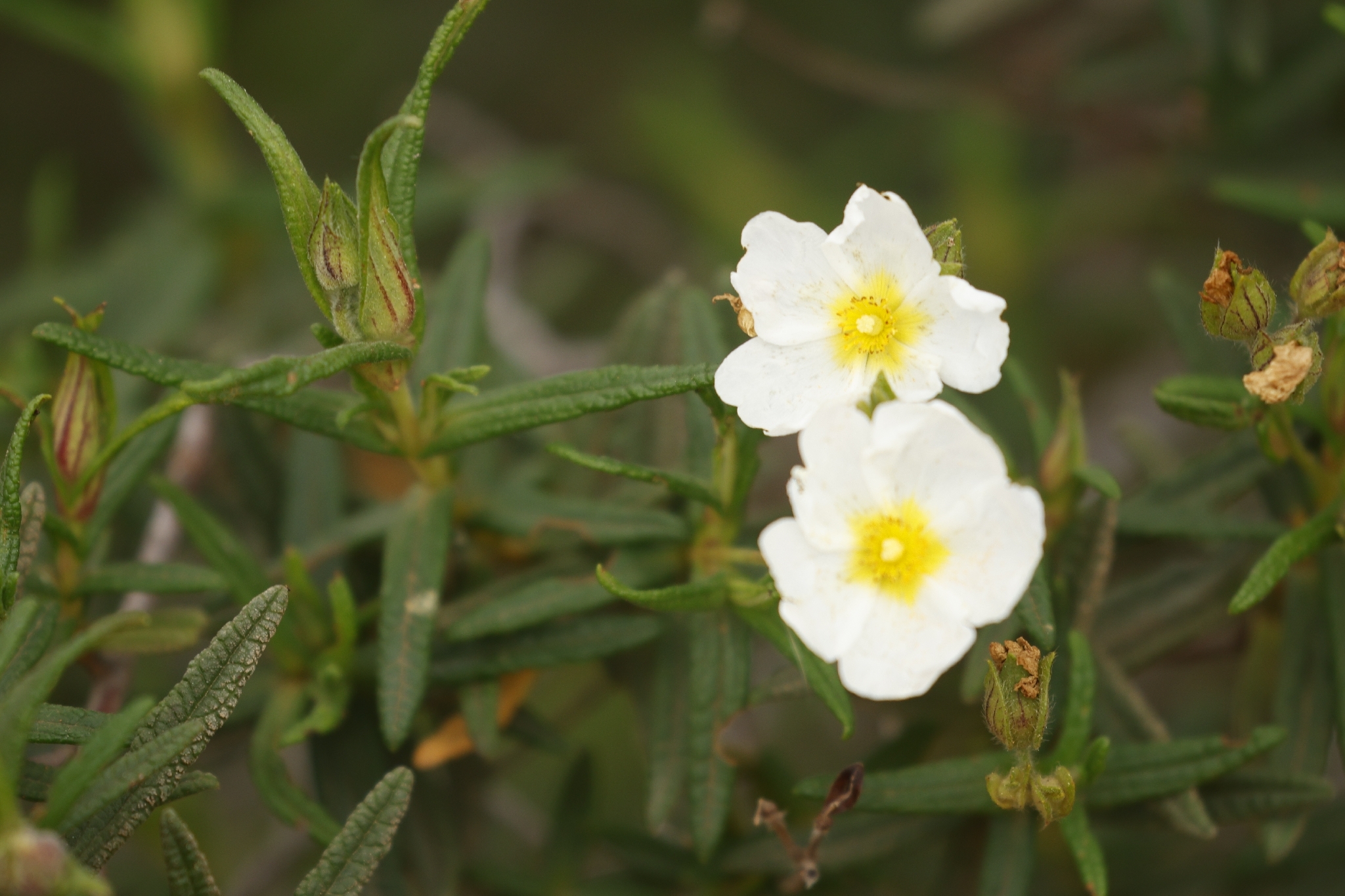
Flowers measure 2–3 cm (0.8–1.2 in) across and have five white petals. A small yellow zone at their bases can form a ring around the yellow stamens. Buds are also hairy. Flowers occur in small groups of two to eight, facing one side of the axis. Combining narrow foliage and small flowers gives a firmer identification than white petals alone. 63
Useful taxonomy
Linnaeus published Cistus monspeliensis in 1753, in volume one of Species Plantarum, page 524. The name remains accepted. L. denotes the botanical author, rather than a cultivar or geographical indication. Keep the full binomial to avoid ambiguity on labels simply reading white cistus. 21
Older names include Stephanocarpus monspeliensis (L.) Spach, Cistus affinis Bertol. ex Guss. and Cistus collinus Salisb.. A synonym need not represent another plant to buy. Conversely, the numerous cistus hybrids cannot be identified solely from a parent's occurrence in their ancestry. 12
Habitat and range
Garrigue, maquis and dry slopes provide habitat. In France it occurs in Provence, Languedoc, Roussillon and Corsica, extending to Aveyron, Tarn and Tarn-et-Garonne. Thin or poor soil does not prevent growth. In gardens, full sun and drainage matter more than high fertility. 34
The Red List for the flora of metropolitan France classes it as Least Concern. Regional lists nevertheless assess it as Near Threatened in Midi-Pyrénées and Endangered in Poitou-Charentes. These are geographically distinct assessments. 7
Native territories include the Iberian Peninsula, Canary Islands, Madeira, southern France and Mediterranean parts of North Africa and Europe. California is recorded as introduced. Native status in France and introduced status on another continent concern different places. The name Montpellier alone cannot establish the origin of a population. 1
Life cycle and reproduction
In France flowering occurs chiefly in May and June. As with other cistus, an individual flower lasts one day, but successive buds extend the display. Petal fall after a day does not necessarily indicate a watering problem. The fruit is a five-chambered capsule covered by the calyx. 364
Propagate from ripe seed, or take softwood cuttings in summer. Cuttings preserve a selected plant's characters, while seedlings can differ from the parent. Plants raised by either method grow quickly and can flower well in their second summer. 45
Uses and risks
Drainage is the first requirement for successful cultivation. Choose a sunny, sheltered position; a rock garden or gravel bed can suit it. Limestone is generally tolerated, but very chalky soil may cause chlorosis. Drought tolerance does not eliminate the needs of a young, incompletely rooted plant. 4
Established cistus responds poorly to severe pruning into old wood. Allow room at planting and limit work to shoot tips and dead parts. 5 Available toxicology data do not establish safety for people or animals. It remains an ornamental shrub without a recommended food use. Aromatic or sticky foliage is not an edibility test.
Varieties, look-alikes and related plants
The selection Vicar’s Mead has pale-yellow petals rather than the usual white. This is a horticultural name, not a separate species. A plant carrying that label should be compared with its cultivar description rather than rejected simply because its flowers are not white. 5
Several cistus species have pale flowers. Check narrow leaves without a distinct stalk, three longitudinal veins and groups of small flowers together. A corolla photograph alone omits the best characters. Five bowl-arranged petals and opposite leaves suggest the genus; leaf details and the inflorescence permit a more precise identification. 346
Main sources
The name Cistus monspeliensis L., published in 1753, connects historical descriptions with the plant's current botanical identity. 2
Frequently asked questions
How can Montpellier cistus be recognized?
Its narrow leaves lack a distinct stalk and have three veins and a rough, sticky surface; the flowers are white.
Should an old cistus be pruned hard?
No. Cistus responds poorly to cutting into old wood. Light trimming after flowering is enough to contain shoot tips.
Does Montpellier cistus tolerate drought?
Yes, once established in well-drained soil. Young plants and container specimens need separate monitoring.
If you are unsure about a plant’s toxicity, ask a botanist or veterinarian for advice.