
Japanese sago palm (Cycas revoluta, )
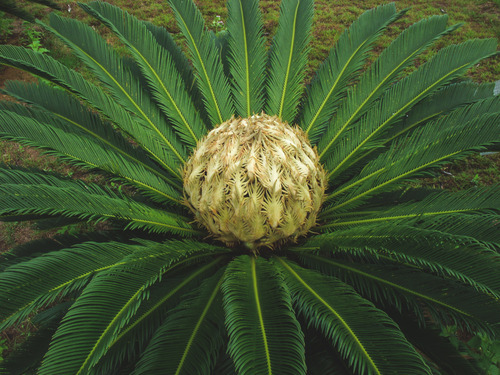
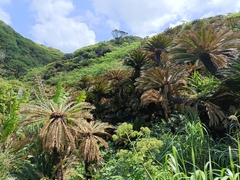
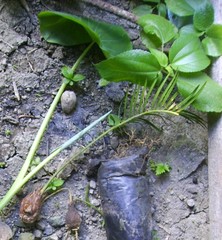
Japanese sago palm (Cycas revoluta) forms a crown of evergreen leaves on a thick trunk. This very slow-growing gymnosperm needs free-draining compost and cool, bright overwintering when grown in a pot in France. All parts are toxic if ingested.
Read moreJapanese sago palm, King sago palm and Sago palm
Cycas miquelii Warb.
Give plenty of ambient light without direct sun on the leaves.
Bright light with protection from scorching sun under cover.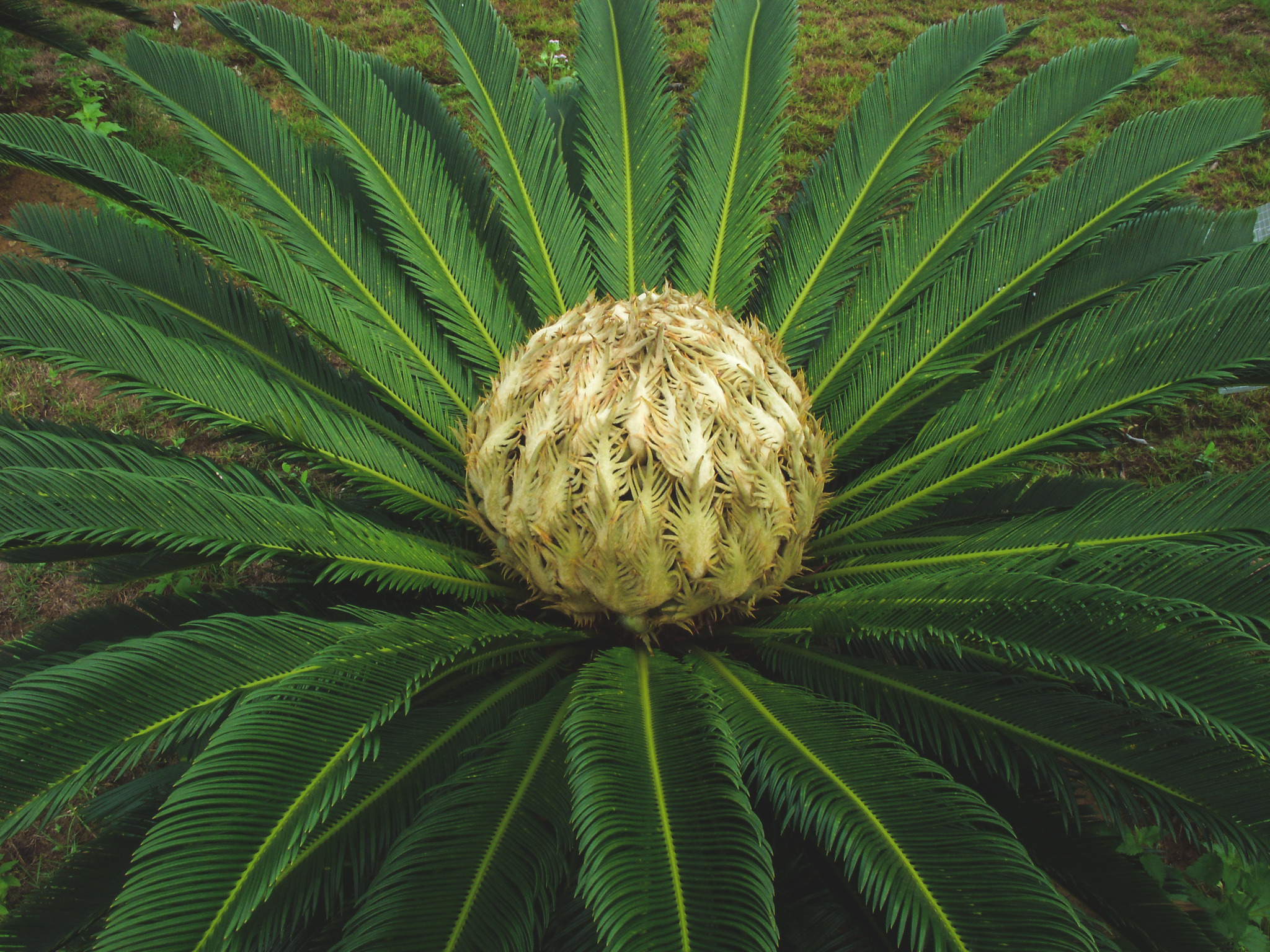
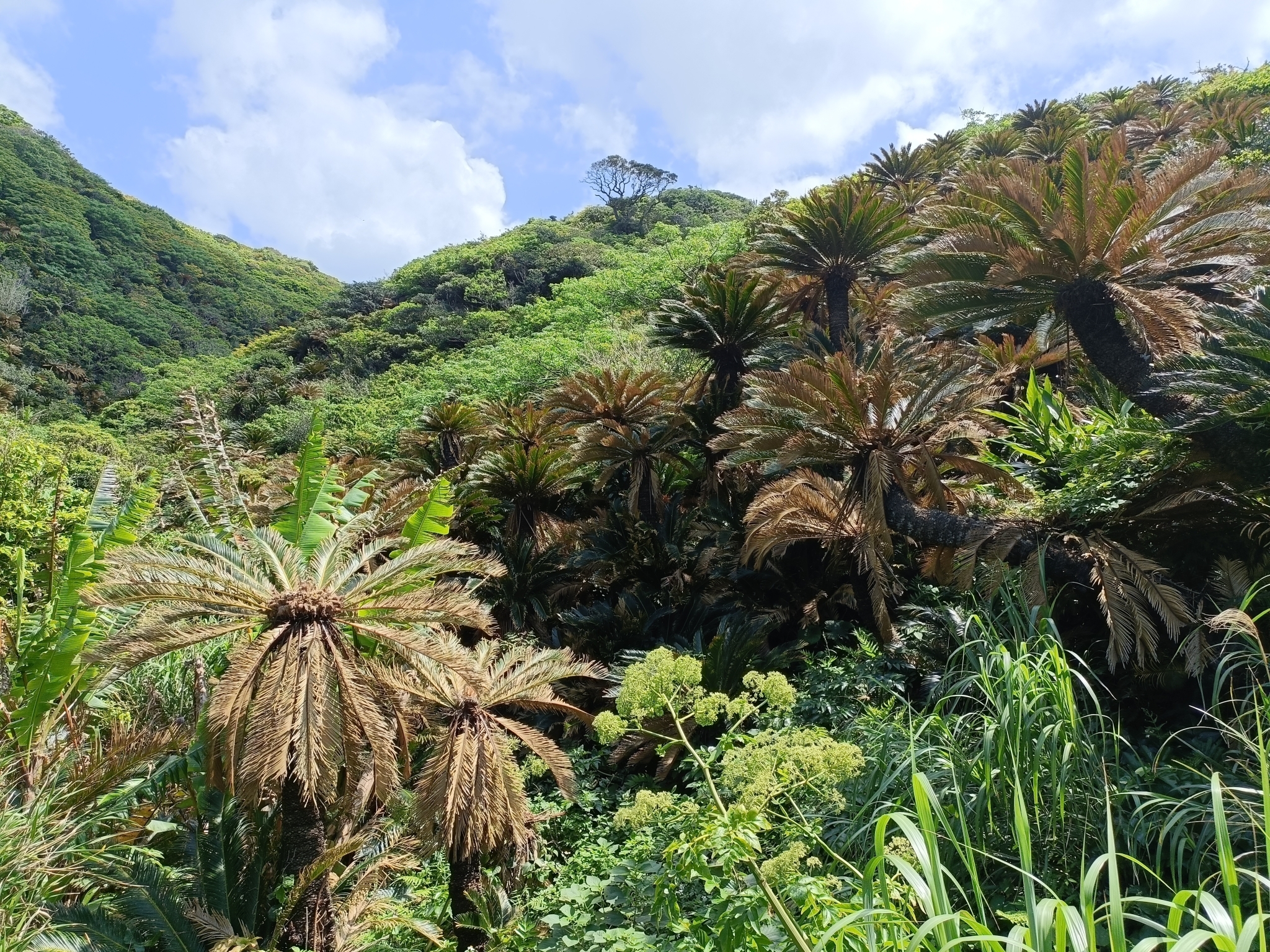
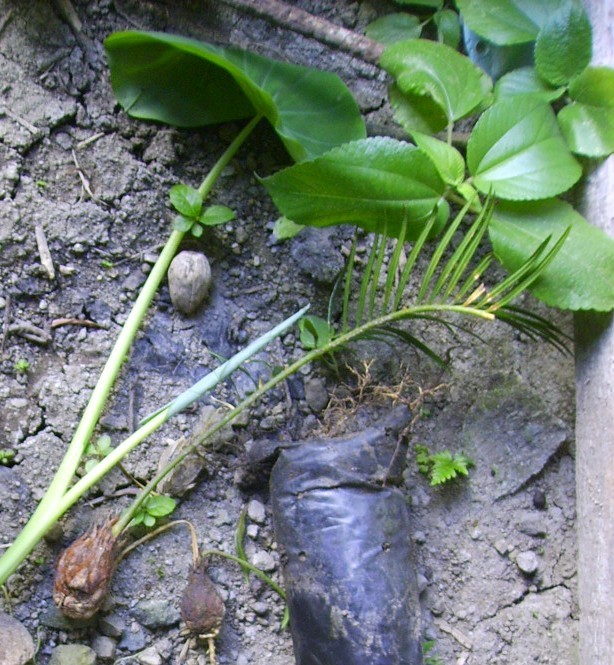


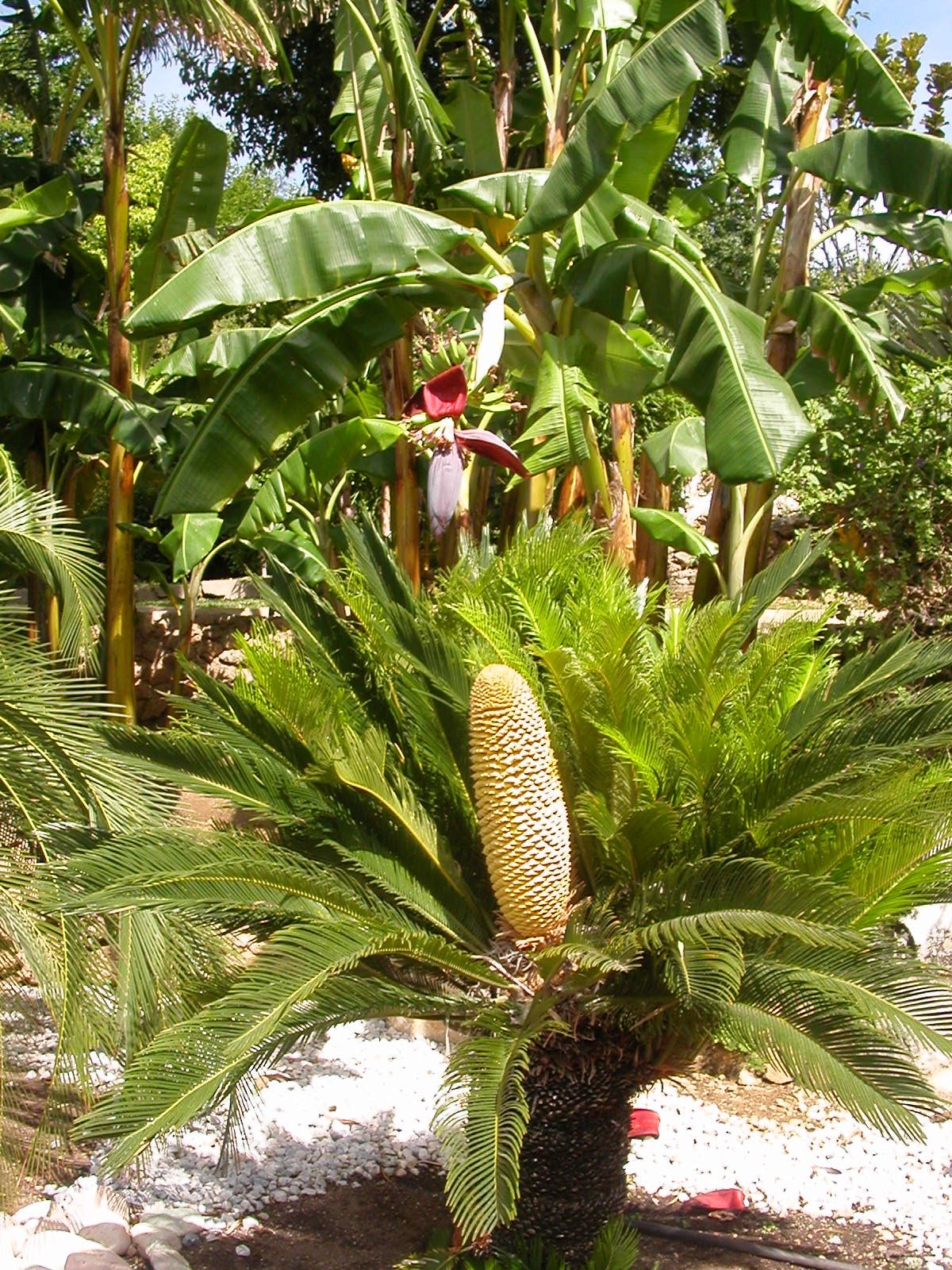
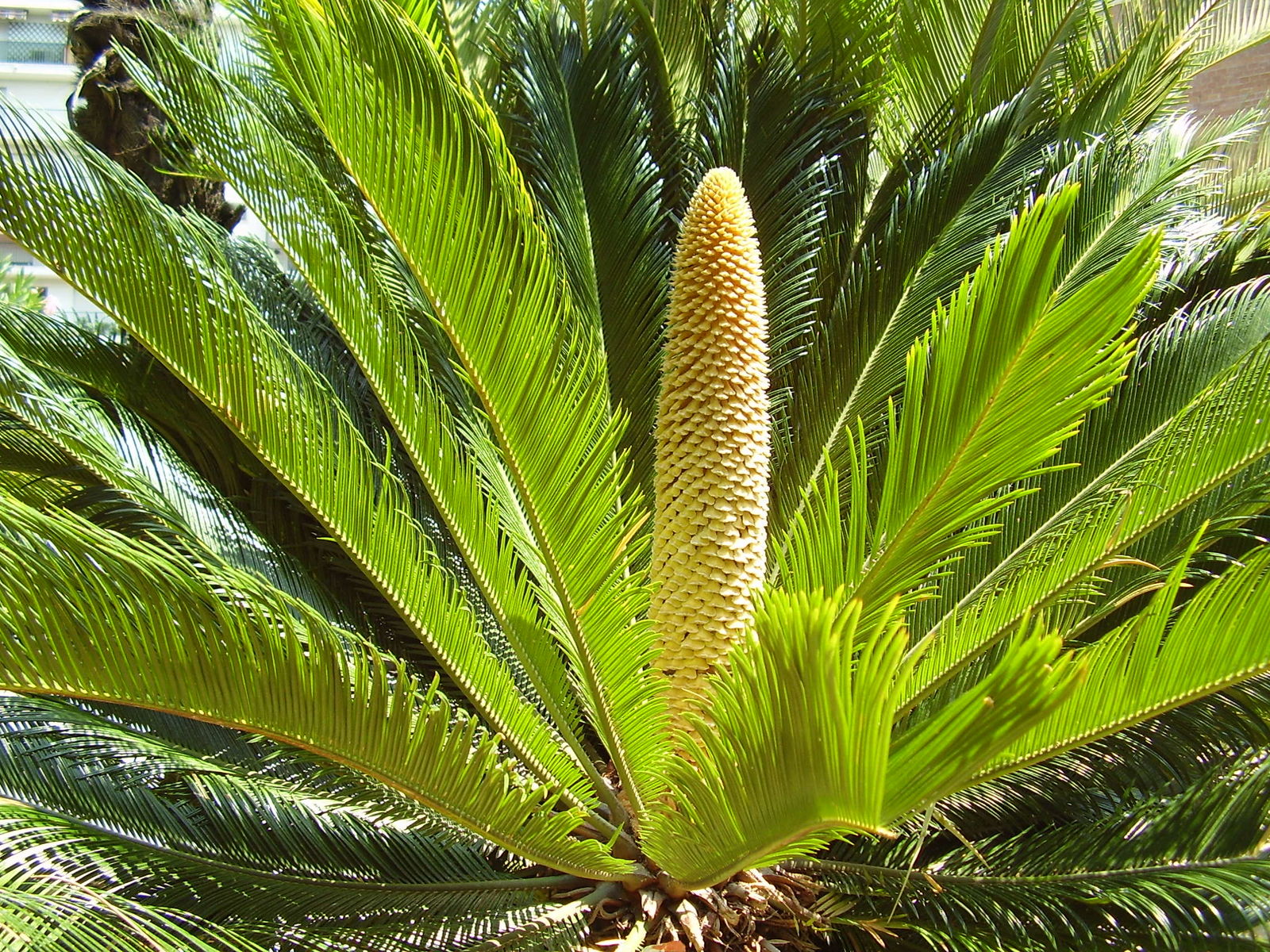
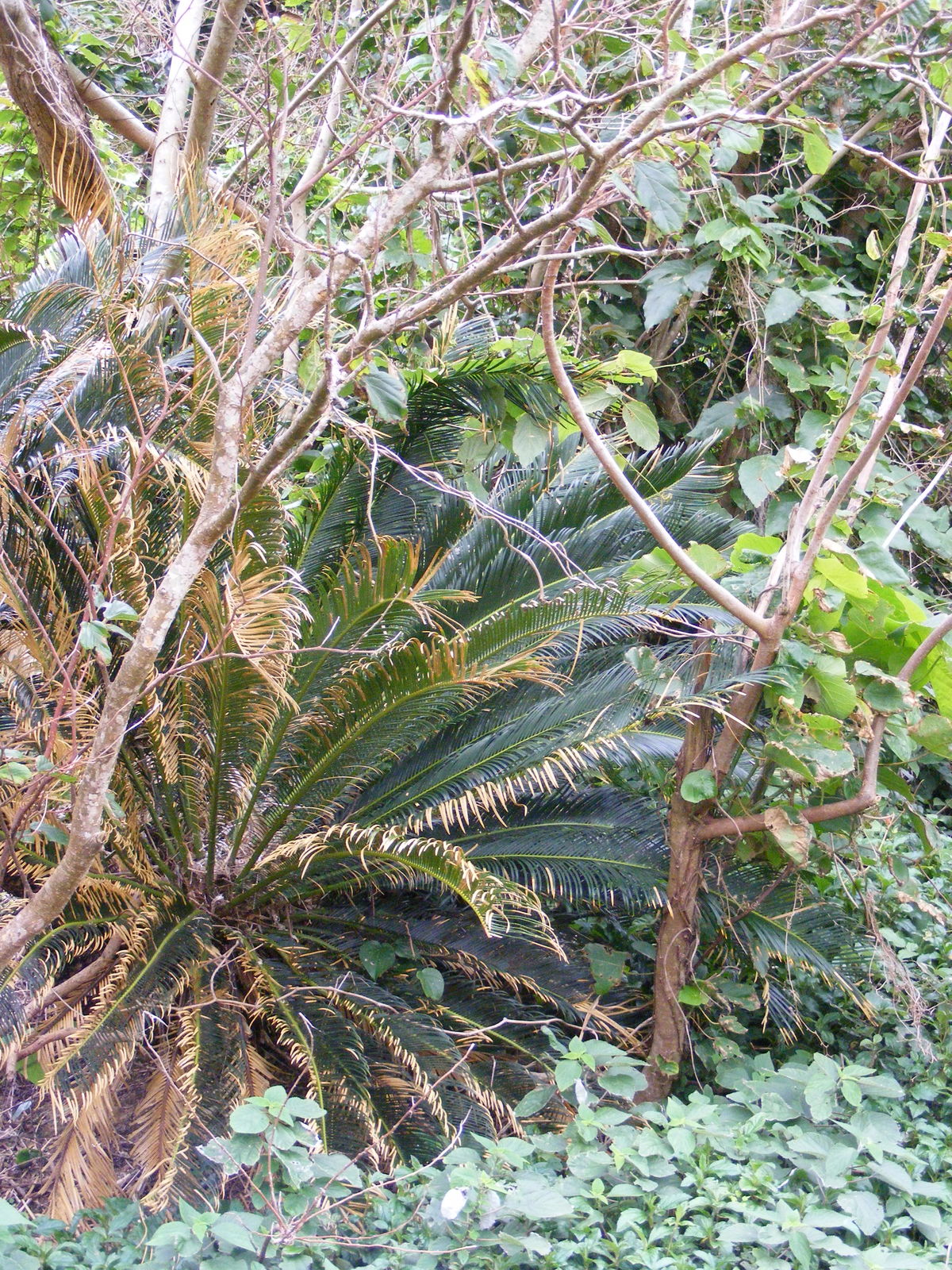
© photo
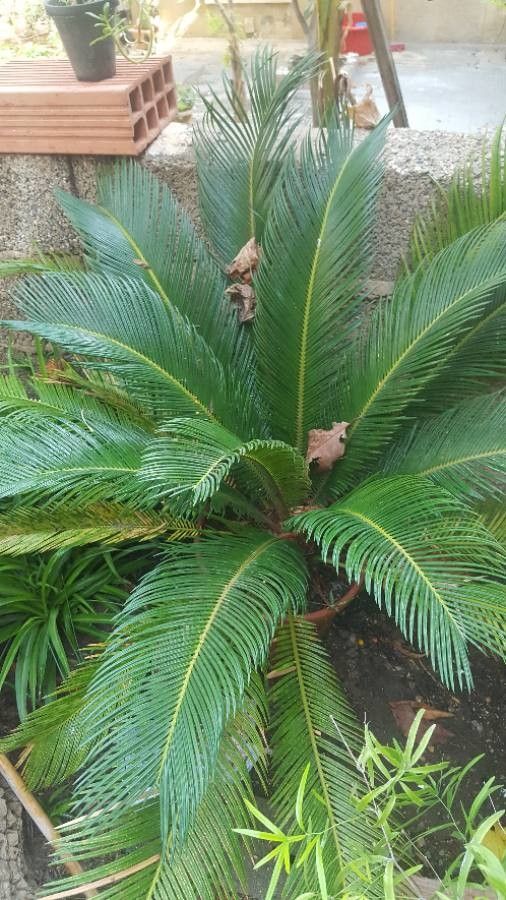
(c) kuqi_baba, some rights reserved (CC BY-NC), uploaded by kuqi_baba · cc-by-nc
Philip Precey · cc0
胡正恆(Jackson Hu) · cc-by
Taken Nov 20, 2019 by Vicki Soup (cc-by-sa)
Taken Apr 10, 2020 by F Albert (cc-by-sa)
Taken Apr 26, 2021 by Fernando da Luz Schmidt (cc-by-sa)
Taken Apr 1, 2022 by Emilio Nieto (cc-by-sa)
© copyright of the Board of Trustees of the Royal Botanic Gardens, Kew.




Global distribution
East Asian origin, notably southern Japan and Fujian in China; grown ornamentally in pots in France.
Identity
Japanese sago palm (Cycas revoluta Thunb., 1782) has stiff leaflets whose edges roll downward. Its trunk and crown of leaves resemble a palm, but this gymnosperm belongs to the Cycadaceae: its seeds are not enclosed within a fruit. 2 3
The French names cycas du Japon and sagou du Japon are recorded for this species in botanical collections. Growth is extremely slow. Its evergreen foliage provides the ornamental interest, while ingestion exposes people and animals to serious liver damage. The attractive crown does not provide any indication that the plant is safe to eat. 1 5 3
Recognition
A terminal rosette of leaves crowns Japanese sago palm's thick brown trunk, which has a rough surface. Each pinnate leaf divides into narrow, leathery, glossy leaflets with pointed tips. The rolled leaflet margins explain the epithet revoluta. Check that character on the leaf itself, beyond the plant's overall silhouette. 3
Under horticultural conditions, the arching leaves reach 1.5 m (5 ft) long. An indicative height and spread of 1 to 1.5 m (3.3 to 4.9 ft) coexist with a description reaching 2 m (6.6 ft). The horticultural dimensions are not a guaranteed size for a container plant in a home; the different figures should retain their context. 4
Habitat and range
Japanese sago palm comes from eastern Asia, including southern Japan and Fujian in China. Its habitats include hillside thickets. Steep limestone cliffs and rocks above the coast also support the species, and sites in low, dense forest are described. The cycad is therefore not restricted to uniformly shaded woodland, despite its occurrence in some forest habitats. 5 3 6
In France, growing Japanese sago palm in a pot allows it to be brought under cover outside mild regions. A specimen's presence in a garden or conservatory does not, on its own, establish its ability to spend winter outdoors. Shelter decisions need to retain that distinction between a protected container plant and an outdoor specimen. 8
Life cycle and reproduction
Japanese sago palm is dioecious: male and female reproductive organs develop on separate plants. The male plant produces an upright cone that releases pollen. In the female plant's center, velvety modified leaves bear the ovules; after fertilization, the seeds develop a fleshy red covering. The fleshy seed covering is not a fruit. The exposed seeds distinguish this reproductive structure from the fruits of flowering plants. 5
Sexual reproduction requires plants of both sexes and pollination. Reproductive structures remain rare indoors: a crown of leaves without a cone does not identify a specimen's sex. Horticultural propagation is possible by seed or offsets, which appear at the plant's base. Germination does not imply rapid subsequent growth in a young cycad. 3 4
Container cultivation and calendar
In a container, Japanese sago palm needs bright light, filtered against scorching rays, and free-draining compost. Excess water or poor drainage can cause root rot. Water moderately during growth and sparingly when kept cool, checking the pot's drying before watering again. Drought tolerance in an established outdoor plant does not remove a container plant's need for water. 4 3 7
The seasonal reference is a container in mainland France, in the Northern Hemisphere, overwintered in a cool, bright room. A living room heated year-round does not match that setting. Indoor overwintering should be cool, with a recommended maximum of 15 °C (59 °F); this figure does not define a year-round optimum. The water and growth indices are editorial rankings: reduced winter watering, moderate watering during growth and very slow growth throughout the year. The calendar indices measure neither water volume nor centimeters of monthly height gain, and do not predict a growth peak. 8 3
Apply a balanced fertilizer once a month, from March through the end of September, during growth in that French context. For liquid fertilizer, use half the labeled dose. Moisten the compost first, then stop feeding during cool overwintering. The repotting window translates late winter into monthly reference points, and applies only if the plant is cramped. Outside that window, routine repotting is not proposed; the calendar is not a biological prohibition. Elsewhere, interpret the guidance through the growing conditions and observed activity. 8
Uses and risks
Every part of Japanese sago palm contains cycasin, which is more concentrated in the seeds. Ingestion can cause vomiting and diarrhea, as well as serious, sometimes fatal liver damage. The danger to humans includes children. No safe dose can be inferred from the plant's decorative appearance, and the seed's fleshy covering does not make it an edible fruit. 3 10
Toxicity is explicitly established for cats, dogs and horses. Other animals still require caution, without assuming that every species has the same sensitivity. Contact a veterinarian promptly if an animal is suspected of eating the plant. The rigid leaflet tips also present a physical hazard: keep the cycad away from walkways and wear protection when handling it. 9 5 10
Varieties, look-alikes and related plants
The botanical species entry identifies Cycas revoluta itself, without an added cultivar name. The name Cycas miquelii Warb. belongs to botanical synonymy and does not identify a horticultural selection. A different label therefore does not, by itself, establish the existence of a distinct cultivated variety. 2 6
Japanese sago palm's habit invites confusion with palms and tree ferns. Its reproductive organs offer a distinguishing feature: the cycad produces pollen and exposed seeds, without true flowers or fruits. Examining the leaflets' rolled margins complements examination of the trunk. A similar silhouette does not replace those botanical characters when identifying the plant. 5 3
Main sources
Botanical descriptions distinguish cycad seeds from true fruits; container-growing advice specifies cool overwintering and seasonal feeding.
- Jardin botanique de l’Université de Strasbourg, Japanese plant trail, 2025
- GBIF, taxonomic identity of Cycas revoluta
- NC State Extension, Cycas revoluta
- Royal Horticultural Society, Cycas revoluta
- Muséum national d’Histoire naturelle, Japanese sago palm
- National Parks Board Singapore, Cycas revoluta
- Auckland Botanic Gardens, Cycas revoluta
- Bruno Nunez, Jardipartage, growing Cycas revoluta in containers
- ASPCA, Sago Palm
- University of California ANR, Cycas revoluta
Frequently asked questions
Is Japanese sago palm a palm?
Japanese sago palm belongs to the Cycadaceae. Its seeds are not enclosed in a fruit: this gymnosperm resembles a palm in habit, but is not a palm.
Is Japanese sago palm toxic to animals?
Toxicity after ingestion is established for cats, dogs and horses. All parts contain cycasin, especially the seeds. Serious liver damage and death are possible.
Where should a container-grown Japanese sago palm overwinter in France?
Outside mild regions, choose a bright, cool shelter such as a conservatory or unheated greenhouse. A constantly heated living room does not match this overwintering setting. Reduce watering and stop feeding.
When should a container-grown Japanese sago palm be fertilized?
In the French context, monthly feeding from March through the end of September is recommended during growth. Halve the labeled dose for liquid fertilizer, moisten the soil first and stop feeding during cool overwintering.
If you are unsure about a plant’s toxicity, ask a botanist or veterinarian for advice.