
Poinsettia (Euphorbia pulcherrima, )
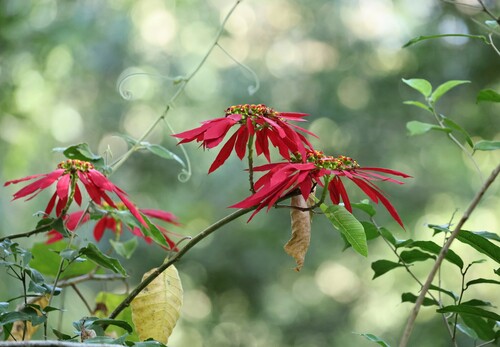
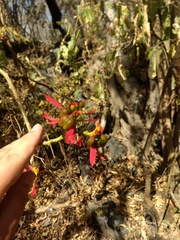

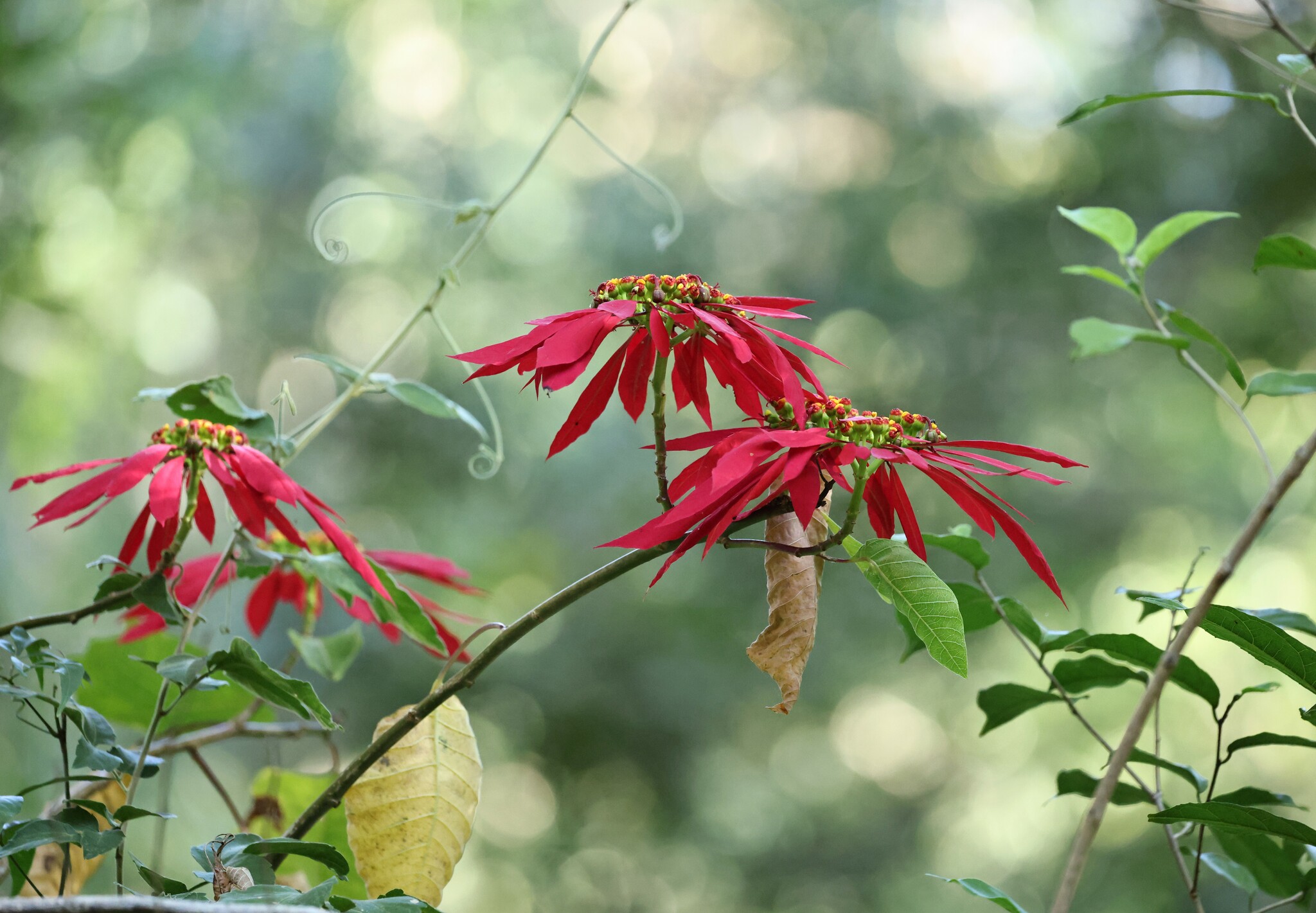
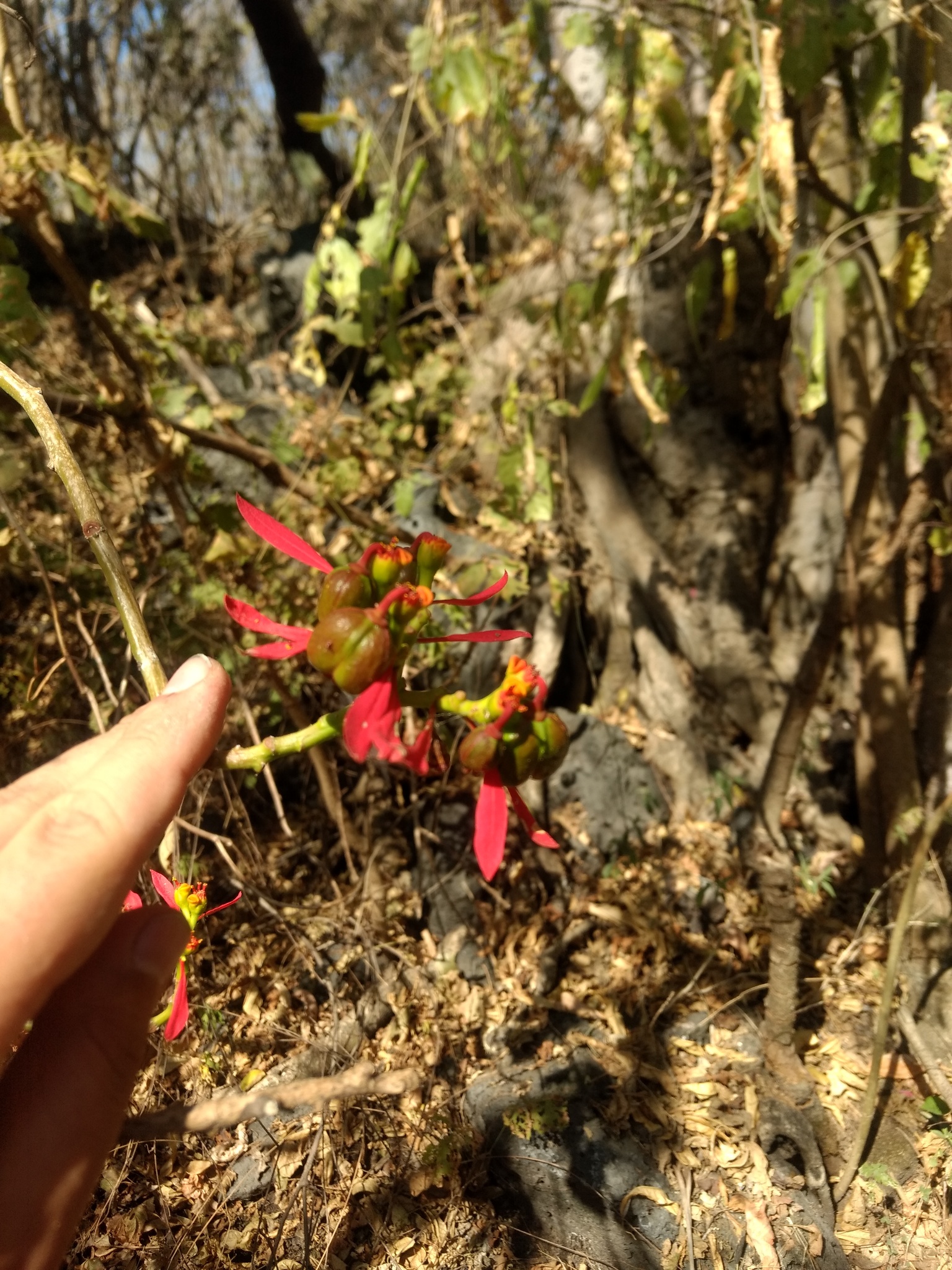
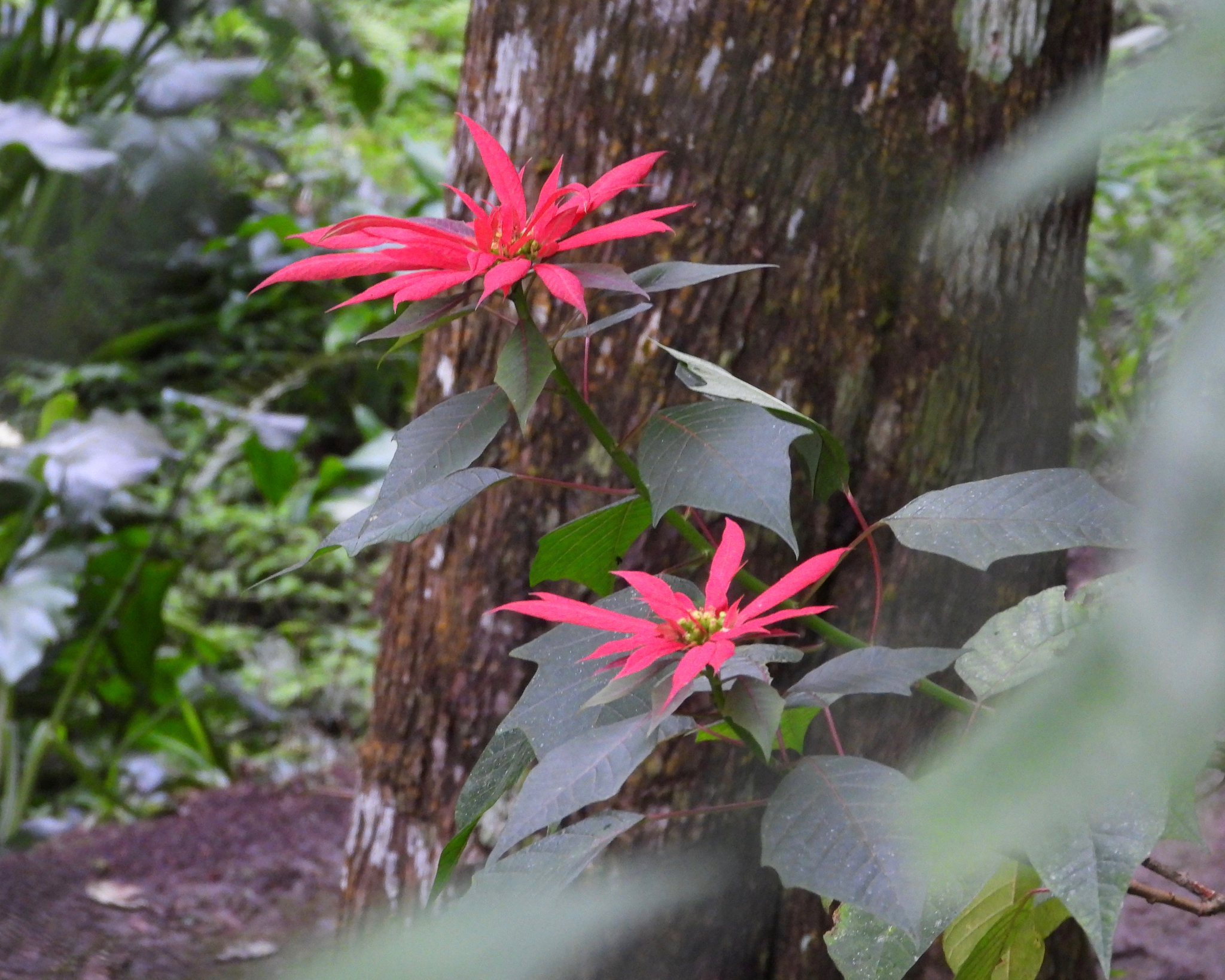
Poinsettia (Euphorbia pulcherrima) is a Mexican shrub in the Euphorbiaceae, widely grown for seasonal indoor displays. Its red color comes from bracts rather than flowers. The white latex is irritating, although the plant’s reputation as a deadly poison greatly overstates its usual toxicity.
Read morePoinsettia and Christmas star


© photo
(c) nmoorhatch, some rights reserved (CC BY), uploaded by nmoorhatch · cc-by
Rafael Cano · cc-by
Grete Pasch · cc-by-nc
Taken Dec 30, 2020 by Albane (cc-by-sa)
Taken Jan 6, 2022 by Silvia Fahmy (cc-by-sa)
Taken Feb 23, 2022 by Gianni Del Bufalo (cc-by-sa)
© copyright of the Board of Trustees of the Royal Botanic Gardens, Kew.




Identity
Poinsettia (Euphorbia pulcherrima Willd. ex Klotzsch) belongs to the Euphorbiaceae. This accepted botanical name identifies the particular species behind the familiar seasonal pot plant. It is more precise than a general Christmas sales name, especially within a large family containing plants with very different growing habits and safety profiles. 1 2 3
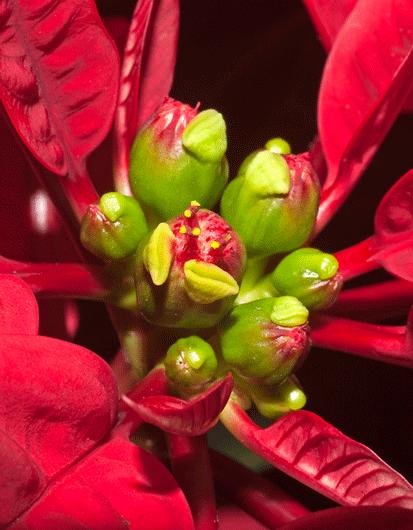
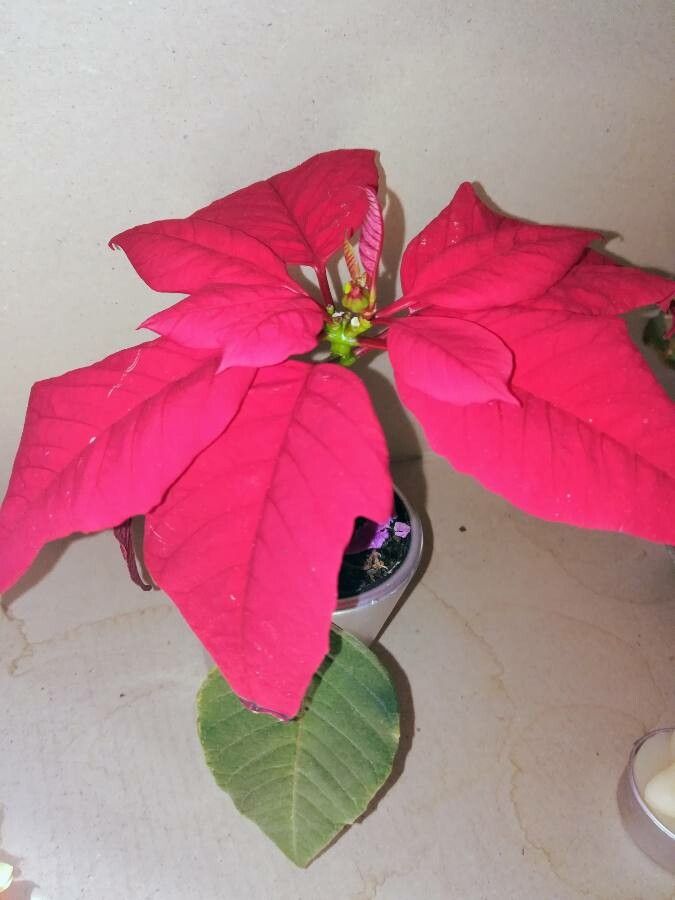
The conspicuous red comes chiefly from bracts, modified leaves surrounding the small yellow cyathia. Calling the display a red flower is convenient in everyday language, but the colorful structures are not the flowers themselves. The true reproductive structures sit in the center of the bright leaflike display. 8 5
In its native range from Mexico to Guatemala, the plant is a shrub. Seasonal houseplants are usually trained into compact pots and brought into display in color. Cold during transport, dry air and excessive watering after purchase can then weaken them. A potted specimen’s size and presentation reflect horticultural training rather than the species’ full outdoor habit. 5 7
Keep roots aerated, provide adequate light and a stable temperature, and avoid abrupt changes between shop, vehicle and home. The condition of the whole plant matters as much as its colored bracts. A bright display can deteriorate quickly when its root ball and foliage are exposed to repeated stress. 8 5
Recognition
Oval, sometimes lobed leaves grow on brittle stems. A damaged stem or leaf releases white latex, characteristic of many euphorbias. This sap is the main concern when handling the plant, particularly during pruning or when a branch breaks. Its appearance is also a useful recognition feature. 5 6
Bracts may be red, pink, cream, white or variegated according to cultivar. The true flowers are small and yellow, clustered centrally. A plant can therefore retain its ornamental appearance even when its botanical flowering seems inconspicuous. Assessing the bracts alone does not describe every stage of the small central flowers. 5 7
Nursery plants commonly measure 30–60 cm (12–24 in) tall, whereas the species can grow into a much larger shrub in tropical or subtropical conditions. The living-room plant is a horticultural form trained for seasonal decoration, rather than a measure of the shrub’s potential size in a suitable climate. 2 5
A healthy specimen retains firm stems, lower leaves and a slightly moist root ball. Drooping foliage, a full saucer or soft bracts more often indicate water, cold or heat stress than a normal end to flowering. Check the root ball and position rather than assuming every decline is inevitable once the seasonal display is over. 5 8
Useful taxonomy
The accepted name places the species in Euphorbia, a large genus of latex-producing plants. The historical name Poinsettia pulcherrima still appears in horticultural accounts, but it does not replace Euphorbia pulcherrima. An older generic name is part of its naming history rather than a reason to treat the familiar plant as another species. 4 5
Poinsettia is also a trade name, sometimes accompanied by Christmas star. The botanical identity remains Euphorbia pulcherrima, including the red, white, pink and variegated cultivars commonly sold for Christmas. A cultivar’s color changes the display without changing that species reference. 8 2
Other euphorbias can be substantially more irritating or dangerous. Their risks should not be transferred automatically to poinsettia, nor should poinsettia’s relatively low toxicity be generalized to the entire genus. For this species, the chief issues are irritating latex and usually limited effects following ingestion. 6 5
Cultivation
Provide bright light away from radiators, fireplaces, cold doors and icy windowpanes. Much plant loss begins during the trip from nursery to home: even a few minutes of cold can lead to leaf drop over the following days. Where weather is cold, protecting the plant in transit is part of its subsequent care. 8 5
Water in moderation. Wait until the growing medium’s surface dries, water thoroughly and empty the saucer. A root ball kept continually saturated encourages rot, yellowing and leaf drop. Drainage after watering matters just as much as supplying water, especially inside a decorative outer container. 5 8
Recoloring requires a strict short-day cycle, with long nights uninterrupted by stray light and bright days. Where autumn brings shorter days, that seasonal pattern can provide the signal. Achieving it at home is possible but demanding. Keeping the plant as a seasonal display and then composting it may be more practical than expecting easy recoloring. 5 7
If keeping it after the holiday display, prune during the local spring growing season while wearing gloves, then repot in a free-draining medium. A sheltered position outdoors is possible once nights are mild. Bring it back before cold weather returns; it does not have the hardiness of an ordinary perennial border plant. 5 2
A dark centerpiece position, cold entrance, mantelpiece or window that becomes icy at night and hot by day can be a poor location despite its decorative appeal. The plant performs better near a bright window with moderate, stable temperatures. Choose the growing position before arranging the display around it. 8 5
Toxicity
ASPCA lists poinsettia as toxic to dogs, cats and horses because of irritating sap. It also emphasizes that toxicity is often overstated. Expected signs chiefly involve irritation of the mouth and stomach, with occasional vomiting. That classification requires care with exposure without supporting a reputation as an exceptionally dangerous household plant. 6
NC State likewise gives it low poison severity. Latex can cause dermatitis, particularly in sensitive people or those with latex allergy, and eyes should be protected from contact. The main concern is therefore irritation from handling or ingestion, rather than a reason for alarm simply because the plant is present. 5 6
Keep the pot away from animals that chew plants, wear gloves when pruning and avoid touching eyes after sap contact. Contact a veterinarian if an animal has eaten a substantial amount. Handling precautions should focus on direct exposure to the latex and plant material. 6 8
The appropriate severity description is low, consistent with NC State. ASPCA still lists the plant as toxic for the three animal groups, but its usual effects do not place it among the most dangerous plants. The old idea that a poinsettia is deadly merely beside a child or cat does not reflect the risk described. 6 5
Uses and limits
Seasonal decoration is its chief use. Poinsettia accompanies amaryllis, schlumbergera, cyclamens and holly branches in Christmas and winter displays, but overheated rooms shorten its useful display. Give it a bright, stable position at a moderate temperature even when it forms part of a temporary arrangement. 8 5
In suitably mild conditions, the species can become an outdoor shrub. Where winters are cold, it remains an indoor pot plant or spends only the local warm season in a sheltered outdoor position. USDA zones 9–11 describe its limited climate range; they do not make it suitable for every exposed garden position. 5 2
Keep the plant away from chewing animals and respect its irritating latex while providing stable light for the display. It is neither a harmless chew plant nor the deadly living-room poison of popular myth. Ordinary growing care and precautions against direct sap contact address the principal concerns. 6 8
Main sources
- Wikidata, Euphorbia pulcherrima
- Plants of the World Online / Kew, Euphorbia pulcherrima
- World Flora Online, Euphorbia pulcherrima
- International Plant Names Index, Euphorbia pulcherrima
- NC State Extension, Euphorbia pulcherrima
- ASPCA, Poinsettia toxicity entry
- Wikipedia EN, Euphorbia pulcherrima
- Floralens, red-flower selection
If you are unsure about a plant’s toxicity, ask a botanist or veterinarian for advice.