
Horseshoe vetch (Hippocrepis comosa, )
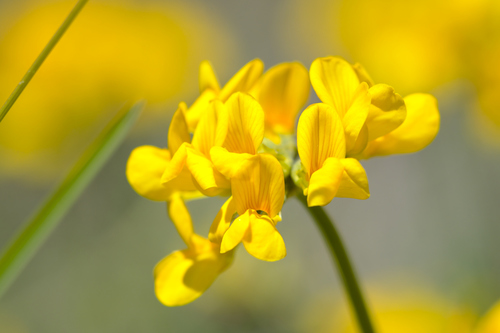
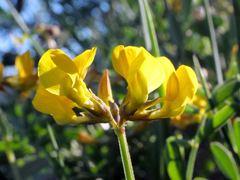
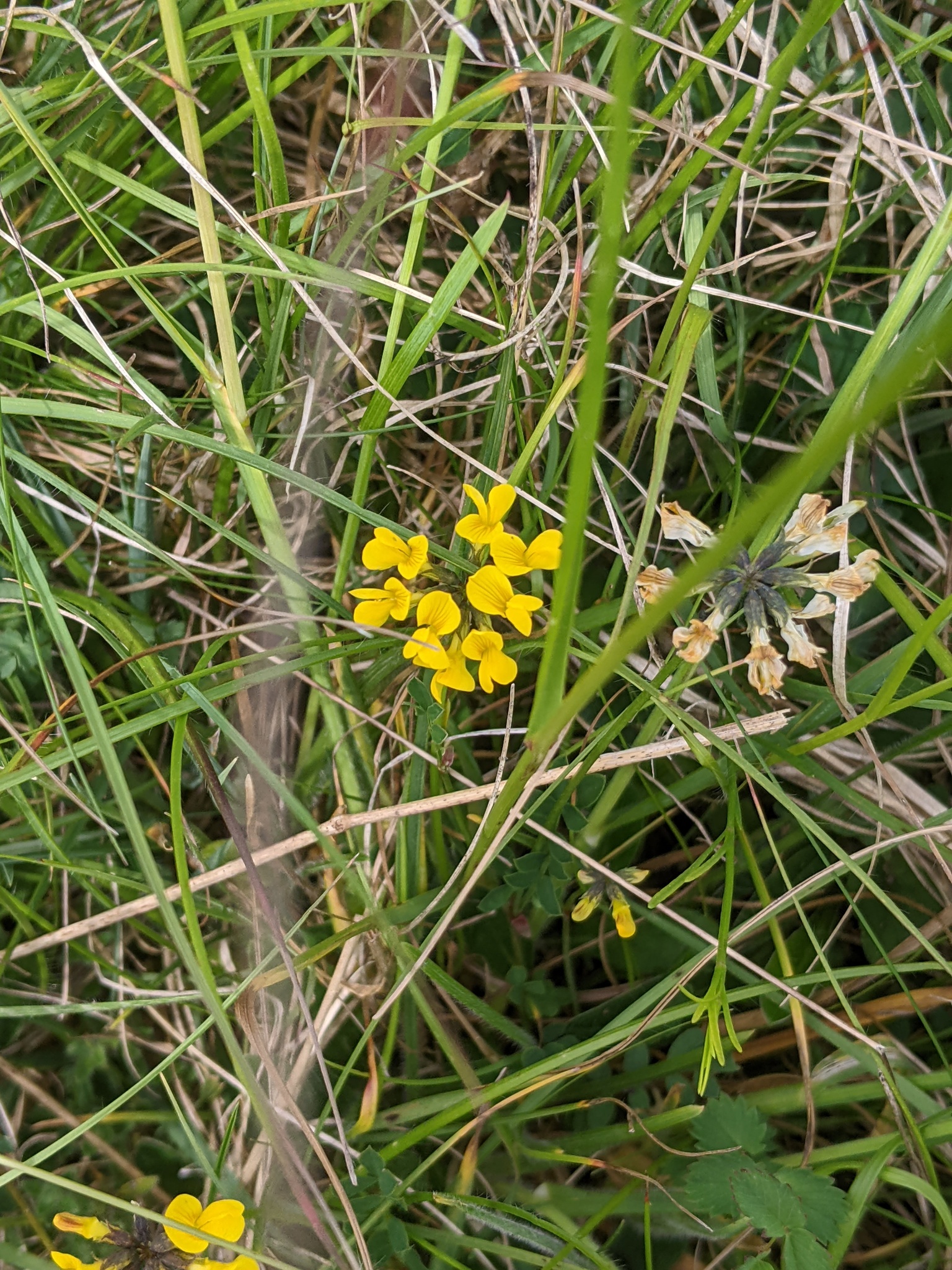
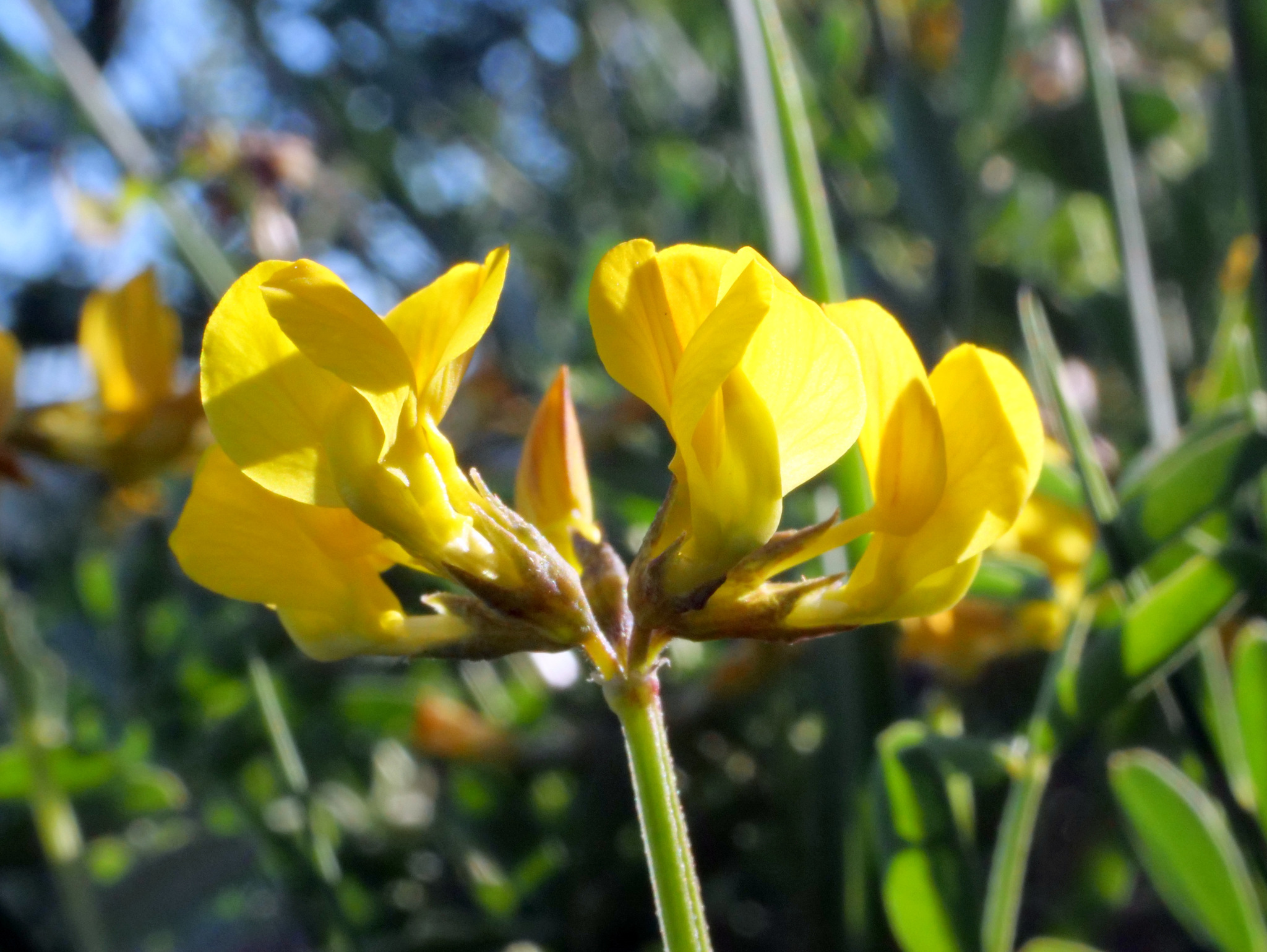
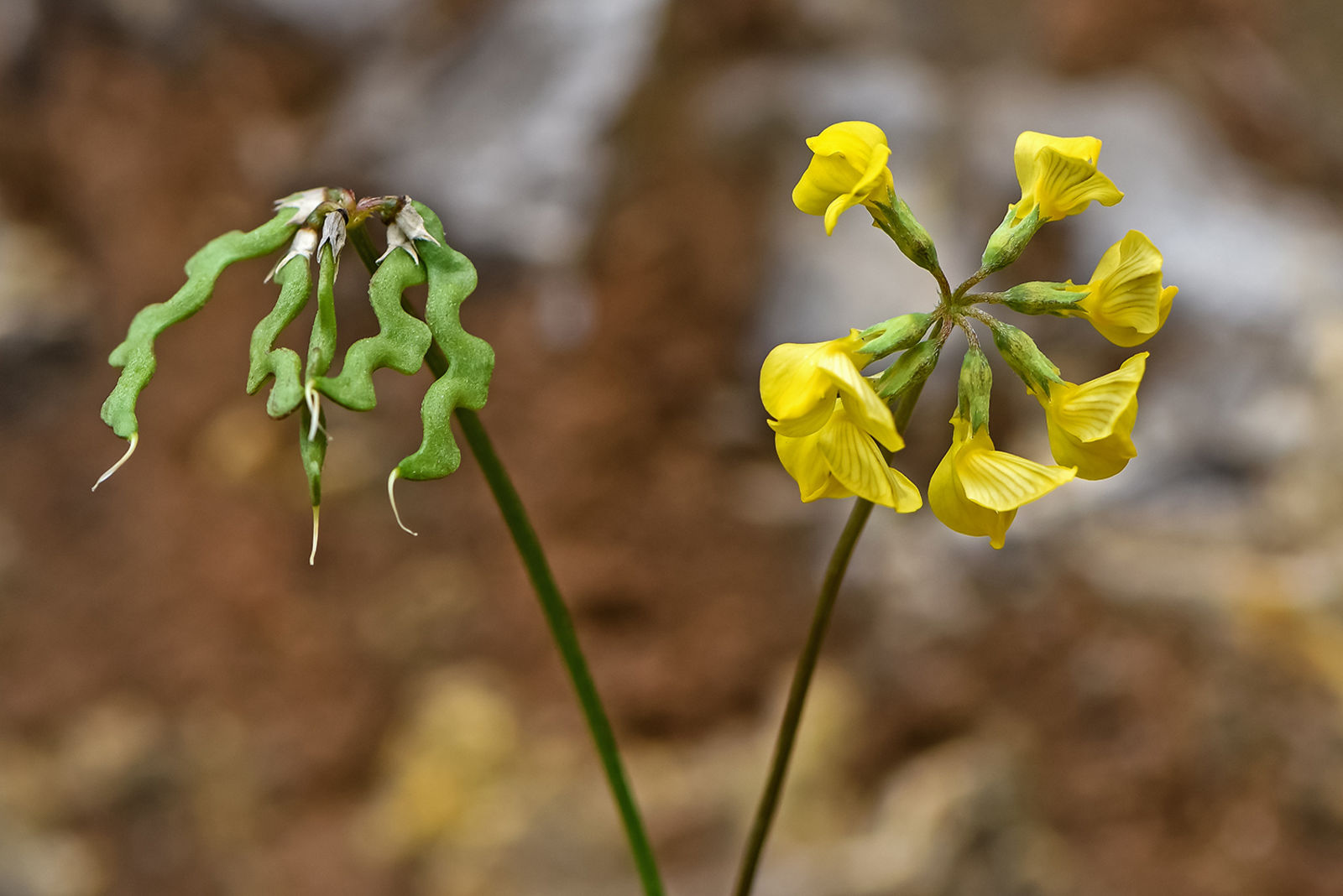
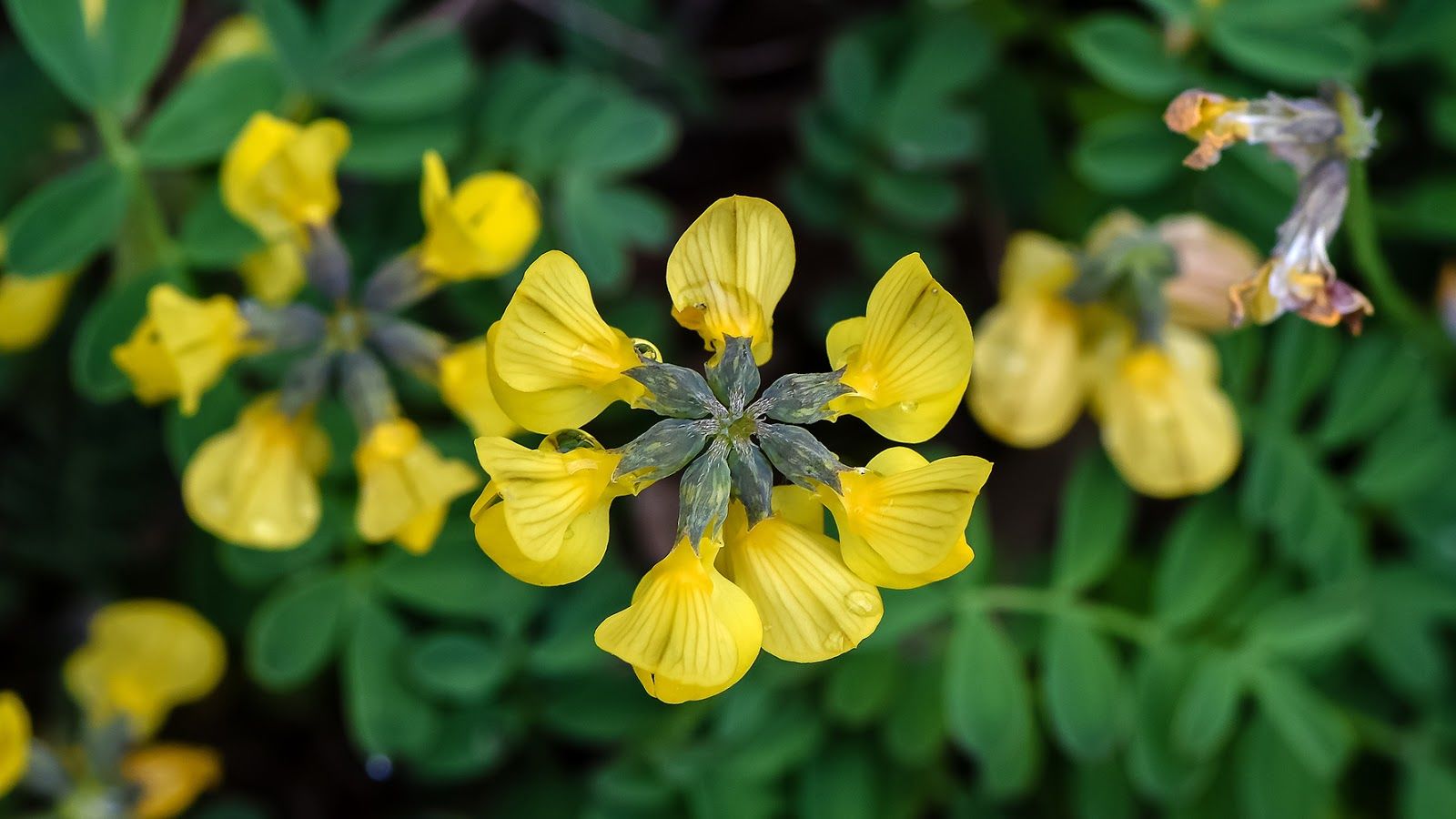
Horseshoe vetch forms small spreading clumps with compound leaves and yellow flowers in umbels. Jointed pods resemble a series of horseshoes, a useful grassland identification character.
Read moreHorseshoe vetch
Coronilla comosa and Hippocrepis alpestris
Allow a few hours of direct sun per day, preferably morning or evening.
Full sun; open ground.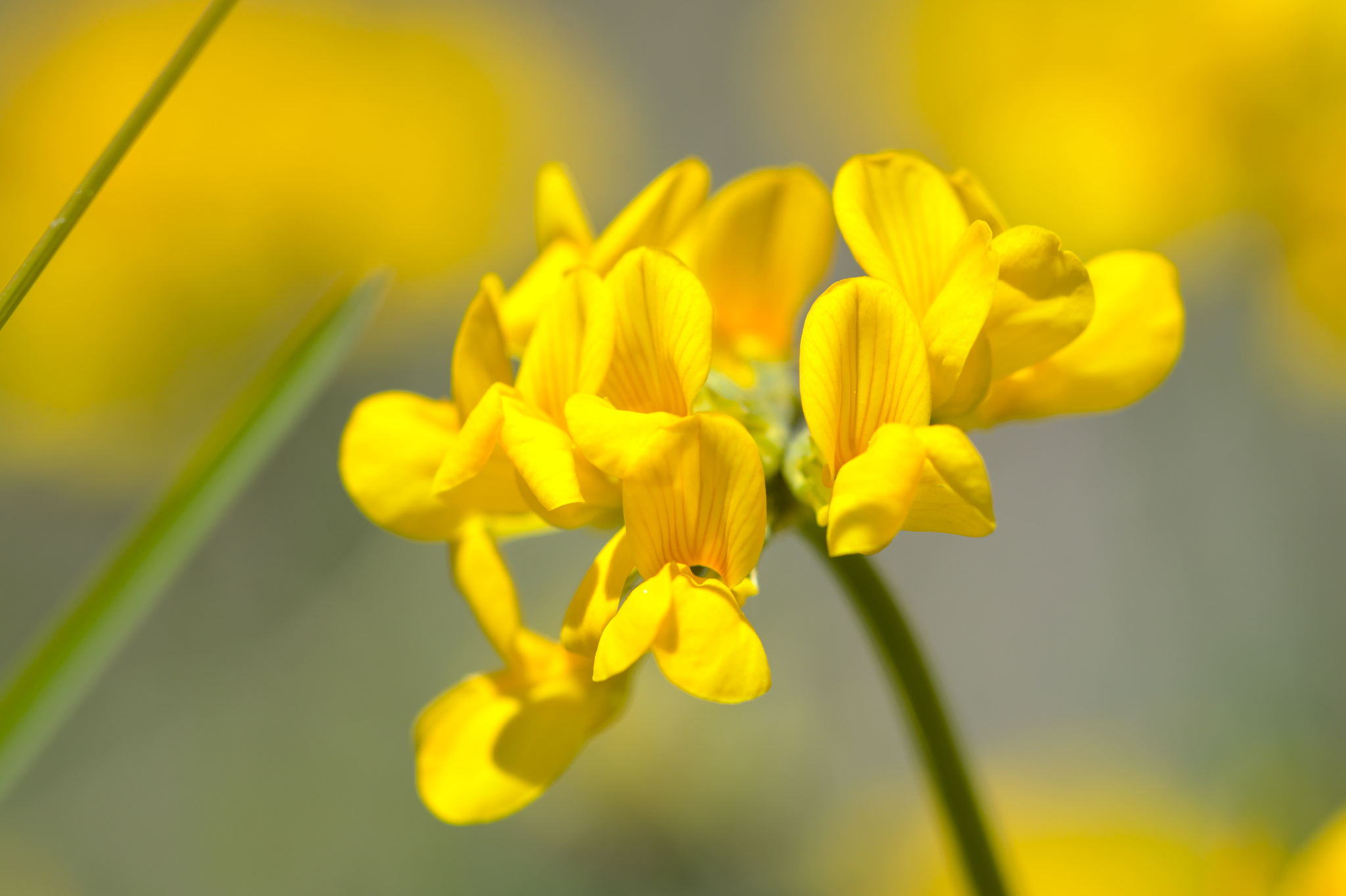



© photo
(c) Gilles San Martin, some rights reserved (CC BY-SA), uploaded by Gilles San Martin · cc-by-sa
Piermario Maculan · cc0
Wolfgang Jauch · cc-by
Taken Apr 10, 2015 by Tela Botanica − Liliane ROUBAUDI (cc-by-sa)
Taken Apr 24, 2014 by Tela Botanica − Mathieu Sinet (cc-by-sa)
Taken May 30, 2021 by huy HO (cc-by-sa)
Taken Jun 21, 2021 by Manuëlle (cc-by-sa)
Taken Apr 7, 2014 by Tela Botanica − Jean-Paul HUGBART (cc-by-sa)
© copyright of the Board of Trustees of the Royal Botanic Gardens, Kew.


Global distribution
Native to Europe, chiefly central and southern regions; present across almost all France on dry, mainly calcareous ground.
- Native5
- France
- Spain
- Italy
- Switzerland
- Great Britain
Hexagons: regions where the plant occurs. Green dots: native range.1
Identity
Horseshoe vetch (Hippocrepis comosa L., 1753) has jointed pods shaped like horseshoes. Fruit is a more reliable clue than yellow flower color alone. Low clumps have spreading or prostrate stems emerging from a hard, sometimes slightly woody rootstock. It belongs to Fabaceae, alongside bird’s-foot trefoils and crown vetches. 2 3
French names including hippocrépide à toupet, fer-à-cheval and hippocrépide commune designate the same species. Recording the Latin name and photographing the fruit preserves useful identification evidence after flowering has finished. 8 2 3
Recognition
Odd-pinnate leaves have several leaflet pairs and one terminal leaflet, most often four to eight pairs, varying between individuals. Narrow, elliptical leaflets sometimes end in a small point. Low growth alone is insufficient: examine a complete leaf on a young plant rather than a detached leaflet. 3 2
Yellow flowers occur five to twelve per umbel, above the foliage. Stalks project clearly beyond neighboring leaves; corollas measure about 8–10 mm (0.3–0.4 in). Hanging pods 2–3 cm (0.8–1.2 in) long reveal constrictions after flowering, each joint curving in a semicircle. A close fruit photograph can confirm a plant whose flowers have faded. 2 3
Useful taxonomy
Hippocrepis comosa L. was published in 1753, in Species Plantarum, page 744, and remains accepted. Coronilla comosa (L.) Prantl and Hippocrepis alpestris Arv.-Touv. are synonyms. An old crown-vetch name therefore need not indicate a different plant in a collection or historical flora. 1
This is a perennial with a hard rootstock, variably woody at the base. Depending on lignification it is described as a perennial herb or small subshrub; some accounts also call it biennial. A persistent rootstock remains the useful garden character, although persistence does not guarantee a long life in poorly drained soil. 2 3 4 1
Habitat and distribution
Dry calcareous grassland is its preferred setting, along with short, dry meadows and limestone rockeries. Light and alkaline substrate link habitats that differ in altitude and appearance. When choosing a site, drainage and exposure matter more than imitating a region’s name. 3 6 4
In France it occupies dry, arid, mainly calcareous ground across almost the whole country. Nationally Least Concern, it is Near Threatened in Brittany. It is protected in Creuse and Haute-Vienne, where picking, uprooting and selling wild plants are prohibited. 2 8
Its native European range is extensive in central and southern regions, including France, Switzerland, Spain and Italy; it has disappeared from the Netherlands. British populations chiefly occupy suitable chalk grasslands. A country-level range does not mean presence on every type of ground within that country. 1 6
Cycle and reproduction
Flowering falls in spring and early summer: April to July in France and chiefly May to July farther north and in the Alps. Finding the first pods extends the identification season beyond the main floral display. 2 3 6
In cultivation, sow in spring or autumn in containers in a cold frame. A young garden clump does not immediately recreate an old grassland. Horticultural establishment and habitat restoration differ in scope: a few plants cannot reconstruct all relationships among soil, vegetation and insects. 4 6
Uses and risks
Its foliage feeds calcareous-grassland butterfly caterpillars, notably two chalk-grassland blues whose caterpillars eat only this plant. That role differs from providing nectar to adults and extends beyond flower production. The food plant supplies leaves needed for larval development; its presence remains only one of the conditions sustaining butterfly populations. 6
No precise toxicological status is established for people or domestic animals. A caterpillar’s use does not prove edibility for another species. Toxic plant lists are incomplete, so absence does not establish safety. Cat, dog and horse statuses remain unknown; no specific toxic constituent or clinical syndrome is established. 7
Varieties, lookalikes, and related plants
E.R. Janes has unresolved horticultural status. No size or flowering character is described that establishes a reliable difference from the species. Preserving uncertainty avoids assigning imagined qualities to a label. A seller should identify the material before it supports particular care advice. 5
With another small yellow Fabaceae, examine whole leaves and ripe fruits. Numerous leaflets and curved pod joints form a useful combination. Leaflets lack a cartilaginous margin, helping separate it from Coronilla vaginalis. For cultivation, choose poor, alkaline, drained soil in sun. Routine enrichment is unnecessary; a wet, heavily fed border does not reproduce nutrient-poor grassland. 3 4
Main sources
Horseshoe vetch is native to dry calcareous grassland, recognized by jointed horseshoe-shaped pods and yellow flower umbels. Cultivation calls for poor, alkaline, drained soil in full sun. 2 3 4
Frequently asked questions
Why is it called horseshoe vetch?
Pods are deeply indented between the seeds. Their curved joints resemble a series of horseshoes.
Where should horseshoe vetch be planted?
Choose poor, alkaline, well-drained soil in full sun, close to calcareous-grassland conditions.
Does it attract butterflies?
Its foliage feeds blue butterfly caterpillars in some calcareous habitats. Plants alone do not guarantee a butterfly population.
If you are unsure about a plant’s toxicity, ask a botanist or veterinarian for advice.