
many-flowered jasmine (Jasminum polyanthum, )
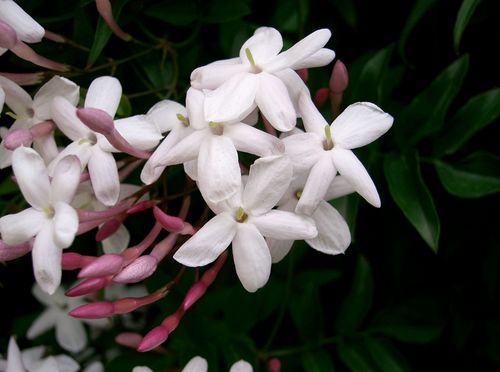
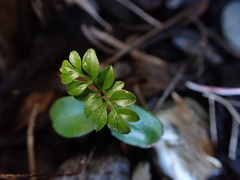
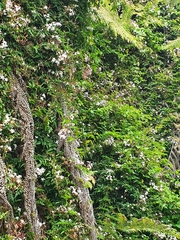
many-flowered jasmine (Jasminum polyanthum) opens fragrant white flowers from pink buds. This evergreen climber in the Oleaceae is native to south-central China and Myanmar. Under cover, it flowers in late winter and spring; cultivation requires light and protection from cold.
Read moremany-flowered jasmine
Jasminum blinii, Jasminum delafieldii and Jasminum excellens
Allow a few hours of direct sun per day, preferably morning or evening.
Bright filtered light under cover; sun or partial shade outdoors without frost.
© photo
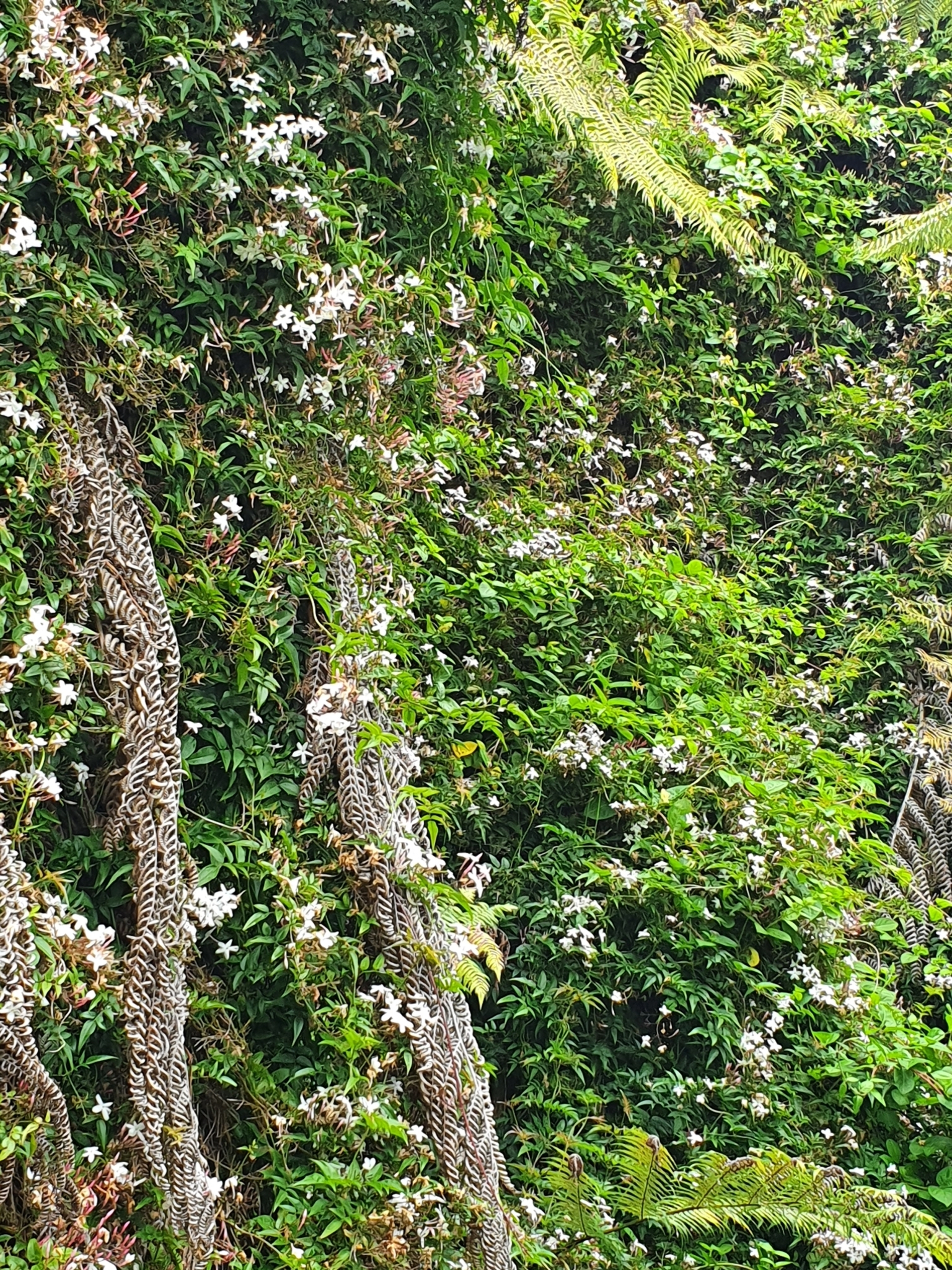
(c) KENPEI, some rights reserved (CC BY-SA) · cc-by-sa
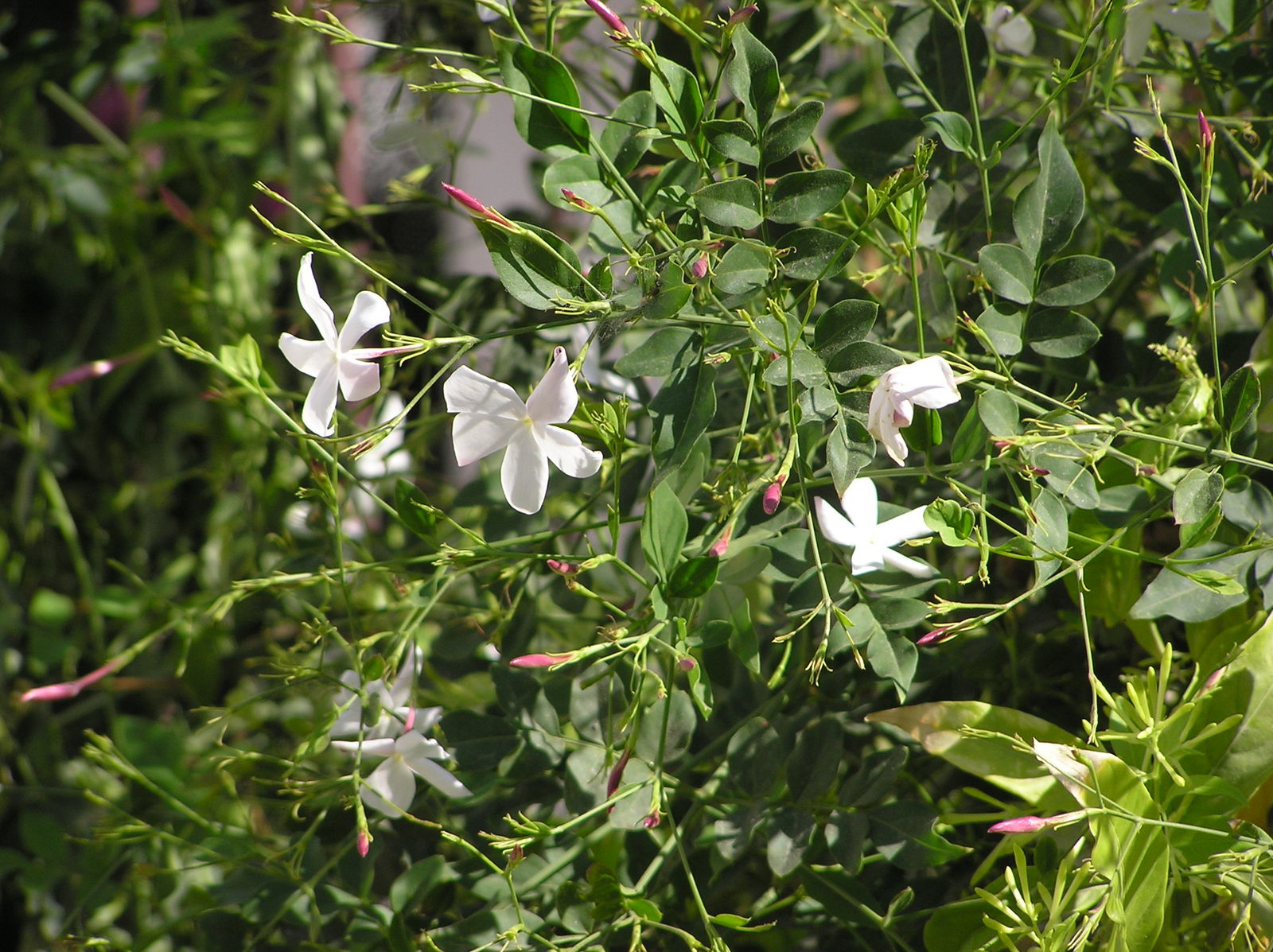
Lisa Bennett · cc-by
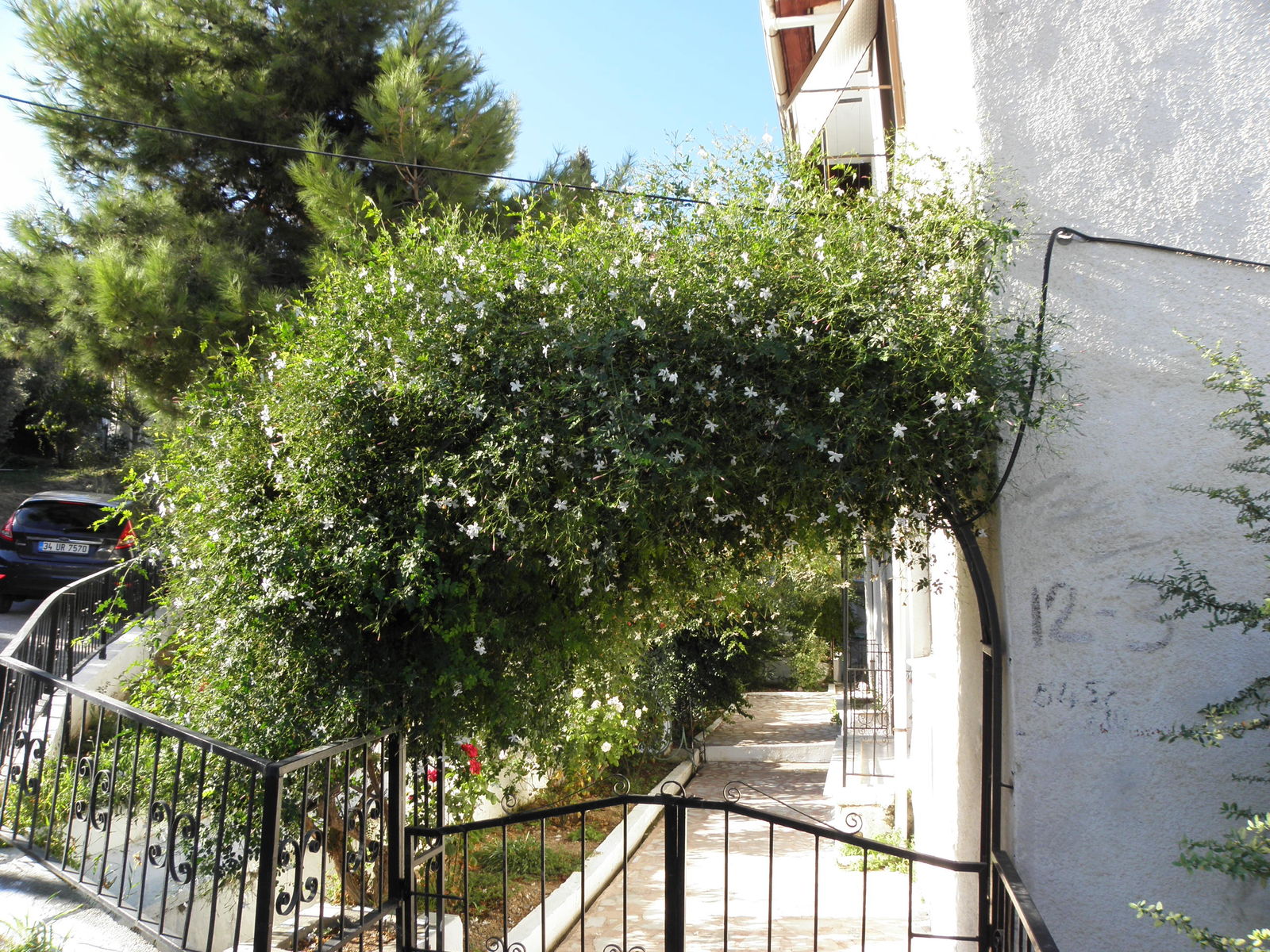
Kate McAlpine · cc-by
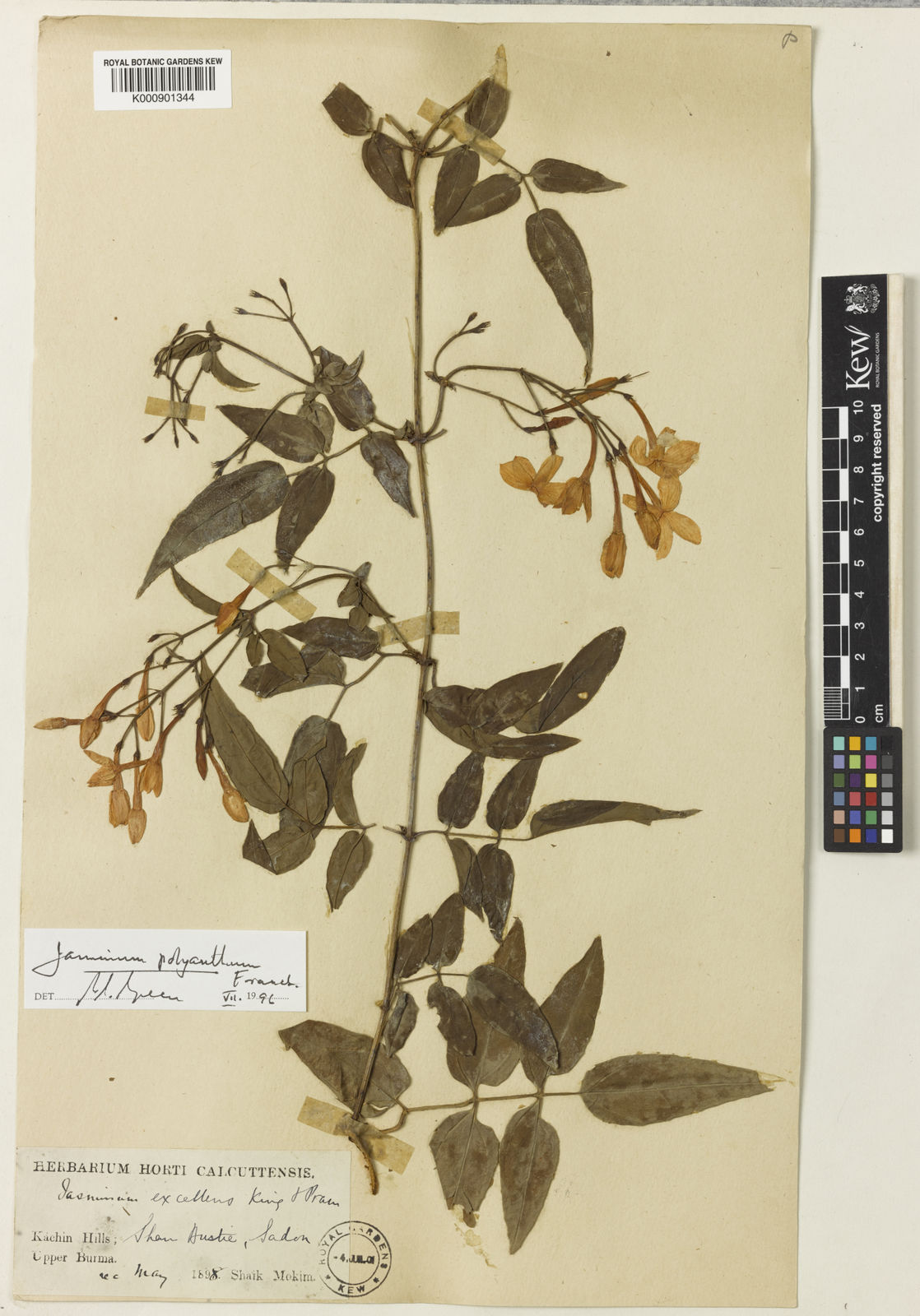
© copyright of the Board of Trustees of the Royal Botanic Gardens, Kew.


Global distribution
Native from south-central China to Myanmar; introduced in the Canary Islands, Great Britain, Nepal and New Zealand, among other places.
- Native2
- Introduced2
- South-central China
- Myanmar
- Great Britain
- New Zealand
Hexagons: regions where the plant occurs. Green dots: native range.1
Identity
many-flowered jasmine (Jasminum polyanthum Franch., 1891) opens white flowers from pink buds. This evergreen climber bears strongly fragrant clusters; the French name “jasmin à fleurs roses” describes the buds rather than an entirely pink corolla. Its twining stems need support and suit a bright conservatory or greenhouse. 123
The species belongs to the Oleaceae, in the order Lamiales. Its native range extends from south-central China to Myanmar, in the subtropical biome. An indoor plant therefore retains the requirements of a cold-sensitive climber. 13
Identification
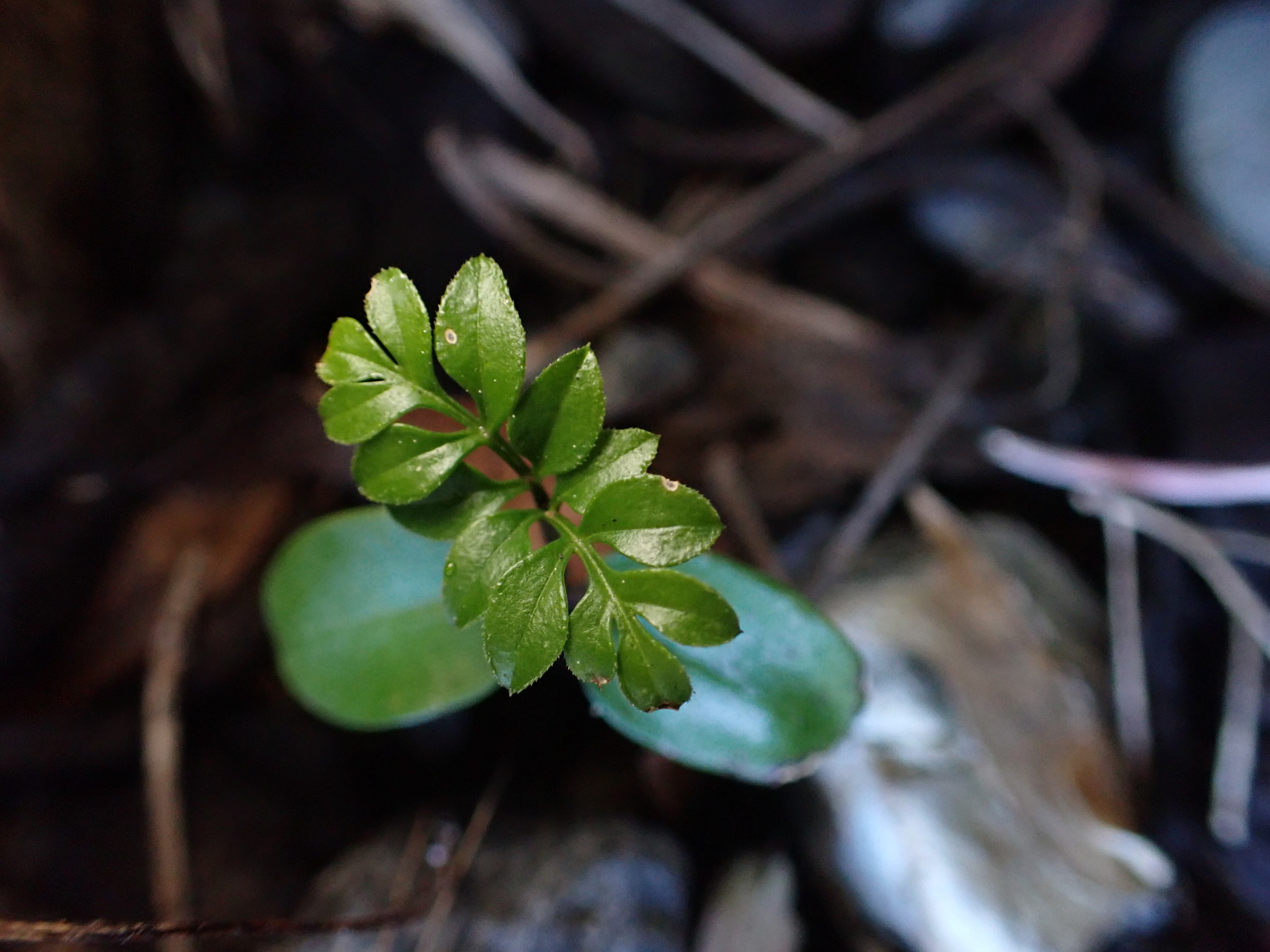
The opposite, pinnately compound leaves bear five to seven pointed leaflets. The terminal leaflet is the longest; the upper surface is dark green, the underside paler. Elongated pink buds become white, star-shaped flowers whose exterior can retain a pinkish tint. 6
The horticultural description gives flowers about 2 cm (0.8 in) in diameter, grouped in clusters reaching 10 cm (3.9 in). The stated height of 4 to 8 m (13.1 to 26.2 ft) concerns a climber developed in favorable conditions, with a spread of 1.5 to 2.5 m (4.9 to 8.2 ft). These dimensions do not predict the size of a small potted plant trained on a hoop; under glass, growth may require pruning to contain it. 3
Taxonomy and names
The accepted name Jasminum polyanthum Franch. was published in 1891. The names Jasminum blinii H.Lév., Jasminum delafieldii H.Lév. and Jasminum excellens King & Prain are botanical synonyms of the same species. An old label bearing one of these names therefore does not necessarily denote a different variety. 1
The horticultural name ‘Jaspi’ is accepted, but no difference in care or size is documented in its profile. A cultivar name does not prove hybrid origin; species features remain distinct from properties that would be demonstrated for a selection. 10
Habitat and distribution
Many-flowered jasmine is native to China and Myanmar. The Canary Islands, Great Britain, Nepal and New Zealand are among the territories of introduction. Presence in these regions does not mean that the plant is native there. 1
In New Zealand, stems root at nodes and form masses that smother vegetation. Fragments discarded with garden waste spread the plant; birds also disperse seeds when they are produced. Avoiding the dumping of prunings in the wild therefore limits a documented dispersal route. This New Zealand risk does not establish a French regulatory status. 7
Fruiting remains rare in horticultural descriptions, without making the species sterile. Viable seeds are reported in New Zealand. 68
Life cycle and cultivation
Under cover, many-flowered jasmine blooms in late winter and spring. Outdoors, in frost-free climates, flowering may begin later in spring. Observations of year-round flowering in New Zealand do not constitute a calendar for an apartment in France. 438
In a pot, keep the growing medium moist without waterlogging it, and wait for the surface to dry slightly before watering. Reduce watering in winter. Bright indirect light is suitable under cover; overly intense sun can scorch leaves. Daytime guidance of 15 to 24 °C (59 to 75.2 °F), with cooler nights, concerns this indoor cultivation. 5
Bringing pots indoors before nights fall below 13–15 °C (55.4–59 °F) is cautious horticultural advice. This threshold is not a universal lethal temperature: The British hardiness class is H2. It indicates cold tolerance without frost resistance. 43
Repot in spring if roots are crowded or growth is poor. In containers, apply fertilizer during growth, from April to September, following the fertilizer instructions; general guidance for potted jasmines favors a high-potassium liquid fertilizer. The calendar translates these seasons for cultivation under cover in the Northern Hemisphere, with relative indices rather than water volumes. 54
Take semi-ripe cuttings in summer; layer stems in fall. Thinning crowded shoots after flowering limits the space occupied under glass. 3
Uses and risks
The fragrant flowers explain its ornamental use in bright interiors or conservatories, with stems trained on a trellis. Under cover, watch for aphids and scale insects; these are among the species' possible pests. 43
The genus Jasminum is classified as non-toxic to cats, dogs and horses. This classification concerns the genus, without a specific study reported for every cultivar. For humans, children and other animals, the status remains unknown: the veterinary classification establishes no human edibility. A lack of precise toxicological information does not prove safety. 911
Varieties, lookalikes and related plants
Common jasmine (Jasminum officinale) also has fragrant white flowers, but blooms in summer in British horticulture. Winter jasmine (Jasminum nudiflorum) opens unscented yellow flowers on bare stems. Pink buds followed by white flowers, together with compound leaves, point toward many-flowered jasmine. 4
The name ‘Jaspi’ denotes a horticultural selection, whereas Jasminum blinii is a botanical synonym. Keeping these categories separate avoids presenting an older name as a cultivar with particular needs. No additional distinguishing feature of ‘Jaspi’ is established. 101
Main sources
Horticultural descriptions of many-flowered jasmine concern different growing settings; dispersal observations retain their New Zealand context.
- Plants of the World Online: Jasminum polyanthum
- EPPO Global Database: Jasminum polyanthum, IASPO
- Royal Horticultural Society: Jasminum polyanthum
- Royal Horticultural Society: How to grow jasmine
- Royal Horticultural Society: Light-loving houseplants, Jasminum polyanthum section
- Oregon State University: Jasminum polyanthum
- Weedbusters: Jasmine, Jasminum polyanthum
- New Zealand Plant Conservation Network: Jasminum polyanthum
- ASPCA: Jasmine, Jasminum species
- Royal Horticultural Society: Jasminum polyanthum ‘Jaspi’
- Cornell University: Are these plants poisonous?
Frequently asked questions
Why does this jasmine have pink buds but white flowers?
The buds are pink, then open into strongly fragrant white flowers. The French name, jasmin à fleurs roses, therefore does not describe an entirely pink corolla.
Can this jasmine stay outdoors in winter?
The species is frost-sensitive. In temperate climates, grow it in a pot and bring it indoors before nights become cold; cautious horticultural guidance advises moving it under cover before nights fall below 13–15 °C (55.4–59 °F).
When should I repot many-flowered jasmine?
In spring, if roots are crowded or growth is poor, into a slightly larger container with a freely draining growing medium.
If you are unsure about a plant’s toxicity, ask a botanist or veterinarian for advice.