
Winged sea lavender (Limonium sinuatum, )
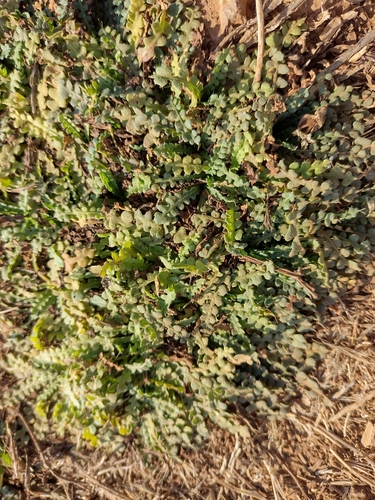

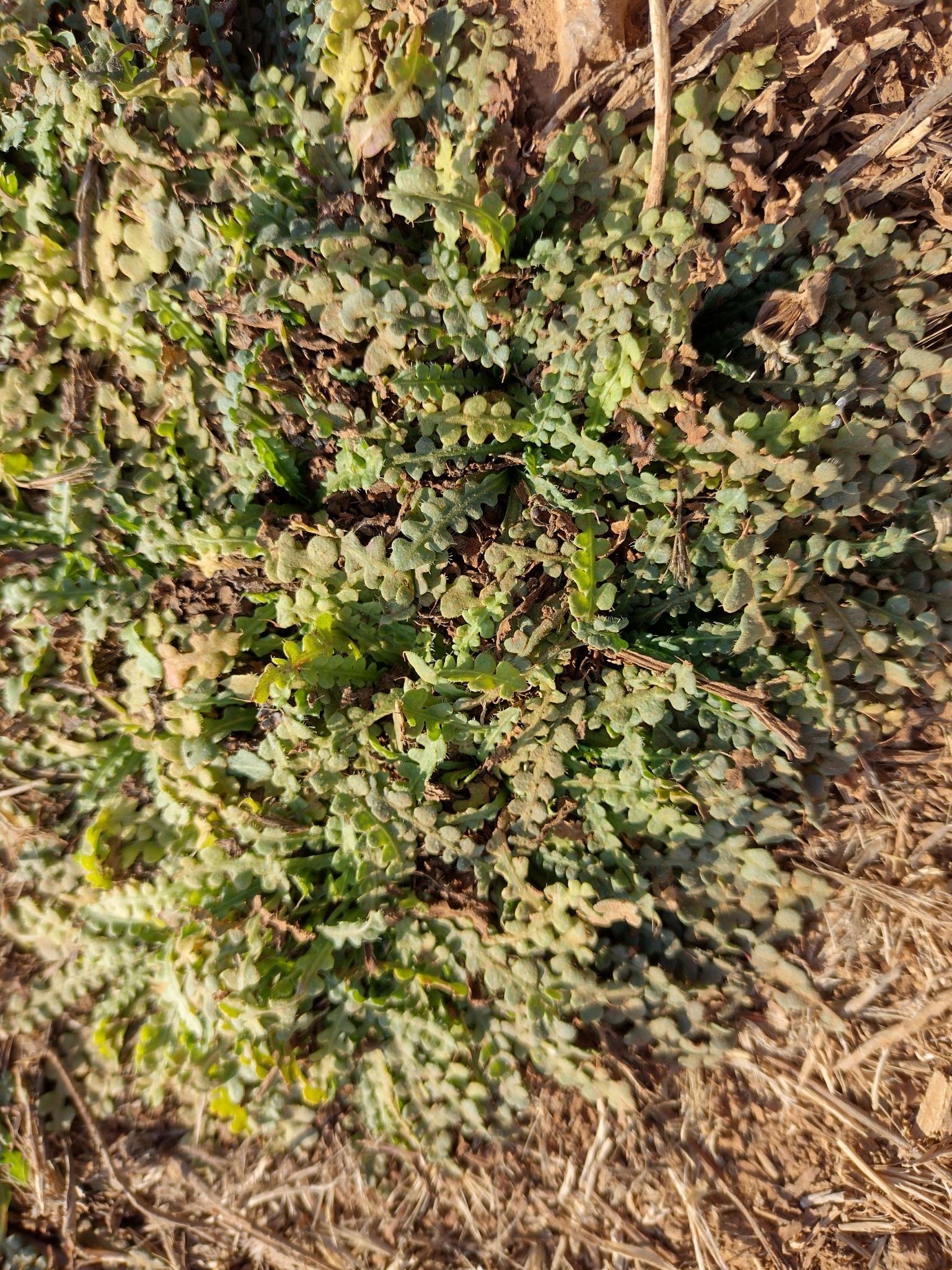
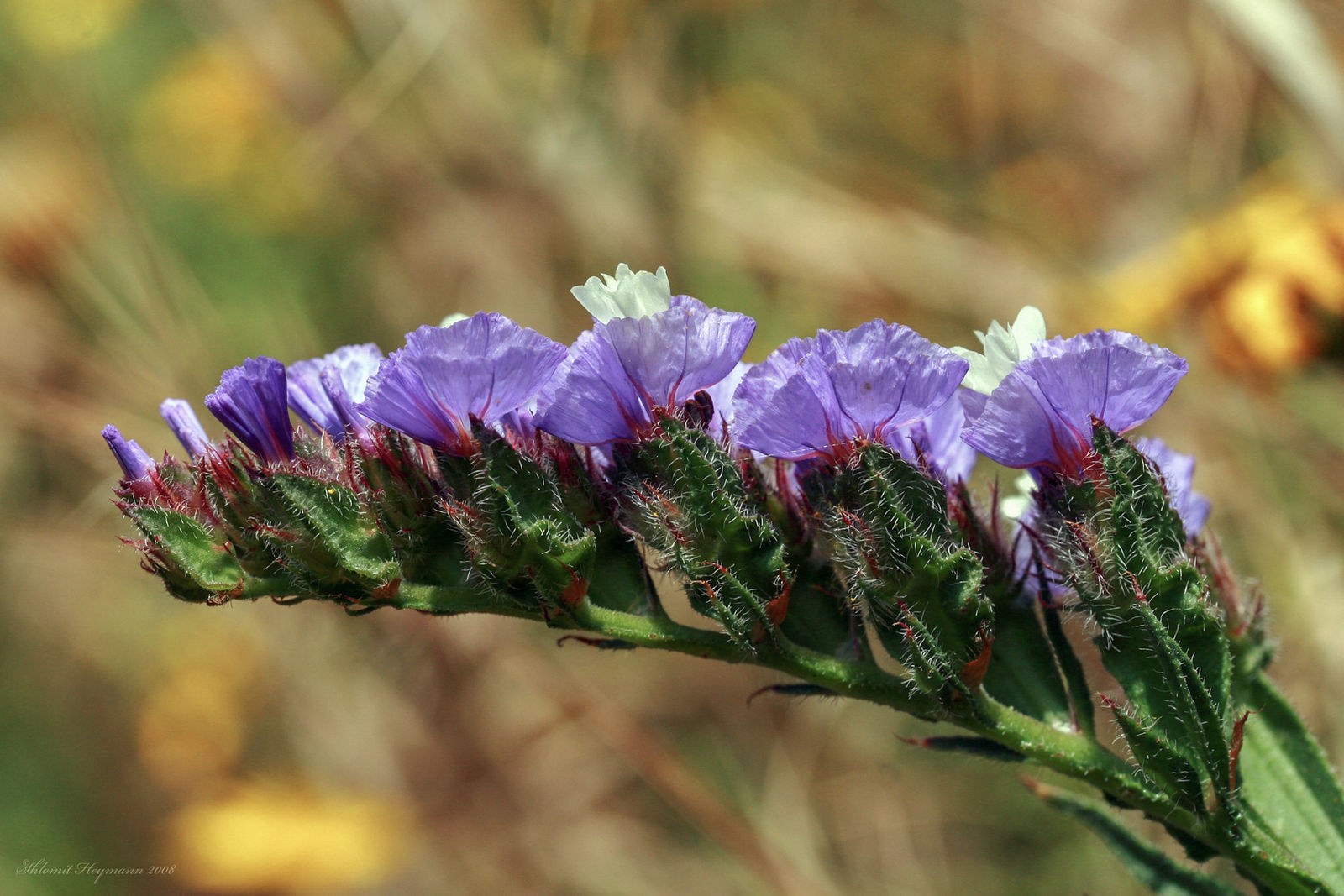
Winged sea lavender (Limonium sinuatum) forms a rosette of lobed leaves and winged stems. Its colorful calyces persist after the white corollas fade and keep well in dried bouquets.
Read moreWinged sea lavender, Wavyleaf sea lavender and Statice
Statice sinuata, Linczevskia sinuata and Taxanthema sinuatum
Place in full sun, with intense direct light all day long.




© photo
Robert Martin · cc-by
Wikimedia Commons · CC BY-SA or Public Domain
Wikipedia · CC BY-SA
Taken Feb 8, 2015 by Tela Botanica − Ans GORTER (cc-by-sa)
Taken Feb 6, 2016 by Tela Botanica − Ans GORTER (cc-by-sa)
Taken May 3, 2022 by Renaud Brochiero (cc-by-sa)
Taken Jan 16, 2022 by Tristan Jaton-Maria (cc-by-sa)
© copyright of the Board of Trustees of the Royal Botanic Gardens, Kew.




Global distribution
Native from Macaronesia and the Mediterranean to Western Sahara and the western Caucasus; introduced outside this range.
- Native4
- Introduced1
- France, including Corsica
- Spain
- Portugal
- Morocco
- California
Hexagons: regions where the plant occurs. Green dots: native range.1
Identity
Winged sea lavender (Limonium sinuatum (L.) Mill., 1768) keeps its colors thanks to its persistent papery calyces. The small white corollas fade, while their colorful outer coverings remain visible. This explains its use in dried flowers: a bouquet can retain its floral appearance after the living flowers have finished blooming. 12
This member of the Plumbaginaceae is a short-lived perennial, often grown as an annual or biennial. The duration of cultivation alone therefore does not establish that a plant is botanically an annual; climate and growing practices also need to be specified. 2
Recognition
A rosette of lobed, wavy leaves sits at the base of upright, branching stems. The green stems bear three longitudinal wings; soft hairs cover parts of the plant. These vegetative features remain useful when flowers are absent, unlike the color of a bouquet alone. 2
The horticultural description of the species gives a height of about 30.5 to 45.7 cm (12.0 to 18.0 in) and a spread of 22.9 to 30.5 cm (9.0 to 12.0 in). Selections intended for cutting can exceed these dimensions. The small flower clusters come in blue, purple, pink, yellow, red or white; distinguishing corolla from calyx avoids attributing the lasting color to the petals. 2
The lance-shaped leaves are velvety and measure about 10.2 to 15.2 cm (4.0 to 6.0 in). Leafless flower stalks bear panicles of clustered spikelets. The fruit is a capsule. Observing the basal foliage and stem wings thus complements examination of the inflorescences, whose colors vary considerably in cultivation. 2
Useful taxonomy
The accepted name is Limonium sinuatum (L.) Mill., published in this combination in 1768. The synonym Statice sinuata L. dates from 1753: “statice” labels therefore refer to an older classification that remains in horticultural use. 1
The synonyms also include Taxanthema sinuatum (L.) Sweet and Linczevskia sinuata (L.) Tzvelev. Recognized botanical subspecies, including romanum and beaumierianum, are not cultivars. The French names “limonium sinué,” “statice sinuée” and “lavande de mer” are attested for the species; keeping the binomial on a label limits the ambiguities of common names. 13
Habitat and distribution
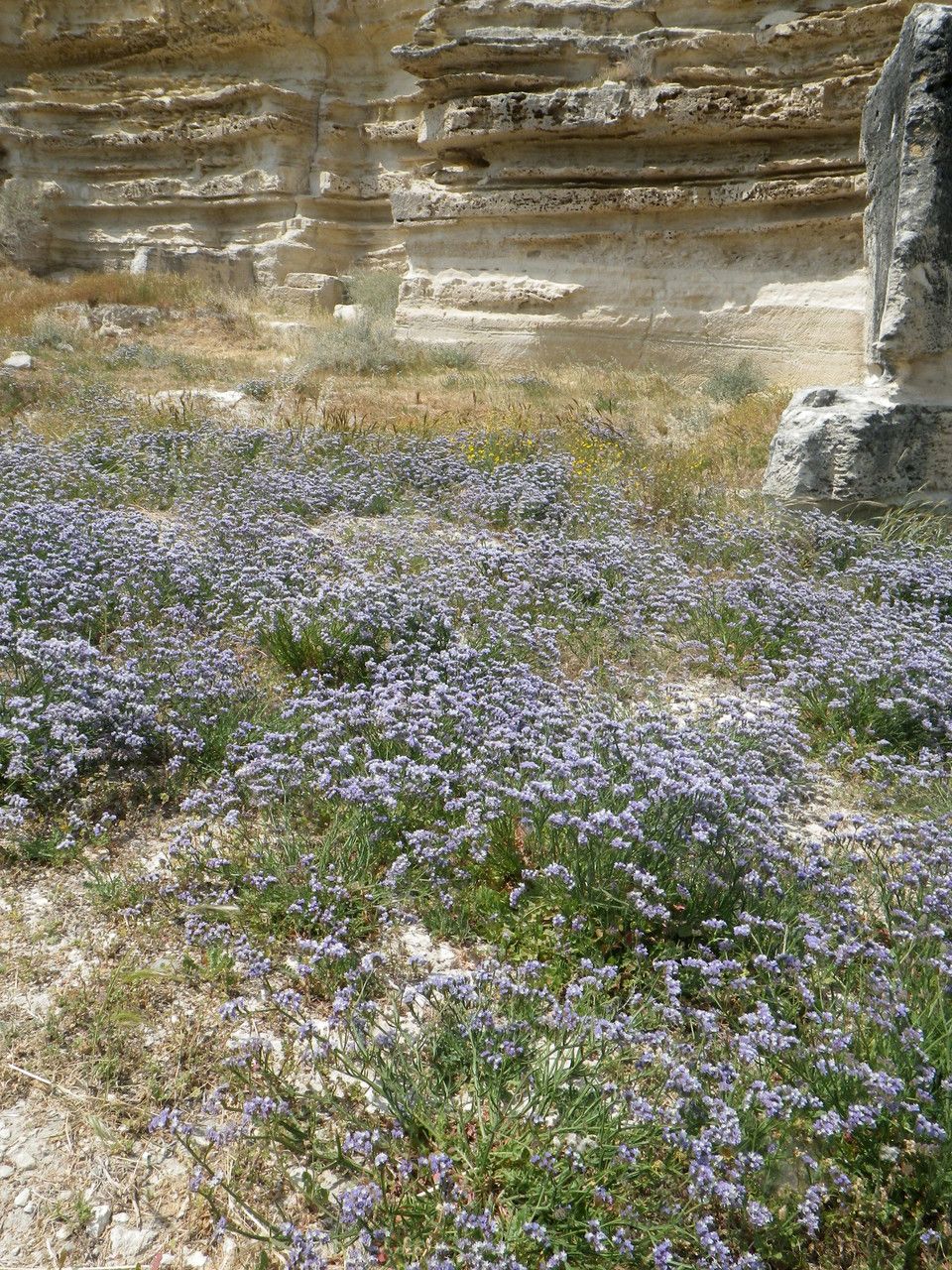
The native range of winged sea lavender covers Macaronesia and the Mediterranean, extending to Western Sahara and the western Caucasus. France, including Corsica, lies within this native range. Its presence in California, by contrast, results from introduction: a sighting outside the Mediterranean basin does not prove a local origin. 1
Mediterranean coasts provide a natural setting for the species. In gardens, full sun and well-drained soil are essential. Salt tolerance and drought tolerance once established favor its use in coastal gardens or rock gardens. Persistently waterlogged soil exposes roots and crowns to rot. 32
Life cycle and cultivation
Seed sowing allows winged sea lavender to be propagated. For the selection ‘Forever Gold’, sowing with gentle warmth in early spring is recommended. The proposed calendar applies this spring-started annual growing cycle to the Northern Hemisphere; its relative indices represent neither water volumes nor growth measurements. 24
Flowering is described in summer and fall in the North American horticultural context. Maryland's professional guidance instead mentions a single harvest in early summer. These indications address different cultivation and harvesting contexts; they do not establish a universal season for every selection. 26
In cut flower production, the species has low to moderate nitrogen requirements. For a controlled-release nitrogen fertilizer, the general recommendation is a single application at the start of the season, according to soil needs. The calendar's feeding month reflects this option, without prescribing routine fertilization in the garden. 6
Uses and risks
The persistent calyces suit dried bouquets. To dry flowers of this type, make bunches of no more than ten stems, remove unwanted leaves and hang the bunches upside down in darkness at room temperature. Allow two to three weeks; small bunches help air circulate. 5
In limonium production, overhead watering and wet foliage encourage several diseases. Avoiding wetting the leaves and maintaining good air circulation are documented cultural measures for the genus, without implying equal susceptibility in every cultivar. 7
Toxicological status remains unknown for each group in the data assembled: adult humans, children, cats, dogs, horses and other animals. Decorative use does not demonstrate safety if ingested; no edible part or specific toxic substance is established here.
Varieties, similar plants and relatives
‘Forever Gold’ is described as an annual with bright yellow flowers reaching 60 cm (23.6 in). Its horticultural name is listed as unresolved, a caveat that should be retained on the label. The ‘Pacific’ mixture combines several colors and reaches 80 cm (31.5 in); it is not a uniform cultivar. Cutting is reported to encourage new flowers in this mixture, but this cannot be generalized to all winged sea lavender. 45
A similar plant sold as statice may be Psylliostachys suworowii, also listed under the synonym Limonium suworowii. Its long, dense pink spikes differ from the small spikes carried on the branching stems of winged sea lavender. The word “statice” alone therefore does not distinguish these two bouquet plants. 54
Main sources
The taxonomy of winged sea lavender and its cultivation advice draw on separate references; observations concerning a mixture or selection retain their horticultural scope.
- Plants of the World Online: Limonium sinuatum
- NC State Extension: Limonium sinuatum
- EPPO Global Database: Limonium sinuatum, LIISI
- Royal Horticultural Society: Limonium sinuatum ‘Forever Gold’
- Royal Horticultural Society: Everlasting flowers to grow
- University of Maryland Extension: Nutrient Management Recommendations for Commercial Cut Flower Production
- UC IPM: Statice, Limonium spp.
Frequently asked questions
Why do winged sea lavender flowers stay colorful after drying?
The lasting color comes from the papery calyces; the small white corollas fade sooner.
Is winged sea lavender an annual or a perennial?
The species can be annual or a short-lived perennial; it is frequently grown as an annual.
What position should I choose for winged sea lavender?
Full sun and well-drained soil suit its cultivation. Excess water encourages root and crown rot.
If you are unsure about a plant’s toxicity, ask a botanist or veterinarian for advice.