
little candles (Mammillaria prolifera, )
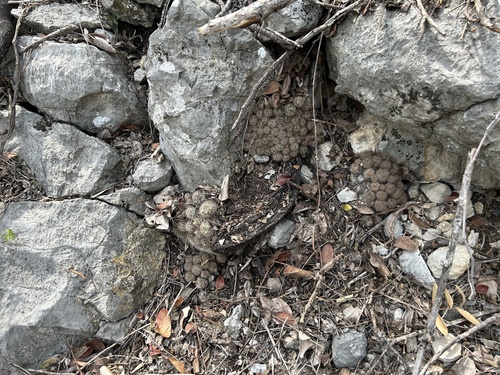
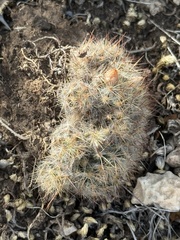
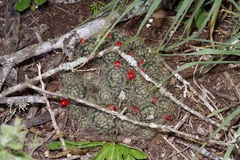
little candles (Mammillaria prolifera) forms clumps of small, spiny, globular stems with pink-tinged cream flowers. This North American and Caribbean cactus belongs to the Cactaceae. A freely draining mix and greatly reduced winter watering support cultivation under cover.
Read morelittle candles and silver cluster cactus
Chilita prolifera, Ebnerella prolifera, Escobariopsis prolifera and Neomammillaria prolifera
Place in full sun, with intense direct light all day long.
Sunny position; bright filtered light in a greenhouse.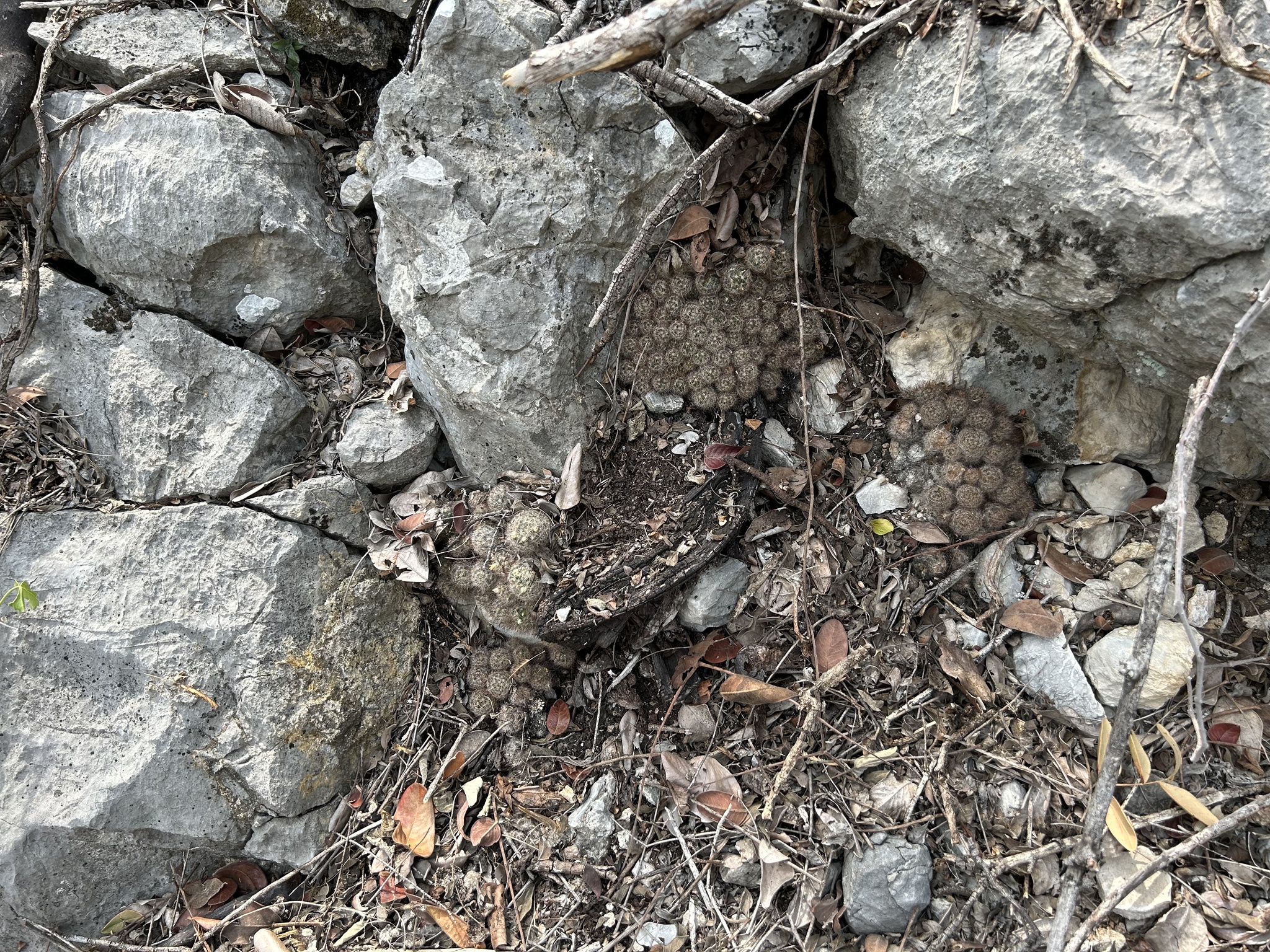



© photo
iNaturalist User · cc0
Ian McFaul · cc-by
Michelle W. (鍾偉瑋) · cc-by
Taken Feb 7, 2022 by FERREIRA DIEGO CÉSAR (cc-by-sa)
Taken Jul 20, 2020 by Dellatorre Zayana (cc-by-sa)
Taken Aug 3, 2022 by Maykon Balieiro (cc-by-sa)
© copyright of the Board of Trustees of the Royal Botanic Gardens, Kew.




Global distribution
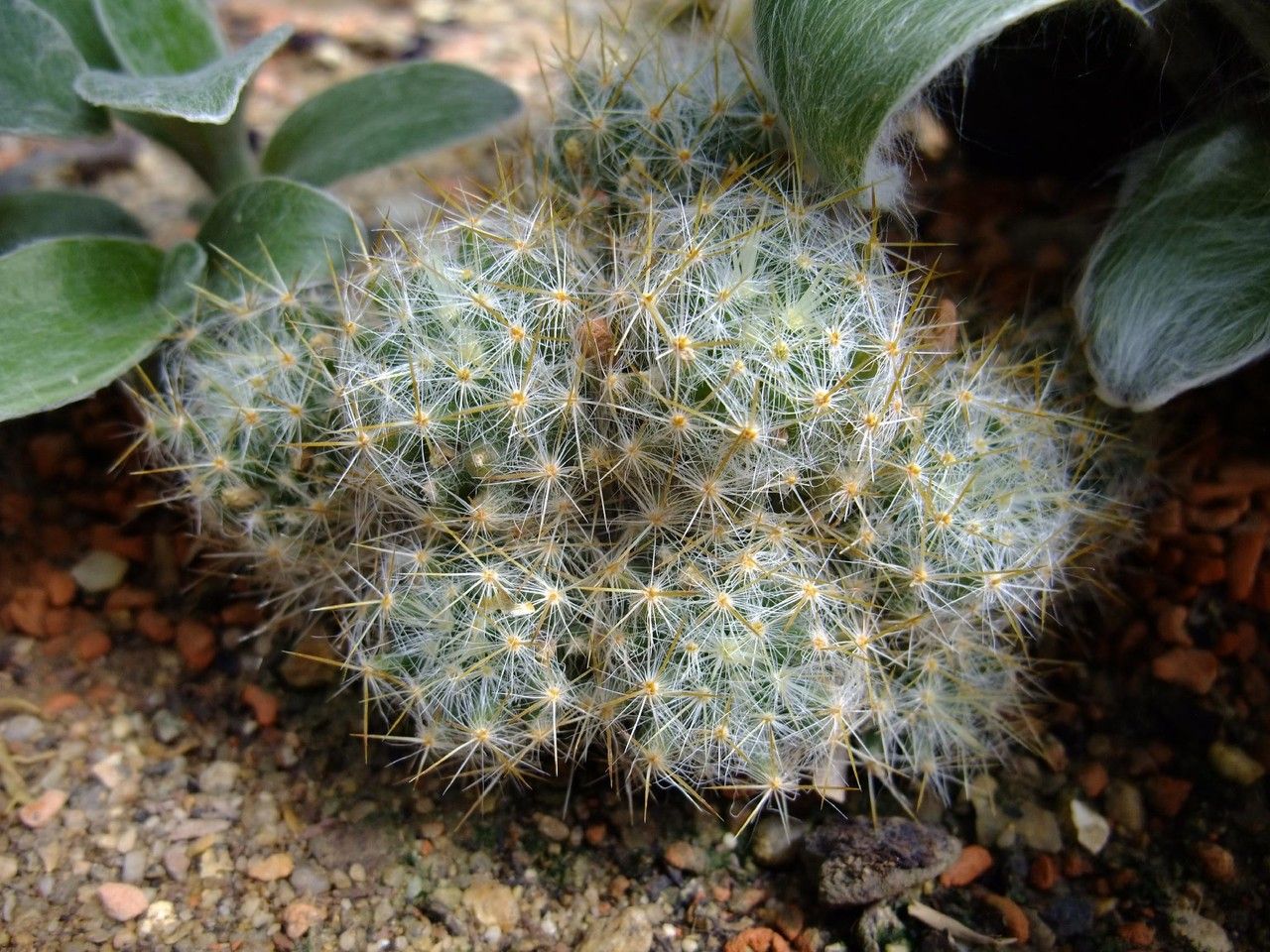
Texas and northeastern Mexico, Cuba and Hispaniola according to Kew; the RHS mentions only the West Indies.
- Native5
- United States
- Mexico
- Cuba
- Haiti
- Dominican Republic
Hexagons: regions where the plant occurs. Green dots: native range.1
Identity
little candles (Mammillaria prolifera) ((Mill.) Haw., 1812) forms clumps of small globular stems with pink-tinged cream flowers. This cactus belongs to the Cactaceae. Because no French name was attested in the references selected, the French account uses the binomial as its display name. 2 1
Kew accepts this name, also used by GRIN and Flora of North America. The combinations Chilita prolifera (Mill.) Orcutt and Neomammillaria prolifera (Mill.) Britton & Rose are botanical synonyms. They do not denote different horticultural selections. 1 4 7
Identification
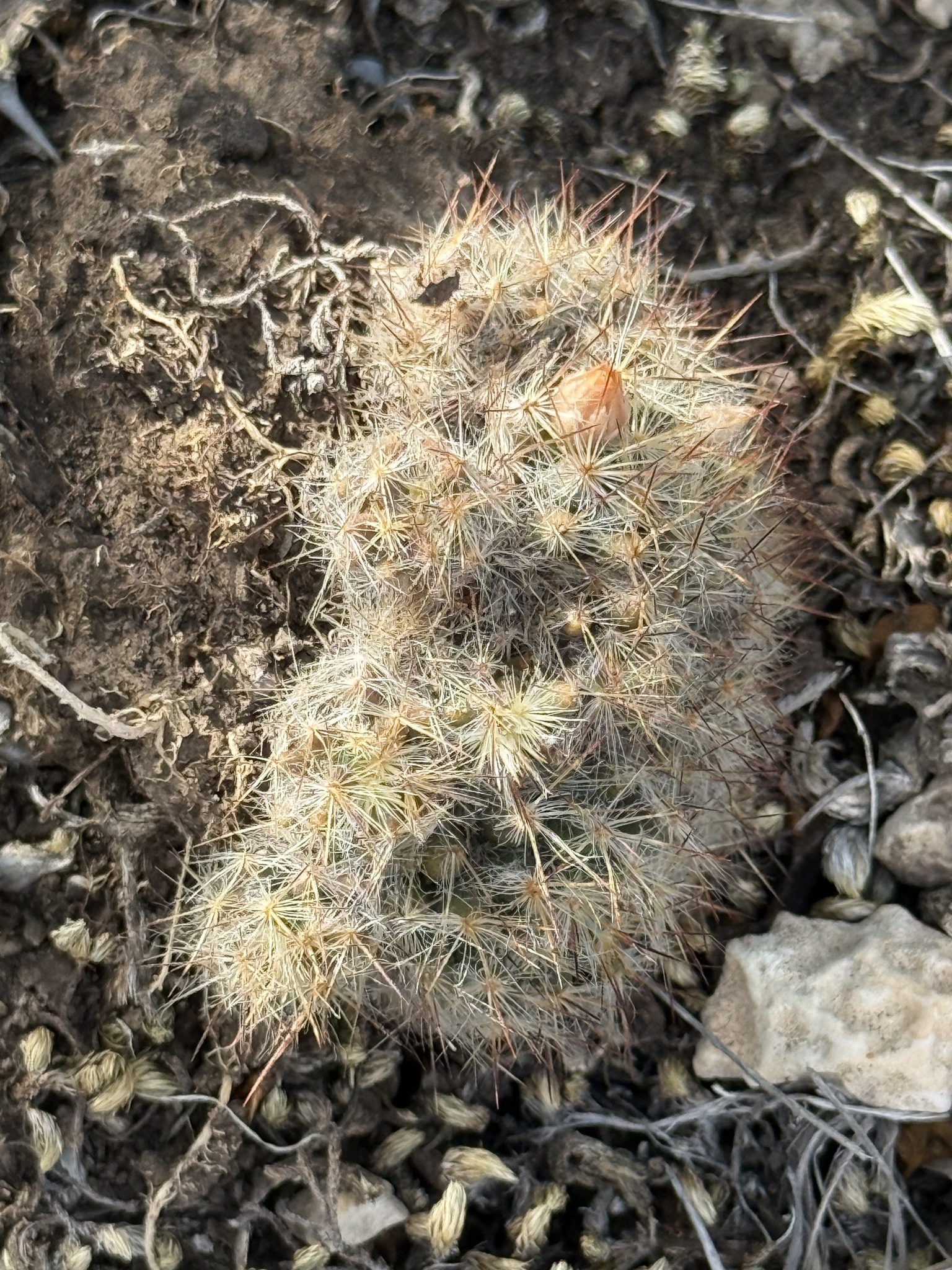
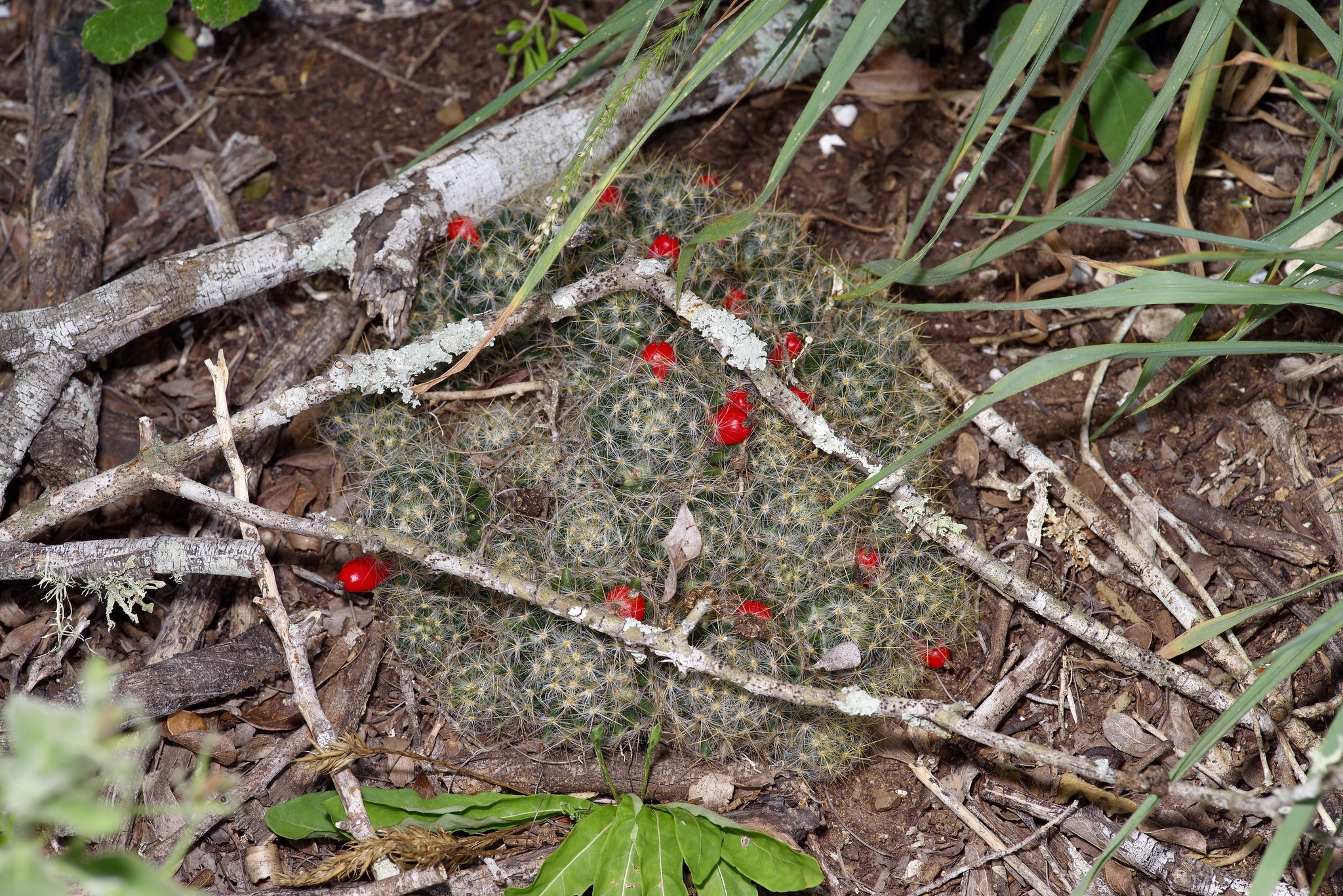
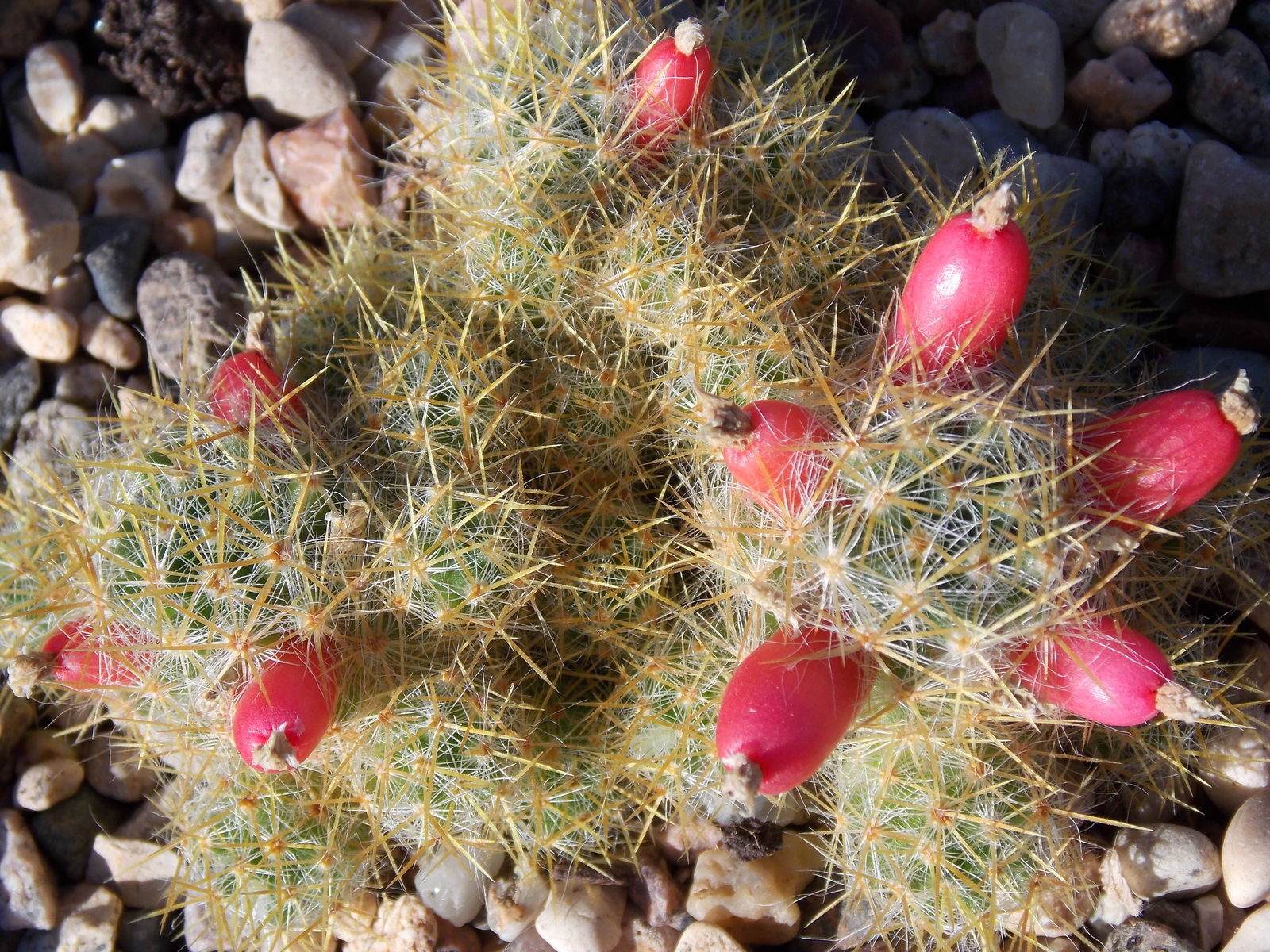
The RHS describes globular stems reaching 10 cm (3.9 in), covered with short white or reddish-brown spines. Flowers measure 2 cm (0.8 in); their creamy-yellow coloring is tinged with pink, with a brown stripe on the outer segments. The clump spreads without developing the habit of a tall upright cactus. 2
The stated horticultural spread is 0.1 to 0.5 m (0.3 to 1.6 ft), with maturity reached between 5 and 10 years. These British guidelines describe the cultivated plant, without prescribing a size for every wild population. The small bumps bearing the spines are the characteristic tubercles of the genus Mammillaria, arranged spirally. 2 3
Habitat and distribution
The native range of Mammillaria prolifera includes Texas, northeastern Mexico, Cuba and Hispaniola according to Kew. GRIN specifies the Mexican states of Coahuila, Nuevo León, San Luis Potosí and Tamaulipas, among others. The RHS account mentions only the West Indies, so its geographical scope is narrower. 1 4 2
Kew associates the species with seasonally dry tropical habitats. For subspecies texana, Kew instead gives deserts and dry shrublands. Flora of North America describes thorn scrub, oak-juniper woodland and limestone crevices for the same group, treated there at variety rank. These habitats cannot all be assigned indiscriminately to the West Indian forms. 1 6 8
Container cultivation
Mammillaria prolifera needs a freely draining cactus potting mix, with low humidity in a greenhouse. The RHS indicates a sunny position in its general fields, but specifies bright filtered light under glass. Cultivation under frost-free cover corresponds to this account; British hardiness class H2 does not guarantee permanent outdoor cultivation in France. 2
Water moderately during growth, then keep the mix almost dry in winter. For the genus, NC State recommends drying between waterings. The general RHS guide links excess water and oversized containers to rot risk: moving to a larger pot without enough roots to fill it can prolong moisture retention. 2 3 5
Life cycle and propagation
Sow Mammillaria prolifera in early spring at 19–24 °C (66.2–75.2 °F), according to the RHS; separating offsets is the other method listed. The general guide recommends detaching well-rooted offsets and repotting in spring when roots have filled the container. 2 5
Species-specific feeding uses a balanced liquid fertilizer every two or three weeks during growth. The calendar translates this advice into seasons for a pot under cover in mainland France. The April-to-September window comes from the general cactus guide; its indices remain relative and do not represent water volumes. Fertilizer frequency remains that of the species account. 2 5
Uses and risks
Mammillaria prolifera is grown as an ornamental plant; GRIN documents this use, and the RHS suggests container or patio cultivation. For handling a spiny cactus, the RHS guide recommends a band of folded newspaper. Punctures are a mechanical hazard, distinct from poisoning. 4 2 5
Species-specific toxicity remains unknown for each audience in this source material: cats, dogs, horses, children, adults and other animals. NC State describes Mammillaria as non-toxic to humans and pets, but this statement concerns the genus. It provides no individual assessment of M. prolifera for each of these audiences. Fruits described by a flora are not thereby established as edible. 3
Varieties and lookalikes
Kew recognizes subspecies arachnoidea, haitiensis, prolifera and texana. Flora of North America uses variety rank for texana and places its flowering in March to May. This season does not automatically describe the whole species. Subspecies and variety are botanical ranks here, without establishing a horticultural cultivar or hybrid. 1 8
To distinguish related cacti, compare stem shape and flowers: Mammillaria elongata develops cylindrical stems, while M. hahniana has a very hairy white covering and magenta flowers. The globular clump with cream flowers of M. prolifera provides a different combination of features. An isolated resemblance between spines is a poor basis for identifying a species. 3 2
Main sources
Botanical references document identity and taxonomic ranks; horticultural references detail growing conditions.
- Kew, Mammillaria prolifera: accepted name and distribution.
- RHS, Mammillaria prolifera: species description and cultivation.
- NC State, Mammillaria: genus features and guidance.
- USDA GRIN, Mammillaria prolifera: identity, native range and use.
- RHS, indoor cacti and succulents: general seasonal guidance.
- Kew, subspecies texana: accepted rank and habitat.
- Flora of North America, species: floristic treatment.
- Flora of North America, variety texana: texana description and flowering.
- Plants of the World Online, Mammillaria prolifera
- Royal Horticultural Society, Mammillaria prolifera
- NC State Extension, Mammillaria, genus account
- USDA GRIN, Mammillaria prolifera
- Royal Horticultural Society, growing houseplant cacti and succulents
- Plants of the World Online, Mammillaria prolifera subsp. texana
- Flora of North America, Mammillaria prolifera
- Flora of North America, Mammillaria prolifera var. texana
Frequently asked questions
How can I identify little candles?
The RHS describes a clump of small globular stems, up to 10 cm (3.9 in), with white or reddish-brown spines and pink-tinged cream flowers measuring 2 cm (0.8 in).
How should I water little candles in winter?
Species-specific guidance is to keep the growing medium almost dry in winter; water moderately during growth.
How can I propagate little candles?
The RHS recommends seed sowing in early spring at 19–24 °C (66.2–75.2 °F) or separating offsets.
Is the little candles cactus toxic to cats?
The source material contains no species-specific assessment for cats. NC State's non-toxicity statement concerns the Mammillaria genus and is not a species-specific study.
If you are unsure about a plant’s toxicity, ask a botanist or veterinarian for advice.