
Paperwhite (Narcissus papyraceus, )
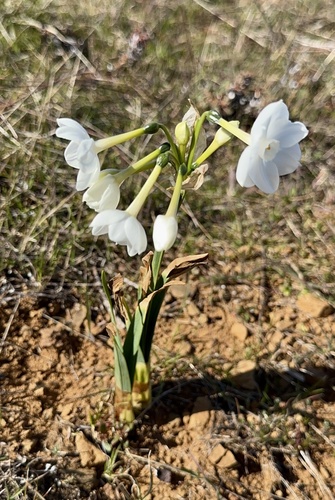
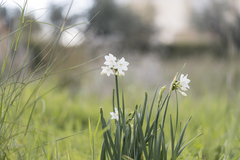
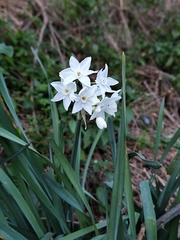
Paperwhite (Narcissus papyraceus Ker Gawl.) is a strongly fragrant, white-flowered bulb in the Amaryllidaceae. Often forced indoors for winter pots, it remains an ornamental plant toxic to dogs, cats and horses, like other Narcissus.
Read morePaperwhite and Paperwhite narcissus
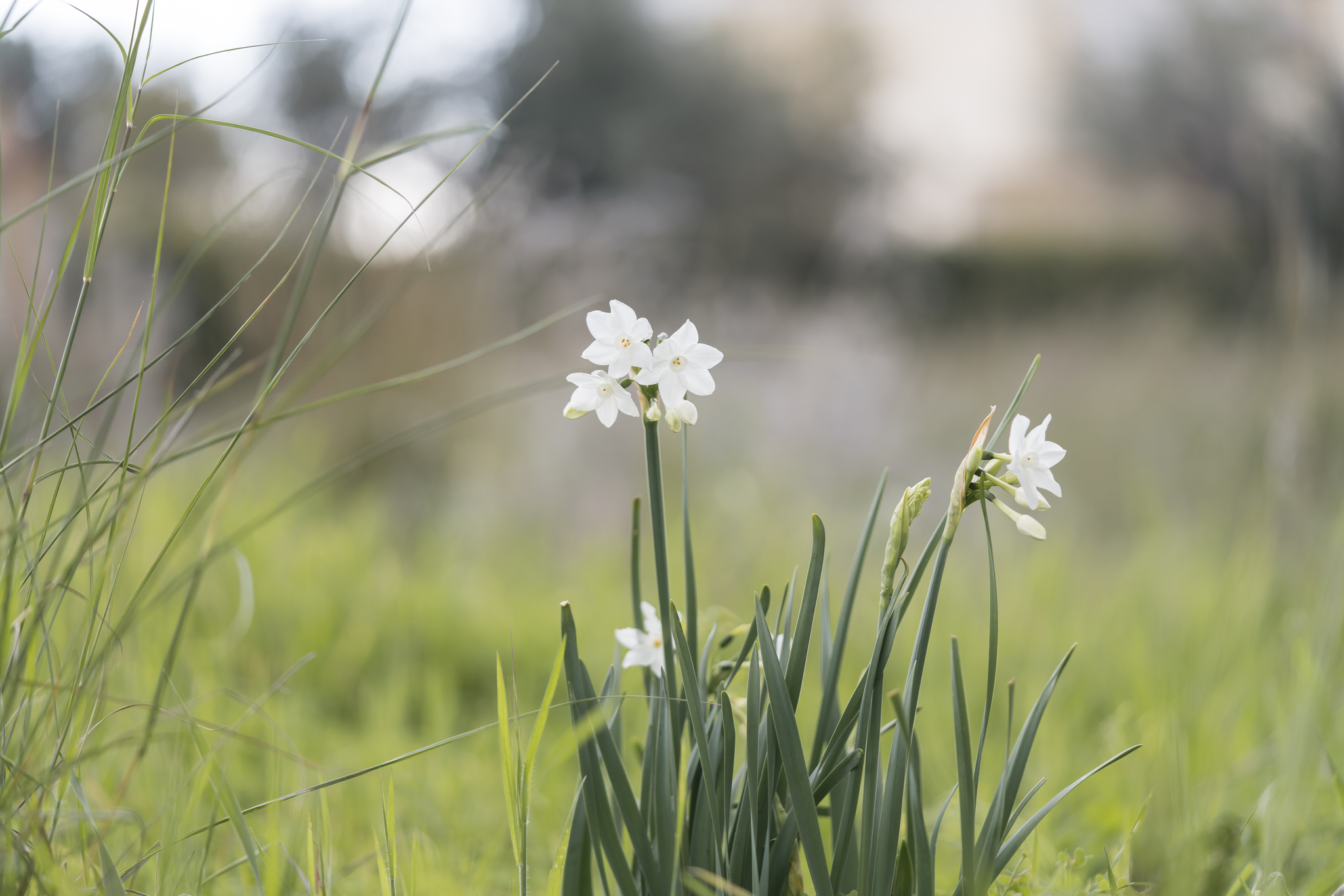
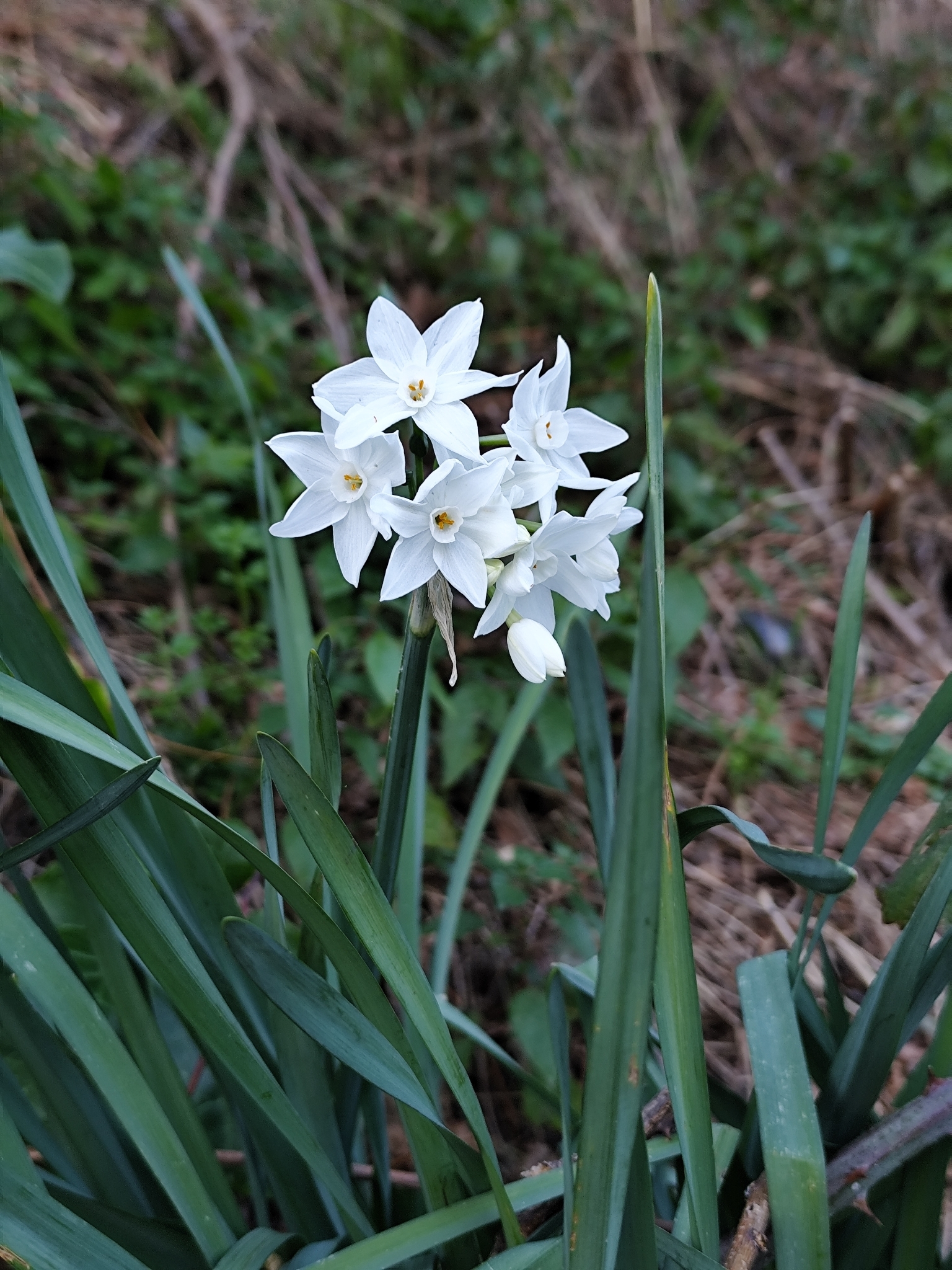


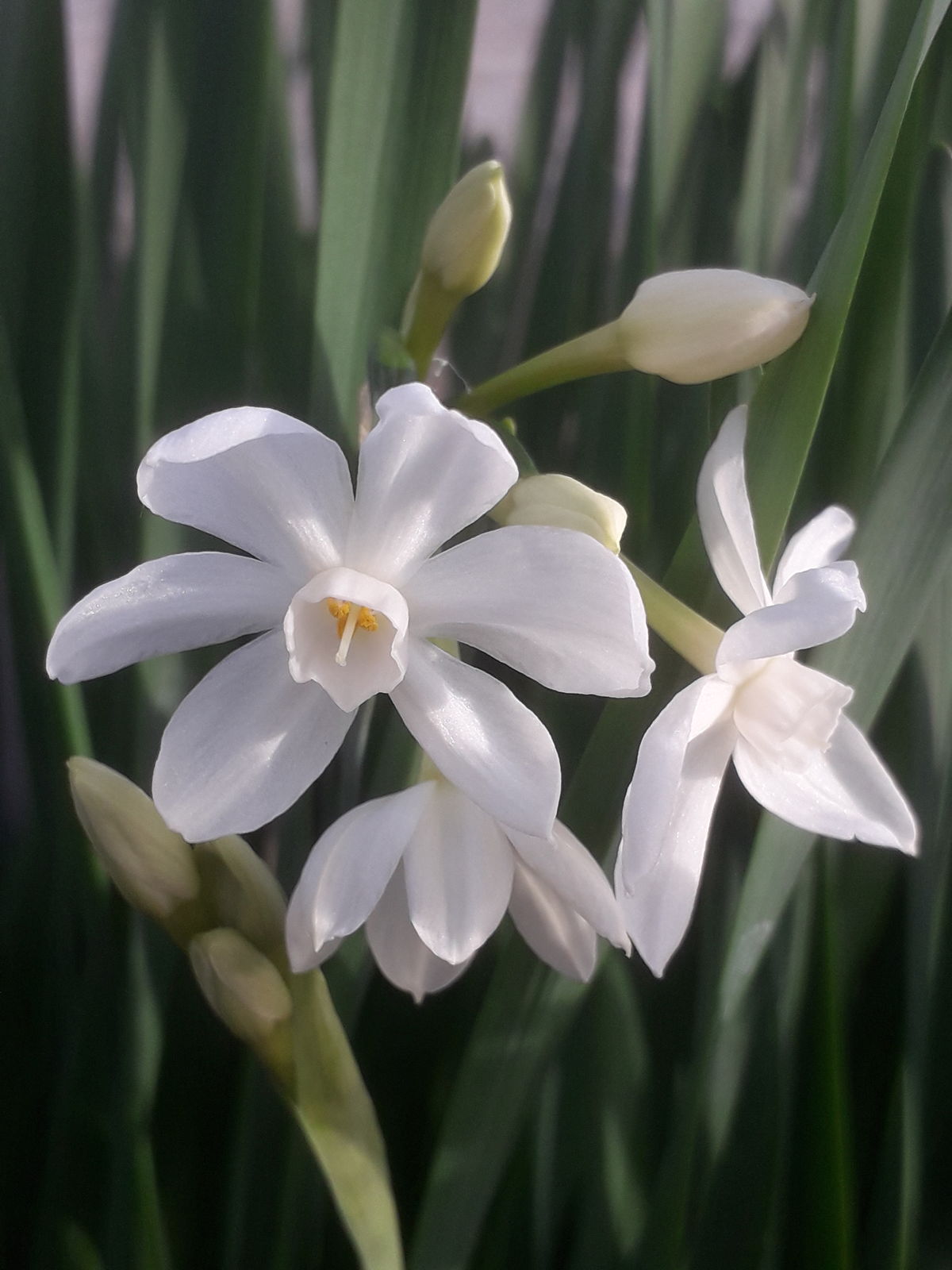

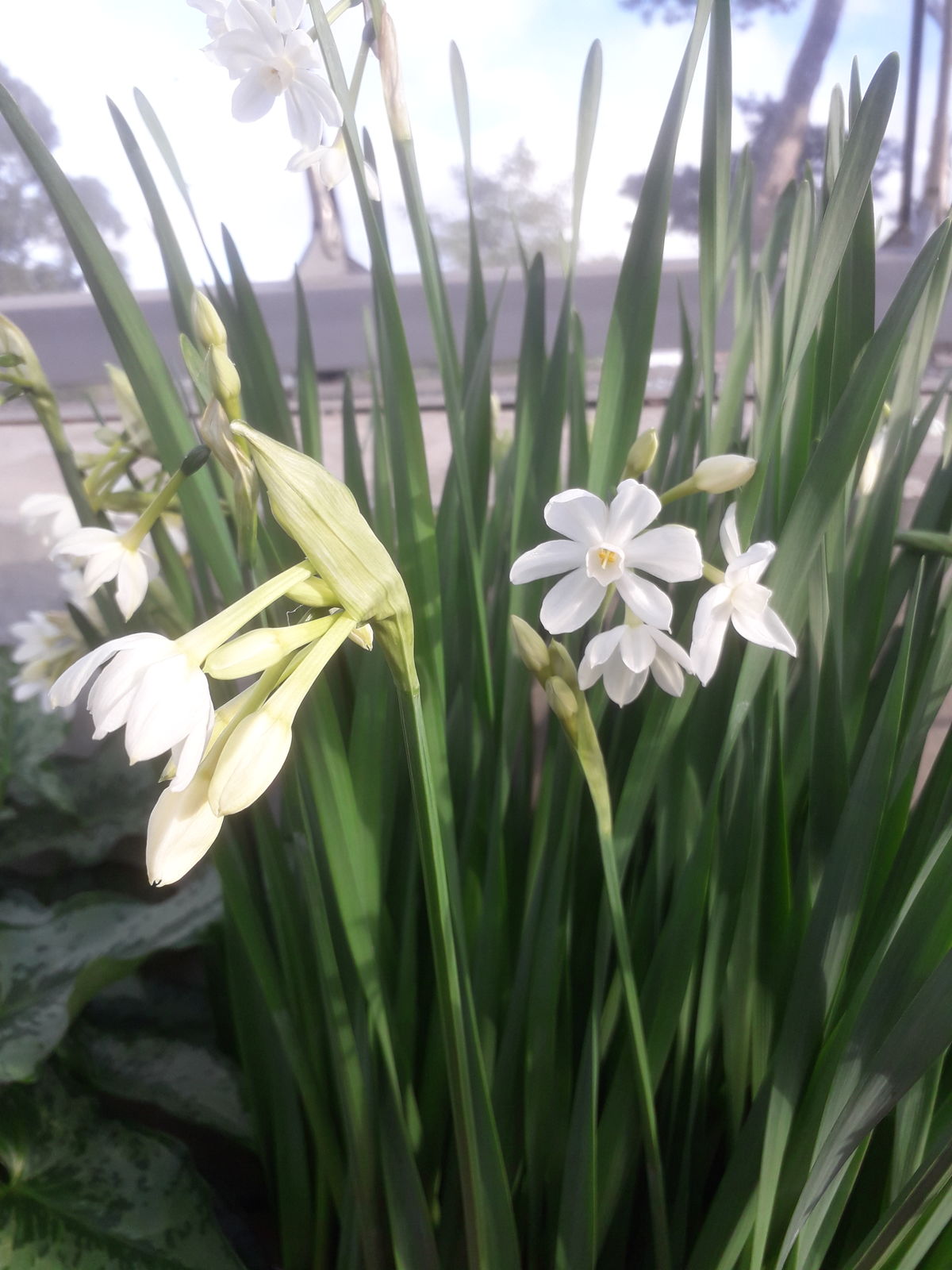
© photo
Chuck Wilson · cc0
Eleftherios Katsillis · cc-by
Francesco Santoro · cc-by
Taken Feb 15, 2006 by Photoflora - Benoit BOCK (©)
Taken Feb 15, 2018 by Photoflora - Jean-Luc TASSET (©)
Taken Jan 1, 1970 by Photoflora - L'Abbé COSTE (©)
Taken Feb 15, 2013 by Photoflora - Benoit BOCK (©)
Taken Feb 22, 2022 by Renaud Brochiero (cc-by-sa)
© copyright of the Board of Trustees of the Royal Botanic Gardens, Kew.


Identity
Paperwhite (Narcissus papyraceus Ker Gawl.) is a bulb grown for its white flowers. Its use in winter pots and as a forced bulb makes it a familiar choice for December planting in Northern Hemisphere homes, where flowers can be brought indoors during the cool season. 1 8
Botanical references place this species in the Amaryllidaceae family and the genus Narcissus. POWO, WFO and IPNI confirm the accepted species. That identity matters: a paperwhite should not automatically be treated as a yellow daffodil or reduced to a reference to the entire genus. 2 3 4
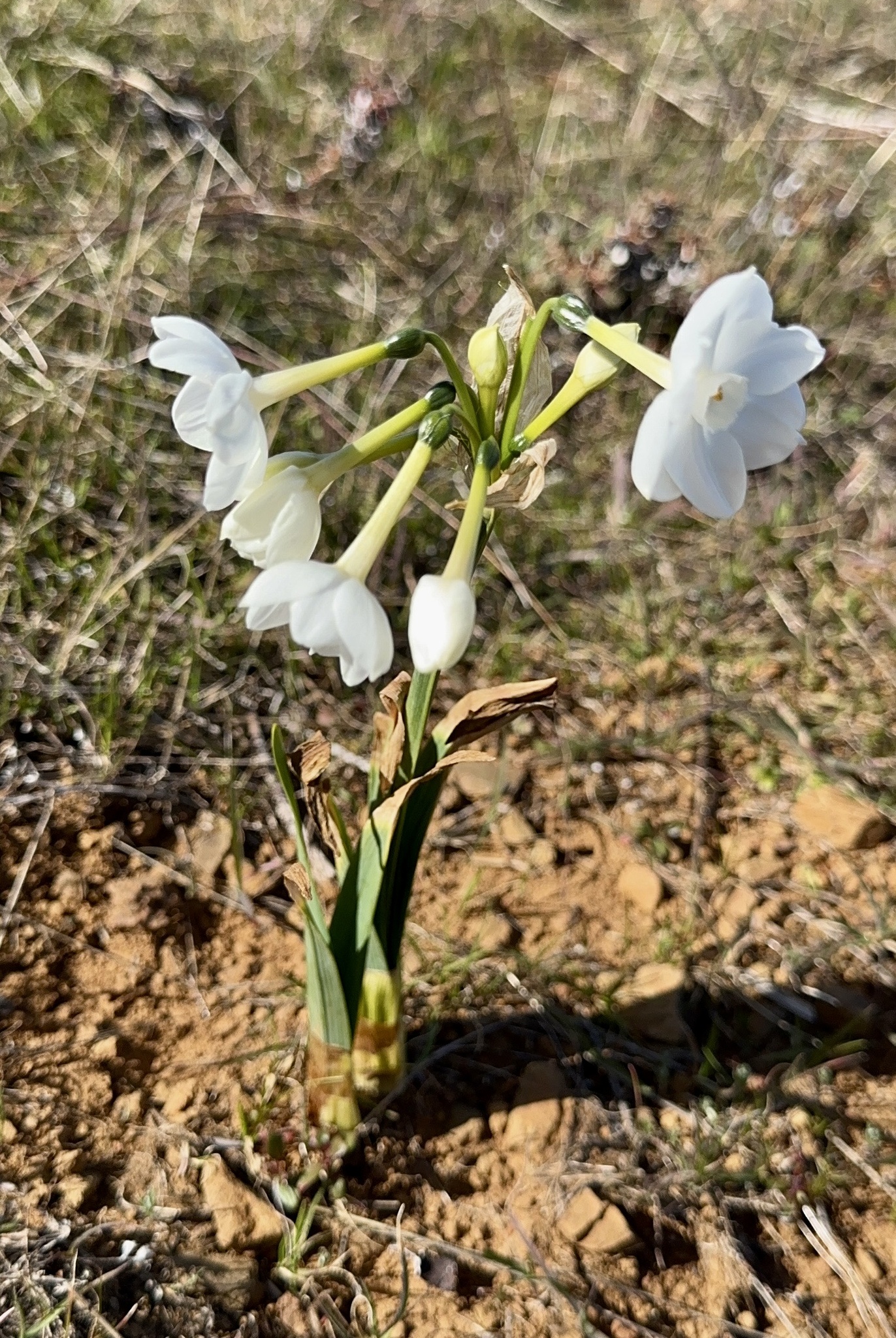
Several strongly fragrant white flowers on an upright stalk give paperwhite its recognizable horticultural appearance. Narrow leaves rise around the stalk, and the bulb can flower quickly indoors. The combination of clustered blooms and scent makes it distinctive in a winter display. 6 8
Nurseries sometimes use “paperwhite” broadly, but Narcissus papyraceus identifies a particular species. Keeping the binomial with the common name preserves that botanical precision when several kinds of daffodils are discussed together. 2 6
Recognition
White flowers emerge from a bulb on stalks commonly 30–45 cm (12–18 in) tall. Several flowers stand at the top of each stalk, rather than the single large trumpet seen in some yellow daffodils. This clustered arrangement is a useful recognition feature. 6
Fragrant flower clusters rise above strap-shaped leaves. White is the dominant flower color, sometimes accompanied by a small cream central cup, depending on the form. The central cup is much smaller than a trumpet daffodil's. 7 6 9
Distinguishing paperwhite from Narcissus tazetta can be subtle because both belong to the world of cluster-flowered daffodils. The epithet papyraceus identifies the white paperwhite often sold for indoor winter display, rather than every daffodil with several flowers on a stalk. 2 8
Forced plants may lean or flop if the room is warm or the bulb receives too little light. Bright light followed by a cooler room helps retain a neater outline and prolong flowering. Those conditions matter as the stems lengthen and carry their flowers above the pot. 6
Scent is another recognition clue. It is more obvious in an enclosed room than outdoors, and can turn a simple bowl of bulbs into a strong winter presence. The fragrance is part of the plant's appeal, but it also affects where a pot is best placed. 6 8
Useful taxonomy
The accepted botanical name is Narcissus papyraceus Ker Gawl. The epithet papyraceus refers to a white, paperlike appearance, also reflected in the English name paperwhite. Both the scientific and common names draw attention to the pale flowers. 4 6
Its close relationship to Narcissus tazetta explains many commercial naming confusions. Some tazetta cultivars are also sold as paperwhites, while N. papyraceus remains the classic white species used for winter forcing. A sales label alone may therefore cover more than one botanical identity. 2 6
Species-level identification retains useful precision: Narcissus papyraceus should remain distinct whenever that name is known. Broader references to daffodils may concern the whole genus or a different species. Grouping them together does not erase the differences between those plants. 8 3
Growing conditions also make that distinction useful. An outdoor trumpet daffodil, a paperwhite forced in a living room and a Mediterranean cluster-flowered daffodil serve different horticultural purposes, even though all share the toxicity associated with the genus. 5 6
Cultivation
Forcing paperwhite bulbs is straightforward. Set bulbs close together in a drained pot, in a light growing medium or on a bed of gravel. Keep water available to the roots without submerging the bulb's basal plate. The goal is root access to moisture without drowning the bulb itself. 6 8
Unlike many spring bulbs, paperwhites sold for forcing generally need no long prechilling period. They start growing quickly, which explains their usefulness for December planting in the Northern Hemisphere. This makes winter forcing different from the preparation required by many other daffodils. 6 8
Bright light limits weak, floppy stalks. Once the flowers open, a cooler room prolongs the fragrant display and helps prevent it from collapsing within a few days. In a small room, the scent may be strong even when the planting itself is modest. 6
Outdoors, this species is primarily a mild-climate daffodil. It needs well-drained soil and a resting period. In colder climates, it is more often treated as a seasonal indoor bulb, with garden use depending on whether local conditions suit its needs. 7 2 10 11
Forcing does not guarantee an easy second flowering. To try saving a bulb, keep its foliage in good light, feed moderately and allow a long rest. In many homes, paperwhite consequently remains a seasonal plant rather than a long-term perennial collection plant. 6 8
Uses
Fragrant winter white is its strongest ornamental role: bowls, pots, bright windowsills, seasonal gifts, cool tables and bright conservatories. Its visible blooms provide interest when outdoor gardens in winter climates have few flowers. The indoor display is closely tied to its use as a forced bulb. 8 6
Moss, bare branches, pebbles, small foliage plants and other cool-season bulbs can accompany a paperwhite display. Elaborate decoration is unnecessary, however. Closely grouped bulbs and cool conditions after the flowers open contribute more to the effect than a complicated arrangement. 8
In mild outdoor conditions, paperwhite can join Mediterranean-style plantings flowering in late winter and spring. Indoors, bulbs are often discarded after flowering because forcing consumes their reserves and recovery is not always reliable. A successful display does not ensure repeated annual flowering. 6
Opinions differ about its fragrance: some people find it elegant, others overpowering. A few bulbs may be enough in a narrow space, whereas a large bowl can dominate the room. Choosing the size and position of the display therefore includes considering the scent. 8 6
Choose a stable container for a table or entryway. Flower stalks grow quickly and carry weight at their tips, so a light pot can tip easily when bulbs are packed closely together. Stability matters as much as appearance once the stems are fully extended. 8 6
Safety
The ASPCA lists daffodils, including plants called Paper White, as toxic to dogs, cats and horses. It identifies lycorine and other alkaloids as the toxic principles, with the bulb the part of greatest concern. Paperwhite is an ornamental bulb, not a food plant. 5
Possible poisoning signs include vomiting, salivation and diarrhea. With large ingestions, seizures, low blood pressure, tremors and heart problems may occur. Keep a flowering indoor pot beyond animals' reach, including while bulbs are being planted or removed after the display. 5
Children also need protection from accessible bulbs: an unfamiliar daffodil bulb can resemble an onion. Store bulbs separately from food and clear away dried pieces after planting. The practical concern extends beyond the flowers to loose bulbs and plant fragments. 5 8
A white winter display remains compatible with careful placement. Narcissus papyraceus is well suited to fragrant December flowering in Northern Hemisphere homes, but it is still a toxic ornamental bulb. Enjoy the scent while keeping the pot away from animals or children likely to chew it. 8 5
Main sources
- Wikidata, Narcissus papyraceus
- Plants of the World Online / Kew, Narcissus papyraceus
- World Flora Online, Narcissus papyraceus
- International Plant Names Index, Narcissus papyraceus
- ASPCA, Daffodil toxicity entry
- Wikipedia EN, Narcissus papyraceus
- Royal Horticultural Society, Narcissus papyraceus — paper-white daffodil (profile displayed as a synonym)
- Floralens, What to plant in December
- Serviss, Benjamin and Keesling (2016), A guide to the naturalized Narcissus in Arkansas, Phytoneuron 2016-25:1–27
- Annette Höggemeier (2011), Narcissus papyraceus — Weihnachts-Narzisse, Jahrbuch des Bochumer Botanischen Vereins 2:226–230
- University of Illinois Extension, Ken Johnson (13 December 2024), Bringing winter blooms to your home: How to grow and care for paperwhites
If you are unsure about a plant’s toxicity, ask a botanist or veterinarian for advice.