
Lacy phacelia (Phacelia tanacetifolia, )
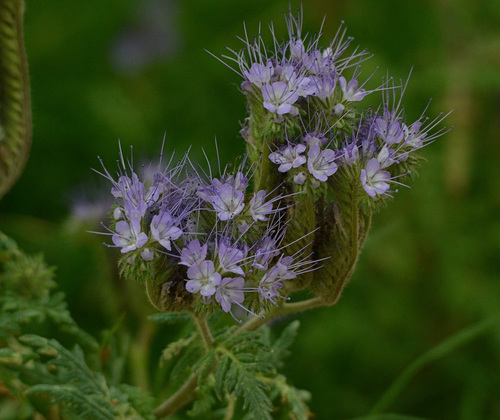

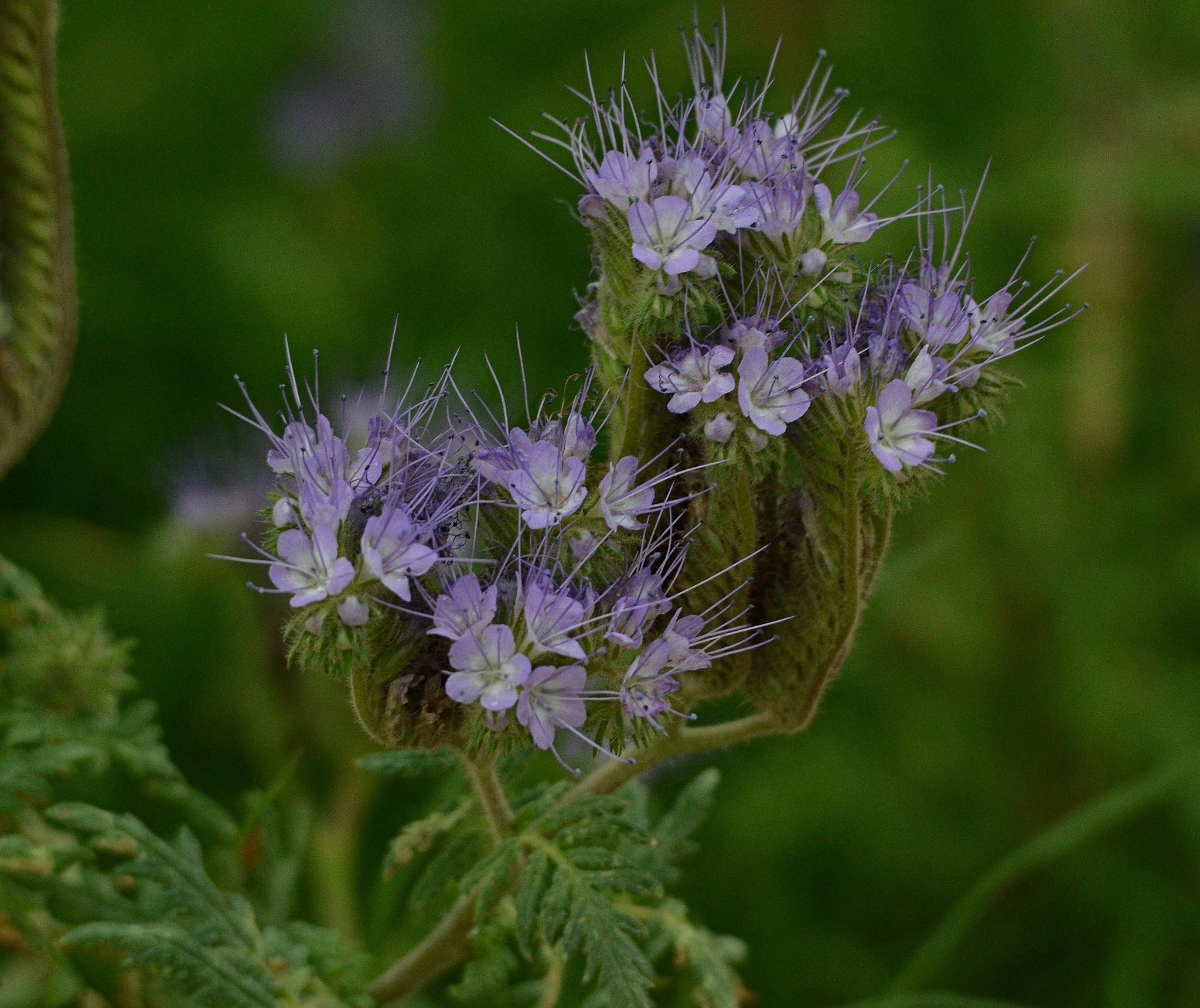
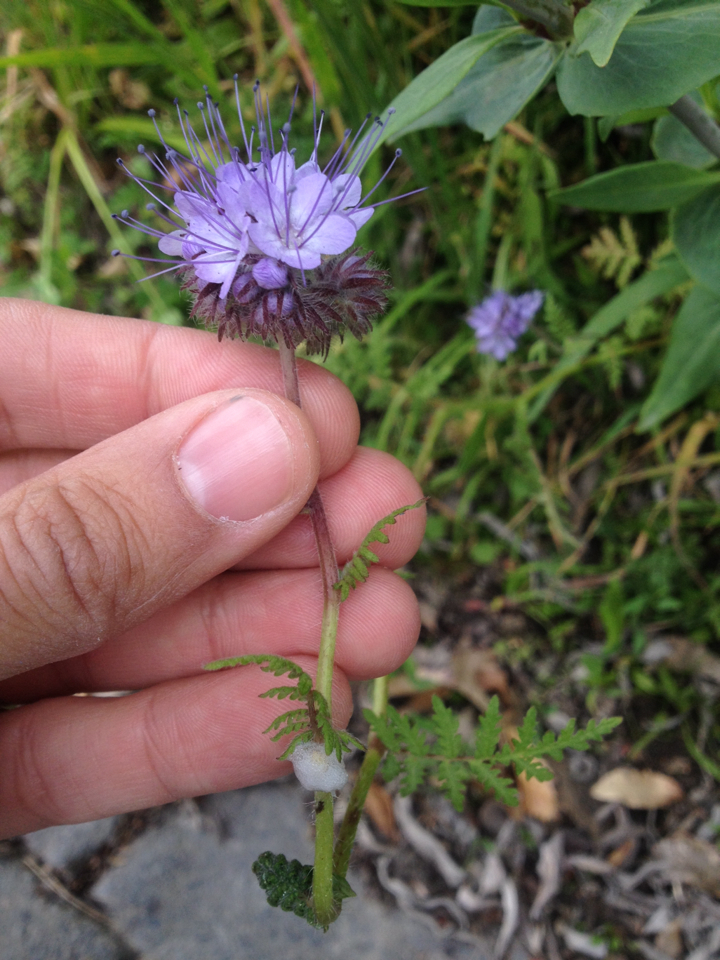
Lacy phacelia (Phacelia tanacetifolia) is an annual in the Boraginaceae with blue-violet flowers in frothy, coiled clusters. A valuable nectar plant, it is also grown as green manure and in open areas, flowering strips and airy garden beds.
Read moreLacy phacelia, Tansy-leaf phacelia and Blue tansy



© photo
Pavel Komkov · cc0
(c) Laura O'Halloran, some rights reserved (CC BY-NC-ND) · cc-by-nc-nd
Jon Sullivan · cc-by
Taken May 10, 2022 by Ernst Fürst (cc-by-sa)
Taken Feb 21, 2017 by Yoan MARTIN (cc-by-sa)
Taken Aug 12, 2021 by Jacques Zuber (cc-by-sa)
Taken Sep 27, 2019 by Dieter Wagner (cc-by-sa)
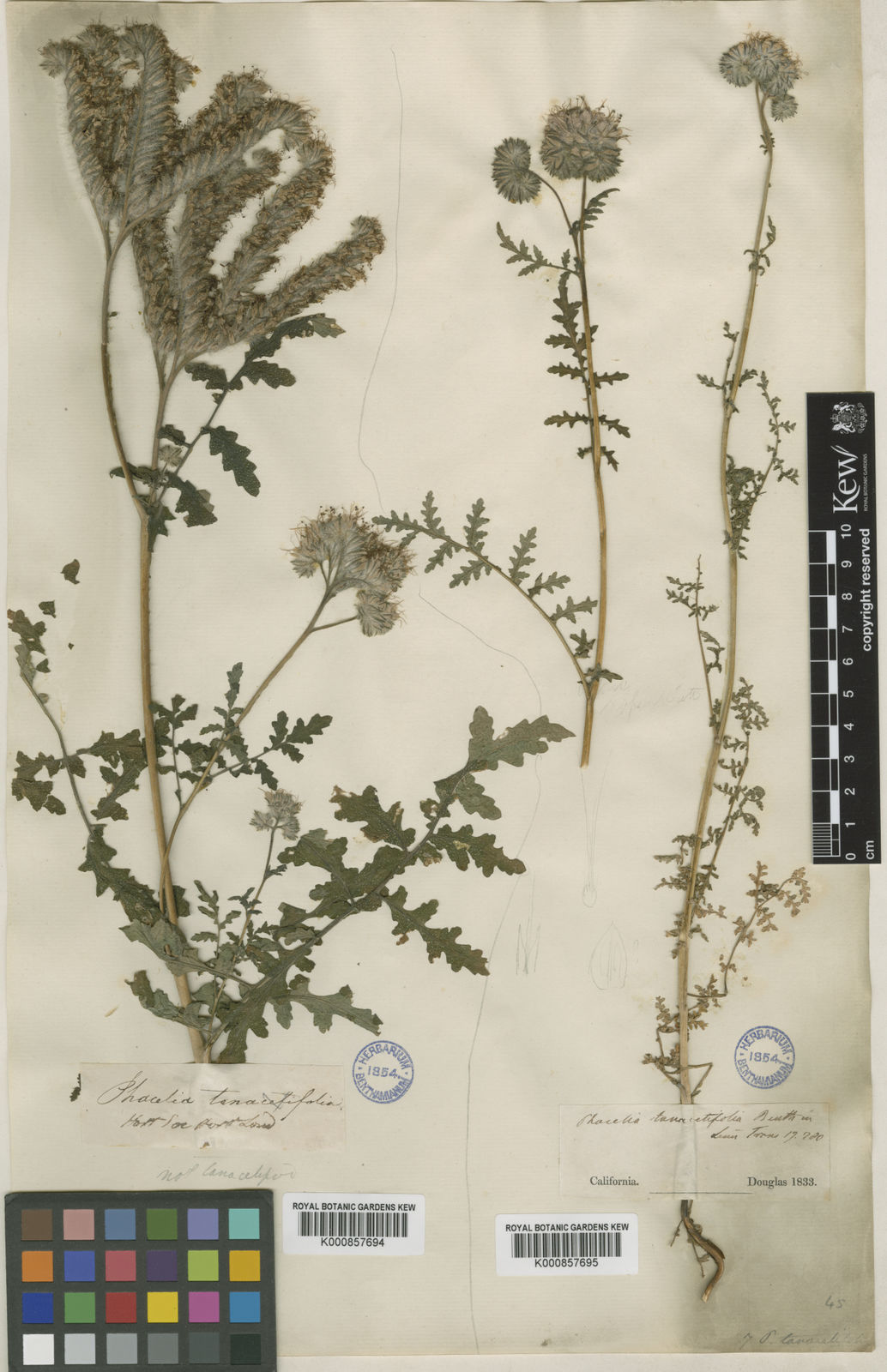
© copyright of the Board of Trustees of the Royal Botanic Gardens, Kew.


Identity
Lacy phacelia (Phacelia tanacetifolia Benth.) is the blue-violet annual used in airy flower displays and pollinator plantings. The name identifies a species, rather than a general category of nectar-rich meadow plants or every member of the genus Phacelia. 1 8
POWO, World Flora Online and IPNI recognize the accepted binomial. Its family is Boraginaceae, linking it with plants that often carry their flowers in coiled clusters. Its particular garden role combines a light flowering texture with the practical value of an annual cover crop. 2 3 4
Blue-violet flowers and a frothy outline give lacy phacelia its character in informal planting. It brings movement, food for insects and a quick seasonal presence. It does not become a permanent structural perennial, so its contribution belongs to the changing layer of annual flowers. 8 6
Lacy phacelia is also used as green manure and as a nectar plant. These two roles explain its unusual versatility: it provides decorative blue flowers while also serving as a useful crop in a vegetable plot or a flowering strip between cultivated areas. 5 7
Recognition
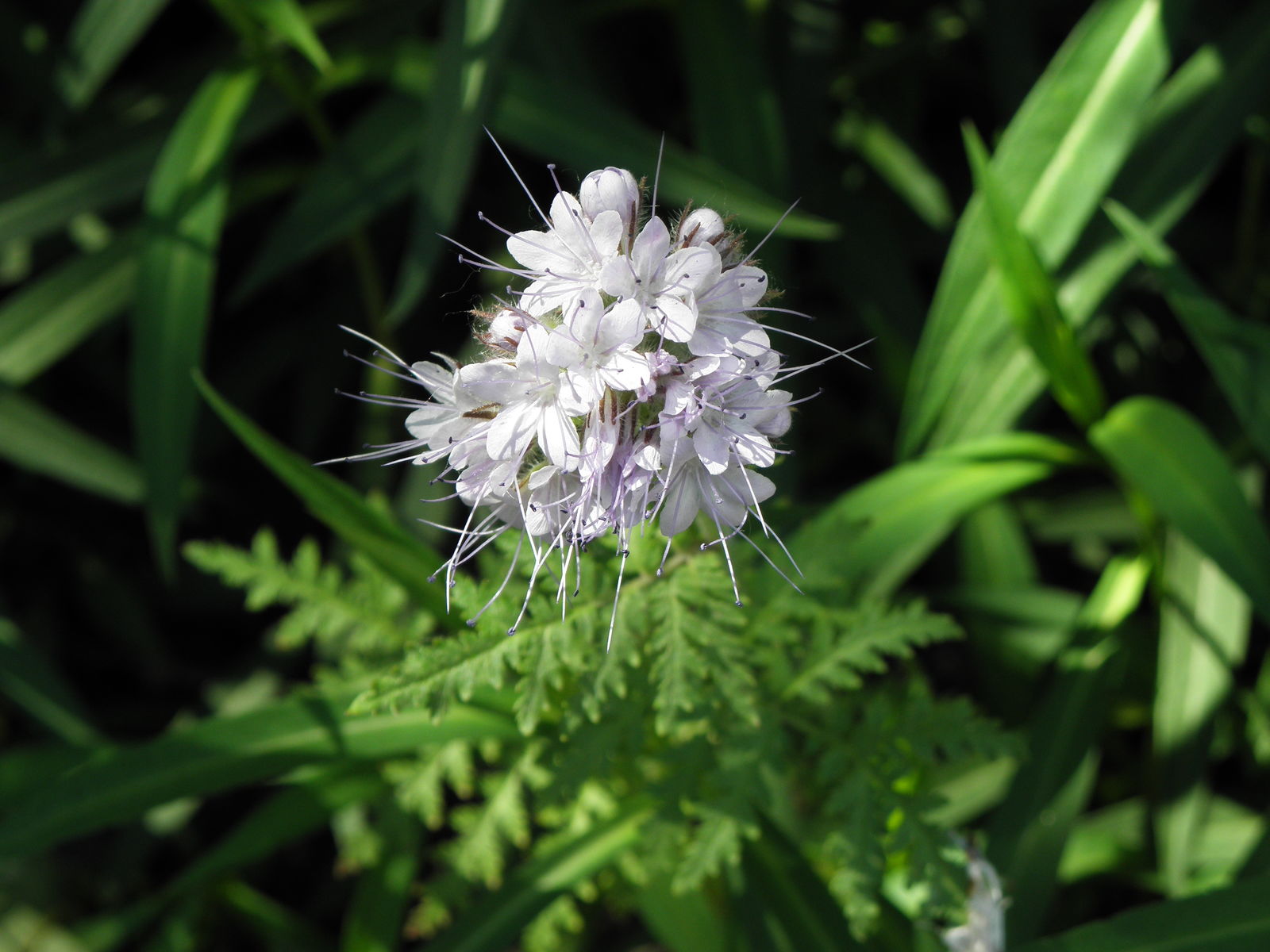
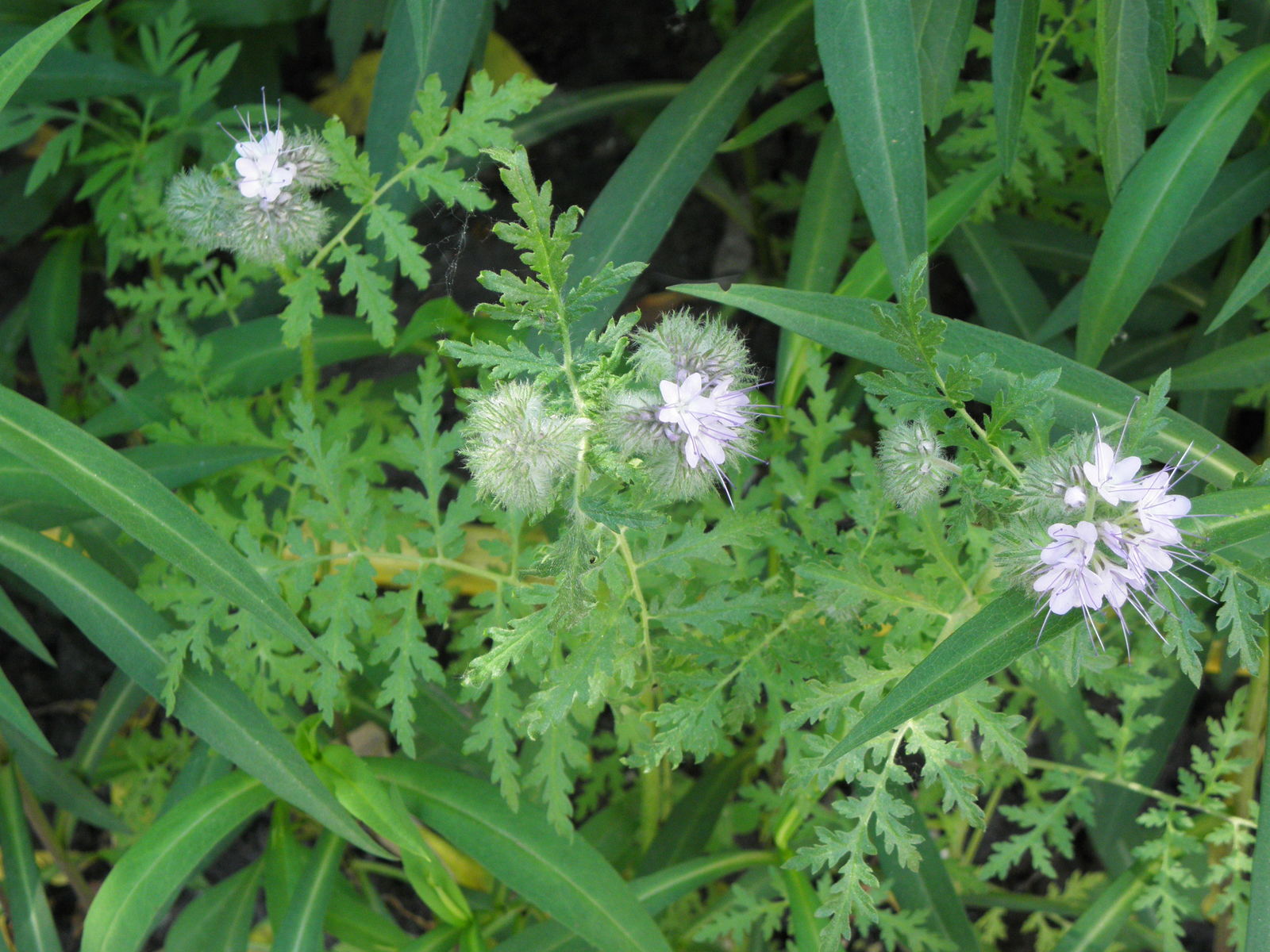
Deeply cut leaves resemble those of tansy, explaining the epithet tanacetifolia. Before flowering, lacy phacelia grows quickly into a light mass of fresh green foliage. The finely divided leaves help create its loose appearance even before the first blue-violet flower clusters open. 6
The blue-violet flowers gather in curved clusters, often described as coils. Protruding stamens extend beyond the small flowers and strengthen the frothy effect. It is the combined texture of many flowers and stamens, rather than a single large blossom, that makes the display distinctive. 8 6
Height varies with soil and sowing density. Thin sowings leave the individual stems and flower clusters easier to see. Overly dense plants may fall over and form a less decorative mat, particularly after rain, so the intended appearance matters when deciding how closely to sow. 5
Unlike a balcony annual such as a petunia, lacy phacelia does not display one sharply outlined flower at a time. Its effect is a cloud of blue, better suited to an informal strip of planting than to a formal container arranged around isolated, clearly separated blooms. 8
Useful taxonomy
The accepted species name is Phacelia tanacetifolia Benth. Using the full binomial distinguishes this familiar blue-flowered annual from the broader genus Phacelia. It is a species-level identity, whether the plants are being grown for flowers, pollinators or soil cover. 2 8
Placement in Boraginaceae gives the plant its botanical family context. Descriptions such as green manure or nectar plant explain uses, but do not replace its taxonomic identity. The same species can serve several purposes without becoming a different botanical group each time. 3 7
The short name phacelia can be imprecise in seed catalogs or garden conversation. P. tanacetifolia is the species most commonly used for flowering strips and green manure. The fuller name is helpful when choosing seed for either of these familiar garden purposes. 6 5
Despite the similarity of the leaves, lacy phacelia should not be confused with tansy. The foliage explains the comparison in the name, but this plant remains a member of Phacelia. Similar-looking leaf divisions do not mean that the two plants share the same identity. 2 6
Cultivation
Begin with direct sowing into a finely prepared seedbed, keeping enough moisture available for germination. Growth is rapid once temperatures become mild. Sowing in the final position suits the plant's role as an annual covering an open patch of soil or flowering within a loose border. 5
Full sun and freely draining soil suit lacy phacelia. Established plants tolerate some drought, but a seedbed that becomes too dry produces uneven germination and incomplete cover. Drought tolerance after establishment should therefore be distinguished from the moisture needed while seedlings are emerging. 6
For an ornamental display, use a thin sowing, less dense than a green-manure crop. Space between stems preserves the airy outline, keeps the curved flower clusters visible and allows the blue-violet flowers to retain their movement instead of merging into a crowded mass. 8
A cover crop can be cut before it produces seed. Where the main purpose is wildlife support, flowering can continue for longer. Timing therefore depends on the intended result: soil cover, pollinators, appearance or control of unwanted self-sown seedlings in the following crop. 5 6
In a vegetable garden, lacy phacelia fits after a short crop or before a more demanding one. If the aim is to return the cut growth easily to the soil, avoid leaving the cover until it becomes too woody. The stage of growth matters as much as the amount of vegetation. 5
Sowing in rows produces a more ordered appearance, while broadcasting seed creates a more natural-looking sheet of growth. In a blue-flowered display, the broadcast effect often suits the loose movement of lacy phacelia better than a rigid arrangement of individual plants. 8
Uses
A blue-toned nectar strip is one of its strongest uses. It suits vegetable-garden edges, open areas, annual meadows, soft borders and transitions between vegetables and flowers. In these settings the foliage and flowers can form a light connecting layer between more clearly defined crops. 8 5
Its strong attraction for pollinators explains why lacy phacelia appears in many seed mixtures. A few square meters, or a few dozen square feet, can bring movement and insect activity to a small garden. Its seasonal scale makes it useful even where a large meadow is impractical. 6
Suitable companions include nigella, baby blue eyes, poppies, cornflowers and annual grasses. Neighboring plants need to suit an informal style. A tightly controlled border can quickly make lacy phacelia look untidy, whereas a loose mixture gives its airy stems room to contribute to the whole display. 8
Between vegetable crops, it occupies a temporarily empty patch of ground. Its rapid growth is useful here, followed by cutting before seeds complicate the next rotation. The aim is a planned interval of cover rather than leaving the plot to an uncontrolled succession of seedlings. 5
In a flowering strip, combine it with plants that bloom later. Lacy phacelia quickly reaches its blue-violet peak, after which other annuals can continue the display. This succession prevents the strip from becoming only dry cover once the phacelia has set seed. 8 6
Cautions
Lacy phacelia is primarily an ornamental, cover crop and pollinator plant. Growing it among vegetables does not establish that it is edible or suitable as animal feed. Its familiar place in a productive garden should be understood in terms of these particular uses. 2
Self-seeding is the main practical concern. Allowing every stem to produce ripe seeds can suit an informal area, but it can be inconvenient in a cultivated vegetable bed or a highly organized border. Decide how much spontaneous regrowth is appropriate for the space. 8 5
Watch planting density as well. An overcrowded sowing can fall over and retain moisture. A thinner sowing keeps the plants healthier, more attractive and more accessible to insects, while maintaining the airy character that makes lacy phacelia useful in ornamental mixtures. 5
After flowering, make a deliberate choice. Cutting early leaves a tidy plot; retaining a few stems provides food for birds and insects but requires management of young plants in the following year. The best choice depends on whether the area is a free-growing patch or a closely managed bed. 8 5
Make that decision before complete seed maturity, while the stems remain easy to cut. Waiting until all the seed has ripened removes much of the control over where new plants will appear and makes the next stage of management less predictable. 5
As a distinct species, Phacelia tanacetifolia unites blue-violet ornamental flowers, value to pollinators and a green-manure role. These uses complement one another, but each calls for a different decision about density, flowering time and when to cut the annual growth. 8 2
Main sources
- Wikidata, Phacelia tanacetifolia
- Plants of the World Online / Kew, Phacelia tanacetifolia
- World Flora Online, Phacelia tanacetifolia
- International Plant Names Index, Phacelia tanacetifolia
- Royal Horticultural Society, Phacelia tanacetifolia search results
- Wikipedia EN, Phacelia tanacetifolia
- GBIF, Phacelia tanacetifolia
- Floralens, blue flower selection
If you are unsure about a plant’s toxicity, ask a botanist or veterinarian for advice.