
Hawkweed oxtongue (Picris hieracioides, )
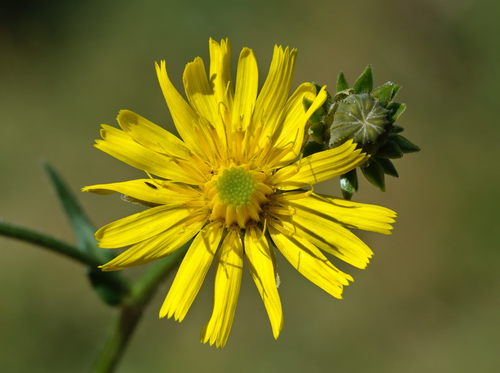
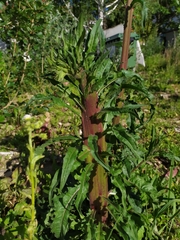

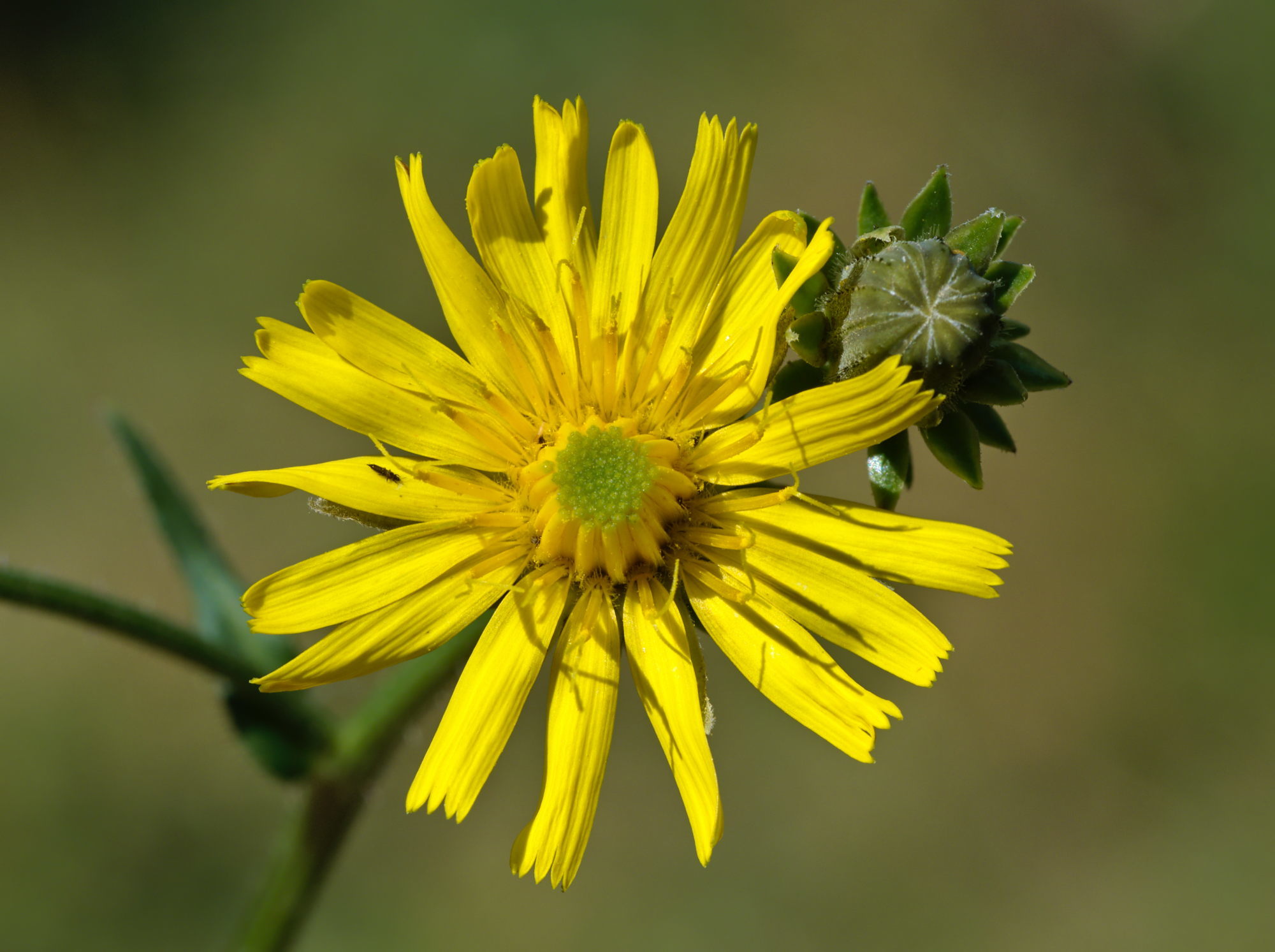
Hawkweed oxtongue is a rough-textured herb with leafy, branched stems ending in yellow flowerheads. It grows in fields, disturbed ground and roadsides, often on calcareous or clay soil.
Read moreHawkweed oxtongue
Crepis hieracioides


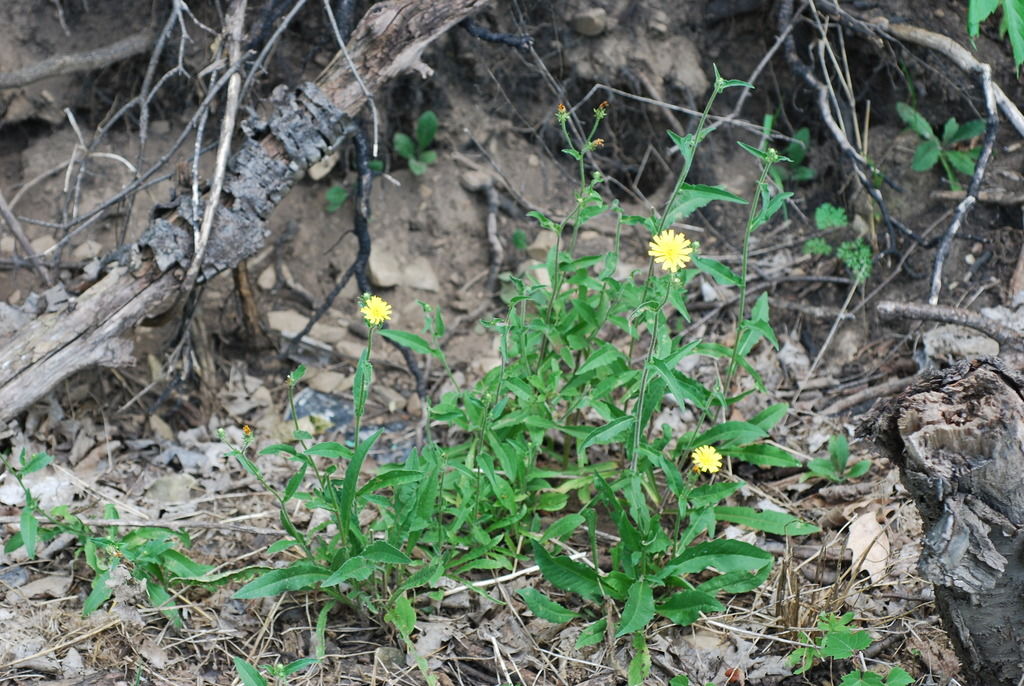
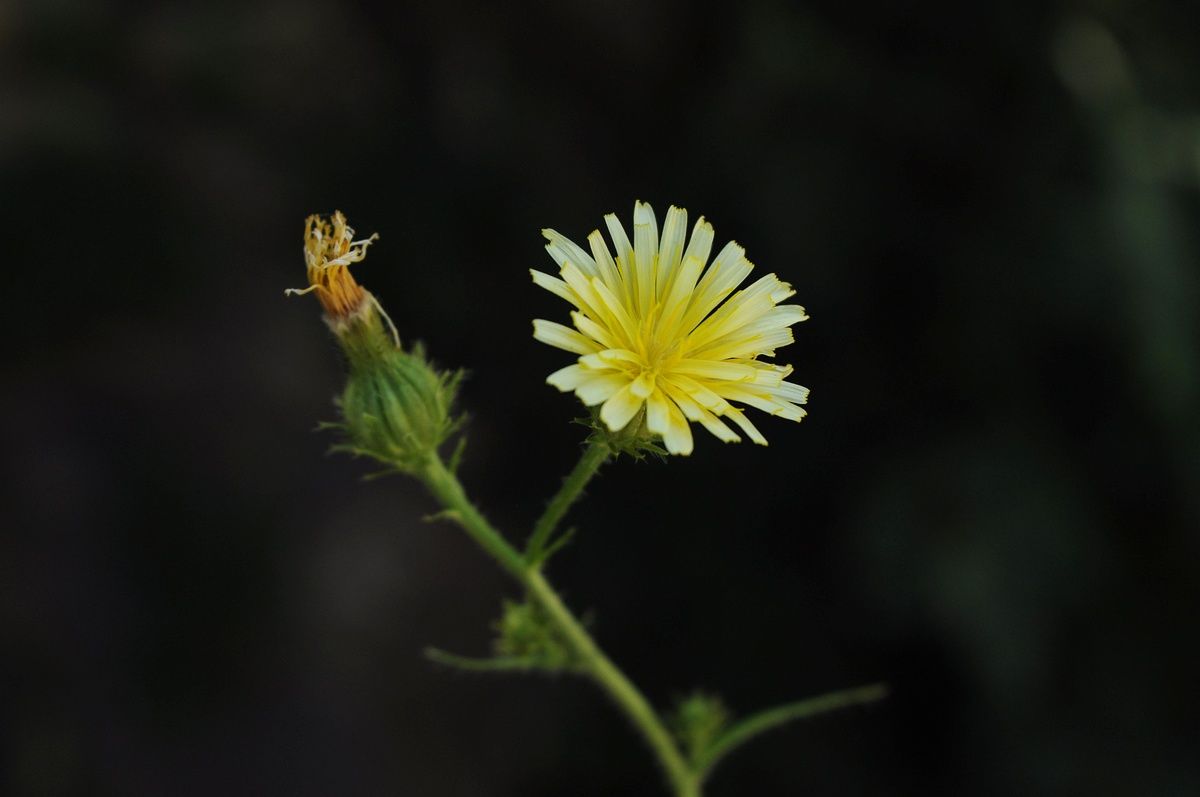
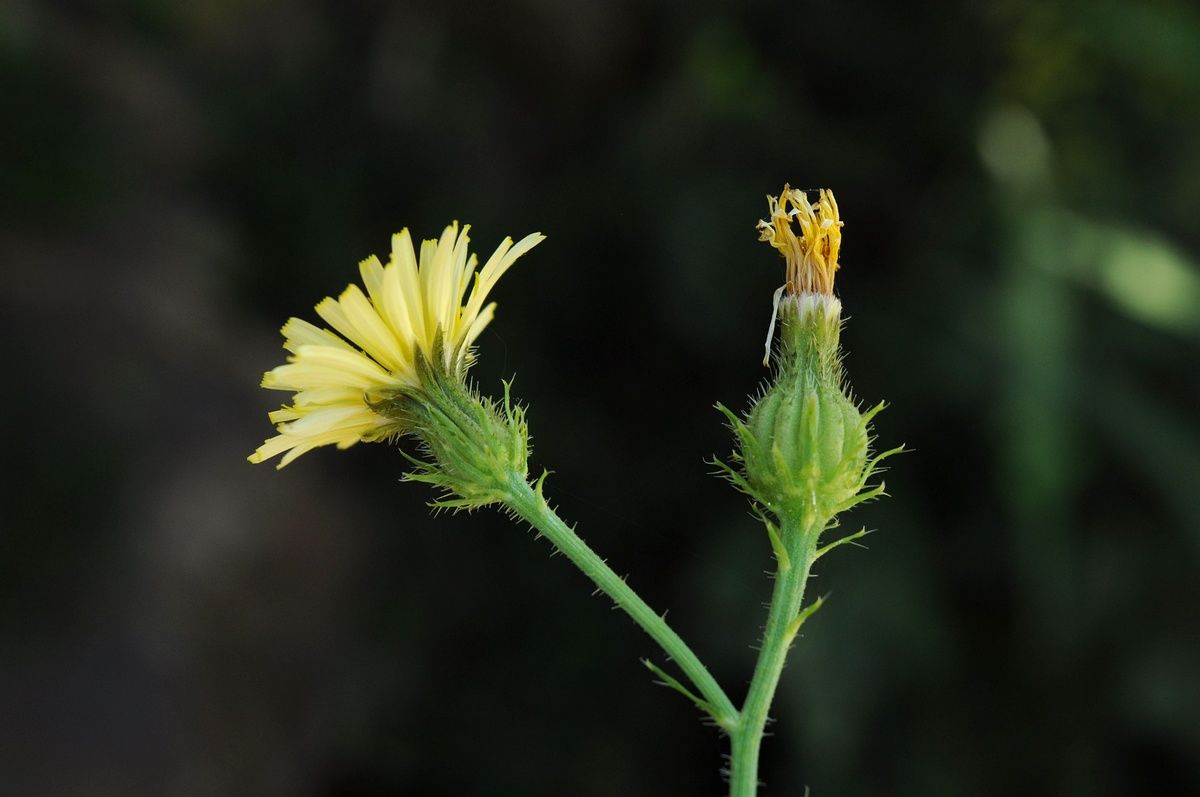
© photo
(c) Gilles San Martin, some rights reserved (CC BY-SA), uploaded by Gilles San Martin · cc-by-sa
iNaturalist User · cc0
Cheng-Tao Lin · cc-by
Taken Jul 25, 2022 by huy HO (cc-by-sa)
Taken Jul 30, 2022 by Tim Behrens (cc-by-sa)
Taken Oct 18, 2021 by Agapait (cc-by-sa)
© copyright of the Board of Trustees of the Royal Botanic Gardens, Kew.




Global distribution
Native to temperate Eurasia, with introductions in North America, southern Africa, Australia and New Zealand.
- Native2
- Introduced2
- France
- Spain
- New Zealand
- Australia
Hexagons: regions where the plant occurs. Green dots: native range.1
Identity
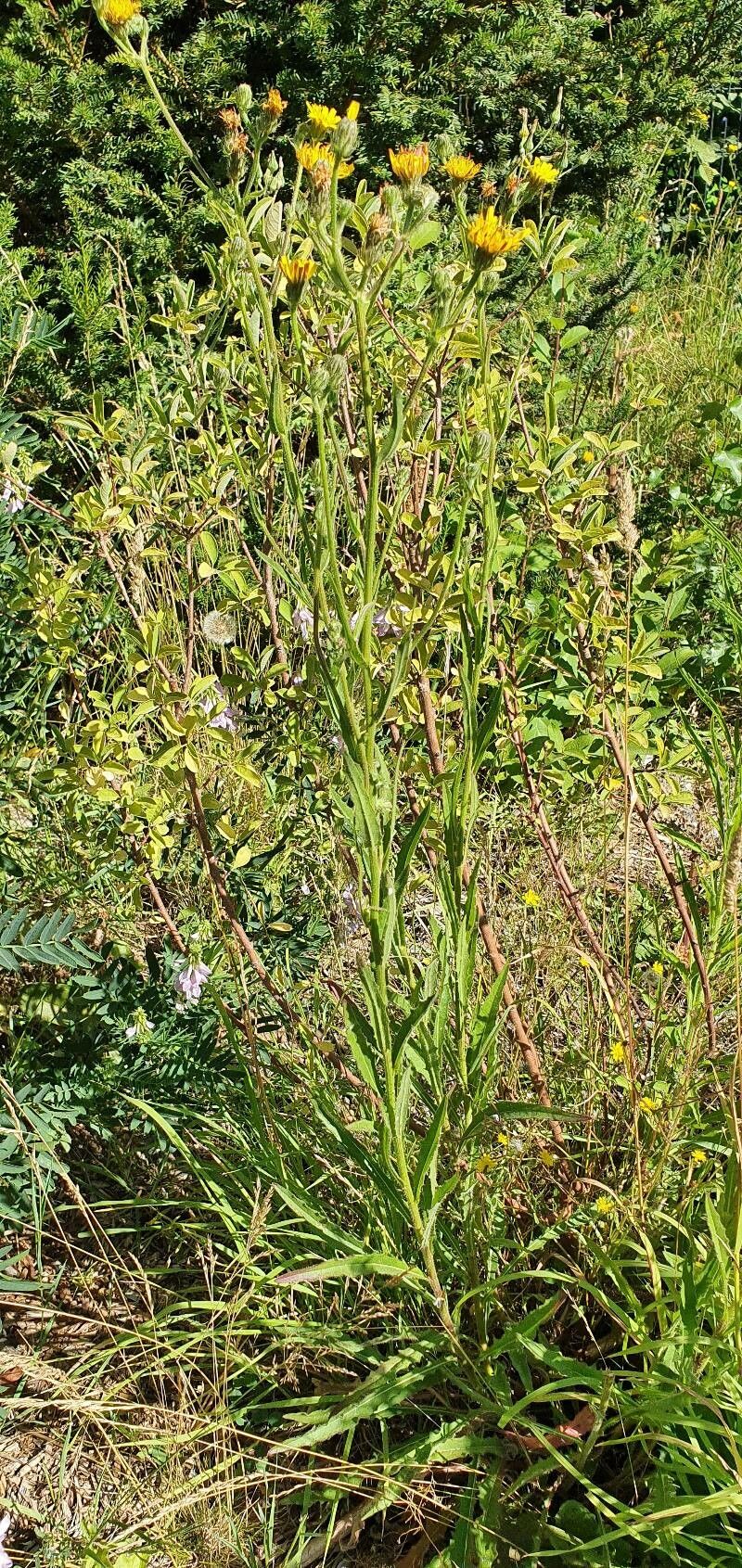
Hawkweed oxtongue (Picris hieracioides L., 1753) is recognized by branched growth and rough hairs. Its yellow heads resemble dandelions, but it has a leafy stem dividing into several flowering branches. Most plants stand 30–80 cm (12–31 in) tall and can reach about 90 cm (35 in). The dimensions of a specimen therefore need to be considered alongside its branching and hairs, rather than being used on their own to give the plant a name. 2 3
It belongs to Asteraceae. French names picride amère and picris fausse épervière refer to the same species: different common-name labels need not indicate different plants. To compare observations, retain the binomial and photograph both leaves and heads, providing verifiable characters. It is native in France and Least Concern on the national Red List. 7 8 1 2 8
Recognition
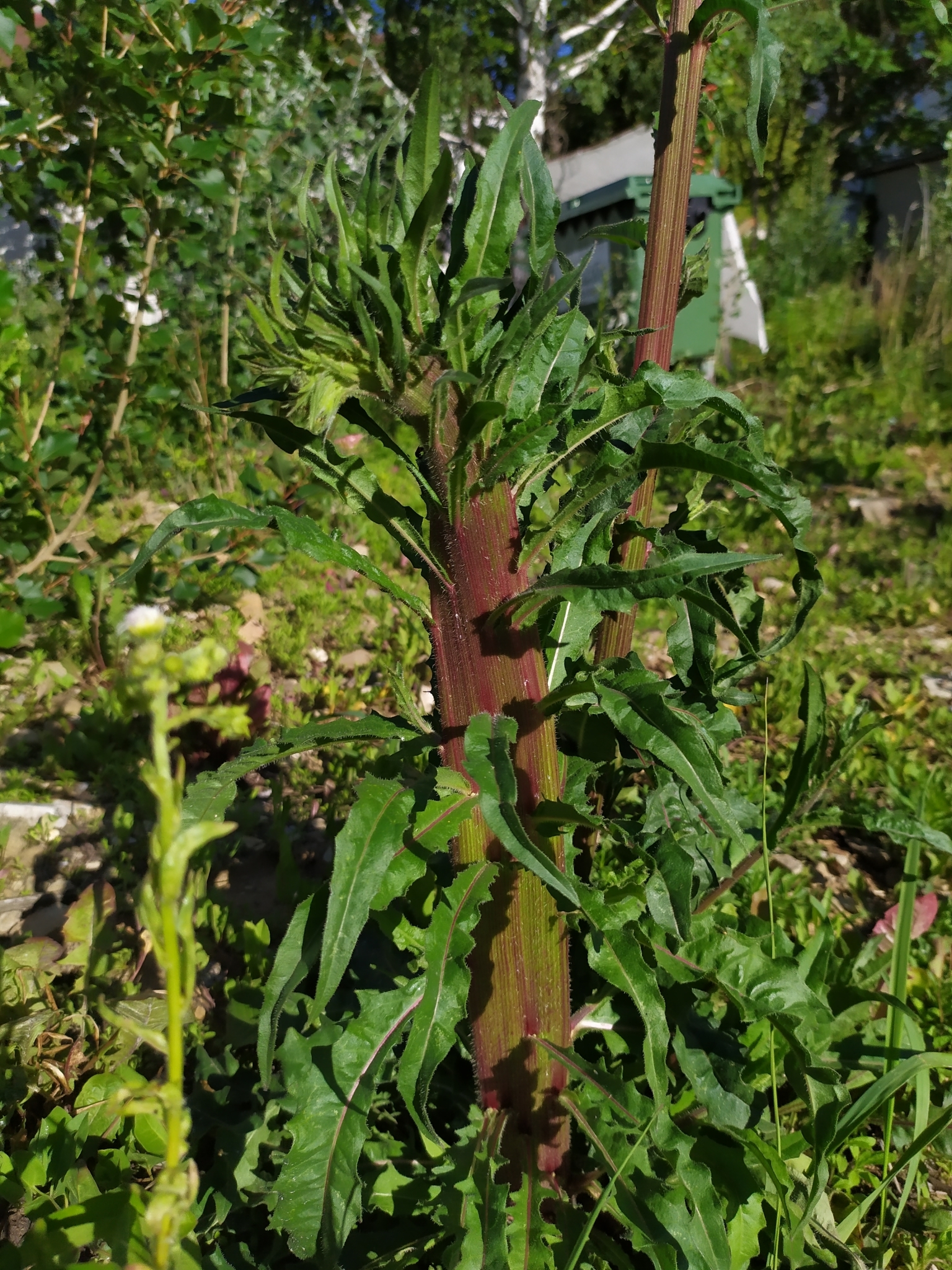
Elongated, rough leaves occur at the base and along stems. Lower leaves can be entire, wavy or more deeply divided; upper leaves are narrower and partly clasp the stem. This variation explains why an isolated leaf gives a weak identification. Examine several levels of the plant rather than seeking one invariant leaf outline. 2
Flowerheads contain only strap-shaped florets. A side view and the green bracts below the florets complete the examination: outer bracts differ in shape from inner ones and spread or turn backward. Stems carry several heads in a branched inflorescence. A photograph taken solely from above conceals precisely those features useful for separating oxtongues. 4 2
Useful taxonomy
Picris hieracioides L. was published in 1753, in Species Plantarum, page 792, and remains accepted. The synonym Crepis hieracioides (L.) Lam. shows that this same species has been placed in another genus in the literature. When searching historical texts for descriptions or observations, it is therefore necessary to take these synonymous names into account as well as the name used in a current flora. 1
The species includes nine recognized infraspecific taxa, including grandiflora, spinulosa and umbellata. Its range extends to the Himalayas and China, so descriptions from another part of that range are not automatically transferable to French plants. Subspecies identification requires a regional key and finer characters than yellow flowers. 1
Habitat and distribution
Fields and disturbed places are characteristic settings, including vineyards, waste ground and paths, often on calcareous or clay soil. It can exploit openings among denser vegetation. Presence alone does not establish that a site is exceptionally dry; the surrounding ground and vegetation also need observation. 2 4
Its native range covers temperate Eurasia. Introductions are documented in North America, southern Africa, Australia and New Zealand. Native French populations must not be confused with introduced populations’ behavior on other continents. A global map brings together different ecological situations and establishment histories under one species name. 1
Cycle and reproduction
The main cycle is biennial, though plants can behave as short-lived perennials. Summer flowering may continue into October in the source-region setting, depending on conditions. This flexibility favors observing the actual plant over imposing a rigid calendar: a rosette is not directly comparable to a tall flowering stem. 1 3
Dry fruits bear a pappus. Achenes are weakly curved, finely roughened, almost beakless and about 4 mm (0.16 in) long. Fruit form complements population study after flowering. In gardens, sow directly in place in spring, with only a very light covering over the seeds. 2 3
Uses and risks
Young leaves have reported food use, raw or cooked, with a bitter flavor. This concerns a particular organ and stage, not the safety of every plant part for every audience. Confusion with another Asteraceae remains possible at the rosette stage. Yellow flowers alone cannot validate a food harvest. 3
Cat, dog and horse toxicological statuses remain unknown. Veterinary dangerous-plant lists are incomplete and silence does not establish an absence of risk. For people too, reported culinary use cannot replace evaluation of each part consumed. The species-specific toxic constituent and symptoms remain insufficiently documented. 6 3
Varieties, lookalikes, and related plants
Bristly oxtongue has very broad outer bracts surrounding the rest of its involucre, distinguishing this lookalike in flower. Both plants have rough leaves, so touch alone cannot decide identity. Comparing flowerheads in profile is the most useful step before examining finer leaf details. 5 2
Subspecies names are not cultivar names: a botanical subspecies does not guarantee a garden selection. In a naturalistic garden, observing seedlings and their positions is more useful than searching for a commercial variety. A spontaneous plant may suit a grassy margin while interfering with a cultivated sowing. The choice depends on space allowed for its complete cycle. 1 4
Main sources
The accepted name is Picris hieracioides L., published in 1753; reported food use of young leaves does not replace toxicological evidence. 1 3
- Plants of the World Online, Picris hieracioides
- Tela Botanica, hawkweed oxtongue
- Plants For A Future, Picris hieracioides
- Native Plant Trust, Go Botany: Picris hieracioides
- Herbari Virtual, Helminthotheca echioides: comparison
- ASPCA, limits of the toxic plant list
- Info Flora, Picris hieracioides
- INPN, TAXREF: Picris hieracioides
Frequently asked questions
How can the two common oxtongues be distinguished?
Bristly oxtongue has very broad outer bracts below its flowerheads. Hawkweed oxtongue has narrower bracts and a non-inflated arrangement.
Is hawkweed oxtongue always biennial?
It is most often biennial but can also behave as a short-lived perennial.
When does hawkweed oxtongue flower?
In summer, potentially continuing into autumn according to region and conditions.
If you are unsure about a plant’s toxicity, ask a botanist or veterinarian for advice.