
Oriental arbor-vitae (Platycladus orientalis, )
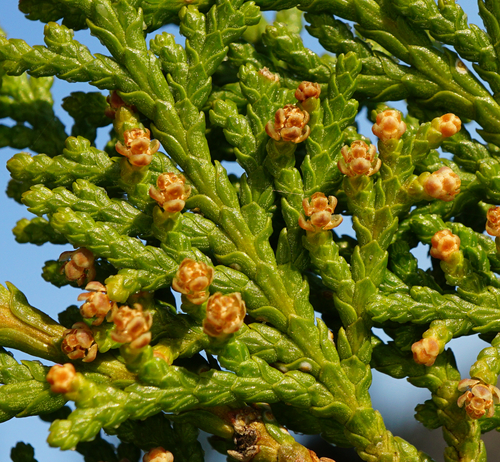
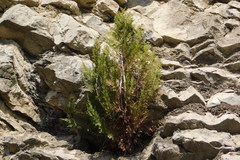
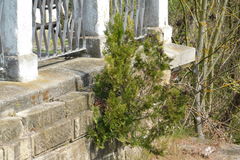
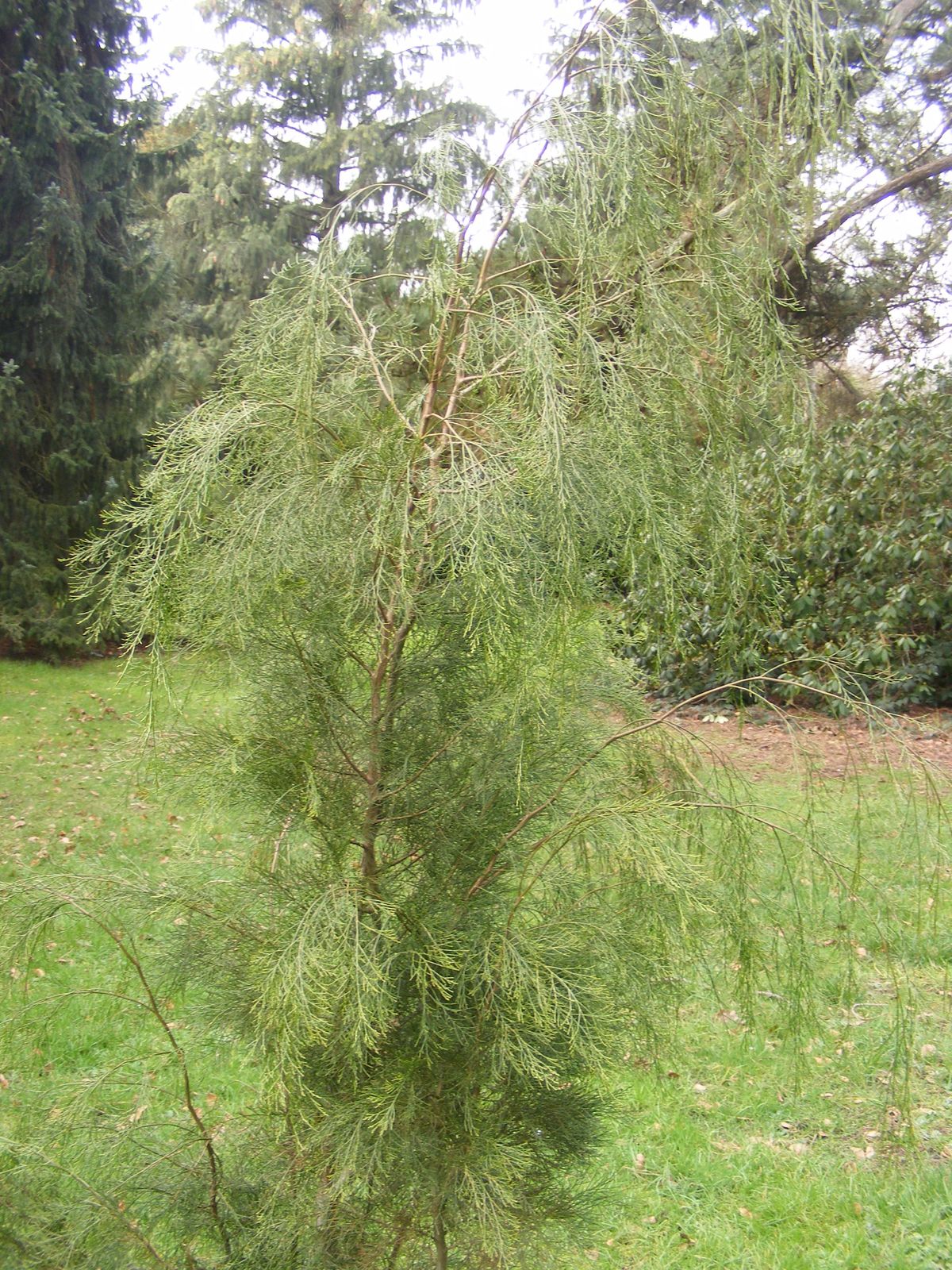
Oriental arbor-vitae (Platycladus orientalis) is an evergreen conifer in the Cupressaceae family, with upright, flattened sprays and cones bearing curved points. Its many horticultural forms grow in gardens, but the species can become a large tree.
Read moreOriental arbor-vitae, Chinese arbor vitae and Chinese thuja
Thuja orientalis L. and Biota orientalis (L.) Endl.
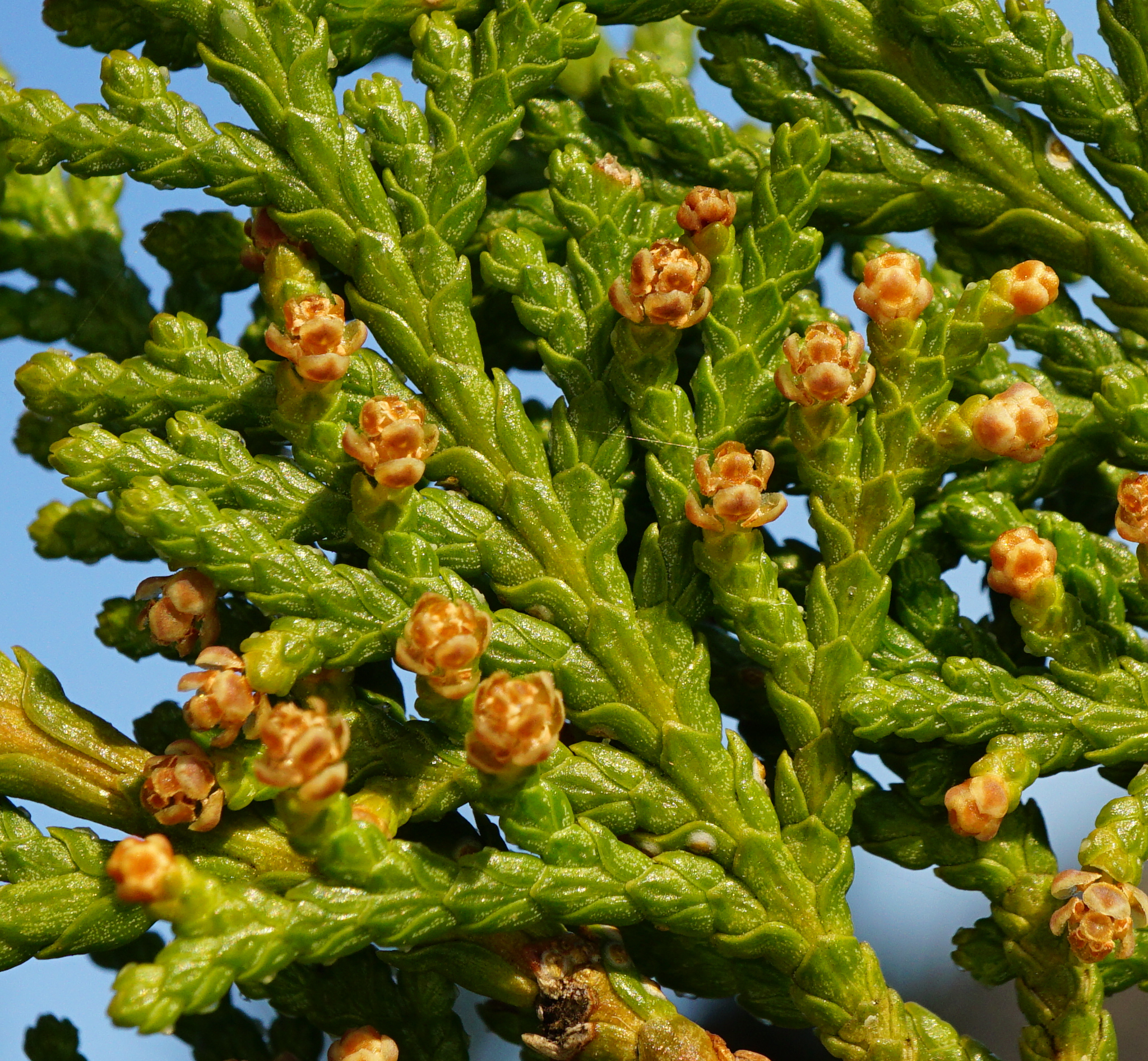
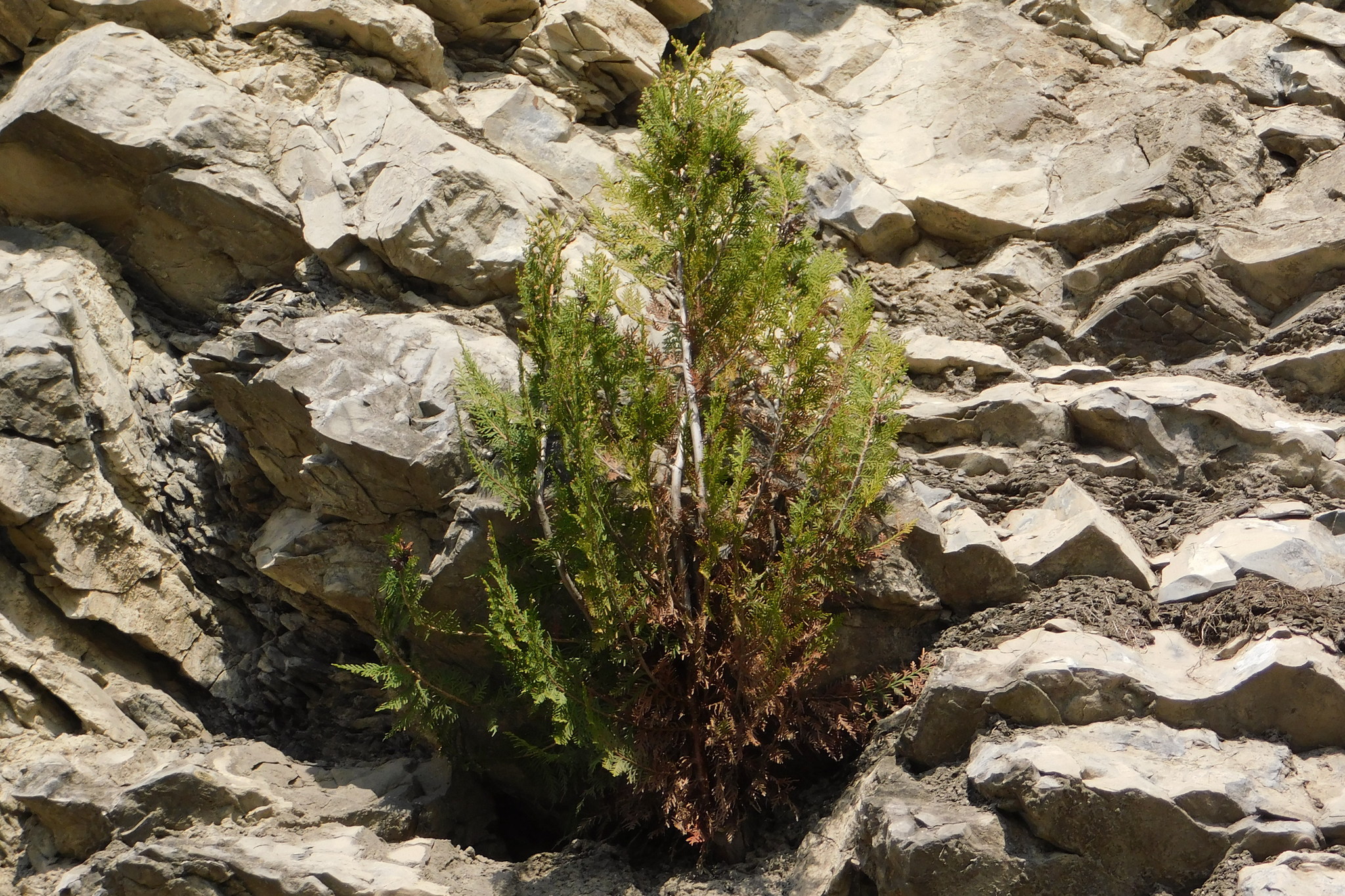
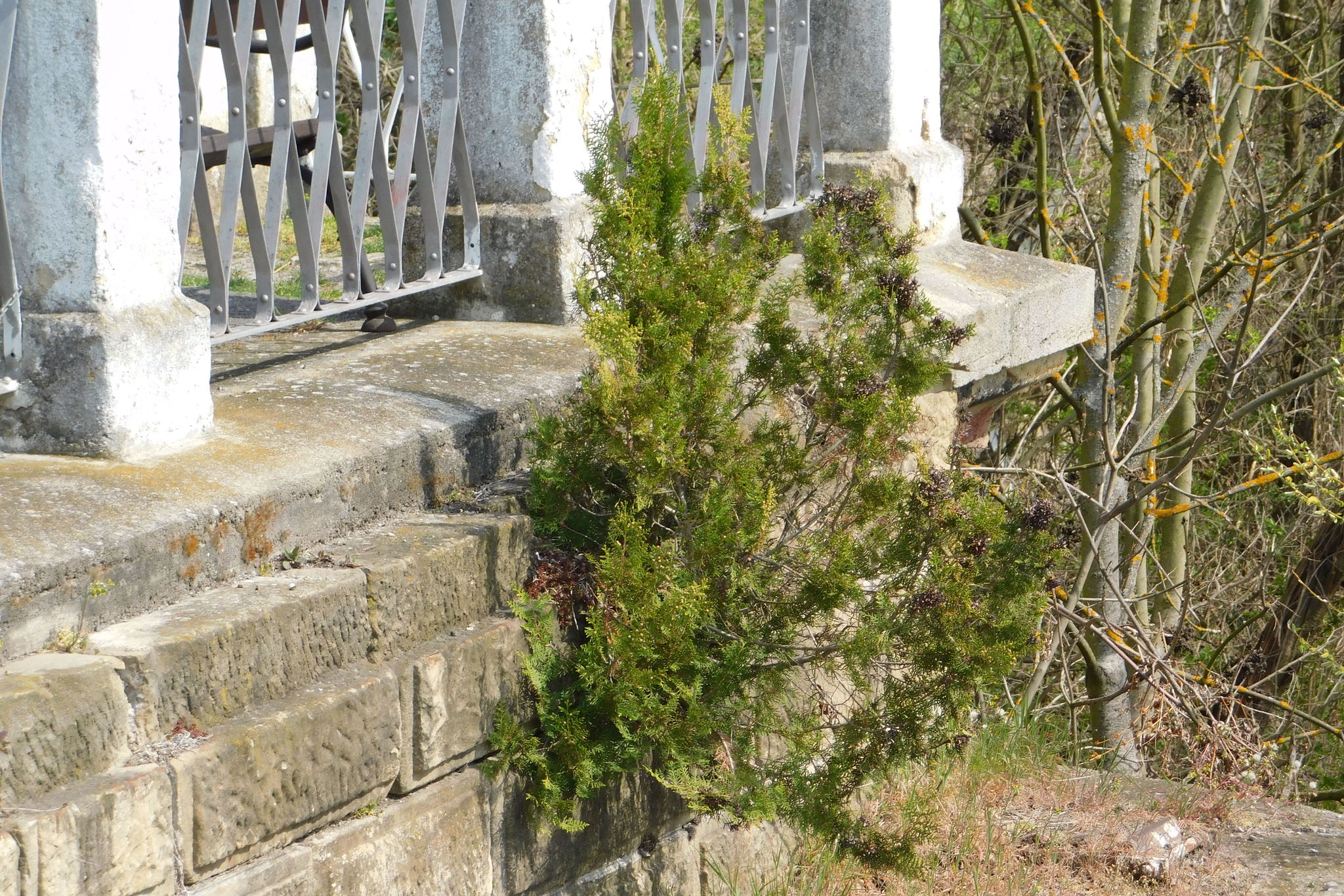


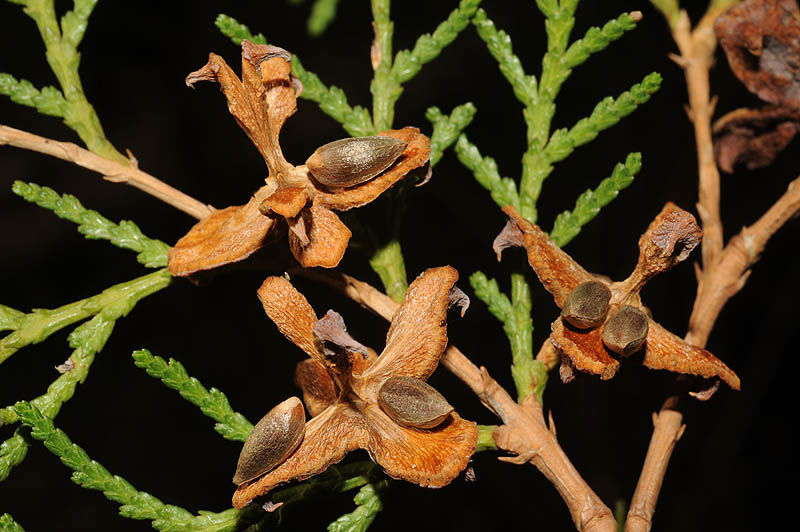
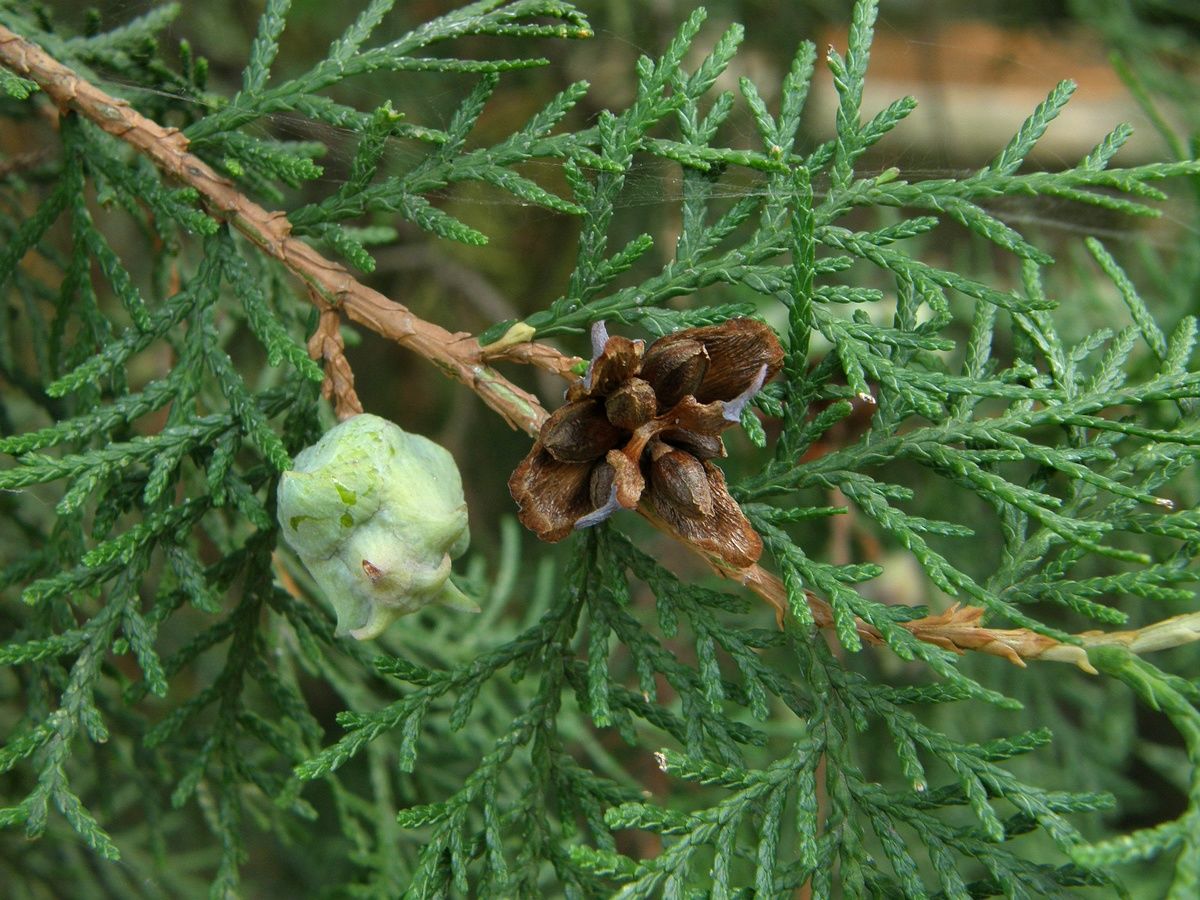
© photo
(c) Patrick Hacker, some rights reserved (CC BY), uploaded by Patrick Hacker · cc-by
Pavel Kacl · cc-by
Taken Jan 2, 2017 by Yoan MARTIN (cc-by-sa)
Taken May 2, 2021 by Saffa Plant Girl (cc-by-sa)
Taken Nov 25, 2021 by Alain Bigou (cc-by-sa)
© copyright of the Board of Trustees of the Royal Botanic Gardens, Kew.


Global distribution
Native to China, Korea and the Russian Far East; ancient plantings blur the boundaries of its natural range.
- Native3
- China
- Korea
- Russian Far East
Hexagons: regions where the plant occurs. Green dots: native range.↗
Identity
Oriental arbor-vitae (Platycladus orientalis (L.) Franco) has upright, flattened sprays arranged like vertical fans. Its cones bear points that curve outward. This evergreen conifer belongs to the Cupressaceae family. Chinese arbor vitae and Chinese thuja are other names for the same species. 8
The outline changes with age: an initially egg-shaped or pyramidal crown becomes broadly rounded, sometimes irregular. Small, compact plants sold in nurseries can be dwarf cultivars. Their size should not be taken as representative of the wild species. 61
Recognition
Mature leaves are scales 1 to 3 mm (0.04 to 0.12 in) long, pressed closely against the shoots. Cones change from bluish green to reddish brown and are usually 1.5 to 2 cm (0.6 to 0.8 in) long, exceptionally reaching 2.5 cm (1 in). Each thick, woody cone scale bears a hooked point. The bark peels away in long strips. 6
For a garden tree, NC State Extension gives dimensions of about 5.5 to 7.6 m (18 to 25 ft) tall and 3 to 4.6 m (10 to 15 ft) wide, after conversion of its measurements. These horticultural dimensions are not a biological limit: the Chinese flora describes trees exceeding 20 m (66 ft). The foliage can turn bronze in winter without becoming deciduous. 16
Useful taxonomy
Oriental arbor-vitae is the only species in the genus Platycladus recognized by the Chinese flora. The accepted name, Platycladus orientalis (L.) Franco, is the combination published in 1949. Its former classification explains why the word "thuja" persists in common names for the tree. 63
The basionym is Thuja orientalis L., published in 1753; Biota orientalis (L.) Endl. is another synonym. On an old label or in a catalog, these names refer to Oriental arbor-vitae. They do not identify different cultivars or several species that need to be combined in a hedge. 6
Habitat and range
Oriental arbor-vitae is native to China, Korea and the Russian Far East. Ancient plantings, followed by populations that escaped from gardens, make the natural boundaries of its range difficult to establish. A tree growing spontaneously near a temple or village is therefore insufficient evidence that the species is native to that locality. 5
The tree grows in open or degraded woodland and on dry, steep slopes. Its pioneering habit allows it to persist on disturbed hillsides. In France, specimens grow in the Labyrinthe at the Jardin des Plantes in Paris. The Muséum connects its history there with seeds sent from China by Father d'Incarville in 1753. 57
Life cycle and reproduction
Oriental arbor-vitae is monoecious: pollen-producing structures and seed cones occur on the same tree. In China, pollination is recorded in March and April, followed by seed maturity in October. The cones ripen and open in their first year, and the seeds generally lack wings. These dates describe the cycle in China, rather than setting a schedule for every garden in France or elsewhere. 6
The species can be propagated from seed or cuttings. For horticultural conifers, the RHS explains that seedlings may differ from the parent cultivar, while cuttings allow its characteristics to be retained. The choice of propagation method therefore matters when the aim is to preserve a named garden selection. 124
Uses and risks
Oriental arbor-vitae is grown as an ornamental tree and an evergreen screen. It prefers sun or light shade and well-drained soil. Once established, it tolerates drought. Allowing enough space avoids the need to cut back severely a crown whose foliage is concentrated on the outside. 2
The RHS general guidance for conifers recommends regular watering after planting and closer monitoring in containers. Annual mulching usually supplies enough nutrition for plants in the ground; container-grown specimens receive liquid fertilizer from early spring to late summer. The calendar translates these seasonal guidelines into outdoor cultivation in a French temperate climate, rather than a universal schedule for every site. 4
All parts are toxic. The Zurich toxicology profile, which explicitly applies to Oriental arbor-vitae, describes digestive disorders, seizures and liver or kidney damage in severe poisoning. Contact can irritate the skin. Horses are particularly exposed when they browse the branches: keep pruning waste out of their reach. The information consulted does not distinguish the risks to cats from those to dogs. 89
Varieties, look-alikes and related plants
Cultivars greatly change the shape and foliage of Oriental arbor-vitae. 'Aurea Nana' forms a dense, rounded mass of yellow-green foliage; 'Compacta Nana' is compact and pyramidal. 'Juniperoides' has bluish-gray, needle-like foliage. These features belong to the named selections and do not describe every individual of the species. 1
Thuja occidentalis has paler leaf undersides and winged seeds. In Oriental arbor-vitae, both sides of the foliage are similar in color, and the cones have curved points. When cones are present, examining them adds to the evidence provided by the foliage and overall shape of the tree. 108
Main sources
- NC State Extension, Platycladus orientalis
- University of Florida IFAS, Platycladus orientalis, ST489
- ITIS, Platycladus orientalis, TSN 183445
- RHS, How to grow conifers, general guidance for conifers
- Royal Botanic Garden Edinburgh, Platycladus orientalis
- Flora of China, Platycladus, volume 4
- MNHN, remarkable trees of the Jardin des Plantes, Oriental arbor-vitae
- University of Zurich, Thuja orientalis, botany and toxicity
- University of Zurich, toxicology applicable to Thuja orientalis and Thuja occidentalis
- University of Zurich, Thuja occidentalis, botanical comparison
Frequently asked questions
How can I recognize Oriental arbor-vitae?
Its flattened sprays stand upright, and its cones have thick scales ending in a curved point. The foliage is similar in color on both sides.
Does Oriental arbor-vitae stay small?
No. Dwarf cultivars remain compact, but the species can exceed 20 m (66 ft) in its natural habitat. Check the cultivar before planting.
Is Oriental arbor-vitae toxic?
Yes. All parts are toxic. Severe poisoning is documented in humans and horses; the selected sources do not specify the risks to cats and dogs separately.
Does a mature Oriental arbor-vitae need watering?
The species tolerates drought once established. Young plants and container-grown specimens need closer monitoring, especially in hot, dry weather.
If you are unsure about a plant’s toxicity, ask a botanist or veterinarian for advice.