
Creeping cinquefoil (Potentilla reptans, )
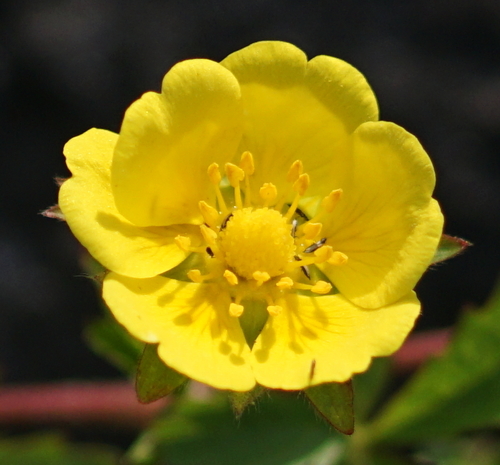
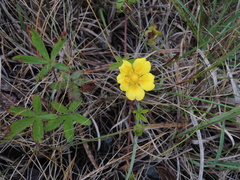
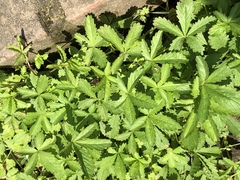
Creeping cinquefoil (Potentilla reptans) is a low Rosaceae perennial with yellow flowers. Long runners root at the nodes and establish new rosettes in meadows, paths and gardens.
Read moreCreeping cinquefoil
Dasiphora reptans, Fragaria reptans and Tormentilla linnaeana
Allow a few hours of direct sun per day, preferably morning or evening.
Sun improves flowering; shade tolerated.
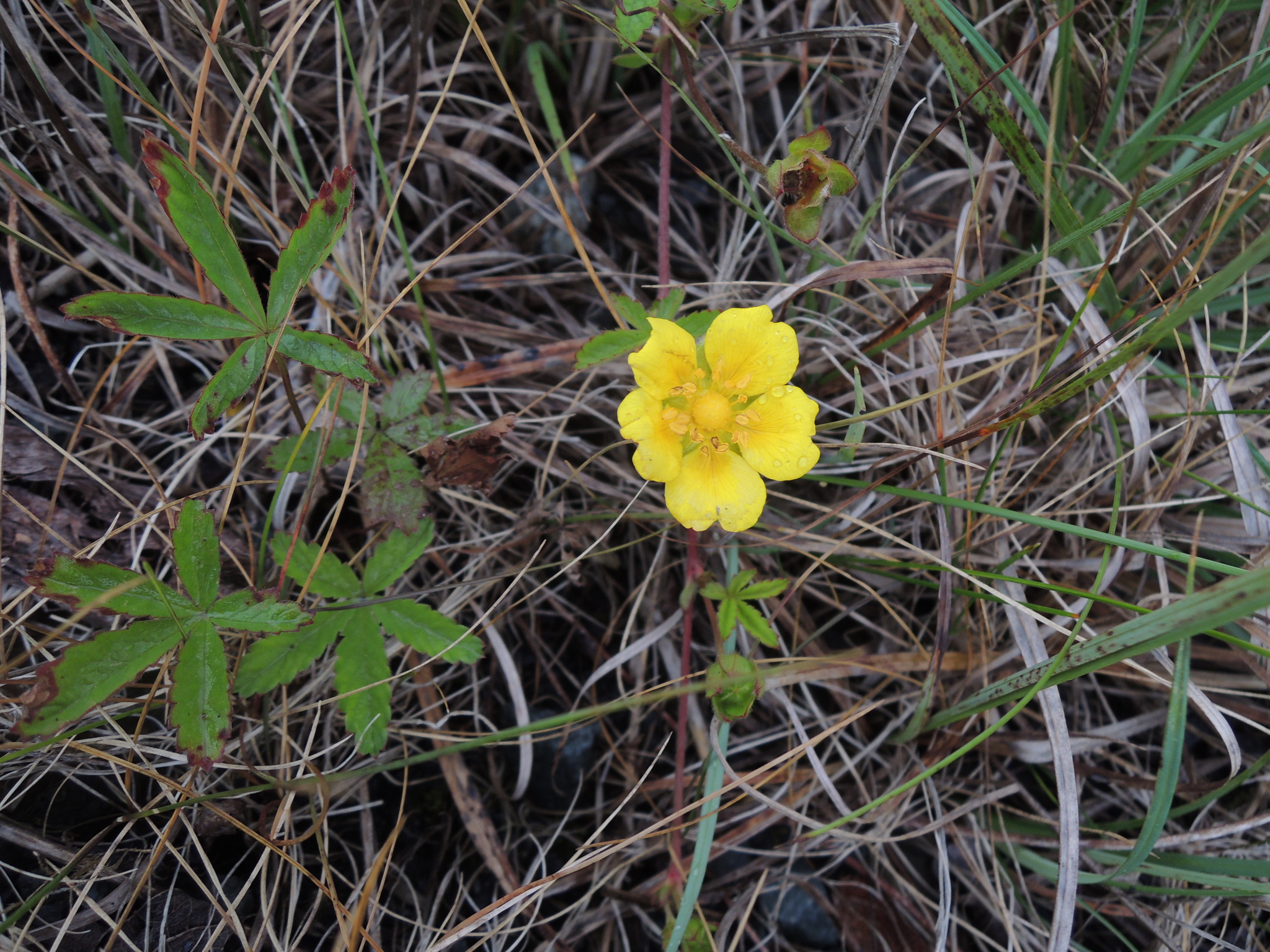
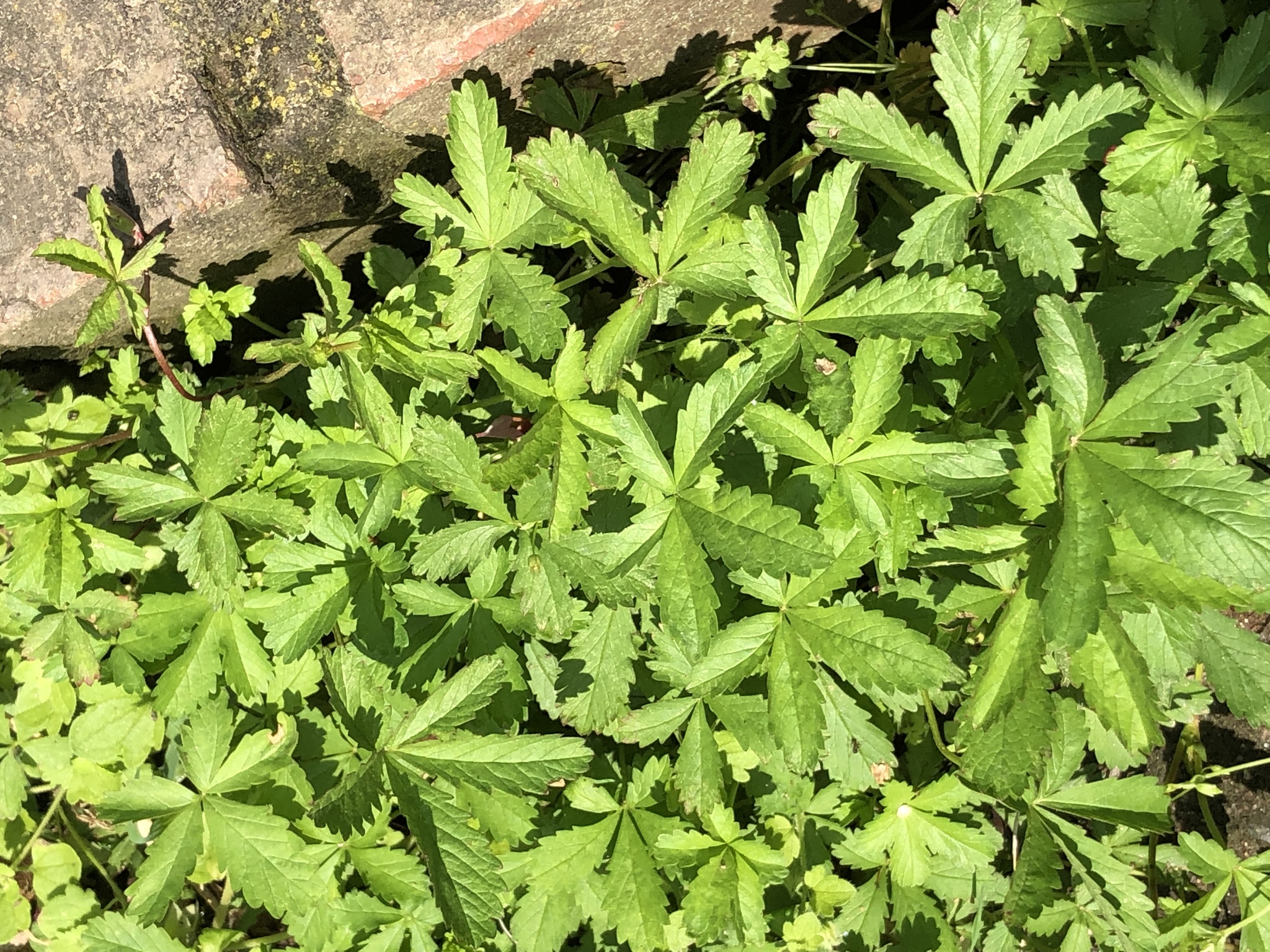
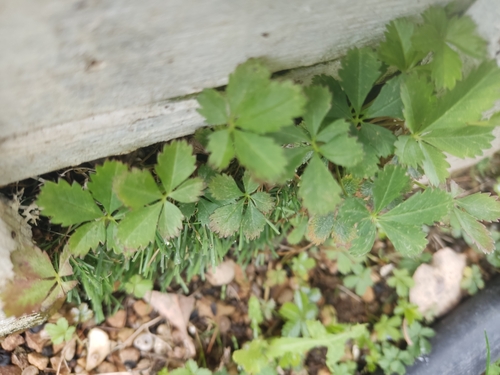
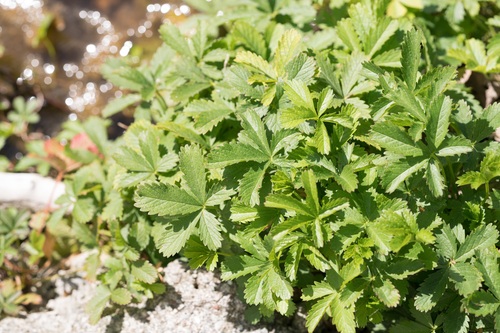
© photo
(c) Wolfgang Bacher, some rights reserved (CC BY-NC), uploaded by Wolfgang Bacher · cc-by-nc
Jamie O'Neill · cc0
jlgoch · cc0
(c) Татьяна Максимова, some rights reserved (CC BY) · cc-by
(c) Eleftherios Katsillis, some rights reserved (CC BY) · cc-by
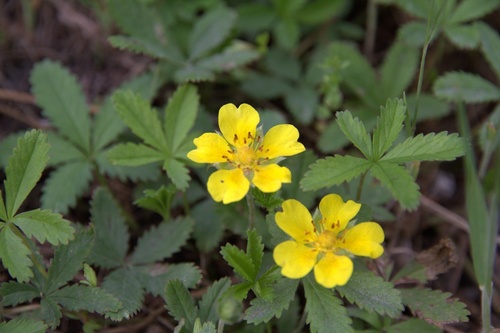
Global distribution
Native to Macaronesia, northern and tropical northeastern Africa, northern Yemen and Europe east to China; introduced in North America and Oceania.
- Native1
- Introduced1
- France
- New Zealand
Hexagons: regions where the plant occurs. Green dots: native range.1
Identity
Creeping cinquefoil (Potentilla reptans L., 1753) is an herbaceous Rosaceae perennial. Stems spread close to the ground rather than forming an upright tuft. Foliage generally reaches 10–20 cm (4–8 in) high, while runners cover a much larger area. This difference between height and spread explains how it can be inconspicuous before suddenly occupying a lawn. 49
It is native in France, occurring on paths, in ditches and in wet fields throughout the country, including Corsica. A spontaneous garden plant is therefore not necessarily an ornamental escape. 5 It is Least Concern on the mainland French flora Red List. 9
Recognition
Usually five toothed leaflets spread from one point atop a long stalk, like a small hand. This is a palmate leaf, unlike a pinnate leaf with leaflets arranged along a central axis. Leaflets broaden toward their tips and narrow to wedge-shaped bases. Seven-leaflet examples also occur: five is a useful clue rather than an absolute rule. A complete leaf shows whether those leaflets radiate from one point or follow a central axis. Keep that arrangement visible in a photograph, because detached leaflets lose the relationship that makes the character informative. 34
Solitary yellow flowers rise on long stalks. Each has five notched petals, sepals and an outer epicalyx. Flowers measure 15–30 mm (0.6–1.2 in) across. The epicalyx can suggest two sepal whorls; distinguish these green structures from the five yellow petals. Rooting runners complete the identification. 5
Useful taxonomy
The accepted name remains Potentilla reptans L., published by Linnaeus in 1753 in Species Plantarum, page 499. L. identifies the author, not a cultivar or size category. The international nomenclatural index records the original publication, and the name remains accepted. 21
Fragaria reptans (L.) Crantz and Dasiphora reptans (L.) Raf. are older synonyms for the same species. Historical placement in Fragaria does not mean it produces an edible strawberry. Synonymy chiefly links older floras with current identity. 1
Habitat and range
Moist to wet ground, open meadows, roadsides and disturbed places are common habitats, along with banks and forest tracks. These settings explain occurrence in heavily modified places without making the plant exclusively urban. It takes advantage of gaps among grasses and around young plantings. 46
The native range extends beyond Europe through Macaronesia, northern and tropical northeastern Africa, northern Yemen and parts of Asia east to China. North American and New Zealand populations are introduced. The global database also lists Norway as introduced despite native occurrence across much of Europe. Geographical precision therefore matters when describing the status of a particular population. 1
Life cycle and reproduction
A rooted runner can become another rosette. Stems reach about 1 m (3.3 ft) and root at nodes. One plant can multiply its points of attachment without waiting for seed maturation. Removing a few leaves leaves that network of stems and rosettes in place. Follow the connections between rosettes to understand the plant's spread rather than counting each leafy cluster as an independent seedling. 36
Flowering starts in June, chiefly continuing to August in central Europe and potentially to October in France. Adapt seasonal expectations to the observation locality. Small achenes cluster after flowering. Flowers provide nectar and pollen; leaves feed some caterpillars, including grizzled skipper. 3456
Uses and risks
It can remain in a flowering lawn or on a bank. To contain it beside seedlings, remove runners and dig up rosettes with their roots. Runner or root fragments can regrow: do not transfer them with soil into another area or add them to home compost. Established plants tolerate drought and flower better in sun. 6
The veterinary nontoxic listing concerns Potentilla spp. for cats, dogs and horses. This genus-level listing neither authorizes human consumption nor guarantees safety for all animals. A 2012 laboratory study found moderate antimicrobial activity in root extracts. Results in bacterial cultures do not establish that a homemade preparation treats a human wound. No therapeutic use follows from those experiments. 78
Varieties, look-alikes and related plants
Examine runners and complete leaves together. A detached yellow flower cannot distinguish all cinquefoils. Leaflet arrangement, teeth and stems connecting rosettes are more informative than color alone. Leaflets are green, hairless or slightly hairy. 35
Color or size variation in a wild plant does not establish a cultivar. A mown specimen can look surprisingly different from one allowed to spread. For identification material, retain a runner section connecting two nodes and a complete leaf; the relationship among organs is more informative than a detached flower. 4
Main sources
The accepted name is Potentilla reptans L., published in 1753. The genus-level nontoxic listing concerns cats, dogs and horses; extract experiments do not demonstrate human therapeutic benefit. 278
- Kew, Plants of the World Online: Potentilla reptans
- International Plant Names Index: Potentilla reptans
- Info Flora: creeping cinquefoil
- German Federal Agency for Nature Conservation, FloraWeb: Potentilla reptans
- Tela Botanica, Coste flora: creeping cinquefoil
- Royal Horticultural Society: Creeping cinquefoil
- ASPCA: Cinquefoil, Potentilla spp.
- Watkins et al., 2012: antimicrobial tests of British plants
- INPN, TAXREF: Potentilla reptans
Frequently asked questions
How can creeping cinquefoil be recognized?
Leaves usually have five toothed leaflets; solitary yellow flowers have five petals, and long runners root at nodes.
Must all creeping cinquefoil be removed?
It can remain in a flowering lawn or natural corner. Containing runners near seedlings and small plants limits competition.
When does creeping cinquefoil flower?
Chiefly June–August in central Europe; flowering can continue to October in France.
If you are unsure about a plant’s toxicity, ask a botanist or veterinarian for advice.