
Salad burnet (Sanguisorba minor, )
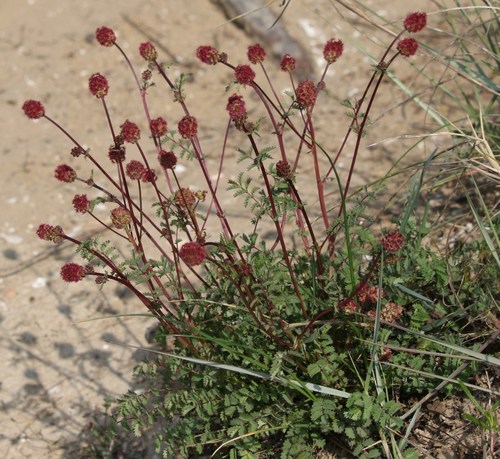
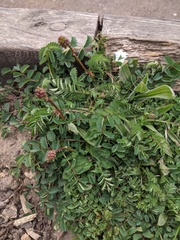
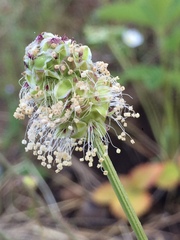
Salad burnet (Sanguisorba minor) is a Rosaceae perennial of grassland and nutrient-poor meadows. Toothed leaflets give its compound leaves a cucumber-like flavor; small flowers form greenish to reddish heads.
Read moreSalad burnet, Small burnet and Garden burnet
Poterium sanguisorba and Pimpinella sanguisorba
Allow a few hours of direct sun per day, preferably morning or evening.
Full sun for culinary cultivation.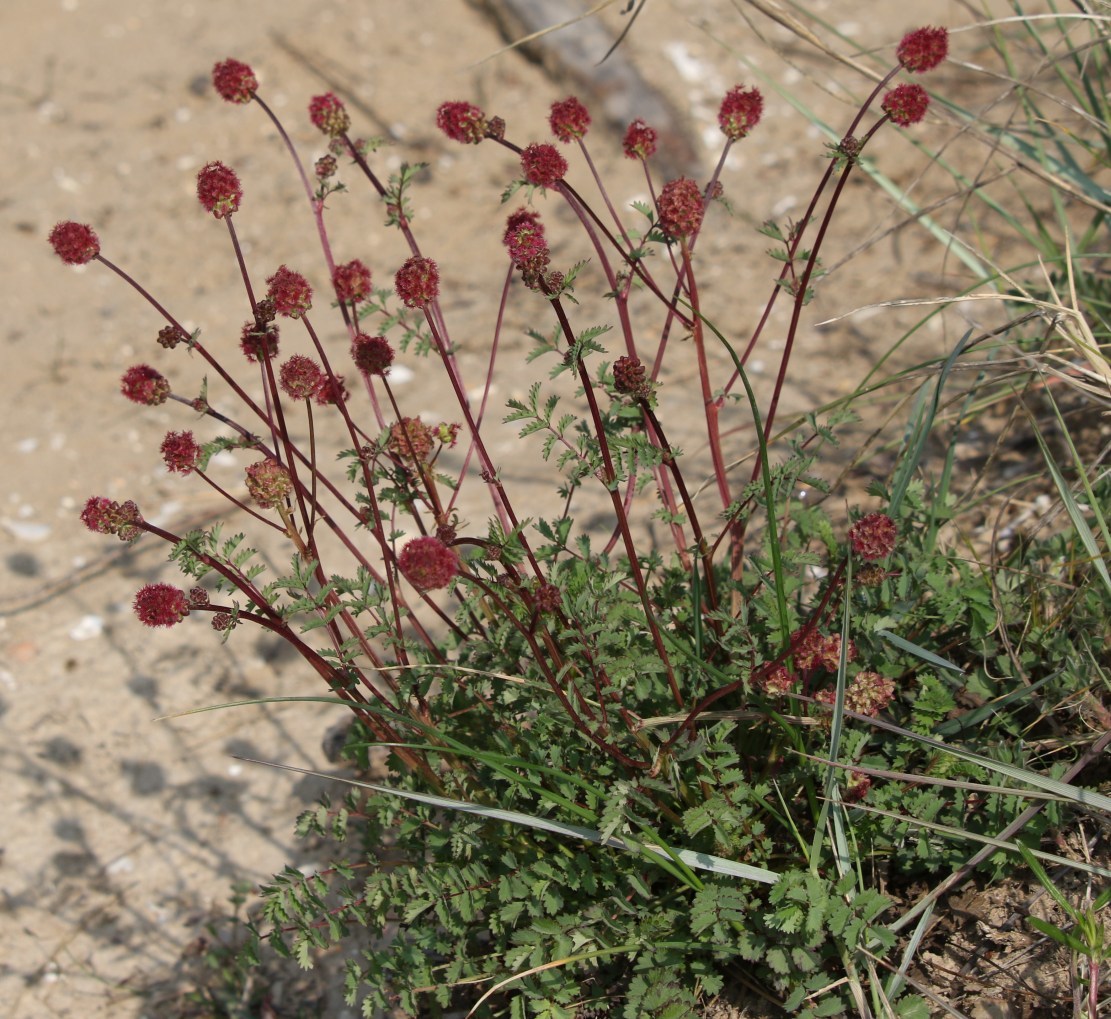
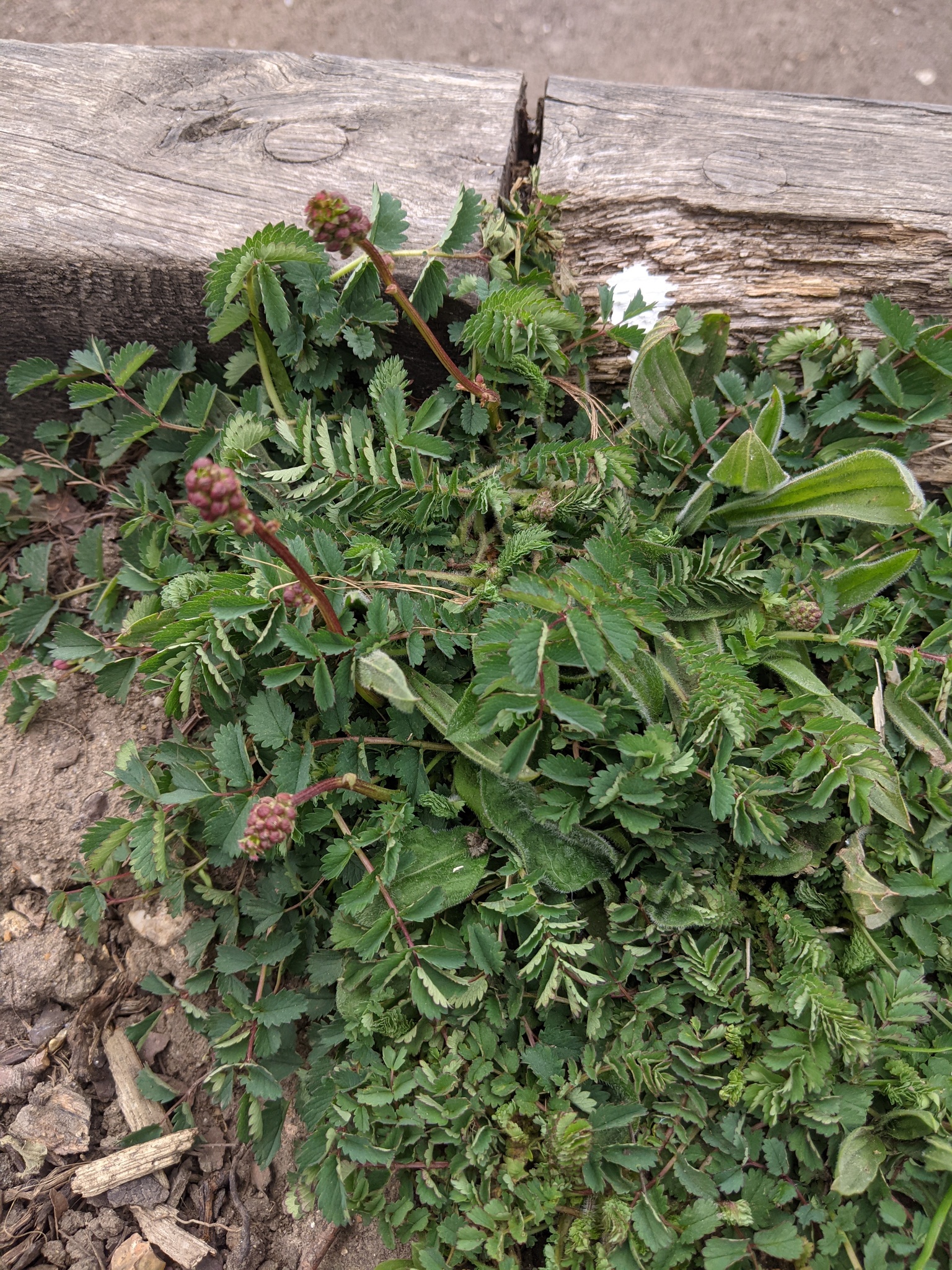
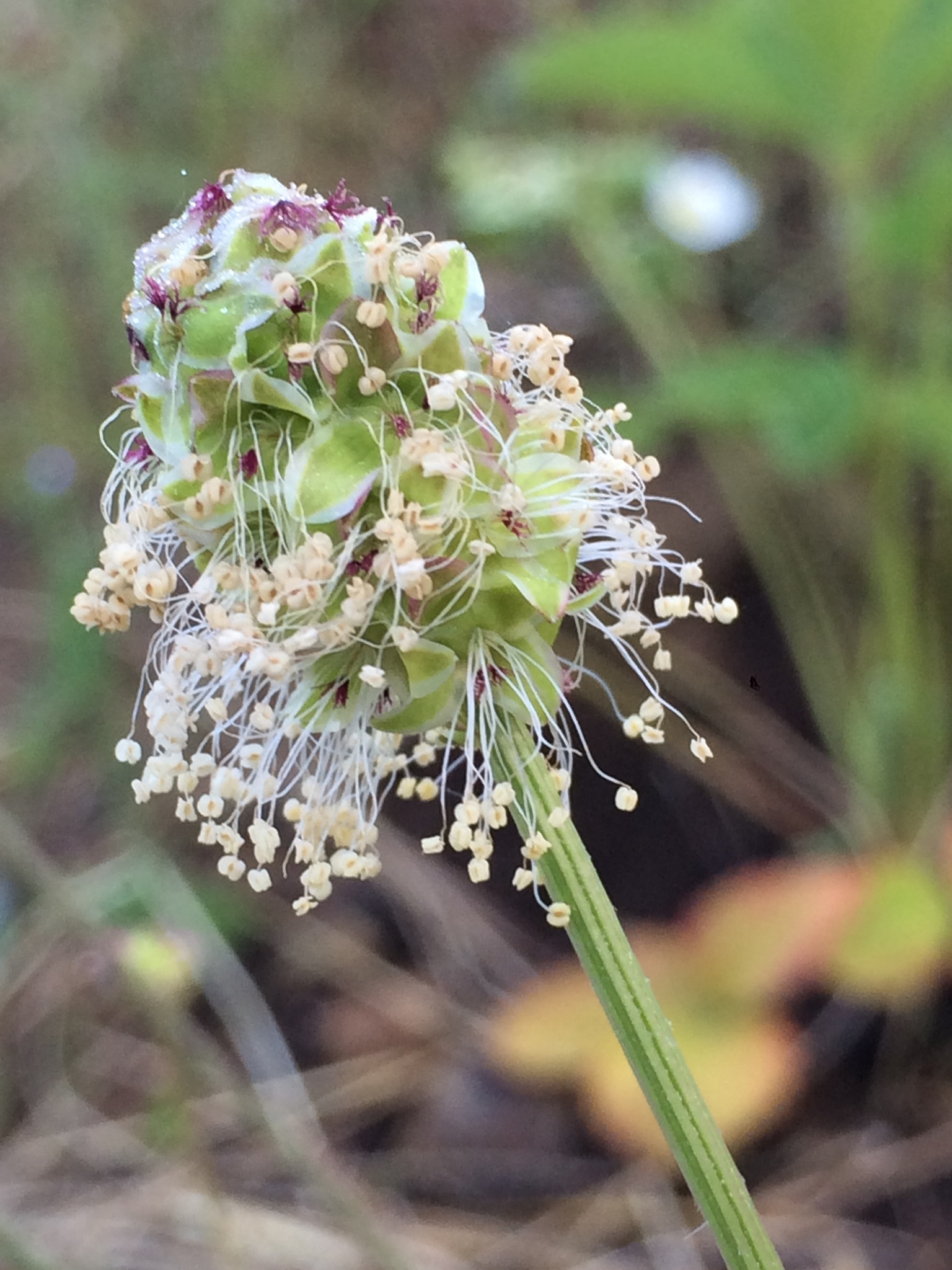


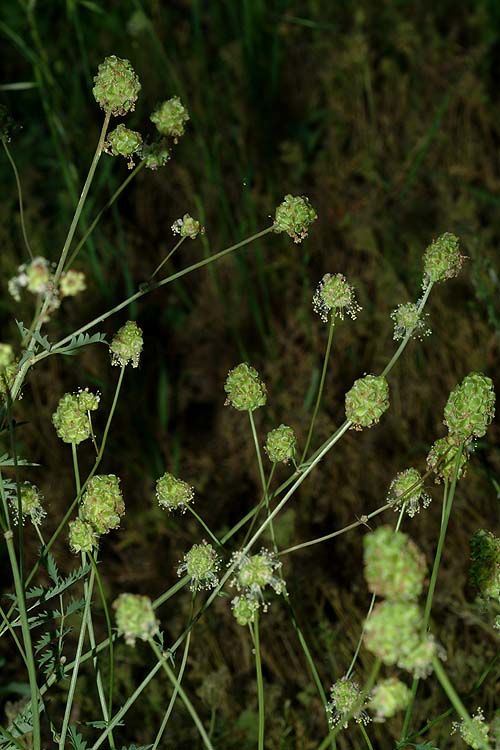
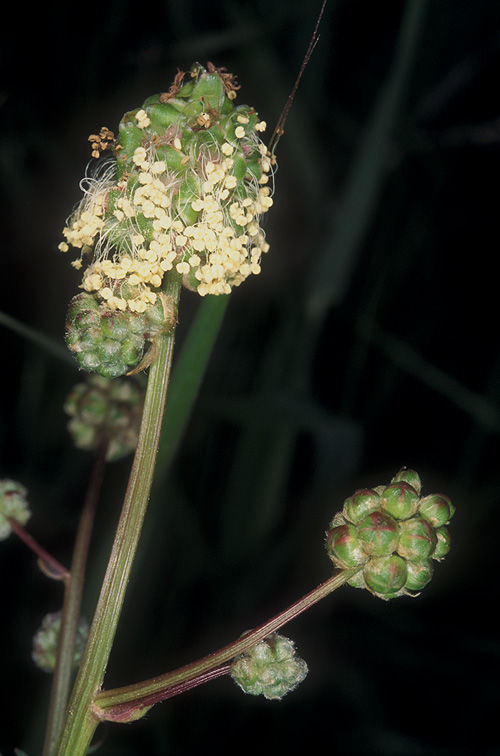
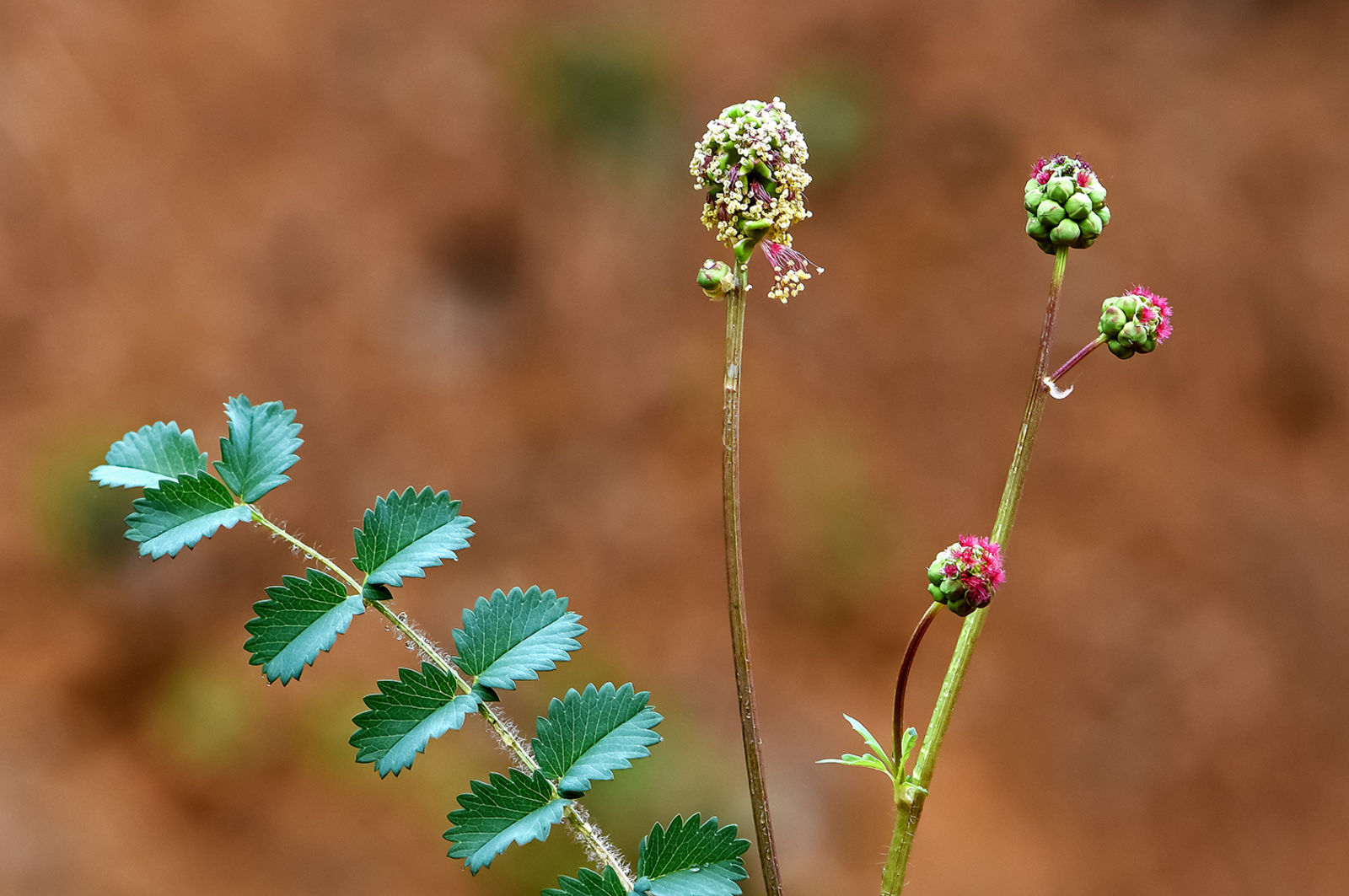
© photo
(c) Luca Boscain, some rights reserved (CC BY-NC), uploaded by Luca Boscain · cc-by-nc
Piermario Maculan · cc0
B. Phalan · cc0
Taken Feb 19, 2022 by Beate Liebold (cc-by-sa)
Taken Jun 14, 2005 by Tela Botanica − Laurent PETIT (cc-by-sa)
Taken Mar 18, 2017 by Matesanz Ángel (cc-by-sa)
© copyright of the Board of Trustees of the Royal Botanic Gardens, Kew.




Global distribution
Native from Europe through the Mediterranean to the western Himalayas; introduced in various temperate regions.
- Native2
- Introduced1
- France
- Switzerland
- Australia
Hexagons: regions where the plant occurs. Green dots: native range.1
Identity
Salad burnet (Sanguisorba minor Scop., 1771) has compound leaves with numerous toothed leaflets and small rounded flower heads. This Rosaceae perennial is also a culinary herb: young leaves have a cucumber-like flavor. French names meaning small burnet or small sanguisorba describe the same plant rather than separate garden selections. 568
It belongs to the rose family despite flowers unlike a garden rose. The small flowers lack petals, so foliage offers a better first clue than a showy corolla. Flower heads rise above the rosette, allowing leaves and inflorescences to be photographed separately while retaining their relationship on the same plant. 34
Recognition
Plants usually reach 20–50 cm (8–20 in), sometimes 80 cm (31 in). Leaves are odd-pinnate: one terminal leaflet continues the paired lateral leaflets. Oval leaflets are toothed and often more glaucous beneath. Pair number varies, so one isolated leaf should not become a rigid numerical identification rule. Examine the complete arrangement rather than relying on a single leaflet. 3
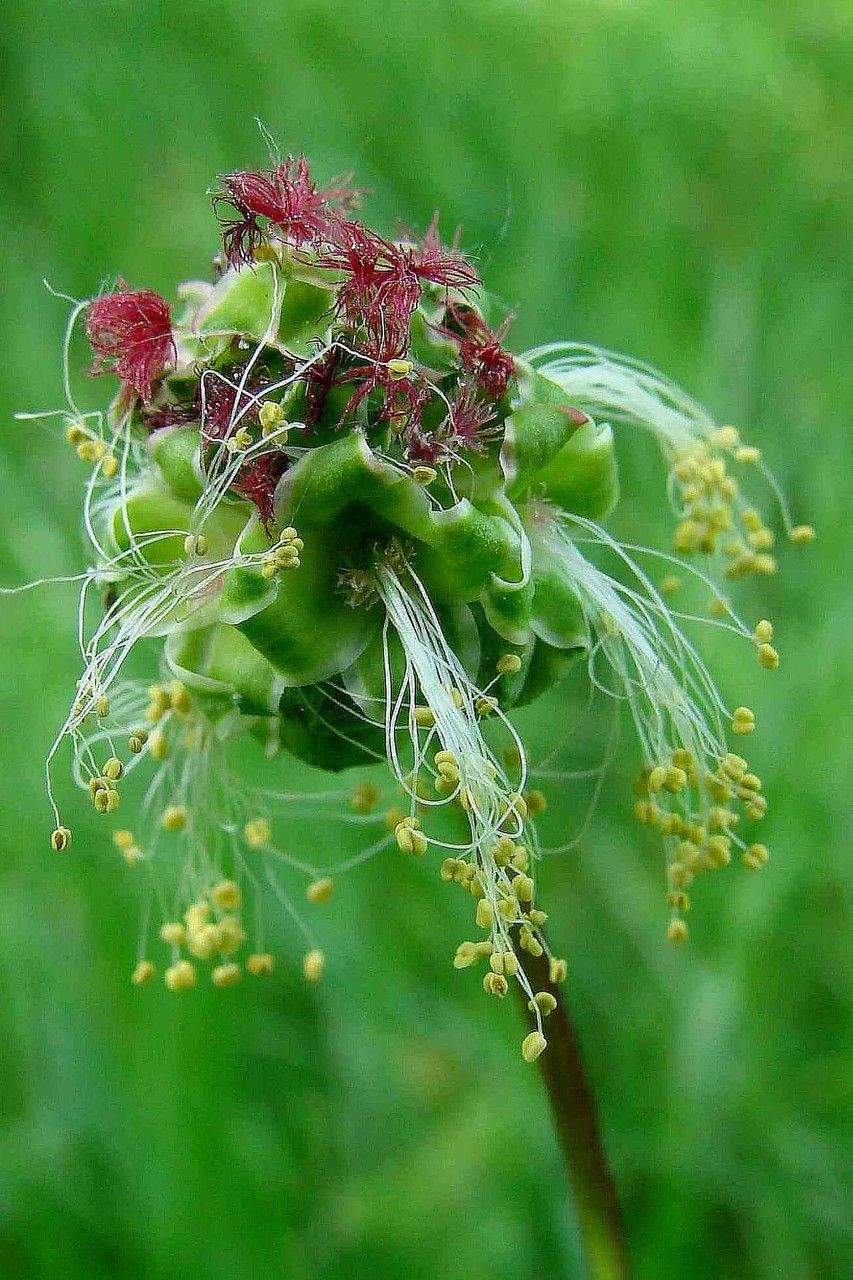
Rounded or egg-shaped heads combine greenish and reddish structures. Male flowers occur mainly below, with hanging stamens; female flowers occur above, with purple stigmas. Intermediate flowers can be bisexual. This distribution explains differences between the top and bottom of one head without implying that they belong to different species. 3
Understanding two botanical names
The accepted name Sanguisorba minor was published by Scopoli in 1771. Poterium sanguisorba L. belongs to the same taxon in global synonymy. A different genus therefore does not create a second species to seek in the field. The family remains Rosaceae. 1
France nevertheless retains Poterium sanguisorba, published by Linnaeus in 1753, as its reference name. Genus choice depends on the taxonomic framework. Search both combinations when comparing inventories or older records. Pimpinella sanguisorba (L.) Gaertn. is another historical synonym; it does not establish current membership of Apiaceae. 28
Habitat and range
Native distribution runs from Europe through the Mediterranean to the western Himalayas. Introduced populations also occur in other temperate regions. A worldwide occurrence map may not immediately distinguish these situations. Check local status rather than assuming a population outside Europe is native. 1
Calcareous grassland and nutrient-poor meadows are characteristic habitats. Low vegetation and well-drained soil provide useful search context. Wet meadows dominated by tall burnets require another check: plants sharing burnet names do not have identical requirements. Habitat guides identification but does not replace examining the plant. 264
Salad burnet is native in France and Least Concern on the mainland French flora Red List. That national assessment concerns wild populations in France, rather than every place where the herb is cultivated. 18
Life cycle and reproduction
Growth returns from persistent underground organs. Flowering stems belong to the current year's growth, while the clump survives several seasons. Flowering generally extends from May to August in the cited European accounts. Dates vary with climate and site; no flowers in early spring does not exclude the species. 67
Seed renews populations and can produce self-sown garden plants. Removing heads after flowering limits these seedlings. Both sowing and division propagate a clump. Leaving some plants to seed and removing every head serve different aims: maintaining a population or keeping a more controlled border. Choose the approach for the particular garden setting. 5
Harvesting and precautions
Cucumber-flavored young leaves season salads and cold dishes. Cutting leaves encourages tender regrowth, preferred to older foliage for this use. Harvest only a correctly identified plant from a known site. Similar flavor is not a method of botanical identification and should not replace checking the plant before collection. 5
Traditional food and medicinal uses are recorded, but establish neither a therapeutic dose nor an indication for self-treatment. 7 It is listed nontoxic to dogs, cats and horses. For people, no toxicological data supplement young-leaf food use; that use does not prove safety in every circumstance. Keep these different evidential scopes separate. 95
Cultivation and related plants
Grow in sun and well-drained, neutral to alkaline soil. A mature clump occupies about 10–50 cm (4–20 in) in width. An herb-garden edge keeps leaves accessible. Water according to establishment and local conditions. Drainage remains essential even when regular production of young leaves is wanted. 4
Great burnet (Sanguisorba officinalis) is a related plant characteristic of wetter meadows. The shared name is insufficient for choosing a habitat or plant. Compare leaves and flower heads, then check the setting rather than substituting one species for another on name alone. Ornamental selections of tall burnets are not cultivars of salad burnet. 6
Main sources
Poterium sanguisorba is a synonym of Sanguisorba minor, salad burnet, and remains the reference name used in France. 18
Frequently asked questions
Can salad burnet be eaten?
Young leaves are used in salads or as seasoning after certain identification and collection from a clean site.
Why is the name Poterium sanguisorba also used?
Taxonomic references differ in genus choice. Sanguisorba minor is globally accepted, with Poterium sanguisorba as a synonym; the latter remains the French reference name.
How can self-seeding be reduced?
Remove flower heads after flowering to limit spontaneous seed dispersal.
If you are unsure about a plant’s toxicity, ask a botanist or veterinarian for advice.