
China doll plant (Radermachera sinica, )
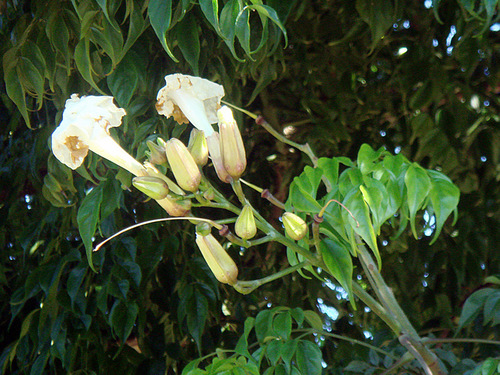
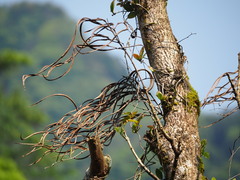
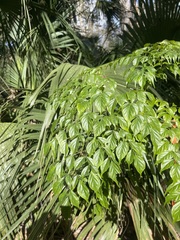
China doll plant (Radermachera sinica) has evergreen foliage divided into many glossy leaflets. This Asian tree in the Bignoniaceae family is grown in pots in bright, indirect light.
Read moreChina doll plant and Emerald tree plant
Stereospermum sinicum, Radermachera borii and Radermachera tonkinensis
Give plenty of ambient light without direct sun on the leaves.
Bright, indirect light indoors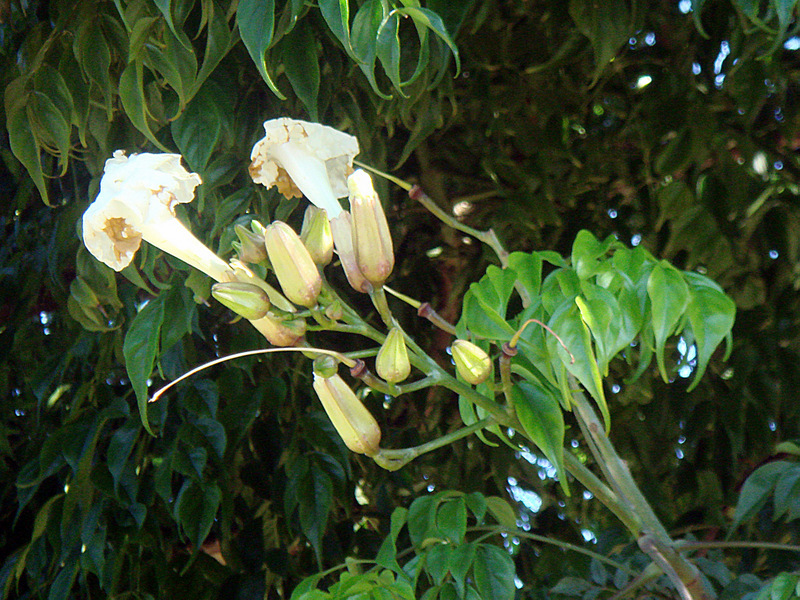
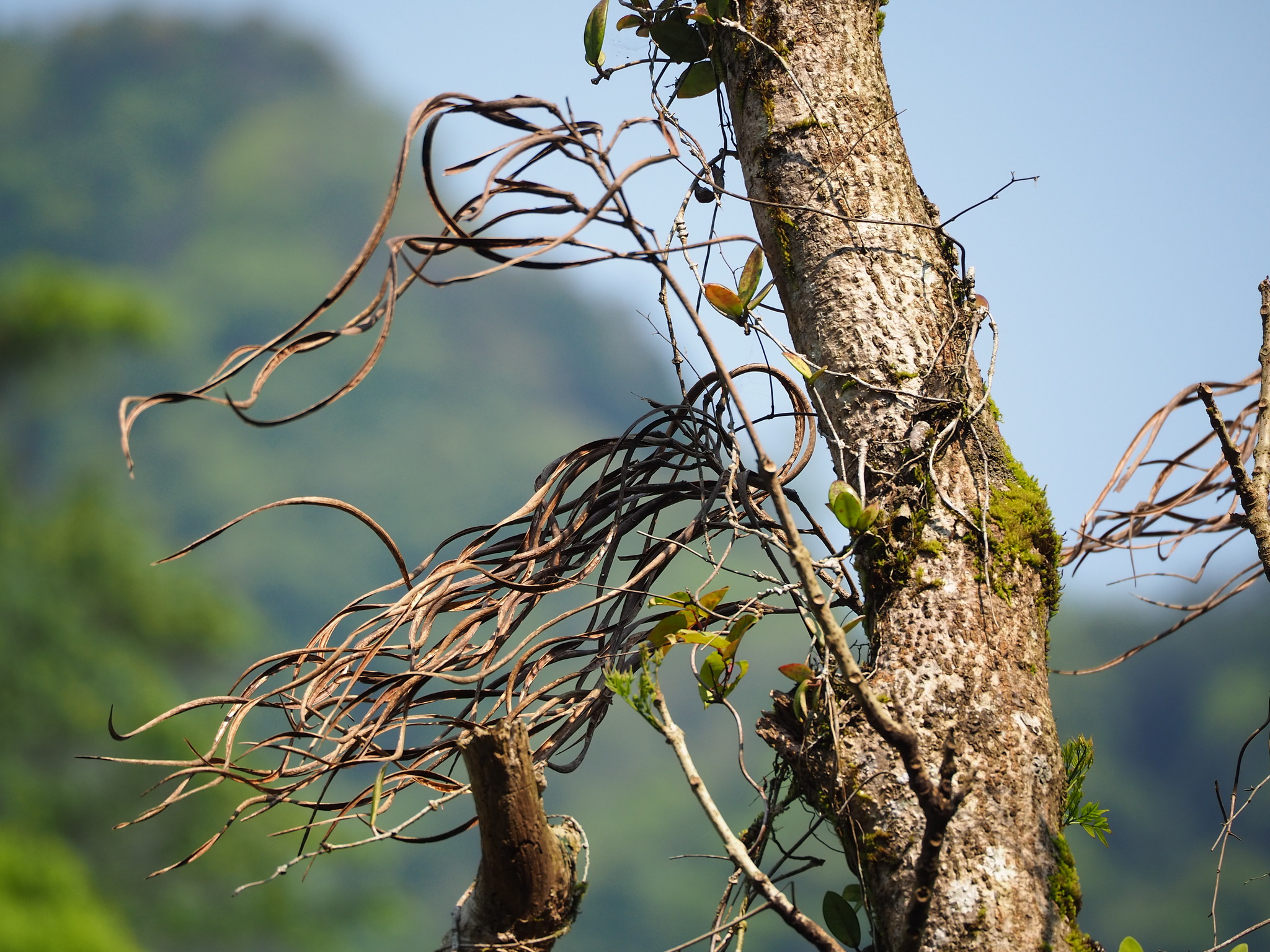


© photo
(c) Phil Bendle, some rights reserved (CC BY-NC), uploaded by Phil Bendle · cc-by-nc
葉子 · cc0
Brandon Corder · cc-by
Taken Aug 21, 2021 by Stacey Homan-Felton (cc-by-sa)
Taken May 22, 2021 by Patric Lastname (cc-by-sa)
Taken Jan 13, 2020 by Diego Alex (cc-by-sa)
Taken Aug 19, 2019 by Veera Koponen (cc-by-sa)
Taken Jan 15, 2020 by Dieter Albrecht (cc-by-sa)
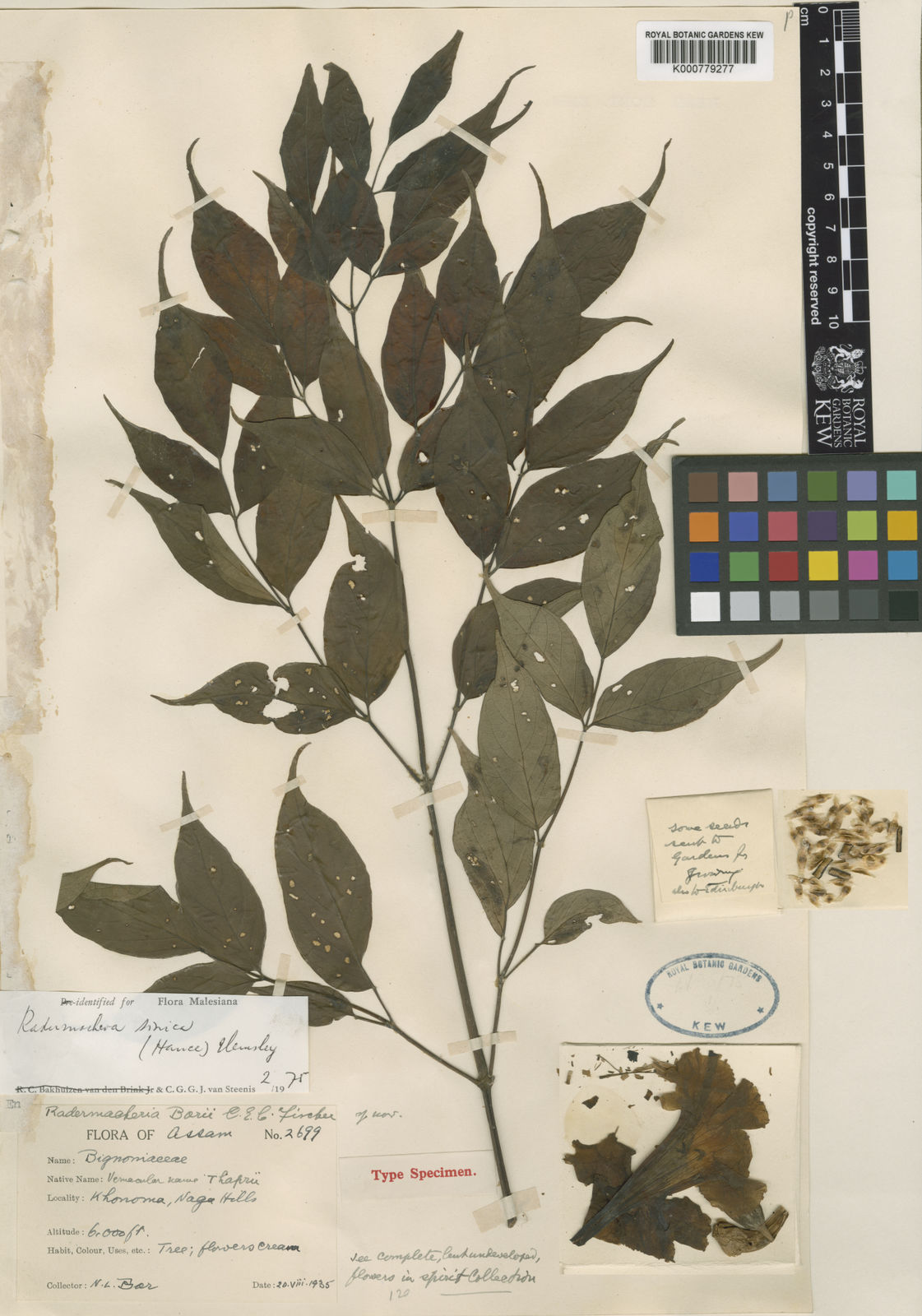
© copyright of the Board of Trustees of the Royal Botanic Gardens, Kew.


Global distribution
Native from the eastern Himalayas to southern China and northern Indochina, including Taiwan.
- Native5
- Introduced1
- India, including Assam
- Southern China
- Myanmar
- Vietnam
- Taiwan
- New Zealand
Hexagons: regions where the plant occurs. Green dots: native range.1
Identity
China doll plant (Radermachera sinica (Hance) Hemsl., 1902) retains the finely divided foliage of an Asian tree when grown in a pot. Numerous glossy leaflets give this evergreen Bignoniaceae a light outline. It is generally grown as a houseplant in temperate climates. An indoor specimen rarely exceeds 2 m, while the species can reach 30 m in its natural habitat. Its size at purchase therefore does not predict the size of a mature tree. 1 2
The English names “China doll” and “Emerald tree plant” refer to this same species. They can help identify a commercial label, but they are not botanical synonyms. The binomial Radermachera sinica prevents these sales names from being confused with a variety name. 3
Recognition
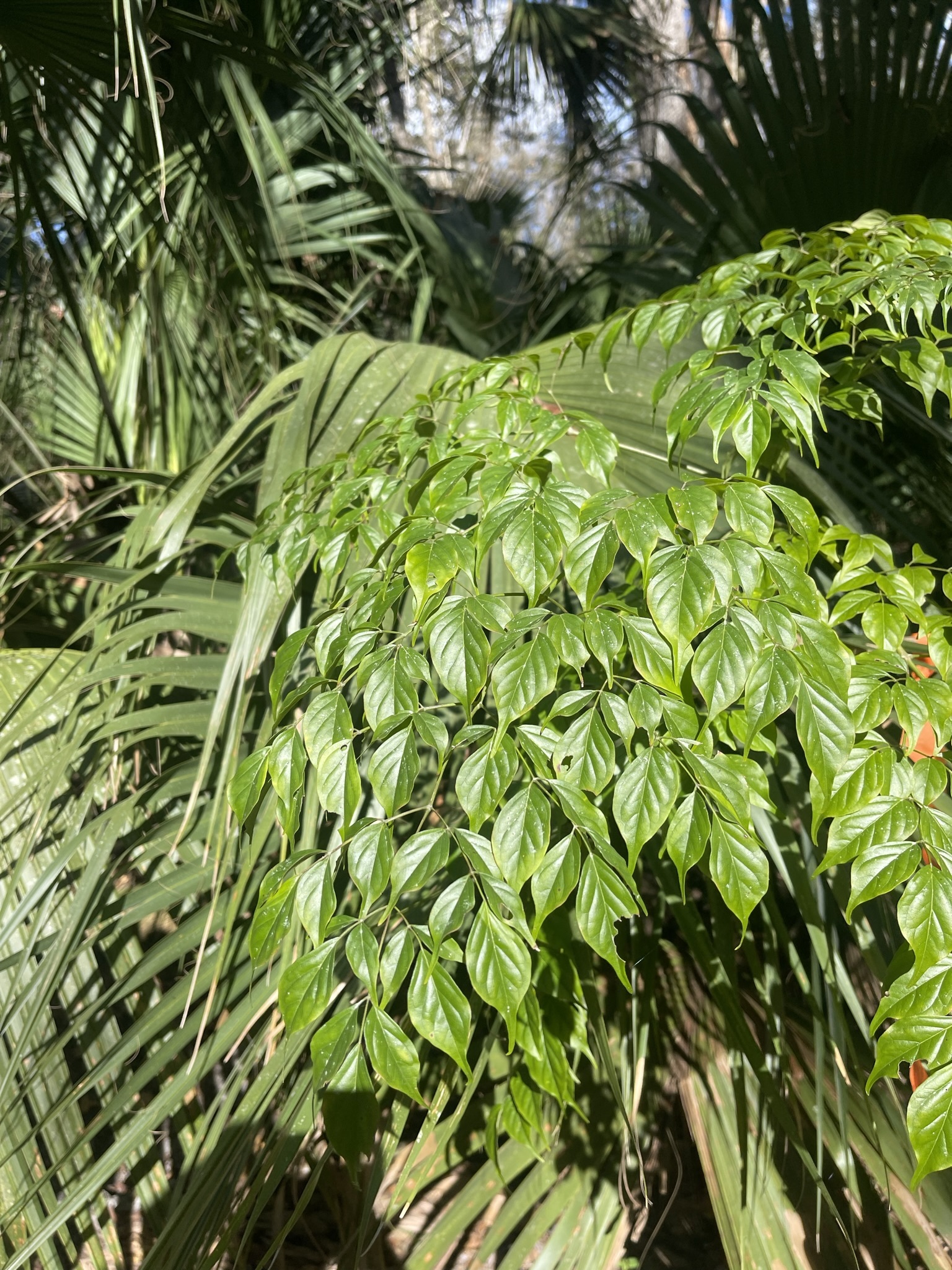
The leaves of Radermachera sinica are twice or three times compound: successive divisions of the leaf blade bear many leaflets. Each small leaflet therefore belongs to a larger leaf. The main axis reaches about 30 cm; the leaflets are oval to lance-shaped, with tapered tips. The foliage remains green throughout the year in favorable conditions. 3
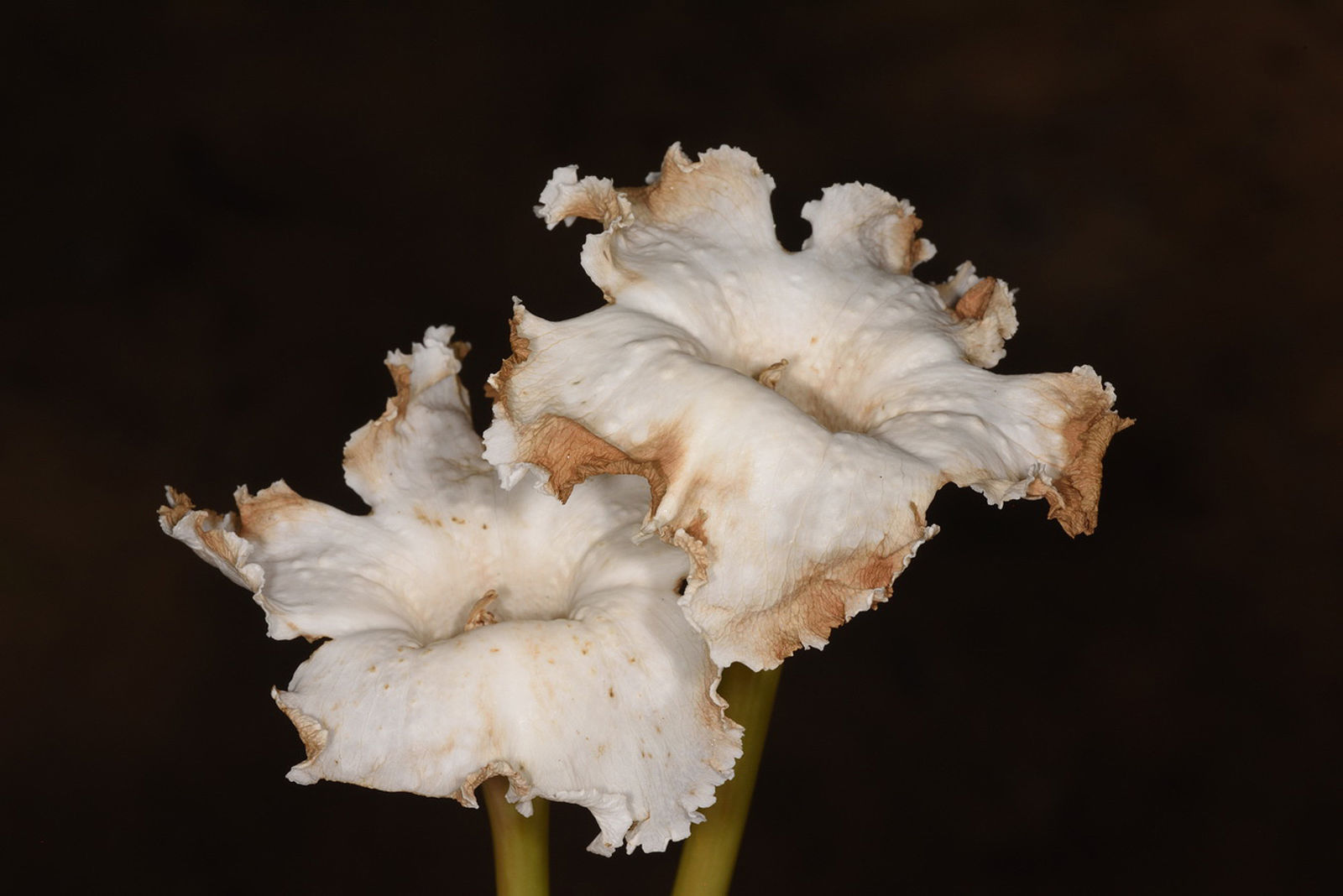
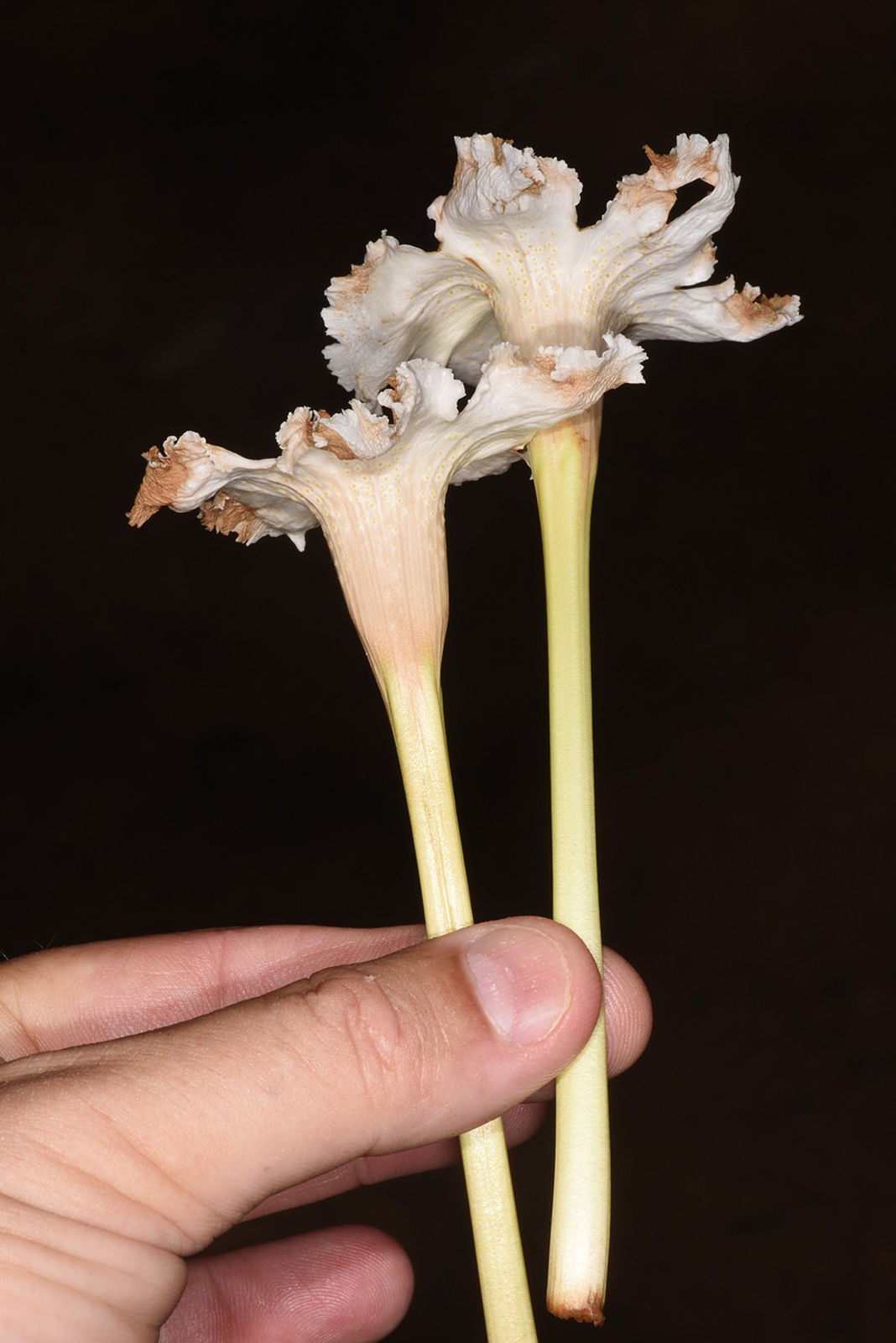
The flowers grow in terminal panicles and have a funnel-shaped or bell-shaped corolla, white to pale yellow, measuring 6 to 8 cm long in the Singapore description. The fruit is an elongated, slightly flattened dry capsule with a leathery wall. It opens when ripe and contains winged seeds, providing a feature that can help confirm identification on a fruiting tree. 3
Useful taxonomy
The accepted name is Radermachera sinica, in the family Bignoniaceae and order Lamiales. The current combination dates to 1902. The authority in parentheses recalls the species' original placement in another genus. 1
The basionym is Stereospermum sinicum Hance, published in 1882. Two other names, Radermachera borii C.E.C Fisch. and Radermachera tonkinensis Dop, are also placed in the species' synonymy. An old label reading Stereospermum sinicum therefore does not necessarily identify a different plant. These synonyms concern botanical identity; they indicate neither a dwarf selection nor a particular foliage color. 1
Habitat and range
The native range of Radermachera sinica extends from the eastern Himalayas to southern China, northern Indochina and Taiwan. It includes Assam, Myanmar and Vietnam. The species belongs mainly to the wet tropical biome. Describing it only as “native to China” therefore understates its wider Asian range. 1
In South Australia, the species is offered as an ornamental and shade tree, with a height and spread of 5 to 6 m. These landscape dimensions concern suitable outdoor cultivation, distinct from growing it indoors. 4 In New Zealand, it is classified as exotic and its introduction is horticultural. That status describes this territory and does not establish invasive behavior everywhere else. 5
Life cycle and reproduction
Radermachera sinica is an evergreen woody perennial that grows quickly in favorable conditions. Propagation is by seed or stem cuttings. Semi-ripe cuttings are a horticultural method given for this species. 3 2
The winged seeds are dispersed by wind and gravity, among other means. Flowering reported in March in New Zealand belongs to a Southern Hemisphere context; it does not set a flowering date for a home in France. 5 Spring and the warmer months are associated with fragrant white flowers in the Australian description. Distinguish these outdoor observations from the rhythm of a houseplant grown for its foliage. 4
Cultivation and risks
Indoors, Radermachera sinica needs bright, indirect light and a well-drained potting mix. Sand or horticultural grit can be added to a peat-free mix to improve drainage. Avoid abrupt changes of position: altered conditions can cause leaf drop. A mix kept too wet exposes the roots to rot. 2
Pinching out the tips of young shoots encourages branching; older plants can be cut back to limit their size. Watch for aphids and scale insects or mealybugs, as well as mites that may attack sheltered plants. 2
Apply houseplant fertilizer every other watering during active growth. Repot during growth too, without waiting for the mix to dry out completely between waterings. The calendar translates this advice into relative indicators for indoor cultivation in France; new shoots and the moisture in the pot take priority over the displayed month. 6
The toxicity of Radermachera sinica remains undetermined for every group: cats, dogs, horses, children, adults and other animals. This uncertainty establishes neither that its foliage is edible nor that it is safe to chew.
Varieties, look-alikes and related plants
A compact Radermachera sinica is not necessarily a stable dwarf cultivar. Commercial production may use growth regulators to shorten the internodes. After treatment stops, the species may resume a larger growth habit. The outline offered for sale then reflects a production method, without proving a lasting genetic difference. 6
Within the same genus, Radermachera hainanensis has golden yellow flowers and Radermachera gigantea has pinkish flowers. These colors belong to distinct species; assigning them to varieties of R. sinica would lead to an identification error. 6
Radermachera pentandra is a separate species, despite a historical confusion of names recorded in New Zealand. Similar compound foliage is therefore not enough to unite the two species. For a plant without flowers or fruit, retaining its provenance and the full name on its label helps verify identity; a sales name alone does not resolve this confusion. 5
Main sources
- Plants of the World Online, Kew: Radermachera sinica
- Royal Horticultural Society: Radermachera sinica
- National Parks Board, Singapore: Radermachera sinica
- Botanic Gardens and State Herbarium, South Australia: Radermachera sinica
- New Zealand Plant Conservation Network: Radermachera sinica
- Bell and Yamanaka, Curtis's Botanical Magazine, 2022: Radermachera sinica
Frequently asked questions
Why is my China doll plant losing leaves?
Moving the plant or changing its conditions can cause leaf drop. An excessively wet potting mix also exposes the roots to rot.
How tall does China doll plant grow indoors?
The British horticultural description states that an indoor plant rarely exceeds 2 m. The dimensions of outdoor trees do not describe a potted plant.
When should I fertilize China doll plant?
During active growth, apply houseplant fertilizer, alternating with plain-water waterings.
Is China doll plant safe for cats?
Its toxicity status for cats remains undetermined. The absence of a classification does not establish that the foliage is safe to chew.
If you are unsure about a plant’s toxicity, ask a botanist or veterinarian for advice.