
Holiday cactus (Schlumbergera, )
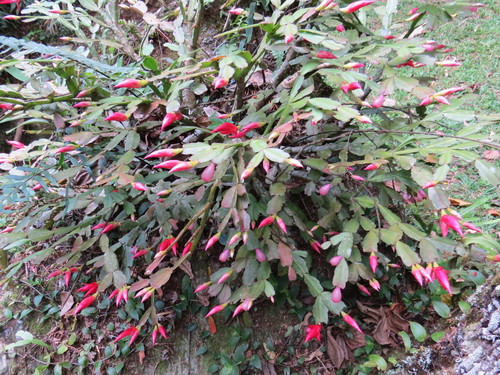
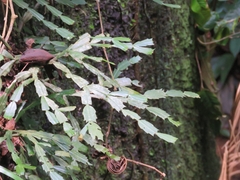

Schlumbergera (Schlumbergera) is a genus of epiphytic forest cacti in the Cactaceae family. Unlike desert cacti, these plants grow in humid woodland conditions. Their jointed stems, colorful seasonal flowers and easy propagation from segments make them familiar houseplants.
Read moreHoliday cactus and Christmas cactus


© photo
Victor Farjalla Pontes · cc-by
Pablo Cauã da Silva Toledo · cc-by
Carlos Otávio Gussoni · cc-by-nc
© copyright of the Board of Trustees of the Royal Botanic Gardens, Kew.
Identity
Schlumbergera (Schlumbergera Lem.) is the genus behind many familiar Christmas cactus houseplants. Keeping the identification at genus level makes sense when the plant is a horticultural hybrid rather than a securely identified species. Healthy segments can be used as cuttings after flowering. ↗ ↗
POWO, World Flora Online and IPNI recognize Schlumbergera in the Cactaceae family. Its forest epiphytic habit matters for cultivation: these are cacti adapted to humid woodland, rather than desert plants that thrive in dry, exposed sunshine. ↗ ↗ ↗
Take cuttings from a healthy plant toward the end of flowering or afterward, and keep the initial stage relatively dry. Fleshy segments need time for the cut surface to heal; watering too soon encourages rotting before new roots develop. ↗ ↗
Inside a home, Schlumbergera brings a distinct flowering season, with pink, red, white, orange or purple blooms. Winter flowering is its familiar association in Northern Hemisphere homes, but gentle light, drainage and an appropriate watering rhythm matter more than a calendar date. ↗
Recognition
Flattened, jointed green stems give the plant its leafy appearance, although it has no obvious true leaves. Their edges may be toothed, and the stems become pendulous with age. Flowers emerge from the ends of the segments rather than from leafy shoots. ↗ ↗
Tubular flowers often have an asymmetrical outline, with overlapping tiers of tepals. Christmas and Thanksgiving cactus hybrids can look very similar. Stem-segment shape and flowering time provide useful clues when distinguishing these closely related plants. ↗
Firm segments are a useful sign of health; they should not look shriveled or translucent. Soft segments after repeated watering often suggest oxygen-starved roots. Wrinkled segments can indicate either a shortage of water or roots that have already been lost. ↗ ↗
A flowering plant that then slows down is not necessarily failing. A quieter period after blooming is part of its seasonal behavior, and reduced growth calls for a gentler watering rhythm before the next flush of stems. ↗
Useful taxonomy
At genus rank, the accepted name is Schlumbergera Lem. A Christmas cactus should not automatically be assigned to S. truncata or S. x buckleyi. The broader name remains useful when its precise species or hybrid identity is uncertain. ↗ ↗
Labels such as Christmas cactus, Thanksgiving cactus and Easter cactus may be applied to several related taxa. Flowering-season names help in everyday conversation, but do not establish a precise botanical identity. Genus-level identification avoids assigning an uncertain plant to a particular species. ↗ ↗
The word cactus can mislead growers about care. Forest Cactaceae need an airy medium, but they do not share the same tolerance of scorching sun and extreme drought as desert cacti. Their habitat explains why standard desert-cactus routines can go wrong. ↗
A hot position immediately behind glass, followed by prolonged drying between waterings, is a common source of trouble. Rather than encouraging seasonal bloom, this combination can damage segments. Treating the plant as a forest cactus avoids that mismatch between its needs and its position. ↗
Cultivation
Successful cultivation combines bright indirect light, an organic but freely draining medium and a pot with drainage holes. Water moderately once the medium has partly dried. Water should pass through the pot rather than remain trapped around the roots or inside an outer container. ↗ ↗
Propagation uses a short chain of segments allowed to dry before planting. This initial drying period gives the cut surface time to heal and reduces the chance of rot. A fresh cutting should not go straight into persistently wet growing medium. ↗
Flowering responds to seasonal changes, including longer nights and cooler temperatures. Keep a plant reasonably settled while buds develop. Abrupt changes in watering or light can cause those developing buds to drop before opening. ↗
After flowering, reduce watering slightly, then increase it again as active growth resumes. This gentle alternation follows changing demand for moisture. A fixed routine applied identically throughout the year is less useful than responding to growth and the condition of the medium. ↗
The most reliable watering guide is how the growing medium feels. A dry surface does not always mean the root zone is ready for water. Let drying begin below the surface without leaving the mix dusty for weeks. A modest-sized, well-drained pot and airy mix offer more security than a large decorative container. ↗
A rest after flowering is not a disease. The plant may produce fewer segments and need less water during this quieter phase. Resume watering progressively when new green growth appears at the tips, indicating that active growth and water uptake are returning. ↗
Uses
Its familiar role is as a seasonal flowering houseplant, displayed on a bright sill out of scorching sun, in a hanging basket or in a tabletop pot. A rooted cutting also makes a practical gift. Colorful flowers can provide a festive display without requiring a greenhouse. ↗ ↗
Sharing cuttings is part of the plant's appeal. Just a few healthy segments can develop into a sturdy new plant if the initial drying period is respected. This also allows an established Christmas cactus to be passed between households without dividing the entire root system. ↗
For decorative displays, a simple arrangement is easier to manage than a constantly damp grouping inside sealed outer pots. Water trapped in festive containers causes avoidable losses. Checking drainage remains important when the plant is temporarily used as a table decoration. ↗
For households with pets, ASPCA lists Christmas cactus as non-toxic to dogs and cats. This does not make chewing segments desirable. Position the plant where curious animals are less likely to repeatedly eat its stems. ↗
A suitable position is often a bright room with moderate temperatures, rather than the hottest part of the living room. A very dark window may yield few buds, while a sun-exposed window in summer can scorch stems. Between these extremes, the plant retains firm green segments and flowers more consistently. ↗
Cautions
Toxicity concern is low: ASPCA lists Christmas cactus as non-toxic to cats and dogs. Eating a large quantity of segments can nevertheless cause digestive discomfort. A non-toxic classification supports household use while allowing for caution about repeated chewing or substantial ingestion. ↗
The main practical hazards are overwatering, containers without drainage holes, compacted medium and direct sun behind glass. These conditions can lead to bud drop, wrinkled segments or rotting roots. Check them when a previously healthy plant begins to lose its firm texture. ↗ ↗
Avoid taking propagation material from a weakened plant. A healthy specimen after flowering heals better and supplies more reliable segments. Waiting for the appropriate stage avoids placing an additional demand on a plant that is already struggling. ↗
The key point of caution is distinguishing useful drying from complete neglect. Cut segments should dry before planting, but an established parent plant still needs a regular moisture rhythm. Left dry too long it shrivels; kept wet without enough air around its roots it can rot. ↗ ↗
A simple correction starts with removing standing water, checking the drainage hole and allowing a few days before watering moderately again. Repotting abruptly during full bloom is rarely the first response. Start by correcting the immediate conditions around the pot and roots. ↗
For Christmas cactus plants of uncertain hybrid identity, Schlumbergera remains a sound genus-level name. The same practical principles apply across this familiar group: let fresh cuttings heal, provide gentle light and remember that these plants are cacti of humid forests. ↗ ↗
Main sources
- Plants of the World Online / Kew, Schlumbergera
- North Carolina Extension Gardener Plant Toolbox, Schlumbergera (genus, habitat and cultivation)
- International Plant Names Index, Schlumbergera
- Royal Horticultural Society, Schlumbergera search results
- Wikipedia EN, Schlumbergera
- ASPCA, Christmas Cactus
- Floralens, what to plant in December
If you are unsure about a plant’s toxicity, ask a botanist or veterinarian for advice.