
African marigold (Tagetes erecta, )
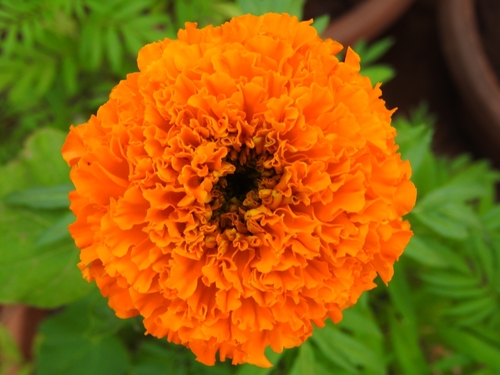
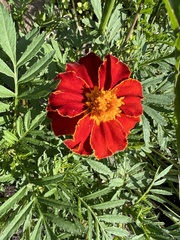
African marigold (Tagetes erecta) is an annual in the Asteraceae family, of American origin. It forms an upright plant for sunny vegetable beds and borders, with yellow to orange flower heads, a long flowering season and good tolerance of occasional beginner mistakes.
Read moreAfrican marigold, Aztec marigold, Mexican marigold and Big marigold

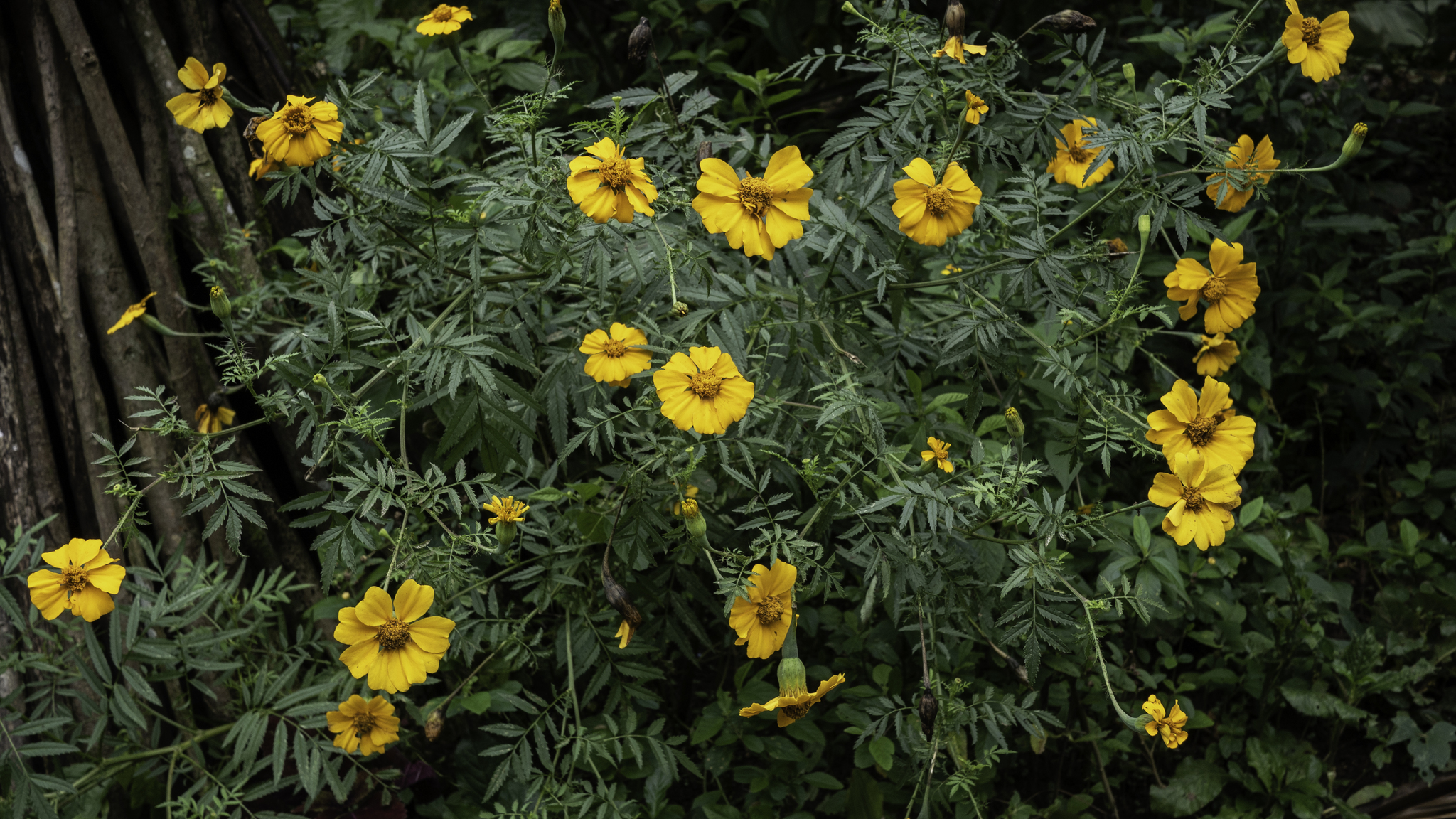


© photo
(c) akhilesh, some rights reserved (CC BY-NC), uploaded by akhilesh · cc-by-nc
iNaturalist User · cc-by-nc
Алёна Осипова · cc-by
Taken Dec 1, 2021 by Niccolas (cc-by-sa)
Taken May 26, 2022 by Andrea Paula de Carvalho (cc-by-sa)
Taken May 27, 2015 by Tela Botanica − Marine Journo (cc-by-sa)
Taken Mar 31, 2022 by Claudio Perrone (cc-by-sa)
Taken Feb 6, 2020 by Amezcua Miguel (cc-by-sa)
© copyright of the Board of Trustees of the Royal Botanic Gardens, Kew.




Identity
African marigold (Tagetes erecta L.) is a marigold species grown for yellow flowers. Although it is of American origin, its familiar horticultural name suggests Africa; the French name “rose d’Inde” similarly points elsewhere. 2 8
Botanical references POWO, WFO, IPNI and Wikidata confirm the name Tagetes erecta L. and place it in the Asteraceae family. This species suits yellow-flowered plantings in vegetable gardens and borders where straightforward cultivation matters. 2 3 4 1
For everyday gardening, its appeal is direct: African marigold is a robust, generously flowering annual for full sun. Yellow to orange flower heads provide lasting color, and established plants tolerate occasional lapses in attention. 8 5
Among yellow-flowered plants, African marigold offers an accessible introduction to gardening. Like pot marigold and coreopsis, it is a useful choice for beginners learning to establish and maintain flowering plants. 8
Recognition
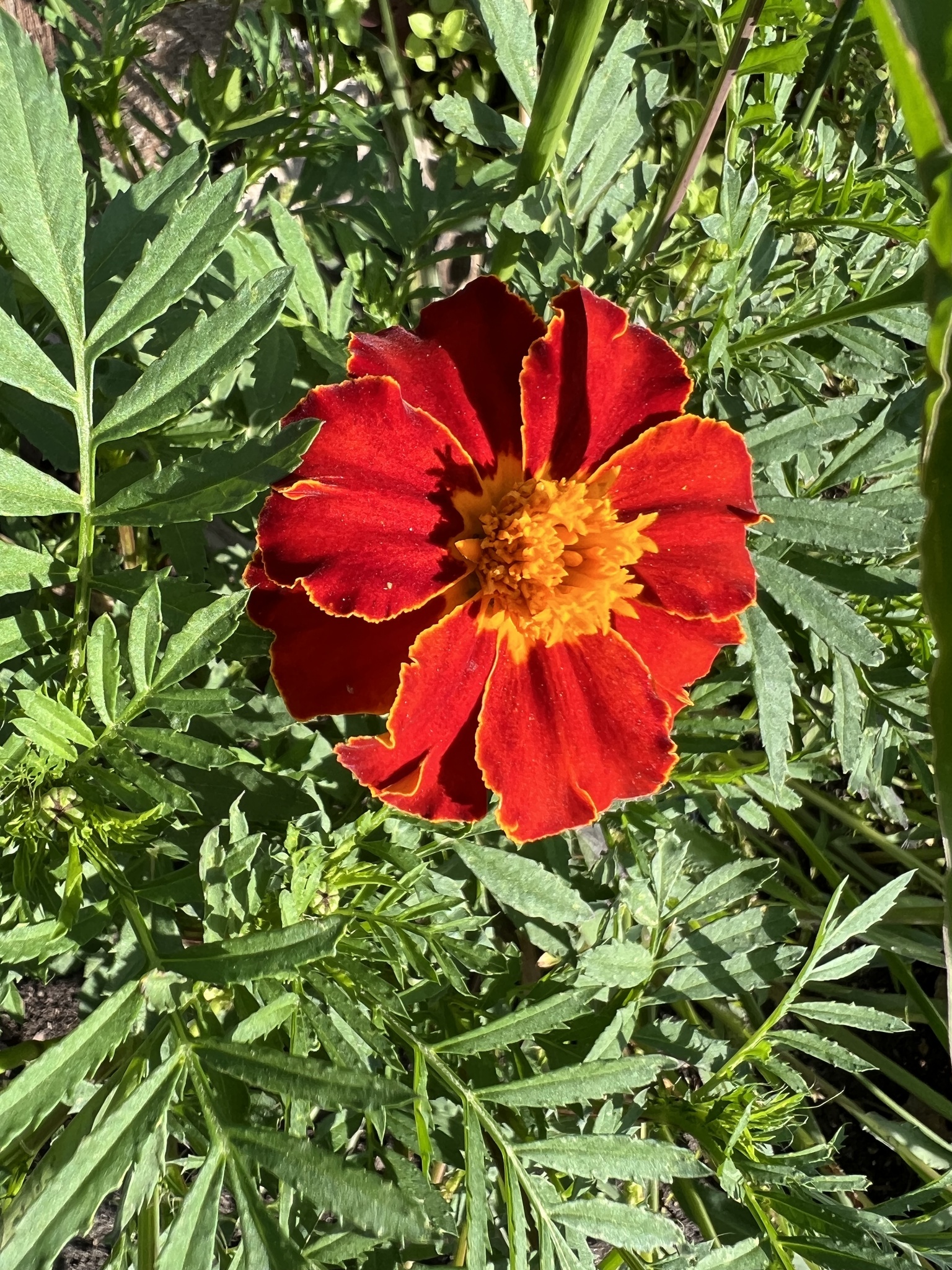
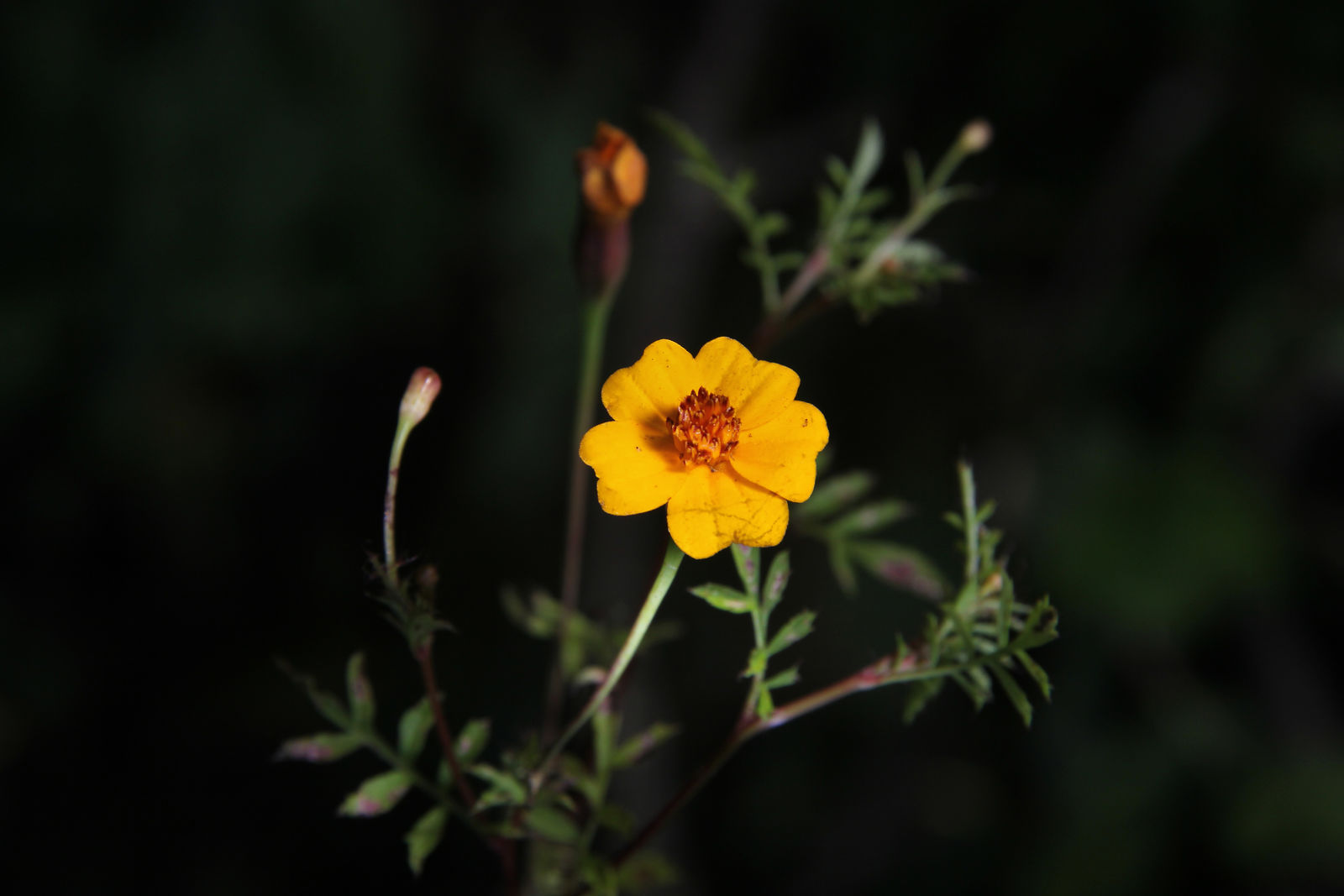
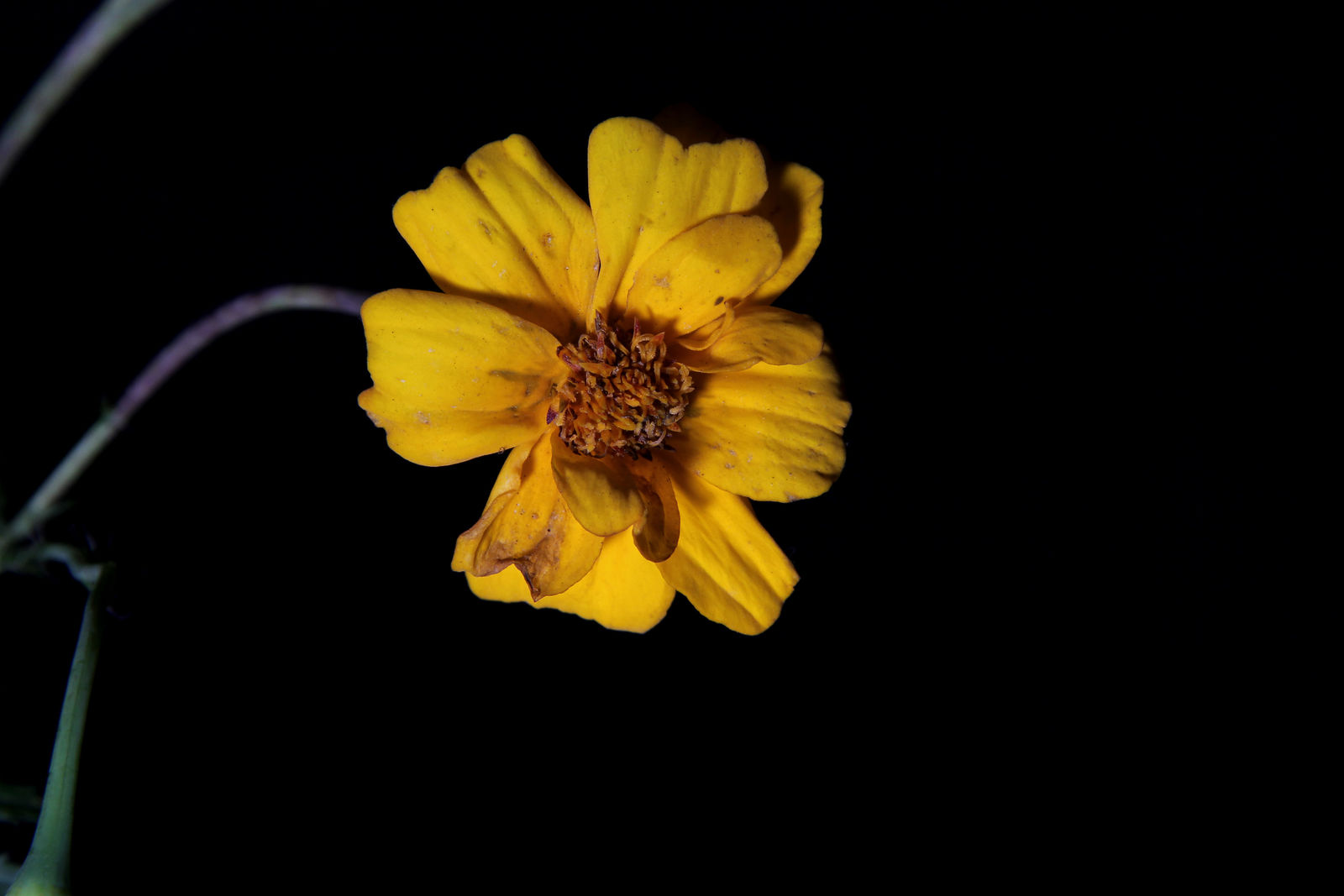
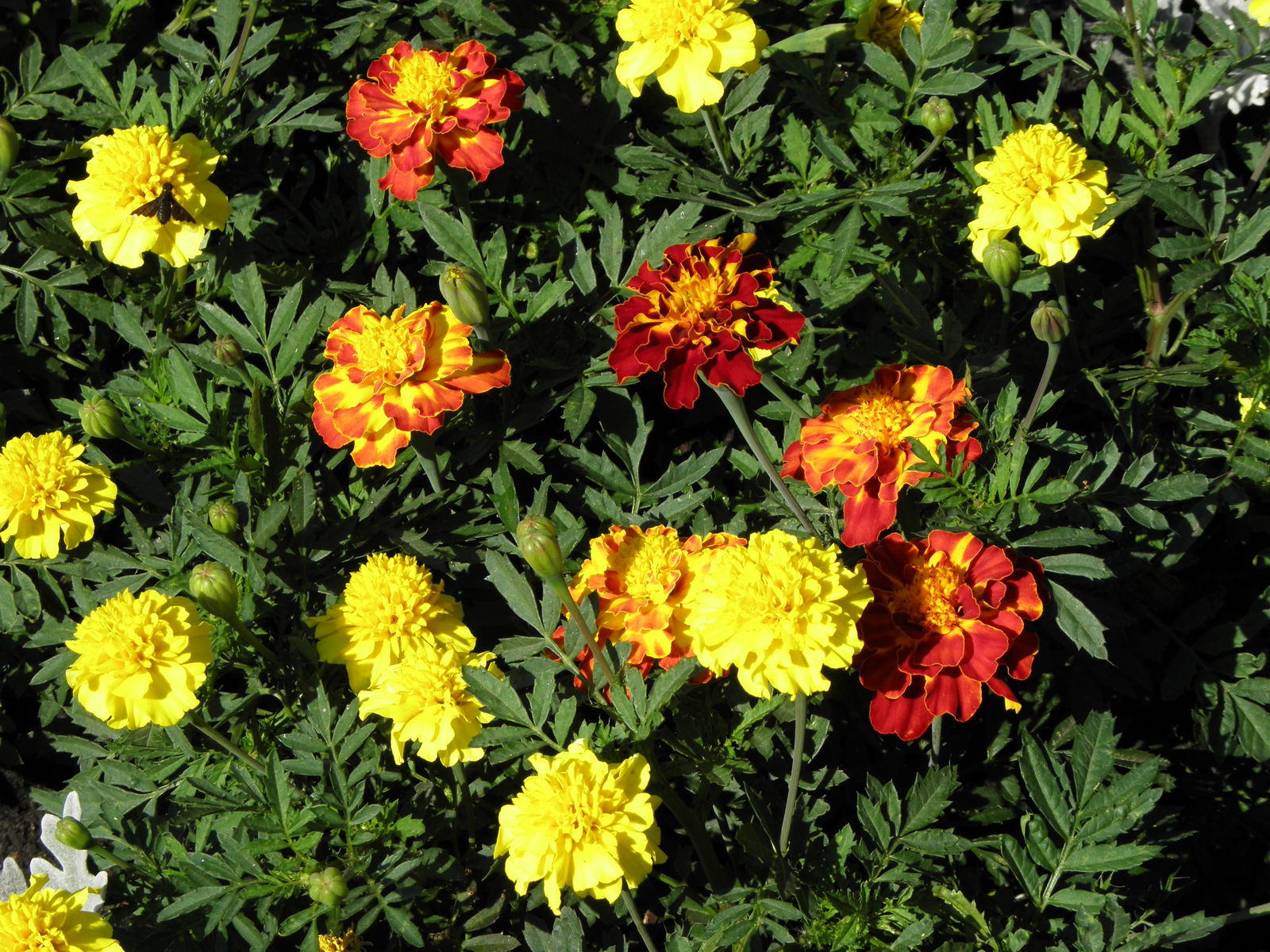
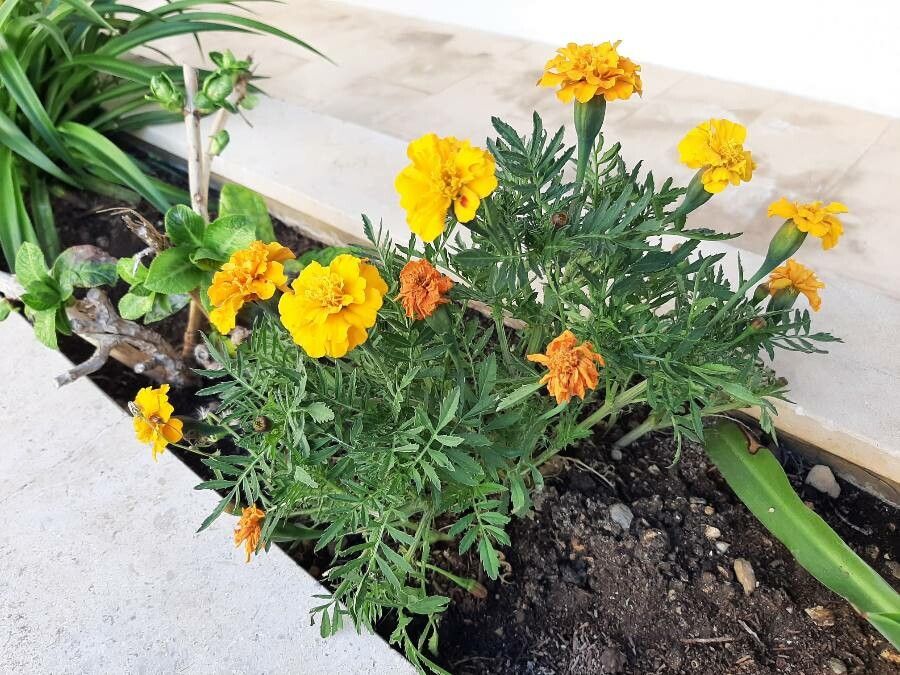
Upright, branching clumps carry deeply divided, aromatic leaves. Rounded flower heads range from single to very double, in bright yellow, golden yellow or orange. 5 7
Compared with lower-growing marigolds, this species often has a taller habit and larger flower heads. Modern varieties may nevertheless be compact, so height alone cannot establish the identification. 6
Crushing the foliage releases a strong, herbaceous scent typical of Tagetes. That distinctive odor is a useful identification clue and is familiar to many vegetable gardeners. 5
Sunlight and deadheading support a long flowering season. Cool conditions or shade slow growth and reduce the number of flowers, even in an otherwise easy plant. 8
Useful taxonomy
The accepted botanical name is Tagetes erecta L., a species within Tagetes. Keeping the species name matters when selecting this particular yellow-flowered annual rather than referring broadly to the whole genus. 2 8
Common names can mislead about geography. Aztec marigold and Mexican marigold are other established names, while “African marigold” and the French “rose d’Inde” reflect horticultural history and trade rather than the species’ botanical origin. 7
Pot marigold, Calendula officinalis, is frequently confused with Tagetes through common names, particularly the French word “souci.” The deeply divided, aromatic foliage of Tagetes provides a useful distinction from Calendula. 8
Species-level identification also separates Tagetes erecta from smaller border marigolds and horticultural hybrids. Although their growing requirements are often similar, those plants need not have the same size or form as T. erecta. 6
Cultivation
Warmth, full sun, well-drained soil and regular watering during establishment suit African marigold. After rooting in, it tolerates short dry spells reasonably well. 5
Sow in warmth before transplanting, or sow directly outdoors once frost has passed. Avoid setting young plants out too early, because cold checks growth and can damage their foliage. 6
Vegetable gardeners can place compact varieties along bed edges, between sun-loving crops or in containers. They add color without occupying much width when the variety is chosen to fit the available space. 8
Deadheading extends the display. Excessively nitrogen-rich soil encourages leaves at the expense of flower heads; ordinary fertile, well-drained soil is enough for good performance. 5
Sowing time matters especially without a greenhouse. Sowing too early produces soft plants that must wait for warmth, whereas sowing after frost into warmed soil often gives stockier, more even plants. 6
Apply water at the base and avoid keeping the soil waterlogged. A brief dry spell is less troublesome than a cold, compacted growing medium. In containers, drainage often determines how well the plants flower. 5
Uses
Reliable yellow color is its main ornamental contribution in borders, vegetable gardens, annual beds, patio containers and short bouquets. African marigold gives a bold, long-lasting display with less fragility than more demanding flowers. 8
Petals from some marigolds can be used in food, provided the flowers are correctly identified, untreated and grown for eating. That qualification matters more than simply knowing the plant’s common name. 8
Single and semi-double heads are often more useful to pollinators than densely double flowers. Alternating flower forms within a bed provides more feeding resources and a less rigid visual effect. 5
As a beginner’s plant, African marigold makes it possible to practice sowing, transplanting, watering, deadheading and collecting seed. None of those steps needs elaborate equipment. 8
Repeated groups often make the strongest visual effect. Three to five plants along a border, or a row in the vegetable garden, create color visible from a distance and make deadheading easier. 8
Use petals in moderation when cooking. They can color a salad or flavored butter, but the green parts are more bitter and very double varieties are not always the most pleasant to eat. 8
Precautions
No major toxicity is identified in the available profile; cats and dogs are classed as safe, while horse safety remains unknown. This does not encourage ingestion, especially of plants treated with chemicals or grown for ornamental rather than food use. 1
For edible flowers, use only clean, unsprayed petals in small quantities. A purchased ornamental plant should never be eaten unless its suitability for food production is confirmed. 8
People sensitive to Asteraceae may react to contact or pollen. Gloves are sensible during prolonged trimming if the foliage irritates the skin. 5
Check commercial labels rather than treating all marigolds as interchangeable. Small border forms, tall African marigolds and some hybrids are sold under similar names. Confirming Tagetes erecta helps avoid a plant too low or too tall for its intended position. 6
Four points give beginners a useful starting place: full sun, drained soil, removal of spent flowers and a variety matched to the available space. With those conditions met, African marigold is forgiving and flowers for a long time. 8
When choosing Tagetes erecta, expect a sun-loving annual suited to straightforward gardening and a yellow to orange display. Edible-petal use requires correctly identified plants grown without treatments that make them unsuitable for eating. 8 2
Main sources
- Wikidata, Tagetes erecta
- Plants of the World Online / Kew, Tagetes erecta
- World Flora Online, Tagetes erecta
- International Plant Names Index, Tagetes erecta
- NC State Extension, Tagetes erecta
- Royal Horticultural Society, Tagetes erecta search results
- Wikipedia EN, Tagetes erecta
- Floralens, selection of yellow flowers
If you are unsure about a plant’s toxicity, ask a botanist or veterinarian for advice.