
Moundlily yucca (Yucca gloriosa, )
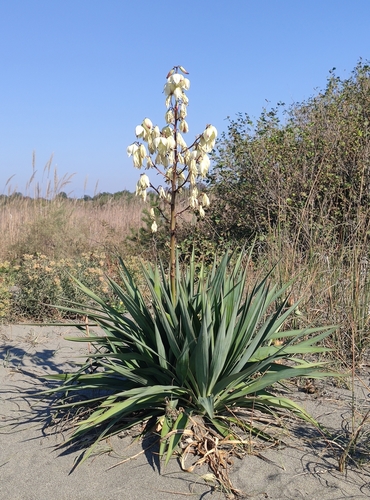
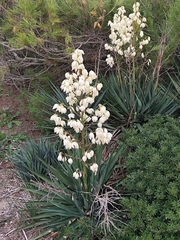

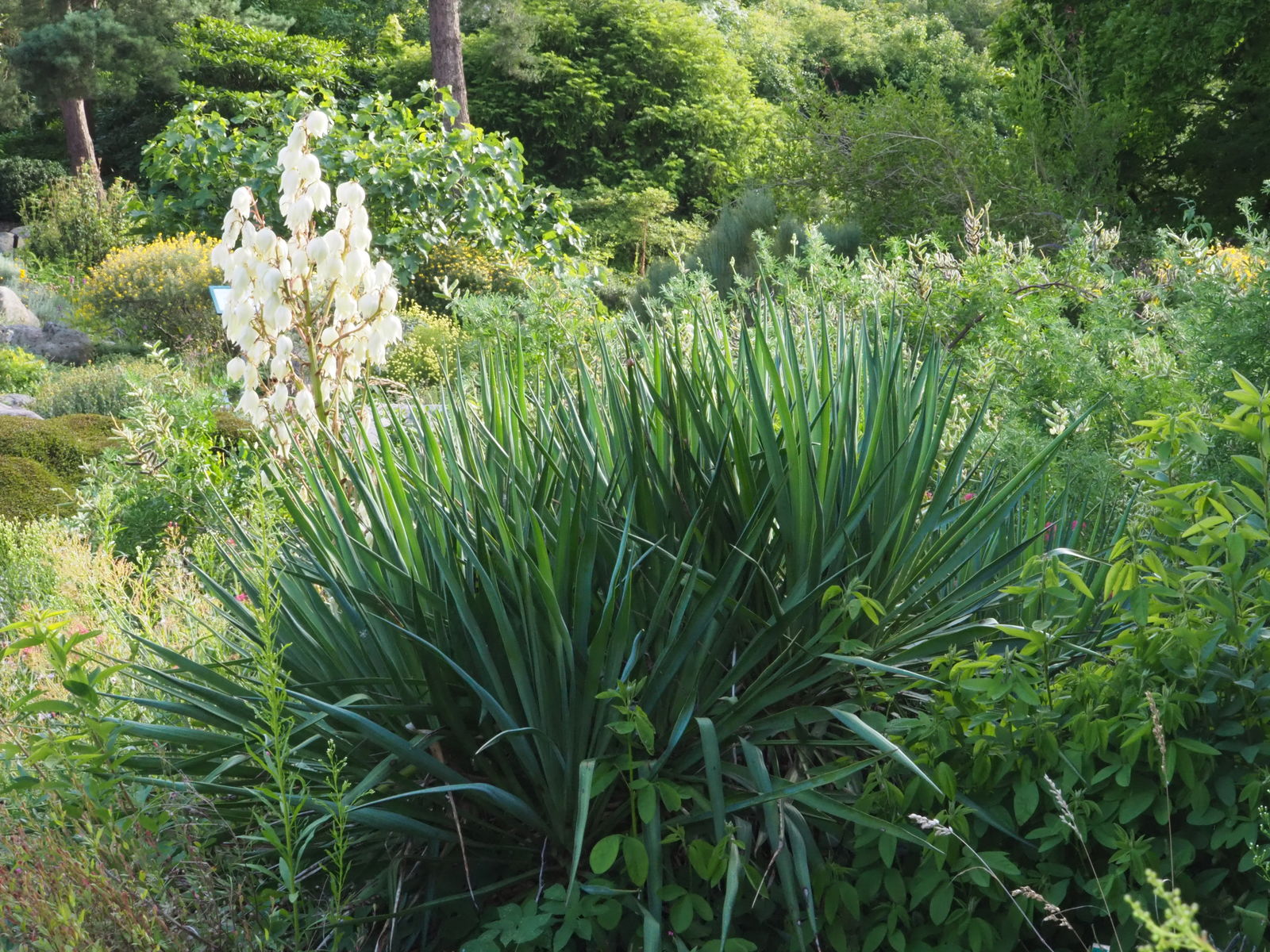
Moundlily yucca (Yucca gloriosa) is an evergreen shrub with stiff, pointed leaves. Native to the southeastern United States, it develops a trunk with age and bears tall panicles of cream-colored bells.
Read moreMoundlily yucca and Yucca
Allow a few hours of direct sun per day, preferably morning or evening.
Full sun; partial shade tolerated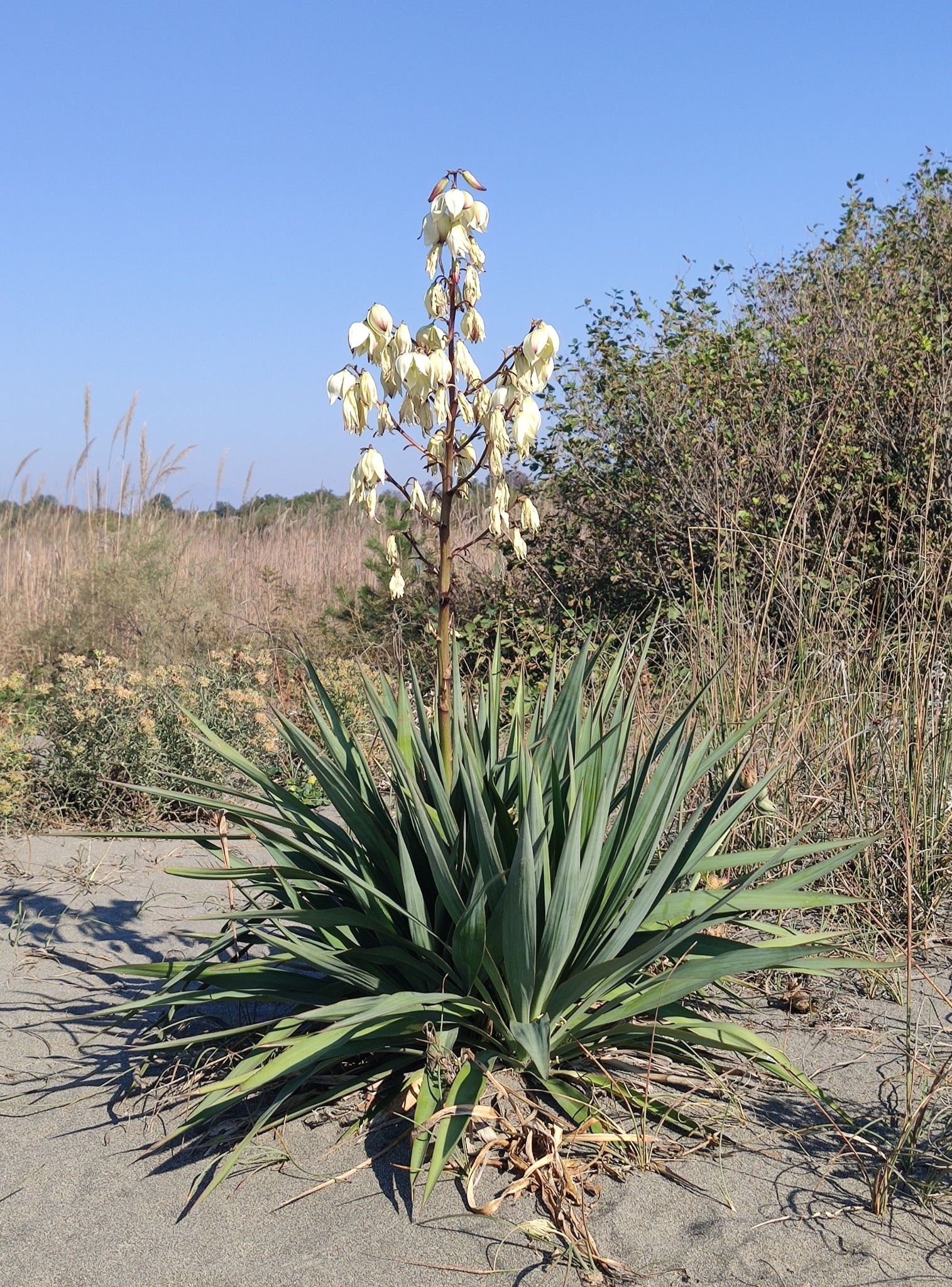
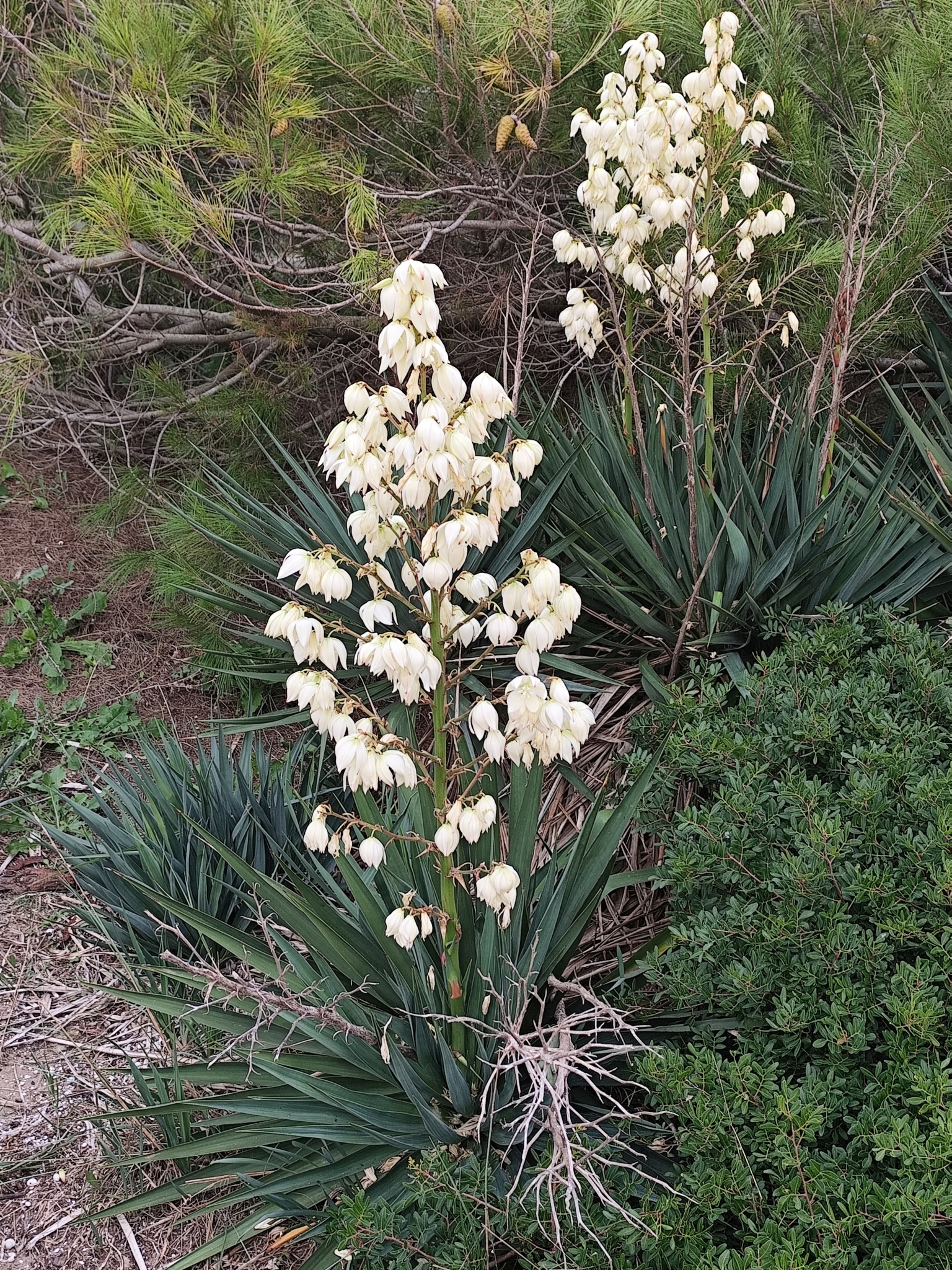


© photo
(c) Павел Несмеянов, some rights reserved (CC BY-NC), uploaded by Павел Несмеянов · cc-by-nc
Francesco Santoro · cc-by
Wikimedia Commons · CC BY-SA or Public Domain
Taken Sep 9, 2021 by h h (cc-by-sa)
Taken Oct 28, 2019 by viader (cc-by-sa)
Taken Apr 7, 2019 by Erika Cunningham (cc-by-sa)
Taken Feb 28, 2018 by 1 (cc-by-sa)
© copyright of the Board of Trustees of the Royal Botanic Gardens, Kew.


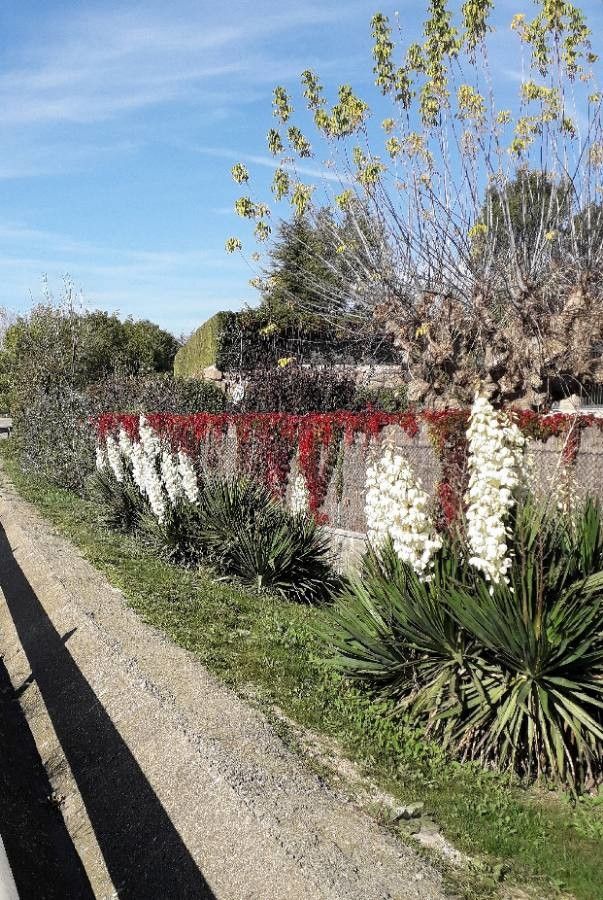


Global distribution
A species native to the southeastern United States, introduced in France, Spain, Portugal and Italy, among other places.
- Native1
- Introduced4
- Southeastern United States
- France
- Spain
- Portugal
- Italy
Hexagons: regions where the plant occurs. Green dots: native range.1
Identity
Moundlily yucca (Yucca gloriosa L.) forms a crown of stiff, pointed leaves above a trunk that develops with age. Its large panicles carry drooping, cream-colored bells. The French name “Yucca superbe” is documented in the French flora. 4623
This evergreen species belongs to the Asparagaceae family. Its scientific name was published in 1753. Moundlily yucca comes from the southeastern United States; its presence in European gardens results from introductions. 1
Identification
The glaucous-green leaves can reach 60 cm (24 in). Their stiffness and terminal points give the rosette a spiky outline. Leaves remain grouped at the tops of woody stems, although a young plant may mainly show a basal rosette. 46
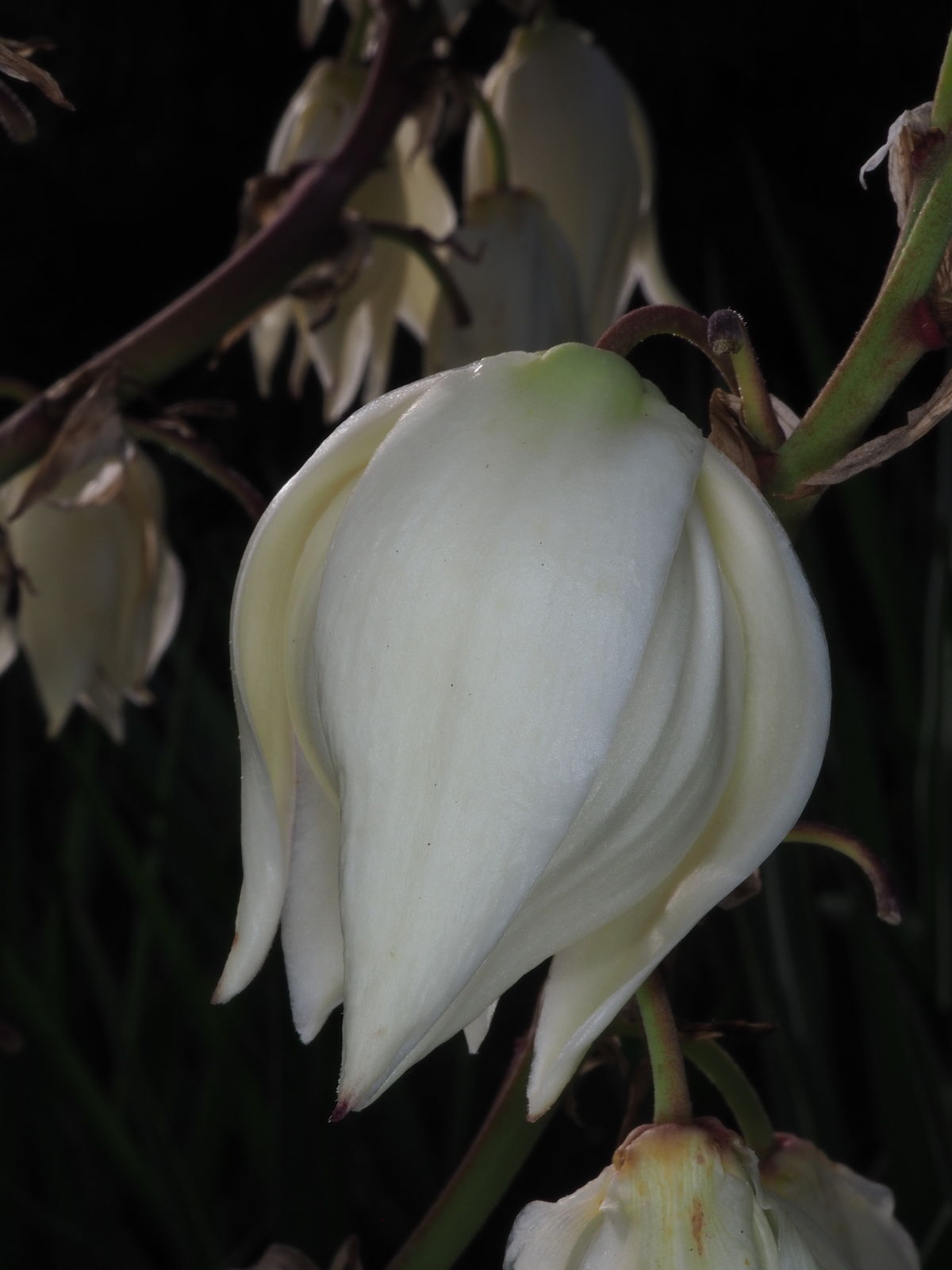
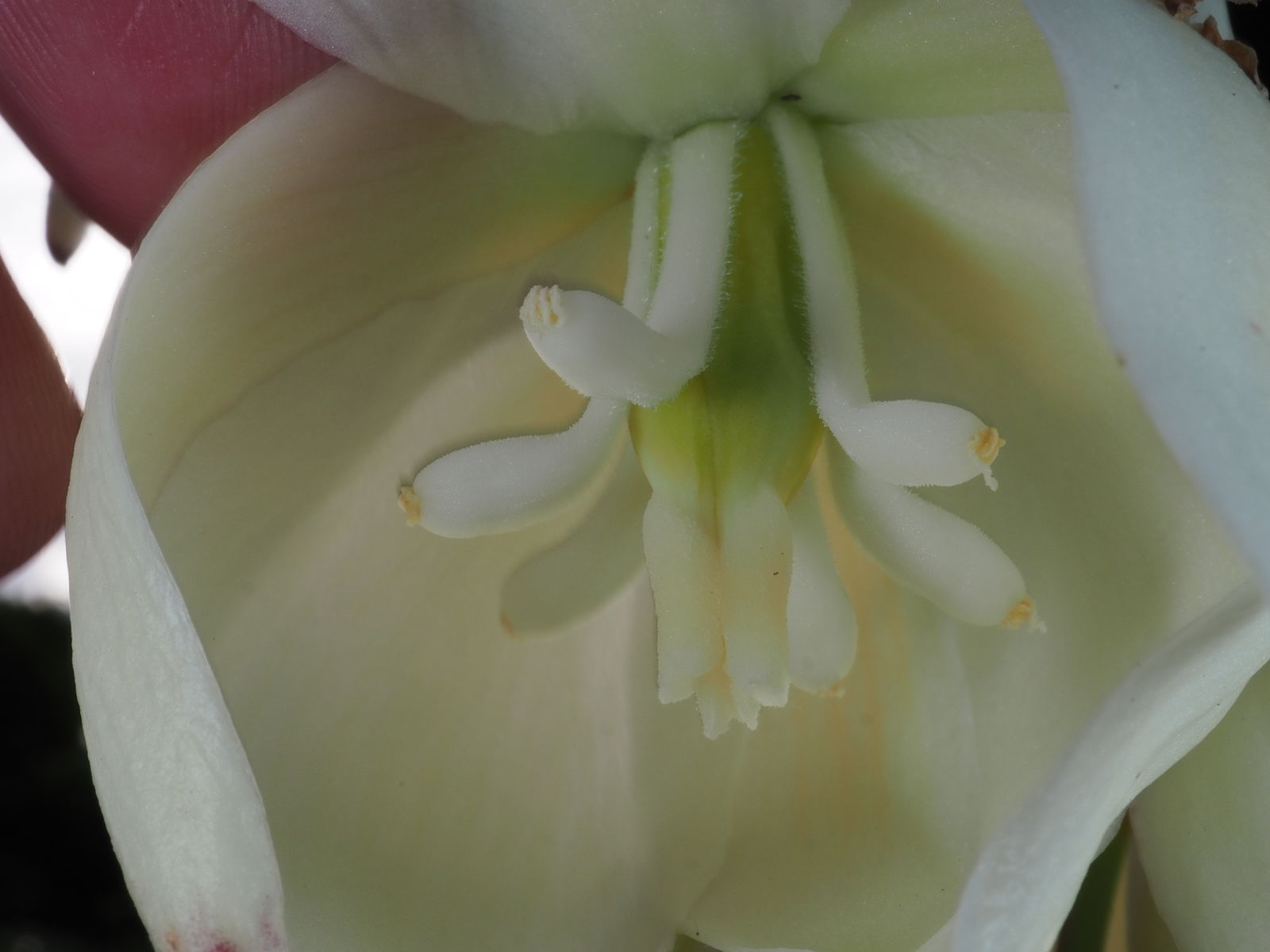
In British gardens, the stated dimensions are 1.5–2.5 m (4.9–8.2 ft) in both height and width, reached in 10–20 years. These horticultural guidelines describe slow growth in that setting. Flower panicles, rising above the foliage, can themselves reach 2 m (6.6 ft) tall. The flowers face downward: their bell shape is more useful for recognition than their pale color alone. 46
Useful taxonomy
Yucca gloriosa is an accepted species, despite its hybrid origin. Genetic studies link its formation to crosses between Yucca aloifolia and Yucca filamentosa. Chloroplast analysis indicates several hybridization events, with possible maternal contributions from both parent species. 18
This origin is termed homoploid: formation of the species does not involve an increase in the number of chromosome sets. It concerns the taxon's evolutionary history rather than a variegated nursery selection. The classification also recognizes the botanical varieties gloriosa and tristis, distinct from horticultural cultivar names. 81
Habitat and distribution
The native range covers Alabama, Florida, Georgia, Louisiana, Mississippi and both Carolinas. Moundlily yucca is associated particularly with coastal dunes and shell deposits. This coastal setting helps explain its tolerance of salt spray and dry soils. 16
The species is introduced in France, Spain, Portugal and Italy, among other European countries. An introduction record does not by itself establish the local abundance of populations. In cultivation, Moundlily yucca mainly needs well-drained soil and a sunny position; partial shade is also tolerated. 146
The British H5 rating denotes a range of winter minimum temperatures of −15–−10 °C (5–14 °F) under United Kingdom growing conditions. This guideline indicates cold resistance without guaranteeing how every specimen will behave in every garden. Chalky, loamy or sandy soils suit it if water drains away; acidic, neutral or alkaline pH is accepted. 4
Life cycle and propagation
Flowering is reported in late summer in British horticultural conditions, while North American observations cover a broader period from spring to fall. Climate and cultivation setting therefore prevent assigning a universal flowering month. Pollination involves the moth Tegeticula yuccasella, whose larvae consume seeds. 46
Rooted offsets allow propagation. Advice for the genus calls for separating them in March or April and planting in spring. For container plants, the same advice recommends more generous watering from April to September, with a balanced liquid fertilizer every fifteen days. In winter, stop feeding and water less often; let the top 5 cm (2 in) of growing medium dry before watering and draining off the excess. The calendar translates these seasonal instructions into relative indices for container cultivation in a temperate Northern Hemisphere climate. Adapt that reference to local conditions and actual growth. 5
Seed propagation is also possible, but garden flowers may need hand pollination to produce seed. After flowering, remove faded flower stalks; no regular pruning is needed. Watching for aphids on inflorescences, snails and leaf spots is part of routine care. 4
Uses and risks
Moundlily yucca suits dry plantings and sunny containers. Its leaves also provide fibers traditionally used for cordage and woven objects. The leaf tips require careful placement; the foliage can cause a skin allergy, warranting gloves when handling it, both for adults and during activities involving children. 46
For dogs and cats, ingestion is harmful. Toxicological information for the genus Yucca attributes vomiting in these animals to saponins and reports liver damage and dermatitis in horses. The high level assigned reflects this documented organ damage in horses at genus level. It does not describe identical severity for every audience. Tolerance of ingestion in humans and risk to other animals remain undetermined in these references. 47
Varieties, lookalikes and related plants
The cultivar ‘Variegata’ has leaves striped and edged in creamy yellow. Its variegation belongs to this horticultural selection and does not characterize the whole species. Its cream-colored bells appear in late summer or fall in the British setting. 5
To separate lookalikes, examine the leaf margins: smooth in Moundlily yucca, filamentous in Yucca filamentosa and toothed in Yucca aloifolia. The first of these lookalikes usually forms a trunkless clump, whereas Moundlily yucca develops a woody stem with age. Comparing mature plants therefore reduces confusion associated with young rosettes. 856
Main sources
Moundlily yucca is treated as an accepted species in Kew's taxonomic reference. 1
- Plants of the World Online: Yucca gloriosa L.
- Tela Botanica, eFlore: the name Yucca gloriosa
- Tela Botanica: Moundlily yucca profile
- Royal Horticultural Society: Yucca gloriosa
- Royal Horticultural Society: How to grow yucca
- NC State Extension: Yucca gloriosa
- ASPCA: Yucca, veterinary toxicity of the genus
- Heyduk et al.: Hybridization History and Repetitive Element Content in the Genome of a Homoploid Hybrid, Yucca gloriosa
Frequently asked questions
How can you distinguish Moundlily yucca from Yucca filamentosa?
Yucca gloriosa leaves have smooth margins; those of Yucca filamentosa bear filaments. Moundlily yucca develops a trunk with age.
Can Moundlily yucca live outdoors?
It can be grown outdoors in sun in well-drained soil. The British horticultural H5 rating corresponds to a hardiness range of −15–−10 °C (5–14 °F) in British conditions.
Is Moundlily yucca dangerous to animals?
It is harmful if ingested by dogs and cats. The veterinary entry for the genus Yucca also reports toxicity in horses, with liver damage and dermatitis.
When should you fertilize a container-grown yucca?
Horticultural advice for the genus calls for a balanced liquid fertilizer every fifteen days from April to September, with no winter feeding. This seasonal reference applies to a temperate Northern Hemisphere setting.
If you are unsure about a plant’s toxicity, ask a botanist or veterinarian for advice.