
Catmint (Nepeta, )
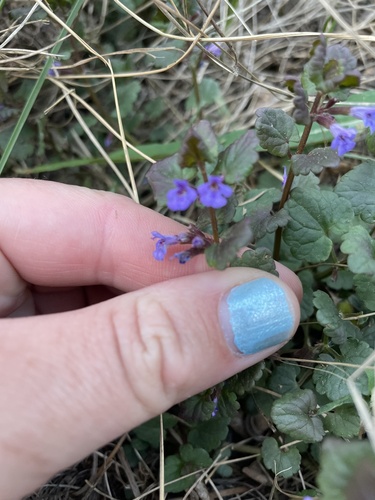
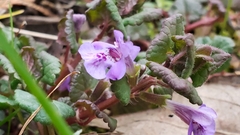
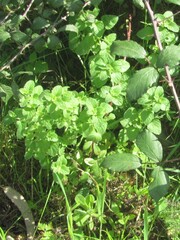
Catmint (Nepeta) is a genus of aromatic Lamiaceae perennials from Eurasia, Macaronesia and eastern tropical Africa. Garden forms, including Nepeta x faassenii, bring blue-purple flowers to dry borders, rock gardens, paths and pollinator gardens.
Read moreCatmint and Catnip


© photo
Allison McCabe · cc0
Gavin Slater · cc-by
zebedeugalinha · cc-by
© copyright of the Board of Trustees of the Royal Botanic Gardens, Kew.
Identity
Catmint (Nepeta L.) is a genus of Lamiaceae that includes the plants called catnip. Its purple-flowered garden forms often resemble Nepeta x faassenii, but the genus includes more than this familiar hybrid. 1 8
NC State describes catmints as aromatic herbaceous perennials native to temperate Eurasia, Macaronesia and parts of eastern tropical Africa. Their fragrant foliage explains why some cats are attracted to them. 4
POWO, WFO and IPNI recognize Nepeta as a genus. This broader identity matters: a garden catmint is not automatically Nepeta cataria or Nepeta x faassenii. 1 2 3
In garden borders, catmint forms a dry-border perennial with gray-green cushions, blue-purple spikes and a long season of interest. Its modest water needs make it useful among roses, lavender, sages and grasses. 4 8
Garden catmints encompass several species and selections rather than one botanical species. Their shared ornamental appeal is an aromatic, lasting, loosely shaped clump that is valuable to pollinators. 1 4
Recognition
Catmint stems are often flexible, with opposite aromatic leaves that range from green to gray-green. Small, lipped flowers grow in spikes, usually blue or purple and sometimes white. 4 6
A rounded, airy clump is an important clue. It may flop slightly after the first flush of flowers unless sheared; this relaxed habit is attractive, but sometimes calls for a firm trim. 4
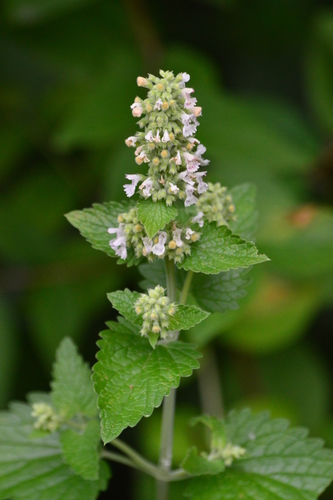
True catnip, Nepeta cataria, is only one member of the genus. Every catnip belongs to Nepeta, but not every ornamental catmint is the classic plant grown for cats. 7 6
For a dry garden, its blue-purple haze resembles a softer lavender. It works as a linking plant that colors a border for several weeks rather than as a single striking cut flower. 8 4
Useful taxonomy
The name Nepeta denotes the genus. Garden selections such as Walker's Low, Six Hills Giant and Blue Wonder belong to its horticultural range; their names do not represent separate botanical species. 4 5
A very common garden hybrid is Nepeta x faassenii. Its popularity should not obscure the broader genus: characteristics of a specific hybrid cannot automatically be applied to every Nepeta. 8 1
Mint-family features help with recognition: often square stems, opposite leaves, fragrance and lipped flowers. Catmint's garden effect is nevertheless drier and airier than that of mint or basil. 6 4
Keeping the genus distinct avoids reducing all catmints to N. cataria. It also gives blue-purple border plants a botanical identity beyond their flower color alone. 2 8
Cultivation
Dry, bright conditions make cultivation straightforward. NC State recommends full sun, good drainage and notes good drought tolerance once plants are established. 4
Clay, loam, sand and shallow soils can all suit catmint provided they do not stay waterlogged. Overly rich soil may produce a soft clump that holds its shape poorly. 4
Shearing firmly after the first flowering restores the clump's shape and may encourage another flush. Untrimmed, the faded spikes look gray, sometimes appealing in a naturalistic garden but less tidy beside a path. 4 8
Division rejuvenates clumps. Seed propagation is also possible, but hybrids and cultivars do not always retain their characteristics; use a named selection when a specific effect matters. 5 4
Uses
A blue-purple ribbon is one of catmint's strongest uses: along a path, beneath roses, in rock gardens, dry beds, cottage gardens or broad containers. It softens edges without demanding much water. 8 4
Butterflies and other pollinators visit the flowers. NC State also notes repellent effects on certain insects, including aphids and squash bugs; this does not make the plant a complete pest barrier. 4
Planted beneath roses, catmint hides bare lower stems and can visually replace lavender where lavender ages poorly. With grasses, it provides a fresh-looking carpet before their later flowering. 8 5
Container-grown catmint needs depth, drainage and sun. A small, dry pot produces a strained-looking plant; a large container allows a more natural cushion, closer to its border habit. 4
For lasting purple planting schemes, catmint often forms the first layer. Taller flowers sit behind it and low foliage in front conceals the cuts after flowering, respecting its naturally shifting outline rather than forcing it into a rigid ball. 8 5
Cautions
The genus calls for a low level of caution. NC State notes aromatic leaves and occasional herbal-tea uses, but a border plant should not be treated as food without precise identification and a well-understood use. 4
An attracted cat may roll on the clump or chew its stems. The main consequences are damaged plants or mild digestive discomfort if the animal eats large amounts. 7 4
Some species and growing conditions produce a rather untidy clump or self-sown seedlings. Trim after flowering and limit seedlings in formal borders; in a meadow, this flexibility may be welcome. 4 8
Taken as a genus, Nepeta covers the varied blue-purple catmints used in dry borders. Species and selections differ, while sharing the familiar loose, aromatic garden effect. 1 8
Main sources
Species in this genus
If you are unsure about a plant’s toxicity, ask a botanist or veterinarian for advice.