
Geranium (Pelargonium, )
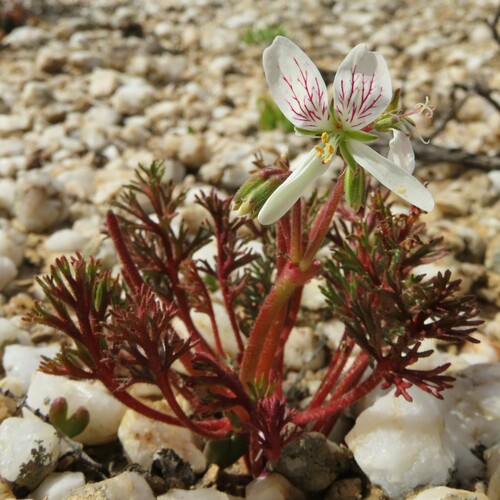

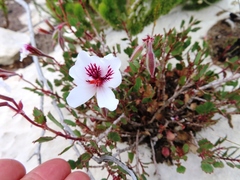
Pelargonium is a genus in the Geraniaceae family, widely grown as flowering container plants. Commonly called geraniums, these frost-tender plants brighten window boxes and summer beds but need plenty of light and protection from excess water.
Read moreGeranium, Balcony geranium, Florist geranium and Zonal geranium


© photo
Jacobus Retief · cc-by
Kevin Murray · cc-by
iNaturalist User · cc-by-nc
© copyright of the Board of Trustees of the Royal Botanic Gardens, Kew.

Identity
Pelargonium is the botanical genus behind many red balcony geraniums, in the Geraniaceae family. The familiar gardening name remains useful, but these plants belong to Pelargonium, rather than the separate genus Geranium. 1 8
POWO, WFO and IPNI recognize Pelargonium as a genus. That broad identification covers the zonal, ivy-leaved and other balcony forms grown in containers, rather than restricting them to a single species. 1 2 3
Gardeners commonly use “geranium” for a summer container plant, although true Geranium species are different plants, often hardy perennials. Pelargoniums are the familiar flowering plants of windowsills, window boxes and patios. 6 8
For a red display, pelargoniums offer abundant flowers visible from a distance. They can fill a balcony or brighten a facade when their growing medium drains freely. Excess water is a frequent cause of decline. 8 4
Recognition
Balcony pelargoniums often have thick, aromatic, rounded leaves, sometimes marked with a dark zone. Their clustered flowers may be red, pink, white, salmon, purple or bicolored, depending on the selection. 4 5
Ivy-leaved forms trail and suit hanging containers. Zonal forms grow more upright, holding flower clusters above the foliage. Scented-leaved forms are recognized chiefly by the smell released when the leaves are rubbed. 5 6
Growth habit can reveal cultivation problems. A compact, firm plant with abundant flowers receives enough light. Soft, long green stems with few flowers often indicate too much shade or nitrogen. 4
Keep foliage as dry as practical. Spotted leaves, black stems or a soft crown point toward excess moisture, especially in a container without effective drainage. 8 4
Useful taxonomy
Red balcony geraniums belong to Pelargonium, even though everyday gardening language calls them geraniums. Keeping the scientific genus visible prevents confusion with Geranium. 1 6
Numerous horticultural groups belong to this genus. A trailing Pelargonium peltatum represents only one part of the wider range of Pelargonium species and hybrids grown in containers. 8 5
Both genera belong to Geraniaceae, but their garden requirements differ. Balcony Pelargonium plants are generally frost-tender in temperate climates, whereas many perennial Geranium species can overwinter outdoors. 6 5
That distinction is useful when a window-box “geranium” turns yellow: its requirements are those of Pelargonium, rather than those of a hardy border geranium. 8 4
Cultivation
Successful cultivation rests on full sun, airflow and drainage. Pelargoniums cope better with a brief missed watering than saturated soil. In containers, let the surface dry before watering again. 4 8
Use a container with drainage holes and a light growing mix. A water-filled saucer can quickly damage the roots; a warm, well-ventilated window box encourages compact growth and flowers. 4
Remove spent flowers to keep the display tidy and reduce the plant's burden. Pinch young stems for branching, especially after purchase or when spring growth resumes. 5 8
Overwinter plants somewhere bright and frost-free, with very little water. In cold regions they are often treated as summer annuals; elsewhere gardeners retain plants or cuttings for the following season. 5 6
Bring overwintered plants back into growth gradually. Increase light, resume watering in stages and move them outdoors once cold nights have passed. This gradual transition reduces limp foliage and brittle stems. 5 4
Uses
A red window box is a classic use, whether on a balcony, windowsill, patio, sunny stairway or facade. The color is bold and steady, with a more conspicuous effect than the subtler display of a rose. 8
In beds, choose a warm, well-drained edge. Pelargoniums combine with petunias, red sages, gray foliage, ornamental sweet potato vines and small grasses, with moderate feeding. 5 8
Trailing forms soften a railing or hanging basket, while zonal forms give structure to a standing pot. Scented forms provide a more tactile experience, though their flowering may be less abundant. 6 5
Decline in a wet growing medium, accompanied by yellow leaves and a soft base, suggests a watering problem before a fertilizer shortage. Check the roots' conditions before feeding. 8 4
Allow air between plants in red container displays. Crowding traps moisture inside the foliage and makes deadheading difficult. A few well-spaced plants often flower longer than a dense arrangement crowded from the start. 8 5
Cautions
Although the overall caution level is low, ASPCA identifies Pelargonium geraniums as potentially irritating to cats and dogs, with possible digestive upset. Keep pets from chewing the foliage. 7 1
For people, these remain ornamental plants. Scented leaves of some cultivars have specialized culinary uses, but a decorative container plant should not automatically be treated as food. 5 6
Excess moisture remains the main cultivation risk, encouraging disease, rot and soft growth; insufficient light reduces flowering. Provide sun, drainage holes and measured watering. 4 8
When replacing a plant, choose a compact specimen and check drainage before choosing a flower color. Avoid placing a healthy replacement into old growing medium that is already waterlogged and poorly aerated. 8 5
The familiar red container geranium is a Pelargonium. Recognizing that genus connects its everyday garden name to the right botanical identity and growing requirements. 1 8
Main sources
Species in this genus
If you are unsure about a plant’s toxicity, ask a botanist or veterinarian for advice.