
Fall aster (Symphyotrichum, )
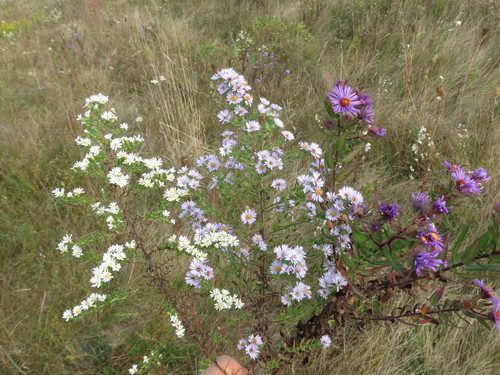
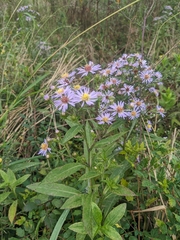
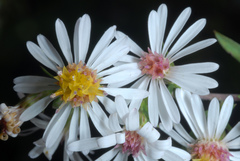
Symphyotrichum (Symphyotrichum) is a genus of herbaceous asters in the Asteraceae family, including American species and garden cultivars grown for late summer and fall flowers. These upright, leafy plants renew borders with purple, blue, pink or white flower heads when many summer flowers are fading.
Read moreFall aster, American aster and Michaelmas daisy


© photo
Reuven Martin · cc0
Nonbinary-Naturalist · cc0
Douglas Goldman · cc-by-nc
© copyright of the Board of Trustees of the Royal Botanic Gardens, Kew.
Identity
Symphyotrichum is a genus of fall asters that includes species and garden selections used for purple flowers. A plant resembling S. novi-belgii illustrates this group, but the genus covers a broader range of possible species and cultivars. 1 8
Botanical references POWO, WFO and IPNI place Symphyotrichum in the Asteraceae family. These plants were often classified within an older, broader concept of “aster,” which explains the horticultural names still used today. 1 2 3
Late-season flower heads renew borders as summer blooms begin to fade. Purple, blue, pink or white flowers keep the planting light in texture, especially beside grasses and late yellow blooms. 8
Gardeners use fall aster as a horticultural name rather than an exact species identification. Symphyotrichum covers the group, while a photograph or cultivar name alone may not establish the species. 5
Recognition
Clumps of upright, leafy stems carry numerous fine, daisy-like flower heads. A yellow center contrasts with purple, mauve, blue, pink or white rays, depending on the species and selection. 4 6
Simple, alternate leaves are often lance-shaped. Growth habit varies widely, from low cushions for edging and medium clumps to tall back-of-border plants and looser forms suited to flowering meadows. 5
Identifying an individual species requires more than flower color. Leaf shape, hairs, the bracts surrounding the flower head, growth habit and habitat all matter; a decorative planting can be appreciated without that degree of identification. 2
Flowering time offers gardeners a useful clue. When an aster-like plant blooms late, in late summer or fall, alongside grasses, Symphyotrichum is often a good group to investigate. 8
Useful taxonomy
The accepted genus name is Symphyotrichum Nees. The abbreviation Symphyotrichum spp. refers to multiple species, so a general discussion of fall asters may include several species and garden selections. 1 8
Species choice matters even when plants fill similar garden roles. Symphyotrichum novi-belgii, S. novae-angliae and other American asters differ in height, vigor and disease resistance. 5 6
American aster and Michaelmas daisy, like the broader common name “aster,” remain useful garden terms. The scientific name helps distinguish Symphyotrichum from other Asteraceae genera still sold as asters. 3
A genus-wide view accommodates the range of garden cultivars while keeping individual species distinct. A plant’s precise species remains relevant when choosing its eventual height, vigor and growing conditions. 8
Cultivation
For cultivation, provide full sun, soil that drains without drying out, and good air circulation. Fall asters tolerate ordinary garden soil but flower better without prolonged water stress. 4 5
Taller selections fit toward the back of borders or among grasses. Compact forms work better as edging or in broad containers. Pinching in early summer can encourage denser branching. 5
Regular division keeps the clumps vigorous. If the center becomes bare or the stems weaken, dividing in spring allows younger outer sections to take over. 4
Powdery mildew and leaf diseases are especially likely with poor air circulation or repeated cycles of drought and watering. Spacing and cultivar choice matter as much as treatments. 5
A suitable site receives sun without becoming parched. Very poor, dry soil leaves stems short and foliage tired before flowering; overly rich soil can cause tall forms to splay. 4
Early intervention gives the most useful pruning effect. Pinching or shortening stems in early summer encourages branching in some forms and delays flowering slightly, but produces more compact clumps that often fit border edges better. 5
Uses
Fall borders are a principal use for these asters. Late flowers revive yellowing plantings, combine with golden grasses and extend purple color into the end of the season. 8
Pollinator gardens also benefit from the late blooms. They feed bees, hoverflies and butterflies after many perennials have completed their flowering cycle. 7
Cut stems bring a light texture and cool color to bouquets. They combine well with goldenrods, rudbeckias, restrained dahlia varieties and fall foliage. 8
Meadow plantings gain a transition between summer growth and winter rest. Choose species suited to local soil so that clumps neither struggle nor become overly competitive. 7
Purple flower heads beside yellow goldenrods or rudbeckias make a particularly effective pairing. This cool–warm contrast helps explain their popularity in fall plantings while preserving the lightness of simple flowers. 8
Cautions
Available information supports low concern about poisoning. These plants are not intended for ingestion; digestive discomfort from eating plant material remains the main concern where no major toxicity is documented. 1
Foliage disease is the main horticultural concern. Crowded clumps, watering over the leaves and drought stress can quickly spoil the appearance of fall asters. 5
Height needs attention too. Some forms splay under rain or wind; supportive neighboring plants or early pruning help them remain stable. 4
Common-name confusion centers on “aster.” A familiar label alone cannot establish the genus, while an explicit scientific name such as Symphyotrichum identifies the group precisely. 8 3
Annual assessment focuses on density, disease and the need for division. A clump that flowers well, stays airy and keeps acceptable foliage into fall can remain in place. A diseased clump can be divided or replaced. 5
Choose a Symphyotrichum species or cultivar for the space available, its late flowering and its value to pollinators. The broad genus name encompasses fall asters with different garden requirements, so the final choice needs a more precise identification. 8 1
Main sources
- Plants of the World Online / Kew, Symphyotrichum
- World Flora Online, Symphyotrichum
- International Plant Names Index, Symphyotrichum
- NC State Extension, Symphyotrichum
- Royal Horticultural Society, Symphyotrichum search results
- Wikipedia EN, Symphyotrichum
- Lady Bird Johnson Wildflower Center, Symphyotrichum
- Floralens, selection of purple flowers
Species in this genus
If you are unsure about a plant’s toxicity, ask a botanist or veterinarian for advice.