
Monkshood (Aconitum, )
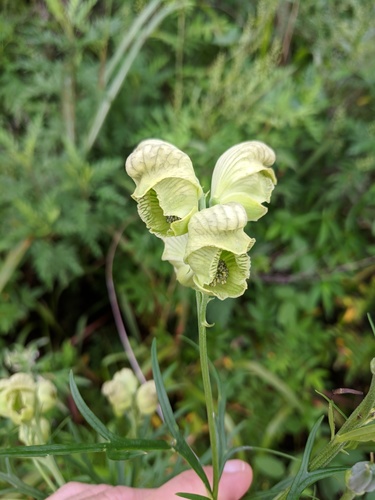
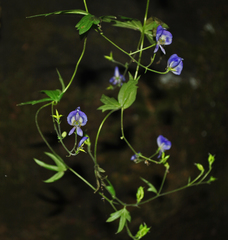
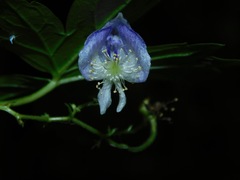
Monkshood (Aconitum L.) is a genus of herbaceous perennials in the Ranunculaceae, mainly from mountainous parts of the temperate Northern Hemisphere. Its hooded blue, purple, white or yellow flowers are prized in gardens, but its severe toxicity must guide every planting decision.
Read moreMonkshood, Aconite, Wolfsbane, Devil's helmet and Blue rocket
Give plenty of ambient light without direct sun on the leaves.
Gentle sun to light partial shade; avoid hot, dry full sun.


© photo
Andy Kleinhesselink · cc0
aarongunnar · cc-by
Michael J. Papay · cc-by
© copyright of the Board of Trustees of the Royal Botanic Gardens, Kew.
Global distribution
POWO accepts Aconitum as a genus native to the temperate Northern Hemisphere. Garden species mainly come from European and Asian floras in cool or mountainous regions.
- Native4
- Temperate Europe
- Temperate Asia
- North America
- Metropolitan France
Hexagons: regions where the plant occurs. Green dots: native range.1
Identity
Monkshood (Aconitum L., 1753) is the genus of aconites in the Ranunculaceae. POWO and IPNI accept it at genus rank, with publication by Linnaeus in 1753. An article discussing monkshoods generally should therefore link to Aconitum, rather than automatically narrowing the subject to Aconitum napellus. 1 3
Garden monkshoods belong to several taxa: European Aconitum napellus, late-flowering Asian Aconitum carmichaelii and hybrids such as Aconitum x cammarum. They share the upright form of perennials suited to cool conditions, together with one overriding constraint: toxicity. 1 4
The English name Monkshood describes the hooded flower. Wolfsbane recalls its historical reputation as a poison. The French name “aconit” can refer either to the genus or to a particular species, another reason to keep the distinction clear on a genus page. 7 8
Recognition
Alternate, often palmately and deeply divided leaves characterize these herbaceous perennials. Their outline can resemble delphiniums, but monkshood flowers have an upper sepal shaped into a helmet. This enclosed, hoodlike structure is the clearest visual clue. 4 7
Blue-purple flowers dominate familiar garden selections, although the genus also includes white, yellow and bicolored forms. Flower stems rise above the foliage, adding cool-colored vertical accents to late-summer borders in temperate climates. 1 4
Recognition matters outside the flowering season too. Young leaves, crowns and roots must not be handled as casually as ordinary border perennials. Accurate identification helps prevent mistakes during weeding, compost handling and division. 5 6
Growing in a cool garden
Cool growing conditions suit Monkshood best: deep, humus-rich, well-drained soil that stays moist during active growth. Light partial shade or gentle sun is preferable to scorching exposure. Heat and dry soil weaken flowering and quickly damage the foliage. 4 5
Site selection must also provide controlled access. Avoid paths, vegetable beds, play areas, gardens accessible to animals and places where people might pick unfamiliar plants. A discreet but legible label is appropriate in a collection garden. 6 5
Established clumps do not always tolerate moving well. When division is necessary, wear gloves and long sleeves and clean the tools afterward. Keep prunings and root waste inaccessible. For a family garden, these requirements may be reason enough to avoid planting monkshood. 4
Critical toxicity
Safety governs every use of Monkshood. The plants contain diterpenoid alkaloids, including aconitine and related compounds. Toxicological and veterinary sources describe serious risks to humans and animals. Ingestion can cause digestive upset, tingling, numbness, weakness, heart disturbances and breathing difficulties. 6 5
Roots, leaves, stems, flowers and seeds must all be treated as dangerous; the risk is not confined to conspicuous reproductive parts. Roots are particularly problematic during division or digging. Ornamental use does not reduce the plant's severe safety classification. 6 7
After ingestion, or symptoms following contact, contact a poison control center, medical service or veterinarian as appropriate. Waiting to see what happens is not a suitable response. Monkshood has no place in homemade medicinal preparations. 6 8
Such severe toxicity also determines how the plant should be recommended. A decorative mention in a list of blue flowers is insufficient: monkshood belongs in a managed collection, rather than a picking garden. Gloves, labeling and distance from paths are part of its cultivation. Beautiful but dangerous is an appropriate description, with a secure location the first priority. 5 6
Use in articles
In writing about blue flowers, Aconitum represents a spectacular but demanding choice. An encyclopedia link should immediately make clear that exposure risk deserves as much attention as the blue flowers themselves. 4 6
Articles naming Aconitum napellus need a species page. Those referring only to Aconitum are better served by a genus page covering the species and hybrids sold as monkshoods. Preserving this taxonomic level keeps identification, cultivation and safety properly aligned. 1 2
For more accessible gardens, possible blue-flowered alternatives include delphiniums, bellflowers, irises and agapanthus, depending on the soil. They are not exact substitutes, but do not require the same degree of access control. 4
Useful look-alikes
Delphiniums are the most frequent look-alikes: they share the family, upright outline and blue color range. Delphinium flowers are more open and have spurs, whereas monkshood has a distinct helmet. Both require caution, with greater vigilance needed for monkshood. 7 4
Meadow rues and foxgloves can also enter a gardener's comparison in cool woodland-edge plantings. Identify any unfamiliar tall plant with helmet-shaped blue or purple flowers before handling it. 5
Keeping Aconitum distinct in articles serves two linked purposes: preserving the genus as the subject, and ensuring a link to a decorative blue flower does not obscure a high-risk plant. 1 6
Editorial descriptions of this genus should put caution ahead of the appeal of its color. That makes a link useful to the reader, beyond merely providing a destination. 5
Main sources
- Plants of the World Online / Kew, Aconitum L.
- World Flora Online, Aconitum
- International Plant Names Index, Aconitum L.
- Royal Horticultural Society, Aconitum napellus
- NC State Extension Gardener Plant Toolbox, Aconitum — genus profile
- ASPCA, Monkshood toxicity entry
- Wikipedia EN, Aconitum
- Wikipedia FR, Aconitum napellus
Frequently asked questions
Is Monkshood a species or a genus?
Aconitum is a genus. Articles may discuss monkshoods generally or a species such as Aconitum napellus; the name should retain that distinction.
Is Monkshood really dangerous?
Yes. Monkshoods contain powerful alkaloids and must be kept away from places where children, animals or foragers could touch them.
Can I plant Monkshood in a family garden?
Only in a controlled, inaccessible position with clear labeling. In a busy garden, choosing another blue flower is preferable.
Does Monkshood need full sun?
It prefers gentle sun or light partial shade with moist soil. Hot, dry sun stresses it.
Should I wear gloves when handling Monkshood?
Yes, for planting, pruning, dividing and clearing debris. Keep all plant waste out of reach.
What can replace Monkshood if the risk is too high?
Delphiniums, bellflowers, irises or agapanthus offer blue flowers with different risk profiles, depending on soil and exposure.
Similar plants
If you are unsure about a plant’s toxicity, ask a botanist or veterinarian for advice.