
African lily (Agapanthus, )
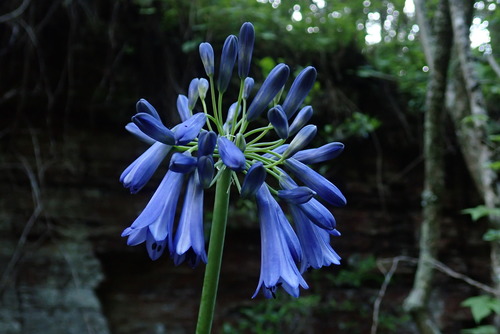

African lily (Agapanthus L’Hér.) is a genus of rhizomatous perennials in the Amaryllidaceae, native to southern Africa and grown for blue, violet or white flower umbels. Garden plants include several species, hybrids and cultivars; the name does not automatically identify Agapanthus africanus.
Read moreAfrican lily and Lily of the Nile
Place in full sun, with intense direct light all day long.
Full sun; light partial shade only in very hot climates


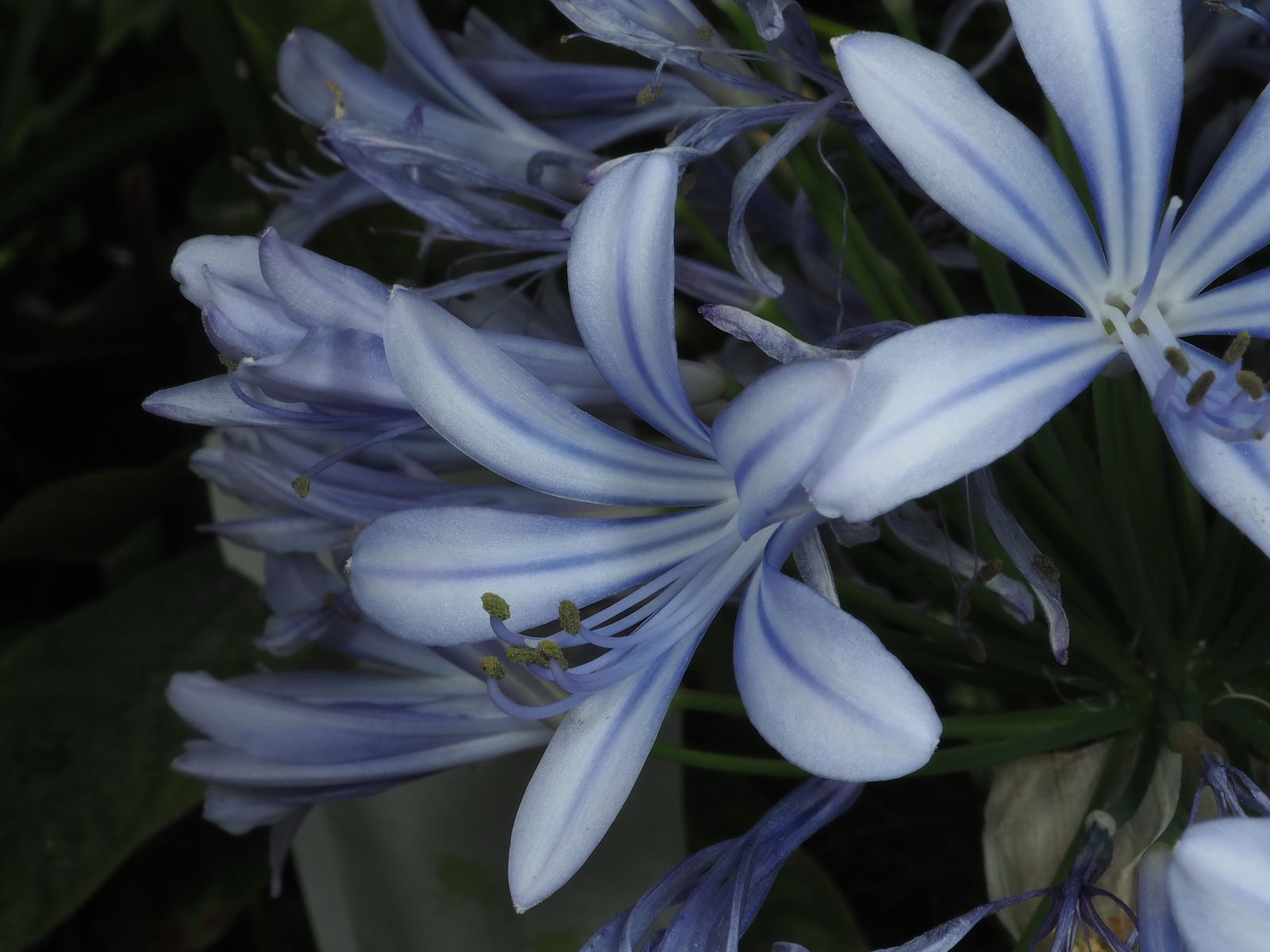
© photo
Jimmy Whatmore · cc0
Dave U · cc-by-sa
Klaus Wehrlin · cc-by-nc
Taken Jul 16, 2022 by kolumbina malenica (cc-by-sa)
Taken Jan 12, 2020 by Josefina Graf (cc-by-sa)
© copyright of the Board of Trustees of the Royal Botanic Gardens, Kew.


Global distribution
POWO gives Agapanthus a native range from Mozambique to South Africa. Plants grown in temperate gardens are often horticultural species, hybrids or cultivars whose precise identities are not always known.
- Native3
- South Africa
- Mozambique
- Eswatini and Lesotho
Hexagons: regions where the plant occurs. Green dots: native range.1
Identity
African lily (Agapanthus L’Hér.) is a genus in the Amaryllidaceae, accepted by POWO and published in the late eighteenth century. Its native range lies in southern Africa. 1 3
The genus includes the African lilies grown for blue or violet flower displays and Mediterranean-style planting. Nursery plants are often species, hybrids or cultivars whose identities are not clearly distinguished. The genus name accommodates this diversity without assigning every garden plant to one species. 4 7
Lily of the Nile is a familiar but misleading name. African lilies are not true lilies of the genus Lilium, and their botanical origin is not the Nile region. Horticultural names should not be taken as exact botanical equivalents. 8 1
Recognition
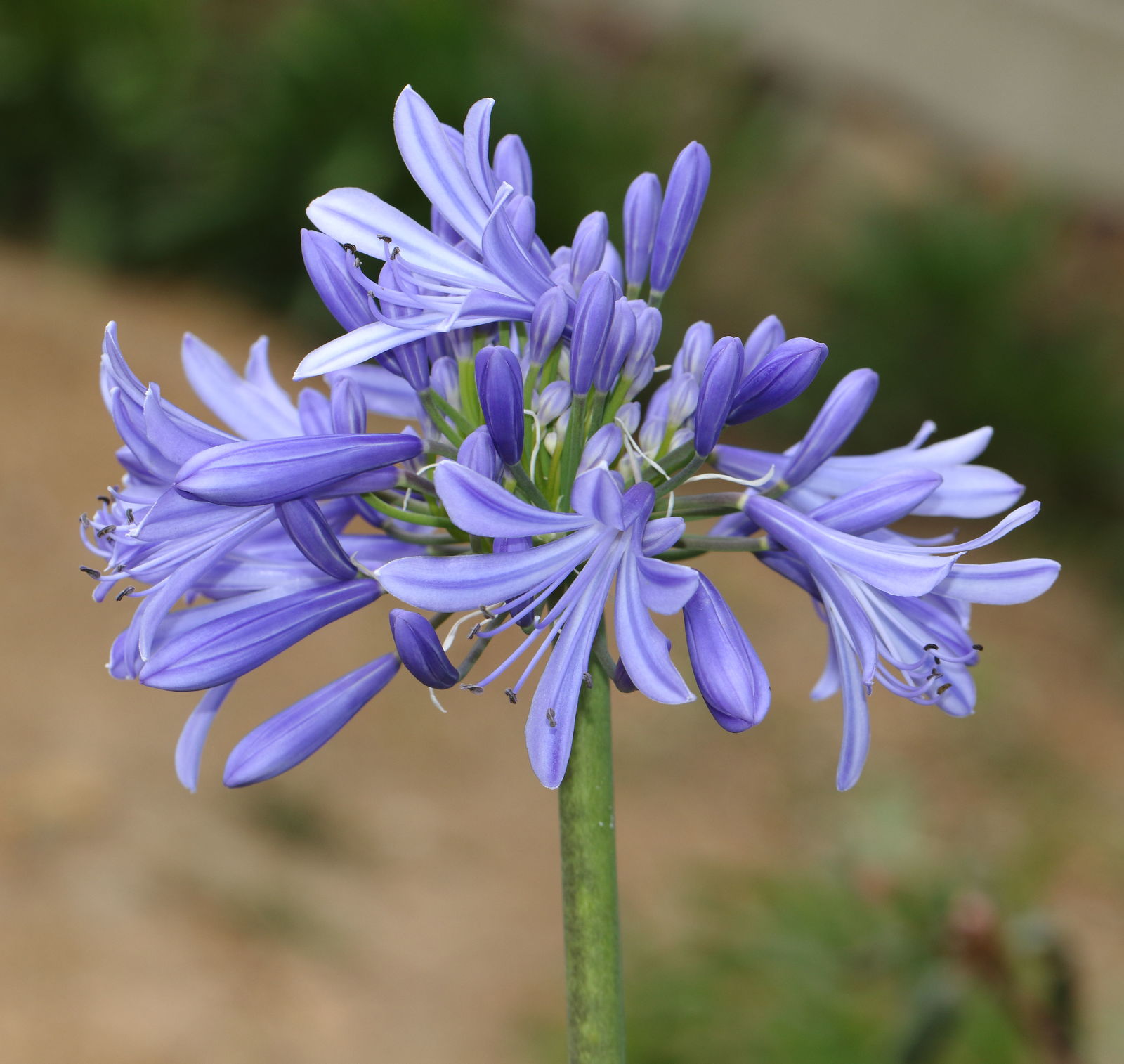
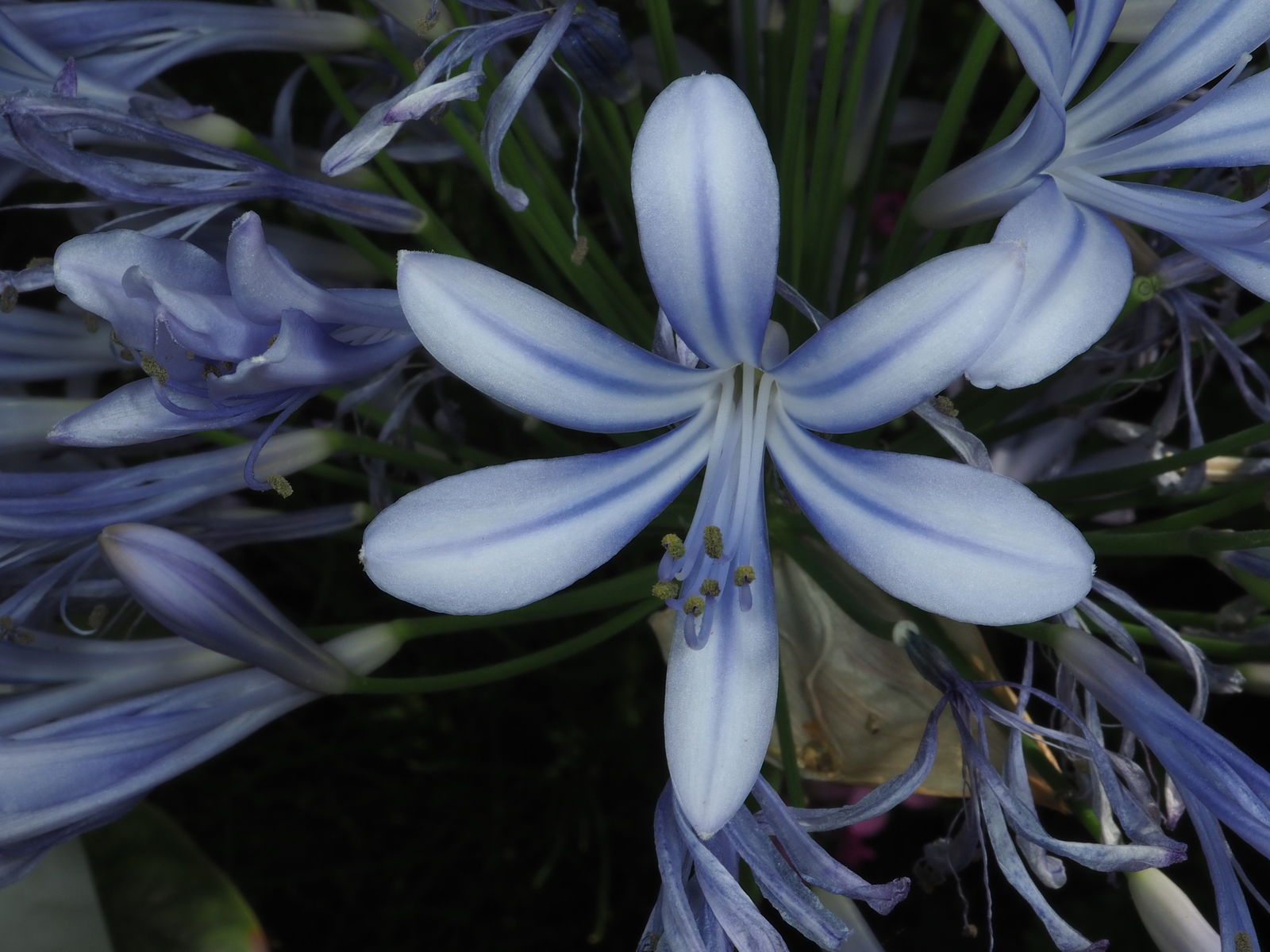
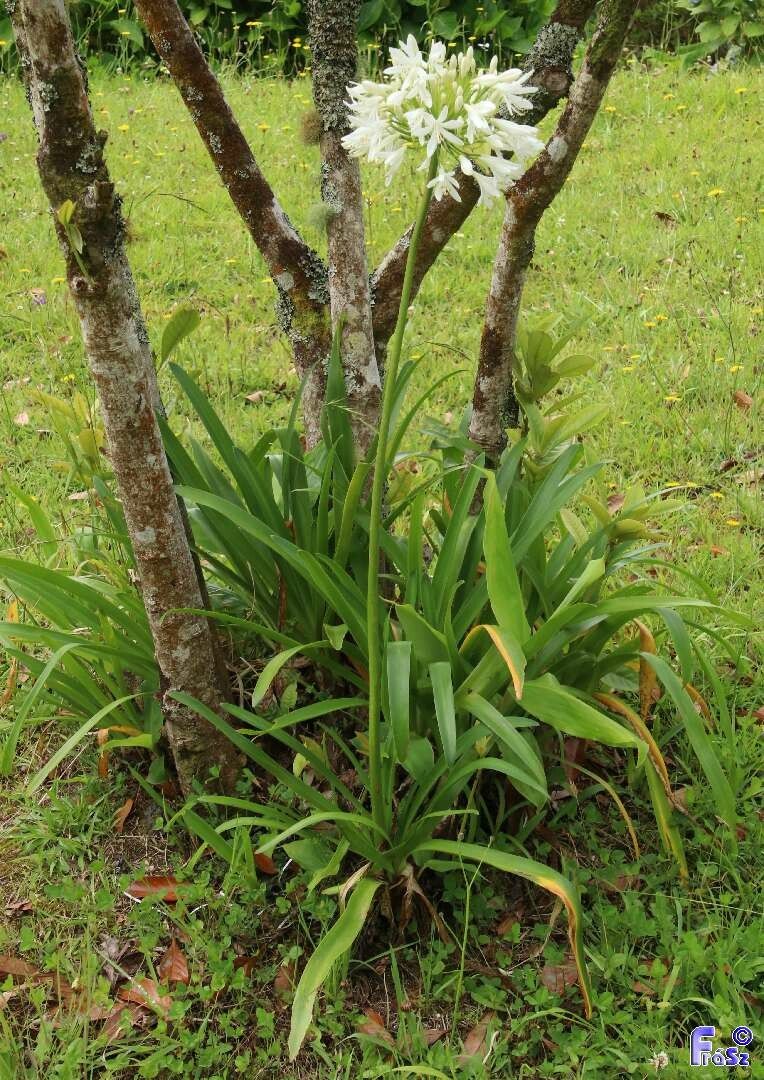
African lilies form clumps of strap-shaped leaves arising from fleshy rhizomes. In local summer, bare stems carry rounded umbels of blue, violet-blue or white flowers. This clear outline makes them popular in patio containers and sunny borders. 6 4
The genus contains both evergreen and deciduous forms, with differing cold tolerance. Evergreens retain leaves through mild winters but suffer more when their pots freeze. Deciduous forms die back more completely in winter and regrow in local spring. 4 6
The main identification problem concerns true Agapanthus africanus. SANBI notes that many cultivated plants bearing that name are actually related to Agapanthus praecox or are hybrids. A genus-level name avoids assigning an uncertain plant to a precise species. 4 5
Growing in containers or borders
Provide full sun, well-drained soil and water during establishment. Established African lilies need relatively little water, but flower poorly in insufficient light or cold, waterlogged soil. 6
Container cultivation works well in a heavy, stable pot with drainage holes. A slightly crowded clump can flower abundantly; an oversized, rich pot sometimes encourages leaves before flower stems. In cold climates, containers are more vulnerable than open ground because their root balls freeze faster. 6 4
In the ground, the best results come from mild, bright, well-drained gardens: sheltered Atlantic coasts, Mediterranean shores, warm patios or improved mineral beds. In colder regions, choose hardy deciduous forms and provide excellent drainage. 6 7
Conditions before local summer influence flowering. Too little spring sunshine, excess nitrogen or repotting into an oversized container may produce mainly leaves. Give plentiful light and regular water while flower stems form, followed by a drier rest as growth slows. Pot stability matters as much as feeding: stems carrying heavy umbels can easily tip a lightweight container. 6
Genus, species and cultivar names
Agapanthus is the genus. Agapanthus africanus is a Cape species, while Agapanthus praecox has contributed extensively to horticulture. Names such as Peter Pan, Headbourne Hybrids and Blue Giant identify a different, horticultural level. 1 4
Agapanthus or Agapanthus spp. refers broadly to African lilies. Agapanthus africanus identifies a particular species, with a need to check for misleading sales labels. A cultivar name supplies additional horticultural information and should be retained when known. 2 7
The genus name does not replace a known species name. It describes the shared features of African lilies while leaving room to distinguish more precisely identified species. 1
Use the genus for plants known only broadly as African lilies, and a species name when the scientific identification is explicit. This avoids mistaking a familiar garden agapanthus for the true Cape species Agapanthus africanus. 5 4
Safety and uses
African lilies are not food plants. SANBI records traditional uses for some species and compounds including saponins and sapogenins. These do not justify homemade remedies or eating rhizomes. 4
The principal concerns are digestive and skin irritation. Sap, chewed leaves or rhizomes may irritate depending on quantity and individual sensitivity. The risk is not comparable to monkshood or oleander, but African lilies should not be treated as plants to taste. 4 6
The main use is ornamental: blue-flowered pots, sunny borders, coastal displays, bouquets and mild-climate gravel gardens. Their umbels provide a distinct summer structure that few blue-flowered perennials match. 6 7
Useful look-alikes
African lilies are sometimes mistaken for giant alliums, daylilies or true lilies. Alliums arise from bulbs and have more spherical umbels. Daylilies carry funnel-shaped flowers in a different arrangement, while true lilies have larger, clearly different flowers. 8
Horticultural confusion over Agapanthus africanus matters more than a superficial visual resemblance. A nursery label saying African lily may cover a robust hybrid, while the true Cape species is more specialized and difficult to grow. 5 4
The name Agapanthus covers these plants collectively without imposing a doubtful species identification. Their shared cultivation requirements can be understood while retaining distinctions where a species is known. 1 3
Light, container choice and cold tolerance all matter in choosing a garden plant, alongside the botanical identity behind its label. A broad African lily name should not automatically be treated as proof of Agapanthus africanus, a name often misapplied in horticulture. 6 4
Main sources
- Plants of the World Online / Kew, Agapanthus L'Hér.
- World Flora Online, Agapanthus
- International Plant Names Index, Agapanthus L'Hér.
- PlantZAfrica / SANBI, Agapanthus praecox
- PlantZAfrica / SANBI, Agapanthus africanus
- Royal Horticultural Society, How to grow agapanthus
- Royal Horticultural Society, Agapanthus plant finder
- Wikipedia EN, Agapanthus
Frequently asked questions
Is Agapanthus a genus?
Yes. Agapanthus is the genus of African lilies. Agapanthus spp. refers to these plants collectively rather than to one particular species.
Are all African lilies sold as Agapanthus africanus really that species?
No. SANBI notes that many cultivated plants sold under this name are instead related to Agapanthus praecox or are garden hybrids.
Do African lilies flower better in a snug pot?
Often, up to a point. An extremely crowded pot eventually limits water, reserves and stability.
Should African lilies be brought indoors for winter?
In cold climates, container plants need protection. In the ground, the answer depends on species, drainage and how long freezing conditions last.
Are African lilies toxic?
They must not be eaten. Rhizomes and sap can irritate or cause digestive upset; take care around children and animals that chew plants.
Why is my African lily not flowering?
Common causes include too little sun, excess nitrogen, a young plant, an oversized pot or unsuitable winter conditions.
Species in this genus
Similar plants

If you are unsure about a plant’s toxicity, ask a botanist or veterinarian for advice.