
Fynbos agapanthus (Agapanthus africanus, )
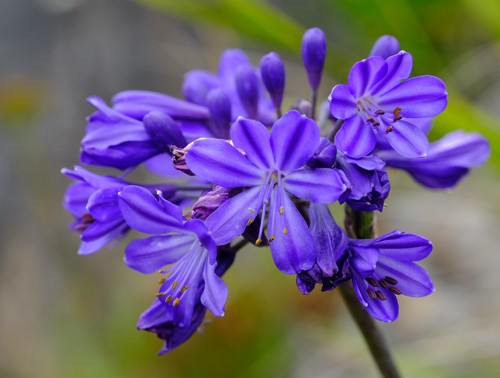
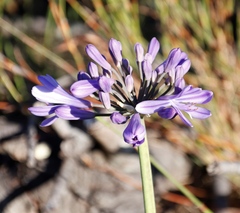

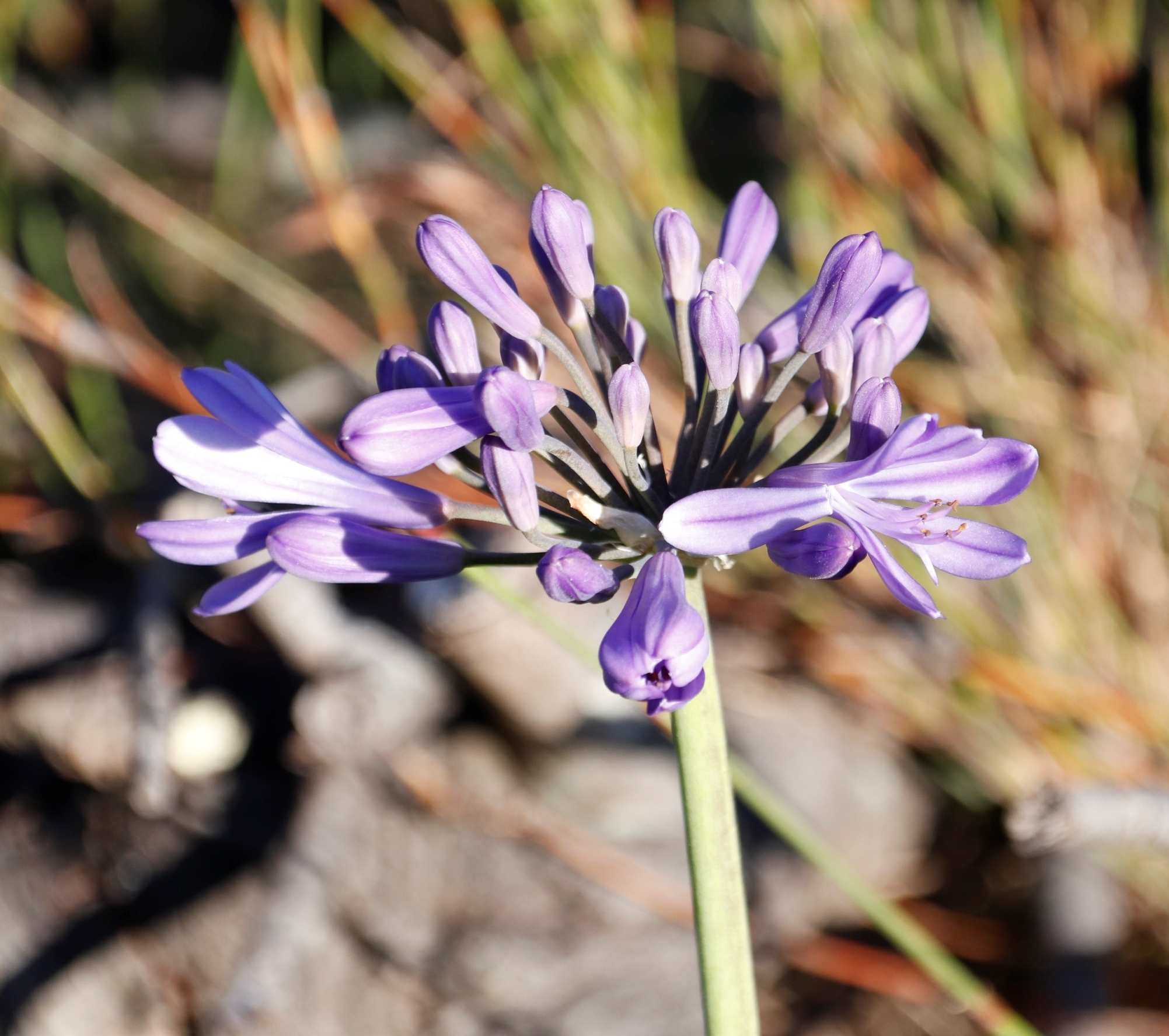
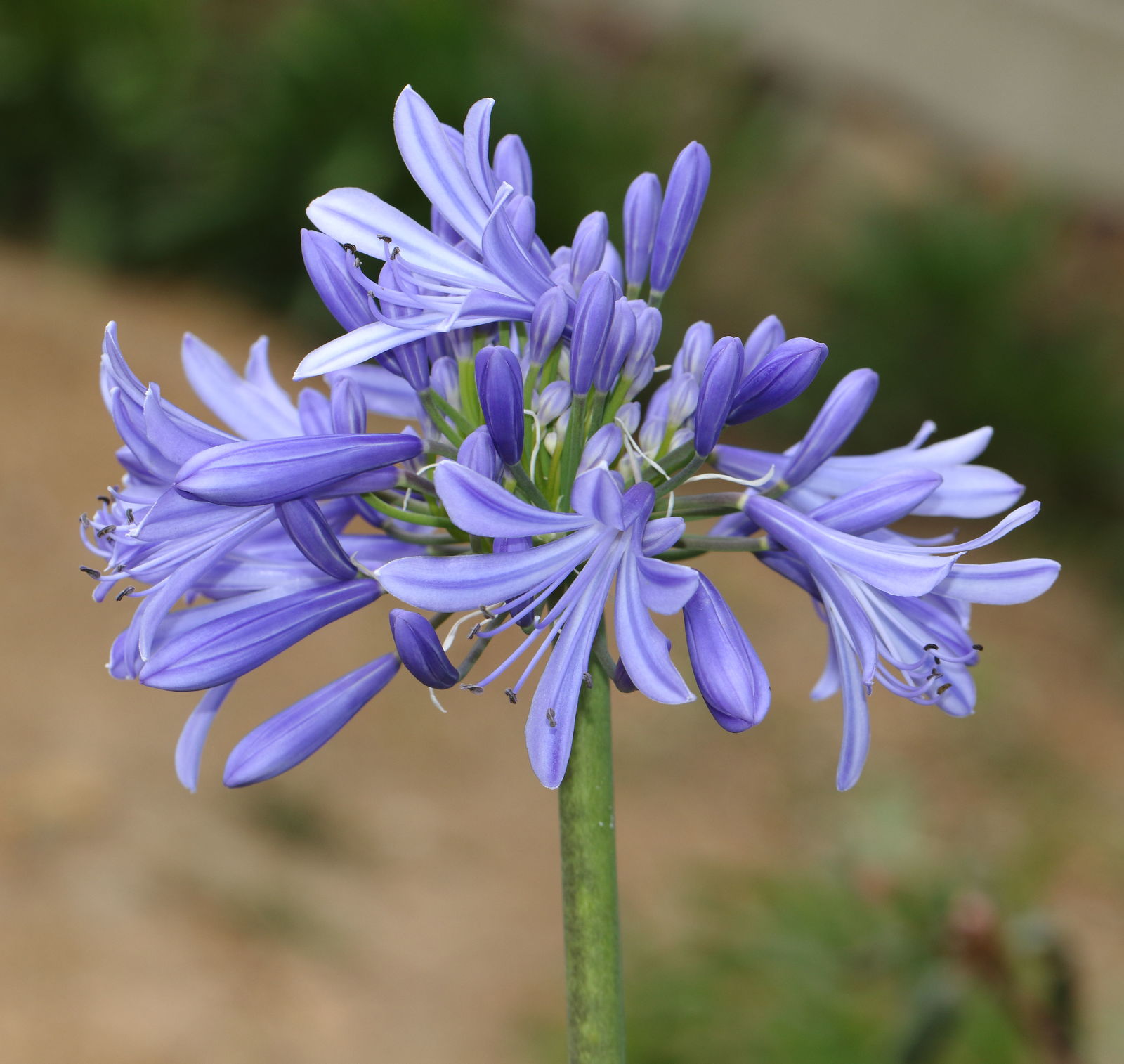
Fynbos agapanthus (Agapanthus africanus (L.) Hoffmanns.) is an accepted species in the Amaryllidaceae, native to South Africa’s Cape Province. It bears thick blue flowers in umbels above evergreen leaves. The true Cape species is more specialized than many familiar garden agapanthus and should not be confused with them.
Read moreFynbos agapanthus, Cape agapanthus and African lily
Place in full sun, with intense direct light all day long.
Full sun outdoors, with unrestricted air circulation


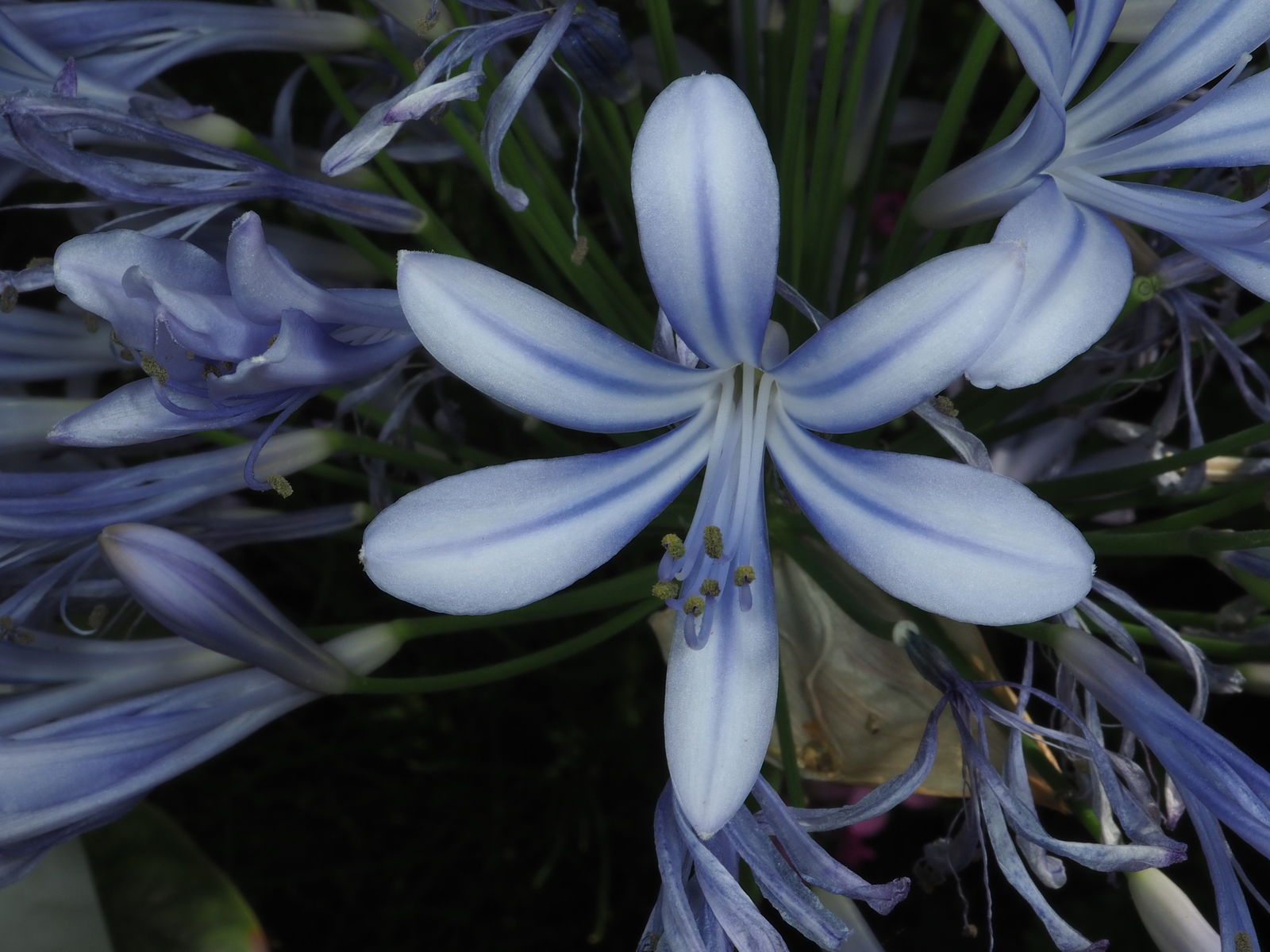
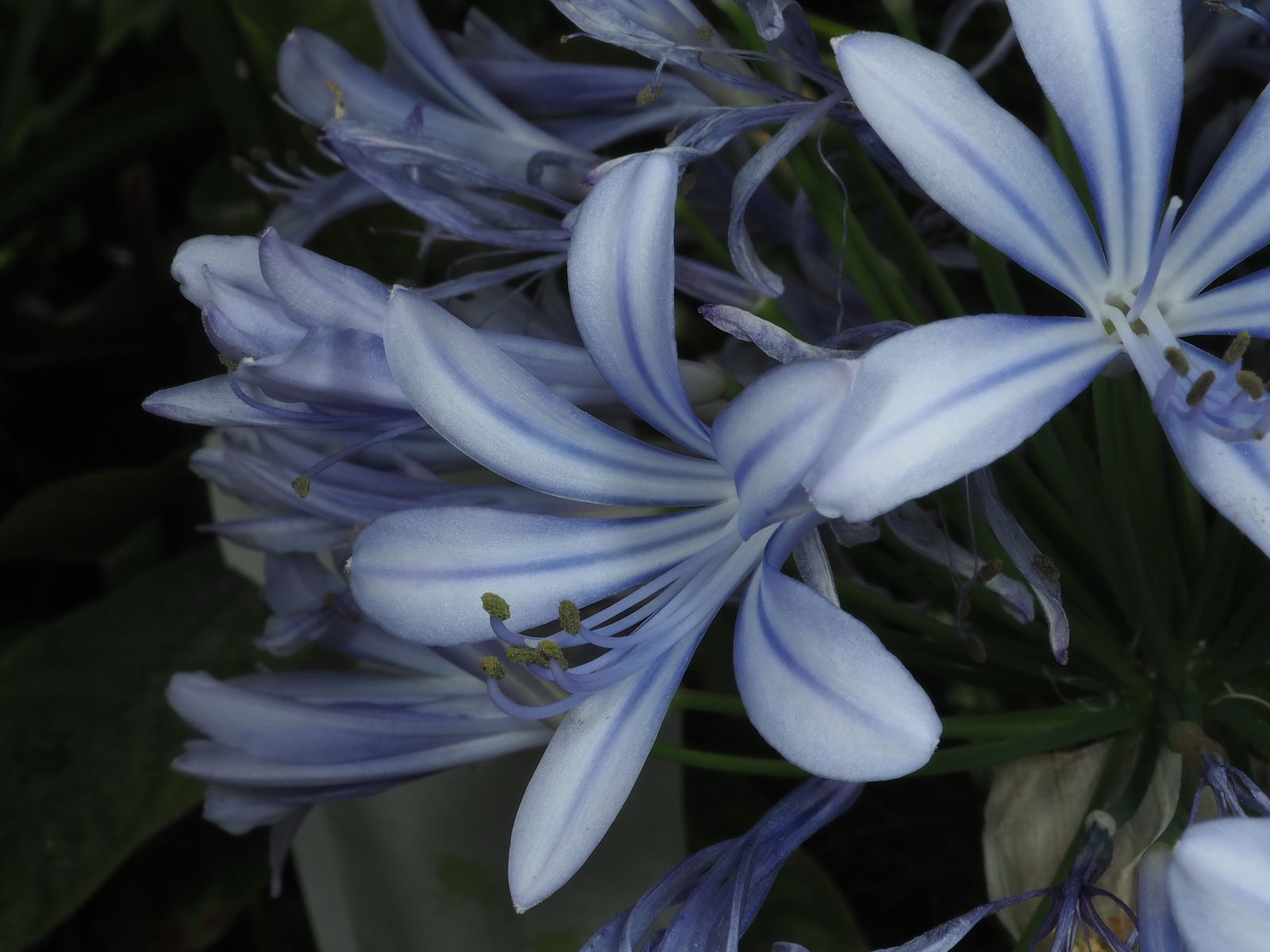
© photo
(c) Nick Helme, some rights reserved (CC BY-NC), uploaded by Nick Helme · cc-by-nc
Tony Rebelo · cc-by-nc
Wikimedia Commons · CC BY-SA or Public Domain
Taken Jul 16, 2022 by kolumbina malenica (cc-by-sa)
Taken Jan 12, 2020 by Josefina Graf (cc-by-sa)
© copyright of the Board of Trustees of the Royal Botanic Gardens, Kew.


Global distribution
POWO accepts Agapanthus africanus as native to southwestern Cape Province. SANBI associates it with winter-rainfall fynbos, especially acidic sandy slopes and rocky ground.
- Native2
- Western Cape Province
- Fynbos
Hexagons: regions where the plant occurs. Green dots: native range.2
Identity
Fynbos agapanthus (Agapanthus africanus (L.) Hoffmanns.) is an accepted species in the genus Agapanthus. POWO places it in the Amaryllidaceae and gives its native range as southwestern Cape Province. The name identifies a particular blue-flowered species, rather than garden agapanthus in general. 2 4
Wikidata identifies the species as Q161256, alongside its POWO, WFO and IPNI records. These references connect older names such as Crinum africanum with the accepted species and distinguish it from horticultural names or broad uses of “agapanthus.” 1 3
The common name African lily can be misleading. Garden centers often apply it to robust agapanthus or hybrids, whereas true A. africanus is a more specialized Cape species. 5 6
Recognition
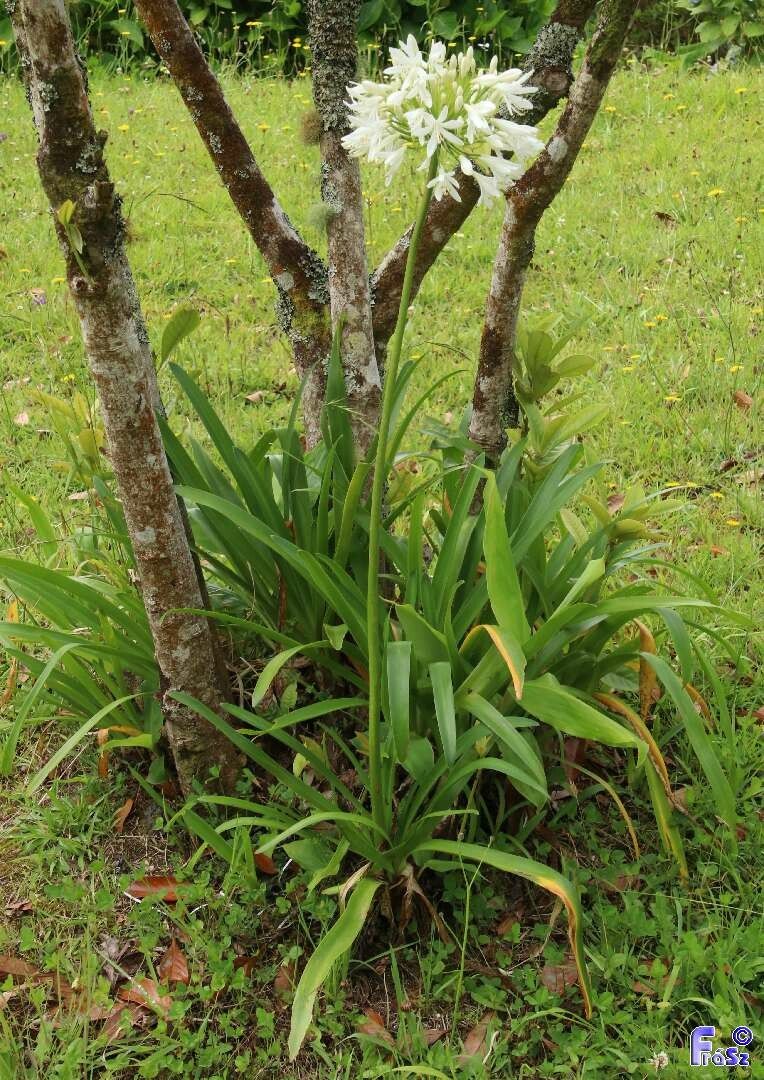
SANBI describes Agapanthus africanus as evergreen, with strap-shaped leaves and thick blue flowers ranging from pale to deep blue. Its flowering stems generally remain shorter than those of tall garden hybrids. 5
The typical subspecies grows in the Western Cape, often on acidic sandy soils and rocky ground. Flowering follows the fynbos cycle and can be spectacular after fire in its native habitat. This ecology helps explain its difficulty in heavy garden soil watered throughout summer. 5
Distinguishing it from Agapanthus praecox is essential. SANBI notes that many cultivated plants worldwide labeled A. africanus are actually A. praecox or hybrids. Appearance alone may therefore be insufficient; plant provenance and the botanical label matter. 6
Specialized cultivation
True Agapanthus africanus prefers very free drainage, slightly acidic soil, bright light and conditions reflecting a winter-rainfall climate. It is often better grown in pots than in the ground, especially outside mild coastal regions. 5
Water must pass quickly through the growing medium: sand, mineral material, a little stable organic matter and a pot with drainage holes. Excess water in hot summer or cold winter damages the fleshy roots. Controlled dryness during dormancy better matches its origins than an unvarying automatic watering schedule. 5 7
Outside its native climate, this species mainly suits collectors, sheltered pots and very mild gardens. Hybrids and forms related to A. praecox are often more tolerant in everyday use. Botanical rarity or precise identification does not necessarily make a plant easy to grow. 6 7
Where the garden has heavy, chalky soil, wet summers and cold winters, a robust horticultural agapanthus is the better choice. With an acidic growing medium, excellent drainage, sunshine and reliable frost protection, A. africanus makes a suitable specialist collection plant. 5 7
Horticultural confusion
The frequent confusion with ordinary garden agapanthus reflects a widespread naming habit: a blue-flowered terrace plant is often labeled Agapanthus africanus. SANBI explains that this identification is frequently incorrect for cultivated plants. 6
The botanical distinction is straightforward: Agapanthus africanus denotes the species, while Agapanthus spp. denotes members of the genus collectively. The species name and genus name convey complementary information and cannot be used interchangeably. 2 2
This distinction also affects cultivation. A tolerant garden agapanthus may thrive in an ordinary well-drained bed, while the true Cape species requires a more specific growing regime. Treating them alike obscures those different needs. 5 7
A photograph of blue umbels cannot guarantee the exact species. Garden agapanthus can provide an attractive container display, but a botanical Cape specimen called Agapanthus africanus needs to match both its identity and its particular cultivation requirements. 2 5
Safety and uses
The available sources do not describe Agapanthus africanus as a major poison comparable to aconite, lily-of-the-valley or oleander. That does not make it edible. Keep its fleshy rhizomes, leaves and sap out of food preparations and away from animals that chew container plants. 5
SANBI mentions environmental and medicinal uses for the species or genus. Without a defined preparation, dose and cultural context, these accounts provide no basis for a home remedy. 2 5
Its established use is ornamental: a botanical container specimen, South African collection, frost-free acidic rock garden, bright cool greenhouse or mild patio. A robust hybrid agapanthus is often a better choice for an ordinary balcony. 7 6
The Cape species and garden agapanthus
Agapanthus africanus exemplifies the architectural effect of blue agapanthus umbels. The exact species nevertheless needs to be distinguished from the familiar horticultural plants that can produce a similar display. 5 6
The scientific name retains a precise botanical meaning, while Agapanthus encompasses garden agapanthus more broadly. Understanding both names connects the Cape species with the wider range of plants cultivated under the common name. 2 1
The distinction preserves the identity of a particular species rather than merging it into a genus containing other plants with different growing requirements. 3 4
The species-level distinction brings together its Cape range, its more demanding cultivation and its place within the genus Agapanthus. 2
Main sources
- Wikidata, Agapanthus africanus
- Plants of the World Online / Kew, Agapanthus africanus
- World Flora Online, Agapanthus africanus
- International Plant Names Index, Agapanthus africanus
- PlantZAfrica / SANBI, Agapanthus africanus
- PlantZAfrica / SANBI, Agapanthus praecox
- Royal Horticultural Society, How to grow agapanthus
- Wikipedia EN, Agapanthus africanus
Frequently asked questions
Is Fynbos agapanthus the same as ordinary garden agapanthus?
Not always. Many garden agapanthus belong to Agapanthus praecox or are hybrids. True A. africanus is more specialized.
Why distinguish Agapanthus africanus from the genus Agapanthus?
Agapanthus africanus identifies one particular Cape species. The genus name covers agapanthus more broadly, so using it alone loses that species-level distinction.
Is it easy to grow?
It is often more demanding than familiar garden agapanthus and prefers a very well-drained, acidic potting mix in a mild climate.
How does it differ from Agapanthus praecox?
SANBI describes A. africanus as smaller, more restricted to the Western Cape and associated with fynbos conditions. A. praecox has given rise to many garden plants.
Is it toxic to animals?
The available sources do not describe it as a major poison, but its rhizomes and leaves are not food. Prevent animals from chewing them.
Can it be grown in France?
Yes, in sheltered pots or mild coastal climates. Horticultural hybrids are generally more forgiving in an ordinary garden.
Similar plants

If you are unsure about a plant’s toxicity, ask a botanist or veterinarian for advice.