
Zebra alocasia (Alocasia zebrina, )

Zebra alocasia (Alocasia zebrina) is a perennial from the Philippines, recognizable by its dark-green, arrow-shaped leaves and their long, striped petioles. Grown indoors for its foliage, it needs bright, indirect light, warmth, and a well-drained growing medium.
Read moreZebra alocasia
Alocasia wenzelii
Allow a few hours of direct sun per day, preferably morning or evening.
Bright, indirect light indoors; avoid scorching sun.


© photo
(c) Carmelo López Abad, some rights reserved (CC BY-NC), uploaded by Carmelo López Abad · cc-by-nc
Taken Jun 28, 2022 by Alessandro Bondanini (cc-by-sa)
Taken Sep 12, 2022 by Suresh Kumar (cc-by-sa)
Taken Nov 13, 2022 by David Weisz (cc-by-sa)
Taken Sep 1, 2020 by Marloes Marloes van Dijk (cc-by-sa)
© copyright of the Board of Trustees of the Royal Botanic Gardens, Kew.


Global distribution
Alocasia zebrina is native to the Philippines and grown as a houseplant.
Identity
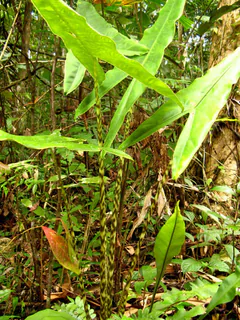
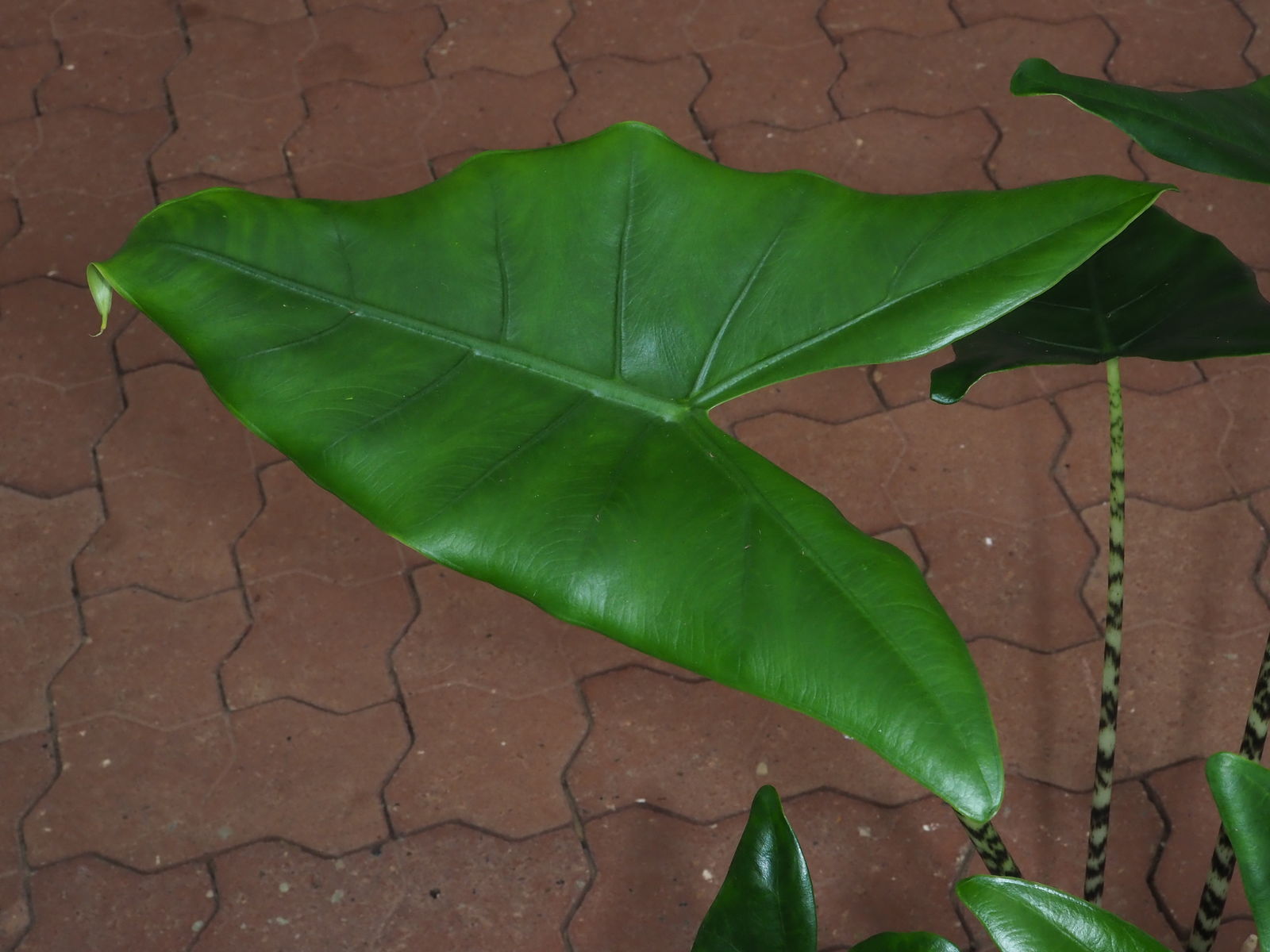
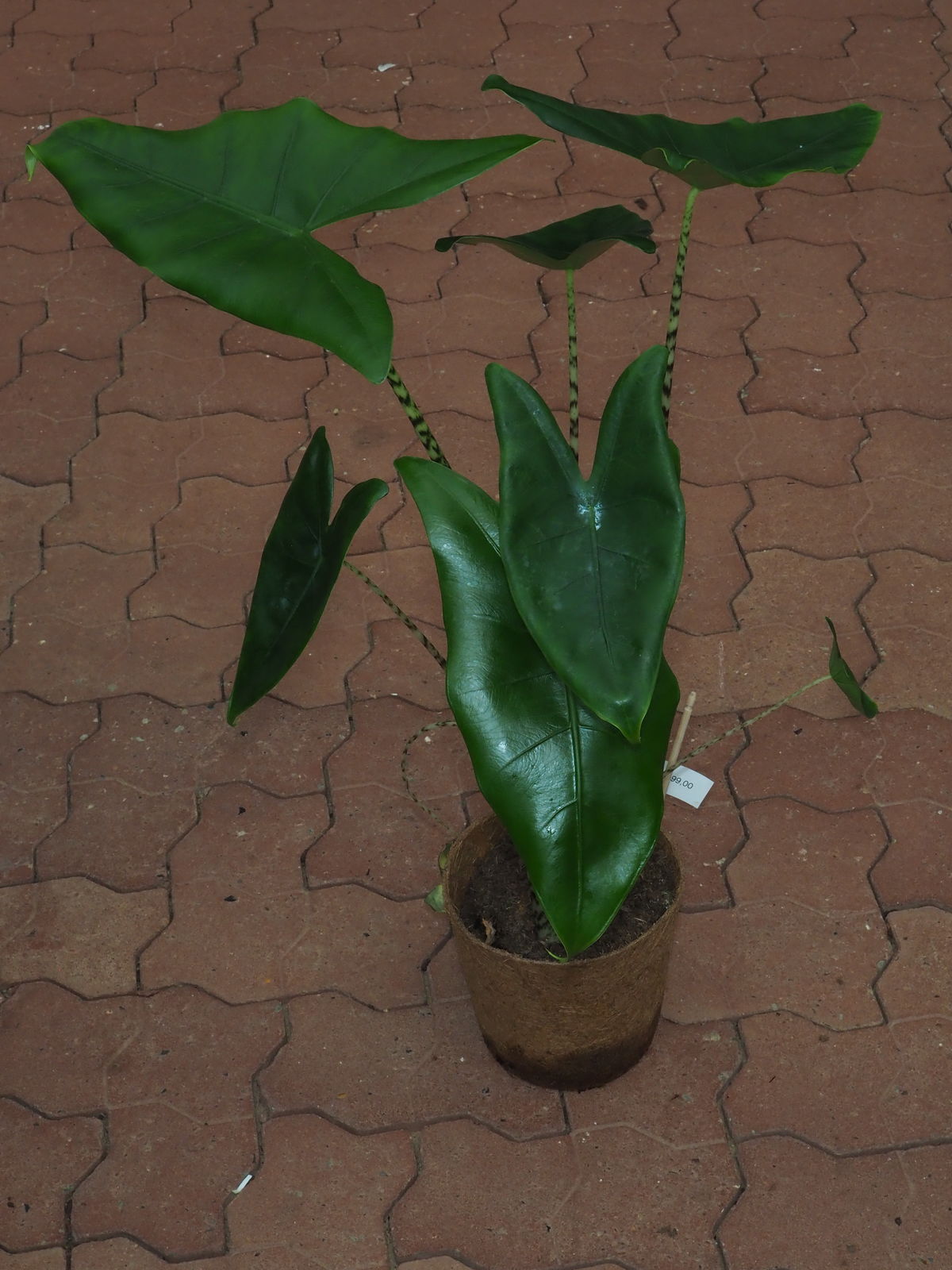
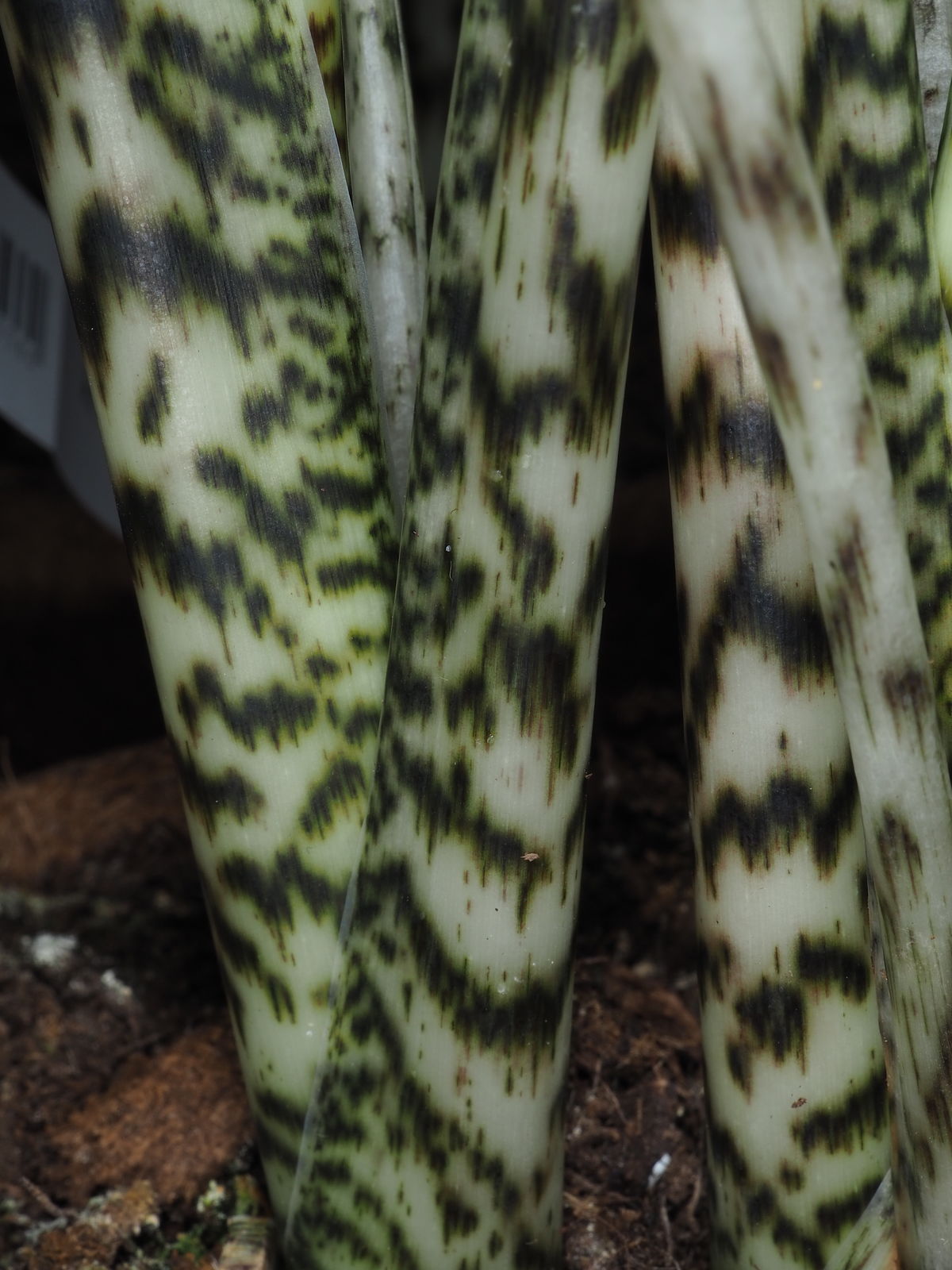
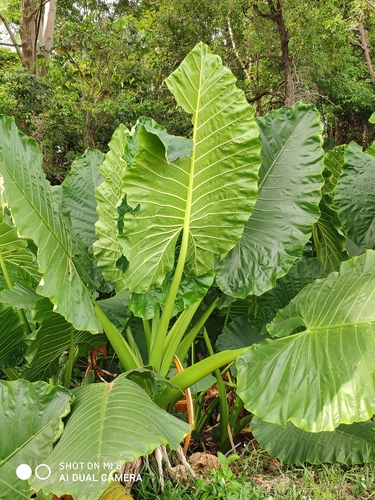
Zebra alocasia (Alocasia zebrina G.W.Johnson & R.Hogg, 1862) is recognized chiefly by the stripes on its petioles, the stalks that bear the leaves. The leaf blade is dark green, glossy, and arrow-shaped. This perennial in the Araceae family comes from the Philippines and is grown for its foliage. Its outline combines long, upright, striped stalks with broadly spreading leaves. 1 3
The stripes are therefore on the leaf stalks. The conspicuous white veins seen in some other alocasias are not the main identifying feature of A. zebrina. The hybrid “Sarian,” for example, has strongly veined foliage that differs from that of the species. 7
Identification
The sagittate leaves, meaning arrow-shaped, are dark green and glossy. The contrast is concentrated on the petioles, whose stripes are described as black and white, or white and green. To identify the plant, examine the blade shape and stripes together rather than looking for a single precise shade. 3 7
In indoor cultivation, the stated ultimate height and spread are 0.5–1 m (1.6–3.3 ft). These dimensions concern plants grown as houseplants, in greenhouses, or in conservatories. These horticultural dimensions do not measure the largest wild individuals. The species also regularly sheds leaves as its foliage renews: the loss of an old leaf may accompany the arrival of new ones. 3
Useful taxonomy
The name accepted by Plants of the World Online is Alocasia zebrina G.W.Johnson & R.Hogg, published in 1862 in the Journal of Horticulture and Cottage Gardener. The species belongs to the genus Alocasia, family Araceae, and order Alismatales. 1
Two names are associated with this species: Alocasia wenzelii Merr. and Alocasia liervalii Hérincq. Kew’s placement of the second remains provisional. A difference in author attribution persists: IPNI displays “Schott ex Van Houtte,” with publication in Flore des serres et des jardins de l’Europe in 1863. POWO’s current attribution is to Johnson and Hogg in 1862. 1 2
Habitat and distribution
The Philippines are the native range of Alocasia zebrina. The species grows in the wet tropical biome. This origin describes its natural environment; its presence in a European apartment is a matter of horticultural cultivation. 1 3
On Mount Makiling, a study published in 2013 followed populations in secondary forest. The plot was dominated by Swietenia macrophylla, with palms and large gaps in the canopy. These openings allowed intense light to reach the ground. This case shows that a forest habitat can include brightly lit areas; it does not justify exposing a houseplant to summer sun without protection. 4 6
Life cycle and propagation
In the populations studied on Mount Makiling, researchers distinguish the stages seed, juvenile, vegetative adult, and sexually mature adult. The number of adult leaves and reproductive capacity are used to tell them apart. The number of mature leaves increases with monthly sunshine duration; the authors also link light to the rate at which the life cycle progresses. The Mount Makiling study concerns wild populations and does not provide a guaranteed time to maturity in an apartment. 4
In cultivation, alocasias are propagated by separating rooted offshoots in spring. Dividing the fleshy rhizome is another method, recommended in late spring or early summer in the British calendar. The pieces are then kept warm and in good light. These spring timings belong to that British growing context. The rhizome is the organ to divide; a leaf cut off on its own is not equivalent to a rooted offshoot. 6
Indoor cultivation
Alocasias grown indoors need bright, indirect light. Strong sun can scorch the leaves, while insufficient light slows growth. Keep them warm, above 16 °C (61 °F) during growth, in humid air. These growing guidelines apply to alocasias in general. 6
Water after the top layer of potting mix has dried. Check the top 5 cm (2 in), then sharply reduce watering if the plant enters a winter rest. Excess water during this slowdown can cause root rot. In metropolitan France, watering should therefore follow observed growth and how the pot dries. 6
In alocasias, yellowing leaves can accompany too much water, too little water, or insufficient light. Check the growing medium and position before changing the watering routine. 7
Adding horticultural grit to houseplant potting mix improves drainage. In the British guide’s spring calendar, repot when the roots are crowded, using a pot only slightly larger. During growth, use a general-purpose liquid fertilizer at the rate and frequency stated on its package; stop feeding during rest. 6
Uses, risks, and look-alikes
Zebra alocasia (Alocasia zebrina) is an ornamental plant that should not be eaten. Alocasias contain calcium oxalate crystals that may cause pain and swelling. The sap can irritate the skin: wear gloves when dividing or cleaning the plant, and keep it out of reach of children and pets. At genus level, the precautions concern cats, dogs, and horses in particular; the sensitivity of other animals to A. zebrina remains unspecified. 5 6 7
The hybrid “Sarian” comes from A. zebrina and A. micholitziana. Its white main veins and wavy edges distinguish it from the description of A. zebrina. “Sarian” designates this hybrid, not a botanical variety of the species. 7
Main sources
- Kew, Plants of the World Online: Alocasia zebrina
- International Plant Names Index: Alocasia zebrina
- Royal Horticultural Society: Alocasia zebrina
- Briones and Cuevas, 2013: light and life stages on Mount Makiling, UPLB abstract
- Royal Horticultural Society: guide to the genus Alocasia
- Royal Horticultural Society: How to grow alocasias
- NC State Extension: Alocasia, genus description and precautions
Frequently asked questions
How can you identify zebra alocasia?
Its glossy, dark-green, arrow-shaped leaves are borne on long, striped petioles. The petiole stripes are the most useful clue, together with the shape of the leaf blade.
How large does zebra alocasia grow indoors?
The ultimate height and spread given for indoor cultivation are 0.5–1 m (1.6–3.3 ft). This horticultural guide does not give its maximum size in the wild.
Why does Alocasia zebrina lose leaves?
Leaf loss sometimes accompanies leaf renewal in this species. In alocasias, winter rest may also reduce foliage; excess water, however, can cause root rot.
Can you eat Alocasia zebrina?
Do not eat this ornamental plant. Alocasias contain toxic compounds and irritating calcium oxalate crystals; the food uses of taro do not apply to Alocasia zebrina.
Similar plants
If you are unsure about a plant’s toxicity, ask a botanist or veterinarian for advice.