
Greater ammi (Ammi majus, )
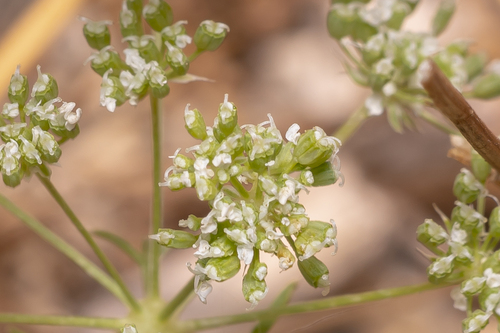
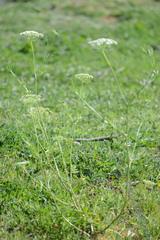
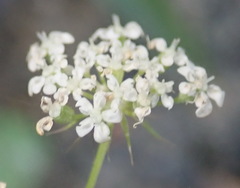
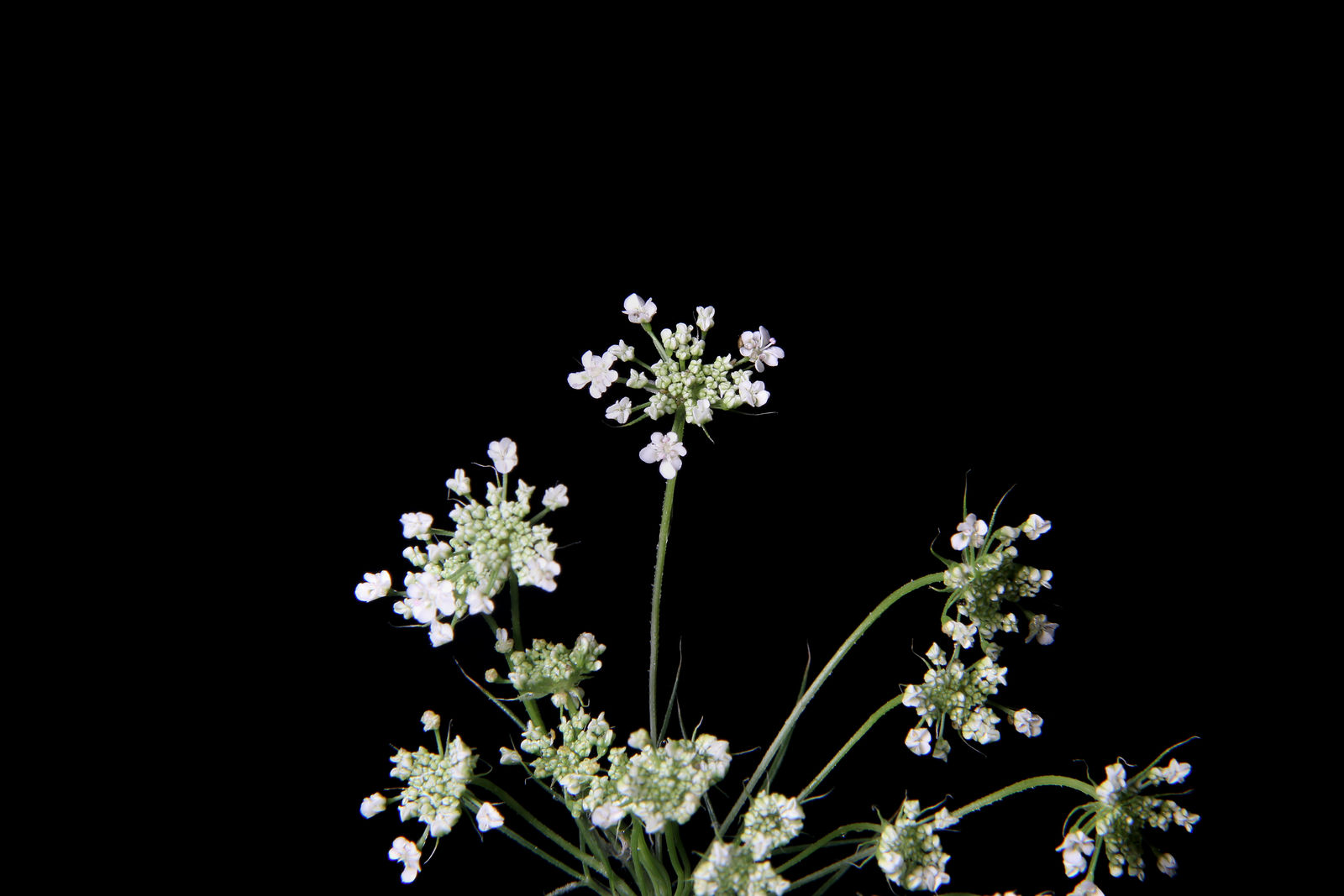
Greater ammi (Ammi majus), also called bishop’s weed, is an annual in the Apiaceae, native to the Mediterranean region and Near East. Its broad, lacy white umbels resemble wild carrot and are valued as cut flowers. Furocoumarins in the sap make skin contact followed by sunlight strongly phototoxic.
Read moreGreater ammi, Bishop's weed and False Queen Anne's lace
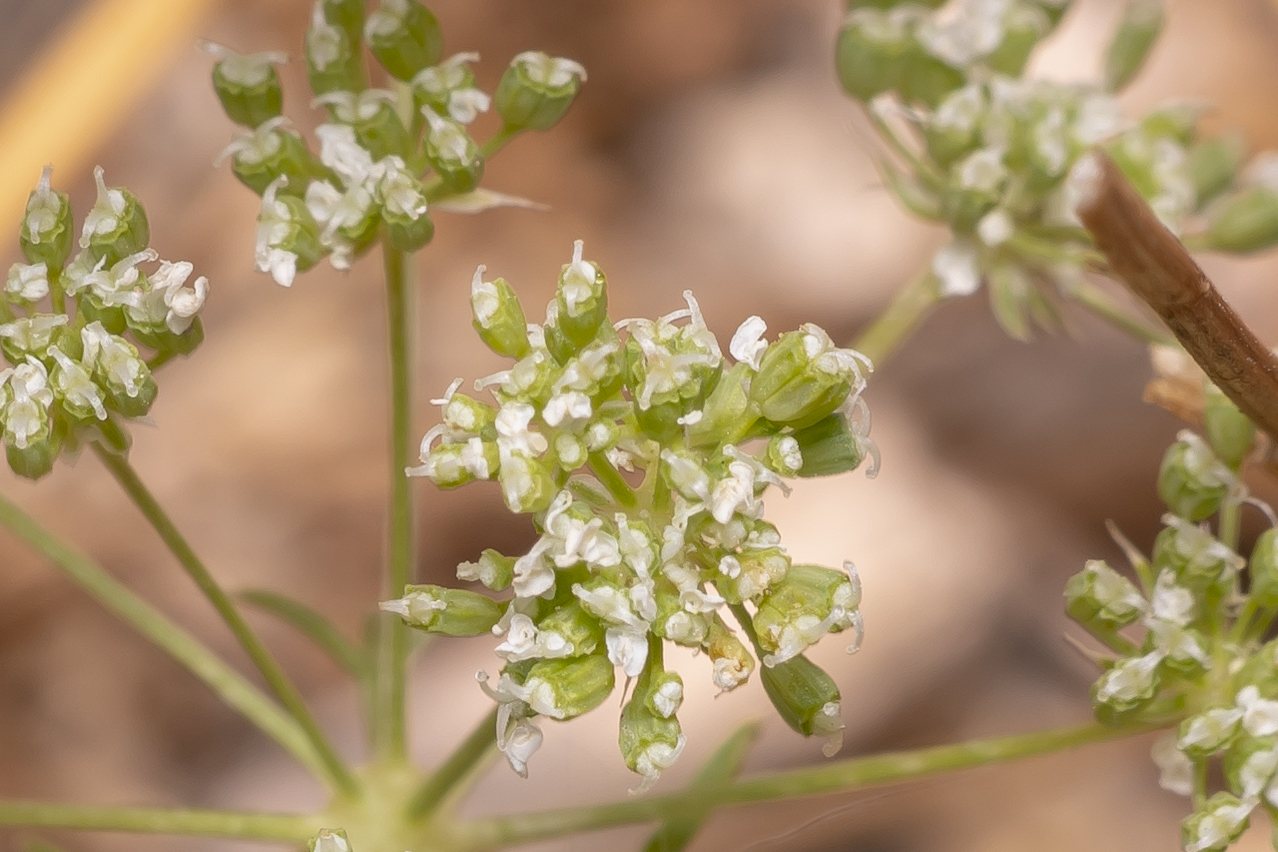
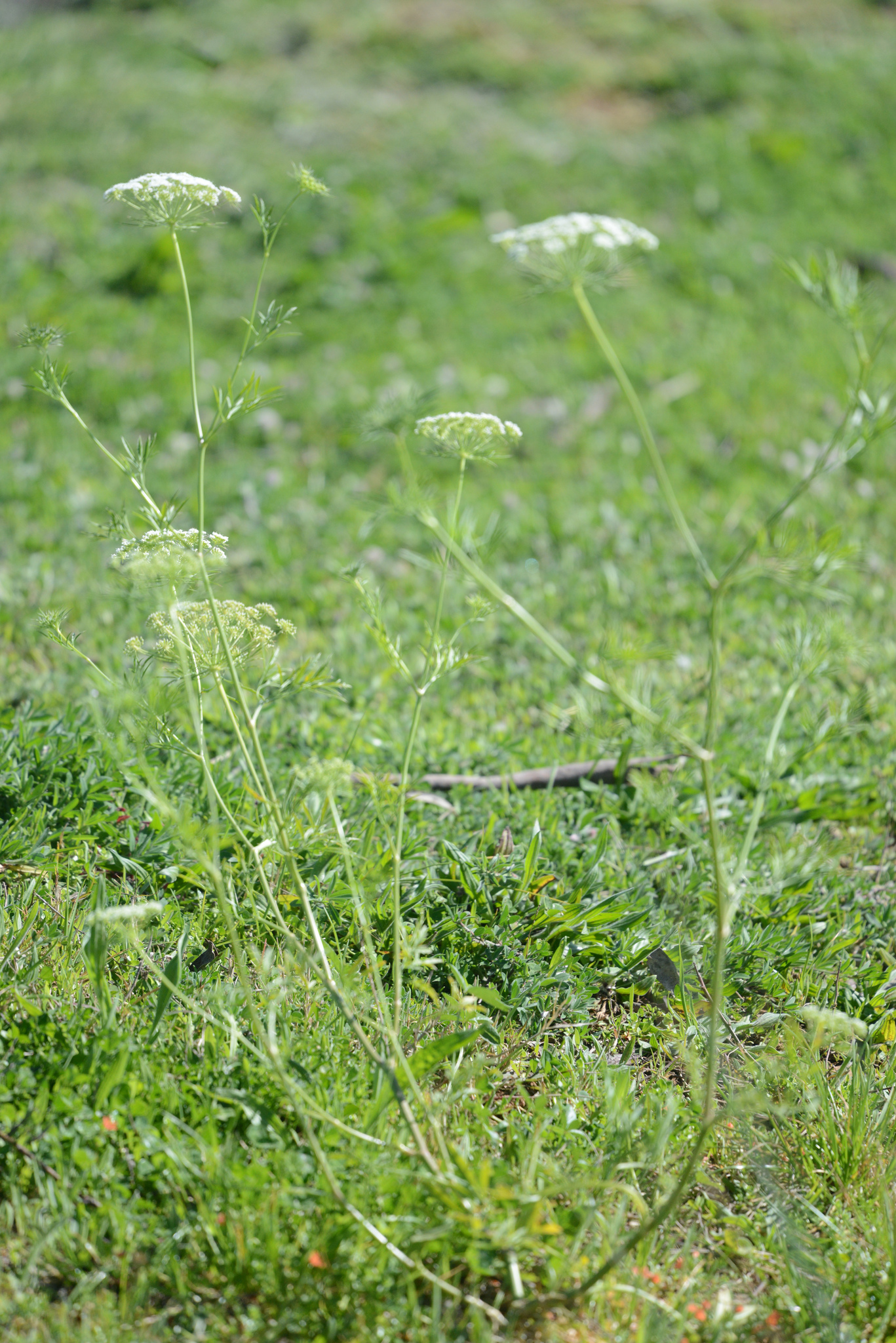
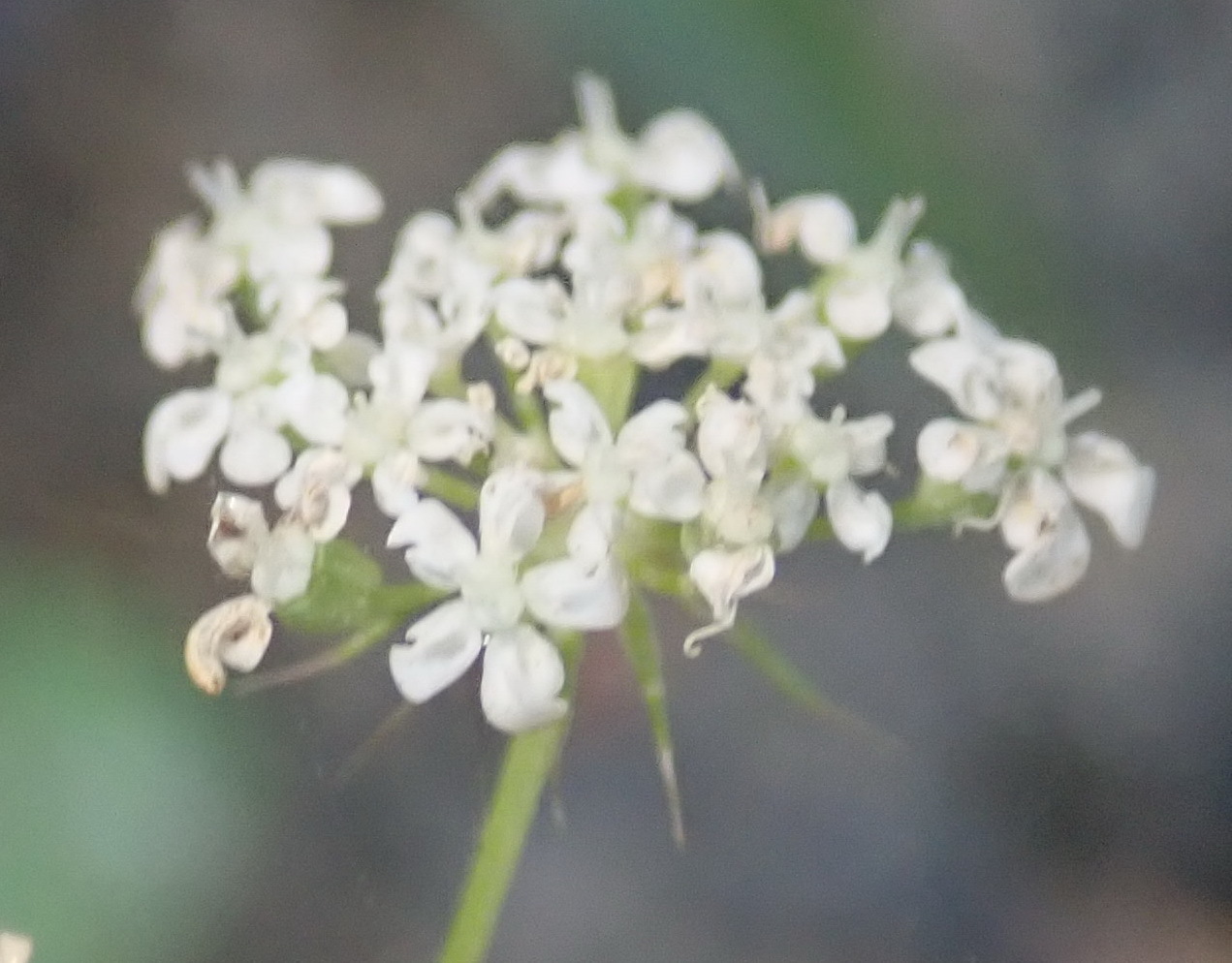


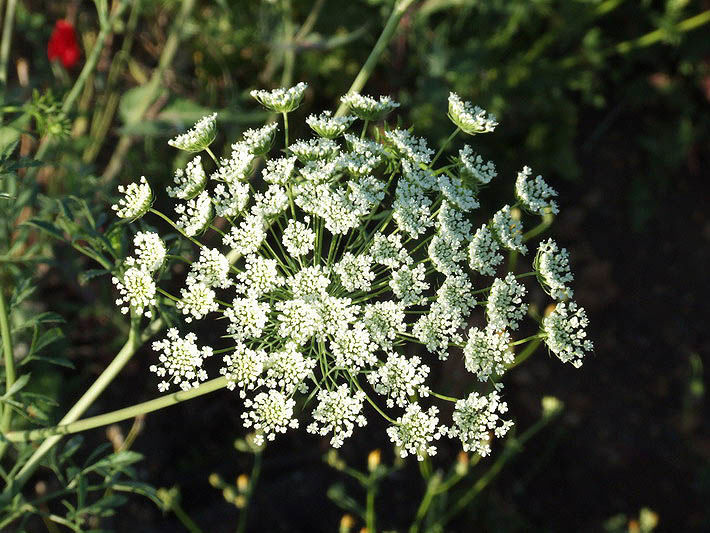
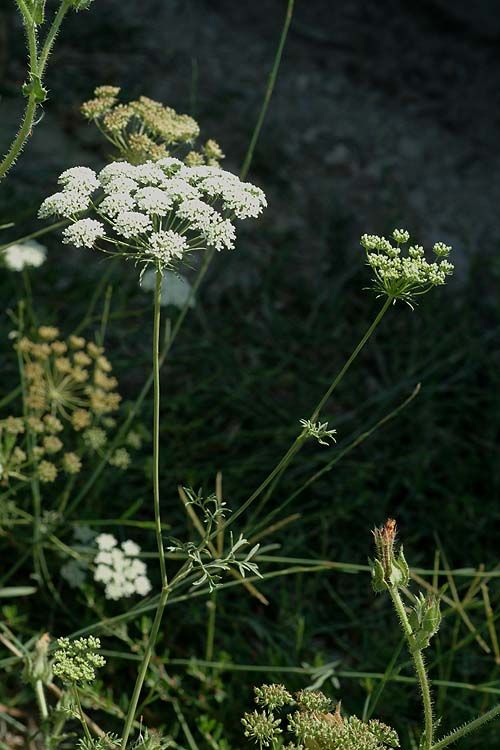
© photo
Eleftherios Katsillis · cc-by
Jon Sullivan · cc-by
Nicola van Berkel · cc-by
Taken Jan 1, 1970 by Photoflora - L'Abbé COSTE (©)
Taken Aug 24, 2014 by Tela Botanica − Vincent LEJEUNE (cc-by-sa)
Taken Jul 29, 2013 by Tela Botanica − Daniel CAHEN (cc-by-sa)
Taken Jul 15, 2000 by Photoflora - Benoit BOCK (©)
Taken Jul 25, 2008 by Tela Botanica − Mathieu MENAND (cc-by-sa)
© copyright of the Board of Trustees of the Royal Botanic Gardens, Kew.




Global distribution
Ammi majus is native to Macaronesia, the Mediterranean basin, North Africa and the Near East as far as Iran and the Arabian Peninsula, with a possible early origin in the Nile Valley. Widely cultivated and readily self-sowing, it has naturalized elsewhere, including North America and Australia; these introduced areas are distinct from its native range.
- Native6
- Introduced1
- Invasive1
- Metropolitan France
- Spain
- Italy
- Egypt
- Morocco
- Iran
- United States
- Australia
Hexagons: regions where the plant occurs. Green dots: native range.1
Identity
Greater ammi (Ammi majus L., 1753), also known as bishop's weed or false Queen Anne's lace, is an annual in the Apiaceae, the carrot and fennel family. It originates in Macaronesia, the Mediterranean region and the Near East, with an early center in the Nile Valley considered possible. 1 7
Gardeners chiefly grow it as a cut flower. Its broad, lacy white umbels add lightness to informal bouquets and last about ten days in a vase. Its sap is phototoxic, however, so handling calls for gloves. 2 3
Recognition
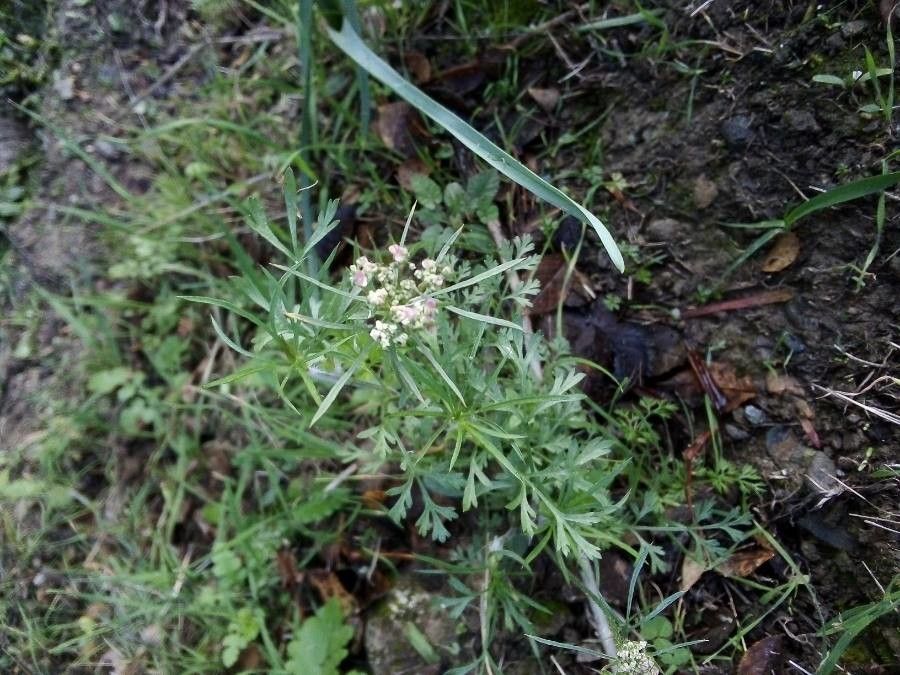
Ammi majus forms an upright, branched clump 60–120 cm (2–4 ft) tall, with hollow, ridged stems. Bright green leaves are finely divided into narrow segments and have little scent when crushed, unlike many aromatic Apiaceae. 2 4
The most conspicuous feature is its broad, flat white umbel, made up of numerous slender rays and closely resembling wild carrot's. The bracts beneath the umbel are themselves cut into narrow strips, a useful identification feature. 3 1
The plant is entirely hairless, with no purple stem blotches, helping distinguish it from poison hemlock. Flowers appear from early summer into fall, followed by seed production and the death of the plant. 4 2
Useful taxonomy
Carl Linnaeus described Ammi majus L. in 1753. Ammi is a Mediterranean genus. Many historical names, often treated as varieties, still occur in literature; principal synonyms include:
- Ammi majus var. glaucifolium (L.) Mérat
- Ammi majus var. intermedium (DC.) Gren. & Godr.
- Ammi majus var. laciniatum Godr.
- Ammi majus var. tenue Ball
- Ammi majus var. apiifolium (Hoffmanns. & Link) Cout.
The accepted scientific name, Ammi majus, is the stable reference. It should not be confused with toothpick weed, Visnaga daucoides, long called Ammi visnaga, a distinct related species. 6 1
Habitat and distribution
Greater ammi is native to Macaronesia, the Mediterranean basin, North Africa and the Near East, reaching Iran and the Arabian Peninsula. It grows wild in waste ground, cultivated fields, path margins and disturbed sites, in full sun on moist soil. 1 7
A pioneer of disturbed soil, it establishes quickly and flowers in its first season. This hardy annual can colonize bare ground, a strategy that also explains its tendency to self-sow freely in gardens. 4 3
Widely grown for flower arrangements and readily self-sowing, it has naturalized beyond its native range, including North America. In Australia, garden escapes are considered invasive weeds. These introduced populations are distinct from its original Mediterranean distribution. 5 3
Life cycle and reproduction
Ammi majus is strictly annual. Sown in local spring, it germinates in two or three weeks, produces a rosette of divided leaves, then rapidly develops a flowering stem. It blooms the same summer and dies after setting seed. 2 4
Small white flowers fill broad umbels visited by bees and hoverflies. Insect pollination produces abundant fruit, and each umbel sheds numerous small, dry fruits onto the soil after flowering. 7 3
Propagation is exclusively by seed, sown directly in local spring after the last frost, or under cover in small pots. The taproot tolerates transplanting poorly, so direct sowing produces the strongest, best-anchored plants. In mild climates, self-sown seedlings often emerge in fall and overwinter as young plants, creating the impression of a perennial. 4 2
Uses and risks
Its principal use is ornamental, in annual beds and especially as a cut flower. Airy umbels soften informal arrangements and last about ten days in a vase. The selection Graceland has received a horticultural distinction. 2 3
The main hazard is the sap, which contains furocoumarins, or psoralens. Skin contact followed by sunlight exposure can trigger phytophotodermatitis: redness, blisters and sometimes severe burns. Gloves and long sleeves are therefore needed when harvesting umbels. These same psoralens have a long history in phototherapy for skin disorders. 4 7
Greater ammi is also listed as toxic if ingested by cats, dogs and horses. Keep it away from animals and young children, and wash exposed skin thoroughly after handling. 3
Varieties, lookalikes and related plants
The named garden forms are not separate species. Graceland is a large-umbelled selection valued for cutting; Queen of Africa is a horticultural name for sturdy stems suited to bouquets. Before buying seed, check the selection name and recommended sowing season. 2
Frequent lookalikes include:
- Daucus carota, wild carrot, with lacy white umbels but often a central purple flower;
- Visnaga daucoides, toothpick weed, whose umbel rays harden as they mature;
- Conium maculatum, highly poisonous poison hemlock, recognizable by purple stem blotches.
The finely lacy white umbel, narrowly divided bracts and hairless, unspotted stem are the most reliable combination for identifying Ammi majus. Caution remains necessary because several white-umbelled Apiaceae are dangerous. 1 3
Main sources
Frequently asked questions
Is greater ammi toxic?
Yes. Its sap contains furocoumarins that cause phytophotodermatitis: skin contact followed by sunlight can produce redness, blisters and burns. The plant is also listed as toxic to cats, dogs and horses.
Why should you wear gloves when cutting ammi?
Its sap is phototoxic. Psoralens sensitize skin to light, so handling followed by sunlight exposure can cause burns. Gloves and long sleeves are recommended when harvesting.
How do you sow Ammi majus?
Sow directly in local spring after the last frost, in well-drained, moist soil in full sun. Its taproot tolerates transplanting poorly, so direct sowing is preferable to raising seedlings for transplanting.
How long does ammi last in a vase?
The airy umbels last about ten days if cut when fully open. Greater ammi is chiefly used as a light filler that softens informal bouquets.
How does it differ from wild carrot?
Both have lacy white umbels, but Ammi majus has more finely divided bracts and lacks the small central purple flower often found in wild carrot. Ammi foliage is also more finely divided.
Is greater ammi invasive?
In France it is not classified as invasive, though it self-sows readily. In some countries, including Australia, it has escaped cultivation and is considered an invasive weed.
Does greater ammi come back every year?
No. It is an annual and dies after producing seed. Self-sown seedlings can repopulate a bed each year, creating the impression of a perennial plant.
Similar plants
If you are unsure about a plant’s toxicity, ask a botanist or veterinarian for advice.