
Mum (Chrysanthemum, )
Chrysanthemum is an Asteraceae genus native to East Asia, with its center of diversity in China. Garden-center plants are almost always florist hybrids (Chrysanthemum × morifolium), flowering in autumn under short days, with pompon, spider or incurved heads. In France, chrysanthemums are associated with All Saints’ Day and traditionally placed on graves in early November.
Read moreMum


© photo
Katja Schulz · cc0
Beatrix Kammerer · cc-by
Taken Jun 2, 2020 by denan lee (cc-by-sa)


Global distribution
Chrysanthemum is native to East Asia and northeastern Europe, with its center of diversity in China. Its natural range extends from temperate Eurasia to Indochina. Garden-center plants are horticultural hybrids found only in cultivation; this wild origin must be distinguished from regions where cultivars are planted as ornamentals.
Identity
Chrysanthemum (Chrysanthemum L., 1753) is a genus of herbaceous perennials in the Asteraceae, native to East Asia and northeastern Europe, with its center of diversity in China. In garden centers the name almost always refers to florist hybrids, grouped as Chrysanthemum × morifolium and selected over centuries for ornamental flower heads. 1 4
Shortening days trigger their autumn flowering, valued in borders, pots and cut-flower arrangements. In France, chrysanthemums are particularly associated with All Saints’ Day: flowering pots decorate graves in early November, a funeral tradition that has strongly shaped the plant’s symbolism there. 2 4
Recognition
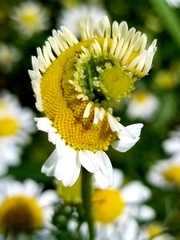
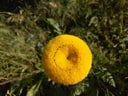
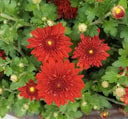
The defining floral structure is the flower head, the characteristic Asteraceae inflorescence. Central tubular disc florets are surrounded by peripheral ray florets. Ornamental hybrids often have double heads, with florets covering the receptacle and making the whole head look like a single, full flower. 3 4
Horticultural forms span a wide range. Pompons have dense, compact spherical heads; spider forms carry long, fine, drooping florets; and incurved forms make a ball of florets bending toward the center. Colors include yellow, orange, red, pink, purple and white, but no true blue. 5 6
Plants form upright, bushy clumps 30–120 cm (1–4 ft) tall, depending on the cultivar. Alternate leaves are often lobed and toothed, and frequently aromatic when crushed. Flowering from early autumn to the first frosts remains the most reliable seasonal marker of the genus. 2 3
Useful taxonomy
Linnaeus described Chrysanthemum in 1753. The name combines Greek khrusos, gold, and anthemon, flower, referring to yellow flower heads in wild species. The genus now includes about 40 species, almost all Asian. 1 4
Taxonomic boundaries have changed substantially. Once interpreted broadly, Chrysanthemum lost many former species to other genera during the 20th century, notably:
- Tanacetum L., including insecticidal pyrethrum;
- Leucanthemum Mill., the oxeye daisy;
- Glebionis Cass., including corn marigold;
- Argyranthemum Webb, the shrubby daisies.
A nomenclatural decision in the late 1990s partly reversed this splitting. Florist chrysanthemums, temporarily placed in Dendranthema, were returned to Chrysanthemum, which remains the accepted genus for ornamental mums. 1 6
Habitat and range
Wild Chrysanthemum species are native to East Asia and northeastern Europe, with a center of diversity in China. Their natural range extends from temperate Eurasia to Indochina, on slopes, grasslands and woodland edges in well-drained soils and open light. 1 4
Full sun and soil that stays moist during active growth suit these plants; standing water in winter does not. This ecology helps explain garden performance: light, waterlogging and soil drainage all influence how cultivars grow and how reliably they survive winter. 2 6
Outside their original range, ornamental chrysanthemums occur only in cultivation. In France, the United States and the United Kingdom they are planted for autumn borders and pot displays. Florist hybrids do not naturalize and depend entirely on cultivation. 5 3
Life cycle and reproduction
Chrysanthemums are botanically perennials, but hardiness differs among species and cultivars. Hardy garden types regrow in spring where well-drained soil and winter conditions allow. Florist pot plants are often treated as annuals in cold climates. Winter dormancy follows flowering as the above-ground growth dries. 2 6
The short-day response is central to their cycle. Shortening daylight toward the end of summer induces flower buds, placing natural flowering in autumn. Growers exploit this response with blackout treatments, allowing flowering pot plants to be produced throughout the year. 4 3
Garden propagation chiefly uses spring stem cuttings from stock plants, preserving the cultivar faithfully. Division every two or three years rejuvenates aging clumps. Seed is possible for botanical species but does not reproduce ornamental hybrids true to type. 5 3
Uses and risks
Most uses are ornamental: autumn beds, borders, containers and cut flowers. In France, chrysanthemums are inseparable from All Saints’ Day. In East Asia, their cultural role extends from Japanese horticultural exhibitions to Chinese culinary and medicinal traditions. Pyrethrins from related species are used as natural insecticides. 4 6
Handle these plants with care. ASPCA lists chrysanthemum as toxic to cats, dogs and horses. Pyrethrins and sesquiterpene lactones can cause digestive upset, excessive salivation, contact dermatitis and, after substantial ingestion, loss of coordination. Keep plants away from animals that chew foliage. 7 3
Varieties, look-alikes and related plants
Commercial chrysanthemums are sold by flower form rather than species. Chrysanthemum × morifolium encompasses almost all florist hybrids, including pompon, spider and incurved forms. These horticultural selections are chosen chiefly for color, head shape and the stated winter hardiness. 5 6
Frequent confusion arises from the genus’s taxonomic restructuring, which removed many familiar daisies:
- Leucanthemum Mill., the oxeye daisy;
- Tanacetum L., including insecticidal pyrethrum;
- Glebionis Cass., corn marigold.
Autumn flowering, often double heads and a bushy clump remain the most useful features for recognizing a florist chrysanthemum among these neighboring daisy groups. 1 2
Main sources
- Plants of the World Online / Kew, Chrysanthemum L.
- North Carolina Extension Gardener Plant Toolbox, Chrysanthemum
- North Carolina Extension Gardener Plant Toolbox, Chrysanthemum × morifolium
- Encyclopaedia Britannica, Chrysanthemum
- Royal Horticultural Society, Chrysanthemum search results
- Missouri Botanical Garden, Plant Finder
- ASPCA, Chrysanthemum toxic plant entry
Frequently asked questions
Are chrysanthemums toxic to cats and dogs?
Yes. ASPCA lists chrysanthemum as toxic to cats, dogs and horses. Pyrethrins and sesquiterpene lactones can cause digestive upset, excessive salivation, contact dermatitis and, after substantial ingestion, loss of coordination.
Why are chrysanthemums associated with All Saints’ Day?
In France, the tradition of decorating graves in early November settled on chrysanthemums because they flower then and withstand cold. This funeral association is so strong that people often avoid giving them as celebratory bouquets.
How do chrysanthemums differ from daisies?
Many daisies once named Chrysanthemum have been moved to genera such as Leucanthemum, Tanacetum and Glebionis. Florist chrysanthemums remain in Chrysanthemum, with often more double flower heads and autumn blooming.
Why is my chrysanthemum not flowering?
Chrysanthemum is a short-day plant: shortening days toward the end of summer induce buds. Too little light, or artificial light at night, can prevent this.
Do chrysanthemums return every year?
That depends on the cultivar. Hardy garden chrysanthemums are perennials that regrow each spring in well-drained soil. Florist pot plants are often grown as annuals and have limited hardiness.
How are chrysanthemums propagated?
Spring stem cuttings are the most reliable method and reproduce the cultivar faithfully. Dividing the crown every two to three years rejuvenates the clump. Seed works well only for species, not hybrids.
Can chrysanthemums be eaten?
Some species are used in food and infusions in East Asia, and pyrethrins from related species are used as insecticides. Ornamental chrysanthemums are not sold for eating and remain toxic to domestic animals.
Species in this genus
If you are unsure about a plant’s toxicity, ask a botanist or veterinarian for advice.