
Window-leaf monstera (Monstera obliqua, )
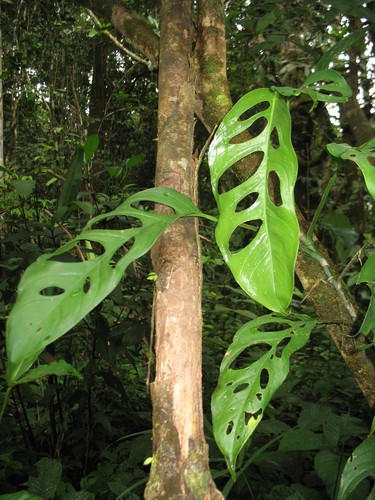
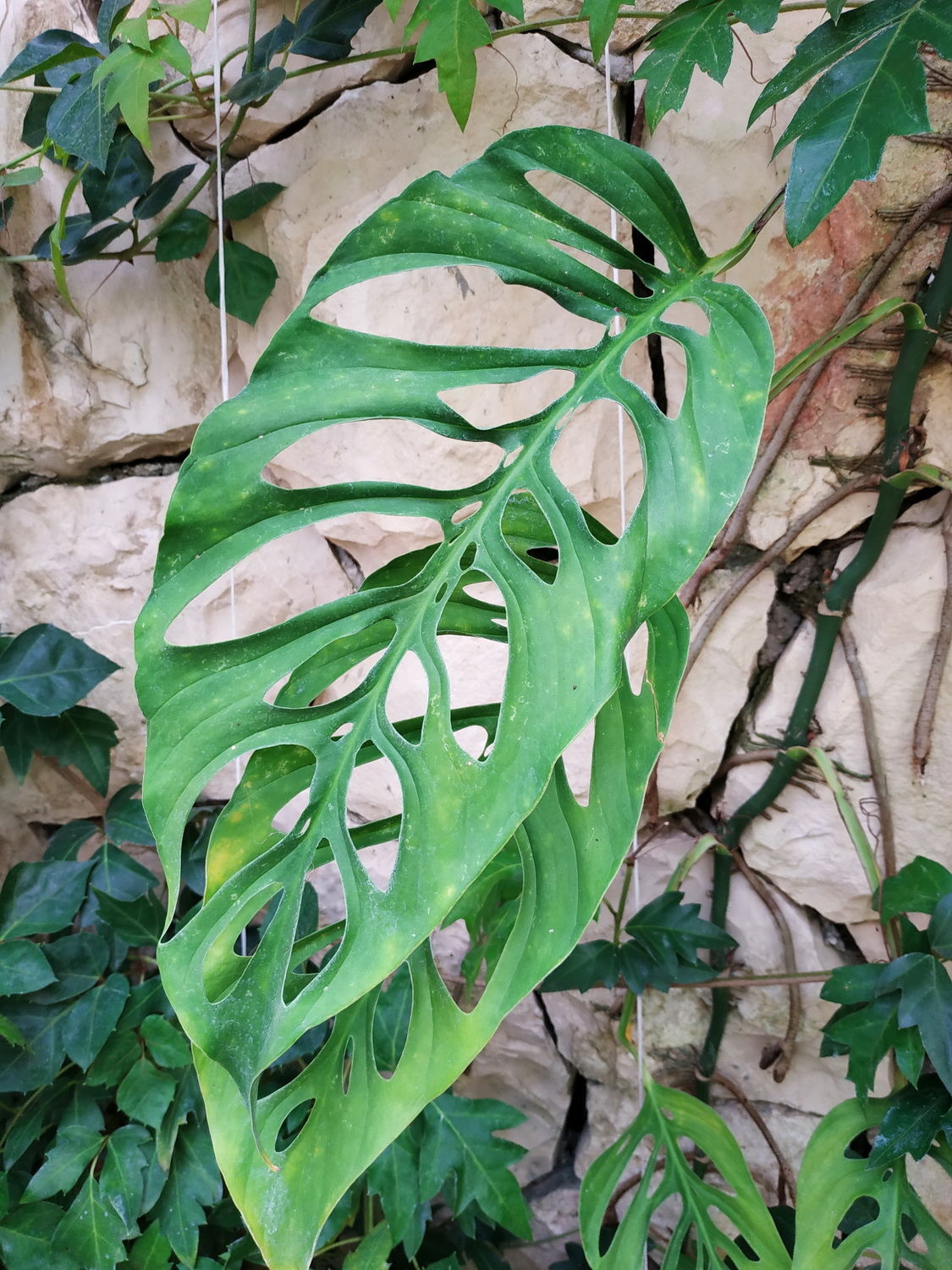
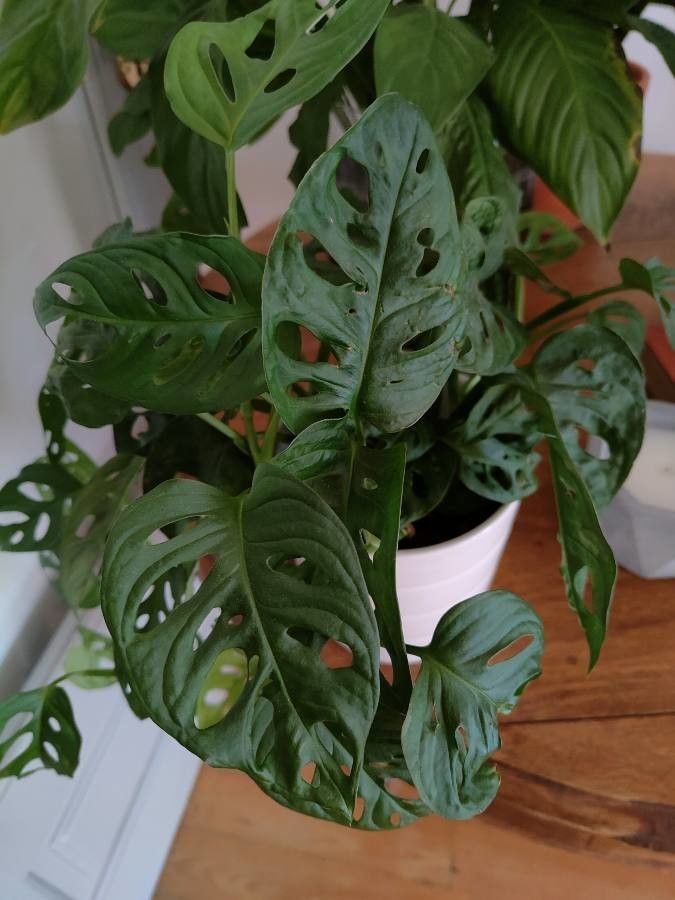
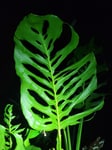
Window-leaf monstera (Monstera obliqua) has thin, asymmetric leaves that can be entire or deeply perforated. This tropical climber cannot be identified by counting holes in its foliage alone.
Read moreWindow-leaf monstera
Monstera expilata Schott, Monstera falcifolia Engl., Monstera sagotiana Engl. and Monstera fendleri Engl.
Give plenty of ambient light without direct sun on the leaves.
Bright indirect light; avoid direct sun.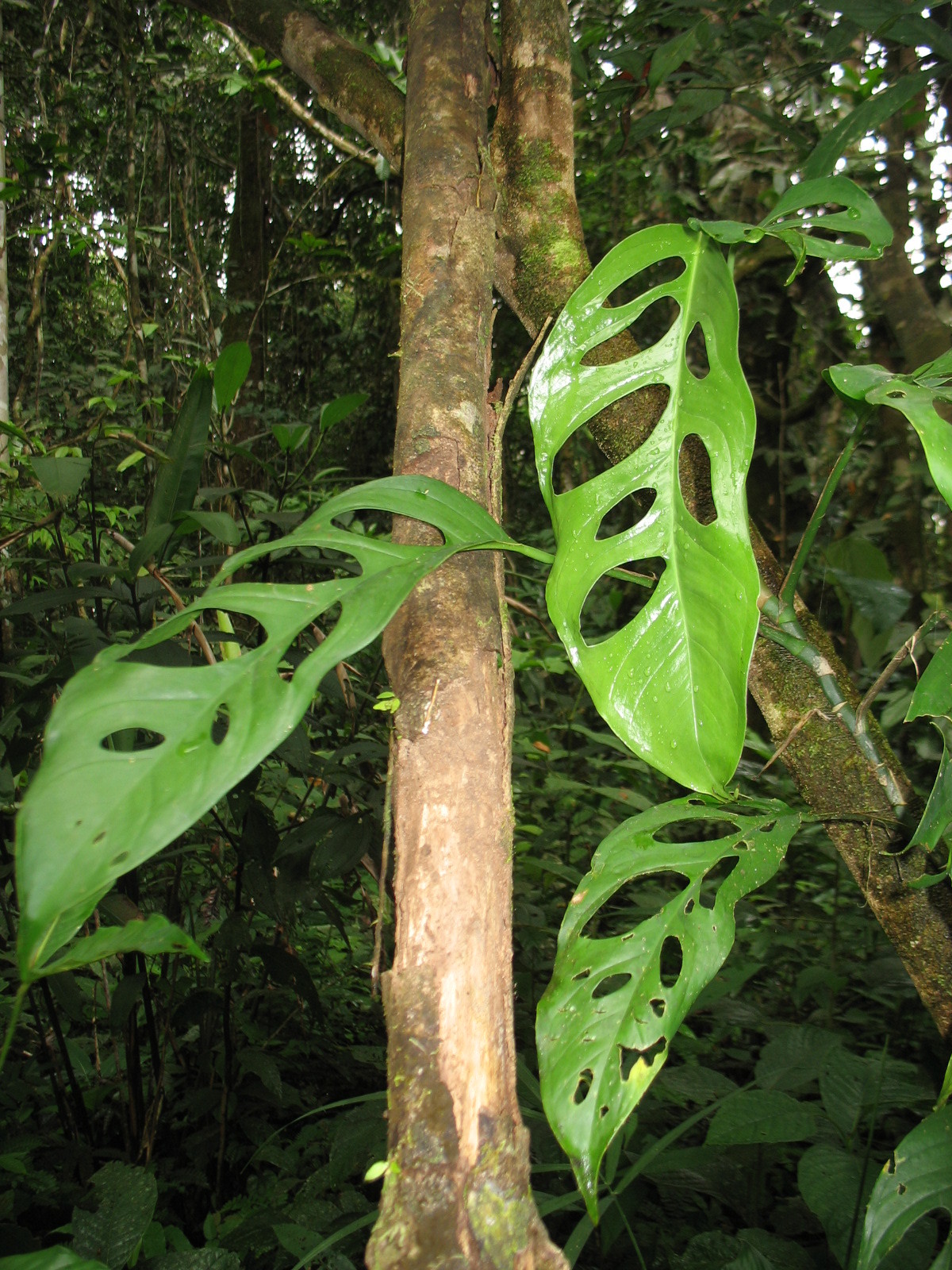


© photo
(c) Ana Maria Benavides, some rights reserved (CC BY-NC), uploaded by Ana Maria Benavides · cc-by-nc
Anders Hastings · cc-by
fern Wildtruth · cc-by
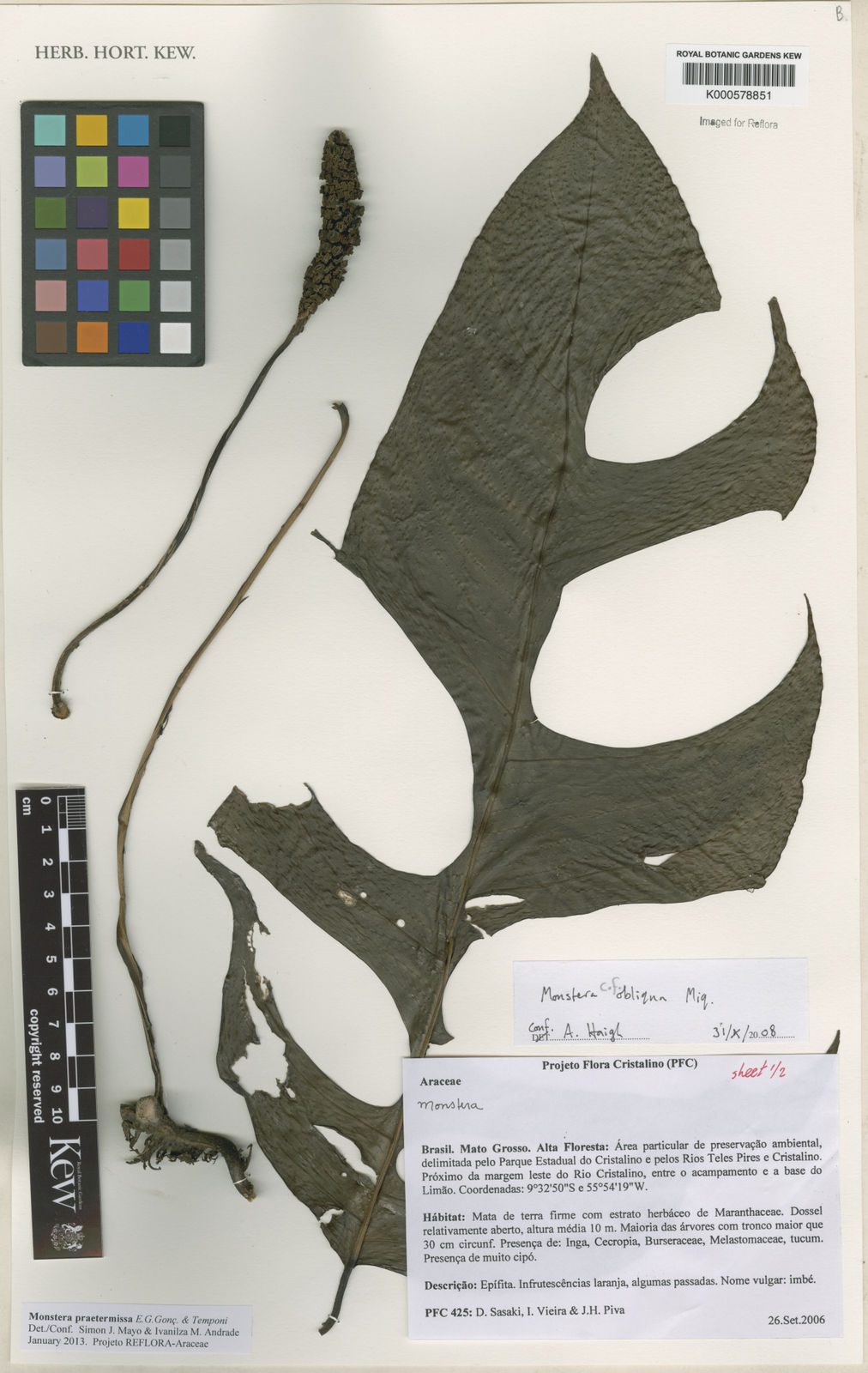
© copyright of the Board of Trustees of the Royal Botanic Gardens, Kew.




Global distribution
Native from Costa Rica to tropical South America, including Trinidad.
- Native2
- Tropical Central and South America
- Trinidad
Hexagons: regions where the plant occurs. Green dots: native range.↗
Identity
Window-leaf monstera (Monstera obliqua Miq., 1845) grows as an Araceae climber with leaves that can be entire or perforated. A heavily perforated leaf represents only part of the species' variation. The absence of holes does not automatically mean that a plant has been misidentified; entire blades also belong in its botanical description. 1 5
Monstera obliqua is an accepted name published in the journal Linnaea. The epithet obliqua refers to the unequal sides of the leaf: the base of the blade is asymmetric. Leaf asymmetry provides a feature to examine alongside the presence or absence of perforations. 1 4
Identification
Window-leaf monstera bears thin, asymmetric leaves, with one side of the base about twice as wide as the other. Window-leaf monstera has lance-shaped and broadly ovate leaf forms. Lance-shaped blades can measure 35 cm (14 in) long by 4 cm (1.6 in) wide, while broadly ovate blades can measure 14 cm by 12 cm (5.5 in by 4.7 in). The contrasting proportions describe different leaf forms within Monstera obliqua. 4
The adult stem remains slender, around 2–7 mm (0.08–0.28 in) thick in the botanical description. Creeping or hanging stolons can develop. Petiole sheaths eventually fall away, so a missing sheath on an older part of the plant does not necessarily indicate damage. Stem thickness and the condition of old sheaths need to be interpreted as parts of the plant's development. 2
Comparing several leaves and the stem provides more identification clues than an isolated photograph of a hole. Because the blade varies within Monstera obliqua, the number of perforations cannot establish an identity on its own. A plant with entire leaves and a plant with holes are not necessarily separate species. 5
Useful taxonomy
The names Monstera expilata Schott and Monstera falcifolia Engl. are synonyms of Monstera obliqua. The same applies to Monstera sagotiana Engl. and Monstera fendleri Engl.. An old label bearing one of these names therefore does not necessarily identify a different species. Synonymy connects those older records with the accepted name. 1
Leaf width and perforations contributed to historical distinctions between these plants. The botanical diagnosis nevertheless brings narrow and broad forms, with entire or perforated blades, into the same species. Leaf shape alone does not define a botanical variety. The differences need to be read within the variability recognized for Monstera obliqua. 2
Habitat and distribution
The native range of window-leaf monstera extends from Costa Rica to tropical South America, including Trinidad. Panama, Colombia, Peru, and Bolivia fall within the range, as do the Guianas and several Brazilian regions. The distribution is much broader than the single origin that a horticultural label can suggest. 1
In Brazil, Monstera obliqua is documented in the Amazon and Atlantic forest domains, in terra firme forest and wet tropical forest. Its epiphytic or hemiepiphytic habit involves growing on plant supports. Records include Amazonas and Pará, as well as Bahia and São Paulo. The Brazilian occurrences span several regions rather than one narrow locality. 5
Life cycle and reproduction
Leaf perforations form during leaf development. In Monstera obliqua, localized groups of cells undergo programmed cell death while neighboring tissues remain alive. The affected disk of tissue then detaches as the blade expands. Regular openings therefore belong to normal leaf development, rather than necessarily recording damage after the leaf has formed. 6
The cellular study distinguishes the loss of cells from the breakdown of their walls: cell walls remain intact at the stage described. The process explains how an opening forms without requiring an insect bite or an accidental tear. In window-leaf monstera, the hole begins as a localized developmental event within growing tissue. 6
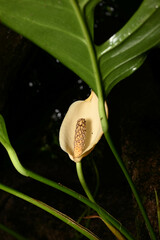
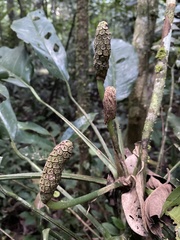
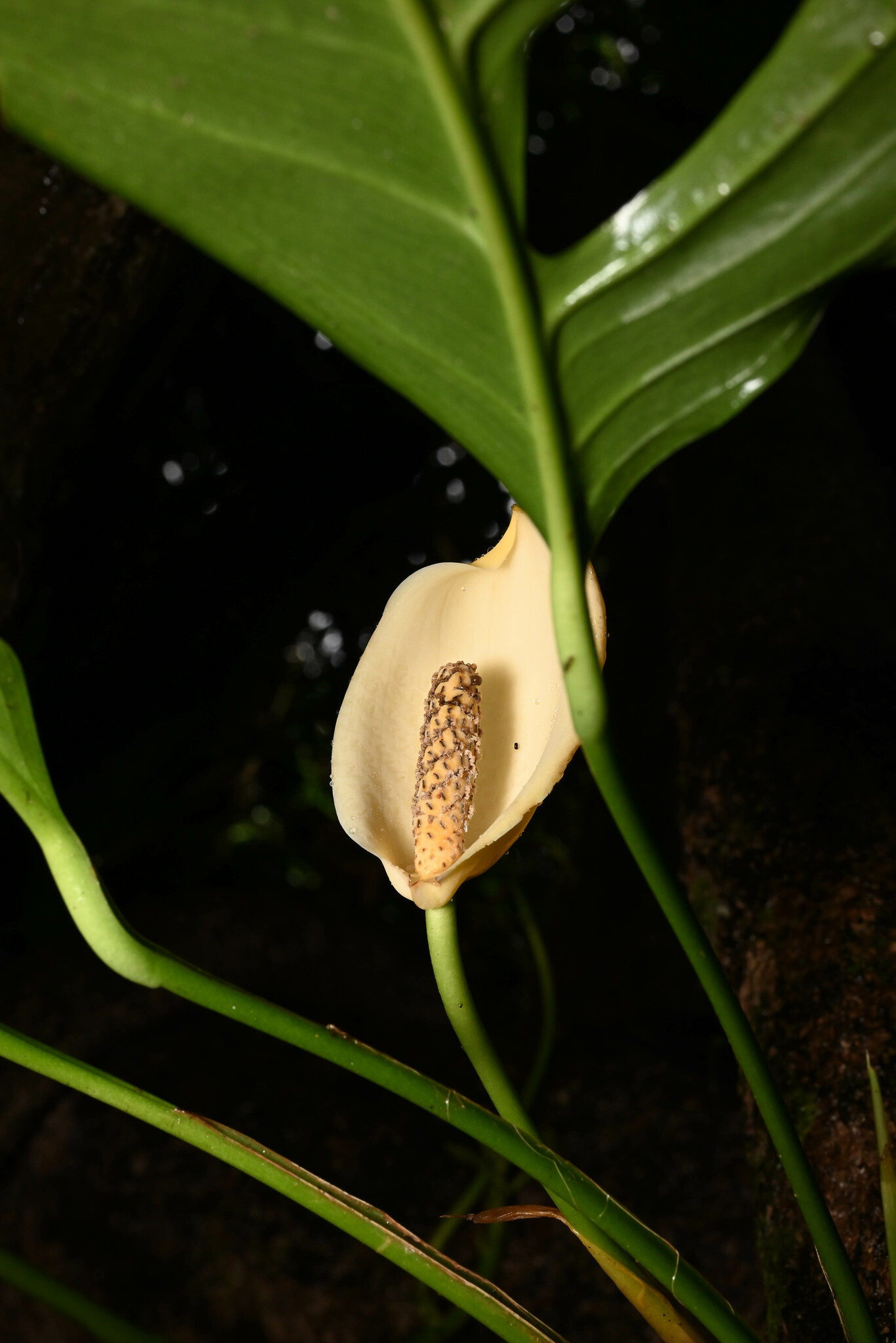
The inflorescence consists of small flowers on a spadix surrounded by a spathe. The spathe turns yellow, and the fruiting stage develops orange coloring. The berries of Monstera obliqua are orange in the Brazilian botanical description. Flowering and fruiting structures add features beyond the more familiar leaf perforations. 4 5
Growing and seasonal rhythm
Indoors, window-leaf monstera needs bright indirect light and moist but well-drained growing medium. Air humidity should remain moderate to high. Horticultural dimensions are 1–1.5 m (3.3–4.9 ft) tall and 0.5–1 m (1.6–3.3 ft) wide. The horticultural figures concern cultivation and do not establish a maximum size in the wild. 3
The seasonal schedule describes indoor cultivation in metropolitan France. Keeping the growing medium just moist in winter and watering more during active growth follows species-level advice. Apply a balanced liquid fertilizer monthly while the plant is growing. The contrast is between active growth and slower winter activity, rather than an unchanging watering regime throughout the year. 3
For the genus Monstera, British guidance places feeding from April through September. The months provide a Northern Hemisphere reference, adjusted to the growth actually observed. Standing water in a saucer and poorly drained growing medium expose roots to rot. Moisture during growth needs to be combined with drainage. 7
Similar plants and risks
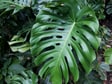
Monstera adansonii has thicker leaves than Monstera obliqua. Blade thinness helps compare the species, but perforations alone do not settle an identification. Entire leaves are accepted in the botanical description of M. obliqua, despite horticultural descriptions that concentrate on plants with conspicuous holes. A comparison needs to account for that variation. 4 5
Window-leaf monstera is harmful if eaten and irritating to skin and eyes. Wear gloves when handling it to limit contact. The risk concerns people; keeping the plant away from children prevents accidental exposure without assuming a particular sensitivity associated with age. Ornamental use does not remove the handling precaution. 3 7
Harmfulness is also reported for pets, without separate descriptions for cats and dogs. The risk to horses remains unspecified. Missing animal-specific information does not certify safety: keep window-leaf monstera out of animals' reach. The general pet warning and the limits of species-specific evidence need to remain distinct. 3 7
Main sources
The botanical description of Monstera obliqua includes entire and perforated leaf blades; the Brazilian flora confirms that variation. 5
- Kew, Plants of the World Online, Monstera obliqua Miq.
- Kew, CATE Araceae, description and diagnosis of Monstera obliqua
- Royal Horticultural Society, Monstera obliqua
- NParks, Flora & Fauna Web, Monstera obliqua
- Rio de Janeiro Botanical Garden, Flora do Brasil 2020, Monstera
- Gunawardena and colleagues, Planta, formation of leaf perforations
- Royal Horticultural Society, growing Monstera
Frequently asked questions
Does window-leaf monstera always have holes in its leaves?
No. Leaf blades can be entire or perforated; leaf shape varies within the species.
How can I distinguish Monstera obliqua from Monstera adansonii?
The thin leaves of Monstera obliqua contrast with the thicker leaves of Monstera adansonii. Perforations alone do not identify the plant.
How should I water window-leaf monstera in winter?
Keep the growing medium just moist in winter, with less water than during active growth.
Is window-leaf monstera safe for animals?
No. The plant is reported to be harmful to pets. A lack of information for a particular animal species does not establish safety.
Similar plants
If you are unsure about a plant’s toxicity, ask a botanist or veterinarian for advice.