
Scented solomon's-seal (Polygonatum odoratum, )
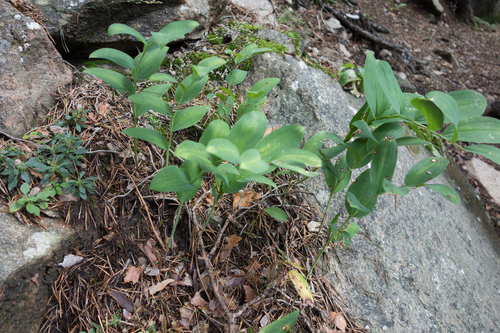
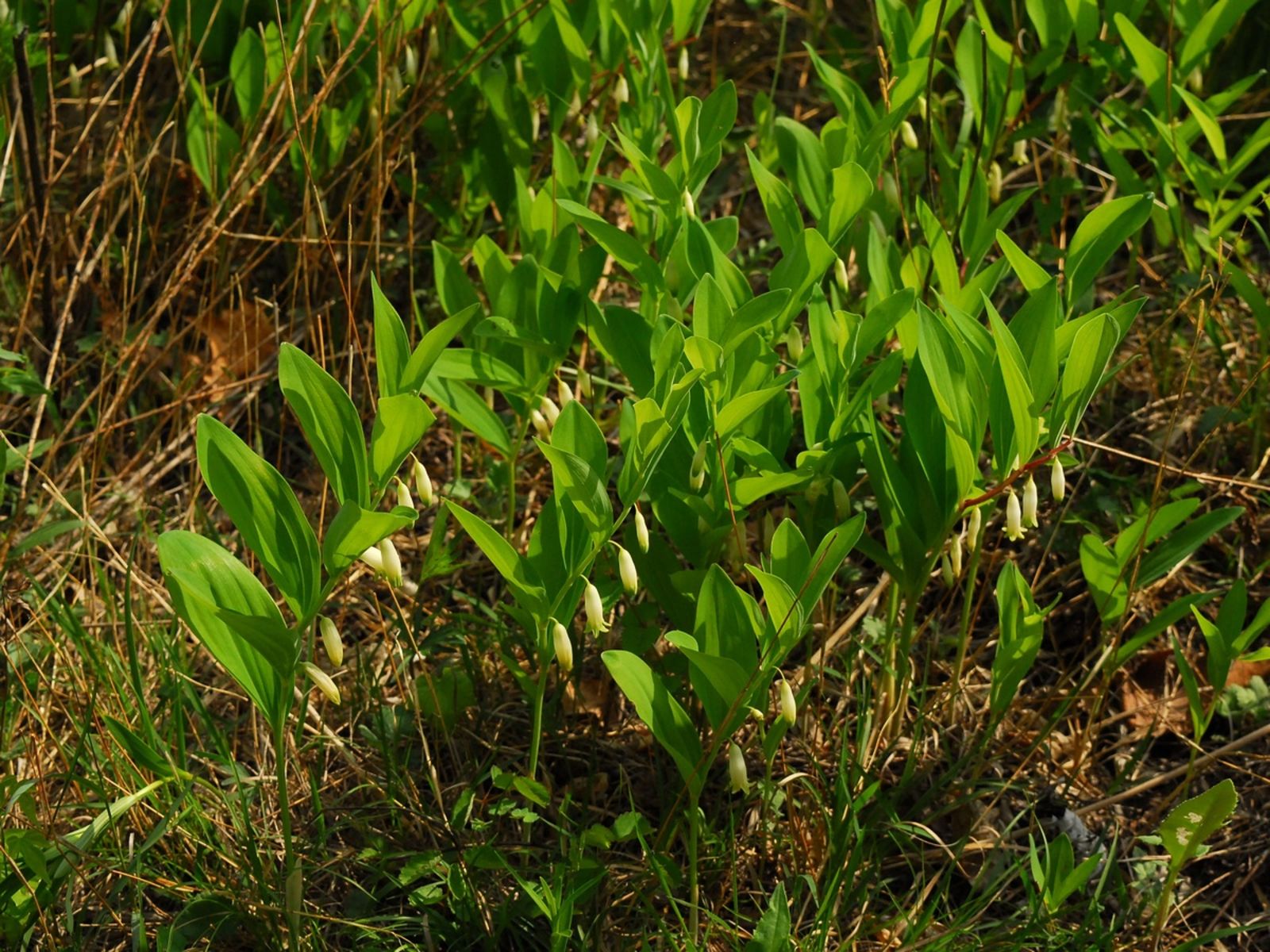
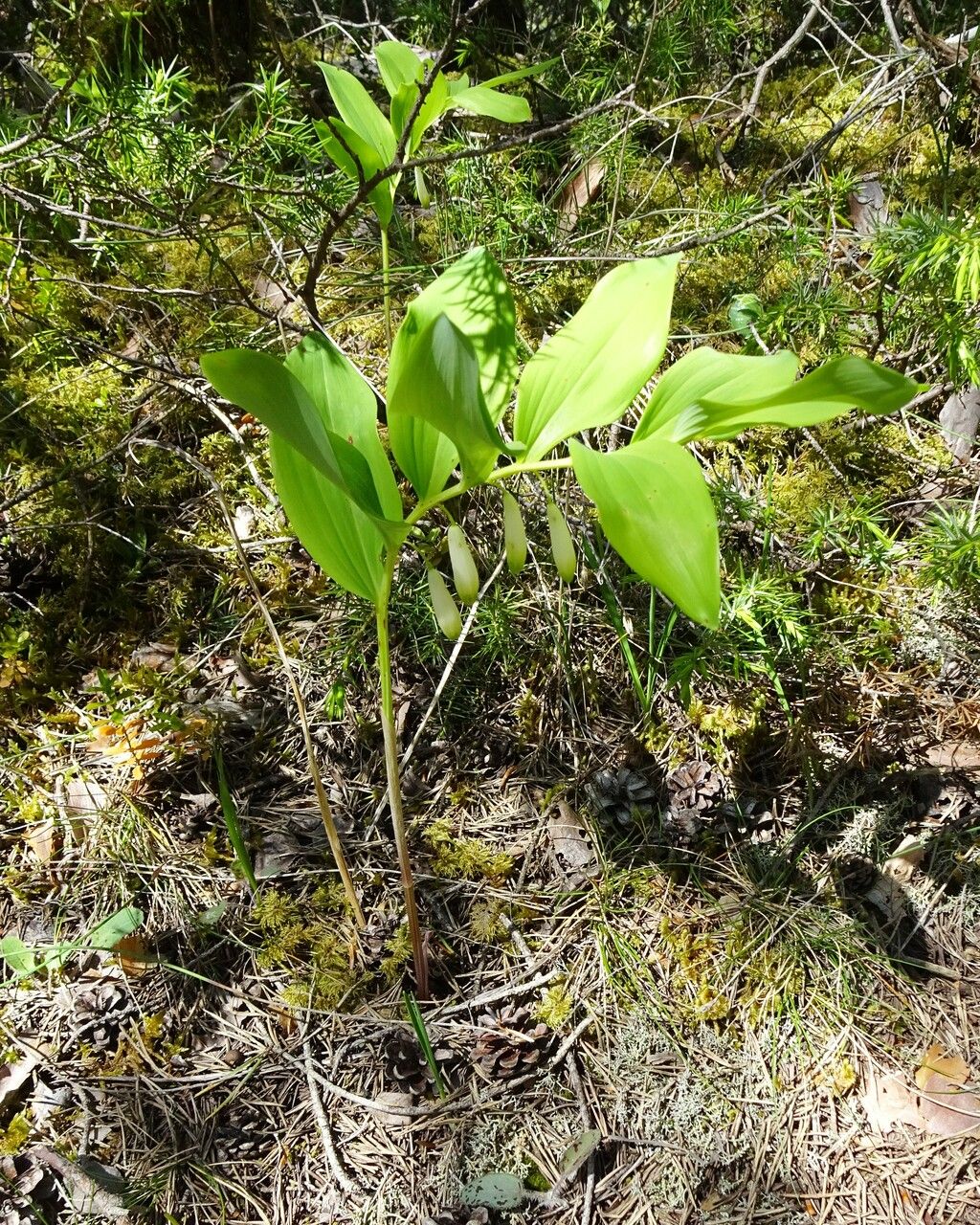
Scented solomon's-seal (Polygonatum odoratum (Mill.) Druce) is a rhizomatous perennial in the Asparagaceae family, native from Europe to Japan. Angular, arching stems bear alternate leaves in two rows and fragrant cream-colored, green-tipped tubular flowers hanging beneath them in spring.
Read moreScented solomon's-seal, Angular Solomon's seal and Fragrant Solomon's seal
Keep out of direct sun, in a dimly-lit room.
Light shade, partial shade or cool shade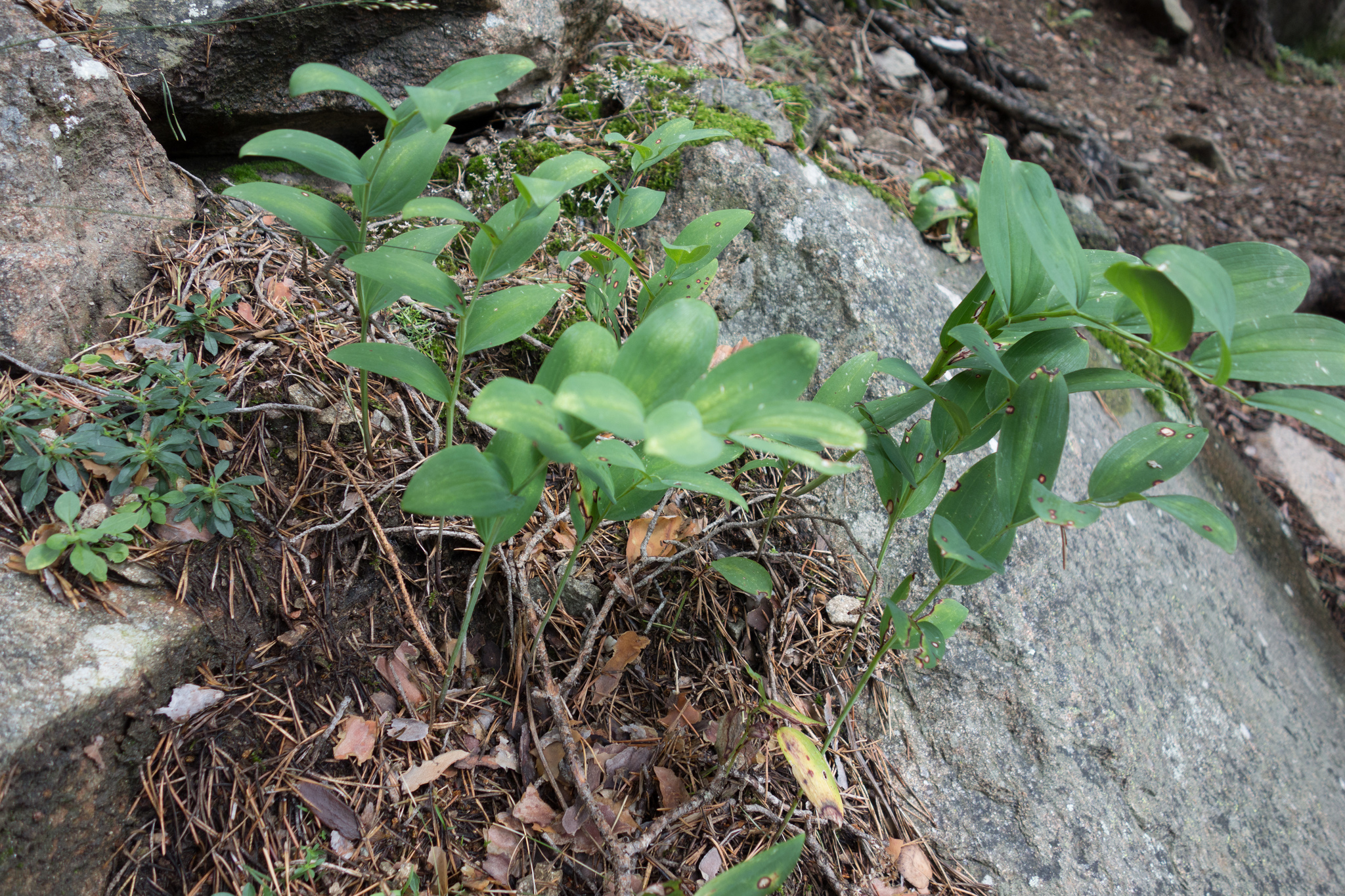
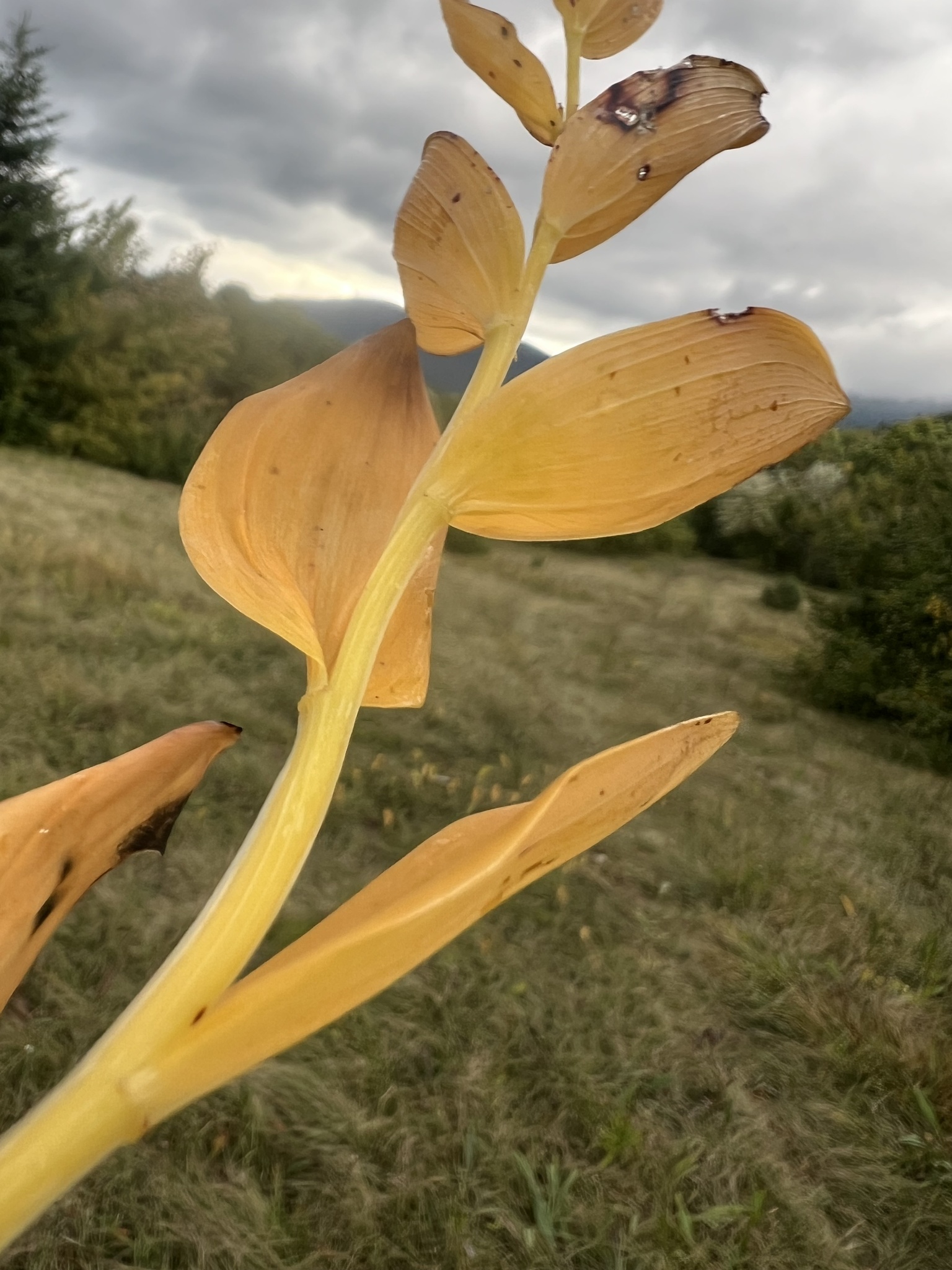
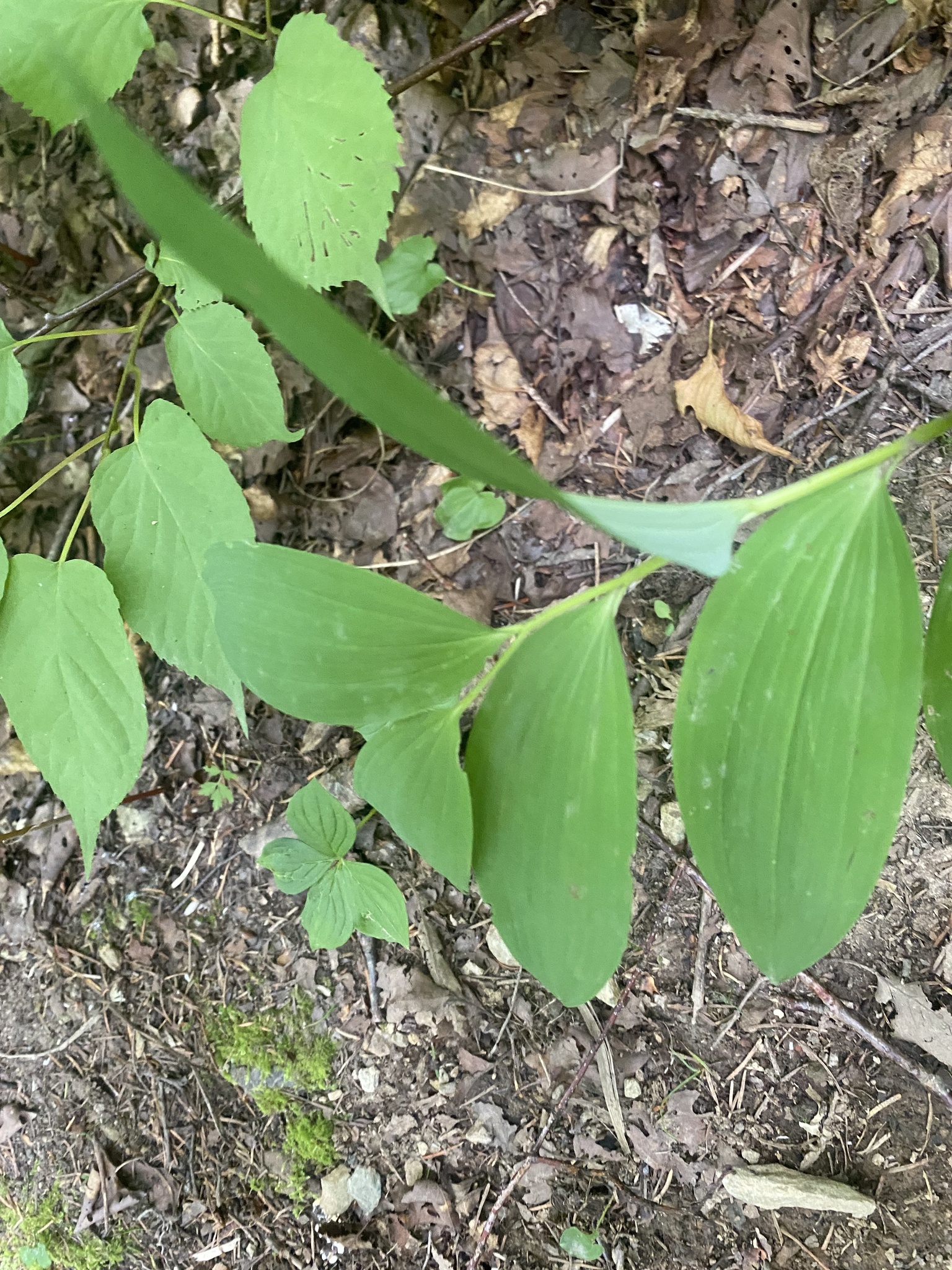


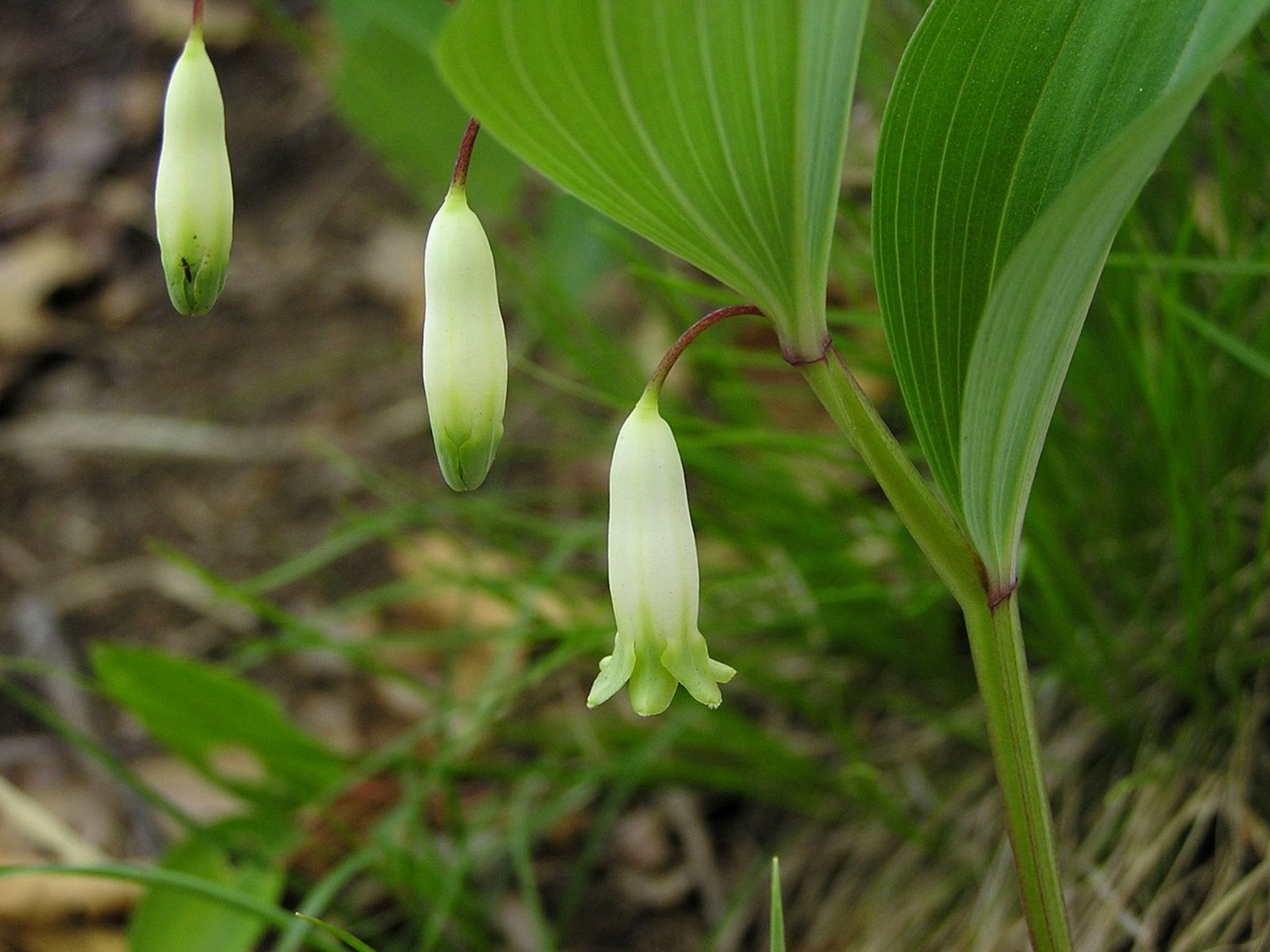
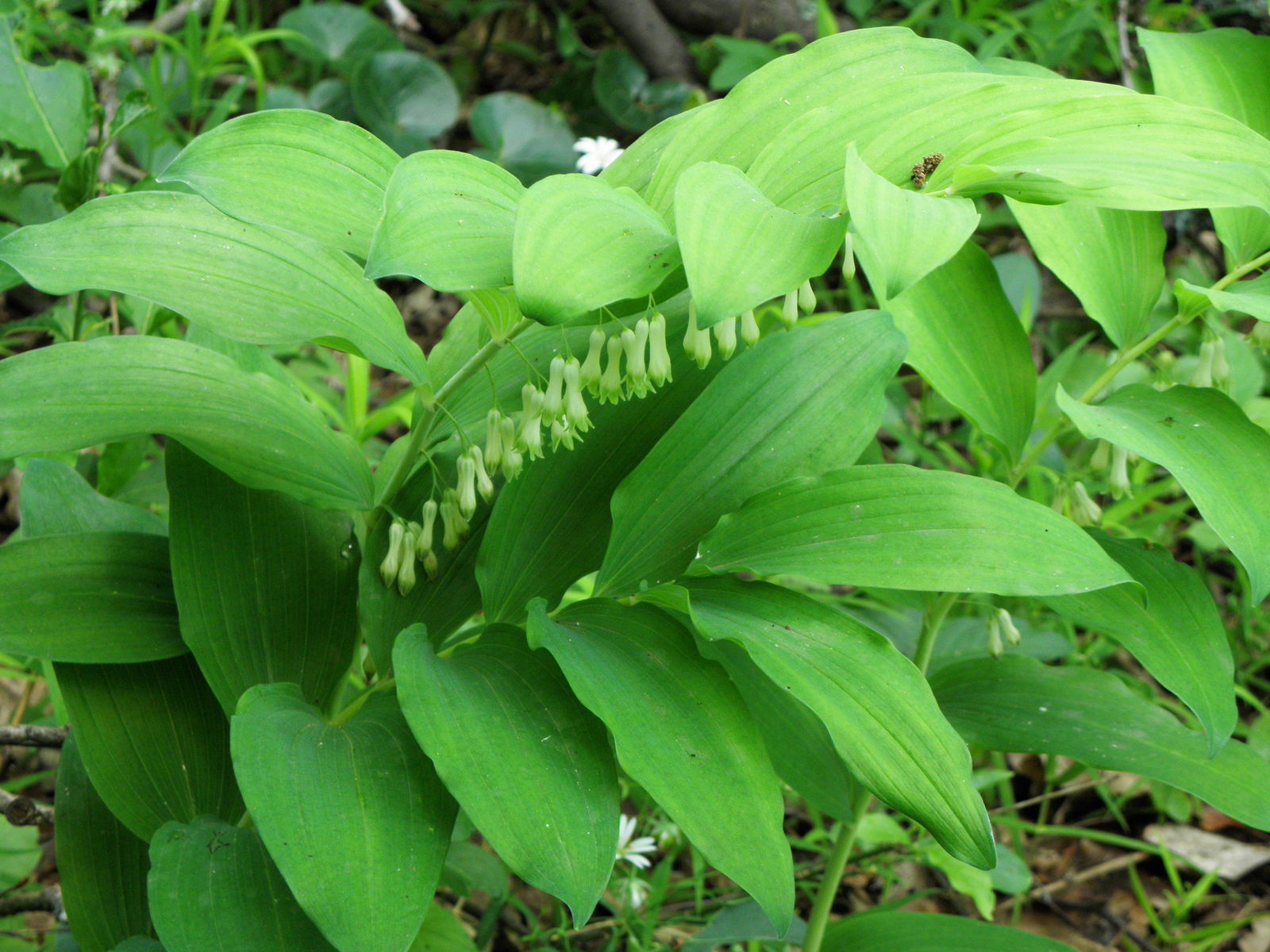
© photo
Felicia Seichter · cc0
Mirko Ubović · cc0
Илья Руденко · cc-by
Taken Aug 9, 2014 by Tela Botanica − Marie PORTAS (cc-by-sa)
Taken Jun 21, 2014 by Tela Botanica − Ans GORTER (cc-by-sa)
Taken Feb 24, 2022 by Beate Liebold (cc-by-sa)
Taken May 27, 2021 by Alain Bigou (cc-by-sa)
© copyright of the Board of Trustees of the Royal Botanic Gardens, Kew.




Global distribution
POWO/WCVP accepts Polygonatum odoratum as native from Europe to Japan, with a rhizomatous habit in temperate biomes. Tela Botanica records it in mainland France and Corsica, in woods and shaded rocks. The retained references do not classify it as an invasive alien in mainland France.
- Native10
- Europe
- Mainland France
- Corsica
- Great Britain
- Germany
- Italy
- Eastern Europe
- Caucasus
- Temperate Asia
- Japan
Hexagons: regions where the plant occurs. Green dots: native range.1
Identity
Scented solomon's-seal (Polygonatum odoratum (Mill.) Druce) is an accepted species of Polygonatum in the Asparagaceae family. POWO/WCVP accepts the name, records Druce’s combination as first published in 1906, and gives a native range from Europe to Japan. 1 2
The historical basionym is Convallaria odorata Mill. Older names, including Polygonatum vulgare and Polygonatum officinale, still appear in floras and nursery listings. Using the accepted name Polygonatum odoratum distinguishes the botanical species from historical synonyms and horticultural labels. 1 7
The names angular Solomon's seal and fragrant Solomon's seal describe its stems and scented flowers. Its woodland outline is distinctive: a leafy arching stem carries flowers beneath it. French names sometimes compare it to lily of the valley, but that visual resemblance does not place it in Convallaria. 7 4
Recognition
A horizontal, fleshy, knobby rhizome produces simple, hairless stems, distinctly angular before arching over in their leafy upper portion. Tela Botanica, following Coste, gives a height of 20–50 cm (8–20 in); RHS gives an ultimate cultivated height of 0.5–1 m (1.5–3 ft). 7 4
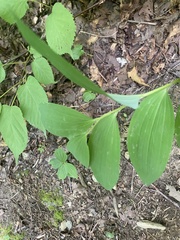
Alternate oval to oblong leaves grow in two rows, with converging veins. This foliage is often the first useful garden clue: leaves follow one continuous arching stem, rather than forming a basal cluster like lily of the valley. 7 5
One or two tubular flowers hang from each leaf axil. Cream-white to greenish white, they have green tips and are often fragrant. World Flora Online gives a perianth length of 1.3–2.5 cm (0.5–1 in); Tela Botanica records spring to early-summer flowering in France. 6 7
After flowering, fruits become blue-black berries about the size of peas. Their late-season appearance may attract attention, but they must not be tasted: horticultural and safety references describe Polygonatum as harmful or poisonous if swallowed. 7 5 10
Useful taxonomy
Within Asparagales, Polygonatum odoratum belongs to Asparagaceae. Modern taxonomic resources use the accepted species Polygonatum odoratum (Mill.) Druce as the reliable reference, rather than older names used in classical floras. 1 2
POWO also lists accepted infraspecific taxa, including P. odoratum var. odoratum, var. pluriflorum, var. thunbergii and var. maximowiczii. Nursery plants sold as ‘Variegatum’ can therefore be close relatives without equally precise taxonomic documentation. 1 5
Confusion with lily of the valley matters for safety. Convallaria majalis and Polygonatum odoratum share a family, woodland habitats and pale flowers. However, lily of the valley flowers on a separate stalk, whereas Polygonatum flowers hang beneath a leafy stem. 7 5
Habitat and range
Europe to Japan forms the broad native range recognized by POWO/WCVP, which describes a rhizomatous plant of temperate biomes. Species checklists also record France, Corsica, Great Britain, Germany, Italy, Japan and numerous other Eurasian regions. 1 3
Tela Botanica records it in woods and on shaded rocks across most of France and Corsica, within a European and Asian distribution. There it is a native woodland or woodland-edge plant rather than an introduced invasive alien. 7
RHS recommends fertile, humus-rich, moist but well-drained soil in cool sun, partial shade or shade. Missouri Botanical Garden emphasizes partial to full shade, with best results in cool, filtered sunlight because the plant dislikes hot summers. 4 8
Life cycle, cultivation and uses
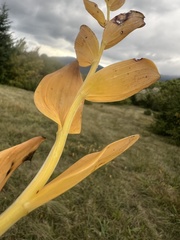
Spring shoots begin this deciduous perennial’s cycle. Flowering follows in later spring, berries may develop in summer or fall, and foliage then yellows as the rhizome becomes dormant. RHS gives two to five years to reach mature size. 4 6
Recreating cool woodland conditions is the practical basis of cultivation. Mature compost, fallen leaves, soil that remains moist in spring and sound drainage are more useful than excessive watering or strong fertilizer. Rhizome division is the most practical propagation method, but young shoots break easily. 4 8
Shade borders, planting beneath shrubs, woodland gardens and foliage arrangements are the main ornamental uses of scented solomon's-seal. NC State mentions traditional consumption of boiled young shoots within the genus. This does not justify recommending it as food, since mature parts and fruits are treated as harmful or poisonous. 5 10
Toxicity and safety
Swallowing this plant presents a clear safety concern. RHS identifies Polygonatum odoratum as harmful if ingested and toxic to pets when eaten, particularly dogs. The HTA guide classifies Polygonatum as toxic to pets and harmful to people if swallowed. 4 9 10
NC State describes low-severity human toxicity in Polygonatum, attributing the risk chiefly to fruits, with possible vomiting and diarrhea. It also includes poisonousness among the genus’s traits. These warnings justify avoiding tasting any part, even where traditional uses have been recorded. 5
A cautious interpretation treats cats and dogs as at risk because the sources refer to pets and dogs. Horse toxicity remains undocumented for Polygonatum odoratum. After ingestion, contact a veterinarian or poison center with the botanical name and the part eaten. 4 10
Lily of the valley (Convallaria majalis) adds another foraging hazard. Neither plant should be gathered for casual food use: although their toxicity differs, mistaken identification can lead to a more serious exposure. Keep both blue-black Polygonatum berries and red Convallaria berries out of reach. 7 5
Cultivars and look-alikes
Cream-white margins or streaks characterize the widely sold cultivar 'Variegatum'. NC State also lists 'Goldilocks' within the Polygonatum odoratum group. These nursery names help gardeners choose an appearance, but collection specimens still require botanical identification. 5 8
European gardeners often need to distinguish Polygonatum multiflorum. P. odoratum has angular stems, flowers usually singly or in pairs, and the scent reflected in its epithet; P. multiflorum generally bears several flowers per axil. Check stems, flowers and leaf arrangement together. 7 6
False Solomon’s seals and American Solomon’s seals can also cause confusion in naturalistic gardens. An ornamental mix-up mainly affects appearance or ecology; a foraging mistake creates a health risk. Do not eat shoots, leaves, flowers, fruits or rhizomes on visual identification alone. 5 10
Main sources
- Plants of the World Online / Kew, Polygonatum odoratum (Mill.) Druce
- WCVP record, Polygonatum odoratum (Mill.) Druce
- Species checklist, Polygonatum odoratum
- Royal Horticultural Society, Polygonatum odoratum
- NC State Extension Gardener Plant Toolbox, Polygonatum
- World Flora Online, Polygonatum odoratum
- Tela Botanica eFlore, Polygonatum odoratum
- Missouri Botanical Garden Plant Finder, Polygonatum odoratum
- Horticultural Trades Association, Guide to Potentially Harmful Plants 2022
- HTA 2022 plant list source, Polygonatum / Solomon's seal
Frequently asked questions
Is Polygonatum odoratum a true Solomon’s seal?
It is one of the best-known Solomon’s seals, called scented or angular Solomon’s seal. Polygonatum odoratum (Mill.) Druce remains the botanical reference.
How can I tell it apart from lily of the valley?
Lily of the valley has mainly basal leaves and a separate flower stalk. Polygonatum odoratum has alternate leaves along an arching stem, with flowers hanging beneath it.
How does it differ from Polygonatum multiflorum?
Scented solomon's-seal usually has distinctly angular stems and flowers singly or in pairs. P. multiflorum generally bears several flowers per leaf axil and may be taller.
Is scented solomon's-seal poisonous?
Treat it as harmful if swallowed. RHS and HTA identify Polygonatum as harmful or toxic if ingested, particularly by pets. NC State describes low-severity human toxicity, with possible vomiting and diarrhea.
Is it poisonous to cats, dogs and horses?
Cats and dogs are treated as at risk because RHS and HTA warn about pets, including dogs. The risk to horses is not documented for Polygonatum odoratum.
Can I eat the young shoots?
Some horticultural sources mention traditional uses after cooking, but these do not justify recommending it as food. Confusion with other plants and toxic parts make avoiding consumption the safest rule.
Can it become invasive?
It can slowly form colonies through rhizomes. The retained references describe it as native or cultivated in mainland France, without classifying it there as an invasive alien.
Why do the leaves turn yellow after flowering?
Late yellowing can be normal for a deciduous perennial. If it occurs early, check for spring drought, excessive heat or a rhizome problem.
Similar plants
If you are unsure about a plant’s toxicity, ask a botanist or veterinarian for advice.