
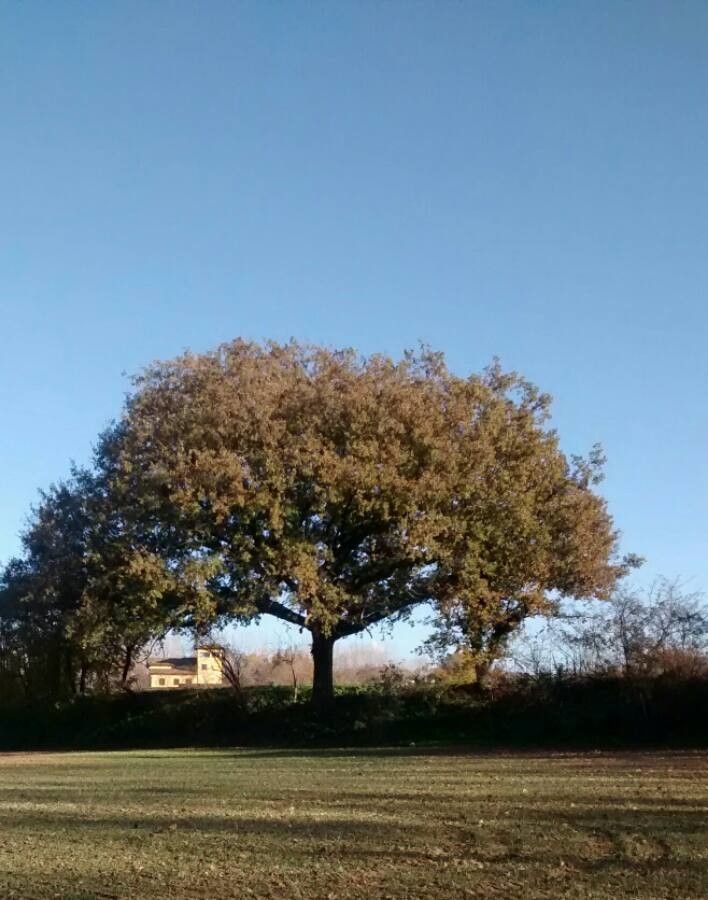
Downy oak (Quercus pubescens, )
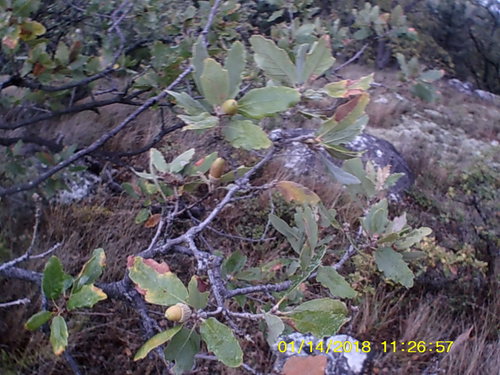
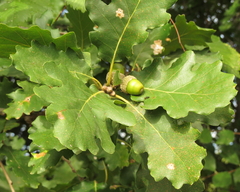
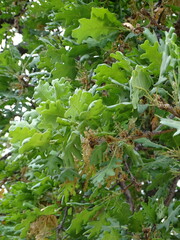
Downy oak (Quercus pubescens) is a warmth-loving deciduous tree in the Fagaceae family, ranging from the Mediterranean region to the Caucasus and Anatolia. Fine hairs cover its young leaves and twigs, its acorns lack stalks, and its dead leaves often remain attached through much of winter.
Read moreDowny oak, Italian oak and Pubescent oak


© photo
Михаил Орлов · cc-by
Gianni Del Bufalo bygdb · cc-by
Grzegorz Grzejszczak · cc-by-sa
Taken Jan 27, 2022 by Georg Jurceka (cc-by-sa)
Taken Sep 30, 2021 by Manu___ (cc-by-sa)
Taken Jun 4, 2020 by Alain Bigou (cc-by-sa)
Taken Sep 19, 2021 by Joaquin Calderón (cc-by-sa)
Taken Nov 15, 2021 by anna d' andrea (cc-by-sa)
© copyright of the Board of Trustees of the Royal Botanic Gardens, Kew.




Global distribution
Quercus pubescens ranges from central and southern Europe to northern Türkiye and the Caucasus, with a distinctly Mediterranean center. It dominates much open, warm woodland in southern France and extends northward locally through sheltered valleys.
- Native8
- France
- Italy
- Spain
- Switzerland
- Croatia
- Türkiye
- Georgia
- Poland
Hexagons: regions where the plant occurs. Green dots: native range.1
Identity
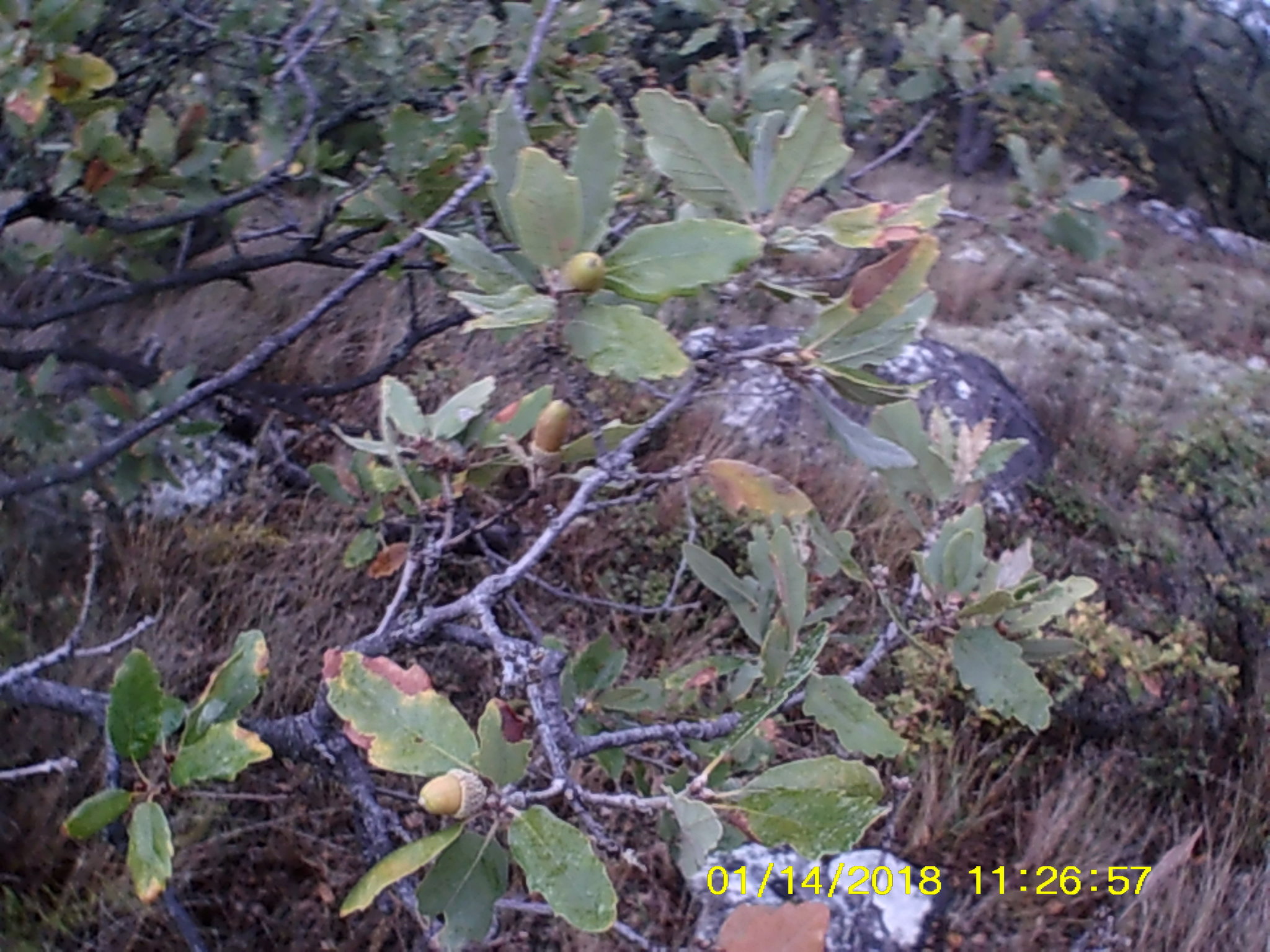
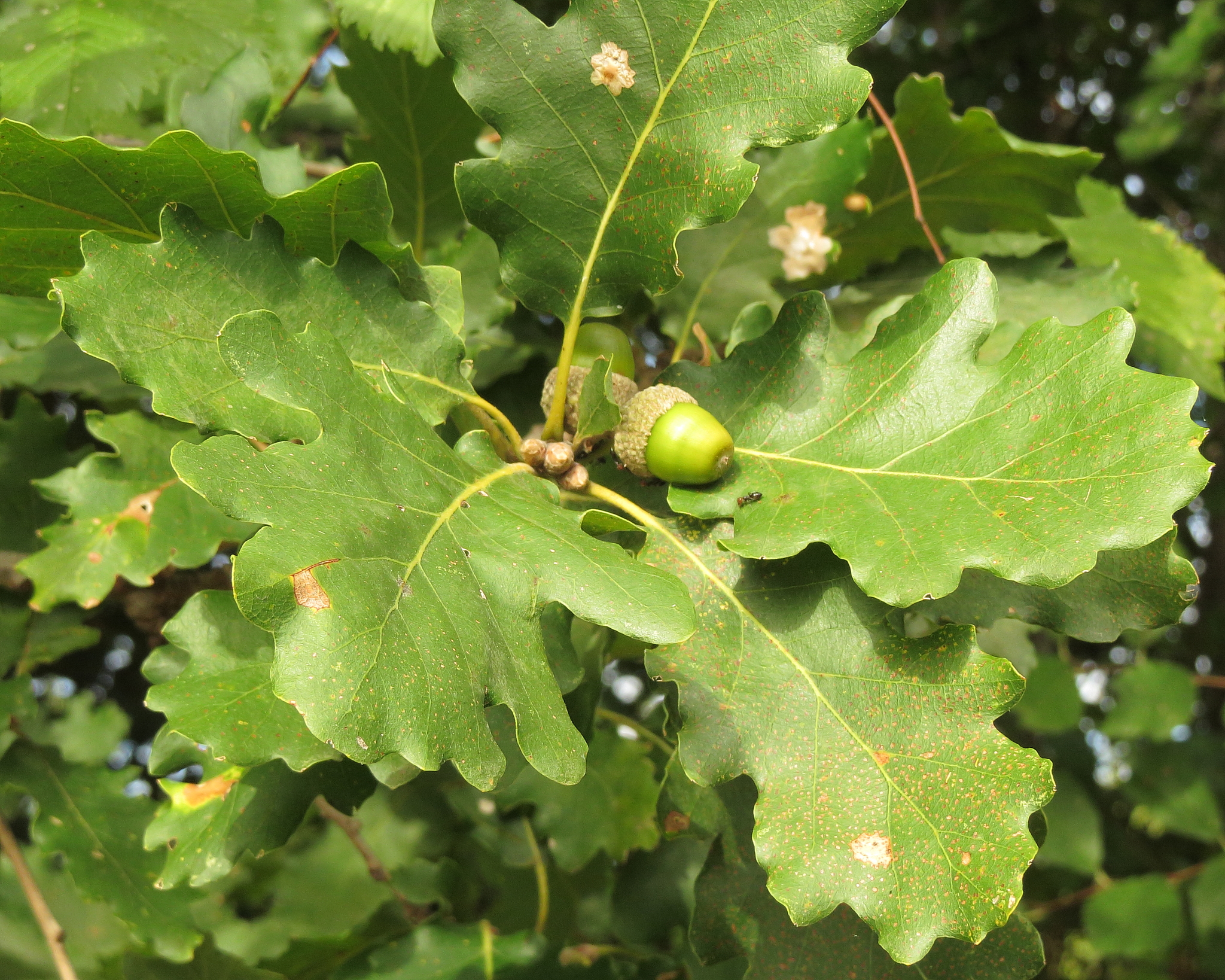
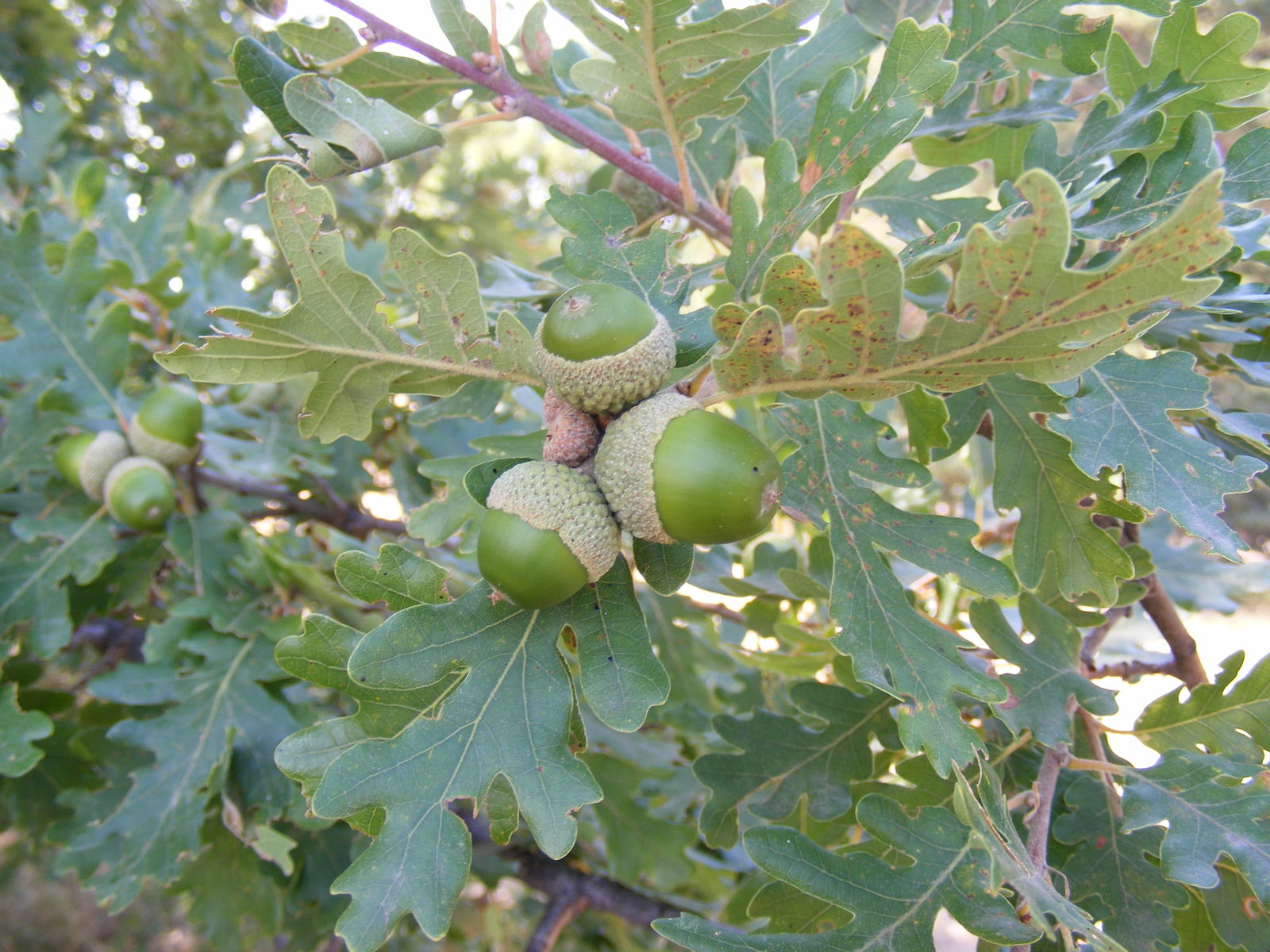
Downy oak (Quercus pubescens Willd., 1796) combines two useful identification features: stalkless acorns, 1.5–2.5 cm (0.6–1 in) long, sitting directly against the twig, and marcescent foliage, with dead leaves retained until the following spring, especially on young shoots. Fine grayish down on young leaves and twigs confirms the identification by touch. No single feature settles identification on its own, but together they distinguish it from English oak and sessile oak, its two common relatives in France. 1 5
This deciduous member of the genus Quercus belongs to the Fagaceae family. Italian oak and pubescent oak are other established English names. The Latin epithet pubescens describes the short, soft down reflected in the name Downy oak. Regional French names referring to a white oak of Provence should not be confused with the American white oak, Quercus alba, a different species despite the shared wording.
In Provence, Lozère and Ardèche, the Occitan name blacàs survives through derived place names and surnames such as Blachère and Blaquière. These names record the long-standing presence of this oak in those landscapes. 6
Recognition
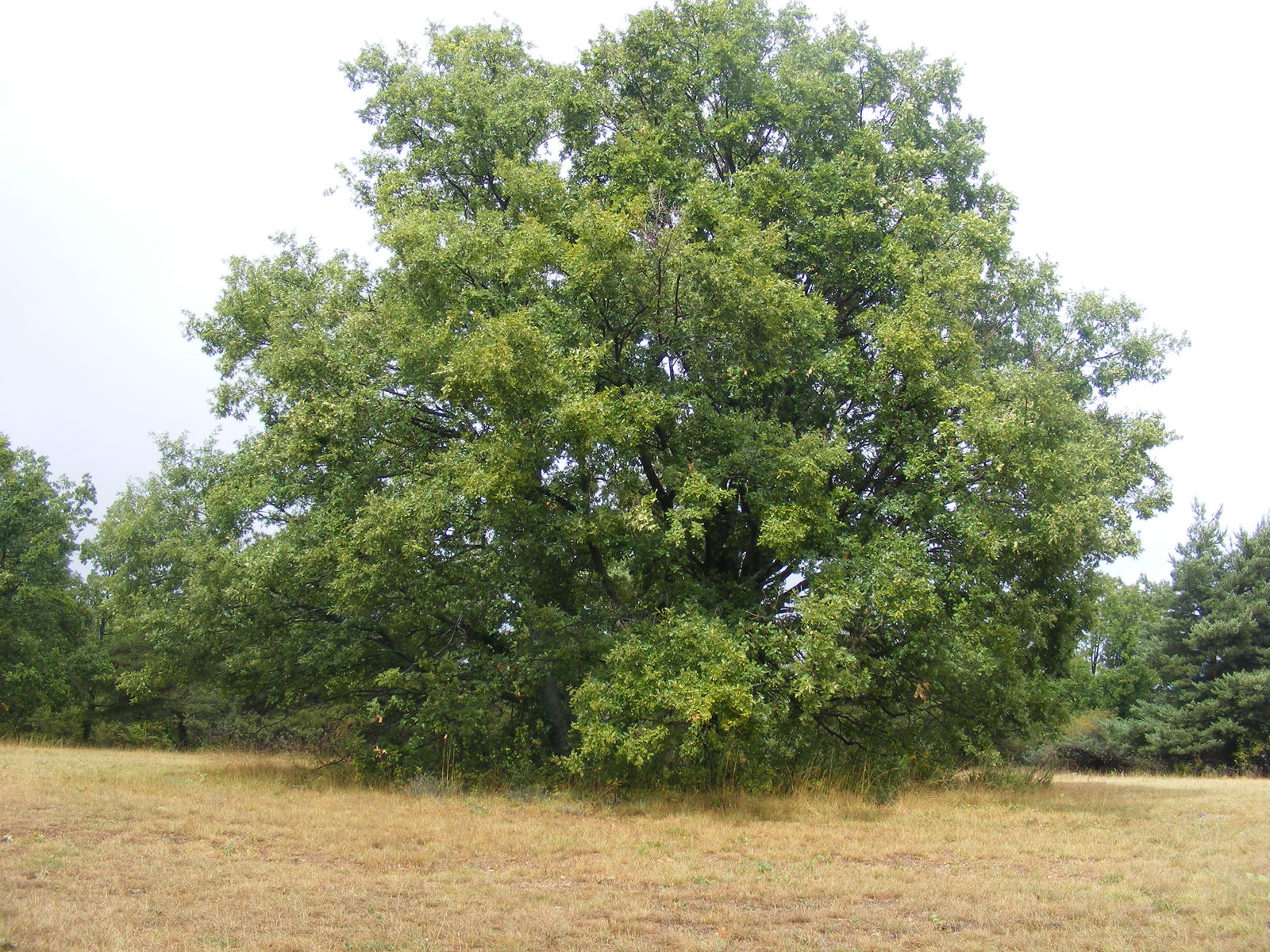
A stocky trunk and irregular outline give Quercus pubescens a more twisted appearance than English oak or sessile oak. Depending on exposure, it commonly reaches 10–20 m (33–65 ft) and rarely exceeds this height. Its often crooked trunk develops grayish bark that cracks into irregular plates with age. 2 4
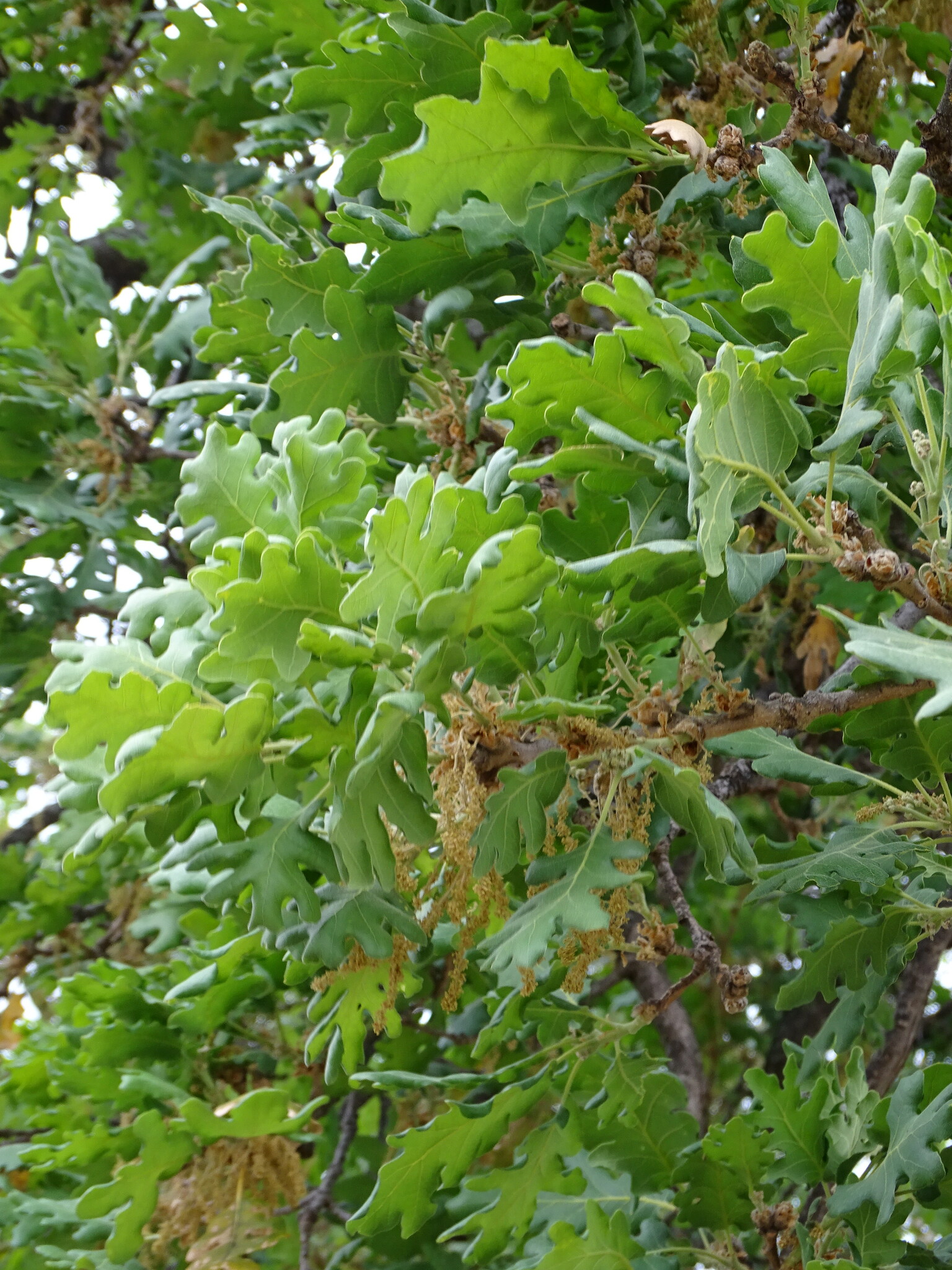
Leaves measure 6–9 cm (2.4–3.5 in) long, with smooth upper surfaces and fine grayish down beneath. This down remains a useful feature through the growing season and can be checked by touch. Marcescence keeps dead leaves on the twigs for much of winter rather than shedding them in autumn, a particularly clear seasonal feature on young trees. 5 2
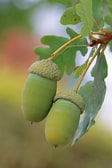
The sessile acorns, 1.5–2.5 cm (0.6–1 in) long, lie directly against the twig without a visible stalk. A cup covered in closely packed grayish scales encloses about one-third of each acorn. The fruits ripen in autumn. 2
Useful taxonomy
Willdenow described Quercus pubescens Willd. in 1796. It belongs to the European white oak complex alongside English oak and sessile oak. It readily hybridizes with both, producing fertile offspring. Frequent hybridization accounts for considerable variation in shape and sometimes makes strict field identification difficult. 1 4
The following related names require interpretation in the context of the flora being used:
- Quercus virgiliana (Ten.) Ten., a related name
- Quercus crispata Steven, another name in the complex
- Quercus robur subsp. pubescens Douin, a subspecific name
- Quercus pubescens var. sierrana G.S.Bunting, a varietal name
Some botanists treat these taxa as distinct species, while others recognize regional forms within the downy oak complex. The accepted scientific name Quercus pubescens remains the stable reference when comparing these different treatments. 1
Habitat and range
Central and southern Europe, northern Türkiye and the Caucasus make up the range, with its strongest concentration around the Mediterranean. The species dominates much warm, open woodland in southern France. Sheltered limestone slopes also support isolated sites farther into central Europe, reaching Poland at the northern limit. 4 6
Downy oak mainly occupies dry limestone slopes, Mediterranean scrub and open woodland, from sea level to around 1,300 m (4,265 ft), depending on the region. It is light-demanding and warmth-loving, tolerates dense shade poorly and favors free-draining soils. These are often shallow or stony sites where most other oaks struggle to establish. 4
Life cycle and reproduction
Drooping male catkins and inconspicuous female flowers appear in spring. Pollination is by wind, as is usual in the Fagaceae. Acorns mature within one growing season and fall in autumn, but substantial crops generally begin only at 15–25 years, depending on soil and climate. 2
Cultivated trees are propagated almost exclusively from seed. Acorns need sowing fresh, soon after they fall, because drying rapidly reduces their ability to germinate. Under natural conditions, rodent predation is the main factor limiting successful establishment from seed. 3
Individual trees can live for more than five centuries, comparable with other large European oaks. This longevity explains the presence of ancient isolated specimens in the Mediterranean countryside. 5
Uses and risks
Downy oak wood is lower in quality than English oak or sessile oak timber and is used mainly as firewood. The species is highly valued for reforestation because of its drought and fire resistance, and for truffle production. Its roots form a mycorrhizal partnership with the Périgord black truffle fungus, as do holm oak and sessile oak. 4 3
No human risk is known for this species. Acorns and young leaves contain hydrolyzable tannins (gallotannins) that can cause digestive problems and kidney damage in cattle after large intakes. This effect is documented for the genus Quercus generally rather than uniquely for Downy oak. Horses are affected to a lesser extent, especially after repeated consumption of acorns or young shoots over several days. 7
Varieties, look-alikes and related plants
Boundaries within the downy oak complex remain unsettled. Quercus virgiliana and Quercus crispata are treated either as full species or as regional forms of the same complex, depending on the flora. Abundant natural hybridization among European white oaks accounts for much of this taxonomic uncertainty, rather than a fundamental inability to recognize typical trees in the field. 1
Two closely related species cause the most frequent confusion with Downy oak:
- Quercus robur has acorns on long stalks and leaves that are hairless at maturity;
- Quercus petraea also has hairless leaves, with longer leaf stalks and none of the characteristic down.
Natural hybrids between these species can show intermediate features that blur familiar distinctions. On typical specimens, down on the young leaves and twigs combined with stalkless acorns separates Downy oak from these two relatives. Their mature leaves are hairless rather than downy, so examining foliage together with fruit is more useful than relying on an isolated leaf.
Main sources
- Plants of the World Online / Kew, Quercus pubescens Willd.
- Missouri Botanical Garden, Quercus pubescens
- Plants For A Future, Quercus pubescens
- EUFORGEN, Quercus pubescens distribution and genetic resources
- Tela Botanica, Quercus pubescens Willd.
- INPN / MNHN, Quercus pubescens Willd., 1805 (cd_nom 116751)
- Merck Veterinary Manual, Quercus poisoning in animals
Frequently asked questions
Why does Downy oak keep its leaves in winter?
This is marcescence: dead leaves remain attached rather than falling in autumn, often until buds open the following spring. It is especially marked on young trees and lower branches.
Is Downy oak poisonous?
There is no known human risk. Acorns and young leaves contain tannins that can cause digestive upset in cattle and horses after large intakes, a problem documented for Quercus generally.
How can I distinguish Downy oak from English oak?
Acorns are the most reliable clue: stalkless in Downy oak, on long stalks in English oak. Down on young leaves and twigs provides a second clue, absent from mature English oak foliage.
Why is Downy oak associated with truffles?
Its roots form a mycorrhizal partnership with the Périgord black truffle fungus, as do holm oak and sessile oak. Most inoculated truffle trees sold by nurseries are this species or a related oak.
Can Downy oak grow outside a Mediterranean climate?
Its range extends well beyond the Mediterranean into central Europe, reaching Poland at its northernmost sites. Sheltered limestone slopes locally recreate warm, dry conditions.
Does Downy oak hybridize with other oaks?
Yes. It readily hybridizes with sessile oak and English oak, producing fertile offspring. Frequent hybridization creates substantial variation in shape that can complicate field identification.
Similar plants
If you are unsure about a plant’s toxicity, ask a botanist or veterinarian for advice.