
Indian acalypha (Acalypha indica, )
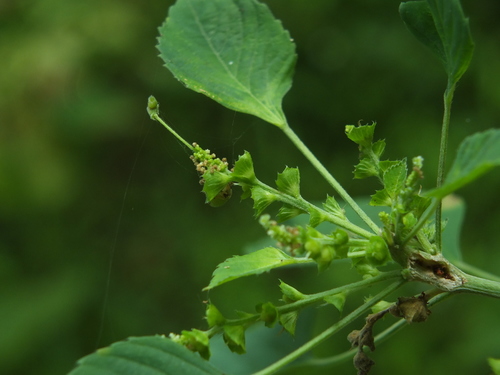
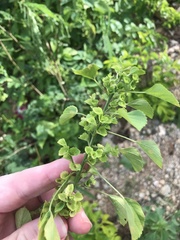

Indian acalypha (Acalypha indica) is an annual herb in the Euphorbiaceae, widespread across the tropics. It is best known for the powerful attraction its roots exert on domestic cats and its traditional uses in Asia and the Indian Ocean islands. Upright stems, toothed oval leaves and slender axillary flower spikes identify this common weed of disturbed ground.
Read moreIndian acalypha, Indian nettle and Indian copperleaf
Allow a few hours of direct sun per day, preferably morning or evening.
Full sun to light partial shade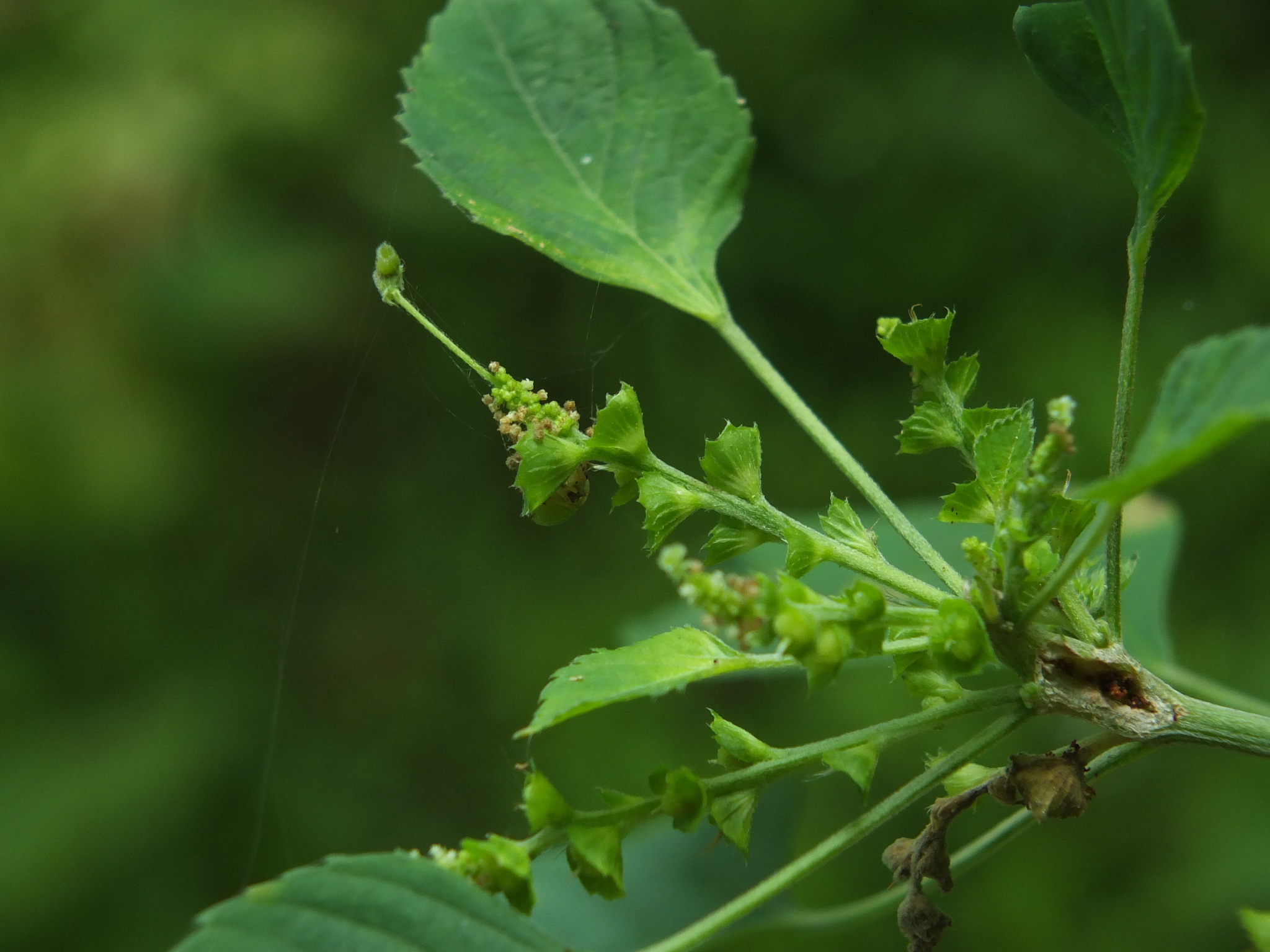


© photo
(c) Siddarth Machado, some rights reserved (CC BY), uploaded by Siddarth Machado · cc-by
Mason Brock · cc0
Wikimedia Commons · CC BY-SA or Public Domain
Taken Feb 2, 2018 by huy HO (cc-by-sa)
© copyright of the Board of Trustees of the Royal Botanic Gardens, Kew.




Global distribution
The native range of Acalypha indica extends from Eritrea to southern Africa and through the Arabian Peninsula to tropical and subtropical Asia. It is widely introduced and naturalized elsewhere in the tropics, including several French overseas territories, where traditional uses have produced distinctive local names.
- Native4
- Introduced5
- Tropical and southern Africa
- Arabian Peninsula
- India
- Southeast Asia
- Réunion
- Guadeloupe
- Mauritius
- Seychelles
- Hawaii
Hexagons: regions where the plant occurs. Green dots: native range.1
Identity
Indian acalypha (Acalypha indica L., 1753) is an annual herb in the genus Acalypha, family Euphorbiaceae, subfamily Acalyphoideae. The genus contains several hundred species. This otherwise modest weed has one striking feature: its roots strongly attract domestic cats, an effect investigated by researchers in Australia. 1 3
Names associated with this plant reflect its long presence in tropical communities. Indian nettle refers to its nettle-like foliage, while French and Creole names recorded in overseas territories refer to cats. Indian copperleaf is another English name. Its reputation centers on these animal responses and traditional uses rather than ornamental foliage. 4
Recognition
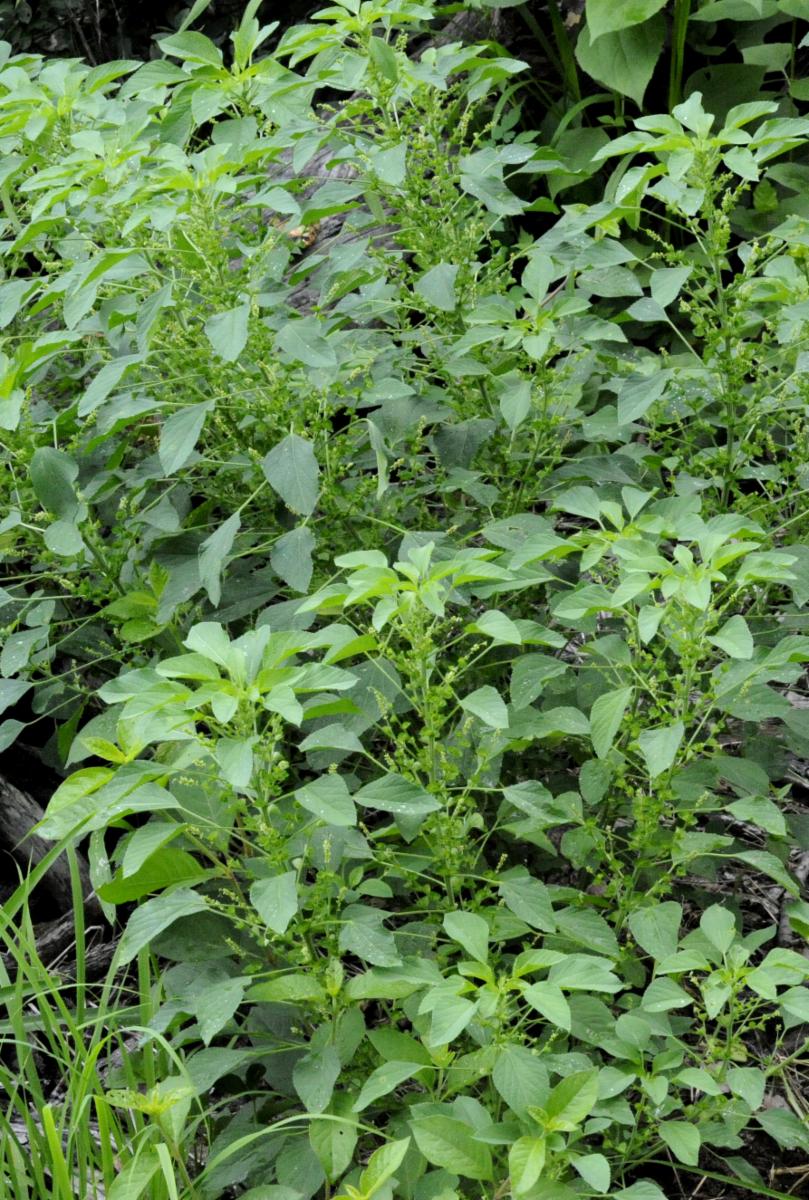
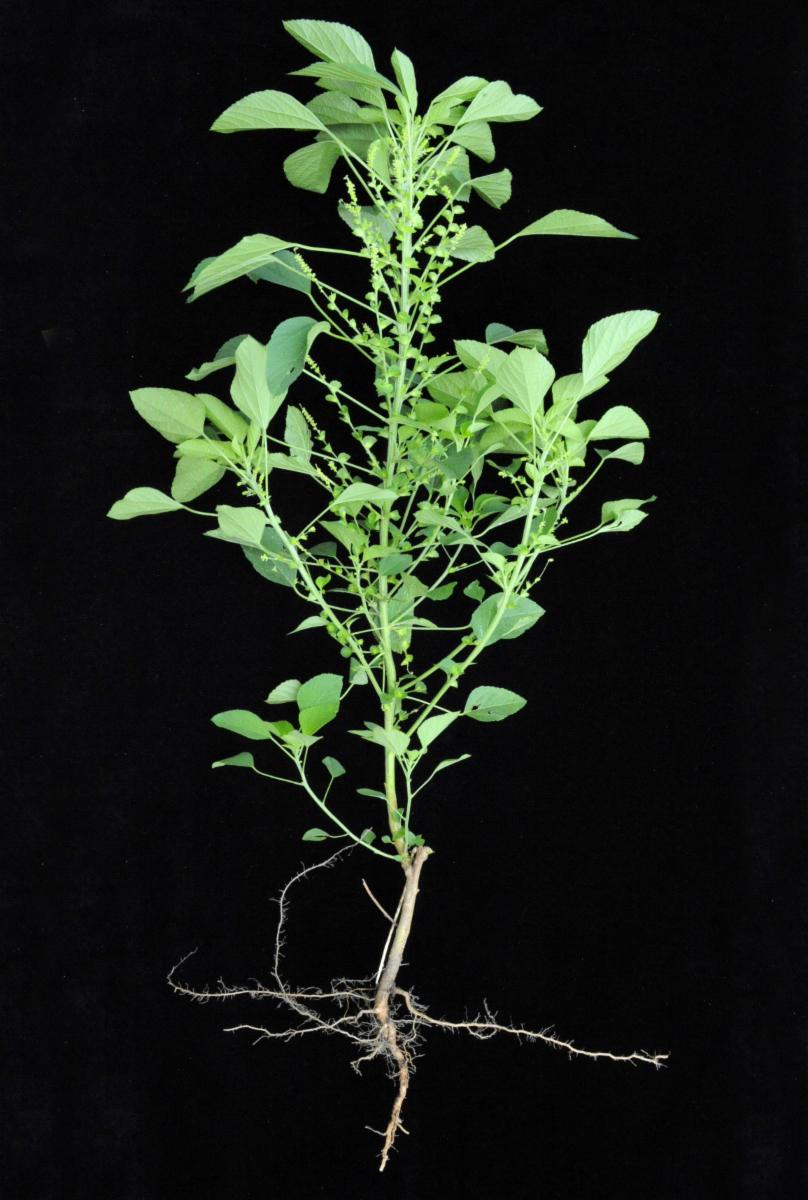
Upright, finely hairy, ridged stems usually remain below 1 m (3.3 ft), although plants on rich, well-watered soil can exceed 1.2 m (4 ft). Oval leaves have toothed margins and fairly long stalks. Several conspicuous veins radiate from the base of each leaf blade, giving another useful feature when examining a nonflowering plant. 1 3
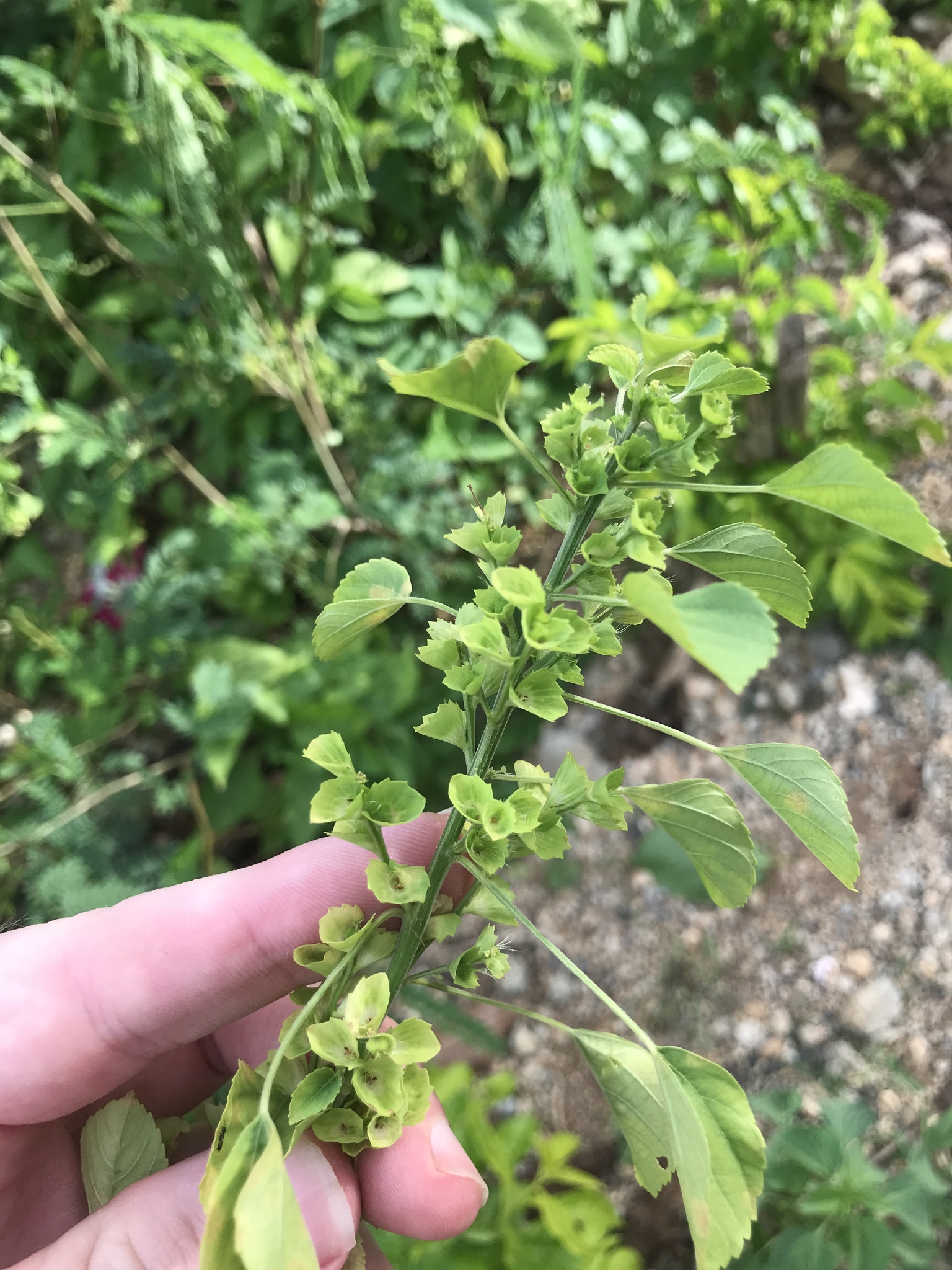
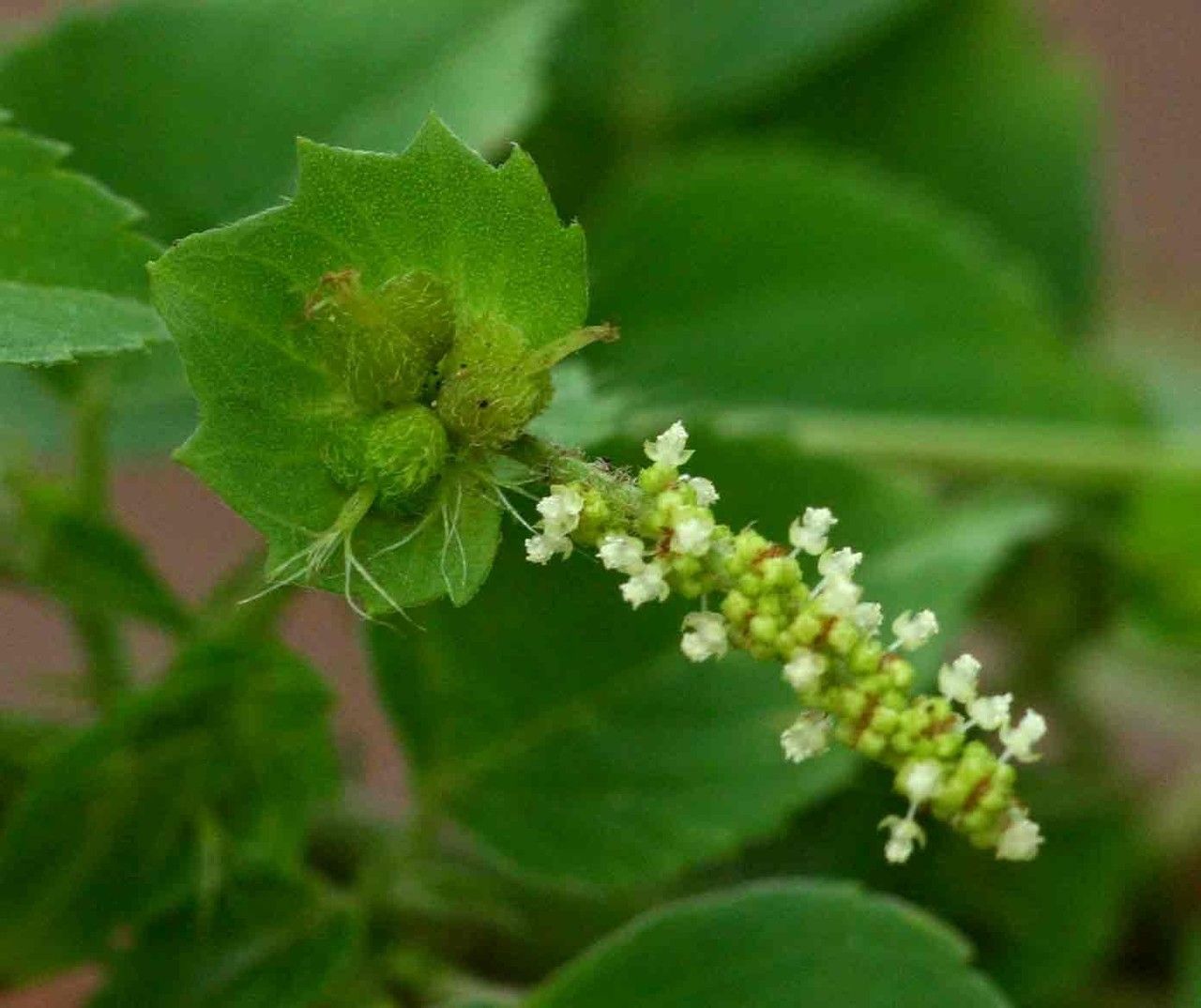
Flower spikes provide a more dependable identification feature than height or leaf shape alone. Slender, catkin-like spikes arise in the leaf axils, carrying tiny male and female flowers on the same plant. Cup-shaped bracts surround the flowers. The resulting three-lobed capsule is hairy and covered with small bumps, largely concealed by those same bracts. 3 8
A cat scratching around the base or chewing the root may draw attention to a plant before its flowers do. The root itself looks unremarkable, yet its chemical attraction can make it the most conspicuous part of Indian acalypha's presence in a garden. 6
Useful taxonomy
Botanical references accept Acalypha indica L., published in 1753. Historical names include Ricinocarpus indicus, Cupamenis indica, Acalypha somalensis, Acalypha chinensis and Acalypha spicata. These may still appear in older books or regional databases, so the current binomial is the most dependable reference when comparing records. 1 2
Several hundred tropical and subtropical species make Acalypha one of the larger genera in the Euphorbiaceae. That diversity creates many similar-looking field plants. Small herbs and shrubs with toothed leaves and catkin-like spikes can look alike at first glance; the details of their inflorescences help distinguish them. 3
Habitat and range
From Eritrea southward across Africa and eastward through the Arabian Peninsula to tropical and subtropical Asia lies the species' native range. Indian acalypha has also been widely introduced and naturalized elsewhere in the tropics, as is common for a fast-growing annual of disturbed ground. 1
France's INPN records several French and Creole names for the plant, reflecting its established presence in overseas territories. Réunion is one such setting, where traditional uses of the root are documented. Those regional names describe a local history of use rather than a separate botanical species. 4
Waste ground, roadsides, cracks in walls, rubble, rocky slopes, forest edges and shaded riverbanks provide suitable habitat. The plant occurs from sea level to about 1,350 m (4,430 ft). Bare, disturbed soil near settlements favors establishment, whereas dense cover in undisturbed forest limits it. 1 3
Effect on domestic cats
Two root iridoids, isodihydronepetalactone and isoiridomyrmecin, account for Indian acalypha's attraction to many domestic cats. The behavioral response is often described as more intense than the response to catnip. The effect concerns compounds in the root rather than an ornamental feature of the leaves or flowers. 6
Researchers on Australia's Christmas Island investigated Indian acalypha roots as a possible bait for controlling feral cats. The attraction did not translate into a lasting field tool: the active compounds deteriorated too quickly to remain effective in a trap for more than a few days. 6
Cat-related names in several South and Southeast Asian languages reflect observations made long before the laboratory work. The root's appeal to cats was part of established local knowledge before Scaffidi and colleagues published their study in 2016, rather than a behavior discovered only through chemical analysis. 4
Traditional and medicinal uses
Southern India's Siddha tradition has used the whole plant and leaves for asthma, pneumonia, digestive complaints, skin wounds and snakebites. Indian pharmacopoeial accounts also described an expectorant use. The plant formerly appeared in the British Pharmacopoeia as a substitute for ipecacuanha; this historical listing does not establish a present-day home treatment. 8
Root analysis reveals abundant phenolic compounds, flavonoids and more than a hundred molecules detected by modern analytical methods. In laboratory animals, a high-dose root extract reduced a blood marker of inflammation, documenting measurable antioxidant and anti-inflammatory activity. These findings identify pharmacological potential, rather than a treatment regimen suitable for unsupervised use. 8
Young shoots are sometimes eaten as a vegetable in Africa and India. That practice requires caution because the plant contains alkaloids and the cyanogenic glycoside acalyphine. A history of food use does not justify casual foraging without dependable identification or knowledge of the risks. 8
Toxicity and look-alikes
The ASPCA's reference list does not name Acalypha indica among plants toxic to cats. Absence from that list does not demonstrate safety, particularly after a large ingestion. A dedicated veterinary monograph is lacking, so the strong attraction of the roots should not be treated as proof that eating them is harmless. 5
Human poisoning reports identify a particular vulnerability: unrecognized glucose-6-phosphate dehydrogenase (G6PD) deficiency. Two clinical cases describe acute hemolysis and methemoglobinemia after a mother and child ate a salad of fresh leaves. Both recovered after a week in hospital, with transfusions and oxygen therapy among the treatments provided. 7
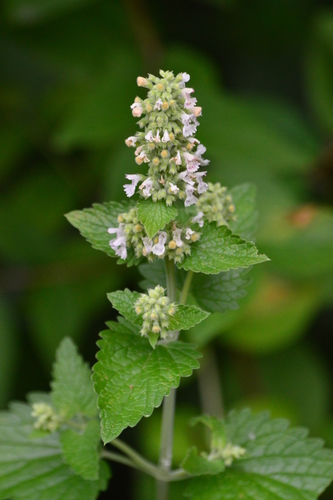
Other small Euphorbiaceae and toothed-leaved weeds can resemble Indian acalypha in the field. The most useful combination is a slender axillary, catkin-like spike together with a bumpy, three-lobed capsule. Checking both reproductive features is more dependable than identifying the plant from its general habit or leaf outline alone. 3
Main sources
- Plants of the World Online / Kew, Acalypha indica L.
- International Plant Names Index, Acalypha indica L.
- GBIF Backbone Taxonomy, Acalypha indica L.
- INPN, Acalypha indica L., 1753
- ASPCA, Toxic and Non-Toxic Plant List - Cats
- Scaffidi et al. 2016, Identification of the cat attractants isodihydronepetalactone and isoiridomyrmecin from Acalypha indica
- Case reports, Acalypha indica induced acute oxidative haemolysis and methaemoglobinaemia
- Phytochemical profile and anti-inflammatory properties of Acalypha indica root extract
Frequently asked questions
Why are cats attracted to Indian acalypha?
Its roots contain the iridoids isodihydronepetalactone and isoiridomyrmecin. These trigger a catnip-like response in many cats, often described as even stronger.
Is Indian acalypha poisonous to cats and dogs?
The ASPCA does not list this species among plants toxic to cats. Large ingestions still call for caution because there is no dedicated veterinary monograph.
Can you eat Indian acalypha?
Young shoots are sometimes eaten as a vegetable in Africa and India, but the plant contains alkaloids and a cyanogenic glycoside. Foraging is not recommended without reliable identification and expert advice.
What are its traditional uses?
Roots and leaves have been used for asthma, digestive problems, skin conditions and snakebites, notably in Siddha medicine and several Indian Ocean islands. These are traditional uses, not treatment recommendations.
Where does Indian acalypha grow outside Asia?
It is native to tropical Africa and the Arabian Peninsula and introduced in many tropical territories, including Réunion, Guadeloupe, Mauritius, the Seychelles and Hawaii.
How can I identify Indian acalypha in a garden?
Look for an upright herb with toothed oval leaves and slender, catkin-like spikes in the leaf axils. Tiny flowers sit within cup-shaped bracts.
Is Indian acalypha considered invasive in France?
No. It occurs as an introduced weed in some French overseas territories but has no regulated invasive status in mainland France.
Similar plants
If you are unsure about a plant’s toxicity, ask a botanist or veterinarian for advice.