
Japanese anemone (Anemone × hybrida, )


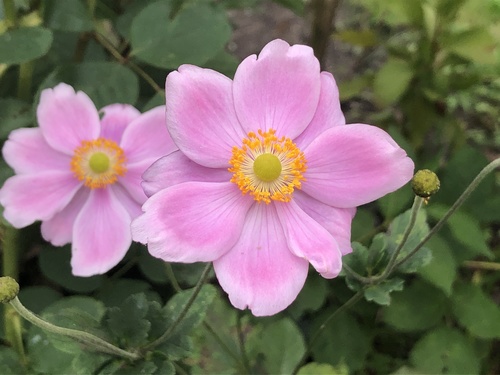
Japanese anemone (Anemone × hybrida) is a garden hybrid in the Ranunculaceae family, grown for white or pink flowers in late summer and fall. Often placed near Eriocapitella × hybrida in modern treatments, this clump-forming perennial brings height and light to moist, partly shaded borders.
Read moreJapanese anemone, Japanese anemone hybrid and Windflower
Give plenty of ambient light without direct sun on the leaves.
Bright partial shade or gentle sun; avoid dry summer soil.


© photo
Wikimedia Commons · CC BY-SA or Public Domain
Global distribution
Anemone × hybrida is treated here as a garden hybrid within the late-flowering Japanese anemone group. Botanical references connect this group with modern taxonomy around Eriocapitella × hybrida.
Identity
Japanese anemone (Anemone × hybrida Paxton, 1848) is a garden hybrid in the buttercup family, Ranunculaceae. It belongs to the familiar late-flowering anemones planted in perennial borders. Botanical references associate it with Anemone, although modern horticultural treatments also use Eriocapitella × hybrida. Both names refer to the same practical gardening context: a tall perennial grown for its late display. 1 2 3
The common name Japanese anemone covers several species, hybrids and cultivars. Japanese anemone hybrid is a more specific name for this group, while Windflower is a broader common name. Using the full scientific name distinguishes this hybrid from the wider collection of plants sold under the Japanese anemone name. 5 4
The multiplication sign × identifies a hybrid. It signals a horticultural entity rather than a separate wild species. Keeping that distinction visible helps connect a plant label with the appropriate growing advice, especially when different anemones occupy very different garden settings.
Horticultural taxonomy
Gardeners encounter overlapping names among late-flowering anemones. Some modern sources place this hybrid in Eriocapitella × hybrida, while nursery labels and older garden writing often retain Anemone × hybrida. Recognizing both names makes it easier to compare references without treating a change of genus as a different garden plant. 4 5
Classic cultivars include Honorine Jobert, September Charm, Queen Charlotte and Whirlwind. These are garden selections rather than separate species. Their differences concern flower color, height and single or semi-double flower form, features that matter when choosing a plant for a particular border. 8 7
A general reference to anemones can encompass the whole genus. A label that specifies Anemone × hybrida, however, identifies the hybrid group and should retain that precision. The scientific name carries information that a broad flower name alone cannot provide.
Florist anemones, wood anemones and hybrid Japanese anemones differ in their seasonal cycles and garden uses. The full name therefore has a practical purpose: it prevents advice for a spring woodland flower or a florist crop from being applied to a late-flowering border perennial. 5
Recognition
A clump of divided leaves supports tall flower stems in late summer and fall. Flowers may be white, pink or mauve, usually with a conspicuous yellow center. The contrast between leafy growth below and open flowers above gives the plant its airy appearance. 4 8
Although the stems look delicate, their development depends on moisture at the roots. Dry summer soil can cause buds to abort or leave flower stems short. Heavy, saturated soil also weakens the crown. Moisture with drainage is the useful balance, rather than either persistent waterlogging or dry ground. 7
Rhizomes allow some established clumps to spread beyond their original planting position. This can fill a generous border effectively, but it may crowd a small bed. Leaving a clear space around the clump makes its extent easier to see and manage.
White-flowered selections suit pale planting schemes, but the hybrid group also includes soft pinks and mauves. Flower color depends on the cultivar, whereas the need for moist soil and the late flowering season broadly unite the group. Choosing by the cultivar name is more reliable than assuming every Japanese anemone is white. 7 8
Growing for fall flowers
Bright partial shade or gentle sunlight suits this hybrid best. More sun is possible where soil stays moist. A position beside deciduous shrubs or at the edge of a damp but well-drained border generally offers better conditions than a dry, hot, south-facing site in the Northern Hemisphere. 7 8
Maintain watering while flower buds develop. A clump allowed to dry out during the local summer may produce a poor fall display. A light mulch, mature compost and low-growing companion perennials help keep conditions around the crown more even.
Divide established clumps sparingly. A young plant that has been moved may take time to resume good flowering. Choosing a suitable site at the outset reduces disturbance; division is more appropriate once a clump is strong or has outgrown its allotted space. 7
Low foliage can conceal the base while the flower stems rise behind it. Hardy geraniums, ferns, heucheras and loose grasses serve this purpose in mixed borders. The anemone then contributes height late in the season without leaving a conspicuously bare base.
Consider late-season light as well as midsummer conditions. Deep shade can produce weak stems and few buds, while dry summer sun can interrupt flowering. Light partial shade, with moist rather than sodden soil, keeps the late flowers visible after many other perennials have finished. 7
Toxicity
Fresh tissues can release protoanemonin when damaged or crushed, as in many members of Ranunculaceae. This irritating compound affects skin and mucous membranes and can cause digestive symptoms if plant material is swallowed. 6
Treat the hybrid as moderately toxic to animals and sensitive people. It is an ornamental plant, not a food crop. Cats, dogs and horses should not chew its leaves, stems or flowers, even though an intact garden clump does not require an alarmist response. 6 4
Ordinary gardening precautions help reduce exposure: wear gloves if sap irritates the skin, collect cut material and prevent children from tasting the flowers. Keep divisions and discarded stems away from animals that might investigate them.
The greatest opportunity for sap contact occurs during division, pruning or removal, when fresh tissues are injured. Avoid prolonged skin contact and prevent ingestion. These precautions fit the everyday handling of an ornamental perennial while recognizing the irritant properties of its damaged tissues. 6
Role in white-flower planting
White-flower planting schemes often use this hybrid to identify a specific late-flowering anemone, frequently Honorine Jobert or a similar white selection. Its contribution combines a late season, tall stems, a preference for moist partial shade and the handling precautions appropriate to Ranunculaceae. 1 7
The full hybrid name remains useful when comparing it with other anemones. It preserves the horticultural identity and makes clear that the planting advice concerns this fall-flowering group. A cultivar label then supplies the final detail needed to choose white, pink or semi-double flowers.
Main sources
- North Carolina Extension Gardener Plant Toolbox, Eriocapitella × hybrida (previously Anemone × hybrida)
- World Flora Online Plant List, Anemone hybrida Paxton (unplaced name, June 2026 snapshot)
- International Plant Names Index, Anemone × hybrida Paxton
- Wikipedia EN, Eriocapitella × hybrida
- Wikipedia EN, Japanese anemone
- Wikipedia EN, Protoanemonin
- Royal Horticultural Society, Anemone × hybrida plant profile
- Better Homes and Gardens, Japanese anemone
Frequently asked questions
Is Japanese anemone a wild species?
It is treated here as a garden hybrid associated with Japanese anemones, rather than as a wild species.
Why distinguish this hybrid from anemones in general?
This late-flowering hybrid has its own growing needs, height and flowering season, which differ from those of anemones as a whole.
Is Japanese anemone poisonous?
Treat it with the caution appropriate to Ranunculaceae. Damaged or ingested fresh tissues can release irritating protoanemonin.
Will it flower in shade?
It can flower in light shade, but dense shade reduces flower stems and blooming.
Can it spread too far?
Rhizomes can spread in moist soil, but division or selective removal usually keeps the clump under control.
Which cultivars are common?
Honorine Jobert, September Charm, Queen Charlotte and Whirlwind are classic names among hybrid Japanese anemones.
Similar plants
If you are unsure about a plant’s toxicity, ask a botanist or veterinarian for advice.