
Hemp (Cannabis sativa, )
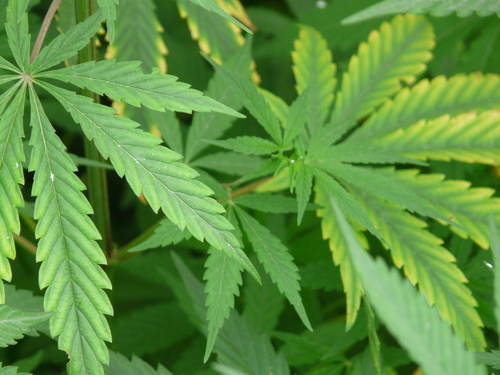
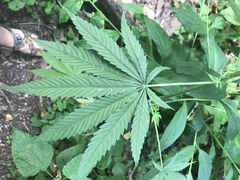
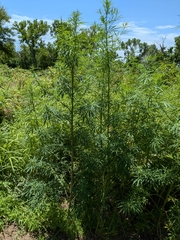
Hemp (Cannabis sativa) is an annual herb in the Cannabaceae of Asian origin. Palmate leaves and wind-pollinated flowers characterize a species cultivated for fiber, seed and oil, with low-THC industrial forms and regulated THC-rich types.
Read moreHemp, Cannabis and Industrial hemp


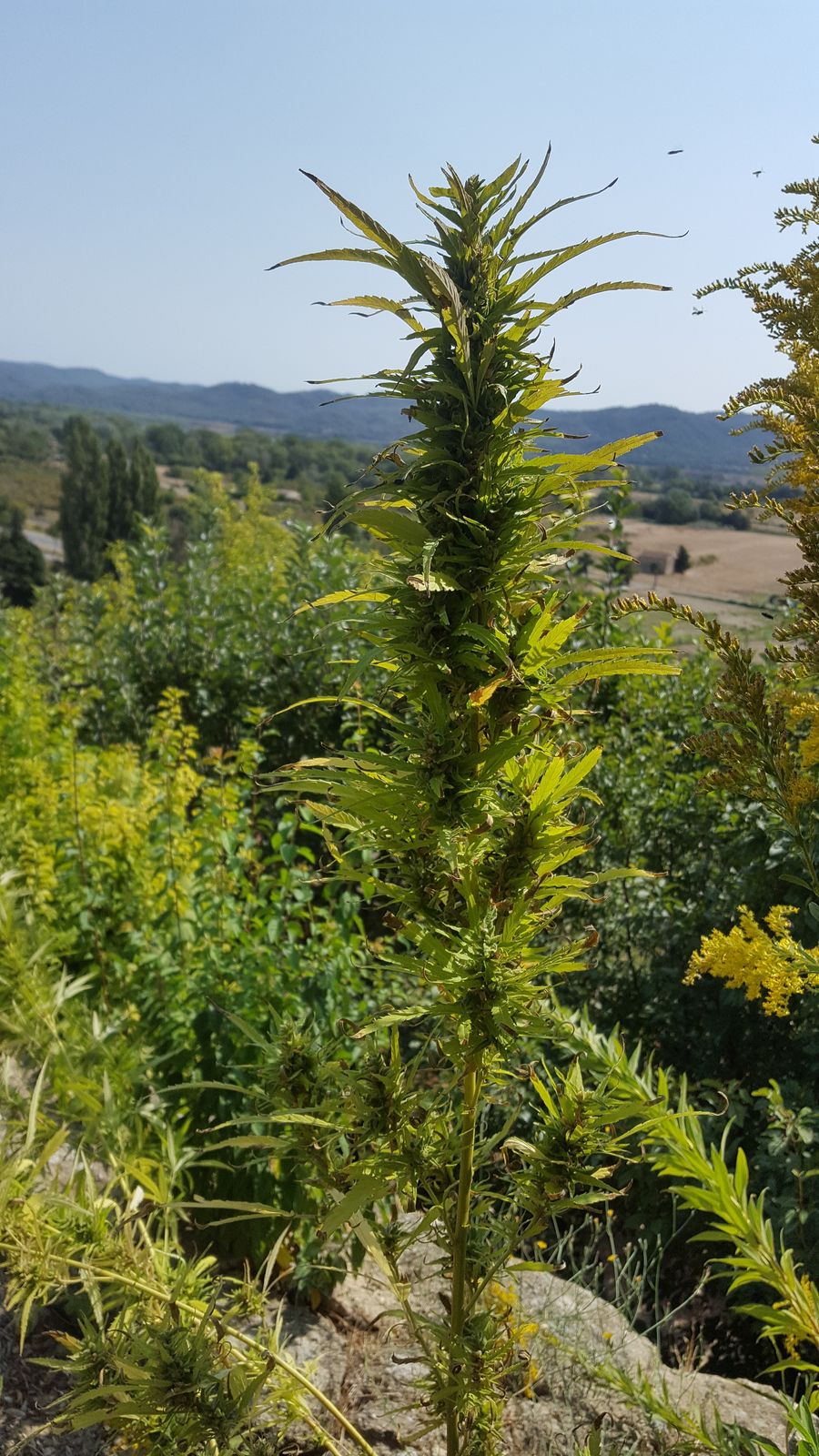
© photo
(c) Dinesh Valke, some rights reserved (CC BY-NC-SA) · cc-by-nc-sa
Sarah Holmes · cc0
Mark G · cc0
Taken Sep 8, 2015 by Tela Botanica − fanny truteau (cc-by-sa)
Taken May 15, 2011 by Photoflora - Jean-Jacques HOUDRE (©)
Taken Aug 6, 2009 by EOL − Pavel Šinkyřík (public)
Taken Nov 27, 2016 by Agos Loperfido (cc-by-sa)
Taken Sep 25, 2016 by Tela Botanica − _ (cc-by-sa)
© copyright of the Board of Trustees of the Royal Botanic Gardens, Kew.






Global distribution
Cannabis sativa is a cultivated crop of Asian origin, with an ancestral range associated with Central Asia from Xinjiang to Pakistan. Domesticated very early, it spread throughout temperate regions for fiber and seed. Records concern sown plants or local escapes rather than a strictly spontaneous flora.
Identity
Hemp (Cannabis sativa L., 1753) is an annual herb in the Cannabaceae. It is the sole species currently accepted in the genus Cannabis and one of the oldest domesticated plants, cultivated for millennia for fiber, seeds and products derived from them. 1 2
One botanical species underlies two distinct uses. Industrial hemp, low in psychoactive compounds, supplies textile fiber, hempseed and oil. Types rich in THC, the principal psychoactive cannabinoid, are associated with drug use and subject to controls that differ by jurisdiction. Cannabinoid content and selection for use, rather than separate botanical species, distinguish these crops. 3 7
Recognition
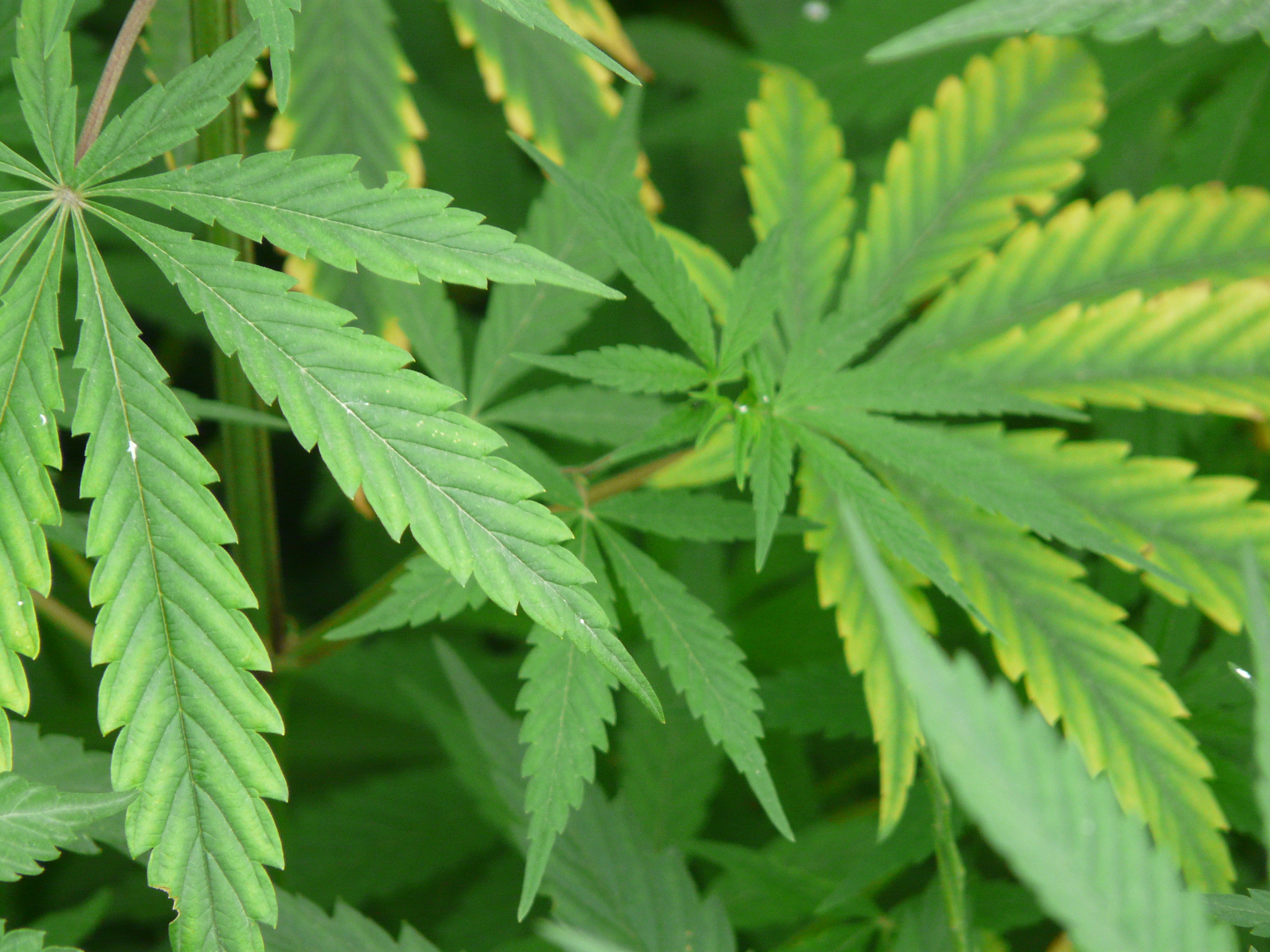
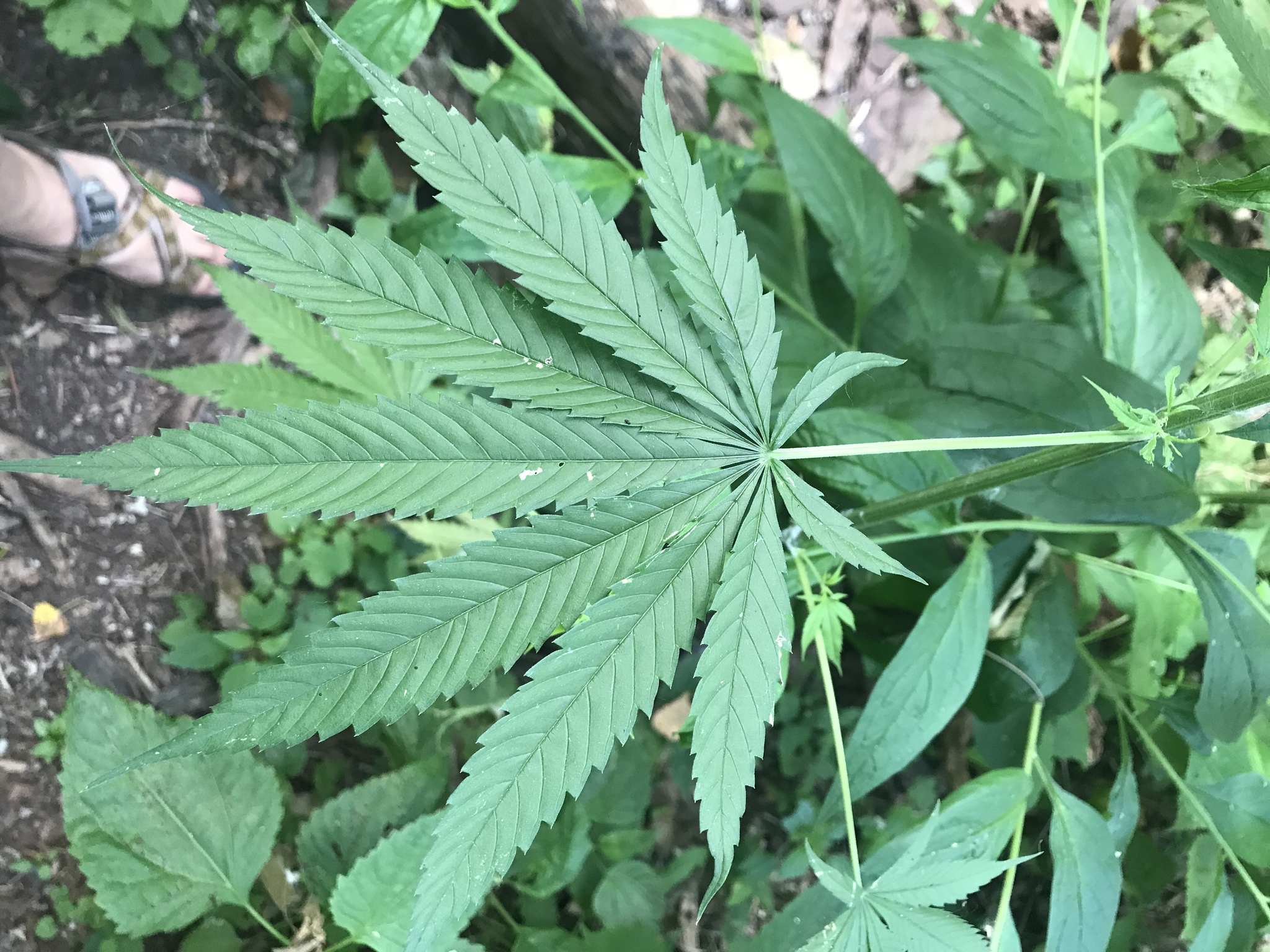
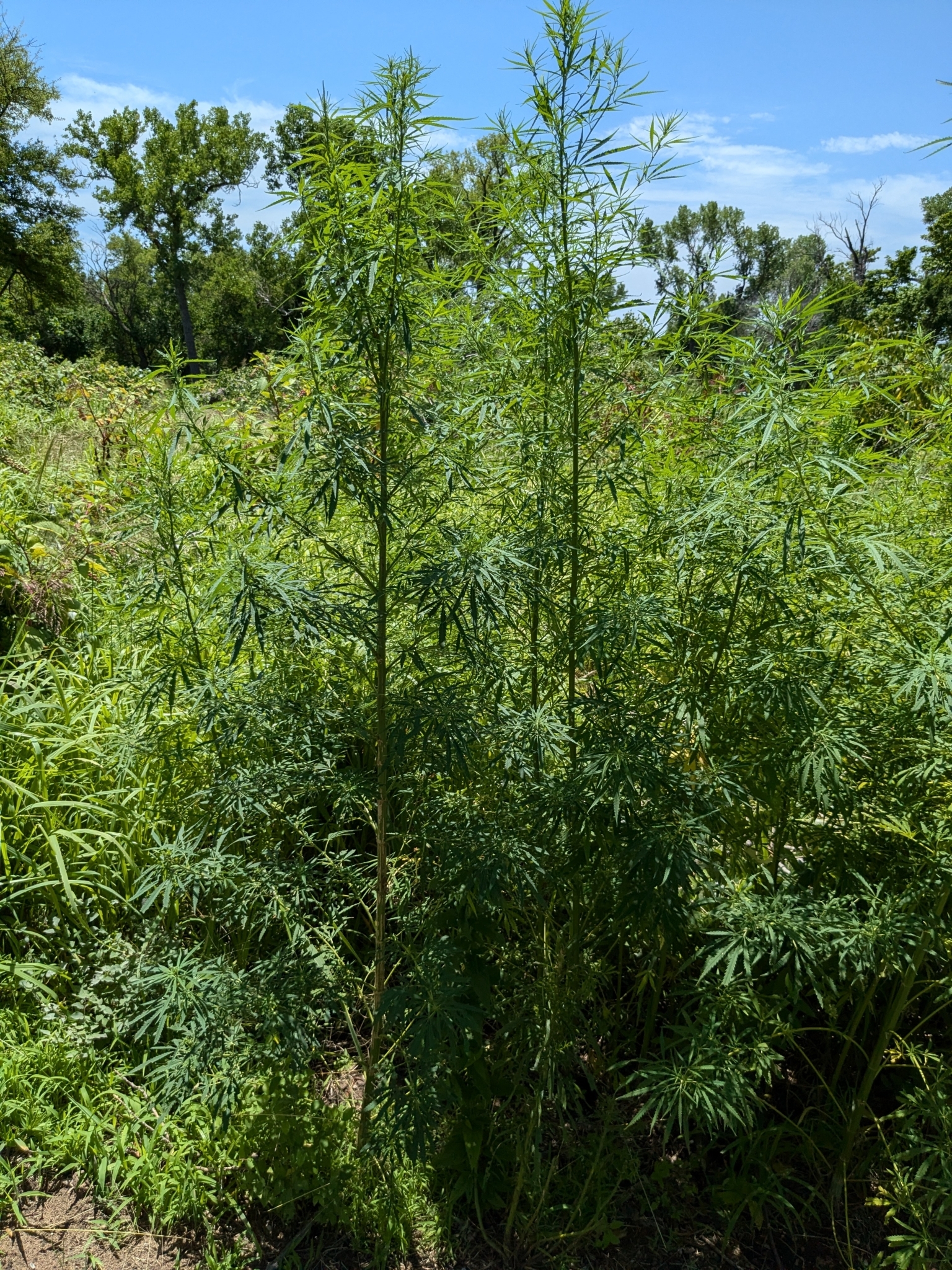
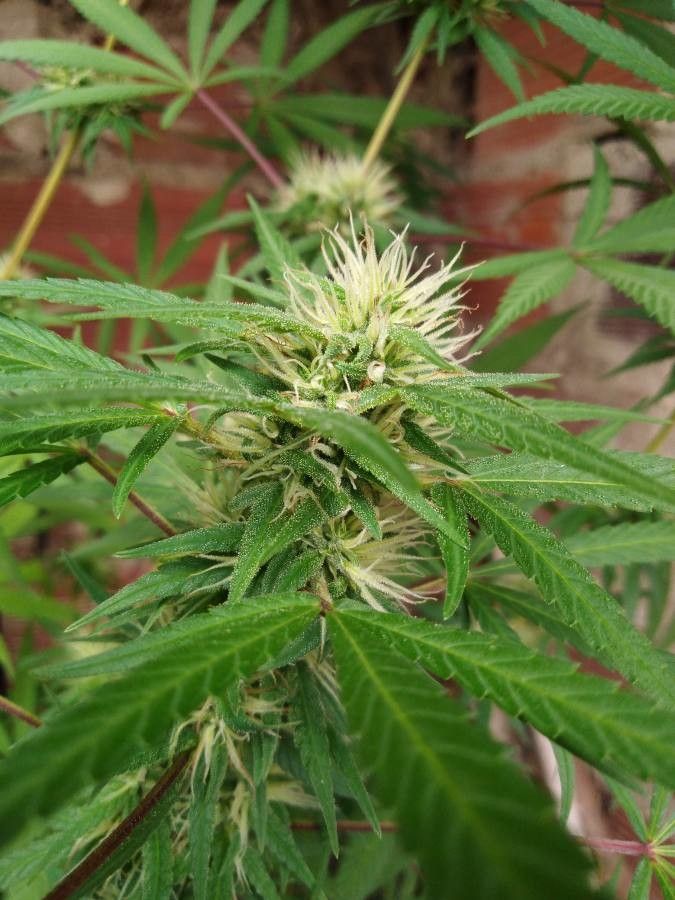
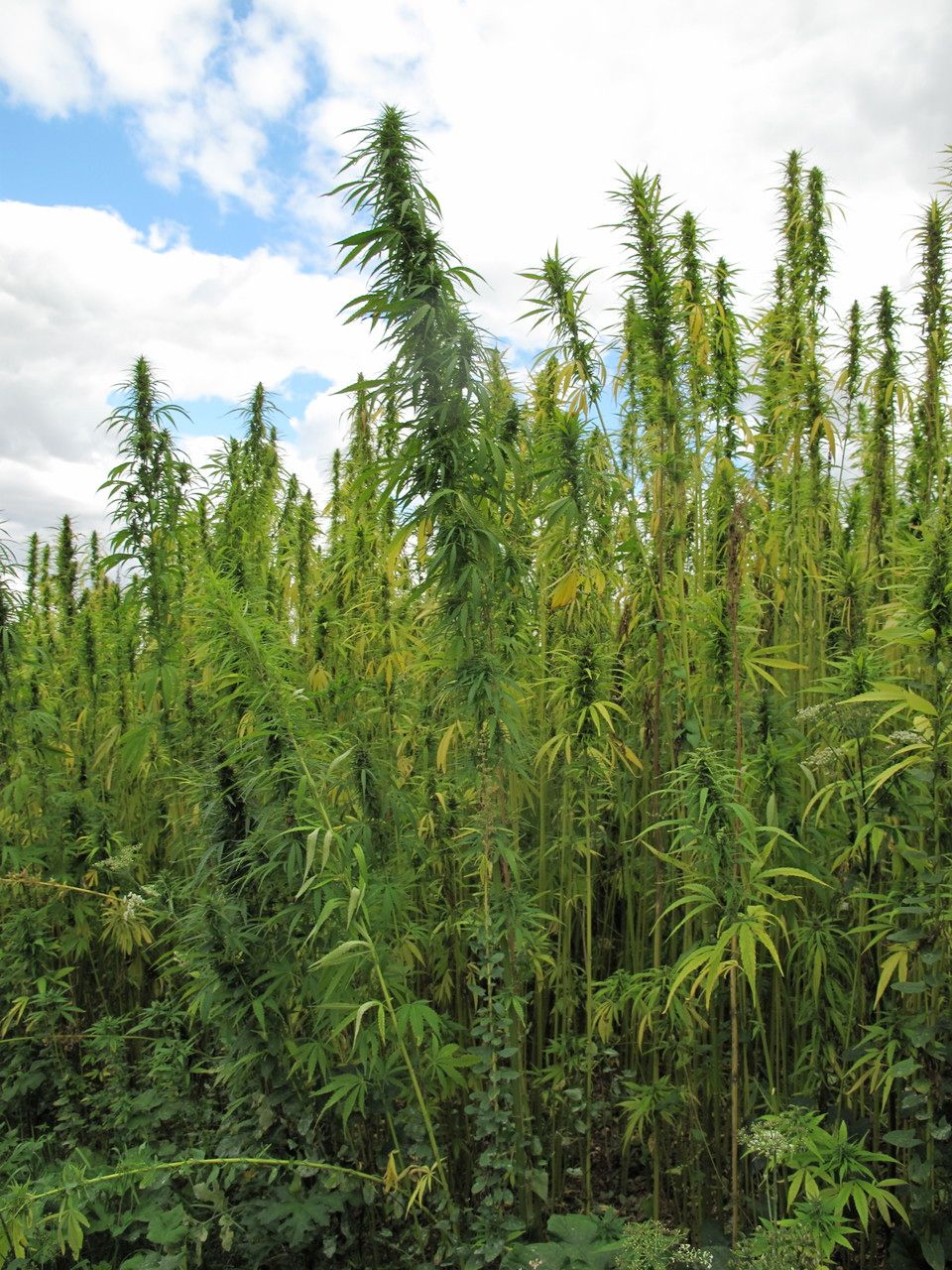
An upright, grooved, often rough stem commonly reaches 1–4 m (3–13 ft), depending on variety and sowing density. The green leaves are palmately compound, usually with five to nine narrow, lance-shaped leaflets. Strongly toothed margins and the arrangement of these leaflets are useful identifying features. 4 2
Leaf arrangement changes along the stem: opposite pairs near the base give way to alternate leaves toward the top. Crushed foliage releases a marked resinous smell, particularly noticeable in types rich in cannabinoids. The combination of odor and leaf form is more informative than height alone. 5 4
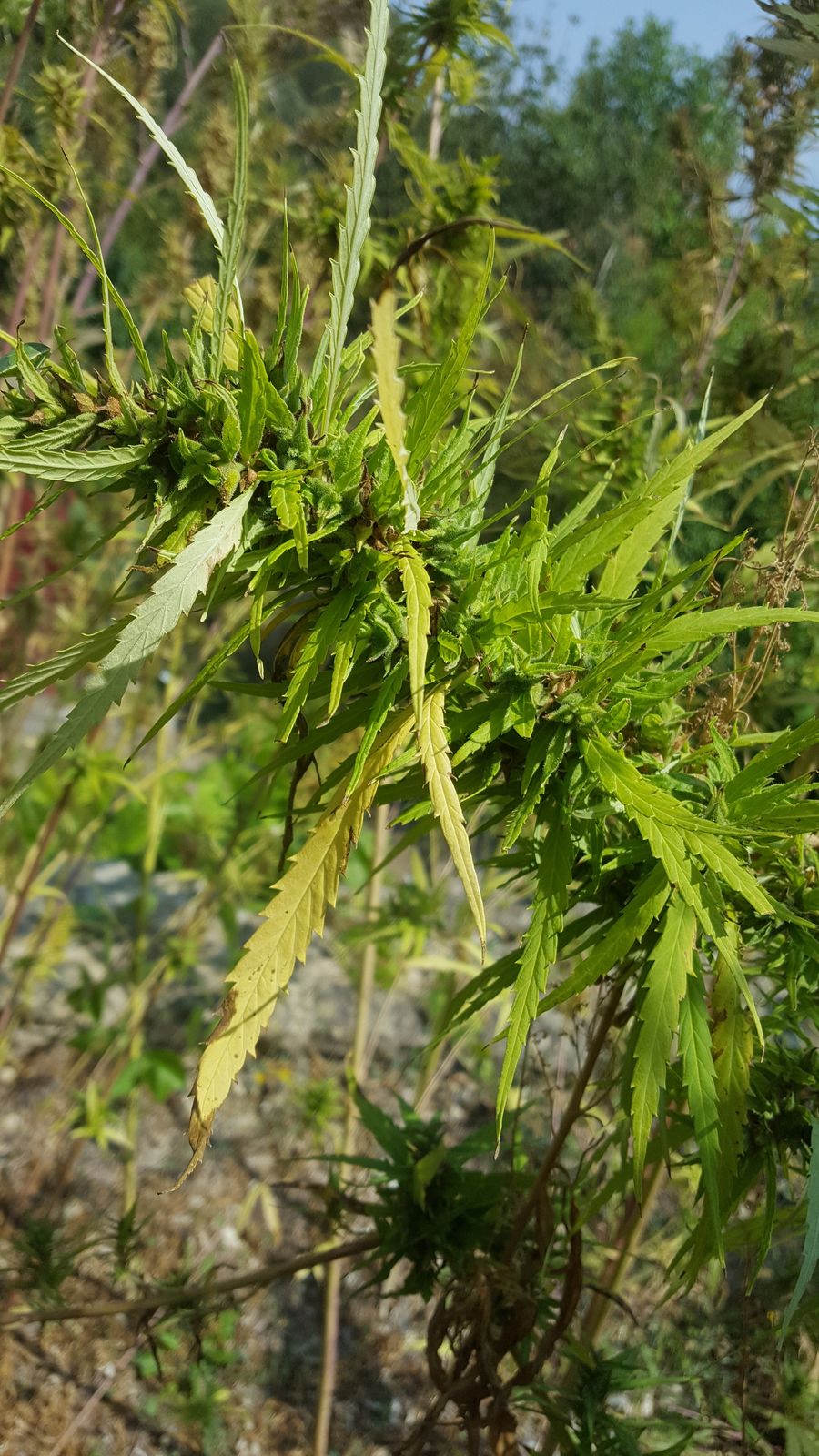
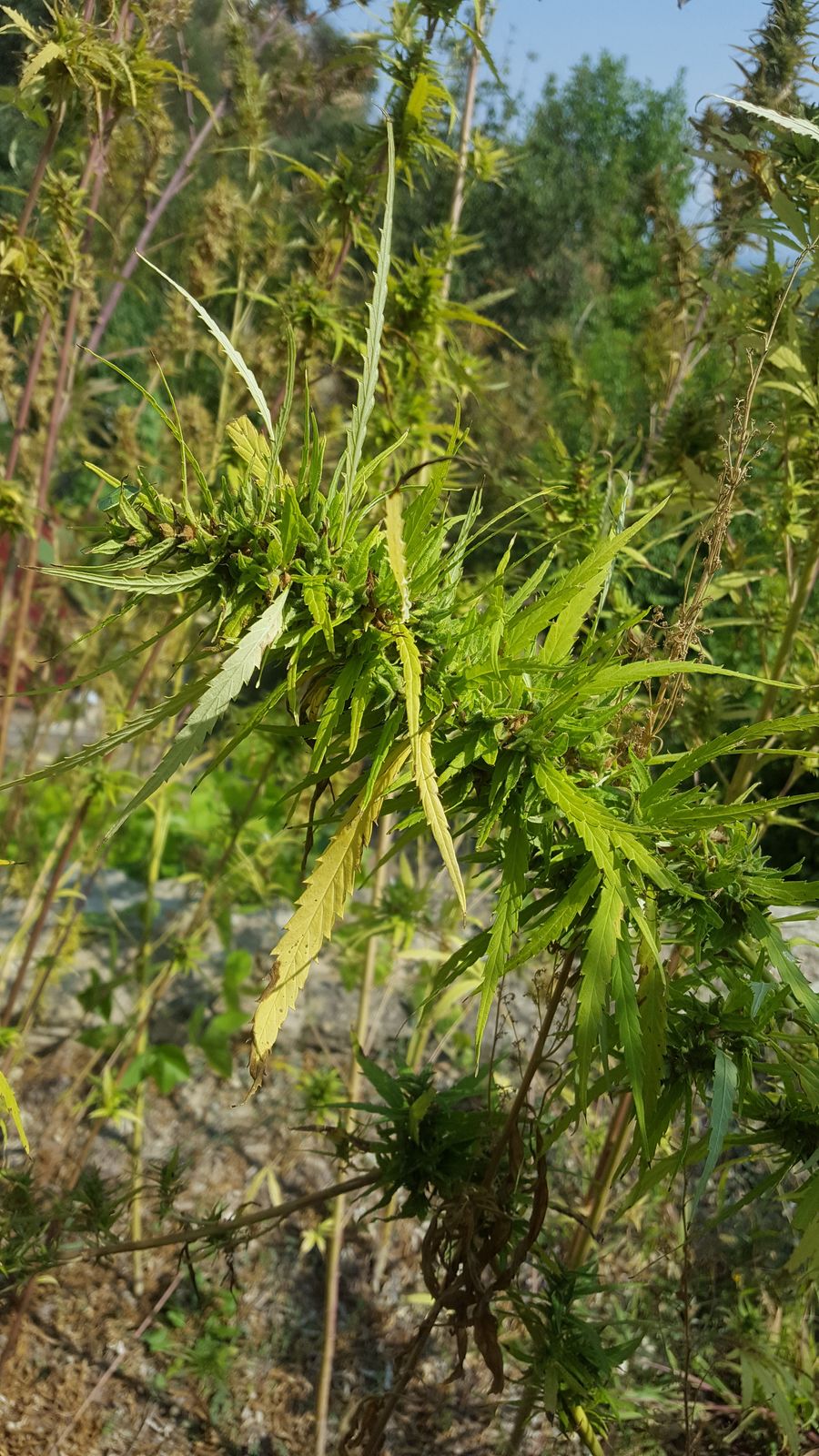
The species is dioecious, with male and female flowers on separate plants. Loose, hanging male inflorescences release abundant pollen, while the female inflorescences are dense, leafy and compact. Fertilization produces smooth, oval hempseeds, gray to brown and often mottled, rather than conspicuous fleshy fruit. 2 5
Fiber and seed crops differ in their branching. Fiber types develop tall stems with little branching, favoring long fibers; seed types branch more to increase seed production. These are varietal differences within hemp, retaining the palmate leaf and dioecious character used to recognize the species. 6 2
Useful taxonomy
Linnaeus described Cannabis sativa L. in 1753. The limits of the genus have long been debated, with some authors recognizing several species. The reference classification accepts one species, Cannabis sativa, around which numerous infraspecific names have accumulated:
- Cannabis sativa subsp. indica (Lam.) E.Small & Cronquist
- Cannabis sativa var. indica (Lam.) Wehmer
- Cannabis sativa var. ruderalis (Janisch.) S.Z.Liou
- Cannabis indica Lam.
- Cannabis ruderalis Janisch.
These names chiefly concern geographic origin, growth habit or cannabinoid content. The accepted scientific name remains Cannabis sativa: industrial hemp and drug-type cannabis describe uses and cultivated selections, not separate botanical species. 1 2
Habitat and range
Central Asia, from Xinjiang to Pakistan, is associated with the ancestral range of cultivated hemp. This is the probable center of domestication from related wild forms. Its Asian origin should be distinguished from the much broader distribution created by a long history of cultivation. 1 2
From that center, hemp cultivation spread across Eurasia and then throughout the world’s temperate regions, including North America. Large field crops and experimental beds alike use loose, deep, well-drained soil in full sun. Fiber and seed production have both contributed to this spread. 2 6
Occurrences represent deliberately sown crops, sometimes locally persisting or escaping along field margins, rather than a stable spontaneous flora. Hemp does not tolerate shade, favors fertile ground and performs poorly in heavy clay. Its cultivation range spans approximately USDA zones 4–9, although it completes its life cycle as an annual. 4 5
Life cycle and reproduction
Hemp germinates, grows, flowers and sets seed within one season, then dies in autumn under a temperate seasonal cycle. Seed maturity takes three to five months from sowing, depending on variety and climate. The appropriate harvest stage differs between crops intended for fiber and those intended for seed. 4 2
Reproduction combines separate male and female plants with wind pollination. Male plants release light pollen that travels to female flowers through the air. Dependence on wind rather than insect visits explains both the lack of attraction to insect pollinators and the importance of crop isolation in maintaining varietal purity. 2 5
Propagation uses seed sown directly into a finely prepared seedbed in local spring; hemp tolerates transplanting poorly. Seeds are sown shallowly and emerge in one to two weeks in warm conditions. In field cultivation, a rotation extending over several years helps limit the accumulation of soil-borne disease. 6 4
Uses and risks
Hemp is chiefly a utility crop. Its long, strong stem fibers supply rope, textiles and construction materials such as hempcrete. Hempseeds provide protein and edible oil rich in essential fatty acids. Some varieties are also grown for CBD, a non-psychoactive cannabinoid, alongside the more familiar fiber and seed uses. 2 4
Regulatory requirements depend on jurisdiction and THC content, THC being delta-9-tetrahydrocannabinol, the main psychoactive cannabinoid. The industrial-hemp framework in France and the European Union concerns registered varieties containing less than 0.3% THC, with higher-THC plants falling within drug controls. Cultivation, possession and use of THC-rich types are regulated or illegal depending on the country; this threshold is not a worldwide rule. 6 7
The health concern lies in cannabinoids in the inflorescences, rather than fiber or seed. The ASPCA lists cannabis as toxic to cats and dogs: THC causes neurological disturbances, and horses are also sensitive. In people the plant is psychoactive and subject to legal controls. Keep the plant and its products beyond animals’ reach. 8 7
Varieties, look-alikes and related plants
Cultivated types are selections of the same species. Fiber hemp has tall, lightly branched stems, while seed hemp branches more to increase hempseed yield. Low-THC varieties registered in the European catalogue fall within that region’s industrial framework; THC-rich drug types fall outside it and are subject to separate controls.
Useful related forms and plants include:
- Cannabis sativa subsp. indica, a stockier form associated with central and southern Asia;
- Cannabis sativa var. ruderalis, a wild form whose flowering depends relatively little on day length;
- Humulus lupulus, hop, a climber in the same family, the Cannabaceae.
Separate male and female plants, palmate leaves with toothed leaflets and resinous-smelling foliage provide the most reliable combination for recognizing hemp, Cannabis sativa. 1 5
Main sources
- Plants of the World Online / Kew, Cannabis sativa L.
- Encyclopaedia Britannica, hemp
- Encyclopaedia Britannica, marijuana
- Plants For A Future, Cannabis sativa
- Wikipedia, Cannabis sativa
- European Commission, hemp production rules
- Observatoire français des drogues et des tendances addictives, cannabis
- ASPCA, marijuana (Cannabis sativa) toxicity entry
Frequently asked questions
Are hemp and cannabis the same plant?
Yes. They belong to Cannabis sativa. Industrial hemp has low THC content and supplies fiber, seed and oil; THC-rich types are regulated as drugs according to jurisdiction.
What THC limit applies to industrial hemp in France?
The French and European Union framework concerns registered varieties containing less than 0.3% THC. Above that threshold, plants fall under drug controls. Regulations in other jurisdictions differ.
Are hempseeds toxic?
Hempseeds contain few cannabinoids and are eaten for their oil and protein. Cannabinoids in the inflorescences, especially THC, are the main regulatory and health concern, rather than the seed itself.
Is cannabis dangerous to animals?
Yes. The ASPCA lists it as toxic to cats and dogs, with THC causing neurological disturbances. Horses are also sensitive. Keep the plant and its products out of animals’ reach.
What is the difference between THC and CBD?
THC, delta-9-tetrahydrocannabinol, is the main psychoactive cannabinoid in Cannabis sativa. CBD, cannabidiol, is non-psychoactive. Industrial hemp is selected for low THC content and is sometimes rich in CBD.
Where did cultivated hemp originate?
Its Asian ancestral range is associated with Central Asia, from Xinjiang to Pakistan. Domesticated early for fiber, it is now cultivated throughout temperate regions worldwide.
Is hemp annual or perennial?
Hemp is annual, completing germination, growth, flowering and seed production within one season. Under a temperate seasonal cycle it dies in autumn after seed maturation.
Similar plants
If you are unsure about a plant’s toxicity, ask a botanist or veterinarian for advice.